

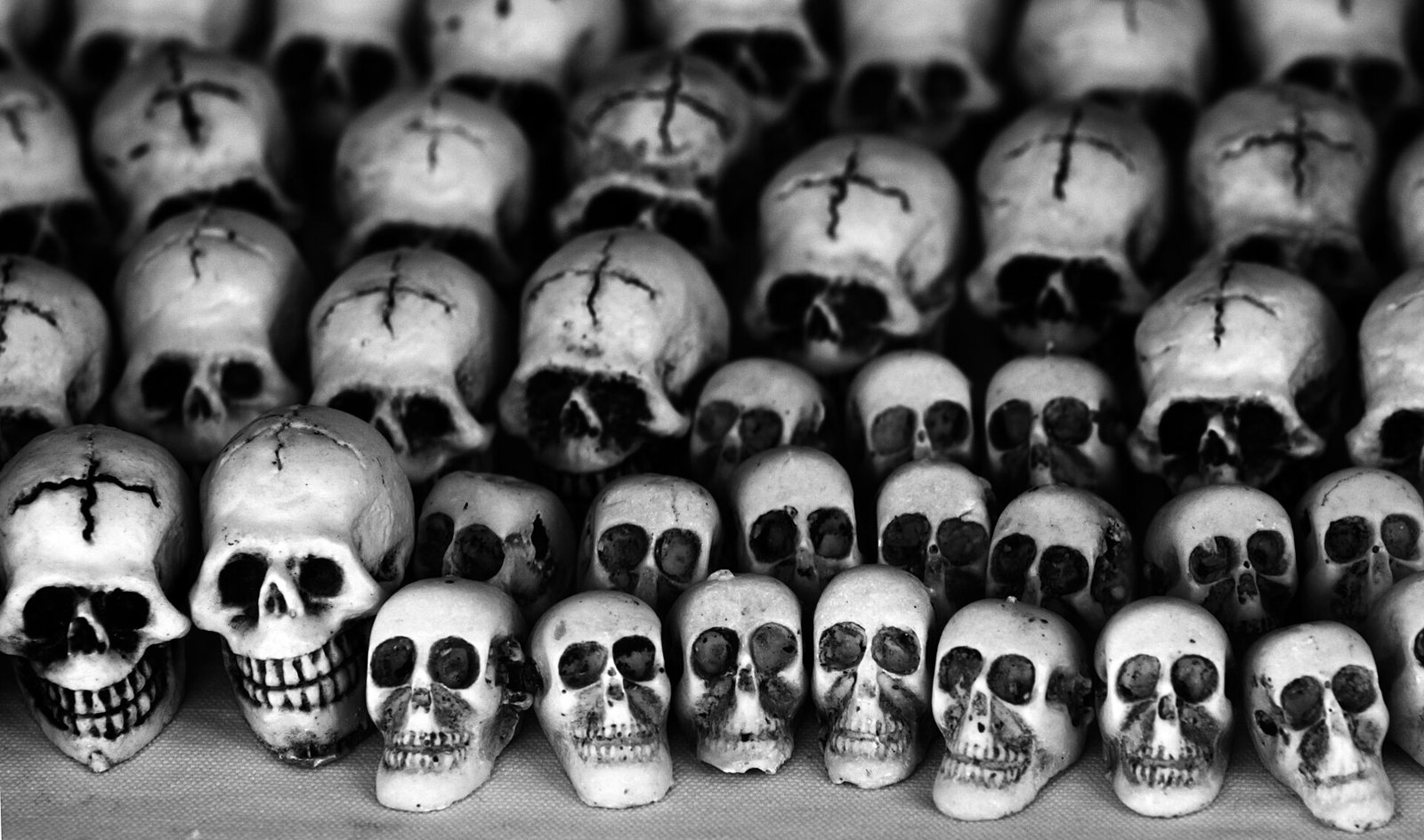
No. 330
Day of the Dead Sayings: Traditional Frases for Ofrendas, Cards and Remembrance
The best-known Mexican saying for the season is "A los vivos pan y a los muertos paz," which means bread for the living and peace for the dead. It sits in Herón Pérez Martínez's *Refranero mexicano* (2004), a collection of Mexican sayings and their meanings.
If you need something shorter for an ofrenda or a card, simple lines work beautifully: "Bienvenidos a casa" (Welcome home) or "Te recordamos con amor" (We remember you with love). Both say what the days are about, welcoming loved ones back and remembering them.
Traditional refranes about death, a few short lines from Octavio Paz, the season's rhyming calaveras and simple wording for altars, cards, papel picado and children all have their place, and each one comes with its meaning. So do the Spanish words you will see on almost every ofrenda.
Traditional Mexican sayings about death
Mexican Spanish has a deep store of refranes, short popular sayings that carry a bit of hard-won wisdom. The Academia Mexicana de la Lengua points to Herón Pérez Martínez's *Refranero mexicano*, published in 2004, as a major collection of them, and death turns up in its pages again and again, sometimes tender, sometimes blunt.
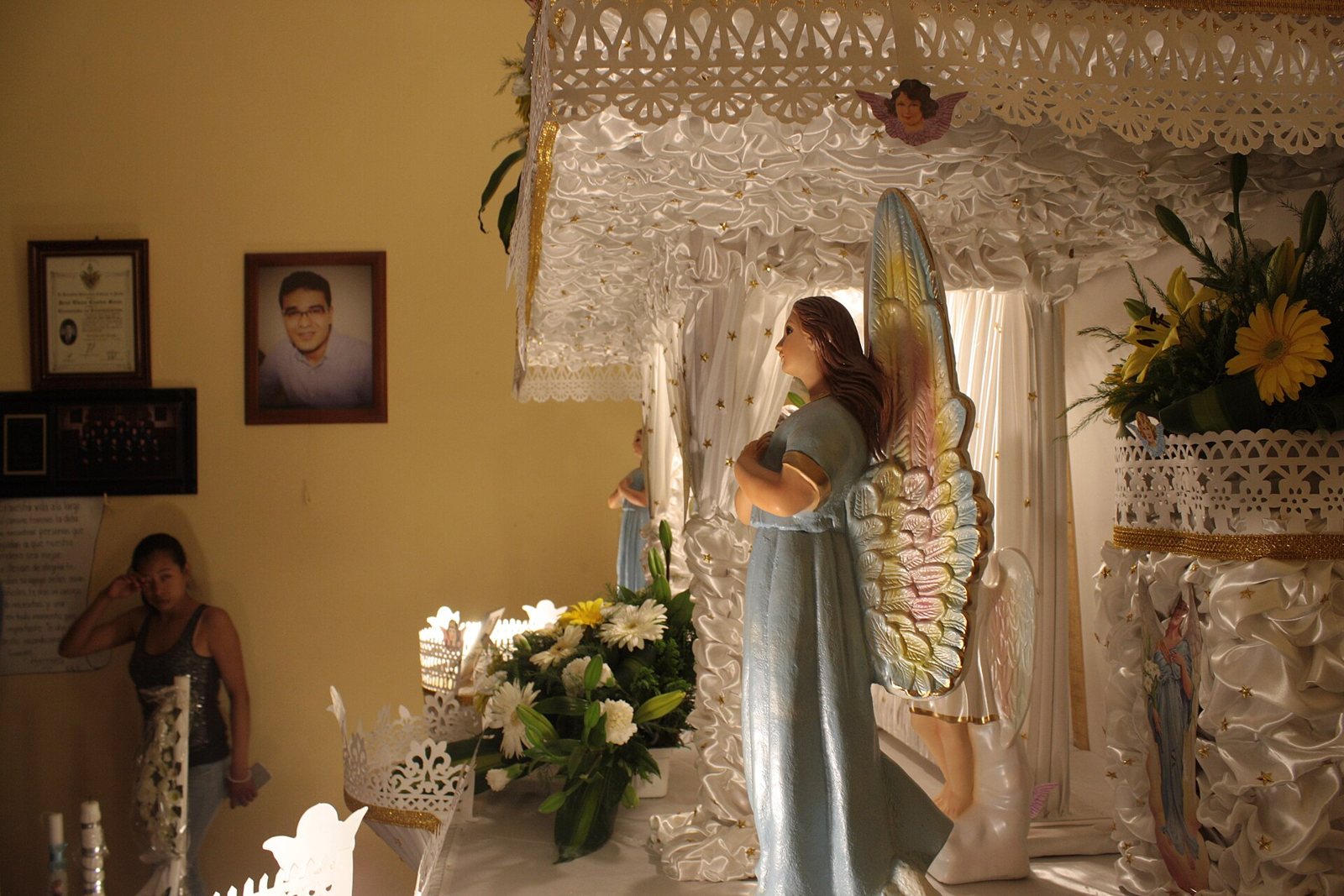
These sayings belong to everyday language, used by people in many places, not to one ritual kept the same way across the whole country. Some are tender, some are blunt and a few are funny. Each one works on its own, so you can pick the one that fits the person you are remembering.
Tap or hover a row to highlight it.
| Refrán | Plain English meaning |
|---|---|
| RefránA los vivos pan y a los muertos paz | Plain English meaningProvide for the living and let the dead rest in peace. |
| RefránAl vivo todo le falta y al muerto todo le sobra | Plain English meaningThe living always need something; the dead no longer need possessions. |
| RefránAl fin que para morir nacimos | Plain English meaningWe were born to die after all; death is part of life. |
| RefránComo la muerte de Apango: ni come ni bebe ni va al fandango | Plain English meaningSaid of someone who is absent from every activity. |
| RefránCuando estés muerto, todos dirán que eres bueno | Plain English meaningOnce you are dead, everyone will say you were good. |
| RefránLo que la cuna da, solo el ataúd lo quita | Plain English meaningWhat the cradle gives, only the coffin takes away; what we are born with stays until death. |
| RefránSolo el que carga el cajón sabe lo que pesa el muerto | Plain English meaningOnly the one carrying the coffin knows how heavy the dead is; only the person bearing a burden knows its weight. |
For an ofrenda or a remembrance card, "A los vivos pan y a los muertos paz" is the natural choice, because it speaks to both sides of the altar at once. "Al fin que para morir nacimos" suits a calm, accepting tone. "Solo el que carga el cajón sabe lo que pesa el muerto" is better kept for conversation, since it is really about burdens that other people cannot see.
How people talk about a death in everyday Mexican Spanish
Refranes are only one layer. People also have their own ways of saying that someone has died, and those change with the setting. A 2021 study of visitors to the Panteón Xilotepec, a cemetery in Xochimilco, Mexico City, recorded how residents and visitors there speak about death.
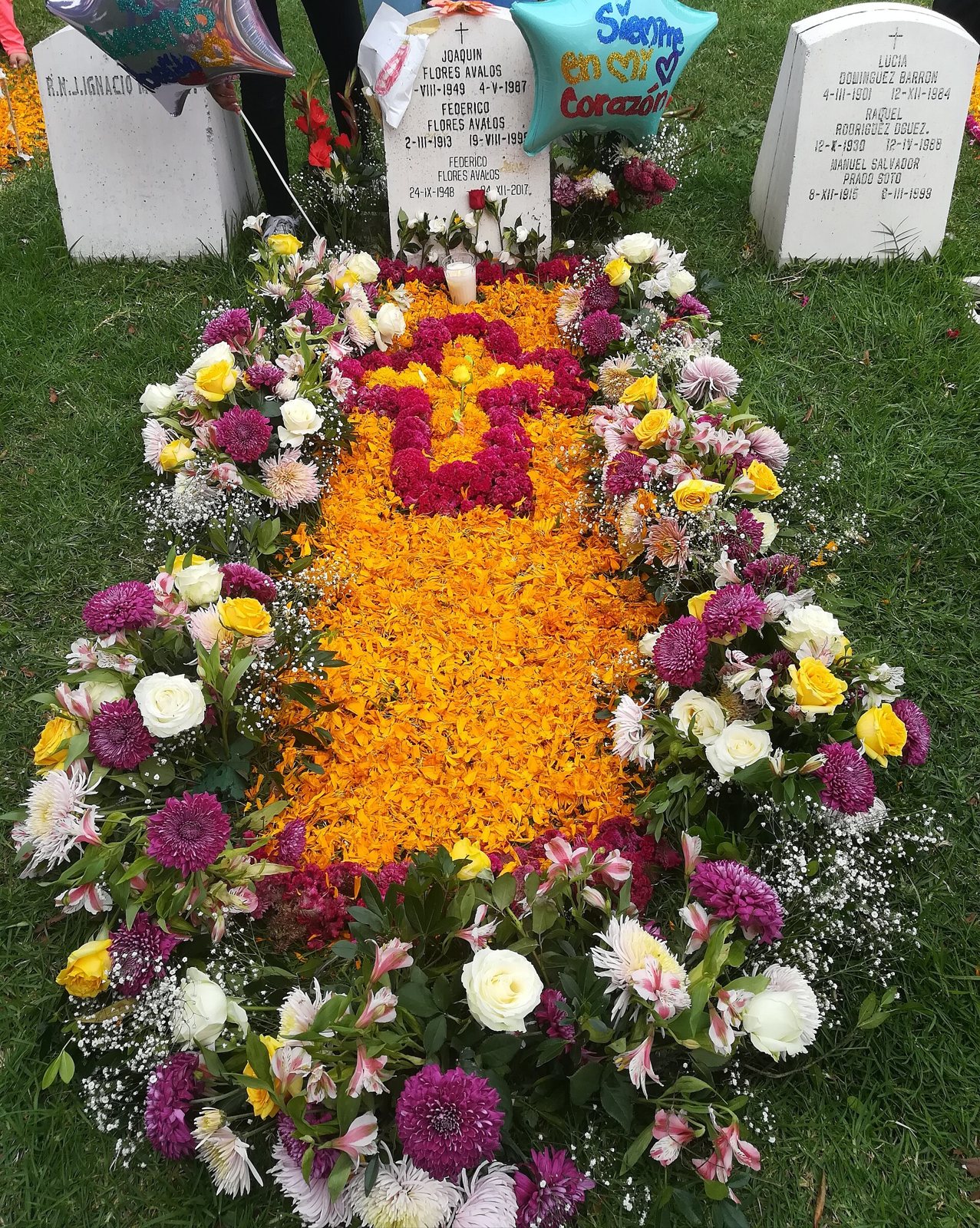
Around a recent death, people there used formal or gentle wording: "ya falleció" and "ya murió" (he or she has passed away, has died), and the softer "ya se nos adelantaron" (they have gone on ahead of us). That last one is a lovely line for a card, because it treats the dead as people who simply went first.
Other expressions are euphemisms with a smile in them: "ya se fue al otro mundo" (has gone to the other world) and "ya cambió de residencia" (has changed address). Then there is slang that the study records turning up later, once time has passed, and in relaxed company: "ya colgó los tenis" (has hung up the sneakers), "ya peló gallo," "chupó faros" and "se petateó," all joking ways of saying someone died.
Those joking phrases are part of how people in Xochimilco live with death, and they show the humor Mexican speech can bring to it. They are not condolence wording, though. Keep them away from a sympathy card or a grieving family's altar unless the family itself talks that way.
Short lines from Octavio Paz
If you are looking for a quotation rather than a folk saying, the most cited Mexican writer on the subject is Octavio Paz. His essay "Todos Santos, Día de Muertos" was first published in *El laberinto de la soledad* in 1950, and a UNAM-hosted text of the essay is available to read.
Three short pieces of it travel well:
- "Nuestra muerte ilumina nuestra vida." Our death lights up our life: thinking about mortality can make clear how a person has lived.
- "La muerte es intransferible, como la vida." Death cannot be handed to someone else, just like life: each of us lives and dies our own.
- Paz calls death "su contrario y complemento," life's opposite and complement, two connected sides rather than separate subjects.
These are literary quotations by a named author, so credit Octavio Paz when you use them. They are not traditional sayings, and they sit best on a card, a classroom display or a post where a reflective line fits.
Calaveras literarias, the season's rhyming jokes
Not every Day of the Dead verse is solemn. Calaveras literarias, also called calaveritas, are rhymed verses written for the season. INAH describes them as verses that play with death, poke fun at the living and celebrate the memory of those who died, and the UNAM program PUEDJS, which published a collection from its 2024 contest, describes their mix of humor, satire and irony.
Calaveras are a traditional form that anyone can write, not lines by Octavio Paz or by the printmaker José Guadalupe Posada, whose skeleton prints often appeared alongside them. If you want to write one, the full story of the form, with examples, is in calaveras literarias, and the artist behind so many of those skeletons has his own page at José Guadalupe Posada.
What to write on an ofrenda, a card or papel picado
The message of Day of the Dead, and of most wording written for it, is that remembering keeps the dead present. UNESCO describes the festivity as the yearly return of deceased relatives and loved ones, for whom families prepare flowers, candles and food between the end of October and the beginning of November. UNAM educator Miguel Ángel Landeros Bobadilla calls it "un rito social contra el olvido," a social ritual against forgetting.
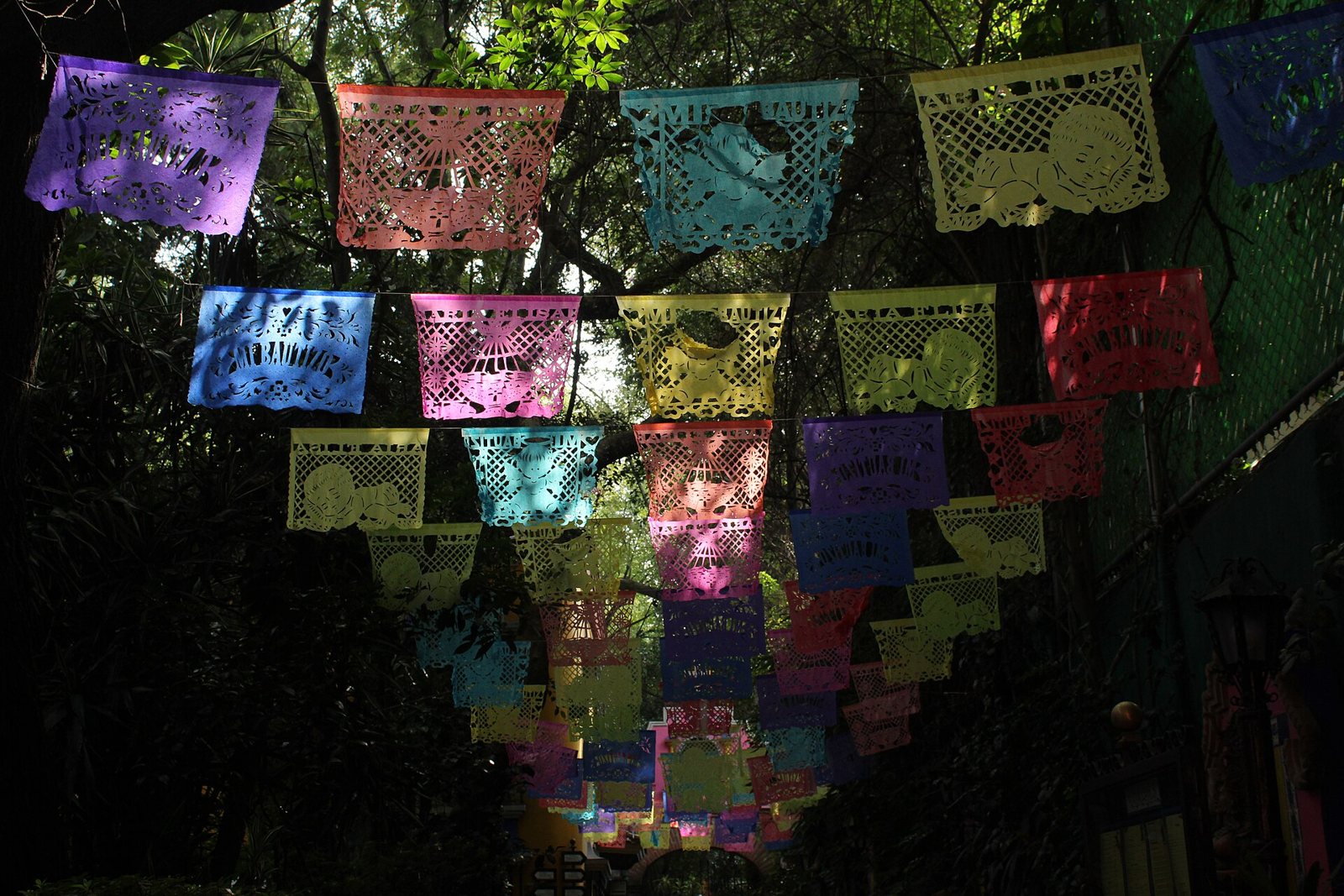
For an altar or a card, short wording about welcome and remembrance does the job best. The lines below are ones you can use as they stand or adapt to the person you are honoring.
Short lines for an ofrenda or card
Tap a card to bring it forward.
- Bienvenidos a casa: Welcome home.
- Te recordamos con amor: We remember you with love.
- Tu memoria vive en nuestra ofrenda: Your memory lives in our offering.
- Siempre vivirás en nuestros corazones: You will always live in our hearts.
- A los vivos pan y a los muertos paz: Bread for the living and peace for the dead.
- Para quienes regresan por un día: For those who return for one day.
The first four are contemporary remembrance wording, simple and warm, rather than old refranes. "A los vivos pan y a los muertos paz" is the documented traditional saying. "Para quienes regresan por un día" echoes the idea, described by INAH for Indigenous communities, that deceased relatives and loved ones return for the celebration.
Papel picado can carry a short phrase too, cut or written into the paper. Its meaning depends on who explains it. INAH's papel picado booklet presents it as air, one of the four elements of the offering, while UNAM Boston describes it as the union of life and death. Practices vary by family and region, so treat a phrase on papel picado as decoration chosen for your altar. More on the cut paper itself is in papel picado.
The best wording is the one that sounds like your family. Adapt these lines to the person you are remembering: add a name, a nickname, a favorite food or the way they used to say goodbye. A card that reads "Bienvenida a casa, abuela" says more than any refrán.
Gentle words for children
Children often meet Day of the Dead through an ofrenda at home or at school, and they ask direct questions. INAH describes the celebration in Indigenous communities as the return of deceased relatives and loved ones, and UNAM Boston lists photographs, favorite foods, flowers and candles among the things families place on an offering. That gives you plenty of concrete, gentle language to work with.
Simple lines like these suit a classroom or a family altar: "Day of the Dead is a time to remember people we love." "An ofrenda is a place where a family remembers someone." "We can talk about a person's name, stories, food and favorite things." "Remembering someone can make us feel love, sadness or both."
In Spanish, two simple lines work well: "Recordamos con amor a quienes ya no están" (We lovingly remember those who are no longer here) and "En la ofrenda ponemos fotos y cosas que les gustaban" (On the ofrenda we put photos and things they liked).
None of this is one national script for children. Families mark the days in their own ways, so a good line to add for a class is this one: "Families celebrate in different ways, so we listen and ask questions respectfully." If children in the class know these traditions from home, their families' words are the best ones to borrow.
Day of the Dead words to know
A handful of Spanish words come up again and again on altars, cards and posters. Each has a plain English meaning, and several carry more than one sense depending on where and how they are used.
Tap or hover a row to highlight it.
| Spanish | English | Meaning |
|---|---|---|
| Spanishofrenda | Englishoffering or memorial altar | MeaningAn arrangement of food, flowers, candles, photographs and personal objects; contents vary by place and family. |
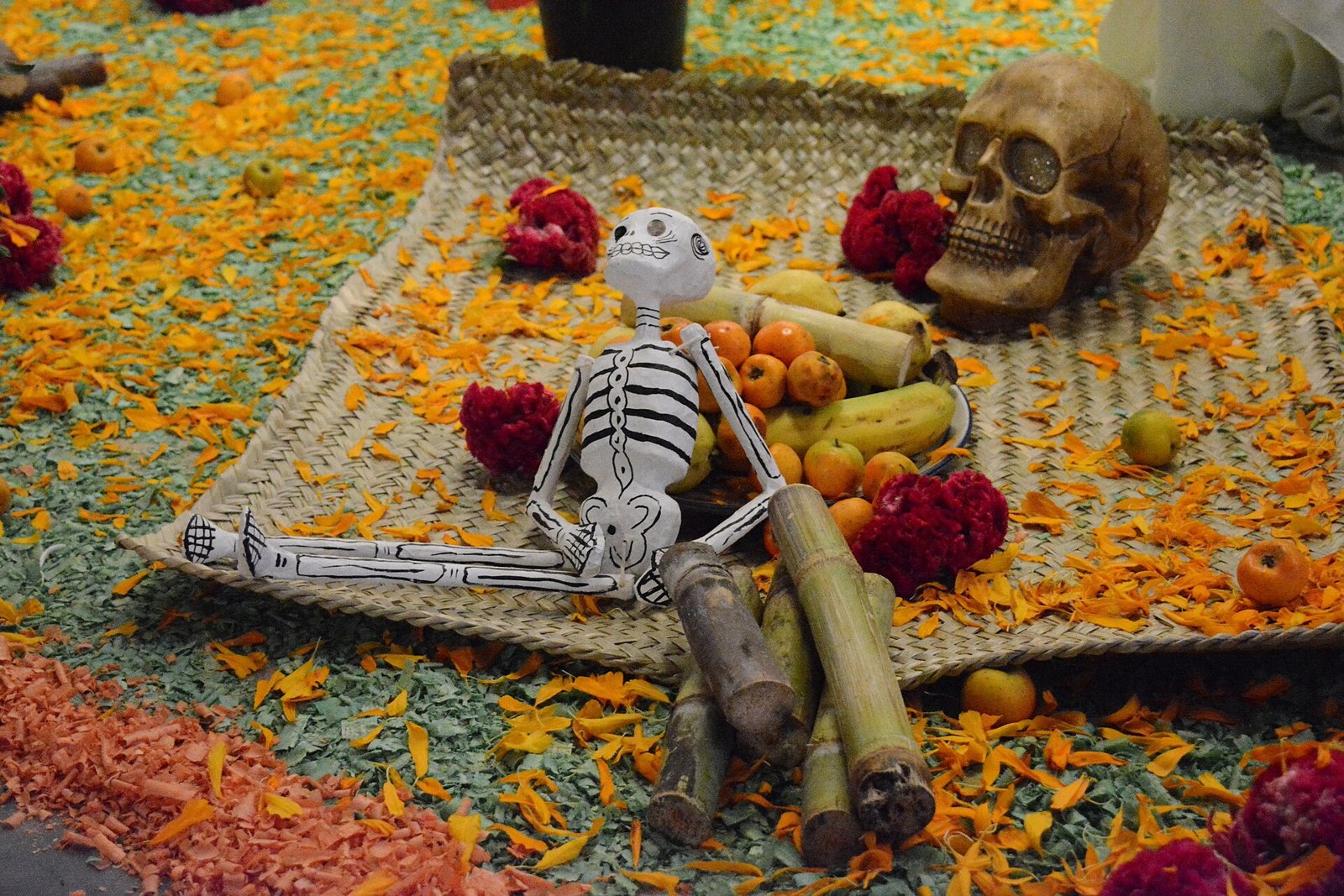
| Spanishcalaca | Englishskeleton or skeletal figure | MeaningA colloquial Mexican word for a skeleton or for Death as a figure. |
| Spanishcalavera | Englishskull; sometimes sugar skull | MeaningLiterally a skull; it can also mean a skull-shaped sweet, skull imagery or a literary calavera. |
| Spanishcempasúchil | Englishmarigold (Tagetes erecta) | MeaningFrom Nahuatl cempohualxochitl, explained as twenty flowers or several flowers; petals may mark a path to an altar or grave. |
| Spanishpapel picado | Englishcut-paper decoration | MeaningINAH connects it with air; UNAM Boston with the union of life and death. |
| Spanishcopal | Englishcopal incense or resin | MeaningBurned for its scent on altars in many regional practices. |
| Spanishcalaverita literaria | Englishliterary calavera | MeaningA humorous or satirical rhymed verse written for the season. |
| Spanishpan de muerto | Englishbread of the dead | MeaningSeasonal bread whose shape and symbolism vary by region. |
| Spanishánima | Englishsoul or departed spirit | MeaningA religious and cultural term whose meaning depends on the community. |
| Spanishpanteón | Englishcemetery | MeaningA common Mexican Spanish word for a cemetery. |
The marigold's name has a story of its own. UNAM Global identifies the cempasúchil of the season as *Tagetes erecta* and explains the Nahuatl name as "twenty flowers" or "several flowers." You can read more about the flower in cempasúchil, about the incense in copal, about the bread in pan de muerto and about the skeleton figures in calacas.
Day of the Dead words through the years
Tap or hover a step to follow the order.
1950
Octavio Paz publishes El laberinto de la soledad, including the essay "Todos Santos, Día de Muertos."
2004
Herón Pérez Martínez's Refranero mexicano is published as a collection of Mexican sayings and their meanings.
2008
UNESCO inscribes the Indigenous festivities dedicated to the dead on its Representative List of the Intangible Cultural Heritage.
2021
A study in Xochimilco, Mexico City records formal and humorous ways of speaking about death, from "ya se nos adelantaron" to "ya colgó los tenis."
2024
PUEDJS UNAM publishes a collection of literary calaveras from its 2024 contest.
FAQ
Quick answers for cards, greetings, posts, classrooms and visits.
What are some Day of the Dead sayings?
"A los vivos pan y a los muertos paz" (bread for the living and peace for the dead) is the classic Mexican refrán for the season. For a quotation, Octavio Paz's "Nuestra muerte ilumina nuestra vida" is a short literary line from his 1950 essay. The first is folk wisdom; the second should be credited to Paz.
What do people say on Day of the Dead?
People say many things, and the words depend on the family and the place. At an altar, welcome and remembrance come first, as in "Bienvenidos a casa." Around a death in Xochimilco, people may say "ya se nos adelantaron," they have gone on ahead of us, while "Al fin que para morir nacimos" is a refrán that accepts death as part of life.
What are good Day of the Dead phrases for kids?
Short, concrete phrases about remembering a loved one work best for children. "We remember the people we love" and "We put their photo and favorite food on the ofrenda" give a child something to do as well as something to say. Photographs, flowers, candles and a favorite food are all things a child can see on the altar, which helps the words make sense.
How do you say Day of the Dead phrases in English?
Most remembrance phrases translate directly: "Bienvenidos a casa" is "Welcome home," "Te recordamos con amor" is "We remember you with love" and "Tu memoria vive en nuestra ofrenda" is "Your memory lives in our offering." "A los vivos pan y a los muertos paz" becomes "Bread for the living and peace for the dead." The first three are modern remembrance lines, while the last translates an old Mexican refrán.
What can I say to remember someone who died?
A simple line with their name in it says the most, such as "Te recordamos con amor" followed by the person's name. "Siempre vivirás en nuestros corazones," you will always live in our hearts, suits a card or a photo frame on the ofrenda.
Do you say Happy Day of the Dead?
Yes, "¡Feliz Día de Muertos!" is a natural greeting for the season, and "Que tengas bonito Día de Muertos," have a beautiful Day of the Dead, is a warm alternative, according to the language site Speak Better Spanish. Día de Muertos is the more common form of the name in Mexico, though Día de los Muertos is understood too. For someone mourning a recent death, "Lo siento mucho," I am so sorry, or "Te acompaño en tus sentimientos," I am with you in your grief, fits better.
What should you avoid at a Day of the Dead altar or cemetery?
Avoid photographing people, family altars, graves or ceremonies without asking first; the DAAD cultural travel guide to Day of the Dead makes asking permission the first step. Customs differ from the candlelit Alumbrada in San Andrés Mixquic to the night vigil on Janitzio, so follow what families, cemetery staff and local authorities ask.
Day of the Dead sayings quiz
Answer every question to check.
Putting the words on the altar
Whatever you choose, a refrán, a line from Paz or a simple "Welcome home," the words work best beside the things that made the person who they were. If you are building the altar itself, how to make an ofrenda walks through it piece by piece, and the wider story of the celebration is in Día de Muertos.
For a figure to set beside your card, how to make a paper calavera has the steps, and children who want their own verses for the season will enjoy the rhymes in pedir calaverita. The skeleton lady who appears on so many cards has her own story in La Catrina.
Terms in this story
Tap a term to see what it means.
Refrán. A short traditional saying in Spanish that carries popular wisdom, like "A los vivos pan y a los muertos paz."
---