
No. 083
Copal Incense on the Día de Muertos Ofrenda: Why It Is Burned and How to Use It
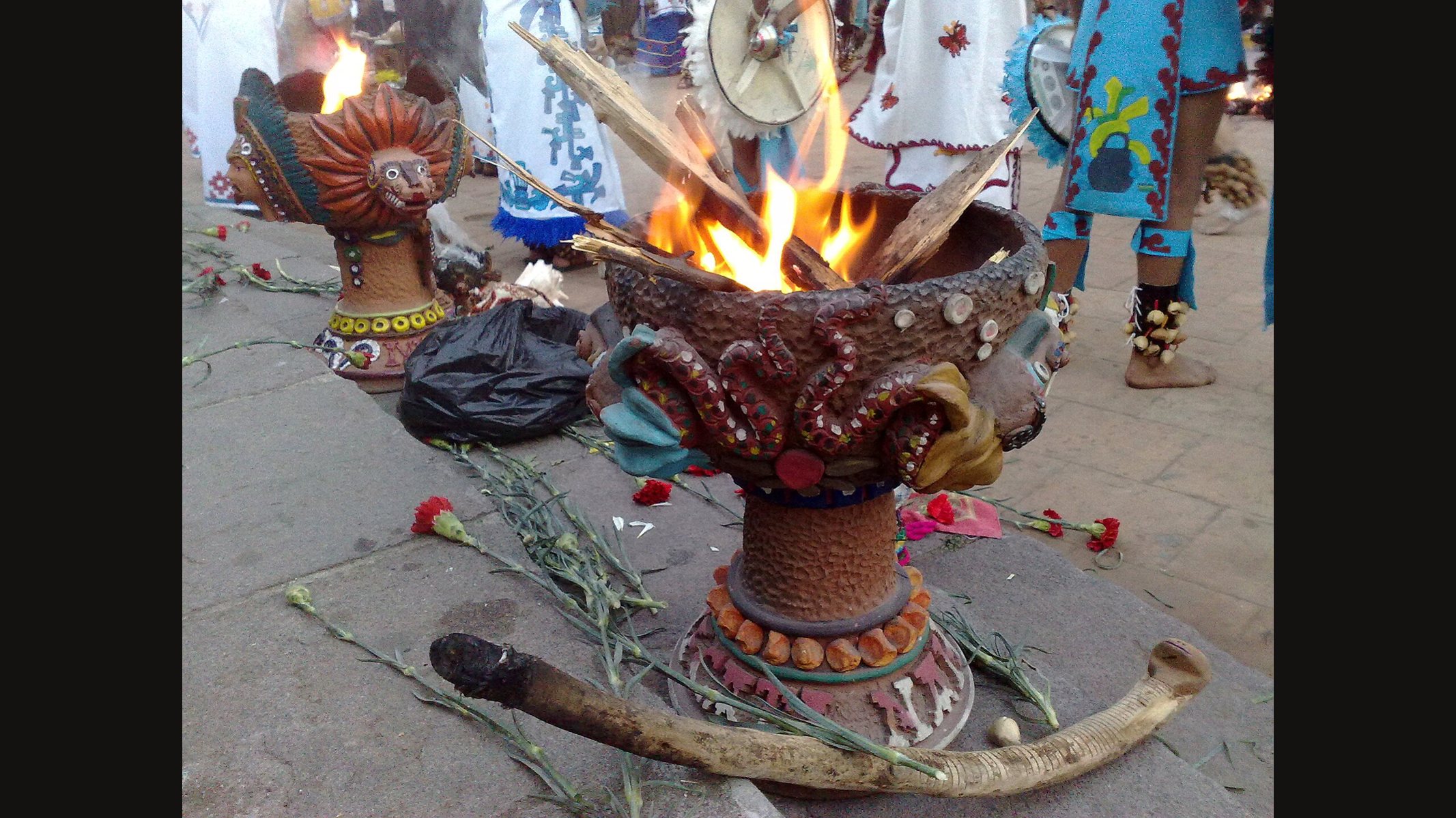
Copal is a fragrant tree resin, called *copalli* in Nahuatl, that many families burn on their Día de Muertos ofrenda to perfume, bless and purify the space where they receive their dead. Mexico's National Institute of Anthropology and History, INAH, describes copal and incense on the ofrenda as aromatic substances that drive away harmful spirits.
To use it, set a few small pieces of resin on a glowing charcoal in a heatproof censer, often called a sahumerio, and let the white smoke rise near the altar. Stay with it while it burns.
What copal means, and when it is lit, varies from one community to the next. A Matlatzinca family in the State of Mexico and a household in Coyoacán, in Mexico City, do not use it in quite the same way, and both ways are worth knowing before you light your own.
What copal is
Copal is not a single plant. It is an aromatic resin that comes from several kinds of trees, and in Mexico the most important ones belong to the Burseraceae family, especially the genera *Bursera* and *Protium*. Mexican botanical sources, summarized by CONABIO and a SciELO review of Mexican plant resins, name *Protium copal* in the Gulf region, and *Bursera bipinnata*, *B. glabrifolia* and *B. copallifera* in Pacific regions that include Morelos, Puebla, Oaxaca and Michoacán.
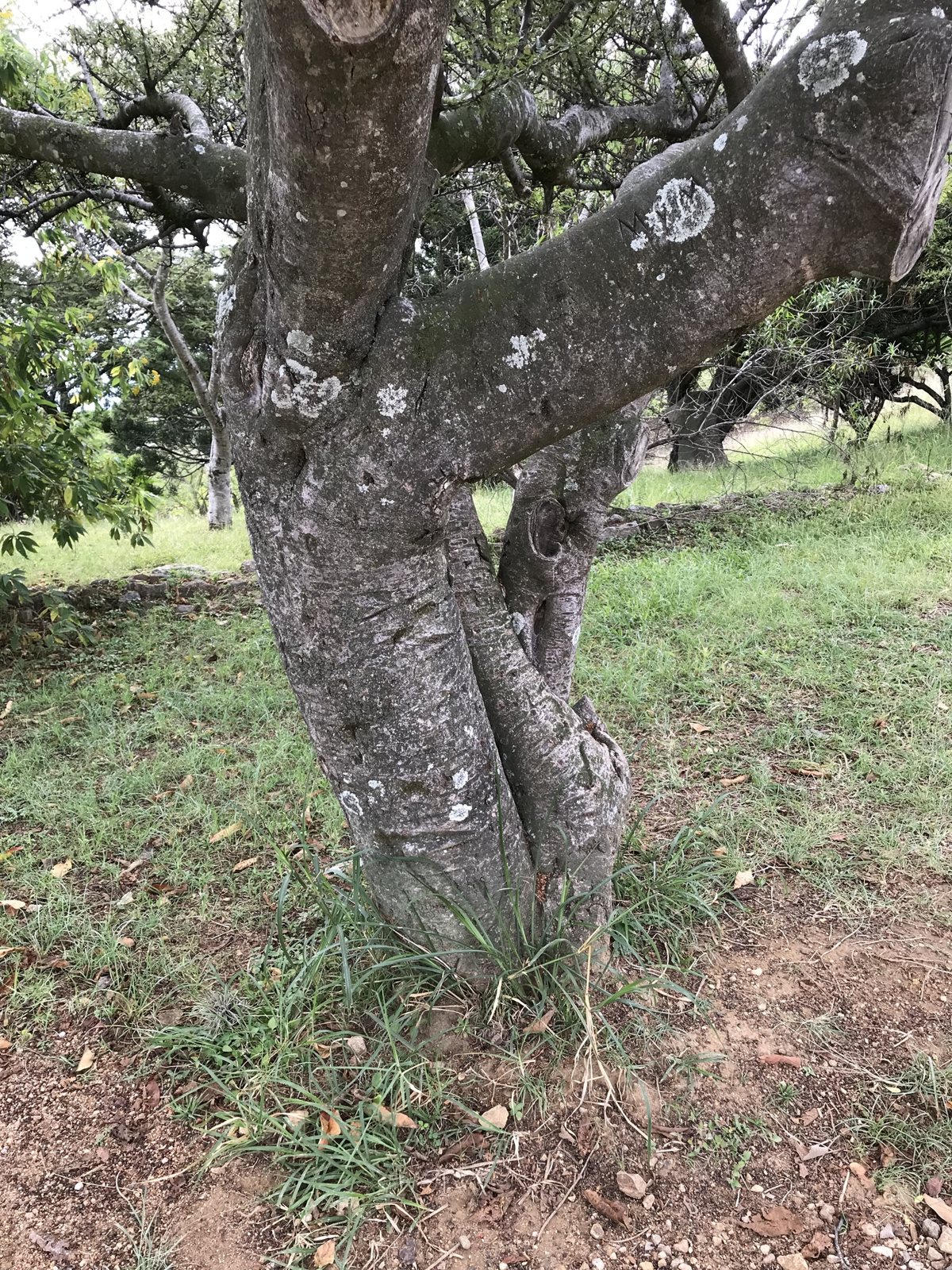
The word itself is old. In Nahuatl, *copalli* means resin or incense, and "copal" is the word for the resin in English as well. Maya sources use another word, *pom*, for incense made from local resin-producing trees, among them *Protium* and *Bursera*. So, when you buy a bag of copal, you are buying a hardened tree sap that has been gathered and burned in this part of the world for a very long time.
Tap or hover a row to highlight it.
| Name | What it refers to |
|---|---|
| NameCopalli | What it refers toThe Nahuatl word for resin or incense |
| NamePom | What it refers toA Maya word for incense from local resin trees, including Protium and Bursera |
| NameProtium copal | What it refers toA copal tree of Mexico's Gulf region |
| NameBursera bipinnata | What it refers toA Pacific-slope copal tree, linked to copal blanco, copal santo and copal de penca |
| NameBursera glabrifolia and B. copallifera | What it refers toCopal trees of Pacific regions including Morelos, Puebla, Oaxaca and Michoacán |
| NameCopal blanco, oro and negro | What it refers toMarket names for white, gold and black copal in central Mexico |
Copal in Mesoamerican ritual
Long before anyone built an ofrenda in a living room, copal was burned and deposited at sacred sites. CONABIO lists archaeological finds of copal at the Sacred Cenote of Chichén Itzá in Yucatán, at the Laguna de la Luna on the Nevado de Toluca volcano in the State of Mexico, and at the Templo Mayor of Tenochtitlan, the great temple at the heart of the Mexica capital, now in the center of Mexico City.
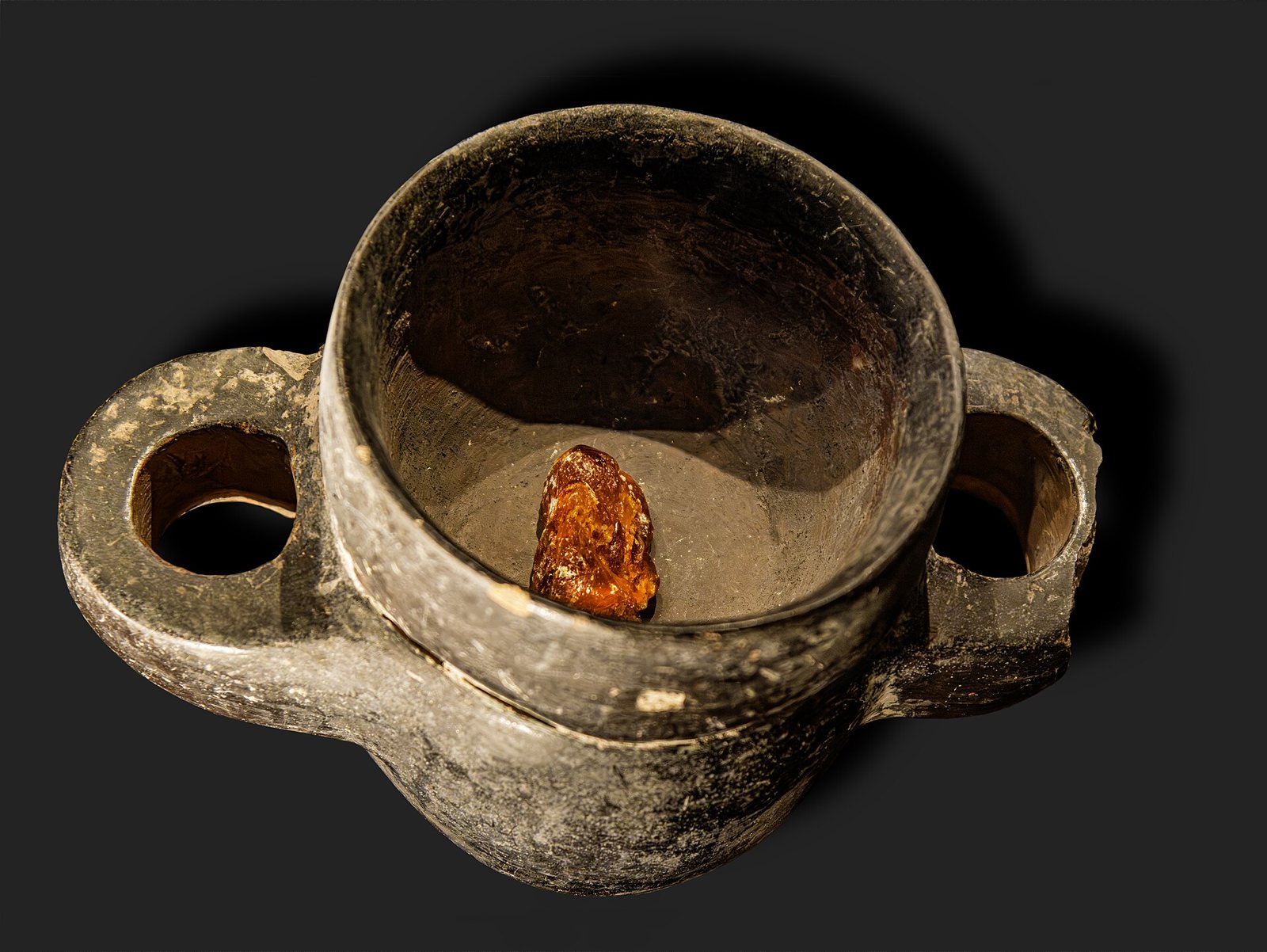
A 1909 study published in the Proceedings of the United States National Museum, *Censers and Incense of Mexico and Central America*, describes how the resin was burned on live coals in ceramic censers, with evidence from Nahua, Maya and Lacandon contexts. It also draws on the sixteenth-century descriptions of Sahagún, who recorded copal burned in temples and in homes, before sacred images and toward the cardinal points.
CONABIO adds that in ancient Mexican traditions copal was treated as a protective deity called Iztacteteo, the "white god," a name tied to its white smoke. In Aztec and Maya ceremonies the resin was shaped into small cakes, tamal-like forms and grains, and researchers read those shapes as food for the gods. Each of these practices belonged to a particular people and period, from the Maya of Yucatán to the Mexica of Tenochtitlan.
Copal through the centuries
Tap or hover a step to follow the order.
Pre-Hispanic Maya and central Mexican periods
Copal is deposited and burned at Chichén Itzá, the Nevado de Toluca and the Templo Mayor.
Sixteenth century
Sahagún's descriptions record copal burned on coals in temple and household censers.
1909
The United States National Museum publishes a study of the censers and incense of Mexico and Central America.
2008
CONABIO publishes "Copales, diversidad y cultura," on copal species, names, uses and regions.
November 1, 2024
INAH publishes an overview of Día de Muertos ofrendas, describing regional variation and copal's place on many altars.
Why families burn copal on the ofrenda, place by place
On a Día de Muertos altar, copal's smoke does several things at once, and the emphasis depends on where you are. INAH's national overview speaks of perfuming the ofrenda and driving away harmful spirits.
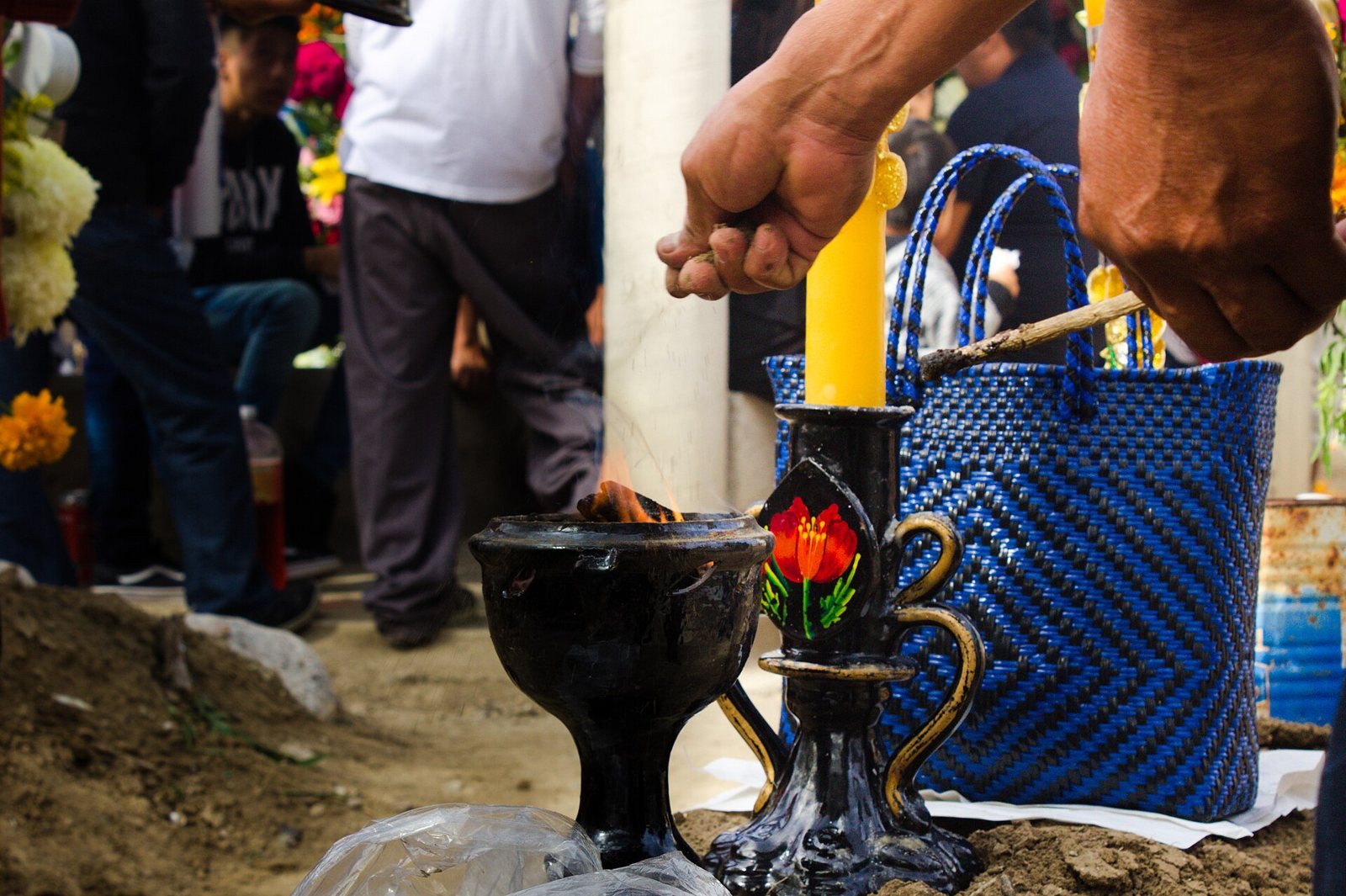
In the State of Mexico, a state study of Día de Muertos traditions documents a Matlatzinca practice in which families place copal in a sahumerio to bless and purify the space where they will receive the souls of their dead. The same account says the copal may be kept burning through the night of November 1 to purify the room.
In Mexico City, in the neighborhood of La Candelaria in Coyoacán, anthropologist Isabel Lagarriga Attias recorded a local altar sequence in which copal comes after the fruit, the bread, the candles and the prepared food, as El País reported in 2025. In that order, the smoke completes an altar that is already set.
Across these accounts, copal stands for purification, blessing, protection and welcome, and for a way of reaching the dead. The weight each family gives those meanings is its own. If your family taught you why they burn it, that reason belongs on your altar.
White, gold and black: the kinds of copal for sale
At a market you may see copal sold by color. "White," "gold" and "black" are market and regional names, not fixed botanical classes, so two bags with the same label can come from different trees.
Copal blanco, white copal, is the one most closely tied to a single species. CONABIO links it with *Bursera bipinnata*, also known as copal santo or copal de penca. The tree grows widely along the Pacific slope, and its resin is sold before Día de Muertos at traditional fairs in Xochitepec, Puebla, and Tepalcingo, Morelos.
A chemistry study of fragrant Mexican copal lists copal blanco, copal oro and copal negro among the commercial kinds found in central Mexican markets, along with copal lágrima, copal incienso and copal de piedra. If the source of your copal matters to you, ask the seller for the tree's botanical name, where the resin was gathered and how it was harvested.
Copal or incense?
Many people building an ofrenda wonder whether they need copal or whether any incense will do. *Incienso*, incense, is the broad word for any aromatic material burned for its fragrance or smoke. Copal is one particular group of resins, mainly from *Bursera* and *Protium* trees in Mesoamerica, that is burned as incense.
INAH names both incense and copal among the common elements of many ofrendas, and not every altar has the same things on it. Which one a family uses comes down to the family, the community and the region.
The censer, and where it sits
The vessel that holds the burning copal goes by several names. *Sahumerio* and *incensario* are the common ones, and *tlemaitl* is an older Nahuatl name. Their forms vary by region and period: ceramic bowls, tripod vessels and censers with a handle, made to be carried while the smoke rises.
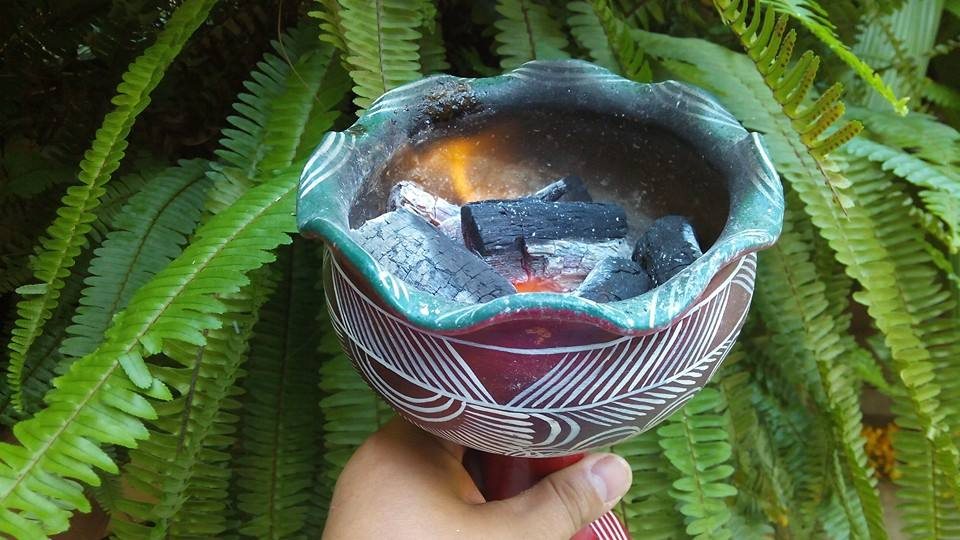
Set the censer near the ofrenda on a stable surface, not on the altar cloth and not among paper decorations. In La Candelaria, Coyoacán, the copal is added last, after the food and candles, which is one community's order rather than a rule for everyone.
How to burn copal safely at home
Copal resin does not burn well on its own, which is why traditional censers hold live coals with the resin set on top. At home, that means a lit piece of charcoal, an open ember and a lot of heat close to an altar full of paper, flowers and cloth. The steps below adapt the U.S. Fire Administration's candle safety guidance, which calls for stable holders, clear space around a flame and putting flames out whenever you leave a room or go to bed.
Use a stable, heatproof censer or bowl and set it on a noncombustible surface. Light the charcoal, let it glow, then add a few small pieces of copal. Keep the censer away from paper, papel picado, curtains, dried flowers, furniture, children and pets, and leave at least 12 inches between the heat and anything that can burn. Keep the room ventilated, and never leave burning charcoal or resin alone. Before you leave the room or go to sleep, put the charcoal out completely.
Smoke indoors is not right for every household. If someone at home has asthma or is sensitive to smoke, you can skip burning it and set an unlit piece of copal on the altar instead. The same applies if you have no safe place for the censer.
Burning copal safely
Tap a card to bring it forward.
- A heatproof censer: Set it on a stable, noncombustible surface.
- Resin on lit charcoal: Copal does not burn readily by itself.
- Clear space: Keep it away from paper, papel picado, curtains and dried flowers.
- 12 inches: Leave at least that much between the heat and anything that can burn.
- Fresh air: Keep the room ventilated.
- Stay with it: Never leave burning charcoal or resin unattended.
- Put it out: Extinguish the charcoal completely before leaving the room or going to sleep.
When to light the copal
There is no one hour that every community follows. In the Matlatzinca account from the State of Mexico, families light the charcoal once the altar is arranged and burn copal on November 1, sometimes late into the night. Other communities keep other dates and other sequences, and the days themselves differ, as our story on Day of the Dead by region shows.
In San Andrés Mixquic, in Mexico City, copal is among the things set out for the children's souls on October 31, alongside white petals, sweets and candles, as told in our story on Mixquic's Day of the Dead. For a home ofrenda, the right moment is the one your family keeps. If you are starting fresh, lighting it once the altar is complete follows the order recorded in both the Matlatzinca and La Candelaria accounts.
How much do you know about copal?
Answer every question to check.
Questions about copal and the ofrenda
A few more answers for anyone setting up an altar this season.
What is copal called in English?
Copal is called "copal" in English too, close to the Nahuatl *copalli*. It is usually described as a Mexican or Mesoamerican tree resin burned as incense, and the name covers resins from several species rather than one.
What kind of incense is burned on Día de Muertos?
Many families burn copal resin, and INAH also lists incense more broadly among the common elements of an ofrenda. Which a family uses depends on its community and region, and some altars have no smoke at all.
Should an ofrenda have copal or incense?
Either can belong on an ofrenda, and INAH names both among common altar elements. Families follow their own community's custom, and either choice is in keeping with what INAH records. For the rest of the altar, see our guide on how to make an ofrenda.
Is it safe to burn copal indoors?
It can be, with a heatproof censer, ventilation, clear space around it and someone watching it the whole time. Burning resin makes smoke and needs hot charcoal, so skip it if smoke is a problem for anyone at home or if you have no safe spot for the censer.
What does copal symbolize?
Copal's meaning varies by community, with documented meanings that include purification, blessing, protection and preparing a sacred space. In pre-Hispanic traditions summarized by CONABIO, copal was also treated as a deity, Iztacteteo, and as food for the gods.
Where to go next
Copal is one part of a larger altar. To set up the whole ofrenda, start with how to make an ofrenda, and for the orange flowers that often sit beside the censer, read about cempasúchil, the marigold of the dead. If you are remembering a child, our story on Día de los Angelitos covers what families set out for them, and the bread that comes before the copal in La Candelaria has its own story in pan de muerto. For the season as a whole, see our guide to Día de Muertos.
Terms in this story
Tap a term to see what it means.
Copal. A fragrant resin from several kinds of trees, especially Bursera and Protium, burned as incense on many Día de Muertos ofrendas.
---