

No. 091
Día de los Angelitos: Remembering Children on October 31 and November 1
Día de los Angelitos, the day of the little angels, is the time within Día de Muertos when families remember children who died. Many families in Mexico keep it on November 1. Some communities begin a day earlier: in Santa Ana Hueytlalpan, Hidalgo, INAH records that the souls of children are received at noon on October 31, and the adults at noon on November 1.
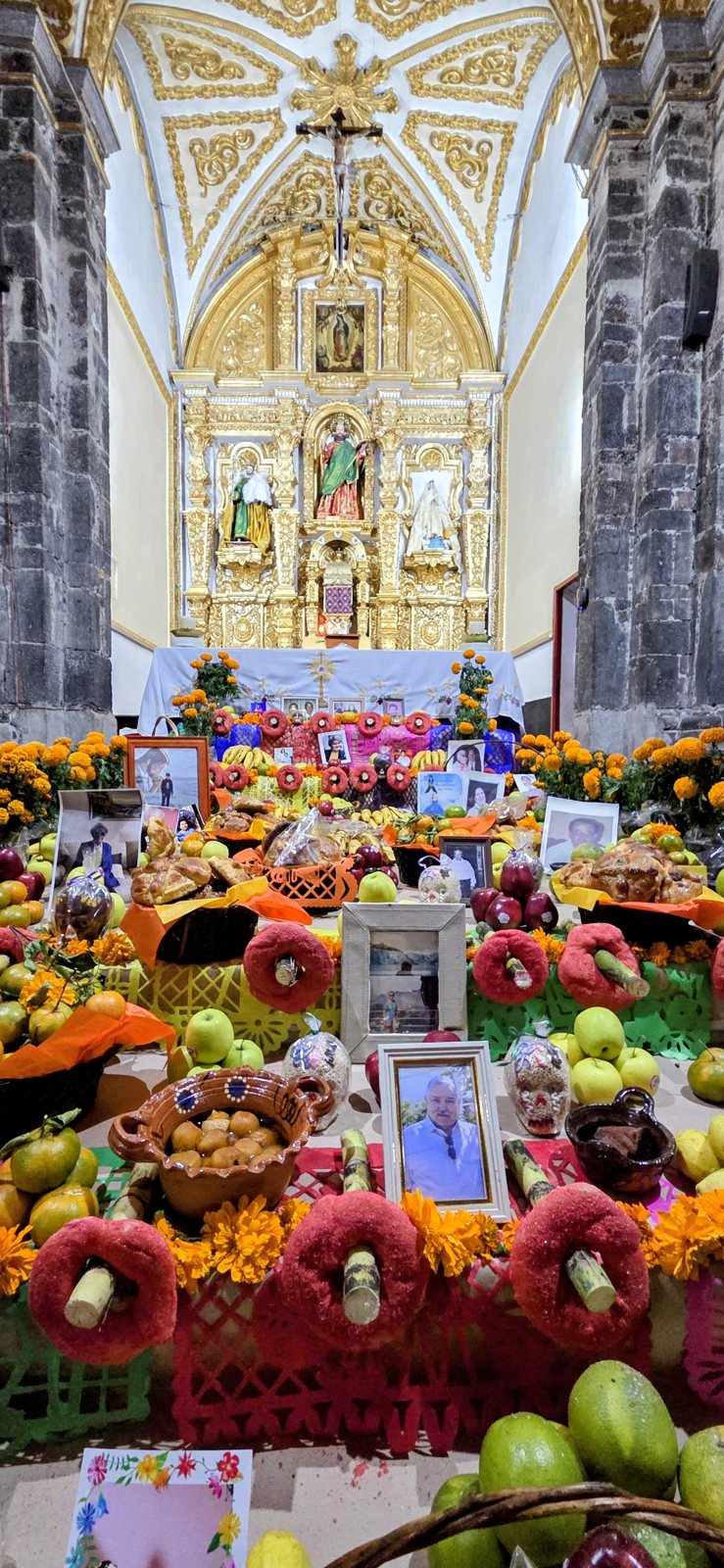
To welcome a child, families set out an ofrenda, a home altar, with the child's photograph, the sweets and foods they liked, their toys, flowers and candles, as Sonoma State University and the Smithsonian's National Museum of the American Latino describe it.
If you are making one for your own child, or adding a child to a family altar for the first time, you are welcome to. The day and the details differ from one community to the next, so you can choose what fits your family.
October 31 or November 1: it depends on the community
Most families who keep the day know it as November 1. The Mexican government agency CONADIS describes November 1 as the day to remember the "muertos chiquitos," the little dead, and that is the date many households in Mexico follow.
Other communities keep their own hours. In Santa Ana Hueytlalpan, Hidalgo, families believe the children arrive at noon on October 31 and leave at noon on November 1, when the adults arrive in their turn, as INAH records. In San Andrés Mixquic, in Mexico City, the children's moment comes on October 31 as well.
There is no single calendar for all of Mexico, and the one that matters is your family's. If your parents or grandparents kept the angelitos on October 31, that is your day; if they kept November 1, that is your day. For the wider calendar of the season, with the days many families give to other groups of the dead, see our story on Día de Muertos for pets.
What families set on a child's ofrenda
A child's altar begins with the child. The photograph comes first, so that the altar is clearly theirs. Around it families place what the child loved: favorite snacks and sweets, fruit, chocolate, a drink, toys and the small belongings that were theirs, with flowers and candles to welcome them.
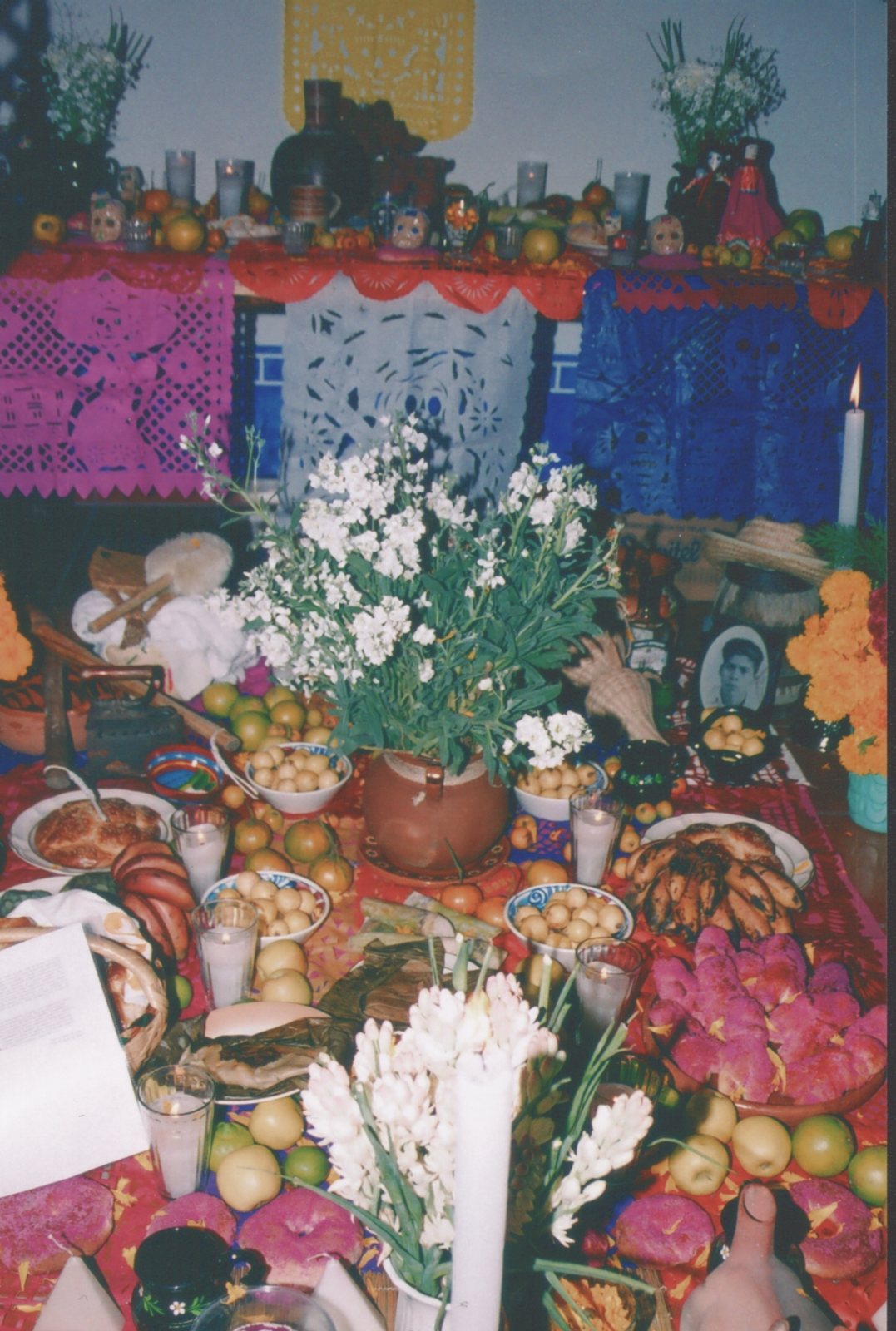
The Smithsonian's National Museum of the American Latino notes that ofrendas vary by family and community. It lists toys, chocolate, atole (a warm corn drink), fruit, sugar skulls, copal, candles and photographs among the things families use, and says that the photographs and personal belongings are what make an altar belong to one person. For a child, that may simply be the toy they played with most.
The arrangement can be simple. A public-domain photograph taken in the Mixteca poblana on November 1, 2006, shows one family's two altars side by side: a child's altar set on a table and an adult altar laid out on a petate, a woven mat. Children and adults are remembered in the same home, each in their own place.
A small ofrenda for a child
Tap a card to bring it forward.
- Photograph or name: Shows whose altar this is.
- Favorite sweets or food: What the child liked to eat.
- Water or a favorite drink: Set out to welcome the child home.
- A toy or something that was theirs: The belongings that make the altar theirs.
- Flowers: To welcome the child.
- A safe light: A candle kept out of reach of children and pets, or a battery candle.
For the full steps of building an altar and keeping candles safe around children and pets, see how to make an ofrenda.
Babies who died before birth or baptism
Some families also remember babies who died before they were born, or before they could be baptized. In some Mexican accounts these babies have their own day. The Mexican government institute ISSSTE describes October 31 as a day associated in some accounts with children who were never born, and November 1 with the angelitos. In some places these babies are called "limbitos."
These names and dates come from regional religious tradition, and they differ from one community and one family to the next. They are not a rule. A baby can be remembered on October 31, on November 1 or on whatever day your family keeps.
How a family names and includes a baby is the family's own choice. If you would like to know how your family's community has done it, ask your relatives or a trusted local cultural or religious guide how they name and remember the child.
The Whisper of the Angelitos in San Andrés Mixquic
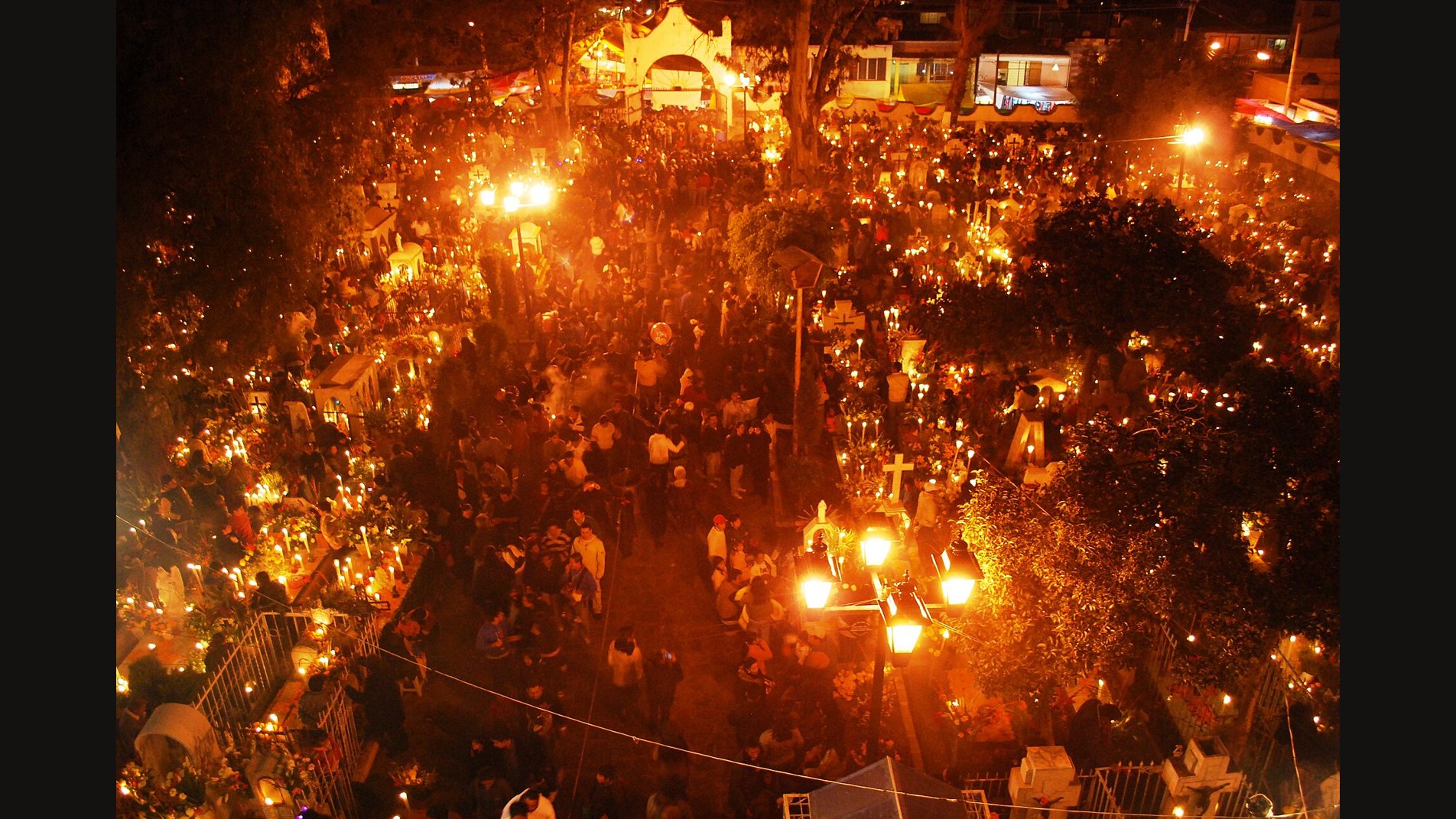
San Andrés Mixquic, in Tláhuac, Mexico City, gives the children a night of their own. Mexico City's 2026 guide to Día de Muertos dates the public cycle from October 31 to November 2.
It opens with the children. "El Susurro de los Angelitos," the Whisper of the Little Angels, falls on October 31, with white petals and sweets. The adults are welcomed on November 1. On the night of November 2 comes "La Alumbrada," when the cemetery is lit with candles and families pray and sing at the graves. Our guide to Day of the Dead by region tells more about that last night.
The city's guide asks visitors to ask before taking photographs, to stay quiet and never to sit on or step over the graves. Those are good manners anywhere families are remembering their children.
Los Seremos in Valle de Allende, Chihuahua
Far to the north, in Valle de Allende, Chihuahua, the community keeps a custom in which the young take part themselves. The Unidad Regional Chihuahua de Culturas Populares describes "Los Seremos," performed every year on the night of November 1.
Groups of children or young people go out together, stage a symbolic death, pray, sing and ask for food or money. It is the town's own tradition, kept alive from year to year, and it shows how differently a single night can be lived from one corner of Mexico to another.
Tap or hover a row to highlight it.
| Date | Place | What happens |
|---|---|---|
| DateOctober 31, noon | PlaceSanta Ana Hueytlalpan, Hidalgo | What happensThe souls of children are received |
| DateOctober 31 | PlaceSan Andrés Mixquic, Mexico City | What happensEl Susurro de los Angelitos, with white petals and sweets |
| DateNovember 1 | PlaceMany communities in Mexico | What happensDía de los Angelitos, the remembrance of children who died |
| DateNovember 1, noon | PlaceSanta Ana Hueytlalpan, Hidalgo | What happensThe children leave and the adults arrive |
| DateNight of November 1 | PlaceValle de Allende, Chihuahua | What happensLos Seremos |
| DateNight of November 2 | PlaceSan Andrés Mixquic, Mexico City | What happensLa Alumbrada, with candles, prayers and songs in the cemetery |
The wake of the little angel in Chile
Outside Mexico, other places have their own customs for children who died, and each belongs to its own place and time. In Chile, the "velorio del angelito," the wake of the little angel, was a popular custom that painters recorded. Ernest Charton's painting *El velatorio del angelito*, dated 1840, is one example, now in the public domain on Wikimedia Commons. Arturo Gordon painted the same custom in *El Velorio del Angelito*; a detail of the painting, from the Casa Museo Eduardo Frei Montalva, is also in the public domain.
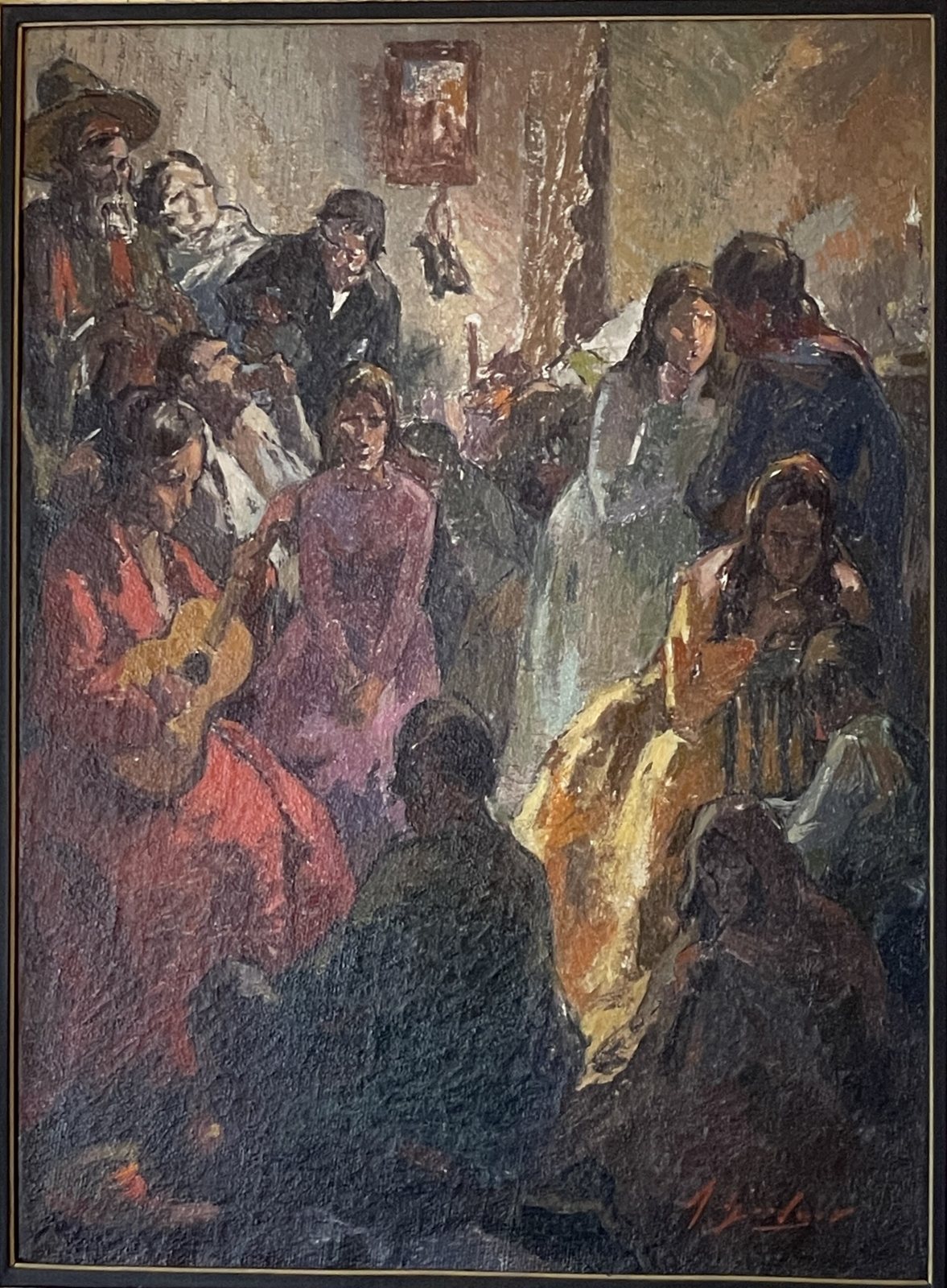
The Chilean wake is its own tradition, separate from Mexico's Día de los Angelitos, and it is best understood on its own terms.
Making a small altar for your own child
An altar for your child does not have to be large or follow anyone else's design. As the ofrenda guide explains, one shelf or the corner of a table is enough. Start with the photograph, or the child's name written out if you have no photograph you want to use. Add a favorite sweet or food, a glass of water or the drink they liked, a toy or something that was theirs, a few flowers and a safe light.
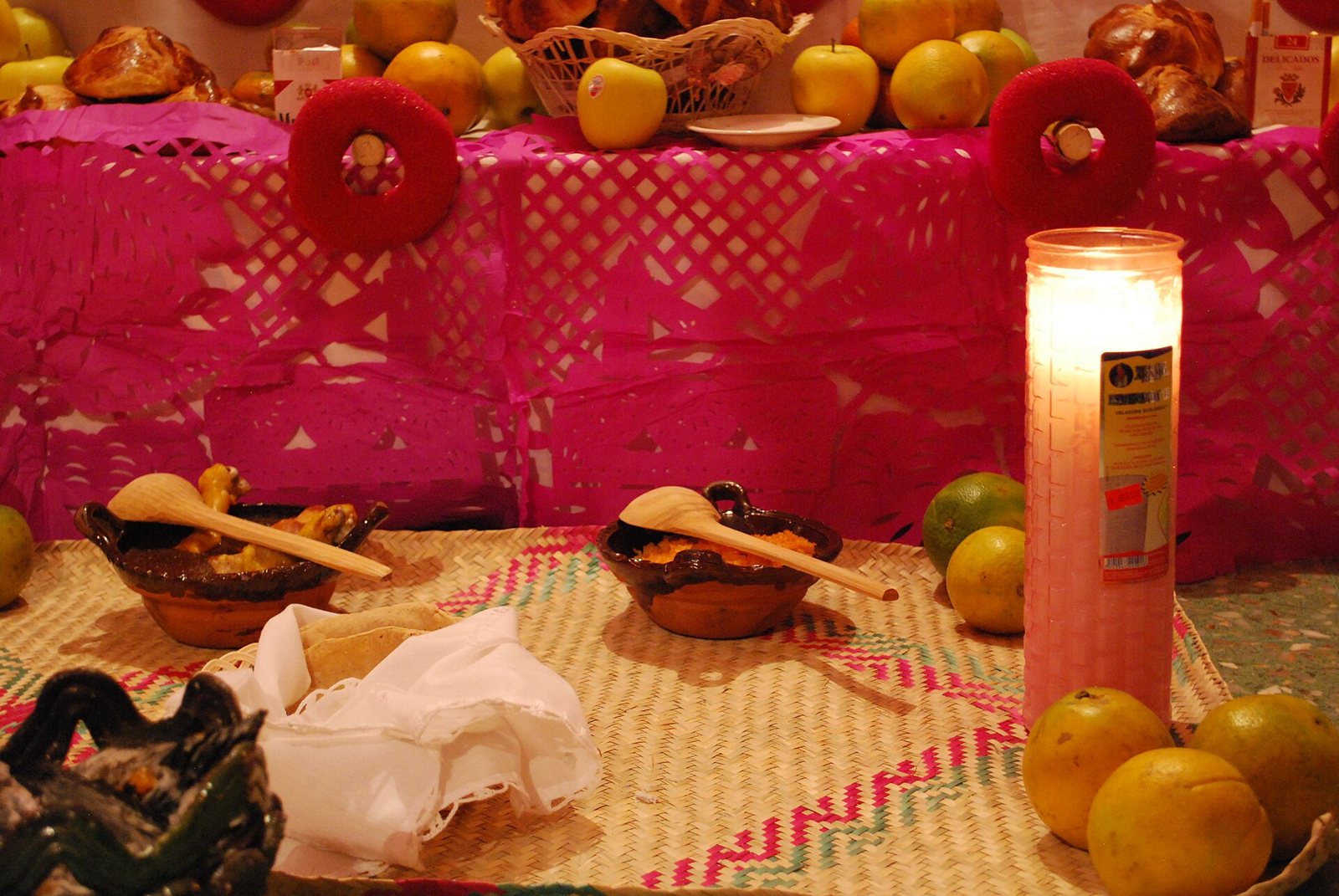
For the day, follow your family's community: October 31 if that is when your family has welcomed the children, November 1 if that is the day you know. Leave it up through the days your family keeps.
What you place is yours to choose. The families who keep this tradition fill their altars with the particular things their own children loved, and those things are what make each altar theirs.
Questions about Día de los Angelitos
The dates and the names differ from place to place, and so do the customs for the youngest children.
What is Día de los Angelitos?
Día de los Angelitos is the remembrance of children who died, kept within the wider Día de Muertos season. Families welcome the child symbolically with an ofrenda that holds photographs, favorite foods, sweets, toys, flowers and candles, as Sonoma State University describes it.
Is November 1 the Day of the Little Angels in Mexico?
Yes, for many families November 1 is the day for children who died, and CONADIS describes it as the remembrance of the "muertos chiquitos." Local calendars differ, though, and some communities begin on October 31.
What time do the angelitos arrive?
In Santa Ana Hueytlalpan, Hidalgo, families believe the children arrive at noon on October 31 and leave at noon on November 1, as INAH records. In San Andrés Mixquic, the children are welcomed on October 31, and in many other communities their day is November 1.
What is a velorio del angelito?
A velorio del angelito is a wake for a young child, a custom recorded in Chile by painters such as Ernest Charton in 1840. It belongs to its own place and period and is separate from Mexico's Día de los Angelitos.
Where to go next
For the whole season, start with the guide to Día de Muertos. To build the altar step by step, read how to make an ofrenda, and for the way different communities keep these nights, read Day of the Dead by region. For one island community's night with its dead on Lake Pátzcuaro, read about the Night of the Dead on Janitzio.
Terms in this story
Tap a term to see what it means.
Angelitos. "Little angels," the name given to children who died, remembered during Día de Muertos on October 31 or November 1 depending on the community.
---