

No. 207
Day of the Dead for Pets: The October 27 Tradition and How to Set Up a Pet Ofrenda
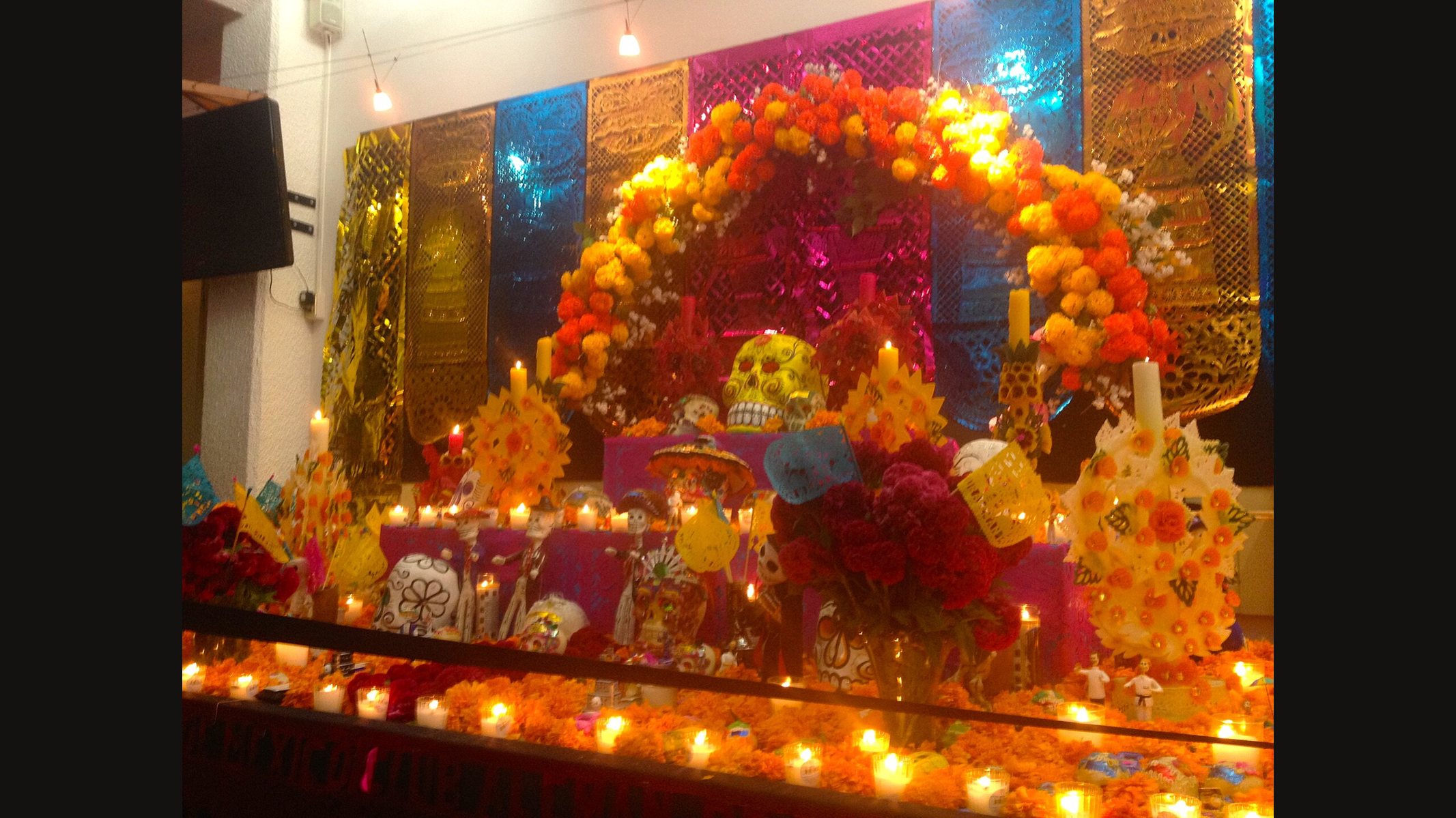
Yes, many families in Mexico and beyond now remember their dogs, cats and other animals on October 27, with a small ofrenda (a home altar) set up for them. It usually holds the pet's photo, a bowl of water, its food or a favorite treat, a toy or collar, orange cempasúchil flowers and a candle.
The pet date is young. Infobae reported in 2023 that an animal funeral-services company proposed it in 2019 (Infobae, 27 October 2023), and La Jornada wrote in 2025 that the custom grew from that campaign and has since been taken up by many Mexican families (La Jornada, 27 October 2025).
The thread behind it is far older. In Mexica belief, a dog walked beside the dead on their way to Mictlán, the place of the dead, and that old companionship is a large part of why a day for animals felt natural to so many families.
Where the October 27 date comes from
If you lost a dog or a cat this year and someone told you that pets come home on October 27, they were passing on something real. It is just recent. According to Infobae, the idea of a Día de Muertos day for pets was put forward in 2019 by a company that provides funeral services for animals. La Jornada describes the same beginning, an advertising campaign around 2019, and says that many families in Mexico have since made the date their own.
That also answers a question many people have: October 27 is not an official national holiday in Mexico. Infobae says plainly that the date is not official, and La Jornada calls it a custom families adopted. For many households it is now simply the day the animals are remembered, while others still place their pets on the main family altar on November 1 or 2 with the rest of their loved ones.
A young custom is still a real one for the people who keep it. The date now appears in family homes and in public life in several parts of Mexico. In Degollado, Jalisco, the municipal government described October 27 as the day to remember pets in 2025 (Gobierno de Degollado). The state government of San Luis Potosí built a public pet altar in 2024 (Gobierno de San Luis Potosí, 28 October 2024), and pet altars have appeared in Mexico City and in Pátzcuaro, Michoacán, as well.
Which day of Día de Muertos is for whom
Día de Muertos is not one day but a run of days, and many families give each one to a different group of the dead. A calendar shared widely in Mexico today runs like this: October 27 for pets, October 28 for people who died in accidents or by violence, October 31 and November 1 for children (often called angelitos, little angels), and November 2 for adults. If you are new to the wider holiday, our Día de Muertos guide covers the whole season.
That calendar is a summary, and communities keep their own. In Xochimilco, a compilation by the Instituto Nacional de los Pueblos Indígenas, quoted by El País, gives October 28 to people who died by accident, October 31 to children and November 1 to adults (El País, 1 November 2025).
In Tlaxcala, the sequence starts on October 28 with accidental deaths, remembers unbaptized babies on October 30, honors people who died naturally on November 1, and takes the altar down after noon on November 2 (El País, 31 October 2025; Día de Muertos, Wikipedia). AP's 2024 report from Mexico City described October 31 as the start for people who died in accidents, November 1 for children and November 2 for adults (AP News, 1 November 2024). The pet date sits at the front of the season as the newest addition. Our story on Day of the Dead by region follows more of these local calendars.
Tap or hover a row to highlight it.
| Date | Commonly associated remembrance | Where it varies |
|---|---|---|
| DateOctober 27 | Commonly associated remembrancePets that have died | Where it variesRecent family custom, not a national rule |
| DateOctober 28 | Commonly associated remembrancePeople who died in accidents or by violence | Where it variesKept in Xochimilco, Tlaxcala and other regional calendars |
| DateOctober 30 | Commonly associated remembranceUnbaptized babies | Where it variesSome Tlaxcala communities |
| DateOctober 31 | Commonly associated remembranceChildren in the Xochimilco compilation; people who died in accidents in AP's Mexico City account | Where it variesThe calendar varies |
| DateNovember 1 | Commonly associated remembranceChildren in many regions; adults in the Xochimilco compilation | Where it variesLocal practice differs |
| DateNovember 2 | Commonly associated remembranceAdults in many regions; the altar may come down after the visit | Where it variesTiming differs by community |
The dog who walks the dead to Mictlán
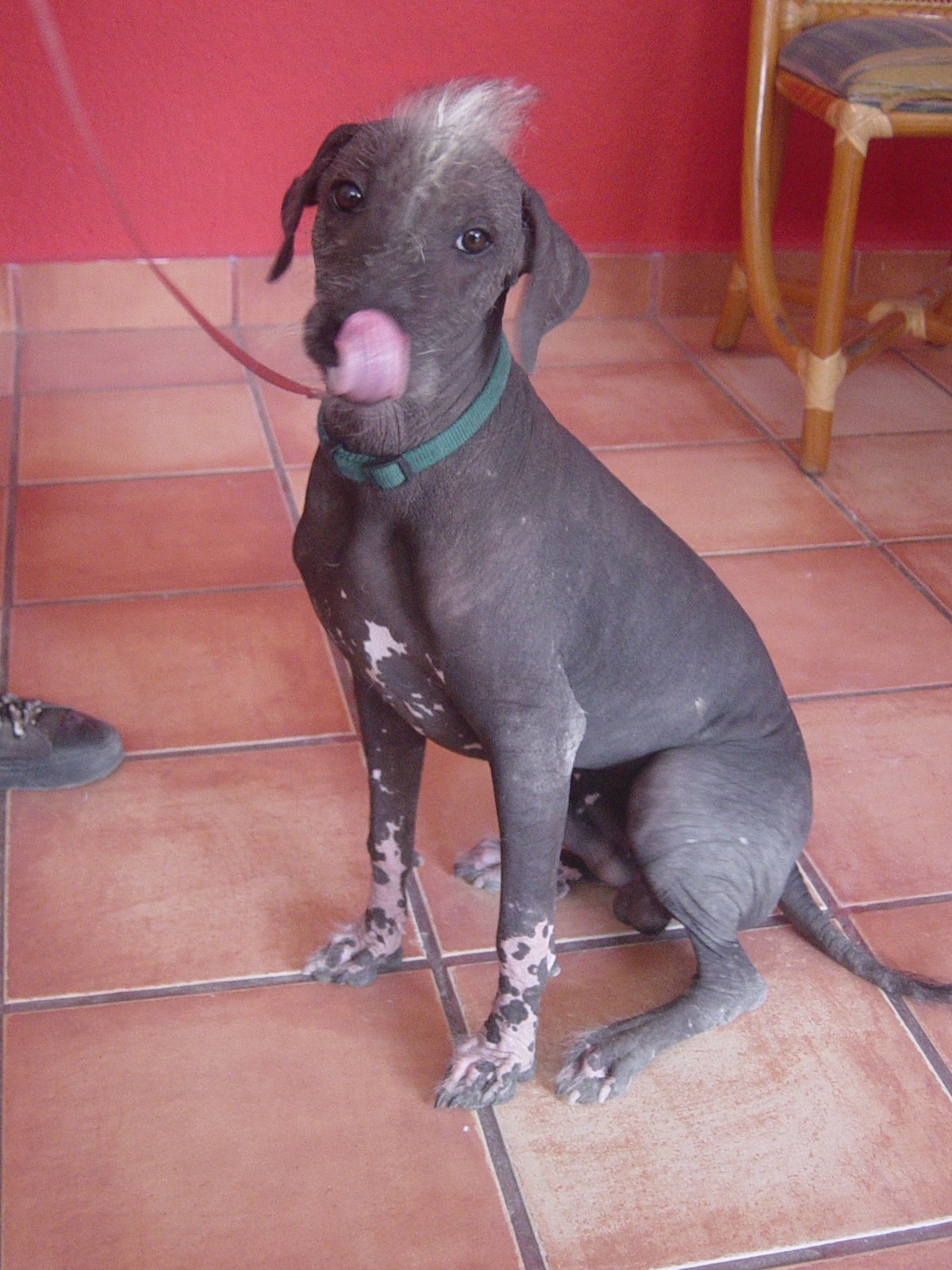
Ask which animal belongs to Día de Muertos and most people will answer with a dog, and they have good reason. In Mexica accounts, Xólotl was a figure tied to the road of the dead, often shown with the features of a dog or a skeleton. The xoloitzcuintle, a hairless dog native to Mexico, is linked with helping souls cross the river that lies on the route to Mictlán, the place of the dead.
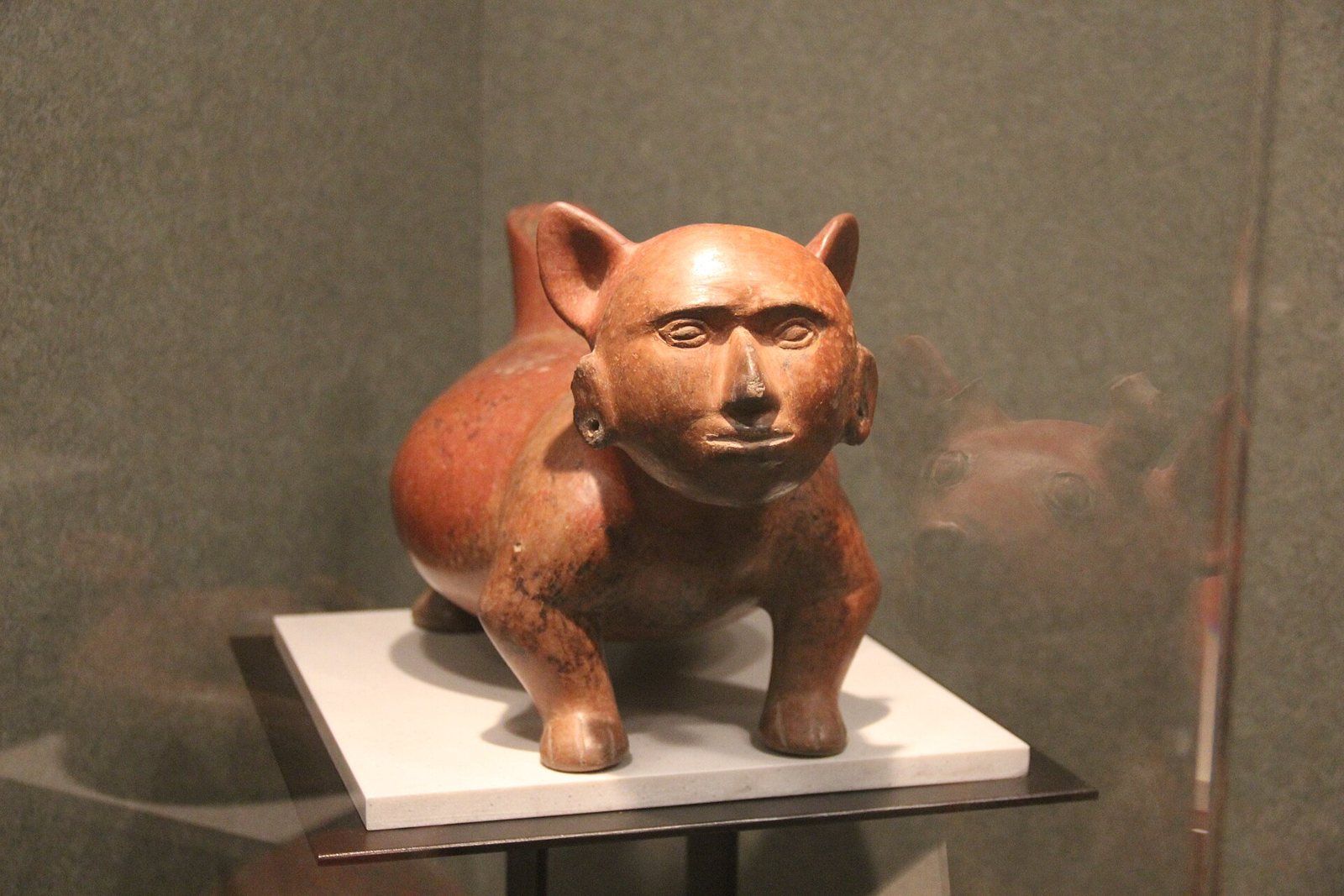
Mexico's Instituto Nacional de Bellas Artes y Literatura presented an ofrenda on this theme called "Sr. Xolotl. Un viaje al Mictlán," dedicated to the dogs that go with souls through Itzcuintlan, the first level on the way to Mictlán (INBAL). Ethnohistorian Juan Pablo García Urióstegui of Mexico's National Anthropology Museum told AP in 2024 that hairless dogs, before the Spanish conquest, were believed to guide their owners to the afterlife and were sometimes given special burials (AP News, 1 November 2024).
This is the old root people point to when they explain why dogs appear so often in Día de Muertos art. The October 27 date itself is modern; the companionship it draws on is not. Our story on the Xolo dog and Día de Muertos tells the longer history of the breed, and Mictlantecuhtli introduces the lord who waited at the end of that road.
What to put on your pet's ofrenda
A pet ofrenda can be as small as a shelf or the corner of a table. Start with your animal's photo or name, so the altar is clearly theirs. Add water, which is traditionally offered to refresh the soul after its trip home, and some of the food or treats your pet loved, following the wider custom of setting out the foods a person enjoyed in life. Then add something that was only theirs: a toy, a collar, a bowl, or another object that recalls them.
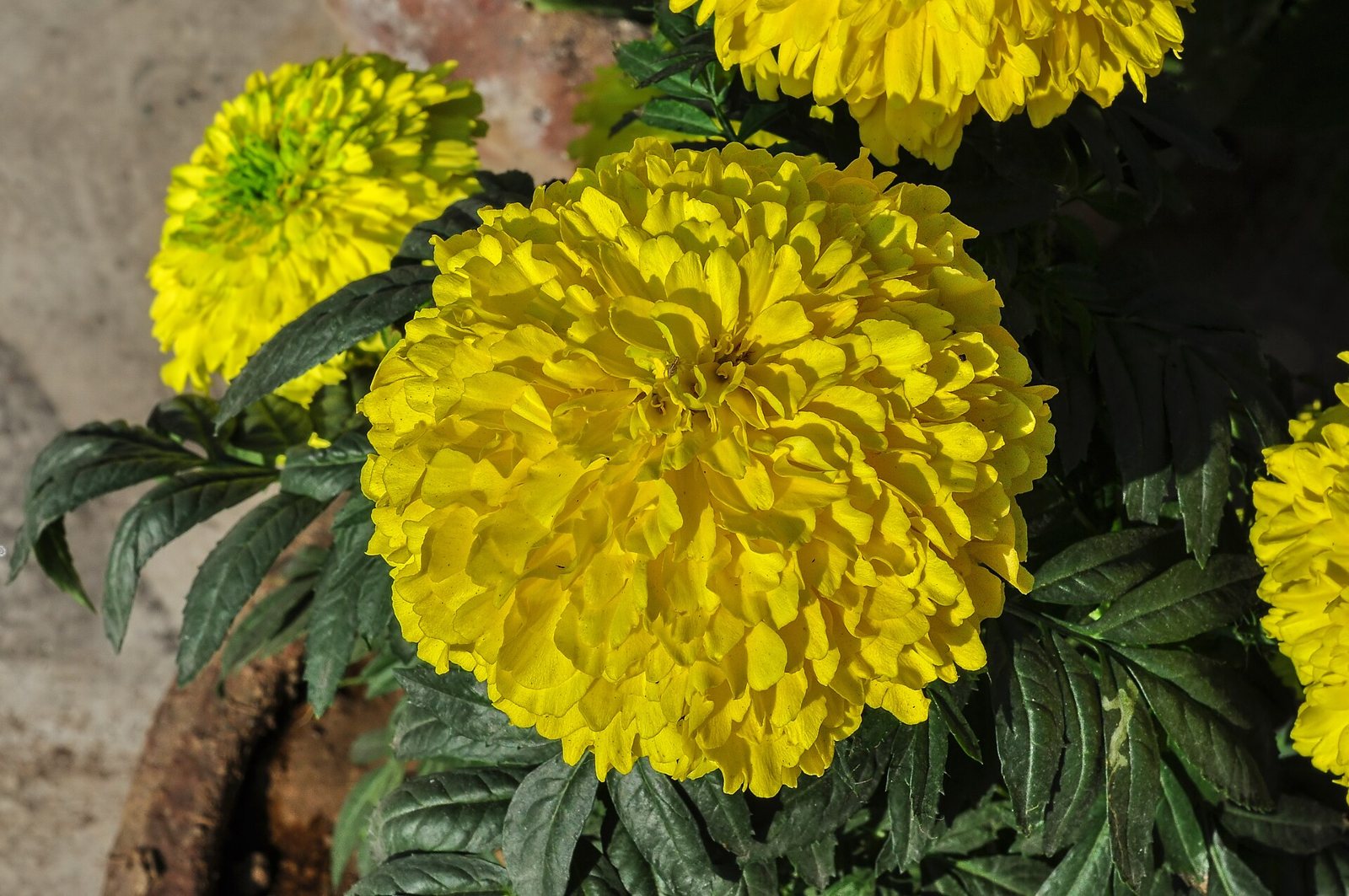
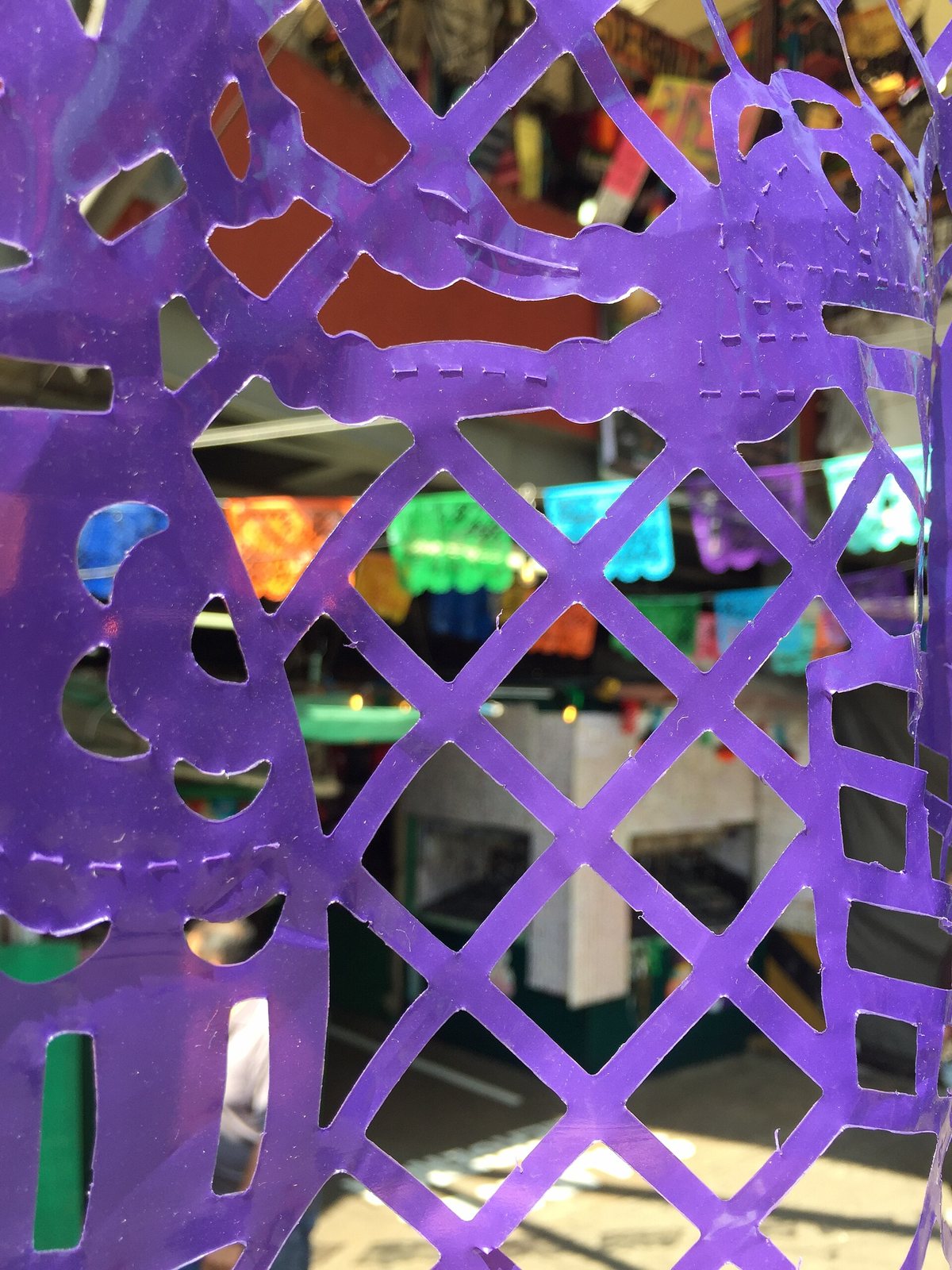
The flowers and candles come from the human altar. Cempasúchil, the orange marigold of the season, is associated with guiding the dead home by its color and scent; candles or veladoras give light for the same purpose; salt is linked with purification; and papel picado, the cut tissue paper banners, is commonly understood to stand for air and adds color and movement (El País, 1 November 2025). Families adapt these meanings for their animals, and there is no single required set of objects.
Real altars show how personal this gets. La Jornada described one family's altar for a dog named Yuki with food, water, cempasúchil, salt, incense and papel picado, and another for a dog named Morton with carnazas (chews), charales (small fish), camarones (shrimp), water, candles, photographs and his favorite bracelet (La Jornada, 27 October 2025).
If other animals still live with you, set the altar somewhere they cannot reach. Keep flames away from curious noses and tails, or use a safe electric candle instead, and keep any food that is toxic to pets out of reach. For the full step-by-step on building an altar, see how to make an ofrenda; the flower has its own story in cempasúchil, and the paper banners in papel picado.
A small ofrenda for your pet
Tap a card to bring it forward.
- Photo or name: Shows whose altar this is.
- Water: Traditionally offered to refresh the soul after its trip home.
- Favorite food or treat: Follows the custom of setting out foods enjoyed in life.
- Toy, collar or bowl: A familiar object that recalls your animal.
- Cempasúchil: Its color and scent are associated with guiding the dead home.
- Candle or safe electric light: Light is traditionally said to guide the returning souls.
- Salt: Linked with purification on the ofrenda.
- Papel picado: Commonly understood to represent air, with color and movement.
- Safe placement: Away from living animals, open flames and foods toxic to pets.
When to set it up and when to take it down
Families who keep October 27 usually have the altar ready by October 26, so it is waiting when their animals are believed to return (N+, 2026). Others set it up on the 27th itself. Both are common, and no national rule chooses between them.
When do the pets arrive? That is a family belief rather than a fixed rule. Some families say their animals come on the night of October 27; others say October 28. There is no single hour for pets. In the wider holiday, El País reports that some families have the altar ready by about 8 p.m., when they believe the dead arrive, and some people borrow that timing for their animals too.
Taking the altar down also follows family and community practice. El País describes a central Mexico custom of removing the ofrenda on November 3, after the visiting days are over. In Tlaxcala the altar comes down after noon on November 2, and other communities take theirs down on November 2 or later. Many families leave the pet altar up through the whole season, so their animal is part of the household's remembrance until the last day they keep. You can do the same.
Public pet ofrendas in Mexico and the United States
If you would like to see a pet altar before making your own, public ones have become part of the season. On October 28, 2024, the state government of San Luis Potosí installed a monumental pet altar at the Palacio de Gobierno, with spaces for visitors to add photos of their own animals. It held croquettes, treats, water, cempasúchil, candles, copal, salt, animal skeletons, papel picado and designs made of colored sawdust (Gobierno de San Luis Potosí, 28 October 2024).
In Pátzcuaro, Michoacán, the Secretaría de Cultura's Semillero Creativo de Paz de Dibujo y Pintura scheduled a community pet ofrenda for October 28 to November 2, 2026 (Secretaría de Cultura, Cultura Comunitaria). In Mexico City, AP reported in 2024 that public Día de Muertos programming included pet imagery and a large xoloitzcuintle figure, and AP also reported on costume events for pets and on the city's pet cemeteries.
North of the border, El Paso Animal Services and Friends of El Paso Animal Services presented "Guardian of Second Chances" from October 27 to November 9, 2025, at the Mexican American Cultural Center, described as the city's first community ofrenda dedicated to pets. Each crate altar held photos, collars, toys, bowls and tributes (City of El Paso, 27 October 2025).
Two large community ofrenda shows, open to every kind of remembrance and not only pets, ran in 2025 as well. The Detroit Institute of Arts held its 13th annual community ofrendas exhibition from September 27 to November 2, 2025, with the Mexican Consulate, the Southwest Detroit Business Association and Mexicantown CDC (Detroit Institute of Arts). In Chicago, the National Museum of Mexican Art held a Día de Muertos exhibition and community ofrenda from September 19 to December 14, 2025 (National Museum of Mexican Art). Dates change each year, so check this year's schedule with each organizer. More US events are in Day of the Dead celebrations in the USA.
Keeping the tradition with care
Anyone can make a respectful memorial for an animal they loved, and many people outside Mexico now set a small ofrenda for a dog or cat. Día de Muertos is a living Mexican tradition with deep regional roots, so it helps to come to it the way a guest would.
Learn the Spanish names and use them: ofrenda for the altar, cempasúchil for the marigold, veladora for the candle, papel picado for the paper banners. Keep the altar about remembrance, the way the families who keep the custom do. If you have Mexican or Mexican American friends or neighbors, ask how their family marks the days; their calendar may differ a little from the one many families share. A community ofrenda like the one at the National Museum of Mexican Art in Chicago is a good place to see the tradition kept by people who grew up with it.
Pets and Día de Muertos
Answer every question to check.
Questions about pets and Día de Muertos
Is October 27 the Day of the Dead for pets?
For many families, yes: October 27 is the day they set an altar for their animals. It is a recent custom that families and communities adopted after 2019, not an official national holiday, and some families remember their pets on November 1 or 2 instead (Infobae, 27 October 2023).
What animal represents the Day of the Dead?
The dog, and above all the xoloitzcuintle. In Mexica tradition a dog guided souls across the river on the road to Mictlán, and dogs remain one of the most familiar images of the season, from home altars to the large xoloitzcuintle figure AP reported in Mexico City in 2024 (INBAL).
Can I make an ofrenda for my pet if I am not Mexican?
Yes, a respectful private memorial for an animal you loved is welcome. Learn the names of what you place on it, keep it about remembrance, and ask people who practice the tradition how their family observes it (National Museum of Mexican Art).
What happens with pets on October 27?
In the belief of many families, pets that have died return symbolically for a visit. They are welcomed with an altar holding their photo, water, food and familiar things, as on the public altar San Luis Potosí built in 2024 (Gobierno de San Luis Potosí, 28 October 2024).
Do you set up the pet altar on October 26 or 27?
Either works. Families who expect their animals on October 27 often have it ready on the 26th to welcome them from the night before, while others set it up on the 27th itself; no national rule settles it (N+, 2026).
What day and time do pets arrive?
There is no single day or hour; it is a family belief. Many families say the pets come on October 27, some say that night and some say October 28, and the 8 p.m. arrival El País describes belongs to the wider holiday, not to pets in particular (El País, 1 November 2025).
What ofrenda goes up on October 28?
In several regional calendars, including those of Xochimilco and Tlaxcala, October 28 is for people who died in accidents or other sudden deaths. A pet altar set up for October 27 can simply stay in place beside it, following your family's own practice.
Do pets really come back on October 27?
It is a belief held by the many families who keep this young custom, rather than an established fact or a rule everyone shares. Whether you keep October 27, November 2 or another day of your own, the altar is a way to welcome your animal back into the household's memory (La Jornada, 27 October 2025).
A small altar for a friend you miss
A pet ofrenda asks very little: a photo, a bowl of water, their favorite treat, the collar they wore, a few orange flowers and a light. The date is new, but the idea that a dog walks beside the dead is one of the oldest in Mexico, and families have joined the two in their own homes. Whatever day you choose, set the altar where you will see it, and leave it up as long as your family keeps the season.
Terms in this story
Tap a term to see what it means.
Ofrenda. A home altar set up for Día de Muertos to welcome the dead, with photos, food, water, flowers and light.
---