No. 138
All Souls' Day: Where It Comes From and How It Is Kept
All Souls' Day, known in the Catholic calendar as the Commemoration of All the Faithful Departed, falls on 2 November. It is the day the Church remembers and prays for everyone who has died, through Masses for the dead, prayer and visits to the cemetery. The day before, 1 November, is All Saints' Day, which honors the saints, known and unknown, already sharing God's glory, as Pope John Paul II put it in his Angelus for All Souls' Day in 1997.
In Mexico, those same two days also belong to Día de Muertos, where Catholic feasts meet Indigenous and regional traditions of welcoming the dead home. The two observances share a calendar and a purpose, remembering the people we have lost, and each has its own story.
What the Church teaches about 1 and 2 November
The two days work as a pair. All Saints' Day looks toward those who, in the Vatican's words, have attained God's glory. All Souls' Day turns to those who died marked by faith and asks the living to pray for them. The Conferencia Episcopal Española, the Spanish bishops' conference, describes them the same way: 1 November honors the saints, and 2 November is a day of prayer for the dead.
The evening before All Saints' Day has a famous name of its own. Halloween, on 31 October, is the vigil or eve of All Saints' Day, as the Archdiocese of Baltimore explains, so the three dates sit side by side on the calendar.
Why pray for the dead at all? The Catechism of the Catholic Church teaches a final purification after death, and it recommends prayer and the Eucharistic sacrifice offered for the departed. In his 1997 Angelus, John Paul II spoke of the sorrow of separation from loved ones alongside the hope that death is a passage toward eternal life. Six years later, in his 2003 Angelus, he described the day's purpose: to pray for the dead, to remember them within the communion of the Church, and to express Christian hope in resurrection.
Tap or hover a row to highlight it.
| Date or period | Observance | Main focus |
|---|---|---|
| Date or period31 October | ObservanceHalloween, All Hallows' Eve | Main focusEve of All Saints' Day in the Western Christian calendar |
| Date or period1 November | ObservanceAll Saints' Day | Main focusSaints known and unknown, especially those in glory |
| Date or period2 November | ObservanceAll Souls' Day, Commemoration of All the Faithful Departed | Main focusPrayer and remembrance for the faithful departed |
| Date or periodEnd of October to early November | ObservanceIndigenous Día de Muertos observances in Mexico | Main focusTemporary return of deceased relatives, with flowers, candles, food and cemetery rites |
Odilo of Cluny and the first All Souls' Day
The Catholic tradition credits the annual observance to Odilo, abbot of the great monastery of Cluny in Burgundy, France. Vatican News gives the year as 998, when Odilo required the monasteries under Cluny to commemorate the dead on 2 November.
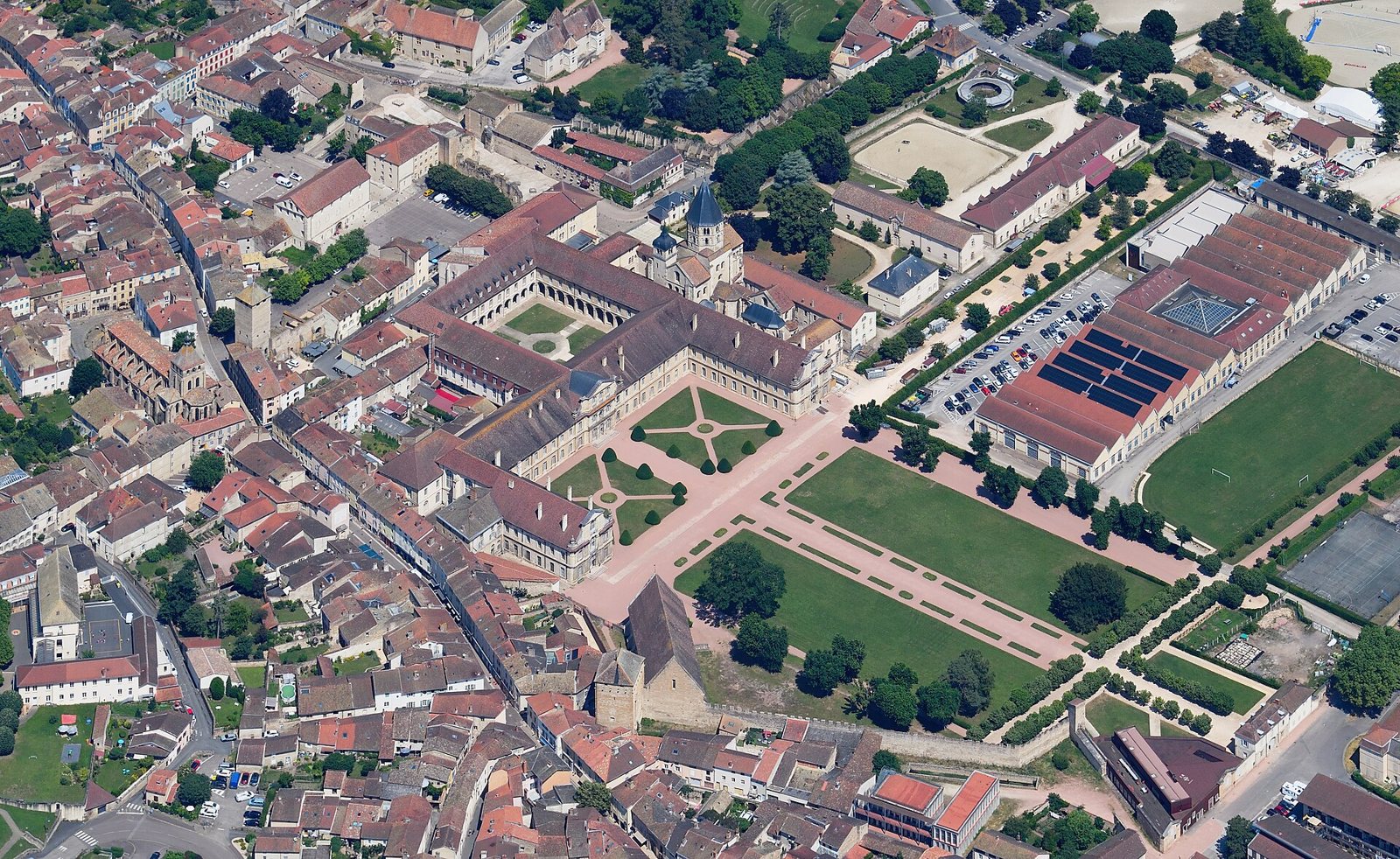
Historians place the surviving evidence a little later. Klemens Löffler, writing on St. Odilo for the Catholic Encyclopedia in 1911, says Odilo established the observance at Cluny and its houses probably after 1030. Michael E. Hoenicke Moore, in a 2003 study of Cluny, dates its introduction to about 1024 to 1033. So, 998 is the traditional Cluniac date, and the paper trail historians can follow begins a few decades after it.
The idea of a yearly prayer for dead members was older than Odilo. Francis Mershman's 1907 Catholic Encyclopedia article on All Souls' Day records sixth-century Benedictine monasteries holding commemorations of their deceased brothers at Whitsuntide, and says that Odilo's annual commemoration spread from Cluny to other Benedictine and Carthusian communities. According to the Spanish bishops' conference, the 2 November observance was adopted throughout the Latin Rite in the sixteenth century. In 1915, Pope Benedict XV permitted priests to celebrate several Masses on All Souls' Day.
How All Souls' Day took shape
Tap or hover a step to follow the order.
Sixth century
Benedictine monasteries hold commemorations of deceased members at Whitsuntide, according to the Catholic Encyclopedia.
998
The traditional date for Odilo of Cluny's requirement that his monasteries observe 2 November.
After about 1030
Historians place the stronger evidence for the Cluniac observance.
Sixteenth century
The 2 November observance is adopted throughout the Latin Rite, according to the Spanish bishops' conference.
1915
Pope Benedict XV permits priests to celebrate several Masses on All Souls' Day.
2003
UNESCO first proclaims the Indigenous Mexican Día de Muertos tradition part of the Oral and Intangible Heritage of Humanity.
2008
UNESCO inscribes it on the Representative List of the Intangible Cultural Heritage of Humanity.
How the day is kept in church and at home
At the heart of the day is the Mass. The US bishops' General Instruction of the Roman Missal describes Masses for the dead, in which the Eucharistic sacrifice is offered for those who have died. The day also brings prayers of suffrage, prayers asking help for the dead, and the remembrance of names, so the people being prayed for are named rather than left general.
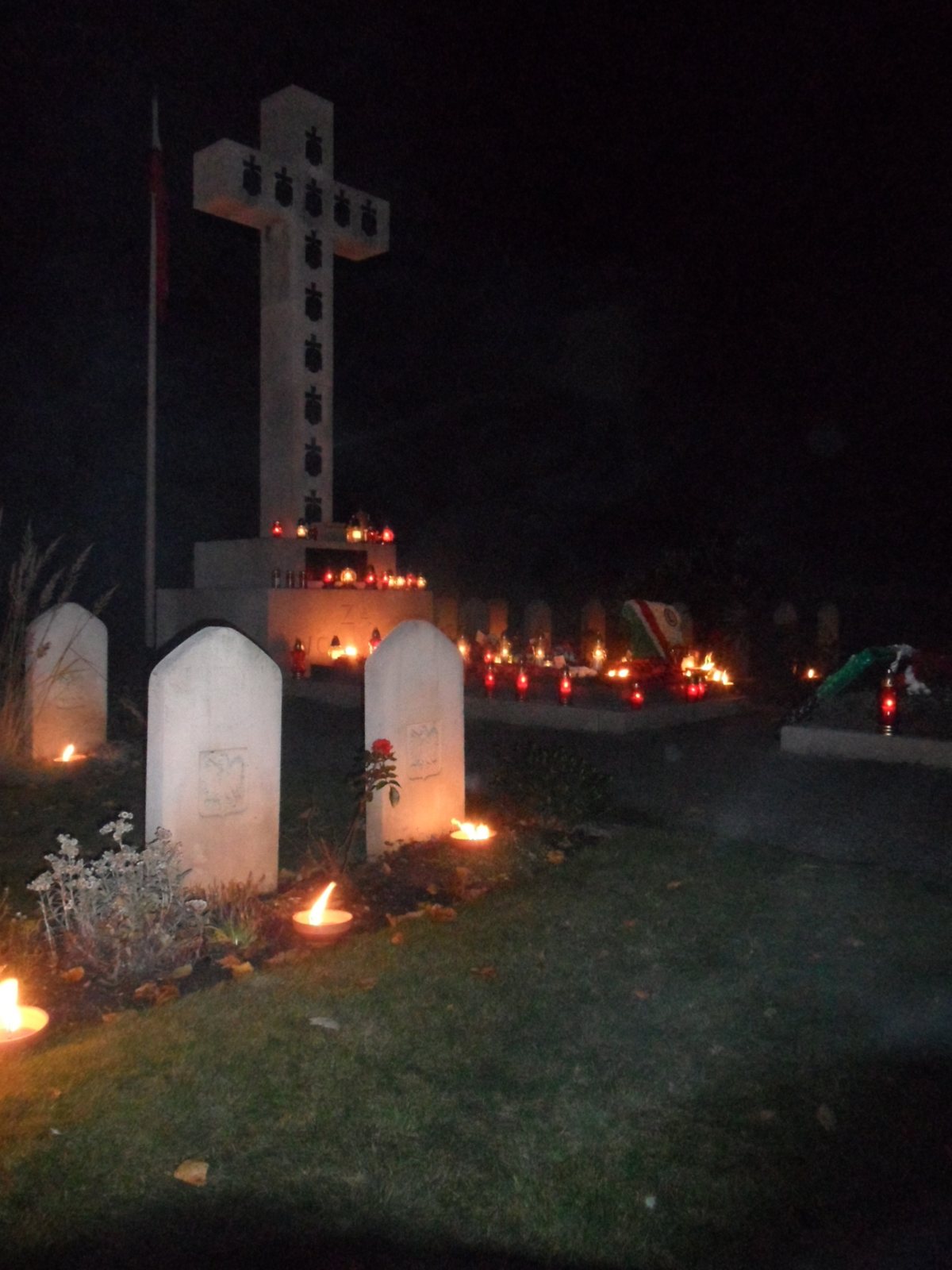
Outside the church, John Paul II encouraged cemetery visits, care for graves and prayer at the graveside. For someone wondering what to do on the day, the practices are simple and personal: go to Mass, pray for relatives and friends by name, visit or tend a grave, light a candle, or keep a custom your own family has always kept.
There is no single required prayer. Catholics pray for the repose of the dead through the Mass itself, the Lord's Prayer, a cemetery prayer or words of their own, and the Catechism's teaching points to prayer and the Eucharist as the ways the living help the dead. If you would like a set text, your parish can give you the one it uses. For how prayer beads and the image of the skull meet in Catholic devotion, see our story on the skull rosary, and for the wider history, read about skulls in Christianity.
Keeping All Souls' Day
Tap a card to bring it forward.
- Find the local service: Learn whether your church keeps 2 November with a Mass or a memorial service.
- Say their names: Remember deceased relatives and friends by name.
- Visit the grave: Visit or care for a grave if that is part of your local tradition.
- Follow local custom: Use the customs of your place for candles, flowers and food, respectfully.
- Keep traditions distinct: Mexican Día de Muertos customs do not apply to every All Souls' Day observance.
Candles, flowers and graves around the world
The same date looks different from one country to the next, and each has its own way of keeping it.
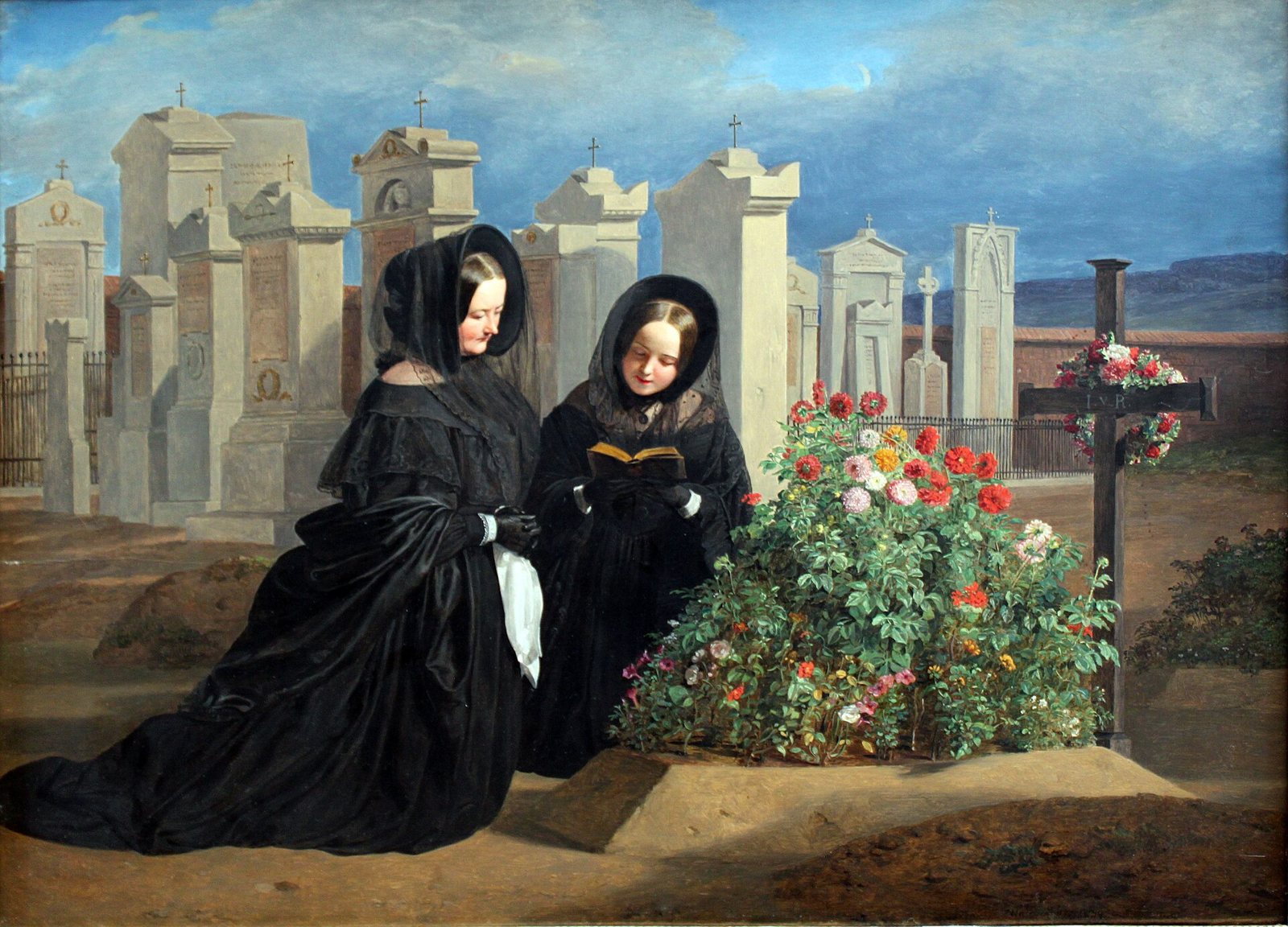
In Spain, families visit cemeteries, pray at graves and bring flowers. Because 2 November is usually a workday there and 1 November is a public holiday, the Spanish bishops' conference notes that many people make their cemetery visit on All Saints' Day instead.
In Poland, the Associated Press reported in 2024 that All Saints' Day and the commemoration of the dead bring large family gatherings at cemeteries, where candles and flowers turn graveyards into fields of light for relatives and national heroes. In Italy, the same report describes families visiting cemeteries, lighting candles and placing flowers on graves. In Brazil, 2 November is a traditional religious holiday, and large numbers of people visit cemeteries.
In the Philippines, the AP describes families cleaning graves, leaving flowers and lighting candles around 1 and 2 November. The practice is often called Undas, and it joins Catholic observance with local family custom.
Soul cakes and souling in England
England had its own All Souls' custom, and it came with something to eat. In the practice known as souling, poorer people went from house to house around All Souls' Day and received small cakes in exchange for prayers for the dead. English Heritage quotes a nineteenth-century description of "Soul Mass cakes" given to the poor in Lancashire and Herefordshire.
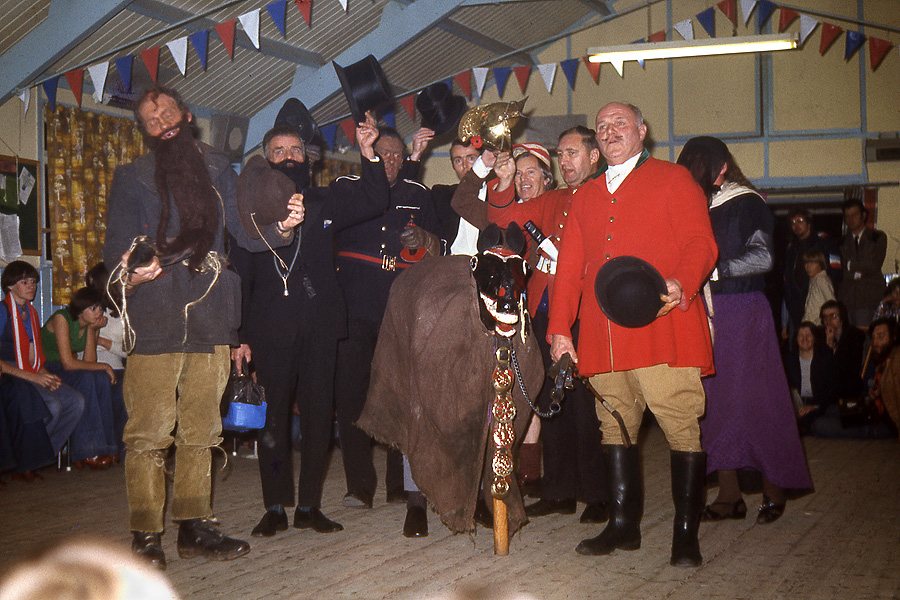
It was a regional custom from particular counties and periods, not a food every Catholic eats on 2 November. What people eat on All Souls' Day depends on where they live and what their families have done before them.
All Souls' Day and Día de Muertos
All Souls' Day and Día de Muertos share their dates and the work of remembering the dead, and in Mexico the two have grown together over centuries. UNESCO describes Día de Muertos as practiced by Indigenous communities in Mexico as a temporary return of deceased relatives, welcomed with flower petals, candles, favorite foods, home altars and gifts left at the cemetery. It also describes the celebration as a fusion of pre-Hispanic religious rites with the Catholic feasts brought to Mexico in the sixteenth century.
Mexico's Secretaría de Cultura places the modern observance within both Indigenous traditions and the Catholic calendar. In some communities, 1 November is associated with children who have died, a custom our story on angelitos describes, and 2 November with adults.
Historians have also looked at how the public celebration took its present form. Historian Elsa Malvido, as summarized in an INAH article on the origin of Día de Muertos, challenged the idea that the holiday is an unchanged survival of an Aztec festival. That article says the November observances reached Mexico in the sixteenth century through Spanish Catholic institutions, and that the public, nationalist form of the celebration was largely reshaped after the Revolution, especially under President Lázaro Cárdenas, from 1934 to 1940.
The link, then, is a shared calendar and a long cultural meeting, not one tradition copied from the other. Home altars, marigolds and pan de muerto are Mexican traditions with their own regional variety; you can read more in our stories on Día de Muertos, how to make an ofrenda, the cempasúchil marigold and pan de muerto. Customs also differ from region to region within Mexico, as our guide to Día de Muertos by region shows, and from one Latin American country to the next. For one community's own way of keeping these nights, read our story on Mixquic's Day of the Dead.
All Souls' Day in other churches
Other Christian churches remember the dead in the same season, each in its own way. The Church of England includes a Eucharist for the Commemoration of the Faithful Departed, commonly called All Souls' Day, in its Common Worship resources. Anglican parishes vary: some hold a Requiem, some say prayers for the dead and read the names of those who have died.
Many Lutheran churches fold the remembrance into All Saints. The Evangelical Lutheran Church in Denmark explains that medieval Christianity separated All Saints' Day, for martyrs and saints, from All Souls' Day, for commemorating and praying for the dead. Danish Lutherans today keep All Saints' Sunday with services, names read aloud, grave visits and candles.
Eastern Orthodox churches keep their own days for the dead. Instead of 2 November, they observe several Soul Saturdays, including the Saturday before Pentecost and the Saturday before Meatfare Sunday. The Greek Orthodox Archdiocese of America describes these as set occasions for praying for departed Orthodox Christians, and the Orthodox Church in America describes Memorial Saturdays as days to commemorate the departed and give alms in their memory.
Is All Souls' Day a holy day of obligation?
In the United States, 2 November is not a holy day of obligation. The US bishops' list of holy days includes 1 November, All Saints' Day, instead, and even that obligation is lifted when 1 November falls on a Saturday or a Monday. Rules differ by country and diocese, so your parish is the place to ask.
Not being required does not make the day quiet. Masses for the dead, cemetery visits and the remembrance of names, described above, are how the Church keeps 2 November, and John Paul II encouraged the faithful to visit graves and pray for their dead.
All Souls' Day quiz
Answer every question to check.
Questions about All Souls' Day
These come up often in the days around 2 November.
Is All Souls' Day happy or sad?
It holds both. Catholic teaching recognizes the real sorrow of being separated from people we love, and it sets that grief beside the hope that death leads toward eternal life, which is why many families find the day comforting as well as hard.
Are All Souls' Day and Halloween the same day?
They are different days with a shared family tree. Halloween is 31 October, the eve of All Saints' Day, while All Souls' Day is 2 November and is given to the faithful departed. For the Irish side of the 31 October story, read about Samhain, and for skeletons at Halloween, see skeletons and Halloween.
What is celebrated on 1 and 2 November?
In the Catholic calendar, 1 November is the solemnity of All Saints and 2 November is the Commemoration of All the Faithful Departed. In Mexico, the same dates are also part of Día de Muertos, with Indigenous, family and regional practices of their own.
What does the Bible say about praying for the dead?
Catholic teaching points to 2 Maccabees 12:42-46, where Judas Maccabeus offers a sacrifice for the dead so that they might be freed from sin. The USCCB's notes on 2 Maccabees 12 identify it as the Bible's explicit passage supporting prayer for the dead, and the Catechism cites it for the practice; other Christian traditions read the passage differently.
Is All Souls' Day a public holiday?
It depends on the country. Brazil keeps 2 November as a national holiday, while in Mexico it does not appear among the general mandatory rest days in the Ley Federal del Trabajo, although schools, offices or towns may close. Confirm the rules with your country, state, municipality or employer.
Remembering, wherever you are
However you keep it, All Souls' Day asks for something small and lasting: a name said aloud, a candle, a visit to a grave, a prayer. For the Mexican celebration that shares its dates, start with our story on Día de Muertos, and for the eve that comes before it all, read about Samhain.
Terms in this story
Tap a term to see what it means.
All Souls' Day. The Catholic Commemoration of All the Faithful Departed on 2 November, a day of prayer for everyone who has died.
---