

No. 020
Skulls in Christianity: What the Bible, Saints and Church Art Say
Christianity does not give the skull one demonic meaning. The Gospels name the place of the crucifixion Golgotha, which they translate as "Place of a Skull" (Matthew 27:33, ESV), and Christian art has used the image ever since for mortality, repentance, the place of the Cross and Christ's victory over death. If you love skull imagery and wonder whether it fits your faith, or you keep spotting skulls in churches, crucifixion paintings and portraits of saints and want to know why, the tradition has a lot to say for itself. What follows is what scripture, museums and church writers say, from the Bible to bone-lined chapels to today's disagreements, and the decision about your own conscience stays with you and your church.
What the Bible says about skulls
The clearest mentions are about a place. In the English Standard Version, Matthew 27:33 reads, "And when they came to a place called Golgotha (which means Place of a Skull)," and Mark 15:22 says nearly the same. John 19:17 has Jesus going out, "bearing his own cross, to the place called The Place of a Skull, which in Aramaic is called Golgotha." Luke 23:33 calls it "The Skull" without using the word Golgotha in the ESV wording. The Gospels don't explain why the place carried that name. In the New International Version, Matthew 27:33 gives it as "the place of the skull," and the NIV's Luke 23:33 reads "the place called the Skull."
Other biblical skulls are plain accounts of death. In Judges 9:53 a woman throws an upper millstone on Abimelech's head and crushes his skull, and in 2 Kings 9:35 those sent to bury Jezebel find little left of her but "the skull and the feet and the palms of her hands" (both ESV). Neither passage treats a skull as a sign of evil.
The Bible's language about mortality leans on dust more than on bones. Genesis 3:19 in the ESV says, "for you are dust, and to dust you shall return." Psalm 90:12 in the King James Version asks, "So teach us to number our days, that we may apply our hearts unto wisdom." That verse doesn't use the Latin phrase *memento mori*, but it moves in the same direction, from awareness of a limited life toward wisdom. Taken together, the passages describe death as part of human life and give Golgotha a place in the story, and nothing in them declares a skull morally bad.
Adam's skull beneath the cross
If you've seen a crucifixion painting with a skull at the foot of the cross, you've met a tradition that grew up after the Bible. The Bible doesn't say Adam was buried beneath the cross. The belief holds that Adam lay at Golgotha, so that Christ's cross stood over the first man's skull, which ties Adam, whose sin brought death in Christian theology, to Christ, called "the last Adam" in 1 Corinthians 15:45 (ESV), whose death brings redemption and resurrection.
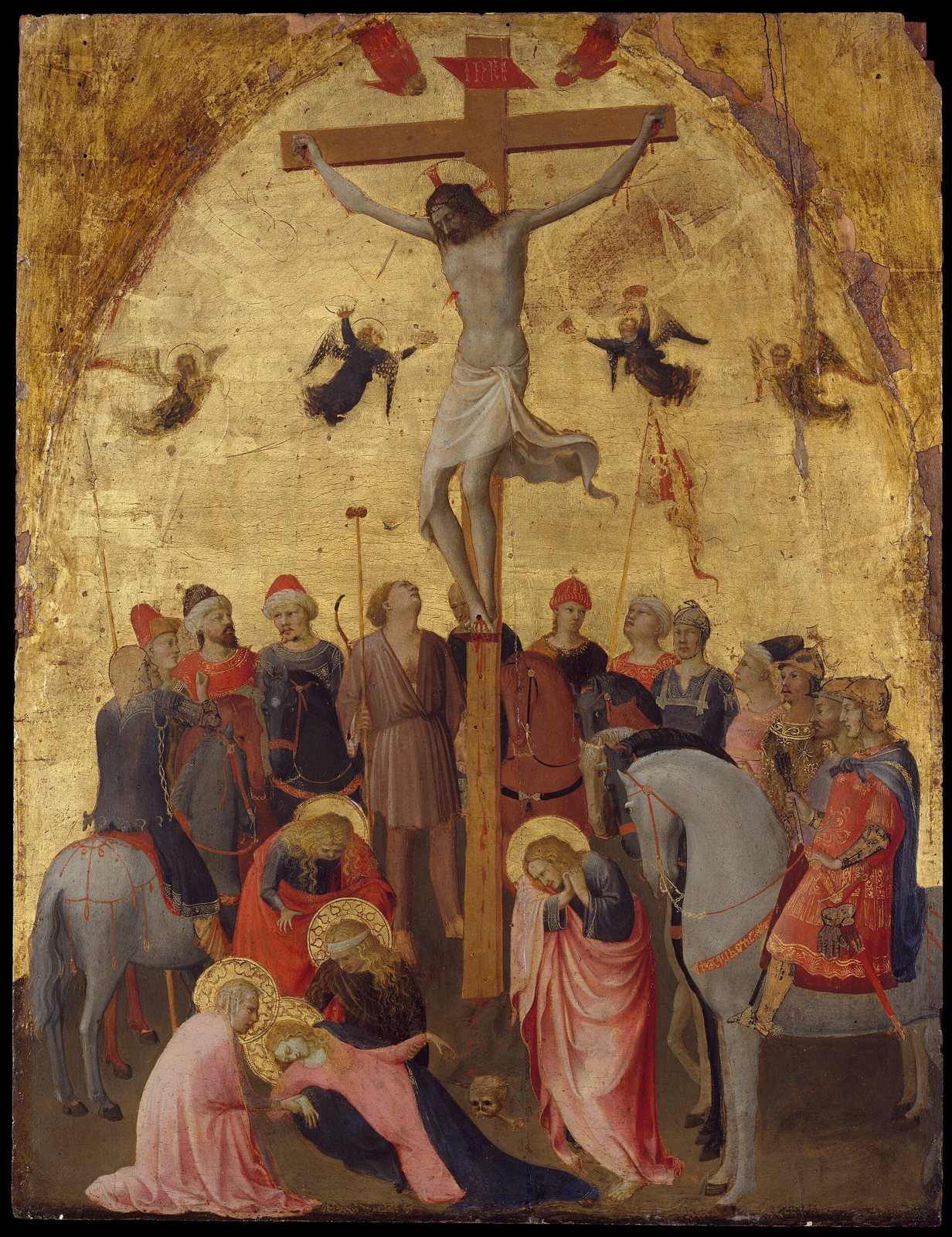
Margaret English Frazer, writing in the Metropolitan Museum Journal in 1974, calls the tradition an early one and cites Athanasius as describing Golgotha as the place where Adam's tomb was believed to be. She shows the skull becoming an established image in Byzantine crucifixion scenes, with a tenth-century Byzantine ivory among her examples, and she discusses a Beatus manuscript from Girona dated 975 as the earliest surviving Western European example in which Adam appears beneath the cross. The University of Notre Dame's Church Life Journal reads the image as a symbolic reversal of sin and death, and notes that Jerome rejected Golgotha as Adam's burial place, so the tradition was never unanimous.
You can see it in museums. Fra Angelico's *The Crucifixion*, painted about 1420 to 1423 and now at the Metropolitan Museum of Art, shows a skull beneath the cross. The Met says the bones in a Crucifixion by the Circle of Jan Provoost, about 1495, refer to the belief that Adam's skull was on Golgotha. In a painting by the Master of the Pomposa Chapterhouse at the Museo Nacional Thyssen-Bornemisza, blood from the cross runs toward Adam's skull. Bartolomé Esteban Murillo's *Christ on the Cross*, painted between 1660 and 1670 and held by the Timken Museum of Art, includes a skull the museum explains as a reference to Golgotha and to humanity's redemption from Adam's original sin.
The image is especially common in Orthodox iconography. The Greek Orthodox Archdiocese of America describes the belief that Christ's cross stood directly over Adam's grave. So, a skull in an icon of the crucifixion is a statement about Christ and Adam, and it isn't a sign that anything sinister is going on.
Saints painted with skulls
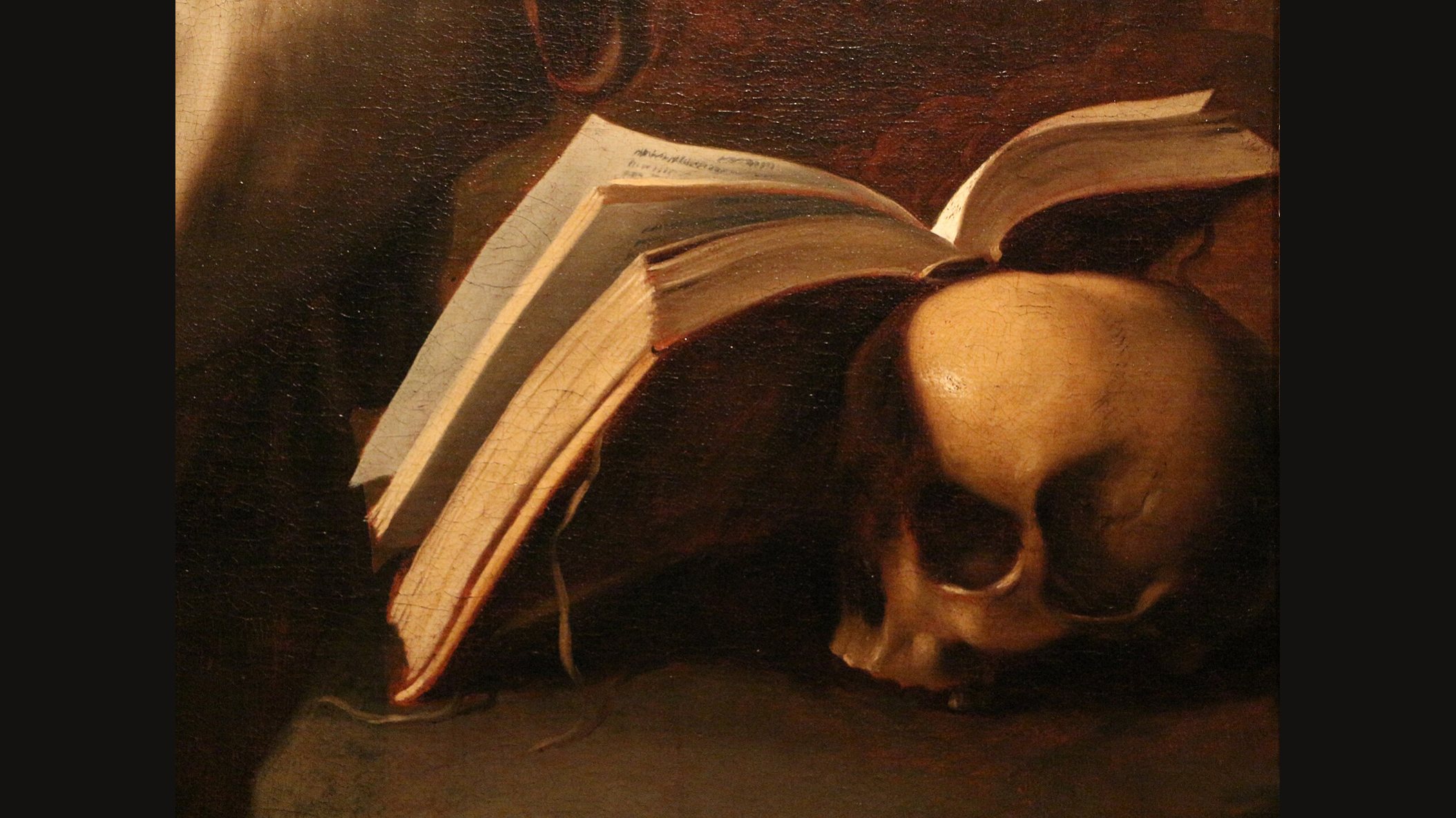
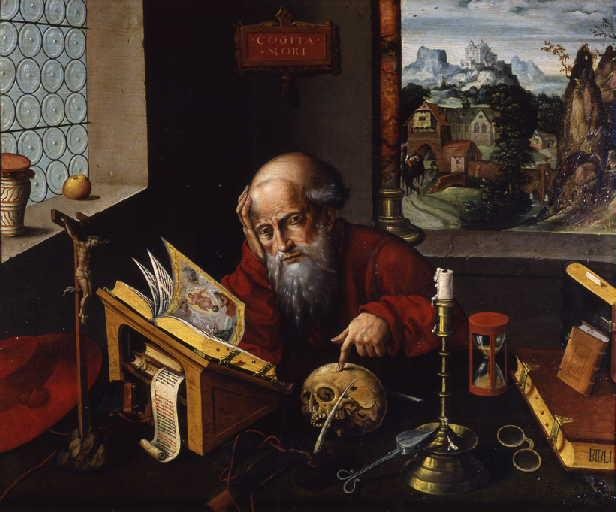
Some of the best-loved saints in Western art keep a skull close by. Saint Jerome is the classic case. Princeton University Art Museum describes Joos van Cleve's *Saint Jerome in His Study* as a *memento mori*, with Jerome pointing toward a human skull to recall human mortality, and the Ashmolean Museum lists the skull among Jerome's traditional attributes.
Saint Francis of Assisi is often shown holding or contemplating a skull. The National Gallery in London describes Francisco de Zurbarán's *Saint Francis of Assisi in Meditation* as showing Francis holding one, and the Uffizi places the skull in Jusepe de Ribera's painting within the death-focused visual language of Franciscan meditation. Smarthistory reads the skull in Giovanni Bellini's *Saint Francis in the Desert* as a reminder of death and repentance, alongside Francis's Bible and his retreat. Francis died on October 3, 1226, and Franciscan communities mark his passing each year in the Transitus.
Mary Magdalene is usually shown with a skull in scenes of her penitential life. The Met says that in Johann Liss's *The Temptation of Saint Mary Magdalen* she cradles a skull while rejecting worldly riches, and the National Gallery of Art describes Georges de La Tour's *The Repentant Magdalen* as placing her hand on a skull, linking the image with repentance and mortality. The Carthusian founder Saint Bruno is also often pictured with a skull as a sign of solitary contemplation.
None of this means these saints worshipped death. In the museum readings above, the skull stands for mortality, repentance, giving up worldly vanity, contemplation and hope in the resurrection.
Churches that keep bones
Churches have used human bones in several ways, and the purposes differ. A short tour helps.
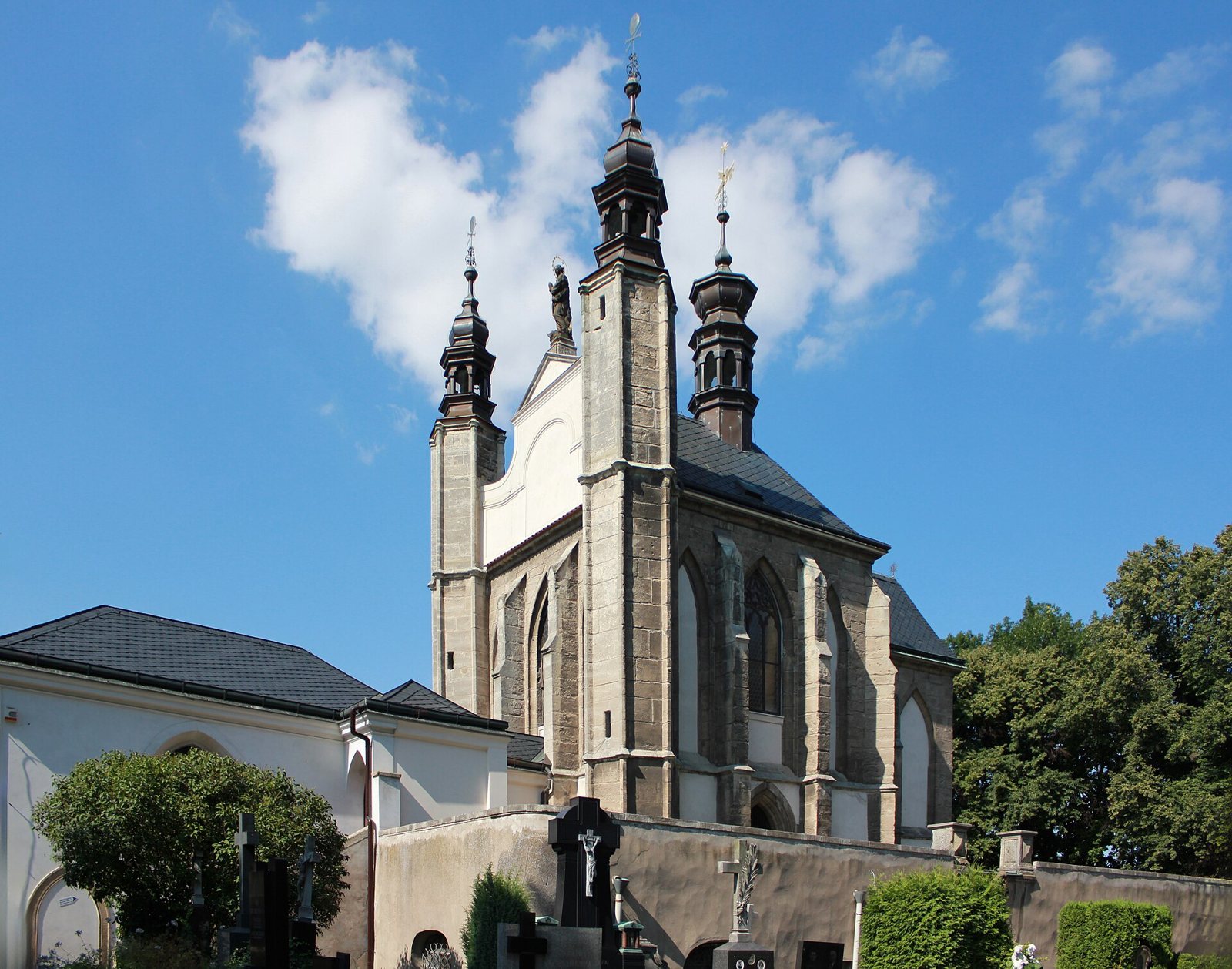
Sedlec Ossuary in Kutná Hora, Czech Republic, grew from a medieval cemetery tied to the Cistercian monastery at Sedlec. Its official history says the bones were piously stored after graves were exhumed to make room, and that the skeletal decoration expresses *memento mori* and hope in resurrection. The Capuchin Crypt beneath Santa Maria della Concezione dei Cappuccini in Rome holds the bones of thousands of Capuchin friars who died from the sixteenth century to 1870. Rome's tourism authority calls it a Baroque *memento mori*, with bones arranged into architectural designs and chapels, and its inscription reads, "What you are now, we used to be; what we are now, you will be." The Paris Catacombs were consecrated as the Paris Municipal Ossuary in 1786 after remains were moved from overcrowded cemeteries and charnel houses, which makes them a municipal ossuary rather than a devotional chapel.
Relics are a separate matter. They are remains linked to saints, and a 2017 Vatican instruction says they are venerated because the bodies of saints were understood as temples of the Holy Spirit and destined for resurrection. It calls for authentication, respectful preservation and church authorization for public veneration. Some of these sites began as practical burial arrangements, and later decoration or interpretation added explicit meditation on death, judgment and resurrection. The people whose bones lie in these places were once members of the communities that built them, so they deserve the care shown to the dead anywhere. For more places, see the guides to the Sedlec Ossuary, the Capuchin Crypt, the Paris Catacombs and ossuaries around the world.
Memento mori inside the faith
Remembering death is an old Christian habit with its own texts and customs. Chapter 4 of the Rule of Saint Benedict lists "to keep death daily before one's eyes" among the instruments of good works, alongside prayer, confession and repentance. On Ash Wednesday, Catholic worship makes the theme public. The Roman Missal formula is "Remember that you are dust, and to dust you shall return," and the alternative is "Repent, and believe in the Gospel," wording that echoes Genesis 3:19. In 2010 Pope Benedict XVI described the message by saying that human beings are dust, but "dust is precious in God's eyes because God created," which frames mortality together with human dignity and hope.
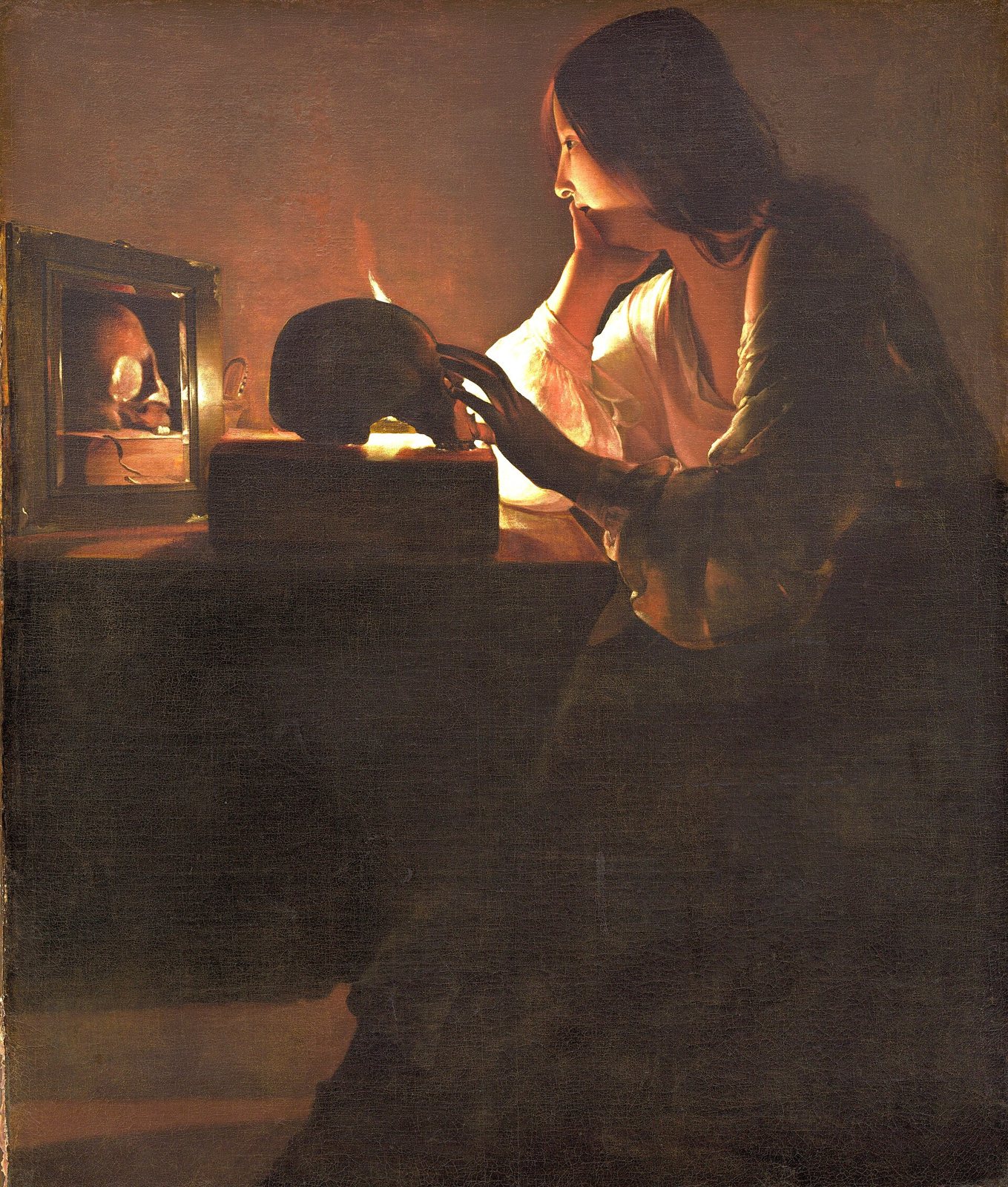
Monastic communities have kept the idea in different forms. A 2017 account by Crux quotes the Trappist Abbot Timothy Scott explaining that Trappists don't generally use "memento mori" as a greeting, while some older monasteries kept reminders such as a cross and a skull in the refectory. Skulls also show up in the European art of vanitas and *ars moriendi*, which usually points to mortality, repentance, humility or the limits of earthly possessions. The phrase isn't a single practice shared identically by Catholic, Orthodox and Protestant Christians, since each community uses it with its own emphasis. For the wider story, see what memento mori means and vanitas paintings.
Where Christians disagree about skulls today
Christians today don't speak with one voice about skull jewelry, tattoos or Halloween, and the voices below show the range. Catholic Answers says skull imagery can be understood as tombstone art meant to help people recognize their mortality and prepare for death. Ascension Press argues that traditions around All Saints, All Souls and Halloween can use death imagery in a faith-affirming way.
Other Christian writers urge caution. The Christian Research Institute's discussion of tattoos records concerns about bodily modification, conscience, vulgar imagery and association with ungodly themes, and also notes that Christians disagree about whether the biblical tattoo prohibitions apply directly to modern tattoos. Catholic Answers advises caution about tattoos as adornment without issuing a universal ruling against them. On Halloween the split is sharper: TIME, quoting the religion scholar Jason C. Bivins, documents conservative evangelical opposition rooted in twentieth-century occult panic, and GotQuestions.org argues that occultism and Christianity shouldn't be mixed.
What these voices share is a distinction between an image and the use made of it. The Bible gives no specific command about wearing skull designs on clothing, jewelry or accessories. Catholic canon law permits sacred images in churches while asking that they be displayed appropriately and not encourage confused or inappropriate devotion. A skull in an Orthodox crucifixion icon, a Catholic memento mori, a memorial tattoo, a fashion accessory and an occult design can each carry a different meaning. If you're weighing a skull for yourself, your own church tradition and your pastor are the right people to ask.
If the memento mori tradition is the part that appeals to you, our Memento Mori skull tee is a T-shirt in black or sage with a vanitas-style engraving of a skull beside an hourglass and an olive branch, MEMENTO MORI above and USE THE DAY WELL below.
Skulls and the Christian story
Tap or hover a step to follow the order.
First century
The Gospels name Golgotha as the place of the skull
Tenth century
Byzantine crucifixion imagery commonly includes Adam's skull beneath the cross (Frazer, Metropolitan Museum Journal, 1974)
975
A Beatus manuscript from Girona, the earliest surviving Western European example in that study
October 3, 1226
Francis of Assisi dies
About 1420 to 1423
Fra Angelico's The Crucifixion
About 1495
The Circle of Jan Provoost's Crucifixion
1660 to 1670
Murillo's Christ on the Cross
1786
The Paris Municipal Ossuary is consecrated
1870
František Rint completes the major Sedlec Ossuary decoration
2017
The Vatican instruction on relics
Test your knowledge of skulls in Christianity
Answer every question to check.
Quick answers
These short answers cover the questions people ask most.
Are skulls demonic in Christianity?
No, Christianity does not assign one universal demonic meaning to skulls. In scripture and art a skull can mark Golgotha, signify human mortality, accompany repentance or point to Christ's victory over death, and the meaning depends on the context and the tradition. Orthodox crucifixion icons often place Adam's skull beneath the cross, and that is a theological image, not a statement that skulls are demonic.
What does the Bible say about skulls?
The Bible mentions skulls mainly in a place name and in accounts of death. The Gospels call the crucifixion site Golgotha, "the place of the skull," and Judges and 2 Kings describe the deaths of Abimelech and Jezebel. The idea that Adam's skull lay beneath the cross comes from later Christian tradition and isn't a passage of scripture.
What does God say about wearing skulls?
The Bible gives no specific command about wearing skull designs on clothing, jewelry or accessories. Christian communities weigh the matter through their own tradition, and they tend to look at the meaning behind the image, such as a reminder of mortality, a memorial or a link to occult practice. A pastor or priest in your own church is the right person to ask.
Are skulls bad in the Bible?
No, the Bible doesn't declare skulls themselves morally bad. It treats death as part of human mortality and names Golgotha as the place of Jesus's crucifixion. Christian art later used skull imagery to identify Golgotha, remind viewers of death, express repentance and show Christ's triumph over death.
Is memento mori against Christianity or the Bible?
No, memento mori has long Christian forms, including scriptural reflection on mortality, monastic practice, penitential art and preparation for death. Psalm 90:12 doesn't use the Latin phrase, but it asks God to teach us to number our days. Emphasis varies among Catholic, Orthodox and Protestant communities.
What does the skull represent in the Bible?
In the Bible a skull mainly names the place of the crucifixion, since the four Gospel accounts use Golgotha or its translation. Broader Christian symbolism adds mortality, repentance and the hope of victory over death. The belief that Adam's skull lay beneath Golgotha comes from later tradition, and in the saints' portraits a skull signals repentance or meditation on death.
Where to go next
For the broader picture, what a skull symbolizes across cultures sets the Christian use beside the others.