

No. 147
Mary Magdalene's Skull at Saint-Maximin: Where It Is and What Science Says
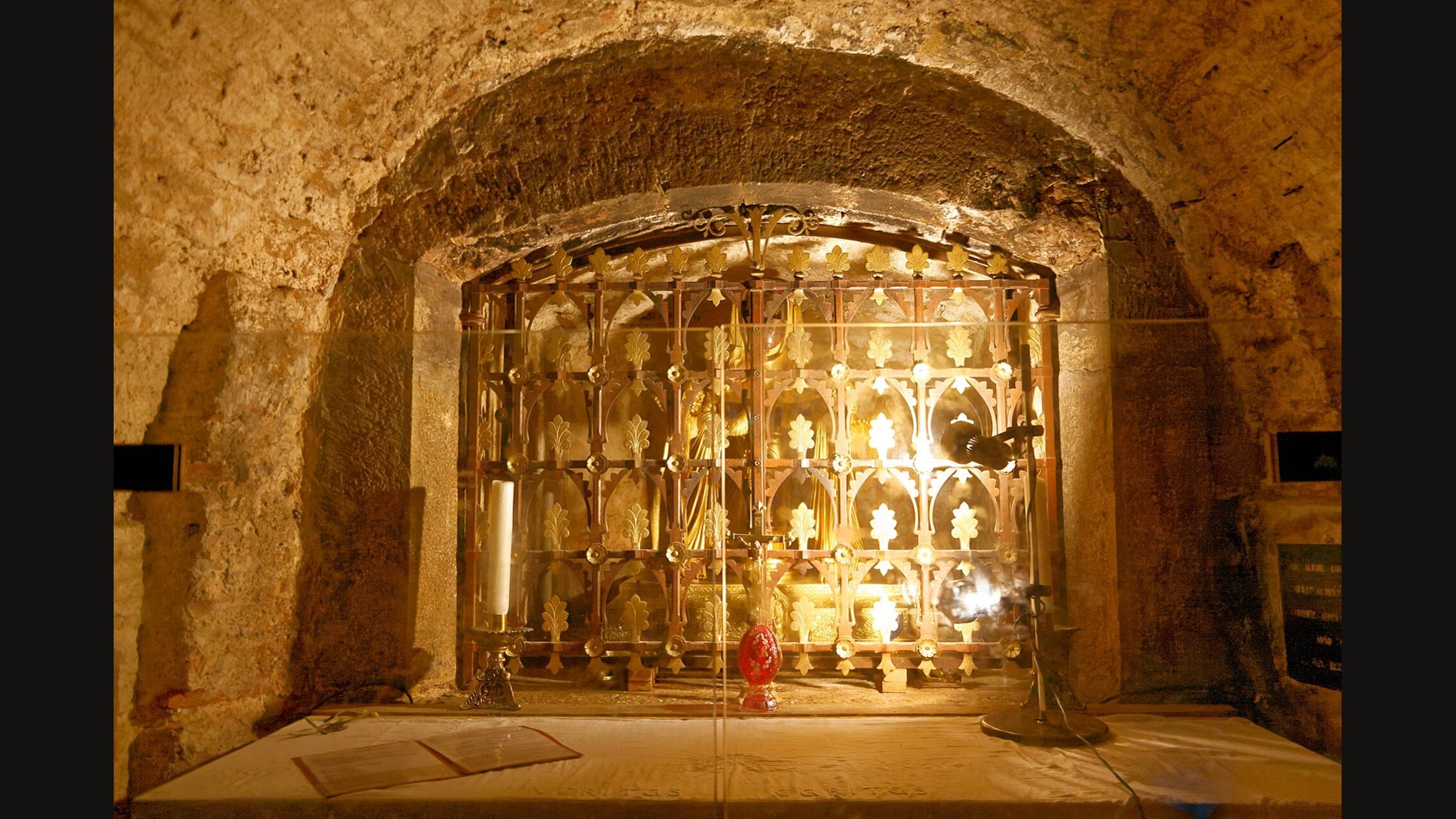
The skull venerated as Mary Magdalene's is kept in the crypt of the Basilica of Sainte-Marie-Madeleine at Saint-Maximin-la-Sainte-Baume, a town in the Var in Provence, in the south of France. It sits inside a gilded bronze and enamel head reliquary made in 1860 (Basilica of Saint-Maximin). The basilica says the remains were uncovered there in 1279. In 2017, Philippe Charlier, Philippe Froesch and their colleagues gave the skull a face with a computer reconstruction, but they did not identify it as Mary Magdalene, and no DNA identification or radiocarbon date of the skull has been published.
So, the short answer is that the church honours this skull as her relic, and science has studied it closely without settling who she was. Both parts of that answer have a long story behind them, and they are told here side by side: what the basilica and the Provençal tradition say, and what historians and scientists have found.
The 1279 excavation and the basilica built for it
The story at Saint-Maximin starts with digging. The basilica states that in 1279, excavations beneath the oratory of Saint Maximin uncovered a body that was identified as Mary Magdalene's, and that the relics received official recognition in 1281 (Basilica of Saint-Maximin). Saint Maximin, in the Provençal tradition, was one of the companions who came with her to France, so the place of his oratory mattered.
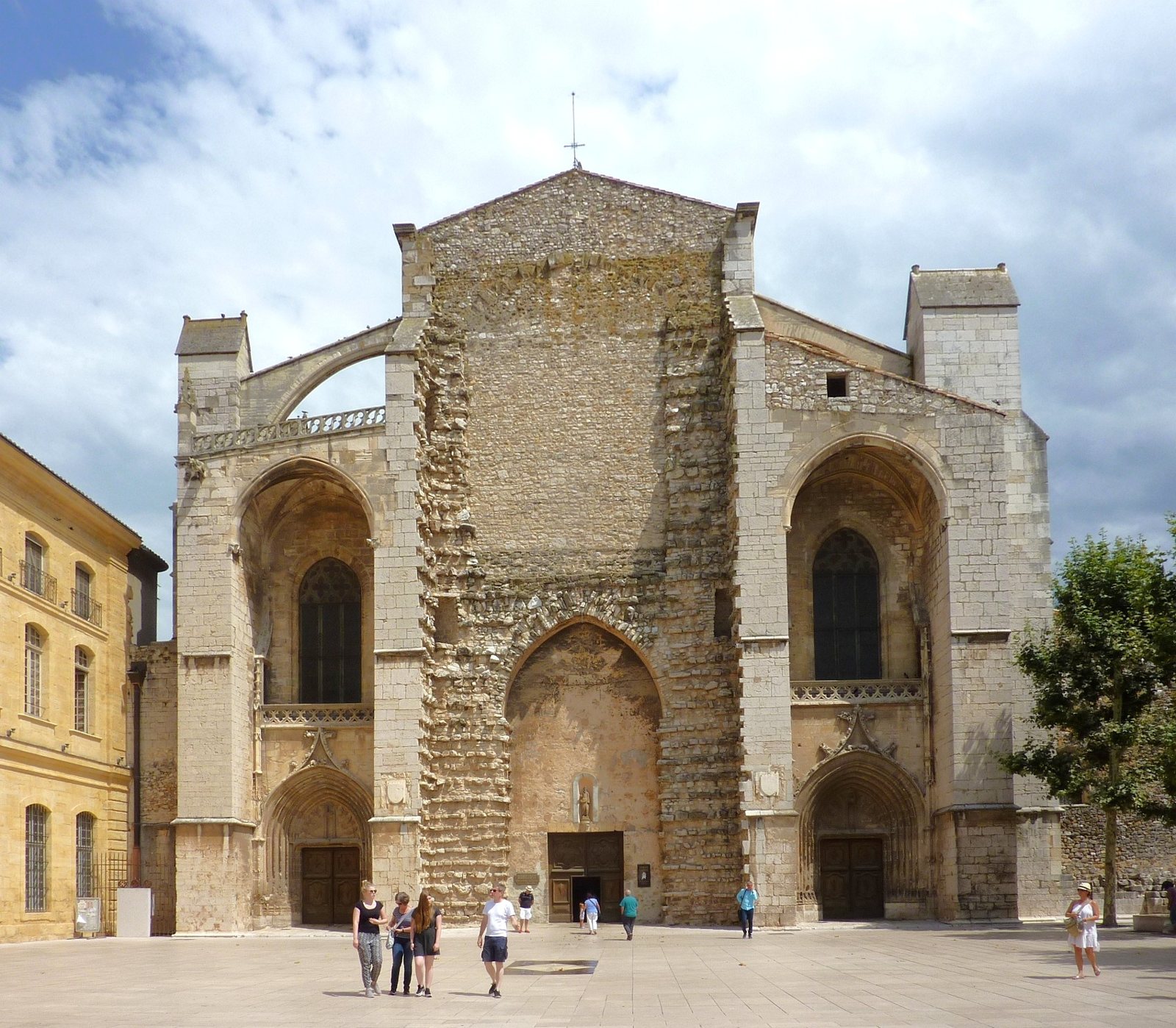
A find of that importance needed a church to match. Construction of the present basilica and its adjoining convent began in 1295 under Charles II of Anjou, and the result is a large Gothic pilgrimage church. The basilica keeps its own history and archive; its named archivist, Marie-Christine Trouillet, presents the Provençal tradition and the historical record on the parish website (Basilica of Saint-Maximin, history and tradition).
Below the church is the crypt. The basilica describes it as holding sarcophagi and the skull that, according to tradition, belongs to Mary Magdalene (Basilica crypt). This is where pilgrims, and visitors who saw the reliquary in a photo, go to see it.
Historians have their own way of telling this part. Victor Saxer, a historian of the medieval traditions about Mary Magdalene, places the Provençal claim within a wider medieval contest over where she was buried and who held her relics (Victor Saxer, Persée). That contest comes up again below, with Vézelay.
The Provençal tradition: a voyage, a cave and a burial
The tradition that ties Mary Magdalene to Provence is one of the best-loved stories in the region. As it is told, she left the Holy Land and landed near Les Saintes-Maries-de-la-Mer together with Lazarus, Martha, Maximin, Mary Jacobé and Mary Salomé. She preached in Provence and then withdrew to the Sainte-Baume cave, where she lived as a hermit for 30 years. When she was near death, the tradition says, she received communion from Maximin, and she was buried at the place now called Saint-Maximin (Sanctuary of Sainte-Baume; Catholic Church in France).
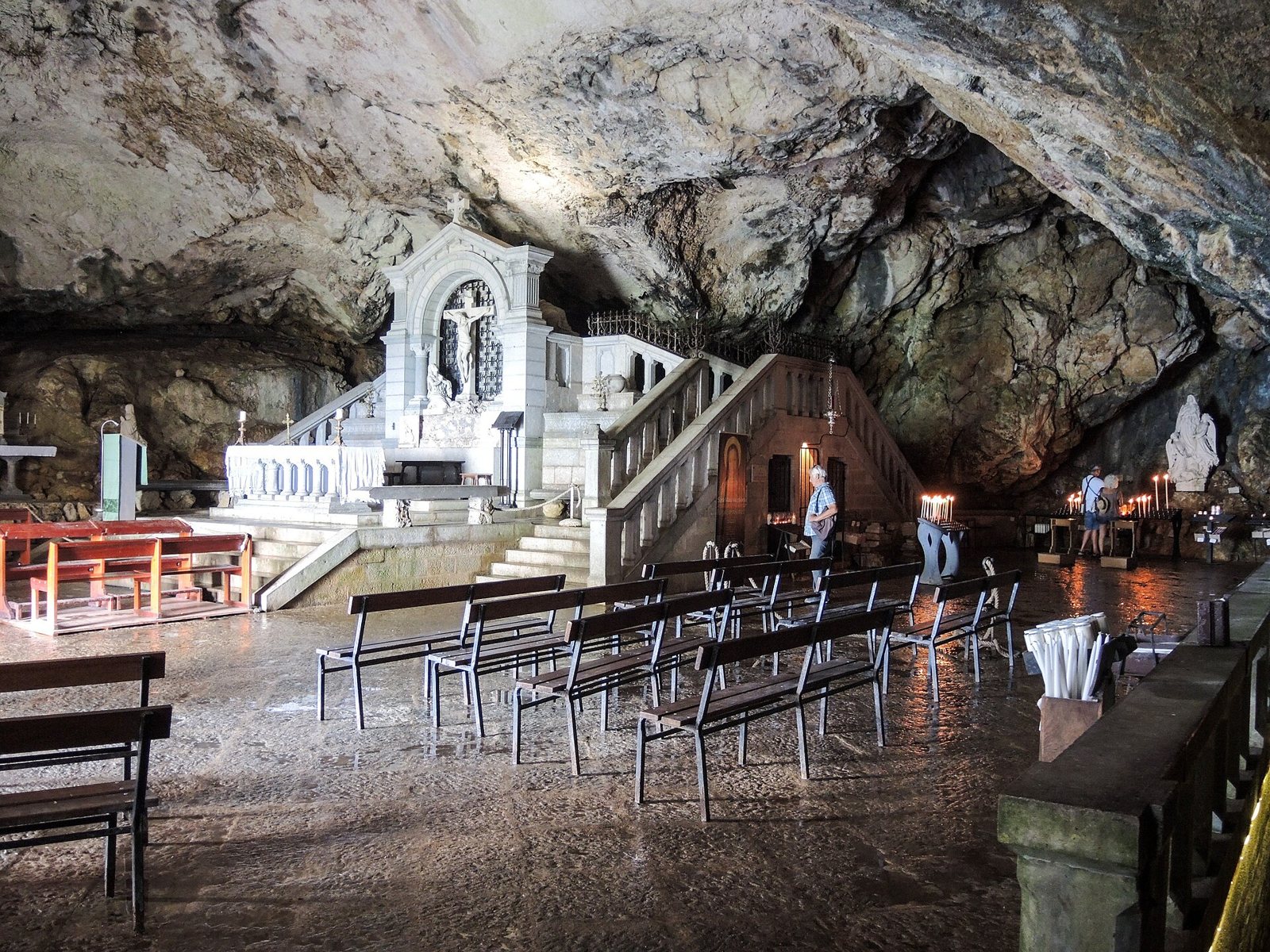
Today the cave is the Sanctuary of Sainte-Baume, which keeps its own programme of Masses and processions. For the people who keep this tradition, the cave and the basilica are two ends of one life: where she prayed and where she rests.
Historians describe the same story in different terms. It is a medieval, devotional tradition, not something the Gospels record. Victor Saxer notes that medieval accounts placed her death and burial in Provence, while other traditions placed them at Ephesus (Victor Saxer, Persée). Both things are true at once: the Provençal tradition is centuries old and deeply held, and historians treat it as tradition rather than documented biography.
The golden reliquary and the Noli me tangere
The head reliquary is the image most people have seen. The basilica says the present one, in gilded bronze and enamel, was made in 1860 by Didron, based on an earlier reliquary design (Basilica of Saint-Maximin).
The reliquary holds a second, much smaller relic. A little crystal tube contains what is called the "Noli me tangere," a small fragment that tradition associates with the place where Christ touched Mary Magdalene after the Resurrection.
Relics of saints are kept and honoured across Christianity, and our story on skulls in Christianity follows that practice more widely. The Saint Valentine skull and the catacomb saints are other relics that people come to see, some for devotion and some from curiosity.
What the 2017 facial reconstruction showed, and what it did not
The reconstructed face is the other image people bring to this story. It was made by Philippe Charlier, Philippe Froesch and their colleagues, and presented at the 7th International Congress of Pathography in 2017. Their peer-reviewed study was published online in 2019 (Charlier et al., 2019).
The team studied the skull through photogrammetry (building a 3D model from many photographs), magnified imaging, scanning electron microscopy and elemental analysis of the skull and hair, and then built a computer-aided reconstruction of the face. National Geographic reported their estimate: a woman of about 50, of Mediterranean ancestry, with dark brown hair, inferred from the examination of the hair (National Geographic).
What the reconstruction did not do is identify her. Charlier told National Geographic that the researchers were "absolutely not sure" the skull was Mary Magdalene's. The published study reports imaging and material analysis; it does not report a DNA result, a radiocarbon date or an identification. National Geographic also reported that radiocarbon dating would require removing material from the skull, and that the Church had not permitted it.
That leaves the question most readers arrive with: is it really her skull? The basilica venerates it as Mary Magdalene's relic, and that is the church's position. Historically and scientifically, the skull's identity is unproven; the reconstruction shows a plausible face for the woman whose skull this is, not a confirmation of her name. If you want to know how a face is built from a skull, our story on facial reconstruction explains the process.
The feast on 22 July and the procession of the relic
The skull is not only kept; it is carried. Mary Magdalene's feast day is 22 July, and the basilica says its reliquary is taken out once a year during the Mary Magdalene celebrations, shown in the choir of the basilica and carried in procession for public veneration (Basilica of Saint-Maximin).
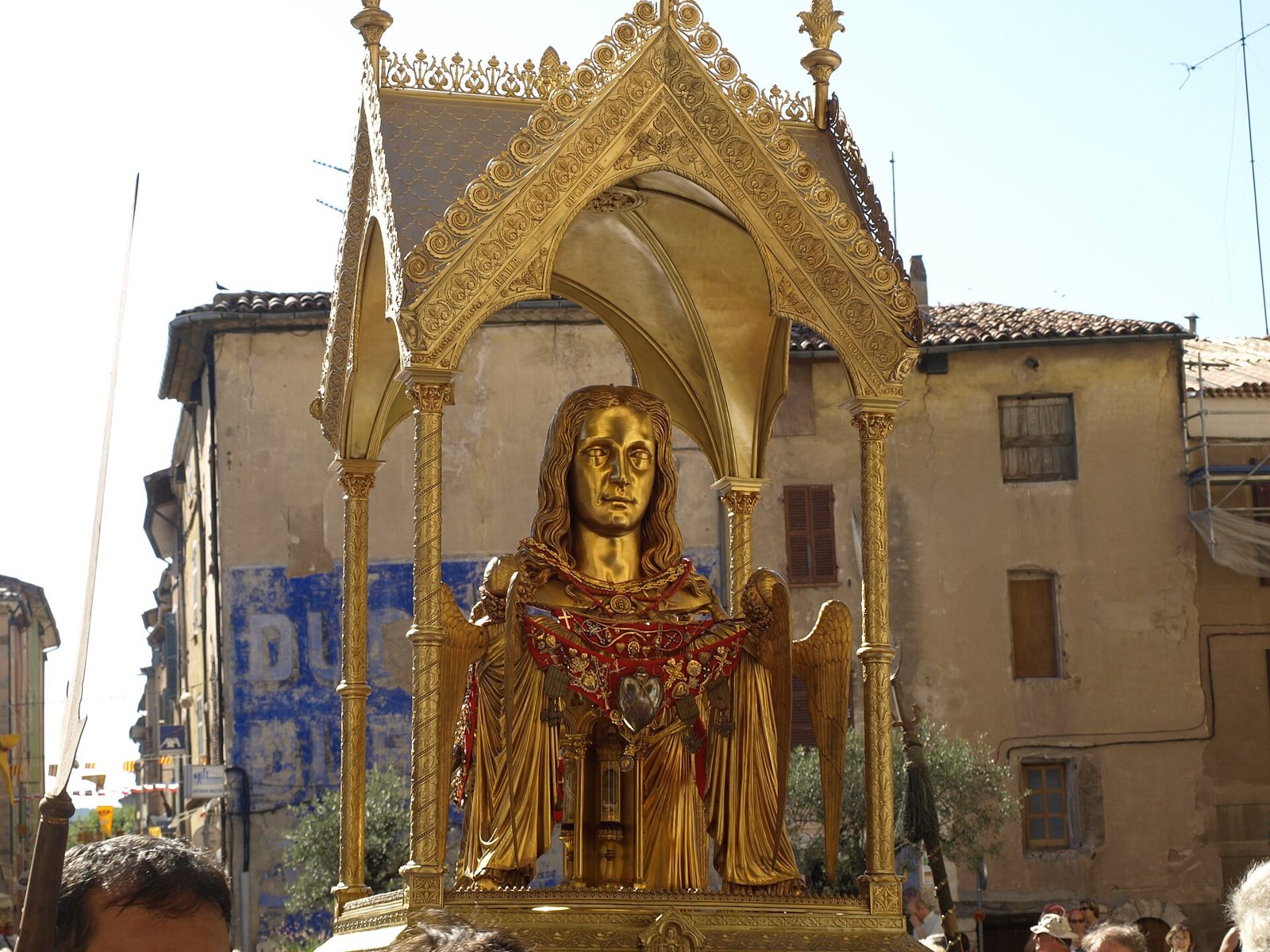
Up at the cave, the Sanctuary of Sainte-Baume's programme lists a procession of relics from the Hostellerie to the cave and a solemn Mass on 22 July (Sanctuary of Sainte-Baume programme). In the town, the exact schedule changes from year to year. In 2026, the municipal programme set the reliquary's public appearance for 23 July and a procession through the town for 26 July (Saint-Maximin municipal programme). Those dates have now passed, so if you hope to see the procession, check the town's and the basilica's programme for the coming year. The Catholic Church in France also writes about the feast and the pilgrimage at Saint-Maximin.
Why other churches claim her relics, Vézelay above all
Saint-Maximin is not the only place that has claimed Mary Magdalene's remains. The best-known rival is Vézelay, in Burgundy, which claimed her body from the eleventh century. Victor Saxer dates the earliest recorded Vézelay claim he discusses to about 1024 to 1025, and in 1050 Pope Leo IX made Mary Magdalene patron of the abbey there (Victor Saxer, Persée).
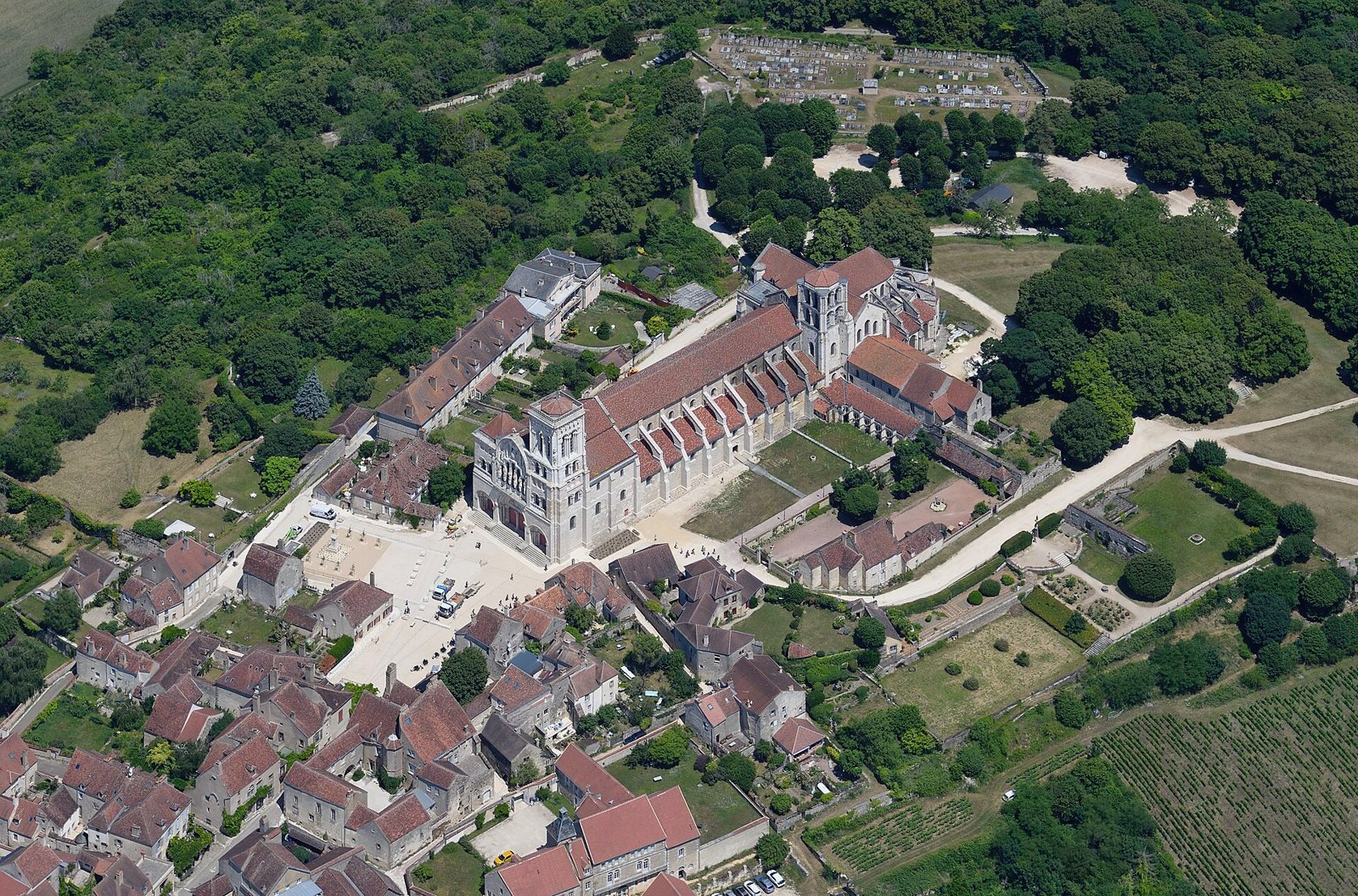
Vézelay's account explained how her body had come to Burgundy: a medieval story told of its transfer from Provence to Vézelay. Saxer points out chronological problems in that account (Victor Saxer, "Le dossier vézelien," Persée). When the excavation at Saint-Maximin in 1279 produced a body identified as hers, it created a competing Provençal claim.
Further afield, other traditions place relics attributed to Mary Magdalene in Constantinople, Rome, Greece and other churches. These are best understood as separate local traditions of possession and veneration, each with its own history, rather than pieces of one body scattered across Europe. The same pattern runs through the relics of many early saints, including the heads claimed for John the Baptist, told in our story on John the Baptist's head relics.
The Saint-Maximin skull through the centuries
Tap or hover a step to follow the order.
About 1024 to 1025
The earliest recorded Vézelay claim to Mary Magdalene's body discussed by Victor Saxer.
1050
Pope Leo IX makes Mary Magdalene patron of the abbey at Vézelay.
1279
Excavations at Saint-Maximin uncover remains the basilica identifies as Mary Magdalene's.
1281
The basilica states that the relics receive official recognition.
1295
Construction of the basilica and its adjoining convent begins under Charles II of Anjou.
1860
Didron makes the present gilded bronze and enamel head reliquary.
2017
Philippe Charlier, Philippe Froesch and colleagues present the facial reconstruction at the 7th International Congress of Pathography.
2019
Their peer-reviewed study is published online.
Seeing the reliquary at Saint-Maximin
The skull is in the crypt of the Basilica of Sainte-Marie-Madeleine, in Saint-Maximin-la-Sainte-Baume, in the Var department of Provence. The basilica is a working church and a place of pilgrimage, and the crypt is a place of prayer, so visitors share it with people who have come to venerate the relic. Opening times, photography rules and access to the crypt can change, so confirm current access details with the Basilica of Saint-Maximin before you visit. If you plan to go for the feast in July, the town's yearly programme is the place to check the dates of the reliquary's public appearance and the procession.
Mary Magdalene skull FAQ
These are the questions people ask most often, answered briefly.
Is the skull of Mary Magdalene real?
The Basilica of Saint-Maximin venerates it as Mary Magdalene's relic, but its identity has not been proven historically or scientifically. Philippe Charlier, who led the 2017 study, said the team was "absolutely not sure" it was hers (National Geographic).
Where is Mary Magdalene's skull?
It is in the crypt of the Basilica of Sainte-Marie-Madeleine in Saint-Maximin-la-Sainte-Baume, Var, in Provence, France, displayed in a head reliquary.
Has Mary Magdalene's skull been DNA tested?
No DNA identification has been published; the Charlier and Froesch study used imaging, microscopy and elemental analysis instead (Charlier et al., 2019). National Geographic reported that radiocarbon dating would require removing material, which the Church had not permitted.
What does the facial reconstruction prove?
It shows a likely face for the woman whose skull this is: about 50 years old, of Mediterranean ancestry, with dark brown hair, as National Geographic reported. It does not prove that she was Mary Magdalene.
Why do several places claim Mary Magdalene's relics?
In the Middle Ages, churches competed to hold the relics of important saints, and Vézelay in Burgundy claimed her body from the eleventh century, before Saint-Maximin's excavation in 1279. Other relics attributed to her are kept in places including Rome and Greece, each as a separate local tradition.
Can you visit Mary Magdalene's skull?
The reliquary is kept in the crypt of the basilica in Saint-Maximin-la-Sainte-Baume, a working church where pilgrims come to venerate it. Confirm current access details with the Basilica of Saint-Maximin before you go, and note that the reliquary is carried in procession once a year during the July celebrations.
Test yourself on the Saint-Maximin skull
How much do you know about Mary Magdalene's skull?
Answer every question to check.
A skull held in two kinds of light
At Saint-Maximin, one skull is seen in two ways at once. For the Catholic community that keeps it, it is the relic of a saint who, by their tradition, crossed the sea, prayed for 30 years in a mountain cave and was buried in their town, and every July they carry her through the streets. For historians and scientists, it is the skull of a real woman of about 50, studied with care and given a face, whose name the evidence cannot confirm. Neither view cancels the other. If the gilded reliquary or the reconstructed face brought you here, both belong to her story, and the place to see the first is the crypt, with the respect owed to someone's remains and to the people who pray before them. For another skull with a famous place name attached, see our story on Golgotha, the place of the skull.
Terms in this story
Tap a term to see what it means.
Relic. The remains of a saint, or an object connected with one, kept and honoured by the church. The skull at Saint-Maximin is venerated as Mary Magdalene's relic.
---