

No. 117
Bog Bodies: Tollund Man, Lindow Man and the People the Peat Kept
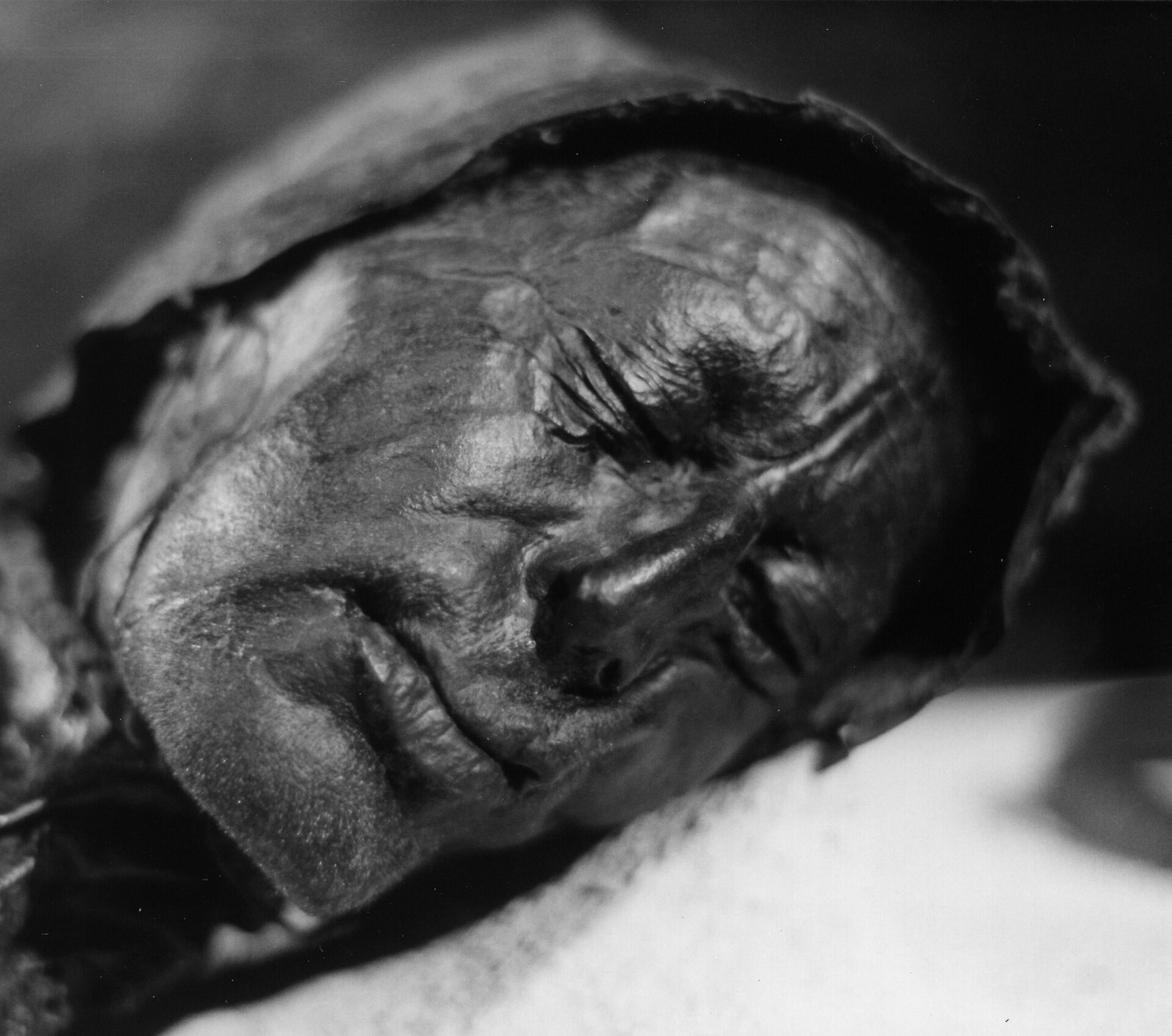
A bog body is a real person whose skin, hair and organs were kept by a cold, wet, acidic peat bog, sometimes for more than 2,000 years. The best known is Tollund Man, found in Denmark in 1950 and dated to about 405 to 380 BC, whose face, beard stubble and closed eyes are still clearly visible. He is cared for at Museum Silkeborg in Denmark. Behind that face is some bog chemistry, cold water, no oxygen and a moss called sphagnum, and a longer story about who these people were and how they died. Both follow, with what each museum says and where the museums say the answer is open.
Tollund Man, the face almost everyone knows
Peat cutters Emil and Viggo Højgård came across Tollund Man on 6 May 1950 in Bjældskovdal bog, near Silkeborg. Radiocarbon dating places his death in the fourth century BC, about 405 to 380 BC in recent museum-associated dating, and Museum Silkeborg describes him as roughly 2,350 to 2,400 years old. He was an adult man who had been hanged and then carefully placed in the bog, with his eyes and mouth closed.
His last meal is known. Analysis of his stomach and intestines showed a vegetarian gruel, or soup, made from about 30 kinds of seeds and grains, including barley, flaxseed, gold-of-pleasure and knotgrass. So, the last thing this man ate was a plant-based meal, with no meat in it.
Where is Tollund Man today? His preserved head and selected body parts are displayed at Museum Silkeborg in Silkeborg, Denmark, alongside a reconstruction of his full body. The museum's pages cover him together with Elling Woman, another person from the Danish peat.
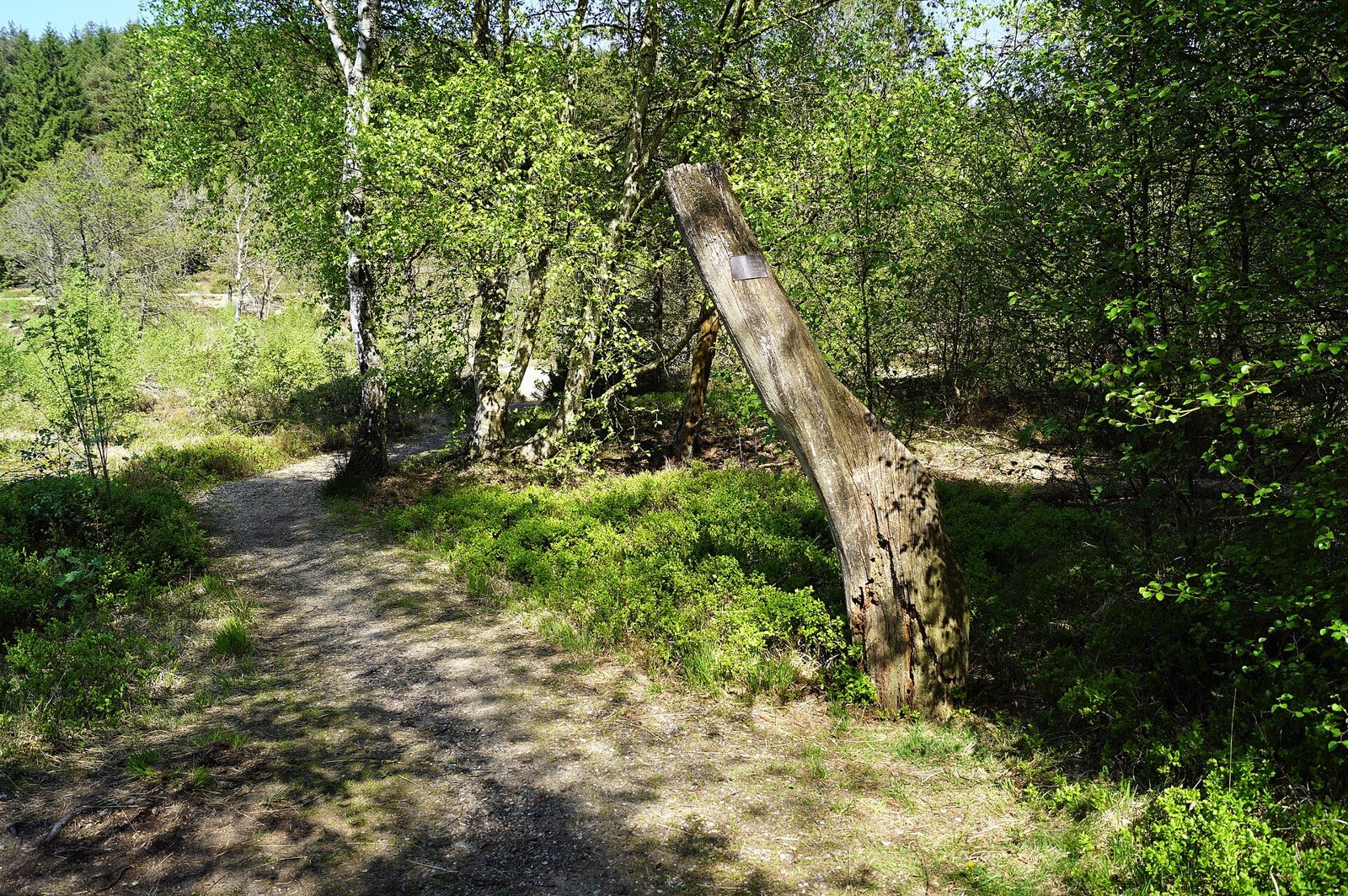
Why a bog keeps skin and softens bone
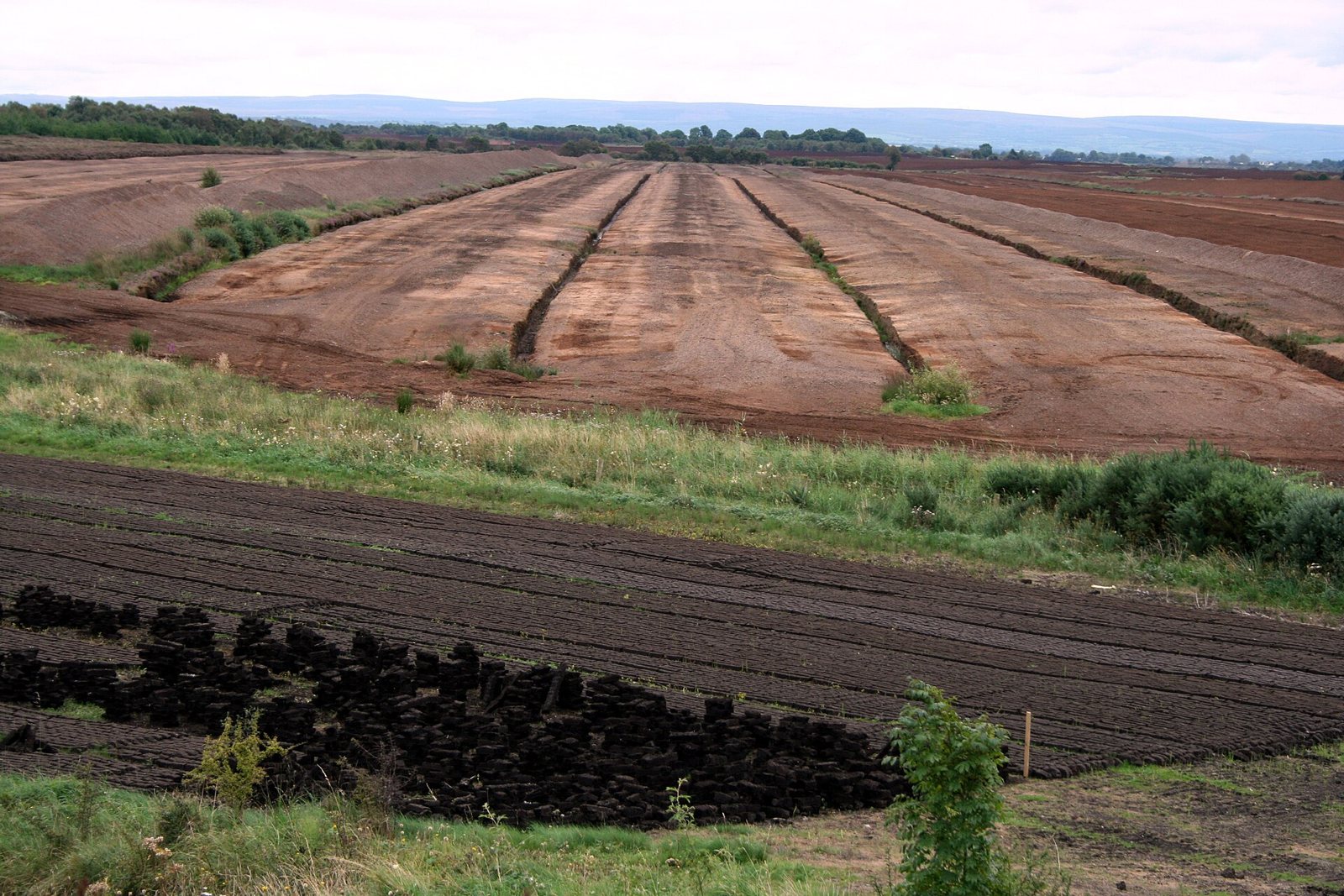
A peat bog is cold, saturated with water, low in oxygen and acidic, and few microbes can work there. Sphagnum moss adds something more. It releases sphagnan, a sugar-based compound that binds calcium and nitrogen, slows microbes and helps tan collagen, the protein in skin. Skin, hair, nails and some organs can last. In his paper "Bog Bodies," Lynnerup describes this combination, and Painter and McLean write about sphagnan and the bog chemistry in more depth.

The same chemistry that tans skin pulls calcium out of bone. So, the bones of a bog body can be soft, bent out of shape or partly dissolved. If you have wondered whether bog bodies are hard or soft, the answer is a leathery skin around a skeleton that may have gone soft. Scientists agree that sphagnan matters a great deal. One proposed process, a browning reaction called the Maillard reaction, is not considered fully proven.
Other people the peat kept
Tollund Man is the best known, but museums across northern Europe care for others.
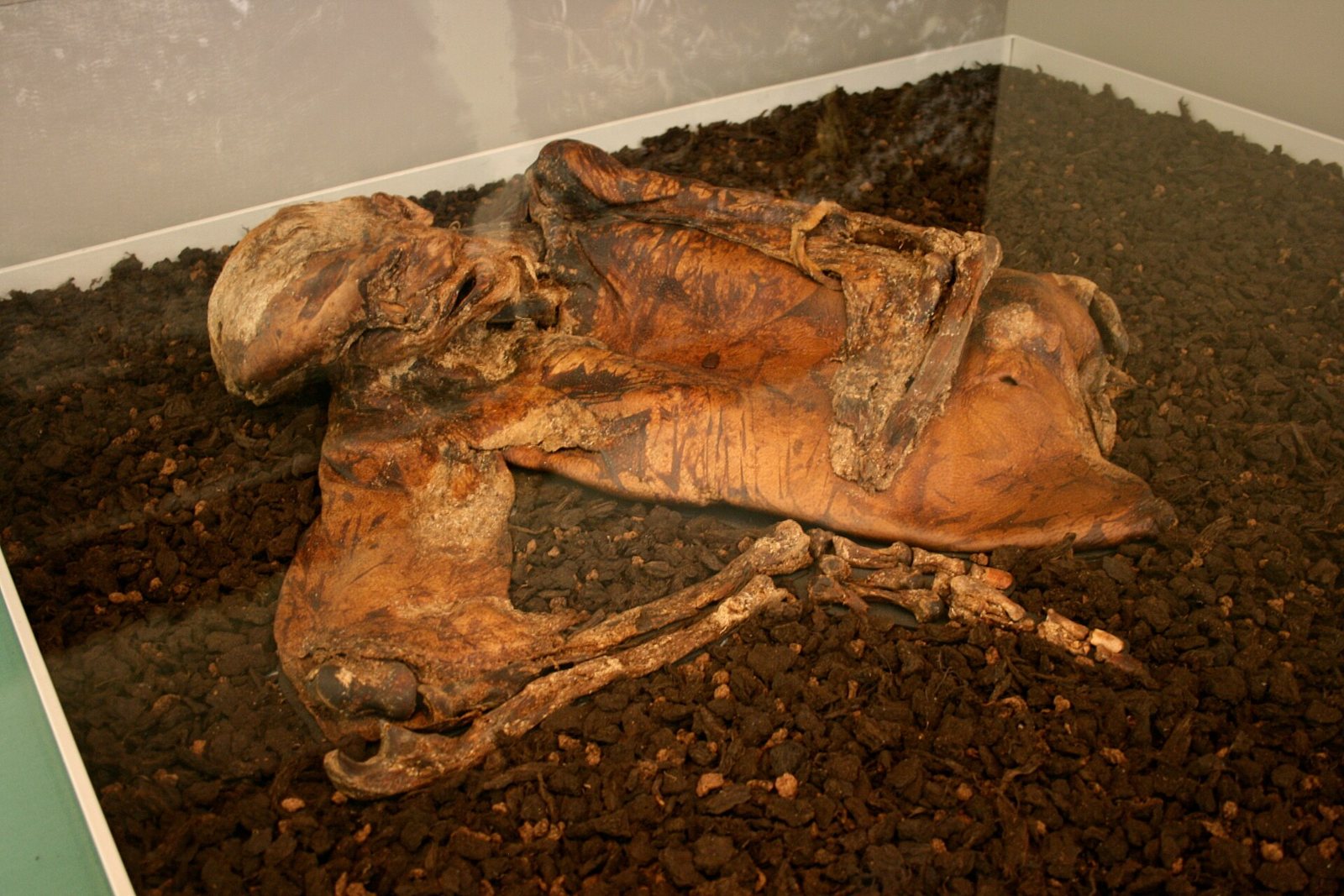
Lindow Man was found at Lindow Moss near Manchester, England, in 1984. His official museum name is Lindow II, because other human remains turned up at the moss too. The British Museum, which holds him, places his death between 2 BC and AD 119 by radiocarbon dating. He had multiple injuries and was placed face down in a pool in the bog. Because that date range spans both the Iron Age and the Roman period, the museum says ritual sacrifice cannot be established.
Grauballe Man was found in Nebelgaard Bog, Denmark, in 1952. Moesgaard Museum dates him to around 390 BC, within a range of about 400 to 200 BC. He was about 34 years old, with a broken shin and a cut throat, and he is displayed at Moesgaard Museum.
Yde Girl was found near Yde in the Netherlands in 1897 and is displayed at the Drents Museum in Assen. The museum places her in the Roman period, about 190 BC to AD 220, and counts her among the best-known bog bodies in the Netherlands.
Old Croghan Man, from County Offaly, and Clonycavan Man, from County Meath, were both found in Ireland in 2003. The National Museum of Ireland dates both to about 400 to 200 BC.
Cashel Man, from County Laois, is the oldest bog body that still has flesh. The National Museum of Ireland gives his radiocarbon date as 3678 ± 31 years before present, which calibrates to about 2141 to 1960 BC. Older skeletons have turned up in bogs, but he is the oldest known fleshed body.
Were any bog bodies women? Yes. Yde Girl in the Netherlands and Elling Woman in Denmark are two. Bog bodies include people of different sexes and ages, not only the famous adult men.
Why were they killed? Museums give different answers
There is no single answer, and the scientists who study bog bodies say so. A 2022 study in *Antiquity* estimates that about 2,000 bog bodies are known in Europe, counting mummies, skeletons and partial remains, and that figure is cautious. Most come from northern and northwestern Europe, especially Denmark, Germany, the Netherlands, Britain and Ireland. The Iron Age and Roman period produced the most famous group, but people were placed in wetlands from the Neolithic through the medieval and modern periods.
Proposed reasons include human sacrifice, execution or punishment, deliberate burial and accidental drowning. Each museum describes its own people differently:
- The National Museum of Ireland reads Old Croghan Man and Clonycavan Man as sacrifice linked to kingship and sovereignty, in its Kingship and Sacrifice guide.pdf).
- The British Museum says Lindow Man may have been a ritual victim, an executed criminal or the victim of a violent crime, and that the evidence does not settle which.
- Moesgaard Museum presents sacrifice as a leading reading of Grauballe Man and also records punishment as a possibility.
What does this mean for you as a reader? That one explanation does not fit every find, and a label like "sacrifice" belongs only where the museum that cares for the person has made that case.
Bog bodies in America: Windover Pond, Florida
Have any been found in the United States? Yes, in a different form. Windover Pond near Titusville, Florida, came to light in 1982 during housing construction. Excavations from 1984 to 1986 recovered at least 168 people, from newborns to elders, and radiocarbon dating puts the cemetery about 7,000 to 8,000 years before present, in Florida's Archaic period.
These were intentional burials in a freshwater pond, and many people were covered with woven plant-fiber textiles. The saturated peat kept wood, textiles, bone and other organic material. Windover is a cemetery of mostly skeletons, not leathery bodies like Tollund Man. Brain material survived in 91 individuals. The University of Central Florida notes that the site shows waterlogged burial traditions in North America long before European contact, and that it gives evidence about diet, disease, tools, family relationships and burial practice. You can read more in the University of Central Florida's account of Windover.
Seamus Heaney and the bodies in poetry
For many readers the first meeting with a bog body is a poem. The Irish poet Seamus Heaney came to the Danish bodies through P. V. Glob's book *The Bog People: Iron Age Man Preserved*. His poem "The Tollund Man" appeared in *Wintering Out* in 1972. Later poems, including "The Grauballe Man," "Bog Queen," "Punishment" and "Strange Fruit," linked the preserved bodies with memory, violence, Irish identity and the political violence of the Troubles, as the Irish Times has written.
These poems are literature, not archaeological evidence. Heaney treated the bodies as human figures able to carry memory across time, and he acknowledged the danger of turning real dead people into symbols. His work helped make Tollund Man and Grauballe Man known far beyond museums.
Seeing them, and the finds at a glance
Tollund Man and Elling Woman are at Museum Silkeborg, Grauballe Man is at Moesgaard Museum, Yde Girl is at the Drents Museum in Assen, and Lindow Man is held by the British Museum. Display arrangements change, so check each museum's own page before you plan a visit.
When the peat gave up its people
Tap or hover a step to follow the order.
1897
Yde Girl is found near Yde in the Netherlands
1950
Tollund Man is found in Bjældskovdal bog near Silkeborg, Denmark
1952
Grauballe Man is found in Nebelgaard Bog, Denmark
1972
Seamus Heaney's poem "The Tollund Man" appears in Wintering Out
1982
Windover Pond, Florida, comes to light during housing construction
1984
Lindow Man is found at Lindow Moss, England
2003
Old Croghan Man and Clonycavan Man are found in Ireland
Tap or hover a row to highlight it.
| Person or site | Place | Date | Key fact |
|---|---|---|---|
| Person or siteTollund Man | PlaceSilkeborg, Denmark | Datec. 405 to 380 BC | Key factHanged; vegetarian seed-and-grain meal; displayed at Museum Silkeborg |
| Person or siteGrauballe Man | PlaceDenmark | Datec. 400 to 200 BC, probably c. 390 BC | Key factThroat cut after a broken shin; displayed at Moesgaard |
| Person or siteLindow Man | PlaceLindow Moss, England | Date2 BC to AD 119 | Key factViolent death; held by the British Museum |
| Person or siteOld Croghan Man | PlaceCounty Offaly, Ireland | Datec. 400 to 200 BC | Key factInterpreted by the National Museum of Ireland as a sacrificial victim |
| Person or siteClonycavan Man | PlaceCounty Meath, Ireland | Datec. 400 to 200 BC | Key factInterpreted in the same kingship and sacrifice context |
| Person or siteWindover people | PlaceFlorida, United States | Datec. 7,000 to 8,000 years before present | Key factAt least 168 pond burials, including 91 with preserved brain material |
| Person or siteCashel Man | PlaceCounty Laois, Ireland | Datec. 2141 to 1960 BC | Key factOldest known fleshed bog body according to the National Museum of Ireland |
How well do you know the people of the peat?
Answer every question to check.
Questions people ask about bog bodies
What is the most famous bog body?
Tollund Man is probably the most famous, because his face and beard stubble are so recognizable. Museum Silkeborg displays his preserved head and a reconstruction of his body.
Why were the bog bodies killed?
There is no single answer. Some bodies fit sacrifice, some fit execution or violence, and others may be ordinary burials or accidents. The National Museum of Ireland supports a sacrifice and kingship reading for Old Croghan Man and Clonycavan Man, while the British Museum says the evidence does not establish how Lindow Man died.
Are bog bodies hard or soft?
Skin can be soft and leather-like, because peat tans skin and keeps hair, nails and organs. Bones may turn soft, fragile or partly dissolved, because sphagnan and acidic water remove minerals.
Have any bog bodies been found in the US?
Yes. Windover Pond in Florida held at least 168 people buried about 7,000 to 8,000 years ago, mostly skeletons with preserved textiles, wood and brain material.
What is the oldest bog body found?
The National Museum of Ireland names Cashel Man, from County Laois, as the oldest fleshed bog body yet found, dated to about 2141 to 1960 BC.
What are the momias de los pantanos, and where is the Hombre de Tollund?
Momias de los pantanos, or momias de turbera, is the Spanish name for bog bodies: human remains kept naturally in peat bogs by cold, lack of oxygen, acidic water and compounds from sphagnum moss. The Hombre de Tollund is in Museum Silkeborg, in Silkeborg, Denmark.
If you enjoy the long view of the human body, read about the oldest human skull ever found, what bones can tell archaeologists about a person and how scientists work out how old bones are. For other ways people have cared for the dead, see ossuaries around the world and our human skull facts.
Terms in this story
Tap a term to see what it means.
Bog body. A person naturally preserved in a peat bog, also called momias de los pantanos or momias de turbera in Spanish.