No. 004
Ossuaries Around the World: Where to Find Bone Chapels, Including in the US
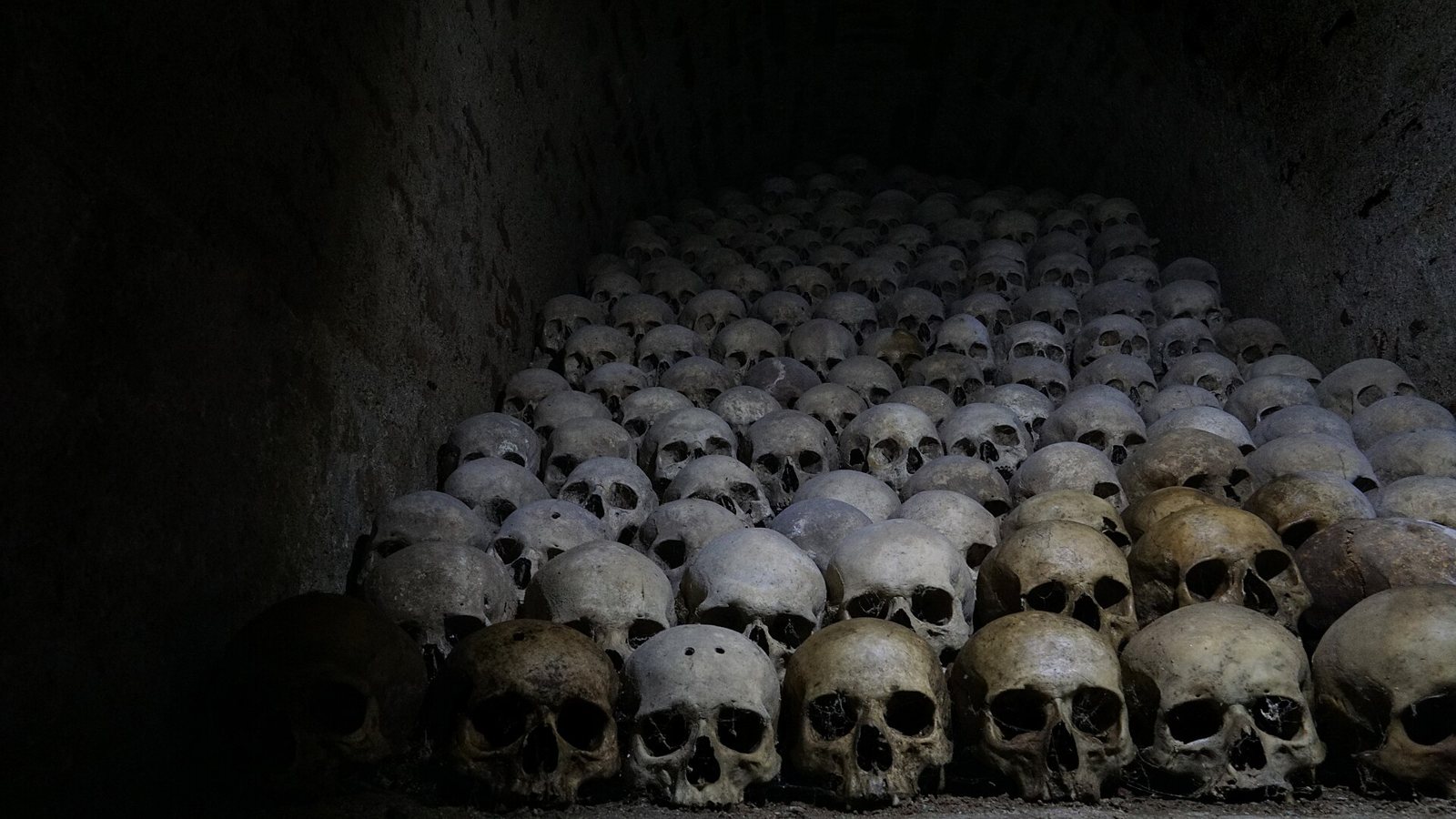
Yes, there are ossuaries on several continents, and the famous bone chapels are only part of the story. An ossuary is a container, chamber, building or site for human skeletal remains after decomposition. The best-known ones are in Europe: Sedlec in Czechia, Brno, Évora in Portugal, Hallstatt in Austria, Czermna in Poland, the Capuchin Crypt in Rome and the Paris Catacombs. There is another in Lima, Peru. The United States has them as well, though they look different: an Indigenous secondary burial site on Cape Cod dating to about AD 1100, which is a protected archaeological site and not a public attraction, and modern ossuaries in veterans' cemeteries, including one completed at Houston National Cemetery in 2026.
Each place has its own reason for keeping bones together, and each is cared for by a community, a church or an agency. Here is the map.
What an ossuary is, and why communities built them
People gathered bones into ossuaries for a handful of reasons: to save burial space, to continue a practice of secondary burial, to cope with crowded cemeteries, and to express religious ideas about remembrance and resurrection.
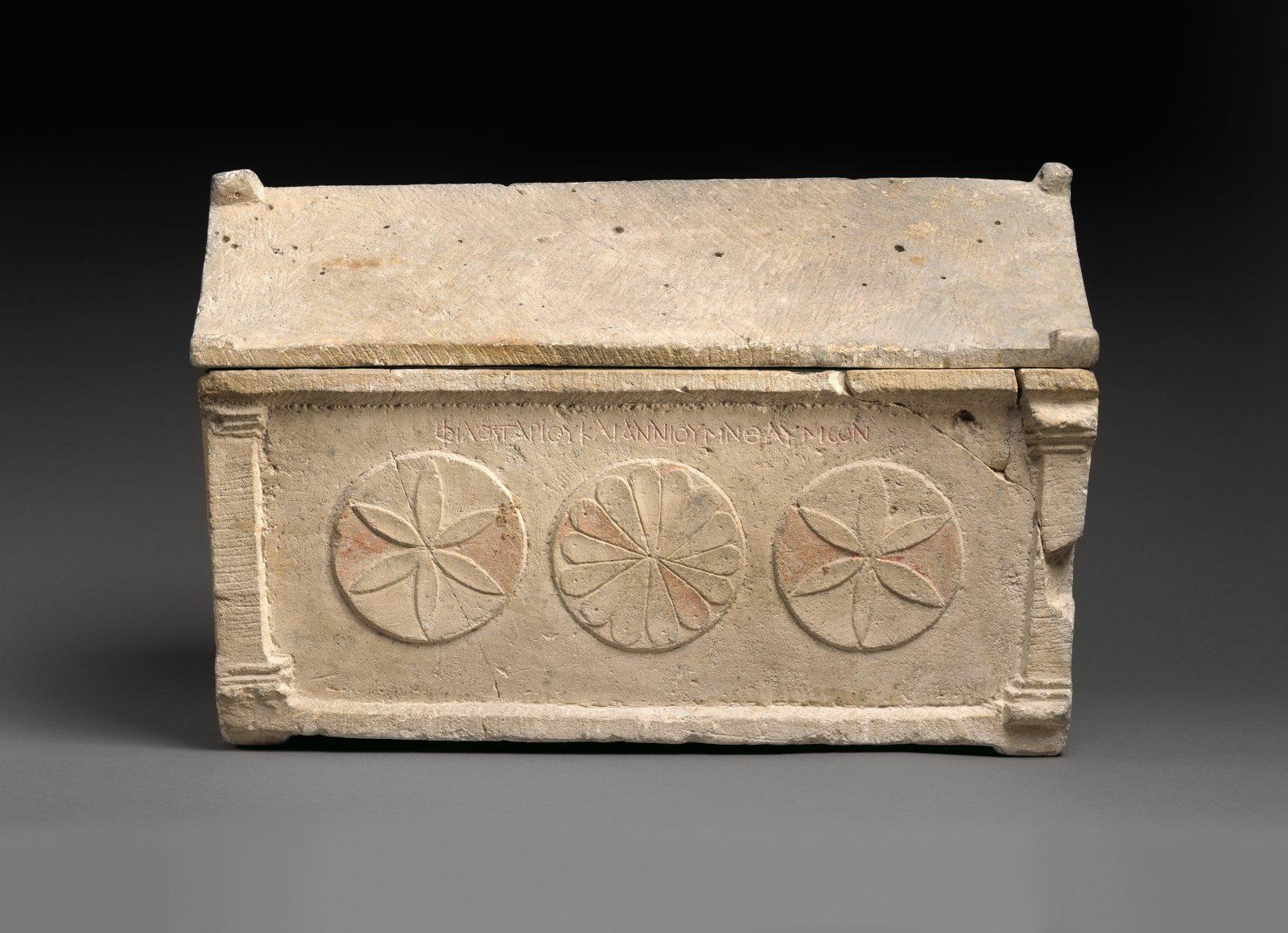
In ancient Judea, a body was first placed in a tomb, and after it decomposed the bones were gathered into a limestone box kept in the family tomb. The Terra Sancta Museum calls this Jewish "second burial" and dates its peak in the Jerusalem area to roughly 20 BCE to 70 CE. In medieval and early modern Europe, charnel houses and ossuaries let cemeteries be reused. At Sedlec, the official history says the cemetery was reduced because more space was needed and the exhumed bones were stored below the cemetery church. In Paris, bones were moved from overcrowded cemeteries into former quarries after public-health problems.
Europe, place by place
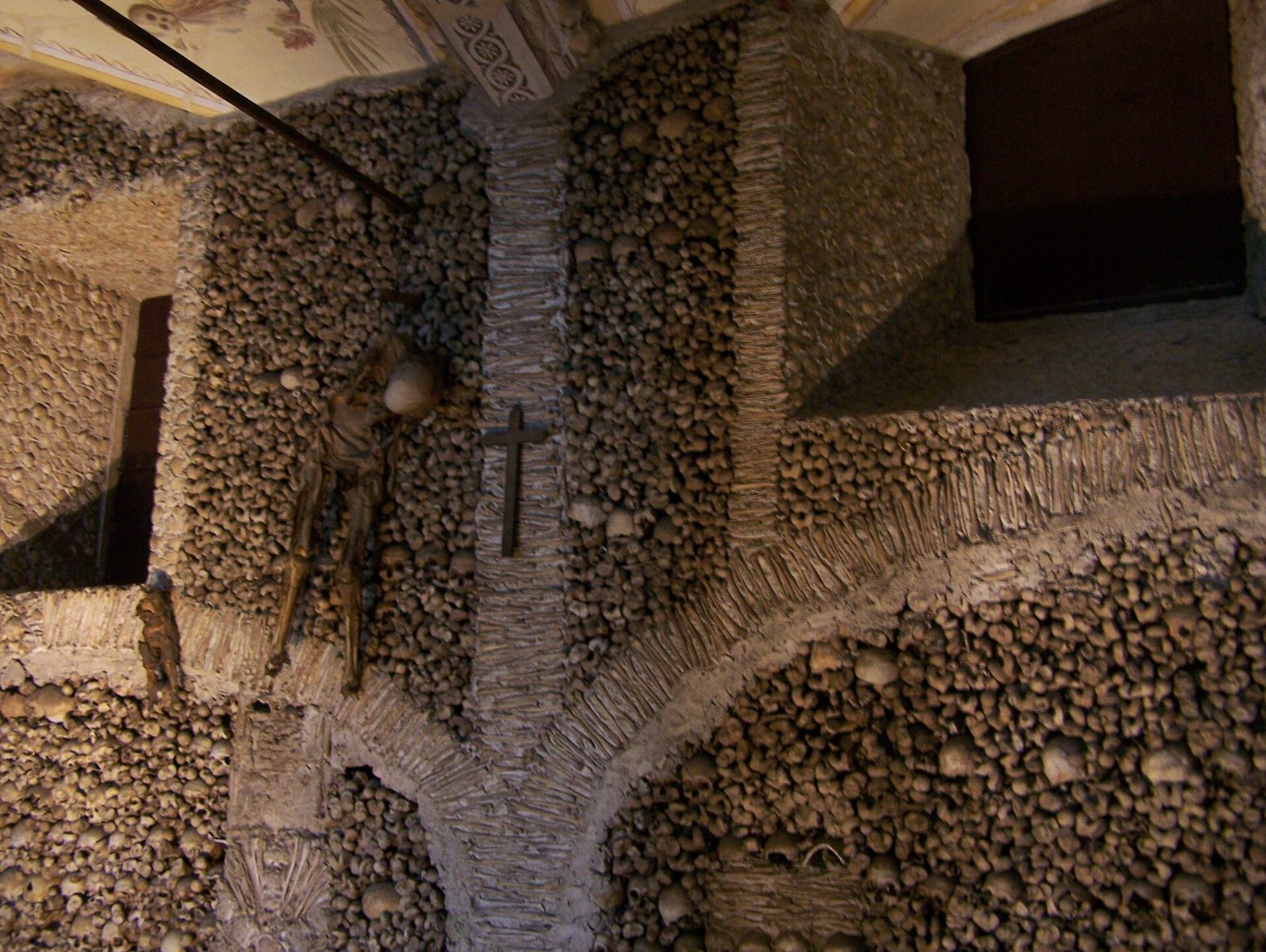
- Sedlec Ossuary, Kutná Hora, Czechia. The lower chapel stores remains from the former cemetery of the Sedlec monastery, which reached about 3.5 hectares. František Rint's reconstruction of the bone decoration was completed in 1870. The full story is in our guide to the Sedlec Ossuary.
- Kostnice u sv. Jakuba, Brno, Czechia. The underground ossuary beneath St. James Church holds the remains of more than 50,000 people, according to Brno Underground. The cemetery began in the medieval period, and repeated burials meant bones had to be moved underground.
- Capela dos Ossos, Évora, Portugal. The municipality describes a seventeenth-century chapel with three naves formed entirely from human bones.
- Hallstatt Bone House, Austria. St. Michael's Chapel keeps more than 600 painted skulls. Local tourism pages say skull painting was chiefly a nineteenth-century custom in the eastern Alps and accompanied a second funeral when a grave was reused, so the skulls carry names, initials, dates and flowers.
- Kaplica Czaszek, Czermna, Poland. Poland Travel describes a chapel whose walls and ceiling are covered with about 3,000 skulls and bones, including remains linked to wars and infectious disease.
- Capuchin Crypt, Rome, Italy. The museum says about 3,700 people rest there, mostly friars, and Rome's tourism office says nearly 4,000. See the Capuchin Crypt guide for the six chapels and the message on the wall.
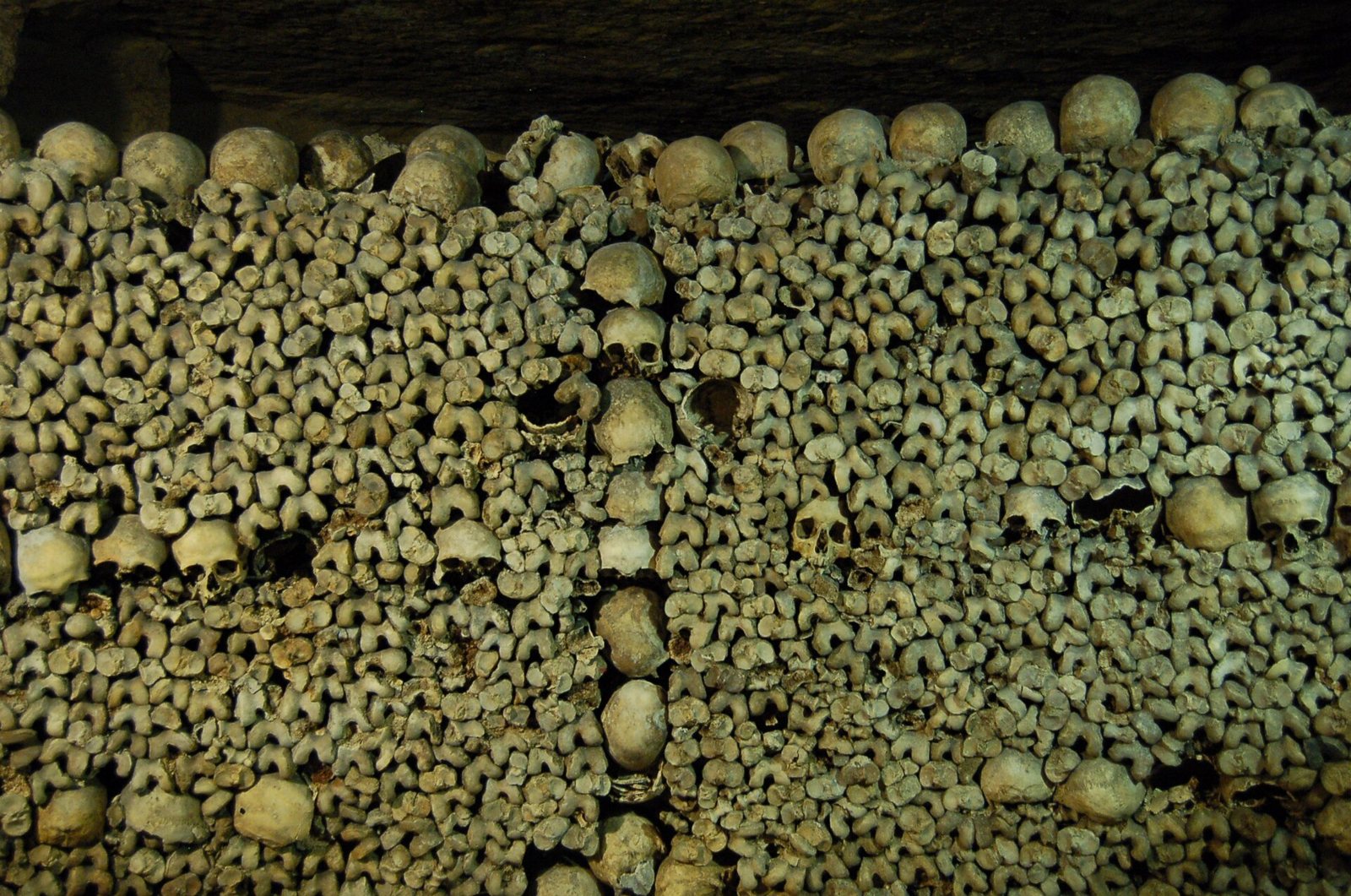
- Paris Catacombs, France. The municipal ossuary was consecrated on April 7, 1786, after bones were moved from city cemeteries, beginning with Saints-Innocents. The full story is in the guide to the Paris Catacombs.
- Roncesvalles, Navarra, Spain. A medieval charnel house that, according to a University of Idaho dissertation, is unusual because it is still in use.
Latin America
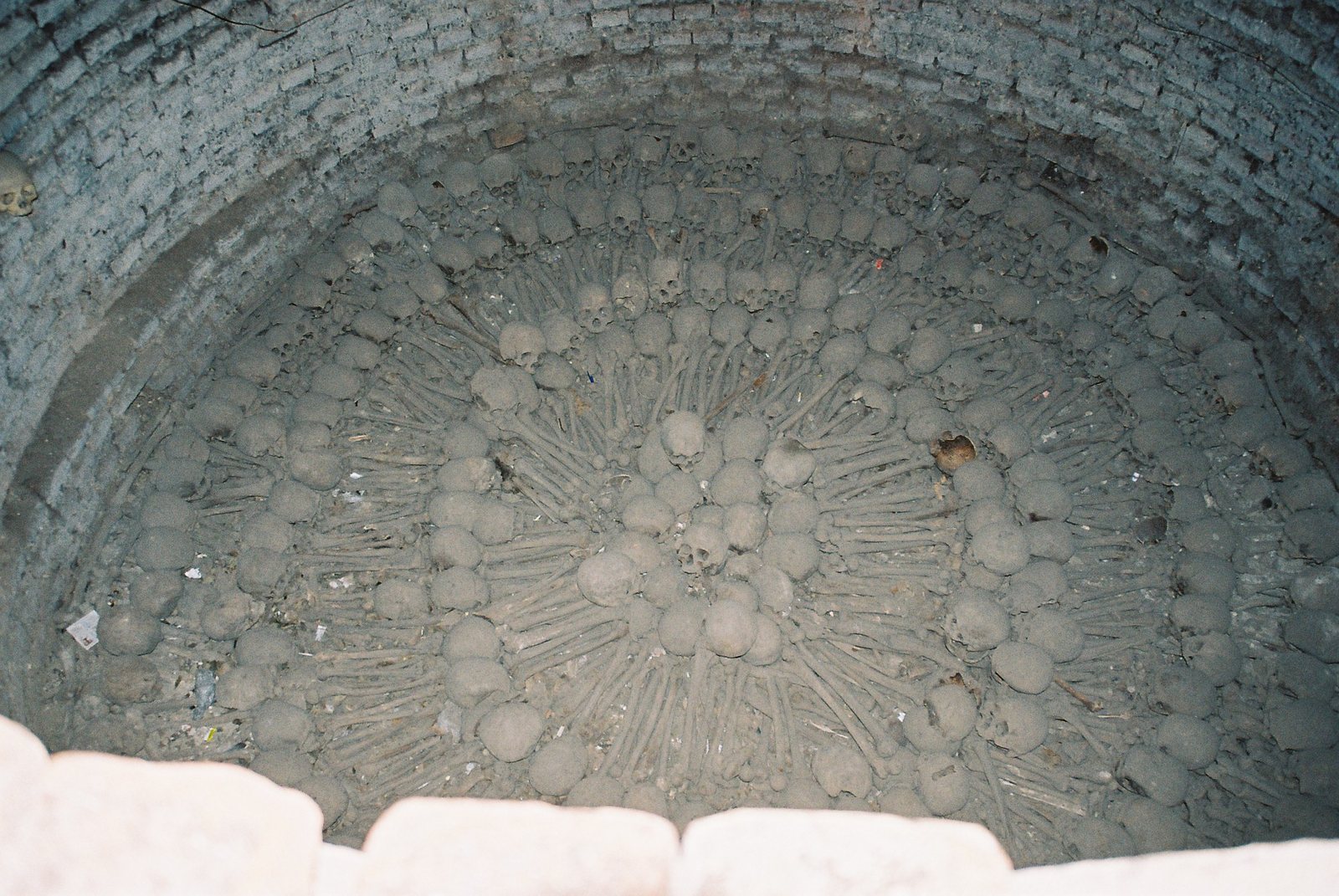
The San Francisco monastery and catacombs in Lima, Peru, are a documented example. Peru's Ministry of Culture says the monumental complex began construction in 1546 and was inaugurated in 1672, and it is recognized as Cultural Heritage of the Nation. Its catacombs are underground passages holding the remains of Lima's earlier inhabitants. It is a colonial religious complex and former cemetery, not a decorative bone chapel, and the museum preserves the catacombs as part of Lima's religious, architectural and funerary history.
Ossuaries in the United States
The United States has two kinds. The first is Indigenous and ancient. The National Park Service describes the Indian Neck Ossuary in Wellfleet, Massachusetts, as a secondary burial dating to about AD 1100 that held at least 56 individuals, and it notes ossuary burial traditions in the Chesapeake region, northwestern New York and adjacent Ontario. Indian Neck is an archaeological burial place and not a public bone chapel, and the remains belong to the people who buried them.
The second is modern. Houston National Cemetery completed an ossuary in 2026, which the Department of Veterans Affairs describes as a permanent resting place for commingled cremated remains that cannot be separated into individual urns or identified with one person. Eligible veterans and family members may choose it, and the benefit includes perpetual care, a committal service and an inscription on the memorial marker. The VA says some national cemeteries have an ossuary, and a 2023 VA advisory-committee record lists one at Quantico National Cemetery. Planning documents from 2014 proposed a Tomb of Remembrance at Arlington National Cemetery for the commingled cremated remains of unidentified service members, so confirm its current status with Arlington.
These American examples are memorial and burial places. None of them is a chapel decorated with exhumed skeletons.
Tap or hover a row to highlight it.
| Place | Country or region | Date | What it is |
|---|---|---|---|
| PlaceCatacombs of Paris | Country or regionFrance | Date1785 onward | What it isSeveral million remains transferred from Paris cemeteries |
| PlaceSedlec Ossuary | Country or regionCzechia | DateMedieval cemetery with later arrangements | What it isHuman bones in a functioning church, arranged as architectural decoration |
| PlaceCapela dos Ossos, Évora | Country or regionPortugal | DateSeventeenth century | What it isThree naves formed completely from human bones |
| PlaceIndian Neck Ossuary | Country or regionMassachusetts | DateAbout AD 1100 | What it isSecondary burial of at least 56 individuals |
| PlaceHouston National Cemetery Ossuary | Country or regionTexas | DateCompleted 2026 | What it isCommingled cremated remains of eligible veterans and family members |
| PlaceRoncesvalles Ossuary | Country or regionNavarra, Spain | DateMedieval origin | What it isA charnel house still in use |
Bone boxes and other traditions
Not every ossuary is a chapel. Jewish ossuaries in Judea were small limestone boxes. The Terra Sancta Museum explains that the body was washed, shrouded and placed in a tomb, and after decomposition the bones were collected into a box set in a chamber or niche within the tomb. Some boxes were plain and others carried painted or carved geometric and plant designs. Inscriptions in Hebrew, Aramaic and Greek tell us the names of people in ancient Jerusalem. The Israel Museum holds an ossuary from a family burial cave in southern Jerusalem bearing the name Joseph bar Caiaphas, dated to 18 to 36 CE. The Metropolitan Museum of Art preserves a Roman limestone ossuary of about the first century BCE to the first century CE, with a Greek inscription naming Philoutarion and Annios.
Other traditions exist as well. In Eastern Orthodox charnel houses, remains may be moved after one to three years, though customs vary from one community to another. Zoroastrian astudans are bone repositories linked to ancient Iranian funerary practice.
Which is the biggest
The City of Paris calls the Catacombs the world's largest underground ossuary, with the remains of several million people. Its figures include about 11,000 square metres of ossuary space, 800 metres of stacked bones and 217 bone walls. That is an estimate of people, not a complete count, and no single worldwide tally exists. Sedlec is much smaller, but its bones are arranged throughout a single chapel, which is why it photographs so well.
Still in use today
Ossuaries are not only history. Houston National Cemetery's 2026 ossuary and the one at Roncesvalles are in use, and charnel chapels and ossuaries continue in many Catholic European countries and some South American ones. Current use varies by place: some are active burial facilities, others are historic religious sites, archaeological burial places or museums. The communities responsible decide access, handling and interpretation, so confirm details with each official site.
Ossuaries from 20 BCE to 2026
Tap or hover a step to follow the order.
20 BCE to 70 CE
Limestone ossuaries used for secondary burial in Judea
About AD 1100
Indian Neck Ossuary burial in present-day Wellfleet, Massachusetts
Seventeenth century
Évora's Capela dos Ossos formed from human bones
1785 to 1787
Paris cemetery remains begin moving to underground quarries
April 7, 1786
Paris Municipal Ossuary consecrated
1809
Paris Catacombs open to the public by appointment
2026
Houston National Cemetery completes a modern ossuary
Frequently asked questions
Are there any ossuaries in the US?
Yes, both ancient and modern. The National Park Service describes the Indian Neck Ossuary in Wellfleet, Massachusetts, a secondary burial of about AD 1100 with at least 56 individuals, and Houston National Cemetery completed a veterans' ossuary in 2026.
What is the largest ossuary in the world?
The City of Paris describes the Catacombs as the world's largest underground ossuary, holding the remains of several million people. That figure is an estimate.
Are ossuaries still in use today?
Yes. Houston National Cemetery's 2026 ossuary and the ossuary at Roncesvalles in Spain are in use, and charnel chapels continue in many Catholic European countries and some South American ones.
What are some famous crypts?
The best known are the Paris Catacombs, the Sedlec Ossuary, the Capuchin Crypt in Rome, the Capela dos Ossos in Évora, the Roncesvalles ossuary in Spain and the Indian Neck Ossuary in Massachusetts, each very different in age and purpose.
What church is built with human bones?
The Capela dos Ossos, beside the Church of São Francisco in Évora, Portugal, is the most direct answer, a seventeenth-century chapel whose three naves are formed completely from human bones. The rest of the church is not built from bones, and "bone church" is also the nickname for the Sedlec Ossuary beneath the Cemetery Church of All Saints in Kutná Hora.
Ossuaries around the world quiz
Answer every question to check.
Where to go next
If one of these places caught your attention, start with the guides to Sedlec, the Paris Catacombs and the Capuchin Crypt. The idea behind many of them is memento mori, and the Christian roots of that tradition are explained in skulls in Christianity. If the idea stays with you, our Memento Mori skull tee carries it too.