

No. 006
The Skull Tower in Niš: What Happened at Ćele Kula and How Serbia Remembers It
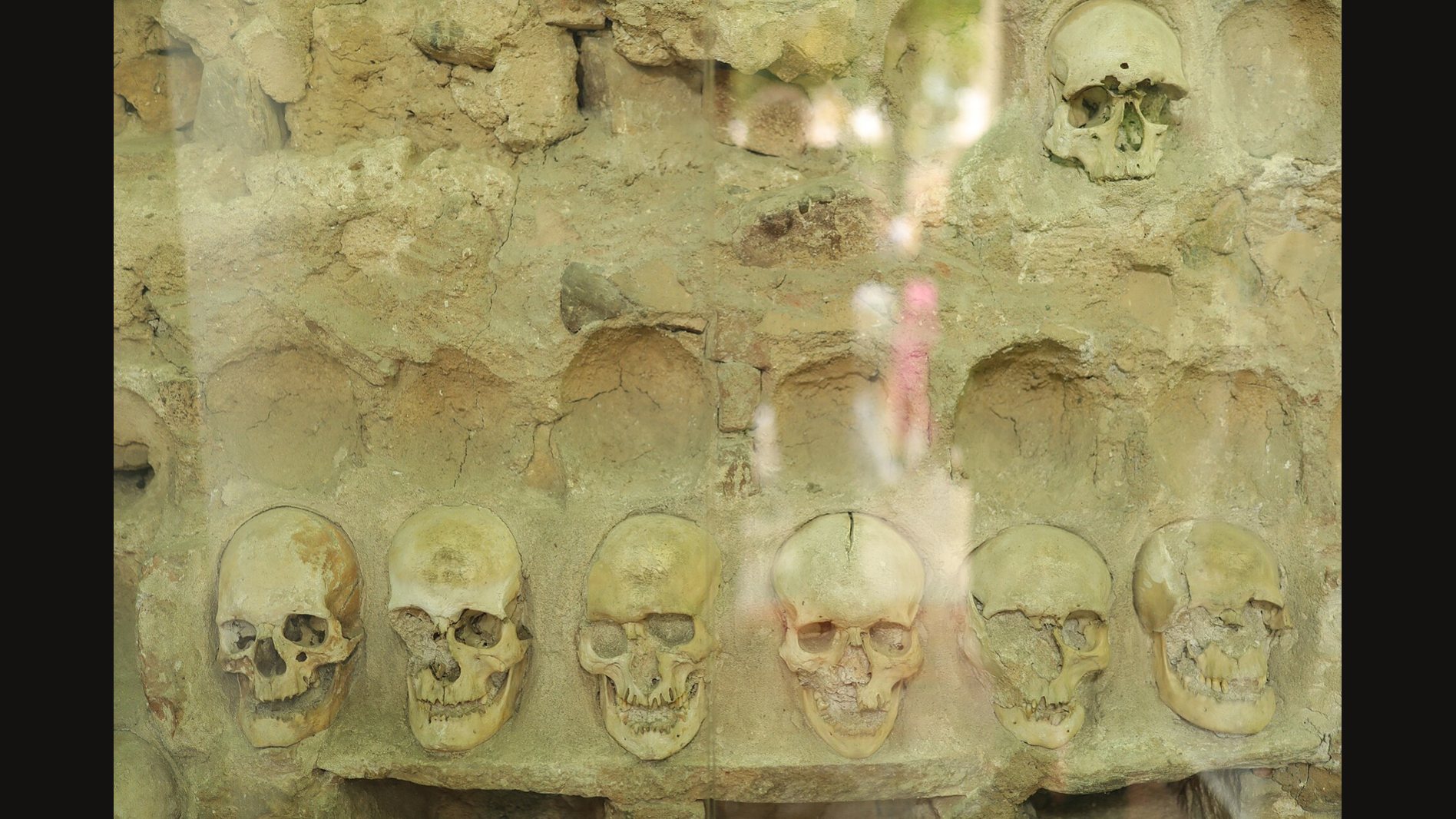
The Skull Tower, Ćele Kula in Serbian, stands in the city of Niš in southern Serbia. It was built in 1809, after the Battle of Čegar in the First Serbian Uprising, on the orders of the Ottoman commander in Niš, Hurshid Pasha. He had the skulls of Serbian rebels killed in the battle set into a tower beside the road as a warning against further rebellion: 952 skulls, in 14 rows on each side. The National Museum Niš says 58 remain today, protected inside a chapel built around the tower in 1892. Over two centuries, a monument meant to frighten people became, in Serbian memory, a memorial to the dead and a symbol of resistance and eventual independence.
The story starts with a battle on a hill outside the city and one commander's last decision.
The Battle of Čegar, 1809
In 1809, Niš was under Ottoman rule, and Serbian rebels were fighting that rule in the First Serbian Uprising. One of the uprising's hardest battles was fought at Čegar, near Niš, and it is also known as the Battle of Kamenica.
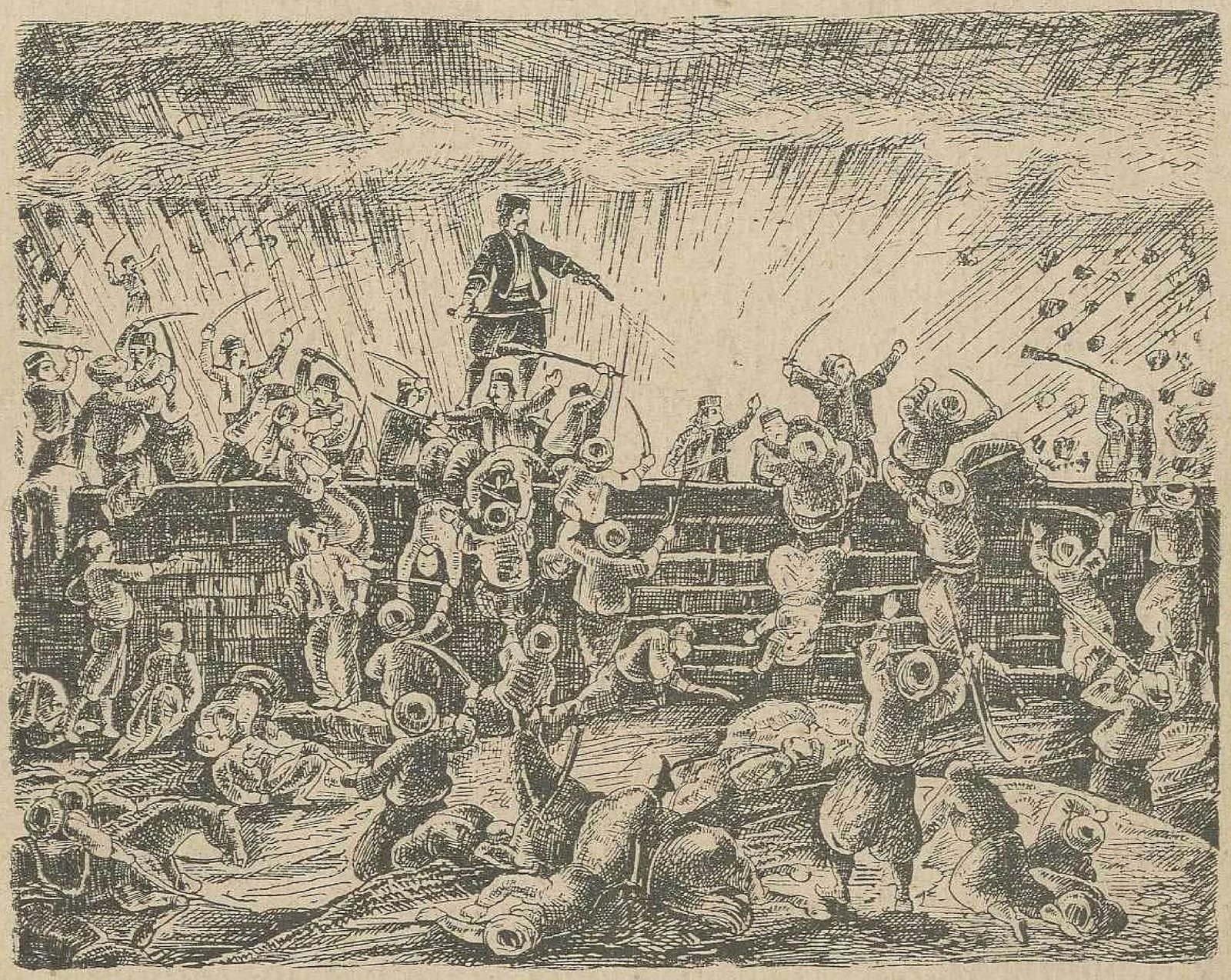
The historian W. A. Morison, in *The Revolt of the Serbs Against the Turks*, records that Stevan Sinđelić commanded about 3,000 men in an entrenched position there. Ottoman forces surrounded the trench, and the Serbian reinforcements Sinđelić expected never arrived. When Ottoman troops broke into the position, Sinđelić fired into the gunpowder stores. The explosion killed him, his remaining fighters and many of the Ottoman soldiers who had entered.
Morison dates the battle to 19 May 1809 in the Julian calendar. That is 31 May in the Gregorian calendar, the date the Serbian Ministry of Defence uses in its commemorations, where Sinđelić is remembered as the battle's best-known Serbian commander. Igor B. Borozan, in a study for the Institute for the Protection of Cultural Monuments of Serbia, calls the explosion the decisive moment of the battle and notes that it killed large numbers of soldiers on both sides. Exact casualty figures differ from one retelling to another, and the historians Olivera Dumić and Nebojša Đokić have written about separating myth from record in the battle's story, so any single total should be read with care.
Why the tower was built
To the Ottoman authorities, the uprising was a rebellion against the sultan's rule, and Čegar was a victory over it. Hurshid Pasha, the Ottoman commander in Niš from 1809 to 1812, decided to make that victory visible. According to the National Museum Niš, he ordered a warning monument built from the heads of the Serbian rebels.
The museum also records how the victory was reported to the capital. Serbian furriers were ordered to skin the heads, the skins were filled with cotton, and they were sent to the sultan in Constantinople as a sign of victory. The museum gives the payment as 25 coins per head, a detail also kept by the Museum of the Serbian Academy of Sciences and Arts. The Serbian Ministry of Defence dates the tower's construction to late summer 1809.
The purpose was intimidation, plain and deliberate. The tower stood near the road to Constantinople, where travelers and the people of Niš would pass it and see what rebellion had cost. Skulls have served as public messages in other times and places too; the Aztec skull racks of central Mexico are another case, explained in our guide to the tzompantli, though the cultures and purposes were very different.
How the tower was made
The National Museum Niš describes the original structure as a four-sided tower about four metres high. The skulls were set into the walls facing outward and fixed with lime and sand, 952 of them, arranged in 14 rows on each side. A nineteenth-century description kept in the museum's records gives the same total.
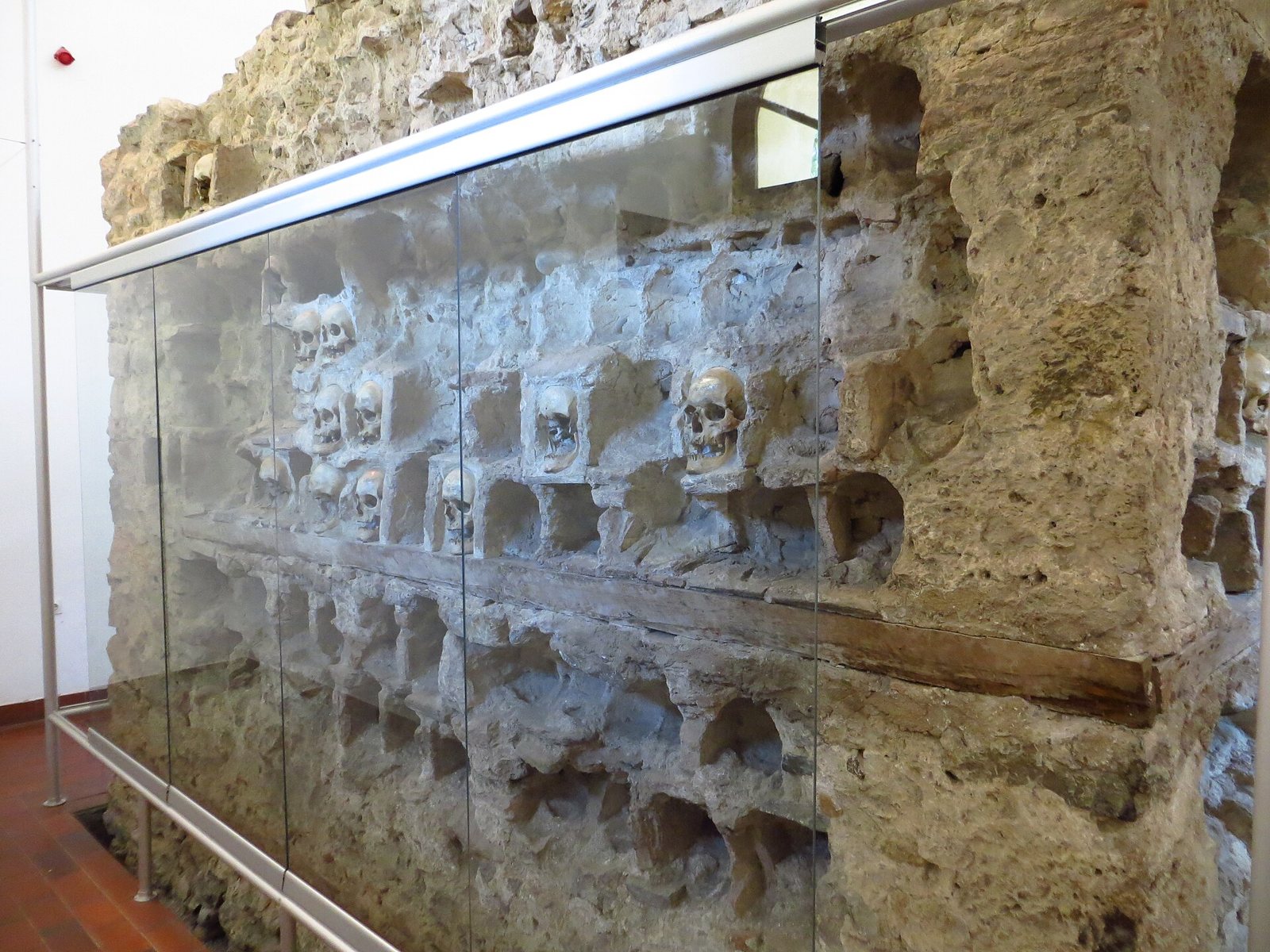
That number deserves one clarification. The 952 skulls are the count for the tower as it was built. They are not necessarily the total number of Serbian dead at Čegar, which is a separate and less certain figure.
Tap or hover a row to highlight it.
| Fact | Detail |
|---|---|
| FactName | DetailĆele Kula, or Skull Tower |
| FactPlace | DetailNiš, Serbia |
| FactAssociated battle | DetailBattle of Čegar, 1809 |
| FactSerbian commander | DetailStevan Sinđelić |
| FactOriginal skull count | Detail952 |
| FactSkulls remaining today | Detail58 |
| FactOriginal structure | DetailFour-sided tower, about four metres high |
| FactProtective chapel | DetailBuilt around the tower in 1892 |
| FactCared for by | DetailNational Museum Niš |
| FactIndividual ticket (October 2026) | Detail300 RSD |
| FactReduced ticket (October 2026) | Detail250 RSD |
| FactWeekly closure | DetailMonday |
What remains today
Of the 952 skulls, the National Museum Niš says 58 remain in the tower. The rest were lost over the decades. Many were removed, including by local Christians who took them away and buried them, and the monument wore down from years of standing in the open.
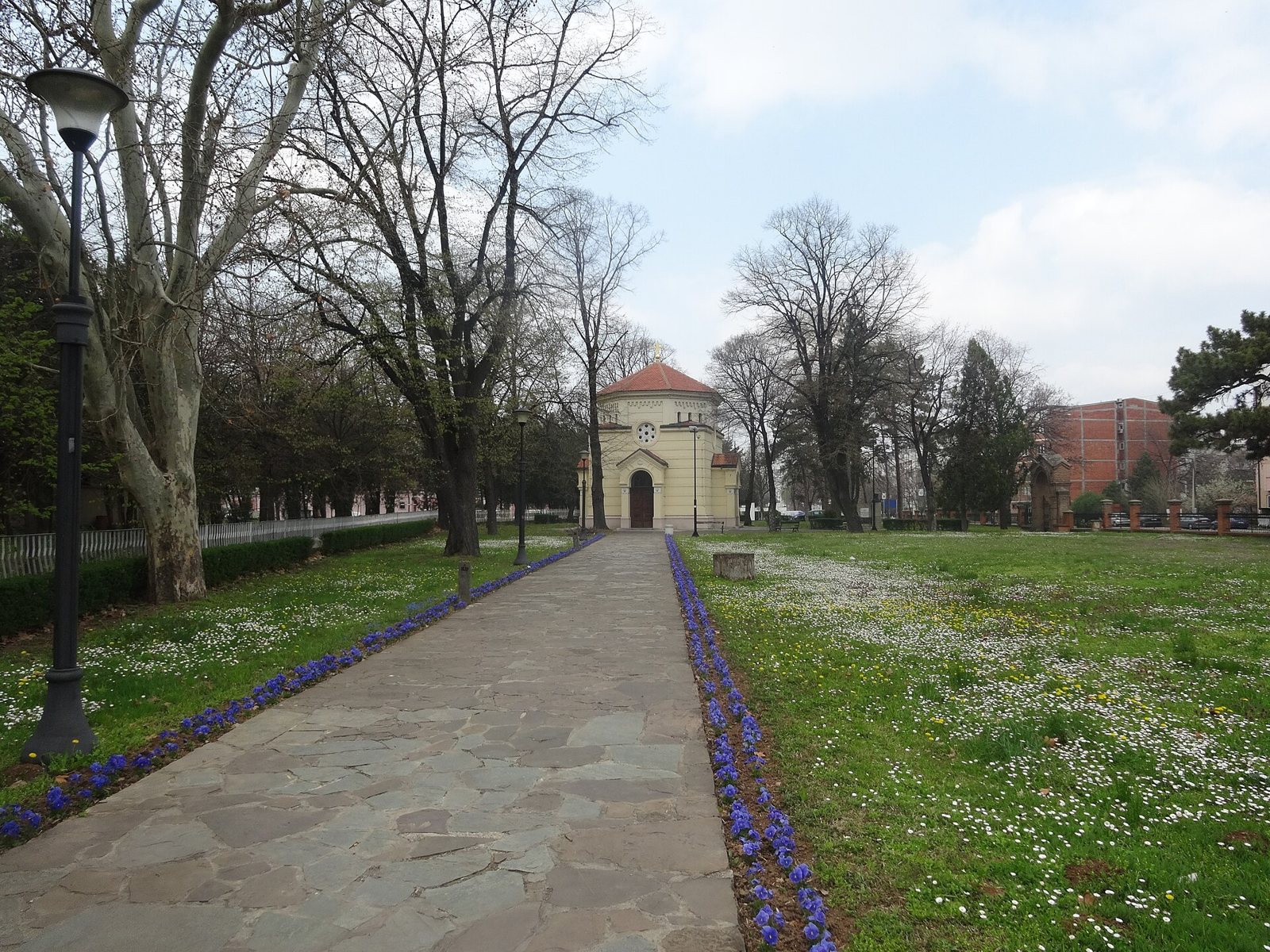
The tower's setting changed once Niš became part of Serbia in 1878. The tower was roofed and fenced, and in 1892 a chapel was built around it with donations from across Serbia. The chapel still encloses the tower and protects what survives. The Arhitektonski vodič guide to Niš describes the roof and the chapel, and later additions followed: an iron fence in 1937, and in 1938 a bust of Stevan Sinđelić and a relief of the Battle of Čegar. The chapel and the area around it were renovated in 1989 for the battle's 180th anniversary.
Ćele Kula from 1809 to today
Tap or hover a step to follow the order.
1809
The Battle of Čegar; Stevan Sinđelić dies in the explosion
Late summer 1809
The Skull Tower is built, according to the Serbian Ministry of Defence
1830s
Alphonse de Lamartine visits Niš and writes about the tower
1878
Niš becomes part of Serbia; the tower is roofed and fenced
1892
A chapel is built around the tower with donations from across Serbia
1937
An iron fence is added
1938
A bust of Stevan Sinđelić and a relief of the battle are installed
1989
The chapel and surroundings are renovated for the battle's 180th anniversary
How Serbia remembers the tower
A monument built to stop a rebellion ended up meaning something else entirely. The National Museum Niš says the tower did not bring the lasting submission it was meant to produce and instead became an impetus toward liberation.
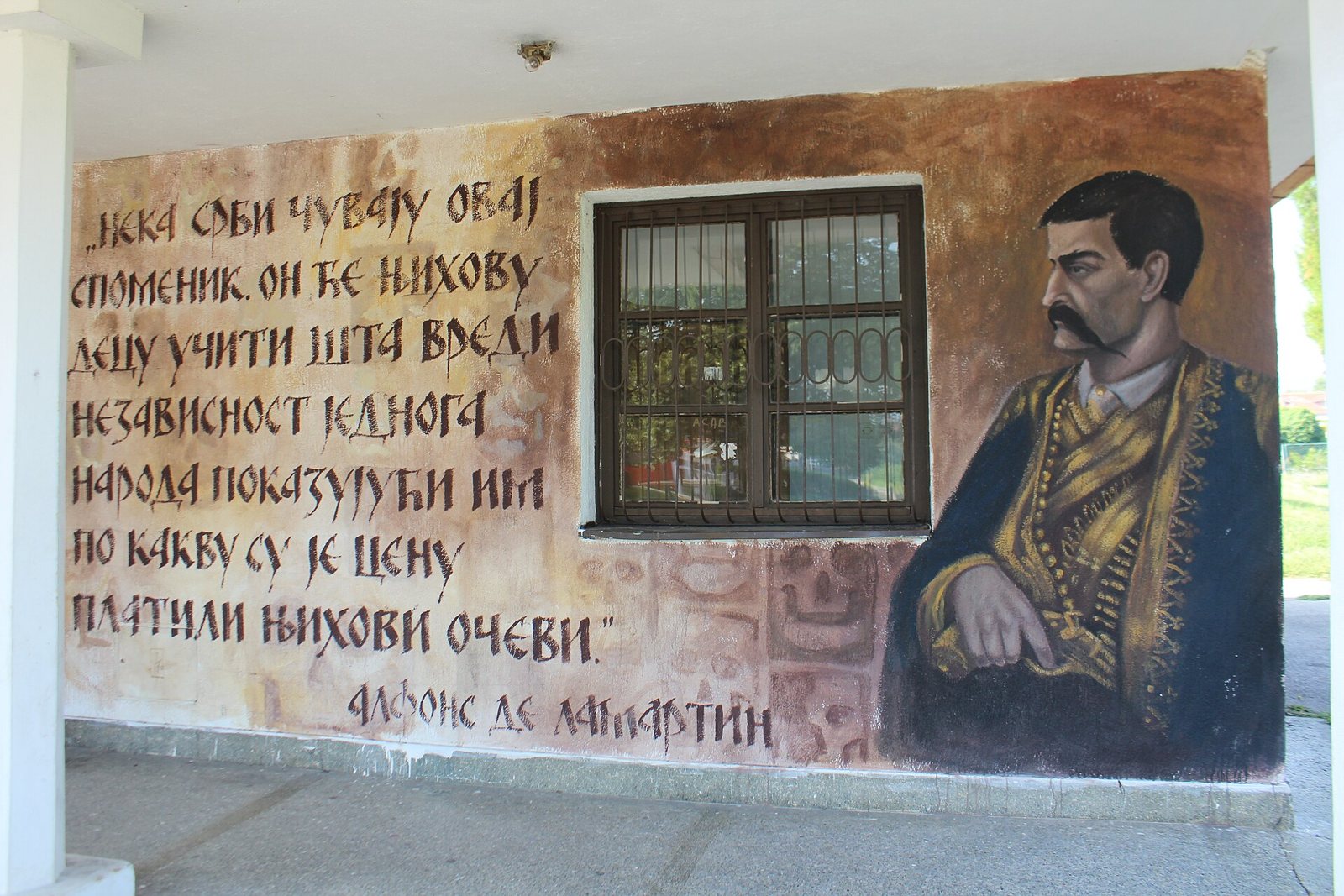
One of the early voices to see it that way was the French poet Alphonse de Lamartine, who passed through Niš in the early 1830s. The museum quotes his words: "I greeted with my eyes and heart the remains of these brave people, whose severed heads became the cornerstone of the independence of their homeland."
Borozan describes Čegar as one of the most important battles of the First Serbian Uprising. He explains that through the nineteenth and twentieth centuries, its memory was used in Serbian public culture to tie local sacrifice to national unity, military tradition and liberation. The bust, the relief, the chapel built with donations from around the country and the anniversary renovations all belong to that story of remembrance. The Serbian Ministry of Defence holds commemorations of the battle on its 31 May anniversary.
So, the tower carries several meanings at once. It is a record of Ottoman repression, a memorial to the Serbian dead and a symbol shaped by generations of later Serbian remembrance. Like the bones in Portugal's Chapel of Bones in Évora or the many ossuaries around the world, these are the remains of real people, and the chapel is kept as a place to honor them.
Visiting the Skull Tower
The Skull Tower is open to visitors as part of the National Museum Niš. According to the museum's working hours page, as of October 5, 2026, it is open Tuesday to Friday from 09:00 to 19:00 and Saturday and Sunday from 09:00 to 17:00, and it is closed on Mondays. Last entry is 15 minutes before closing.
The museum's tickets page lists an individual ticket at 300 RSD and a reduced ticket at 250 RSD for elementary and secondary school students, university students, senior citizens and groups of more than 10. Children up to age 7 enter free, along with other categories the museum lists. The museum's group visits page says shorts and tank tops are not allowed in the Museum Complex.
The museum's address is 14 Generala Milojka Lešjanina Street, 18105 Niš, Serbia; its phone numbers are +381 18 248189 and +381 18 513 430, and its email is info@narodnimuzejnis.rs. Confirm hours, prices and rules with the museum before you go.
Skull Tower of Niš quiz
Answer every question to check.
Frequently asked questions
What is the significance of the Skull Tower?
The Skull Tower is significant as both a record of Ottoman repression and a memorial to the Serbian rebels killed at Čegar in 1809. Built as a warning against rebellion, it came to stand in Serbian memory for sacrifice, resistance and the road to independence.
How many skulls are in the Skull Tower?
The tower held 952 skulls when it was built, set in 14 rows on each side. The National Museum Niš says 58 remain today, after many were removed and buried by local Christians or lost to exposure.
Why was the Skull Tower built?
The Ottoman commander in Niš, Hurshid Pasha, had it built as a warning to anyone considering rebellion. It stood near the road to Constantinople so travelers and local people would see it.
Who was Stevan Sinđelić?
Stevan Sinđelić was the Serbian commander at the Battle of Čegar in 1809, leading about 3,000 men according to historian W. A. Morison. When Ottoman troops broke into his position, he fired into the gunpowder stores, and the explosion killed him along with many soldiers on both sides.
Can you visit the Skull Tower in Niš?
Yes, the Skull Tower is open to visitors through the National Museum Niš, closed on Mondays, with tickets at 300 RSD as of October 2026. Confirm current hours and prices with the museum before visiting.
Where to go next
Ćele Kula is one of several places where skulls became public monuments, though each was made for its own reasons. Our guide to ossuaries around the world gathers chapels and charnel houses from many countries, from Sedlec in Czechia to Évora. For how people across cultures have read the skull as a sign, start with skull symbolism.