

No. 306
Ash Wednesday and 'Remember You Are Dust': A Memento Mori in Ashes
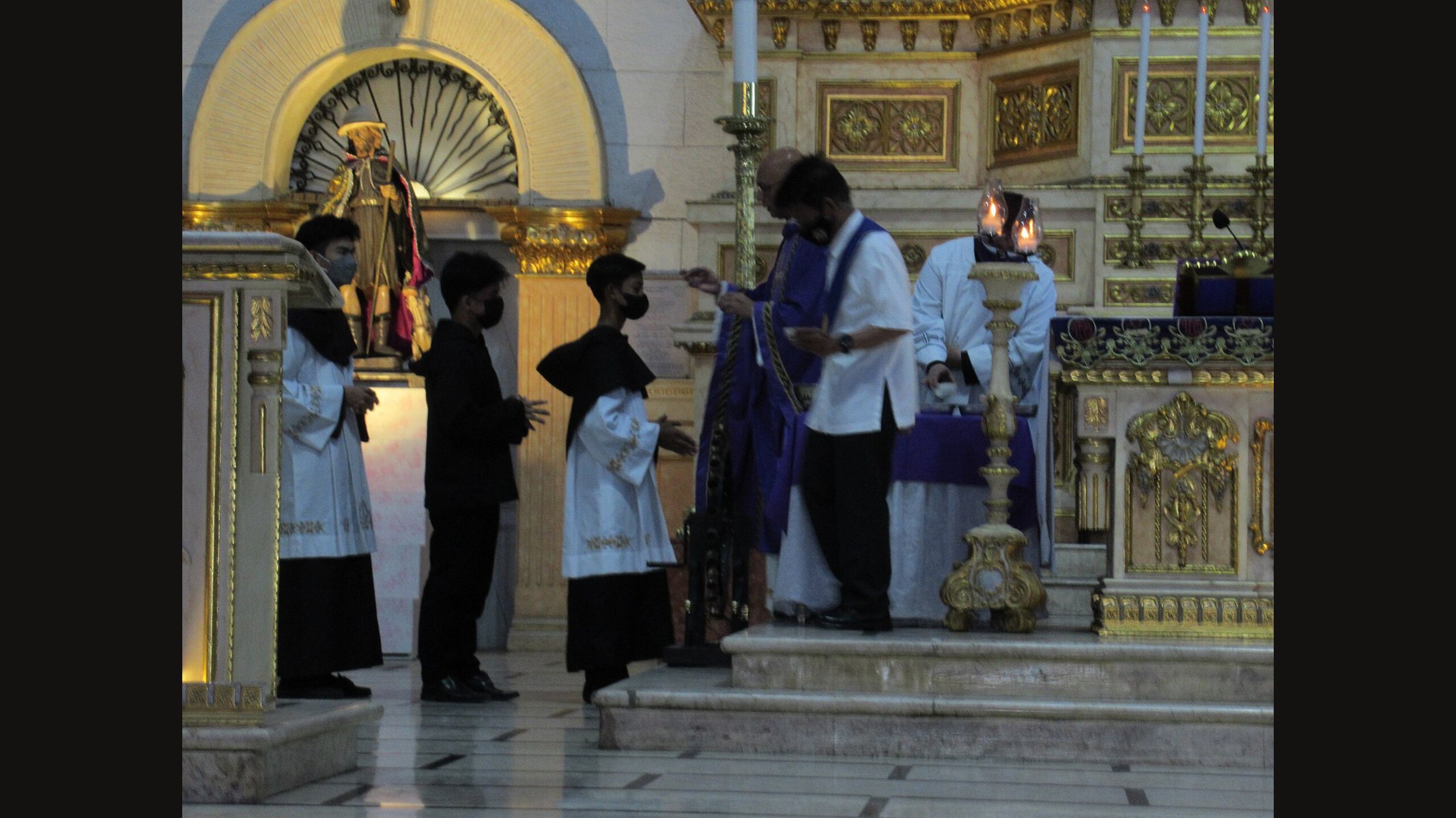
"Remember that you are dust, and to dust you shall return" is one of the two sentences a minister or priest may say while placing ashes on your forehead on Ash Wednesday. The words recall Genesis 3:19. In the churches' own teaching, they are both a reminder that every human life ends in death and a call to repentance at the start of Lent, the season that leads to Easter.
That is why the phrase sits so close to *memento mori*, "remember that you must die," the idea behind the skull in centuries of Christian art. The ash cross and the painted skull say much the same thing in two different ways, one on your skin for a day and one on a canvas for centuries.
The words said with the ashes
In the Roman Catholic rite, the minister says one of two formulas. The first is "Remember that you are dust, and to dust you shall return," based on Genesis 3:19. The second is "Repent, and believe in the Gospel," from Mark 1:15. Pope Benedict XVI described both as the formulas that go with the imposition of ashes in the Roman rite, in his general audience of 1 March 2006.
Other churches keep the rite with their own approved words. The Evangelical Lutheran Church in America uses "Remember that you are dust, and to dust you shall return." United Methodist worship materials from Discipleship Ministries authorize the same sentence or "Repent, and believe the gospel." The Church of England's Common Worship includes an Ash Wednesday liturgy with an imposition of ashes; for the exact words used in an Anglican parish, ask the officiating church or look in its authorized service book.
Tap or hover a row to highlight it.
| Church | Words said with the ashes |
|---|---|
| ChurchRoman Catholic, first formula | Words said with the ashesRemember that you are dust, and to dust you shall return |
| ChurchRoman Catholic, second formula | Words said with the ashesRepent, and believe in the Gospel |
| ChurchEvangelical Lutheran Church in America | Words said with the ashesRemember that you are dust, and to dust you shall return |
| ChurchUnited Methodist, first option | Words said with the ashesRemember that you are dust, and to dust you shall return |
| ChurchUnited Methodist, second option | Words said with the ashesRepent, and believe the gospel |
So, if you hear "repent" instead of "dust" at your service, nothing went wrong. Both sentences belong to the rite, and each points to a different part of what the day is about.
What "remember that you are dust" means
The sentence comes from the story of the first humans in Genesis. In the New American Bible translation published by the United States Conference of Catholic Bishops, Genesis 3:19 ends: "For you are dust, and to dust you shall return."
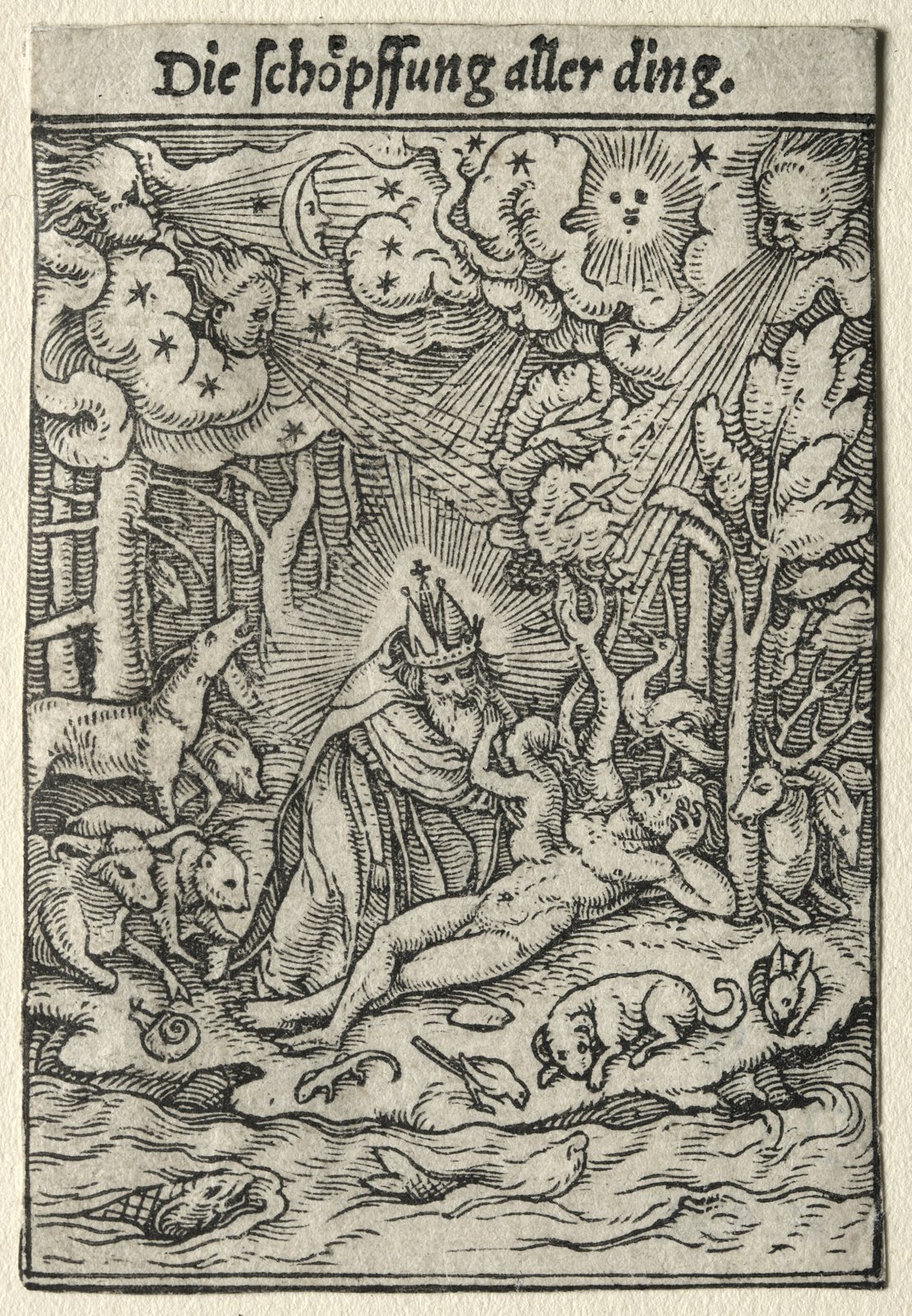
In Catholic teaching, the words carry two messages at once. They are a reminder of human mortality, and they are a call to repentance. The ELCA connects them with repentance, confession, renewal and the hope of Easter.
That last part matters for anyone who finds the phrase a little grim. The rite opens Lent, a season that points toward Easter and the hope of resurrection, so the ashes are a beginning rather than an ending. You are dust, the words say, and the forty days that follow are about what to do with that knowledge.
Where the ashes come from
The ashes are traditionally made by burning the palm branches or palm crosses from the previous year's Palm Sunday. The Church of England says its Ash Wednesday ashes may be made from burned palm crosses, and its notes on Palm Sunday describe the palms used to celebrate that day being burned for the next Ash Wednesday. United Methodist materials describe saving the palms from the previous Passion or Palm Sunday and burning them.

There is a neat circle in that: last year's Palm Sunday becomes this year's Ash Wednesday, and the season runs on toward the next Easter. The ELCA ties the ashes to mortality, repentance and renewal, and its worship guide does not require a single way of preparing them.
These are plant ashes, made from palm branches. They are not human cremation ashes, and nothing in the rite involves human remains.
From public penitents to the whole congregation
Ashes were a sign of grief and repentance long before Ash Wednesday. They appear in the Bible in the books of Job, Jonah and Daniel, and in Jesus' words about repenting in sackcloth and ashes. The day as churches keep it now grew out of that older sign, step by step.
Lent itself took shape in Christian communities during the fourth and fifth centuries. According to the Office of Liturgy of the Archdiocese of New York, churches in sixth-century Spain placed ashes on public penitents, people doing public penance for serious sins, at the beginning of Lent. Those penitents were reconciled to the Church on Holy Thursday. The same account says the practice spread more widely across Europe around the tenth century.
Philip Schaff's New Schaff-Herzog Encyclopedia of Religious Knowledge tells the same story from another angle. The imposition of ashes began as part of public penance for serious sinners, and the Synod of Benevento in 1091 required it for clergy and laity alike. What had been a sign for a few became a sign for everyone in the pews.
How the ashes came to every forehead
Tap or hover a step to follow the order.
Biblical period
Ashes and dust appear as signs of repentance, grief and mortality in passages including Job, Jonah and Daniel.
Fourth and fifth centuries
The season of Lent develops and grows in Christian communities.
Sixth century
Churches in Spain place ashes on public penitents at the beginning of Lent, per the Archdiocese of New York's Office of Liturgy.
Around the tenth century
The imposition of ashes becomes common across Europe.
1091
The Synod of Benevento requires the practice for clergy and laity, according to Philip Schaff's encyclopedia.
February 10, 2027
Ash Wednesday falls on this date.
The skull and the ash: memento mori in Christian art
If the ashes are mortality written on the forehead, the skull is mortality painted on the wall. The National Gallery, London defines *memento mori* as "a reminder of death." It points to skulls in sixteenth- and seventeenth-century Northern European portraits and still lifes, and in southern European images of saints. For the idea in full, see our story on what memento mori means.

Stephen Perkinson, writing for Yale University Press on the visual culture of mortality in Renaissance Europe, ties these images to the Christian *contemptus mundi* tradition. That tradition urged people to turn away from distracting worldly pleasures and think about the fate of the soul, which is very close to what Lent asks.
Specific works show how the pieces fit together. A 1612 print by Simon de Passe at the Princeton University Art Museum shows a child pointing to a skull, with an hourglass and flowers that will soon wilt. Herman Henstenburgh's *Memento Mori* of 1698 sets a skull beside an overturned hourglass, a snuffed-out candle and bones. Paintings like these belong to the vanitas tradition, told in our story of vanitas paintings, and the pairing of skull and hourglass has its own story in skull and hourglass meaning.
In Lenten imagery, a skull works as a visual partner to the ash formula. It makes mortality visible, while the rite sets that mortality inside repentance, prayer and hope. The two share their themes; the rite did not grow out of the painted skull, and the painted skull did not grow out of the rite. The skull's wider place in Christian faith and art is told in our story of skulls in Christianity, and for another chapter of mortality art, see our story of the danse macabre.
Where "ashes to ashes, dust to dust" comes from
The exact phrase "ashes to ashes, dust to dust" belongs mainly to Christian burial services, including the Anglican Book of Common Prayer and Lutheran burial rites. Its roots are in Genesis 3:19, but the words "ashes to ashes" are the language of the liturgy rather than a sentence copied from that verse.
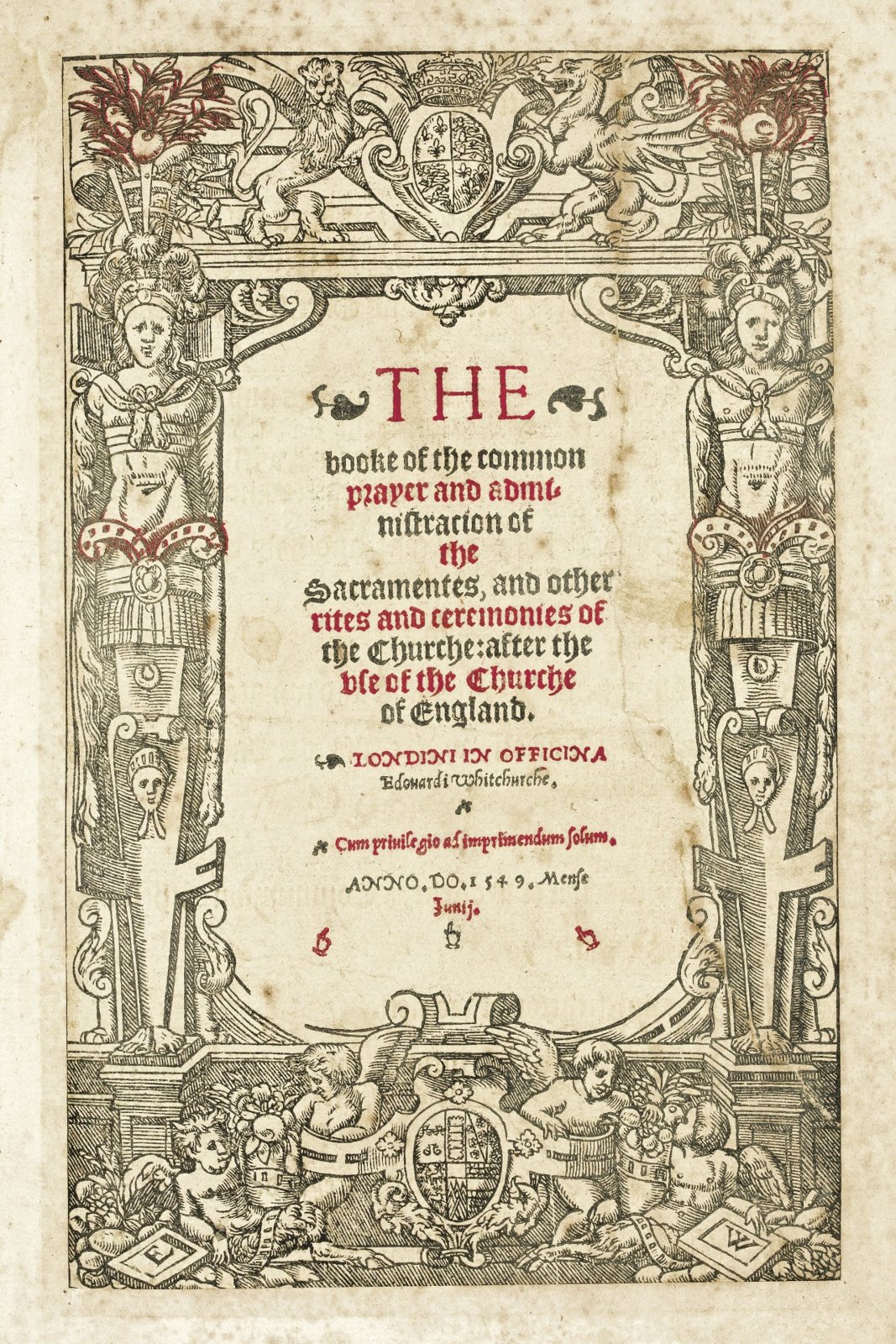
So, you will hear "dust" at the start of Lent and "ashes to ashes, dust to dust" at a graveside. Both lines rest on the same verse, one spoken over the living and the other over the dead.
When is Ash Wednesday in 2027?
Ash Wednesday 2027 falls on Wednesday, February 10. Both the Church of England's calendar of variable dates and the USCCB 2027 liturgical calendar give that date, with Easter Day on Sunday, March 28, 2027.
The day before is Mardi Gras, February 9, 2027, in New Orleans. In Tremé that morning, masked skeletons go door to door before dawn with their own message about mortality; that tradition is told in our story of the Skull and Bone Gang.
Ash Wednesday and memento mori: a quick quiz
Answer every question to check.
Common questions about Ash Wednesday
A few more questions come up as people get ready for the service or see the words on a print or tattoo.
Is memento mori religious?
Memento mori, "remember that you must die," appears in Christian devotional art, portraits, funerary art and vanitas still lifes, but the phrase and the idea are not limited to one church or one religious practice. The National Gallery treats the skull as a major example in European art, while scholars such as Stephen Perkinson connect many of its forms to Christian teaching about mortality and the soul.
What does "polvo eres y en polvo te convertirás" mean?
It is the Spanish form of the Ash Wednesday words, and it means that the human person comes from the earth and returns to it. Said with the ashes, it expresses mortality, humility and repentance at the start of Lent, a season that looks toward Easter and the hope of resurrection.
Why do Christians get ashes on their foreheads?
Christians receive ashes on Ash Wednesday as a sign of mortality and repentance at the beginning of Lent. The ash cross on the forehead pairs with the spoken words, either "Remember that you are dust" or "Repent, and believe in the Gospel," and the ELCA describes it as a call to confession and renewal that points toward Easter.
Are Ash Wednesday ashes human ashes?
No. They are made from burned palm branches or palm crosses, usually saved from the previous year's Palm Sunday, as the Church of England and United Methodist materials describe.
Where to go next
The ash cross lasts a day, and the painted skull stays on the wall for centuries, but both ask the same quiet question about how to spend the time we have. For the long history of the skull as that question, start with our story on what memento mori means, then see the skull's place in faith and art in skulls in Christianity.
Terms in this story
Tap a term to see what it means.
Ash Wednesday. The first day of Lent, when ashes are placed on the forehead with words about dust or repentance; in 2027 it falls on February 10.