

No. 307
Do Sharks Have Skulls? Inside the Shark Skull, Its Cartilage and Jaws
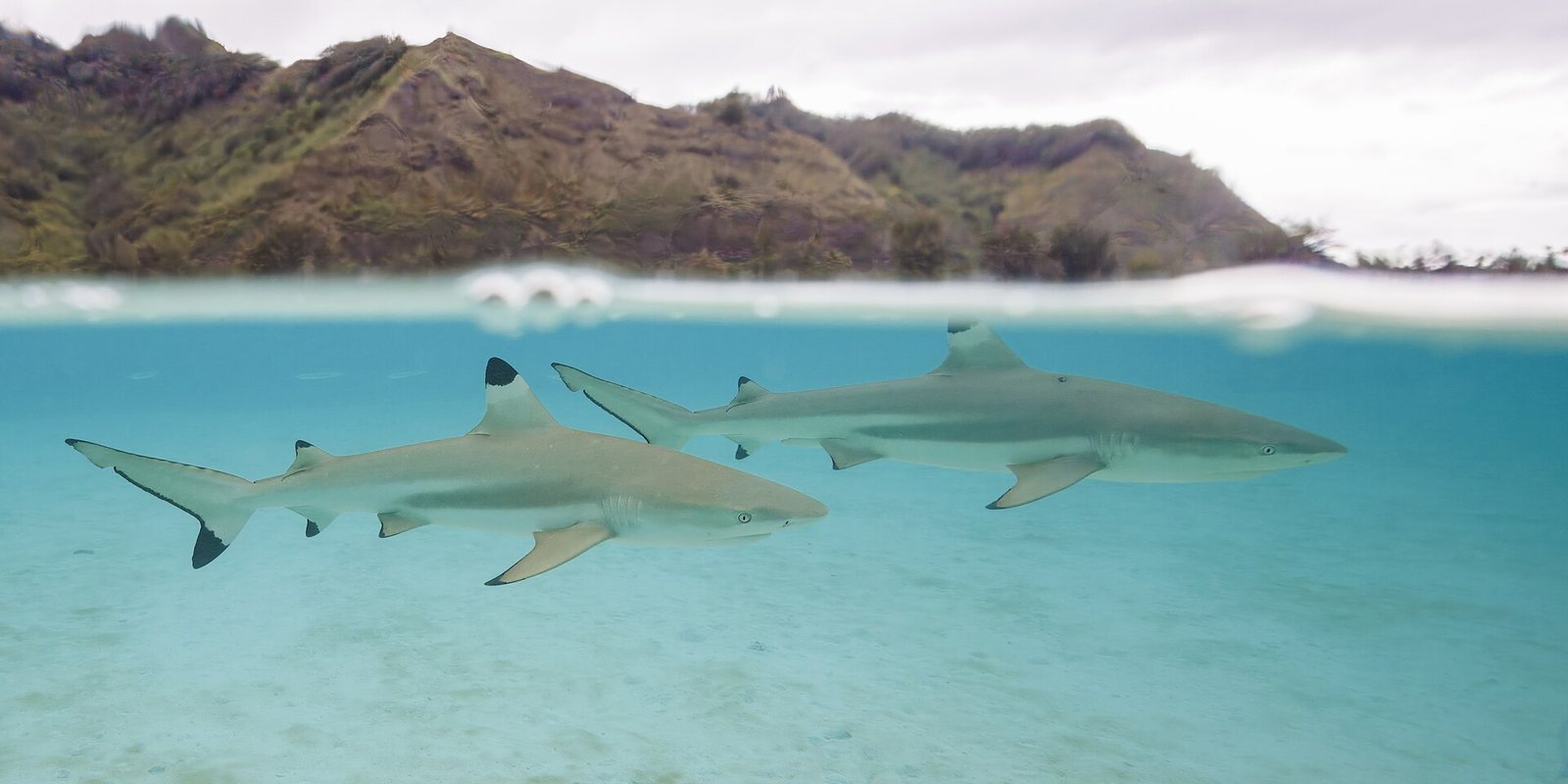
Yes, sharks have skulls. A shark's skull is a braincase made of cartilage, called a chondrocranium, instead of the bony cranium you would find in a dog, a seal or a person. The cartilage is strengthened with mineralized calcium salts, especially around the brain and jaws, as Emma Bernard, Fossil Fish Curator at the Natural History Museum in London, explains.
Two things follow from that, and they explain most of what people actually hold in their hands. The jaws hang from the skull rather than being fused to it, which is why a dried shark jaw so often turns up on its own. And the teeth, not the skull, are what usually survive as fossils, because cartilage rarely lasts long enough to turn to stone.
A skull made of cartilage
According to Emma Bernard at the Natural History Museum, a shark's skeleton stays cartilage for life rather than turning into bone. That holds for every shark, from the great white (*Carcharodon carcharias*) to the whale shark (*Rhincodon typus*). The cartilage is not soft, though. Mineral deposits stiffen it, particularly in the jaws, the braincase and the vertebral column.
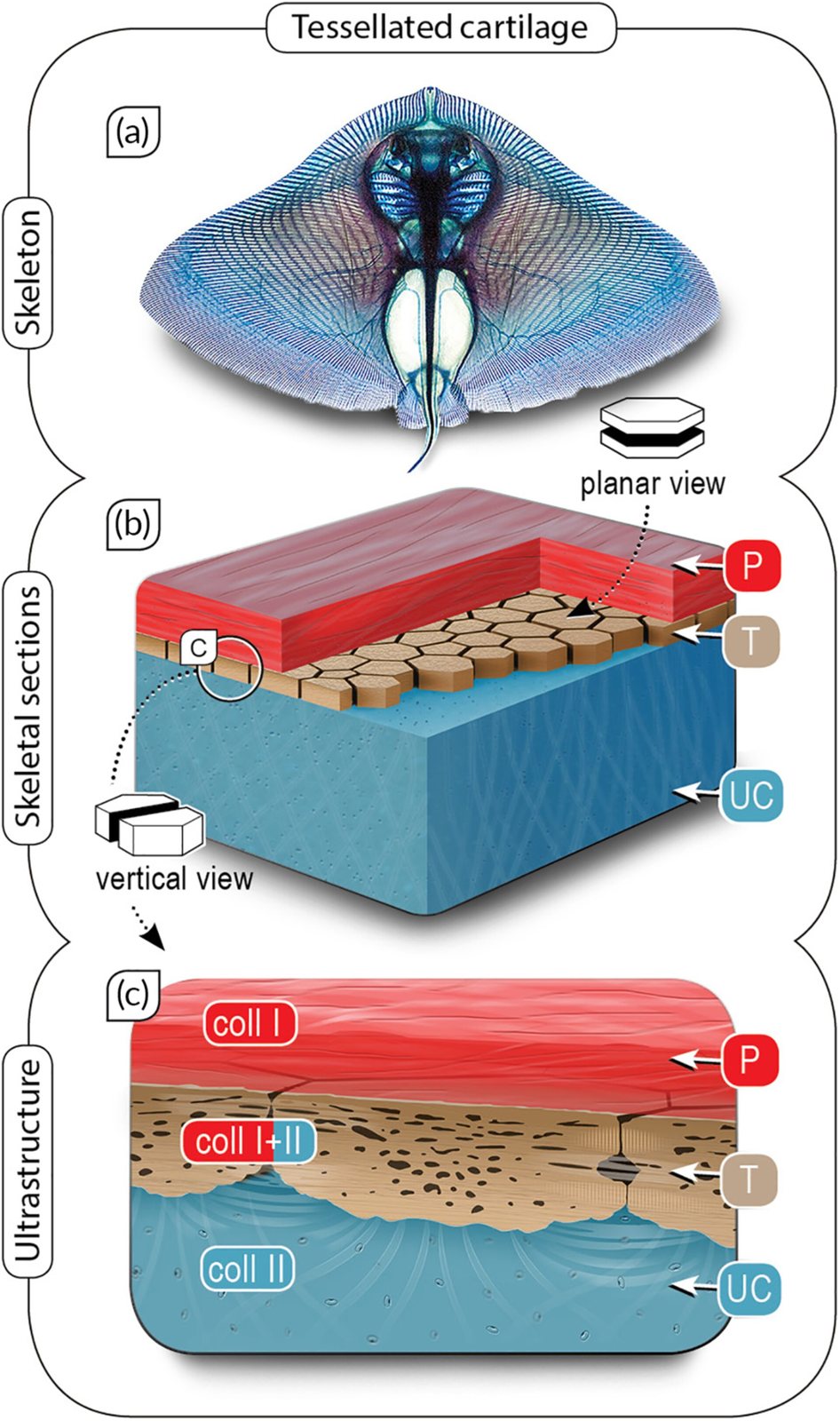
The chondrocranium does the same main job as any skull. It surrounds and protects the brain, and it supports the sense organs and the structures the jaws hang from. A cartilage skeleton is also light and flexible. The catch shows up millions of years later, because cartilage usually preserves poorly as a fossil.
The teeth are a different material altogether. They are made of dentin covered with enameloid, both much harder than the cartilage they sit in. The Florida Museum of Natural History groups sharks with the other cartilaginous fishes, whose jaws are cartilage too. So, a shark's head is a cartilage skull, cartilage jaws and a mouthful of very hard teeth.
How shark jaws hang from the skull
The most surprising part of a shark's head is how loosely the jaws are attached. The upper jaw is not fused to the chondrocranium. It hangs from the braincase by cartilage, ligaments and the hyomandibula, a cartilage that belongs to the hyoid or gill-arch system.
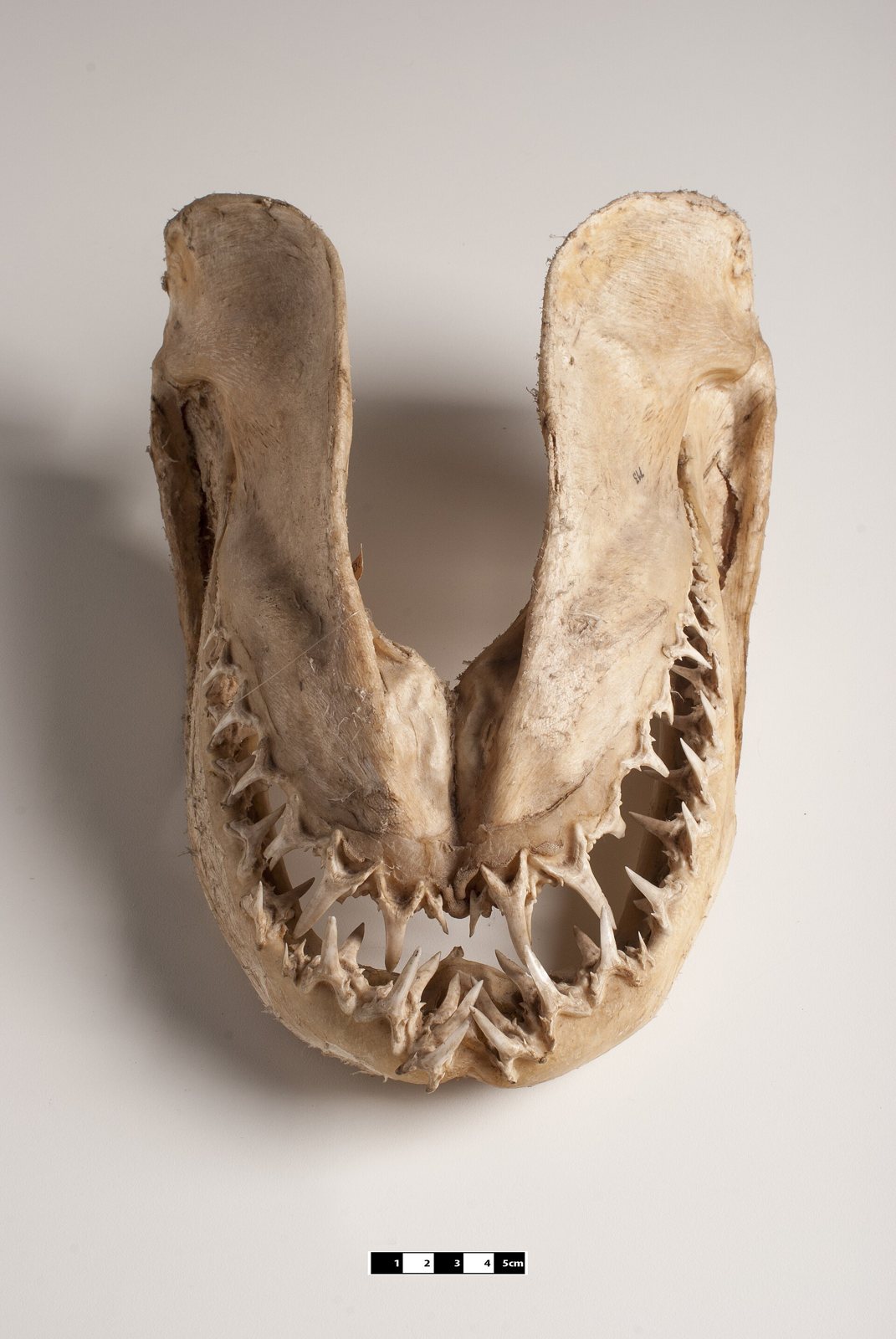
That flexible hanging lets the jaws rotate, slide forward and open very wide when the shark feeds. The lower jaw is made of Meckel's cartilage, and it hinges against the upper jaw. In some sharks the jaws push out a long way during a strike. A kinematic study of jaw protrusion in orectolobiform sharks looked at this in the spotted wobbegong (*Orectolobus maculatus*). Philip J. Motta and other shark-feeding researchers have described how the jaw muscles, ligaments and hyomandibular cartilage work together to open, protrude and pull the jaws back again.
If you are holding a dried shark jaw, that loose connection is part of the story. The jaws were never fused to the skull in the first place, which is why a shark jaw is so often seen on its own, apart from the head.
Teeth in rows, replaced for life
A shark's mouth works like a conveyor belt. Its teeth sit in rows, and new teeth develop behind the working front row. When a front tooth is lost, the one behind it moves forward to take its place, and the Florida Museum describes that replacement as continuing through the shark's life.
The Natural History Museum estimates that sharks commonly have 50 to 300 teeth, arranged in as many as 10 rows, and that some species may go through about 30,000 teeth in a lifetime. The exact count depends on the species. That is a lot of dental work, and it means a single shark can leave thousands of teeth behind.
Tap or hover a row to highlight it.
| Feature | In a shark | Institution |
|---|---|---|
| FeatureSkull | In a sharkChondrocranium made mainly of cartilage | InstitutionNatural History Museum |
| FeatureJaws | In a sharkUpper and lower jaws are cartilage; the upper jaw is not fused to the braincase | InstitutionNatural History Museum |
| FeatureTeeth | In a sharkCommonly 50 to 300 teeth in several rows | InstitutionNatural History Museum |
| FeatureTooth replacement | In a sharkReplacement teeth move forward as older teeth are lost | InstitutionFlorida Museum of Natural History |
| FeatureMegalodon teeth | In a sharkAlmost 18 centimetres long; species known from marine fossils about 20 to 3.6 million years old | InstitutionNatural History Museum |
Why teeth fossilize and shark skulls rarely do
Fossil hunters find shark teeth far more often than shark skulls, and the reason is chemistry. Teeth are durable dentin under a coat of enameloid, so they survive burial. Cartilage usually breaks down first, as the Florida Museum's fossil shark teeth guide explains.
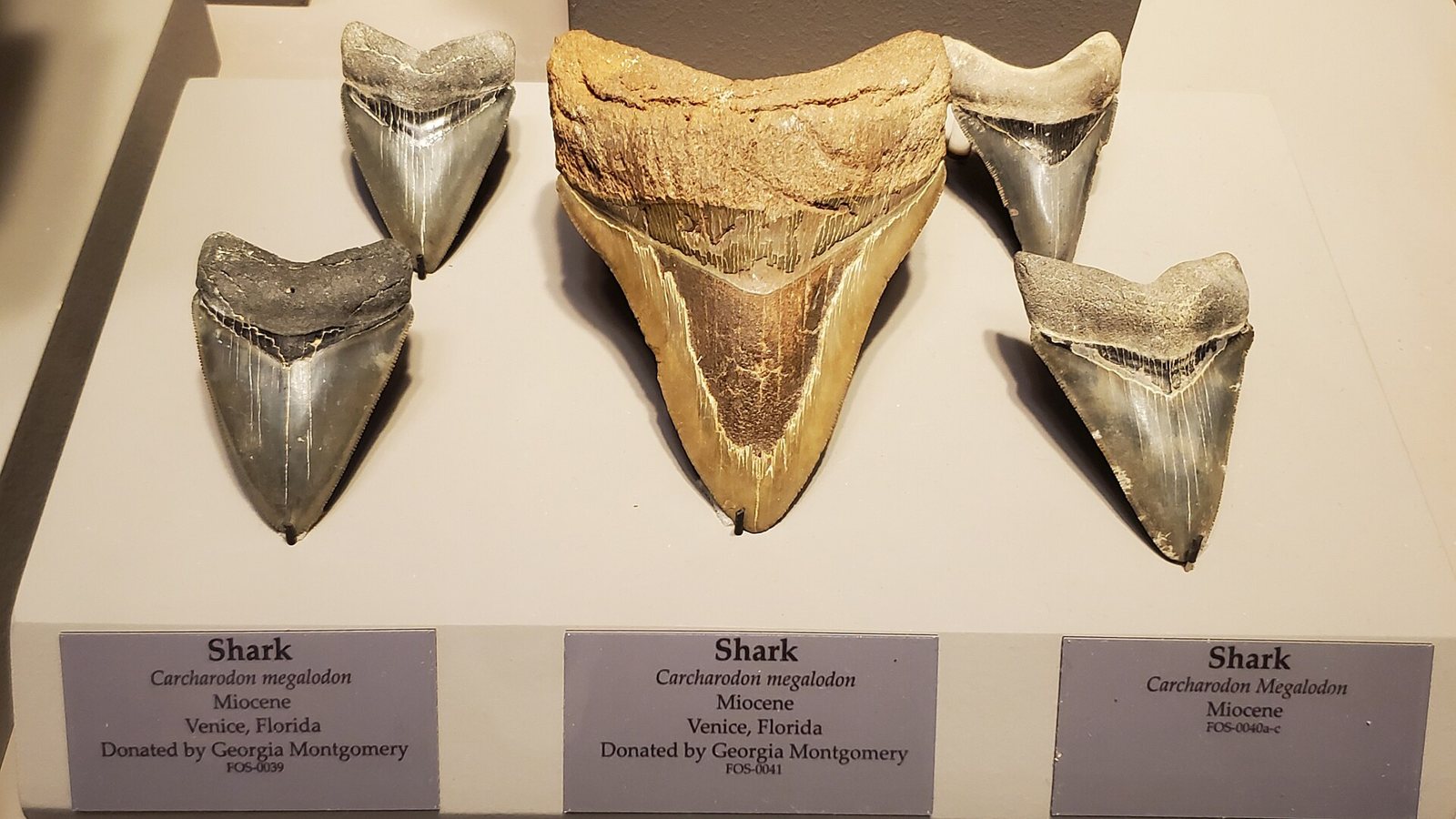
Megalodon is the famous example. The extinct *Otodus megalodon* had serrated teeth that reached almost 18 centimetres, and marine fossils place it between about 20 million and 3.6 million years ago, according to the Natural History Museum's page on whether megalodon is still alive. Its cartilage skeleton is rarely preserved, so the teeth carry most of what is known about the species.
Every so often, though, the cartilage does survive. The ancient white shark *Carcharodon hubbelli*, which lived about 6.5 million years ago, is known from a rare fossil from Peru that preserves much of the skull, jaws and tooth row. Smithsonian Ocean reports that its jaw holds 222 teeth, with some rows six teeth deep, and the specimen is held by the Florida Museum of Natural History. It gives a rare look at how all those rows sat in a real head. For a sense of how old a find might be, our story on how old bones are covers the basics, and the mosasaur skull story shows a bony sea predator skull from a very different branch of life.
Sharks through deep time
Tap or hover a step to follow the order.
About 450 million years ago
Possible shark-like scales appear in the Late Ordovician fossil record.
About 410 million years ago
Early shark-like teeth occur in the Devonian fish *Doliodus problematicus*.
About 20 to 3.6 million years ago
Megalodon, *Otodus megalodon*, appears in the marine fossil record.
About 6.5 million years ago
The ancient white shark *Carcharodon hubbelli* lives; a rare partial skull and jaw from Peru preserves 222 teeth.
2015
Mara, Motta, Martin and Hueter publish a comparative study of how hammerhead heads are built.
2023
University of Florida researchers document how the bonnethead's skull grows in the embryo.
The hammerhead's wide head
No shark skull is stranger than a hammerhead's. Its head carries a cephalofoil, a skull region that is stretched out sideways and flattened into the familiar hammer. The scalloped hammerhead (*Sphyrna lewini*) and the bonnethead (*Sphyrna tiburo*) are two of the species that have one.
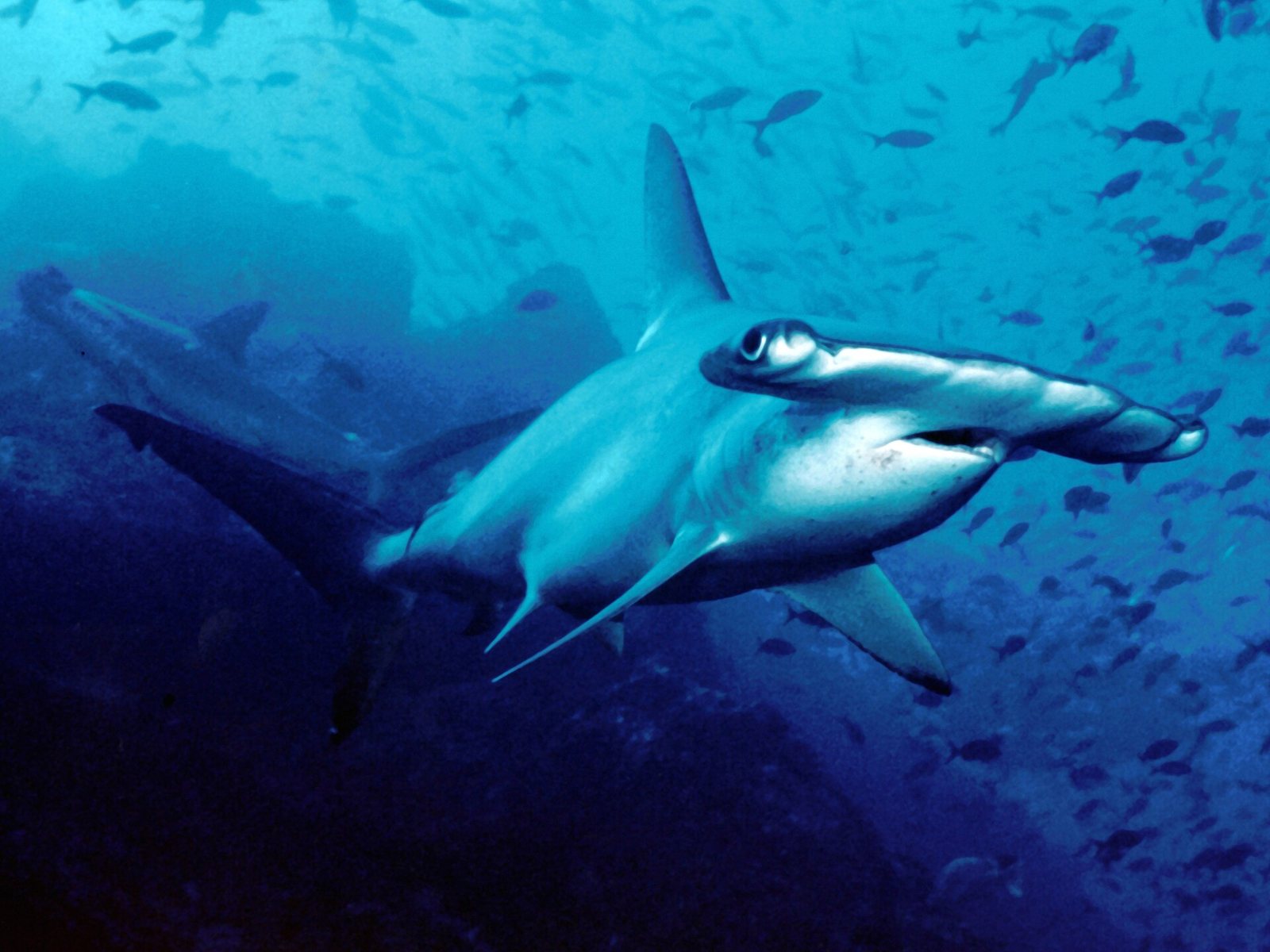
In a 2015 study, Kyle R. Mara, Philip J. Motta, Andrew P. Martin and Robert E. Hueter compared the heads of several hammerheads. The jaw cartilages and feeding muscles turned out to be fairly similar from species to species, while most of the variety sat in the side wings of the cephalofoil and the sense organs they carry.
The hammer is not there from the start. In 2023, University of Florida researchers Gareth Fraser and colleagues documented how a bonnethead embryo gets its head shape. Around the middle of gestation, the growing skull widens and pushes the developing eyes outward, and only then does the front of the cephalofoil round off into its adult form.
What the hammer is for has more than one answer. Studies by Matthew K. Gaylord, Eric L. Blades and Glenn R. Parsons suggest that the cephalofoil helps the shark turn and maneuver and gives it a wider area for sense organs, though its exact functions vary among species.
Owning shark jaws and teeth
Plenty of people have a fossil tooth on a shelf or a dried jaw from a trip. Whether a given jaw or tooth can be owned, sold, carried across a border or shipped depends on the species and the country, so this is general information only.
Some shark species are protected under CITES, the international treaty on trade in wild species, and the US Fish and Wildlife Service publishes the CITES requirements for listed sharks in guidance dated November 25, 2023. National rules sit on top of that. Before acquiring, traveling with or selling a shark jaw, check the current rules with your national wildlife authority, which in the United States is the US Fish and Wildlife Service. For a tooth or jaw you picked up on a beach, our page on finding an animal skull covers the general questions about found remains.
Shark skull questions, answered
A few more answers for anyone holding a jaw or a tooth right now.
Does a shark have bones?
No, a shark has no true bony skeleton. Its cartilage can be stiffened by mineral deposits in the jaws, braincase and vertebral column, but it stays cartilage, while the teeth are built from harder dentin and enameloid.
Is a shark's skull the only bone it has?
No, the skull is cartilage too, just like the rest of a shark's skeleton. The braincase is called a chondrocranium precisely because it is a cartilage cranium, and the jaws hanging from it are cartilage as well.
How many teeth does a shark have?
Sharks commonly have about 50 to 300 teeth, arranged in several rows, and the number varies by species. Because replacement teeth keep moving forward as old ones fall out, some species may use about 30,000 teeth over a lifetime, according to the Natural History Museum.
Is there a megalodon skull?
Megalodon's cartilage skeleton is rarely preserved, so the species is known mostly from its teeth. The nearest thing to a preserved fossil shark head is a rare find like the Peru specimen of the ancient white shark *Carcharodon hubbelli*, with much of its skull, jaws and tooth row intact.
Shark skull quiz
Answer every question to check.
Teeth, jaws and a skull that rarely lasts
A shark's head is a lightweight cartilage skull, a pair of cartilage jaws that hang loose and swing forward, and rows of hard teeth that keep coming for a lifetime. That build is why a beachcomber finds teeth and jaws while the skull itself almost never lasts. Other sea skulls a beach walk can turn up are bone through and through: the seal skull story covers the dog-like skulls of seals and sea lions, the dolphin skull story the long beak and lopsided face, and the whale skull story the giants.
Terms in this story
Tap a term to see what it means.
Chondrocranium. A shark's skull, a braincase made of cartilage rather than bone that protects the brain and supports the sense organs.
---