No. 094
Samhain: The Irish Winter Festival Behind Halloween
Samhain was the great seasonal festival that opened winter in early medieval Ireland. Its date was 1 November, and its biggest night was the one before, 31 October. The historian Ronald Hutton, in his study of the Irish ritual year, names it one of the four quarter days of the medieval Irish calendar.
Halloween grew up on that same night, from the Christian eve of All Saints' Day mixed with Irish and British seasonal customs, which makes Samhain an important part of its Irish background. The word is still in daily use: in modern Irish, Samhain simply means November. And modern Pagans keep Samhain today as a festival of ancestors, remembrance and the turning of the year.
Samhain in early Ireland
For the people of early medieval Ireland, Samhain marked a hinge in the year. Summer's work was over, the harvest was in, and winter was arriving. Hutton describes it as the opening of winter and one of four quarter days that divided the Irish year.
The old stories treat it that way too. In the tale *Tochmarc Emire*, the wooing of Emer, Emer names Samhain as the first of the year's seasonal turning points. Hutton also points to the "feis of Samhain," the assembly of Samhain, as a setting that recurs in early Irish tales. It was the moment when kings and communities gathered after the harvest, before winter put a stop to warfare and trading for the season. If you wanted to meet everyone who mattered in one place, Samhain was the time to do it.
A night close to the Otherworld
Medieval Irish writers also made Samhain a night when the boundary with the Otherworld thinned. The clearest example is the tale *Echtra Nerai*, the story of Nera, discussed by University College Cork. On Samhain night, Nera enters the síd, the Otherworld mound, where time behaves strangely. When he comes back, he carries plants that belong to summer, proof in the story that he has been somewhere else entirely.
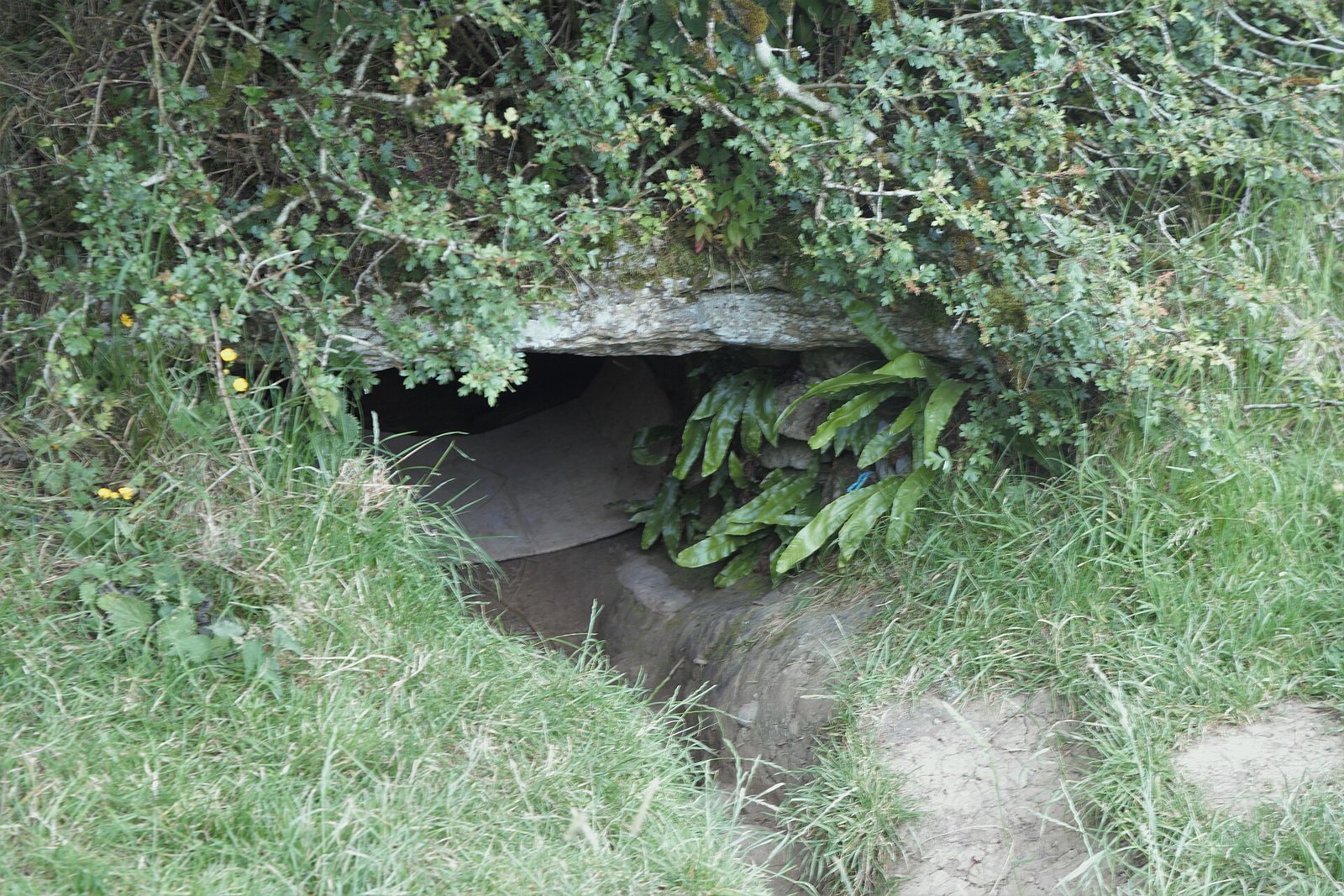
It is a striking piece of storytelling, and it shows how medieval Irish literature used Samhain as a supernatural boundary. It is a story in a named medieval text, though, so it tells us what writers imagined about the night rather than describing what every household did in the Iron Age.
How Samhain and Halloween meet
The name Halloween comes from the Christian calendar. It means All Hallows' Eve, the evening before All Saints' Day on 1 November, with All Souls' Day following on 2 November. So, the Church supplied the name and the religious frame for the night, while the date it fell on was already Samhain eve in Ireland.
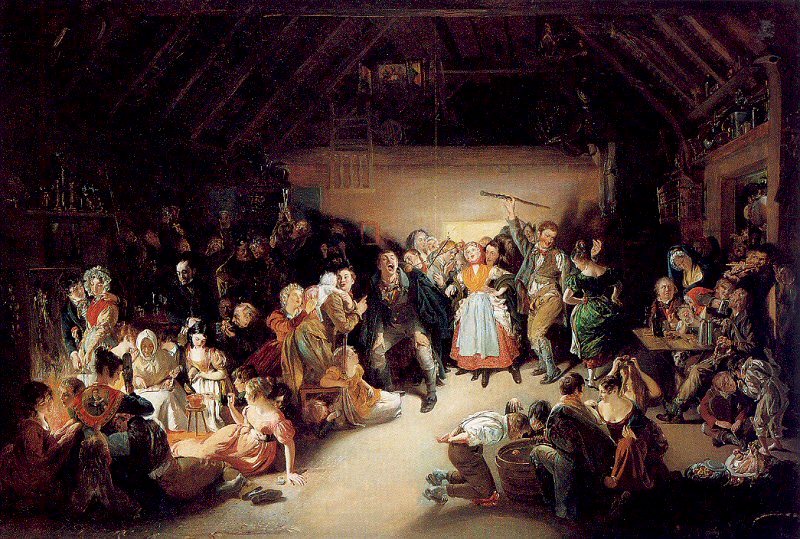
How the two came together is a question historians have argued over. A popular account says the Church moved All Saints' Day to 1 November on purpose, to replace Samhain. Ronald Hutton calls that story historically uncertain. In a 2024 study, "The Celtic New Year and Feast of the Dead", he traces the idea of a single Celtic New Year and a great Celtic feast of the dead largely to Victorian and Edwardian scholars, especially Sir John Rhys and James Frazer.
The historian Nicholas Rogers, quoted in Time's Halloween explainer, takes a similar line: the evidence does not show that particular Halloween customs were carried straight over from an ancient Samhain. What historians describe instead is a meeting of several things. Halloween grew from overlapping Irish and British seasonal traditions, Christian holy days and later popular customs, with Samhain as its deep Irish background. For the 2 November side of the story, read our piece on All Souls' Day.
Samhain through the centuries
Tap or hover a step to follow the order.
Early medieval Ireland
Samhain appears as a seasonal turning point and the opening of winter in Irish literature.
Medieval Irish literature
Echtra Nerai uses Samhain as a time of Otherworld contact and distorted time.
Around 1900
Turnip lanterns are made locally near Fintown, County Donegal.
1943
The National Museum of Ireland receives a Donegal turnip lantern from Rois Ní Braonáin.
31 October to 1 November
Traditional Irish Halloween night, the night before Samhain, with guising, food, games and lanterns.
2024
The Púca Festival is held at Trim Castle, County Meath.
17 to 19 October 2025
The National Parks of Ireland hold a Samhain Autumn Gathering in Killarney.
Turnip lanterns, guisers and fortune cakes
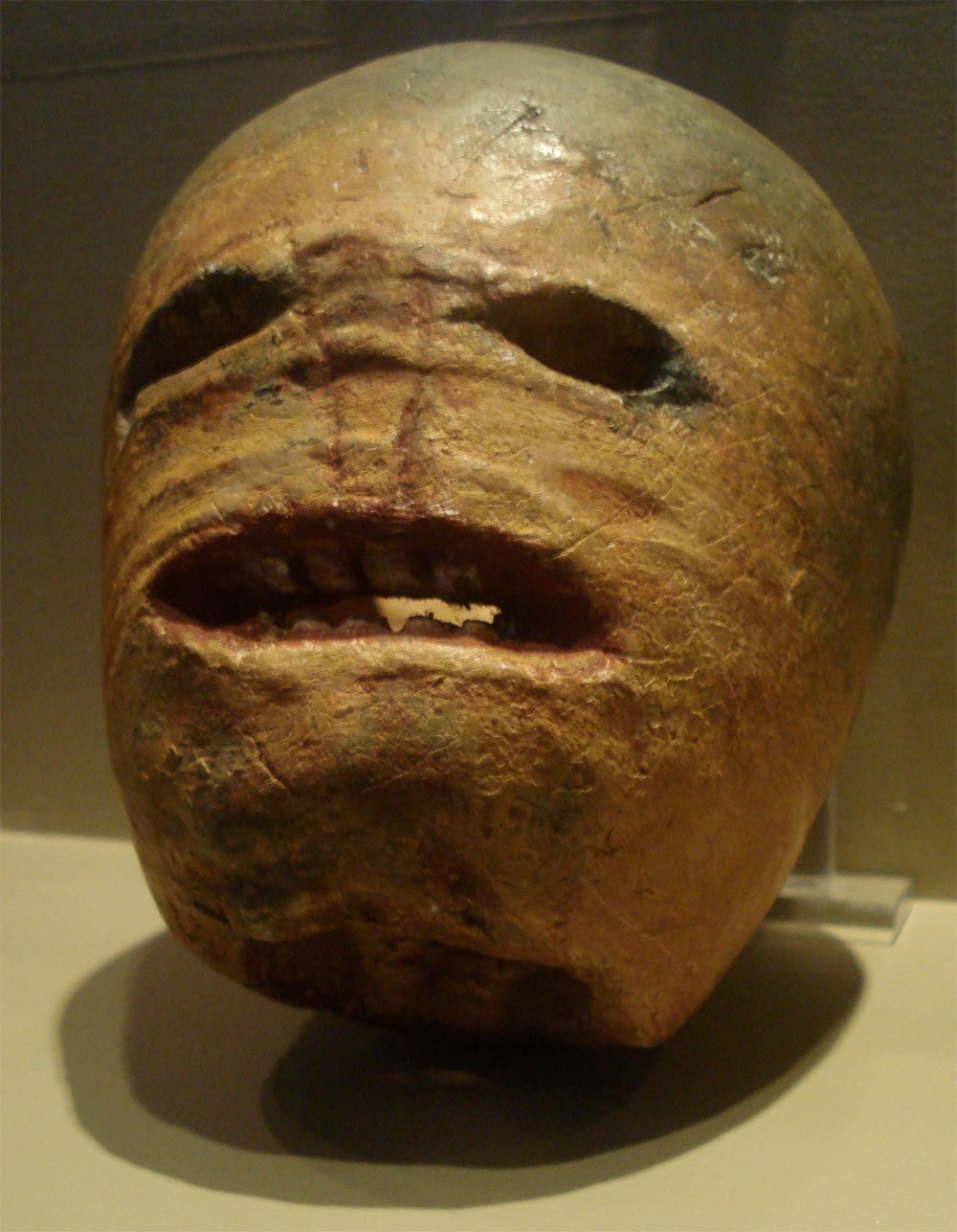
Before the pumpkin, there was the turnip. The National Museum of Ireland holds a carved turnip lantern it received in 1943 from Rois Ní Braonáin, a schoolteacher near Fintown in County Donegal. She identified it as the type made locally around 1900. A candle went inside the hollowed turnip, and the lantern came out on 31 October. Anyone who has tried to hollow out a raw turnip will respect the work that went into one. Pumpkins became common later, particularly in North America.
The museum's account of Irish Halloween customs also describes guising. Guisers, often children, put on masks or costumes and went from house to house, and they were expected to earn their treats by providing some entertainment. The night also brought pranks, dares and plenty of fortune-telling. Our story on the history of skeleton costumes picks up how dressing up for the night grew from there.
What did people eat? The same museum records Irish Halloween foods including báirín breac, the fruit loaf better known as barmbrack, along with colcannon, boxty, fruit and nuts. A barmbrack might hide a ring or another small object, and finding it in your slice told your fortune for the year ahead.
These are well-documented Irish Halloween customs. They belong to the same night as Samhain and carry its spirit forward, but historians describe them as later tradition with roots in the season rather than as a proven, unbroken survival from ancient Samhain.
Where skulls fit in
If you came here for the skulls, Samhain's world is full of death, the dead and supernatural beings, and Irish folklore and modern Pagan observance both keep those themes close. Skulls themselves, though, were not a defining object of Samhain in the early Irish record. The lanterns were turnips and the visitors were guisers.
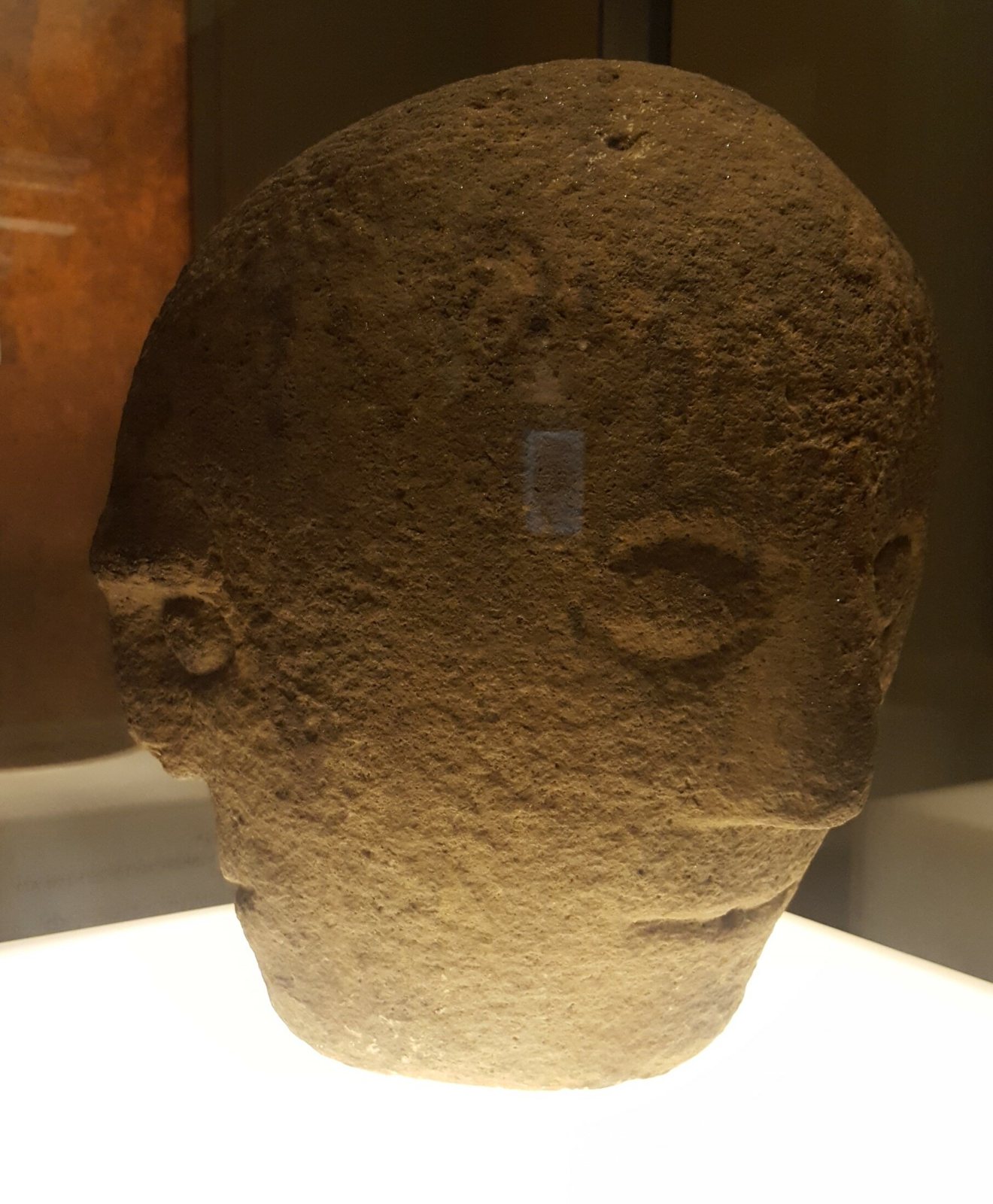
The head and the skull do run through Celtic and Irish lore in other places. Our story on the Celtic head cult follows the importance of the human head in Celtic Europe, and the Irish Dullahan, the headless rider who carries his own head, is the creature to meet if you want Irish death lore at its most vivid. For a house-visiting custom that does feature a skull, the Welsh Mari Lwyd brings a horse's skull to the door in winter.
What the word means and how to say it
Samhain is an Irish word, and Irish pronunciation varies from one region to another. Foras na Gaeilge's Irish Pronunciation Database has separate recordings in Ulster, Connacht and Munster Irish, and those recordings are the best guide. If you need a rough English spelling, "SOW-in" or "SAH-win" will get you close. The Cambridge Dictionary gives the common English pronunciations as "SOW-in" in the UK and "SOW-ən" in the US.
The word also has a meaning beyond the festival. In early Ireland, Samhain marked the opening of winter and a major turning point of the year. In modern Irish, it is the ordinary word for November, as the Teanglann dictionary shows. *Mí na Samhna* means "the month of November," and *Oíche Shamhna* is how Irish speakers say Halloween, or Halloween night.
Samhain in Irish
Tap a card to bring it forward.
- Samhain: The festival that opened winter, and the modern Irish word for November.
- Mí na Samhna: The month of November.
- Oíche Shamhna: Halloween, or Halloween night.
How people keep Samhain today
For modern Pagans, Samhain is a living religious festival. Pagan groups keep it as a time of ancestors, remembrance, death, transition and the start of winter. A 2015 academic study, "Remembering the Ancestors at Samhain", describes Irish Pagan rituals with ancestor altars, photographs, seasonal foods, bonfires and invitations to deceased relatives to join the gathering. It records one Samhain ritual held by a Pagan group outside Mallow, County Cork, on 31 October 2002.
That is a contemporary practice, shaped by the people who keep it, and its practitioners take the old name and give it their own meaning. It sits alongside early Irish religion rather than copying it. For the skull's place in modern magical practice more broadly, see our story on skulls in witchcraft.
Ireland also holds public festivals with Samhain as their theme, mixing performance, fire, folklore and food. Tourism Ireland described the 2024 Púca Festival at Trim Castle, County Meath, as a modern Halloween festival connected to Samhain. The National Parks of Ireland held a Samhain Autumn Gathering in Killarney from 17 to 19 October 2025. Both are past dates, so if you hope to go this year, check the current dates with the organizers before you plan a trip.
Samhain quiz
Answer every question to check.
Questions about Samhain
A few more questions come up every autumn.
Is Samhain a god?
No. Samhain is the name of a festival and the Irish word for November, not the name of a deity.
Is Samhain pagan or Wiccan?
Samhain is older than both modern Paganism and Wicca. It is an early Irish festival name that modern Pagan and Wiccan communities have adopted and given meaning within their own traditions.
Is Samhain good or bad?
Samhain is neither good nor bad in itself. The medieval Irish stories show it as a powerful and sometimes dangerous seasonal boundary, while modern Pagans keep it as a meaningful time for remembrance and change.
How long does Samhain last?
The traditional date is 1 November, with the main festivities on the night before, 31 October. Modern Pagan groups may keep it from sunset on 31 October through 1 November, and some spread their observances over several days.
Where does Halloween come from?
Halloween takes its name from All Hallows' Eve, the eve of All Saints' Day, and its customs draw on Irish and British traditions of late October. How much of it comes directly from Samhain is still debated by historians, who describe a gradual blending rather than a single handover.
Keeping the night going
Samhain gave Ireland a turning point between harvest and winter, a night of assemblies, Otherworld stories, turnip lanterns and guisers at the door, and it still gives the Irish language its word for November. For the skeletons that now crowd the season, read about skeletons and Halloween, and for the headless rider of Irish legend, meet the Dullahan.
Terms in this story
Tap a term to see what it means.
Samhain. The festival that opened winter in early medieval Ireland, kept on 1 November; in modern Irish, also the word for November.
---