


No. 078
How Long Does It Take for a Body to Become a Skeleton?
It can take weeks, months or years, because no single timetable fits every body. A body left in the open in warm weather can become largely skeletal within weeks to months, while burial, cold, a coffin, embalming or anything that keeps insects away can stretch the same process over years. What decides the pace is mostly the setting: the temperature, how much moisture and oxygen reach the body, how deep it lies and in what kind of soil, whether there is a coffin, whether the body was embalmed, and whether insects and animals can reach it.
If you are asking because someone you love was recently buried, it may help to know that burial commonly slows these changes a great deal. A funeral director or the cemetery can answer questions about a particular grave.
What happens after death, in plain terms
Decomposition is one continuous process. Scientists divide it into stages so they can describe it, but the stages overlap, and one body can be at different points in different places.
The Australian Museum uses a model built on studies of pigs. It names five stages: initial decay, bloat, black putrefaction, butyric fermentation and dry decay. These are scientific labels rather than descriptions to dwell on. In plain terms, the body's own bacteria and enzymes begin to break tissue down, soft tissue is gradually lost, and what remains slowly dries until only bone is left. The museum's model gives rough intervals of 0 to 3 days for initial decay, 10 to 20 days for black putrefaction, 20 to 50 days for butyric fermentation and 50 to 365 days for dry decay.
Forensic scientists who work with human remains use similar steps. A common system runs from fresh, through bloat, active decay and advanced decay, to dry or skeletal remains, as a review of stages of decomposition in exposed bodies sets out. The anthropologists W. M. Bass and William Rodriguez used four broad stages: fresh, bloated, decay and dry. Researchers including Jeffrey G. Goff stress that these are practical descriptions, not fixed compartments that every body passes through on schedule, a point a review of recent advances in forensic anthropology also makes.
Tap or hover a row to highlight it.
| Setting or stage | Time indication | Qualification |
|---|---|---|
| Setting or stageFresh stage | Time indication0 to 48 hours, in one forensic synthesis | QualificationEarly changes vary with temperature |
| Setting or stageBloat | Time indicationAbout 2 to 7 days, in one forensic synthesis | QualificationTemperature and insects alter timing |
| Setting or stageActive decay | Time indicationAbout 1 to 2 weeks, in one forensic synthesis | QualificationThe loss of soft tissue speeds up |
| Setting or stageAdvanced decay | Time indicationAbout 2 to 4 weeks, in one forensic synthesis | QualificationDrying or adipocere may change the pattern |
| Setting or stageSkeletonization | Time indicationAbout 1 month or more, in that synthesis | QualificationSome bodies take less time; buried bodies may take years |
| Setting or stageShallow burial | Time indicationAbout 6 to 12 or more months, in one North American reference | QualificationBurial conditions vary |
| Setting or stageDeep burial | Time indicationAbout 2 to 3 years, in the same reference | QualificationDepth, soil and moisture matter |
Those numbers describe what researchers saw in particular settings. They are not a clock for any one person.
Left in the open air
The fastest changes happen above ground in warm weather. With warmth and open access for insects and animals, a body can become substantially skeletonized within several weeks. A forensic anthropology teaching text from the University of Warsaw reports complete skeletonization in about 30 to 40 days in some temperate summer cases on the ground surface.
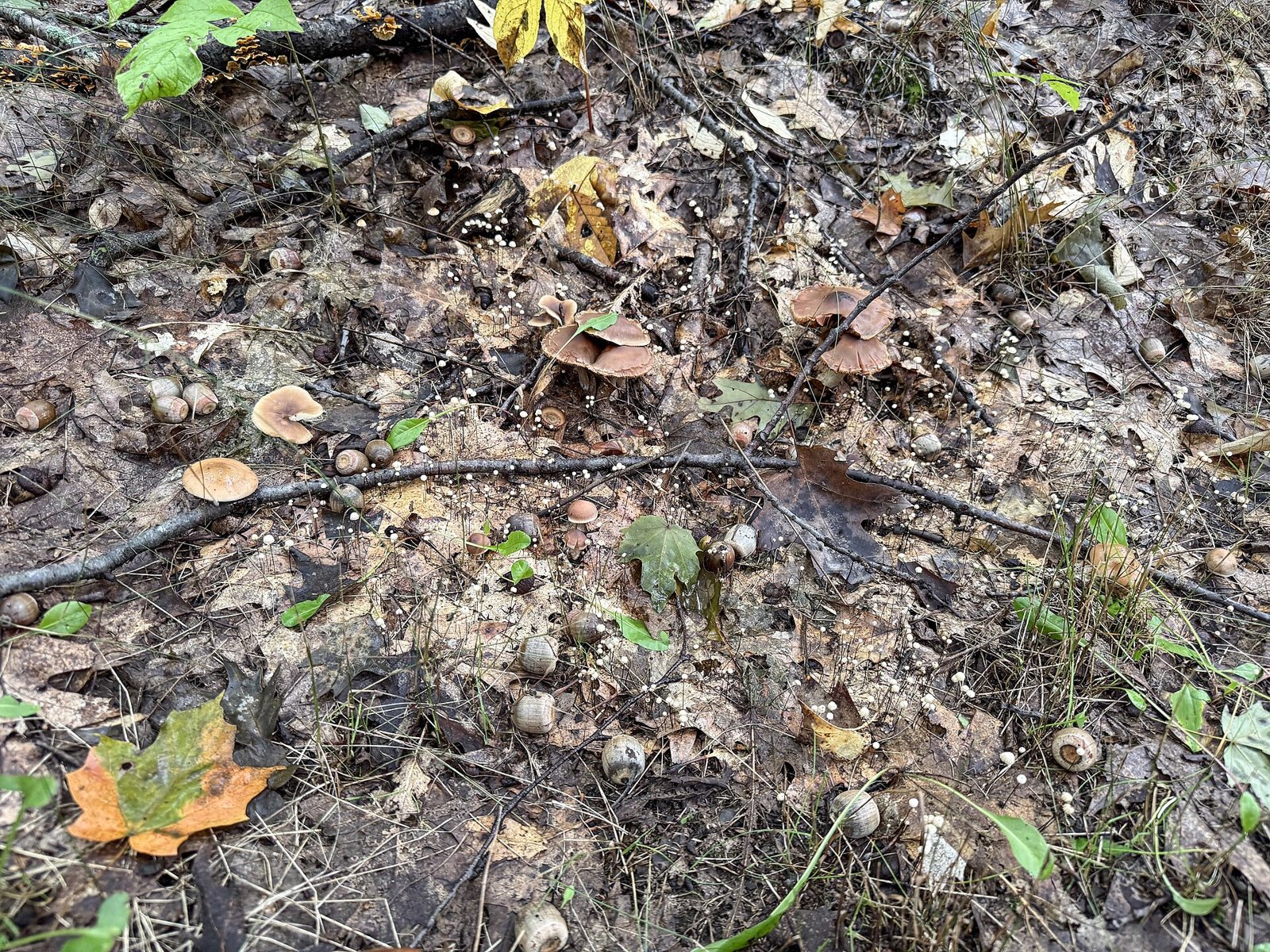
The Australian Museum's model stretches the last stage, dry decay and the final exposure of bone, across roughly 50 to 365 days. The range is wide because the same process can take weeks in one place and most of a year in another. Flies, beetles, mites, ants, wasps and scavenging animals all speed things up when they can reach the remains, which is why an open, warm setting is the quickest of all.
In the ground and in a coffin
Burial commonly slows the process, and how much depends on the depth, the soil, moisture and oxygen.
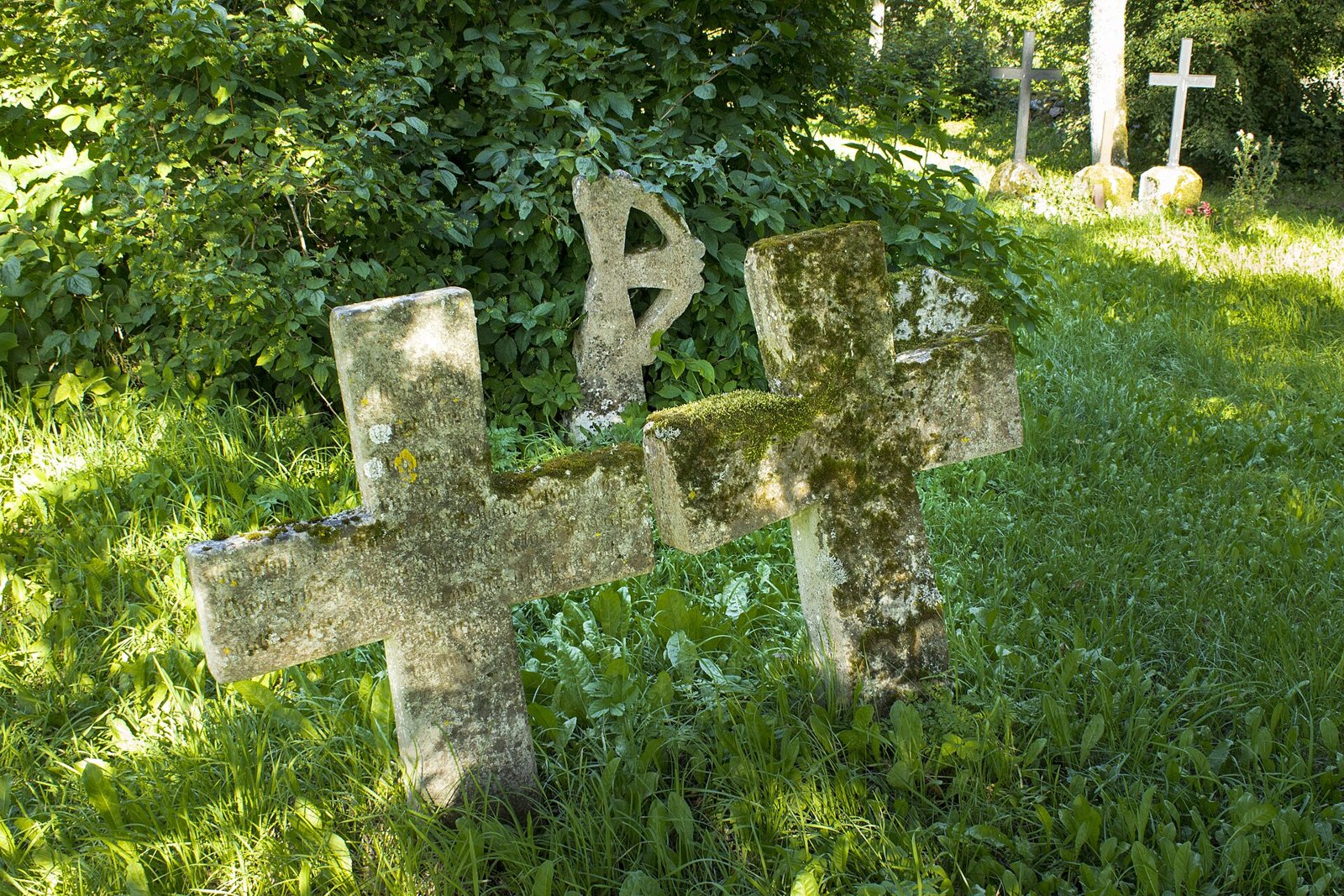
The figures vary with the setting. A North American search-and-recovery reference, *Search for Human Remains in the SAR Environment*, gives about 6 to 12 or more months for shallow graves and about 2 to 3 years for burials deeper than 4 feet. A medical-forensic textbook gives about 5 to 7 years for complete skeletonization in normally aerated soil that lets water through. Both describe graves dug in soil. Neither is a schedule for a cemetery burial in a coffin.
A coffin adds its own variables, and there is no single coffin timeline. The time depends on whether the body was embalmed, how the coffin was built, how deep it lies, how damp the soil is, how much oxygen gets in, the temperature, and whether water enters. If you have a question about a specific grave, including whether one can be opened or moved, the funeral director or cemetery is the right place to ask, and our story on cemetery exhumation is about that subject.
In water
Water generally slows decomposition compared with open air, especially when the water is cold or deep. Other things push the rate in different directions: insects and animals that live in water, the temperature, how salty the water is, clothing, and the formation of adipocere, a waxy substance that can slow the loss of soft tissue. A study of bodies recovered from water reviews those changes.
One forensic series from Madrid, interpreting postmortem change in Spain, reported the first signs of skeletonization at about two months on the surface and five to six months in water. That is a comparison from one set of cases rather than a rule. In water, the timeline depends on the particular river, lake or sea.
What speeds it up and what slows it down
Temperature comes first. Warmth speeds up bacterial activity and insect development, and cold slows both. Moist, oxygen-rich settings support decomposition, while very dry conditions can lead to mummification, where tissue dries and is preserved instead of breaking down.
Embalming delays decomposition, though it does not stop it permanently. Burial depth, the material of the coffin, how easily water moves through the soil, the soil's chemistry, groundwater, the season, body size and clothing all play a part as well.
In wet places with little oxygen, a waxy substance called adipocere can form and slow the loss of soft tissue. Soil moisture affects bone too. In an experiment by Kimberley Jaggers and Tracy Rogers, published in the *Journal of Forensic Sciences*, bone buried in wetter soil lost more weight, although intervals of two and five months were too short to produce any visible change in its colour, texture or overall condition.
What speeds it up and what slows it down
Tap a card to bring it forward.
- Warmth: Speeds up bacteria and insect development.
- Cold: Slows bacteria and insects.
- Moisture and oxygen: Support decomposition.
- Very dry air: Can lead to mummification and delay ordinary decay.
- Insect and animal access: Speeds the process when the remains are open to them.
- Embalming: Delays decomposition but does not stop it permanently.
- Burial depth and soil: Deeper burial usually slows things; soil chemistry and drainage change the pace.
- Coffin: Its construction, and whether water gets in, shape the timeline.
- Water: Usually slower than open air, especially when cold or deep.
- Adipocere: A waxy substance that forms in wet, low-oxygen places and slows the loss of soft tissue.
Some of the world's best-known preserved remains show these conditions at work. The wet, airless peat behind the bog bodies, the ice that held Ötzi the Iceman and the dry crypts behind the Guanajuato mummies each tell their own story.
How long the bones last afterward
Becoming a skeleton is not the end of change. Bones can last for years, for centuries or much longer, depending on the soil's chemistry, moisture, temperature, sunlight, microbes, animals and how often the ground is disturbed. Bone weathering is also a separate process from the loss of soft tissue.
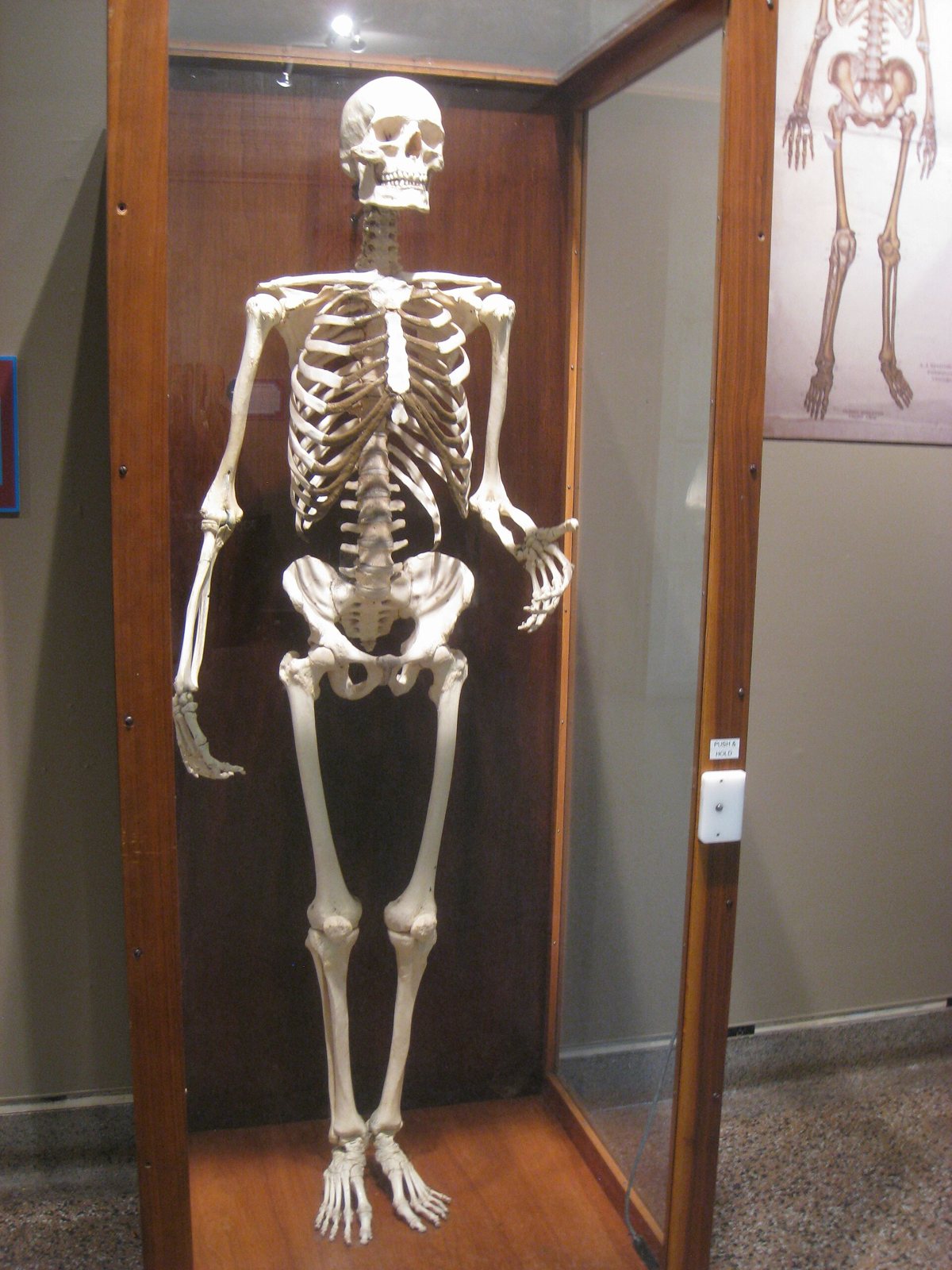
Anna K. Behrensmeyer described that weathering in six stages, from newly exposed bone through cracking, flaking, roughening and splintering to eventual disintegration, as a study of bone sun bleaching summarizes. A synthesis of her work, in a study of estimating the postmortem interval, reports that exposed bone from large mammals can become unrecognizable in roughly 10 to 15 years in some environments. A study of bone weathering in a tropical environment reported substantial weathering after 3 to 5 years and disintegration by about the fifteenth year in its sample of animal bones.
Buried bone often fares far better. In favourable conditions it can stay recognizable for centuries, while acidic soils can destroy it much sooner, as a review of the survival of organic matter in bone discusses. Every site is different, and for an actual burial or recovery, a forensic anthropologist is the person who can read it. When bones do survive, they can be dated in a laboratory, as our story on how old bones are dated explains, and they hold a surprising amount of information, covered in what bones tell archaeologists. Anyone who comes across bones should read what to do if you find human bones.
What the Body Farm teaches
Some of what forensic scientists know about these timelines comes from people who chose to help. The University of Tennessee's Anthropology Research Facility in Knoxville, commonly called the Body Farm, is an outdoor laboratory where donated human bodies decompose under documented conditions.
According to the university's Forensic Anthropology Center, the work there covers human decomposition, skeletal anatomy, estimating time since death, detecting hidden burials and recovering remains, along with training for law-enforcement and medicolegal staff. Afterward, each donor's skeletal remains are cleaned, inventoried, measured and added to the UT Donated Skeletal Collection, where researchers from around the world can study them. The university's history of the facility tells the story of the facility itself.
The central lesson from all that work is simple. Decomposition rates depend on the environment, and the Body Farm lets researchers connect temperature, season, insects, soil, clothing and position with the changes they observe. The donors made that possible.
Remembering, and caring for bones
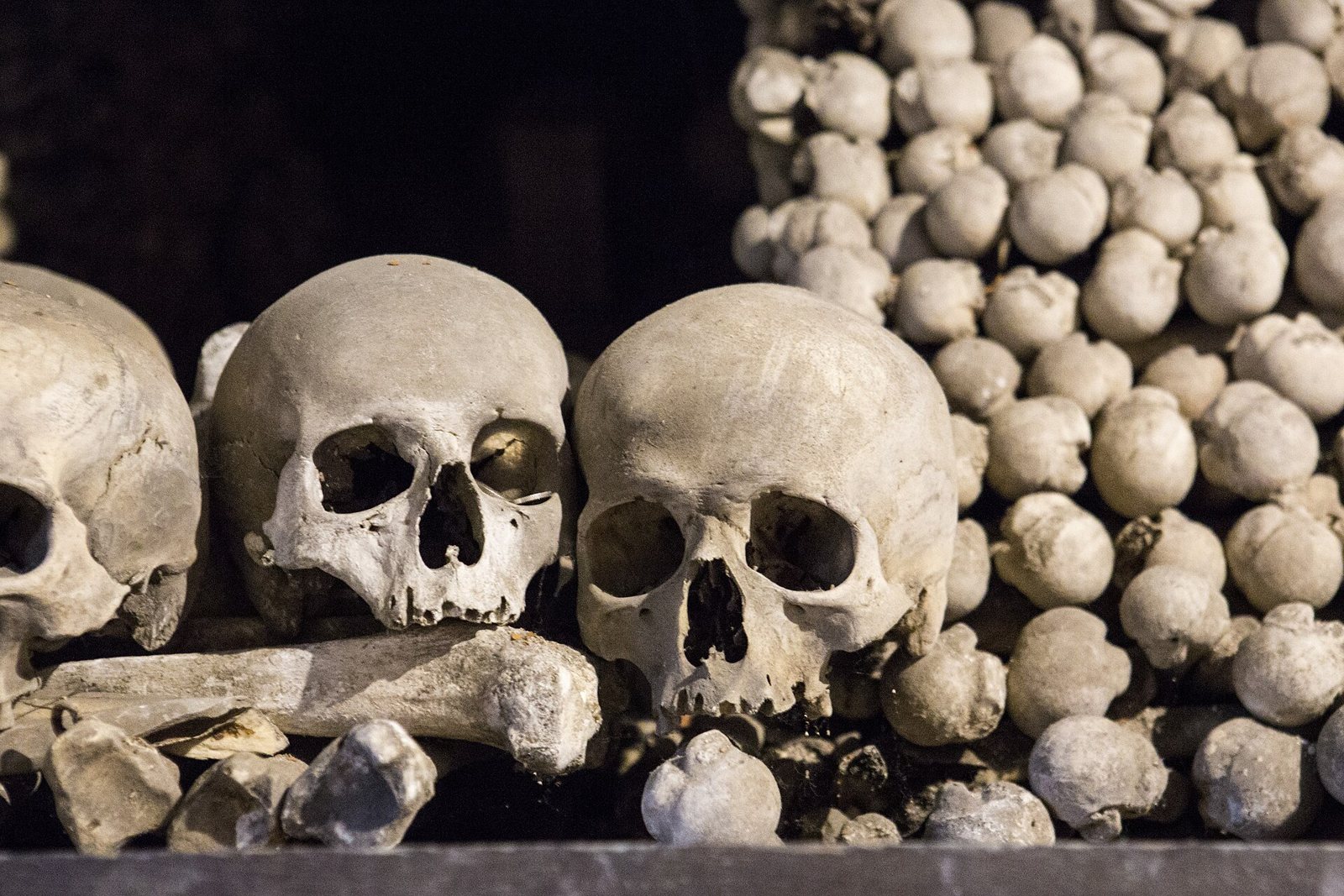
Bones are also where remembrance continues. Communities have their own ways of tending the bones of the people they love long after burial, and three of our stories follow some of them: the custom of bone cleaning in Pomuch, the observance of Hanal Pixán, and ossuaries around the world.
How long does it take a body to become a skeleton?
Answer every question to check.
Questions people ask
A few questions come up often, especially after a funeral.
What happens to a body in a coffin after 6 months?
It varies so widely that six months cannot be predicted. The condition can range from substantial decomposition to well-preserved or partly mummified tissue, depending on embalming, the coffin's design, the soil, moisture, temperature, depth and groundwater. For a particular grave, the funeral director or cemetery can tell you what they know.
How long does it take for a body to decompose?
The complete loss of soft tissue can take weeks, months or years. Decomposition begins soon after death, but forensic scientists estimate how far it has gone from the setting and the changes they observe, not from a fixed schedule.
Does embalming stop decomposition?
No, embalming delays decomposition but does not stop it permanently. How long the delay lasts depends on the same things that matter for any burial, including the coffin, the soil, moisture and temperature.
Can anyone say exactly how long it will take?
No one can give an exact time for a particular body. Forensic scientists estimate time since death from the environment and the changes they can see, and the Body Farm's long record shows how much those changes vary from one setting to the next.
Where to go next
If you would like to know more about the skeleton itself, start with how many bones are in the human body. For how laboratories put an age on old remains, read about how old bones are dated, and for the many ways families have cared for their dead, see the story of bone cleaning in Pomuch and the ossuaries around the world.
Terms in this story
Tap a term to see what it means.
Decomposition. The natural breakdown of the body after death by its own bacteria and enzymes and by the environment around it.
---