

No. 126
What Happens to Remains After 7 Years? Cemetery Exhumation and the Osario in Mexico and Latin America
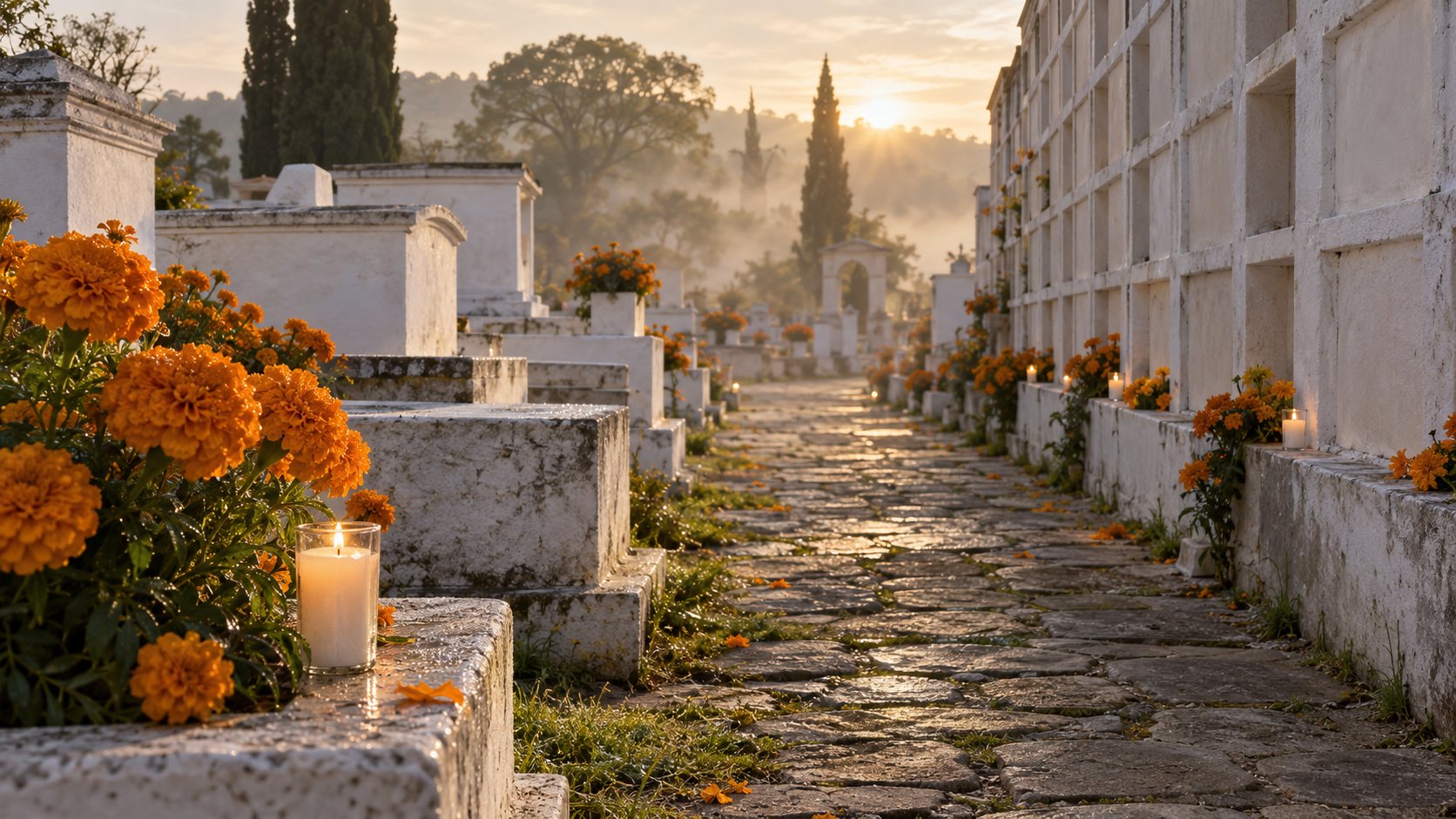
When a loved one rests in a fosa a temporalidad, the grave is leased for a set number of years. In Mexico City that term is seven years for a civil cemetery grave, and Mexico's federal health rule sets a minimum of six years for people over 15 and five years for younger people. When the term ends, a family can usually renew where the cemetery allows it, or arrange an authorized exhumation and move the remains to an osario, a nicho or another cemetery, or have them cremated. If nobody responds after the cemetery gives written notice, identified remains can be moved to an authorized destination.
This is general information, not legal advice; cemetery rules differ by city and country.
The most useful first step is simple: call or visit the cemetery office, or the alcaldía or municipality that runs it, before the deadline arrives. Ask for the exact end date of the term and what your options are. The rest of this page explains what those options mean, what the words on the paperwork say, what families have paid in a few places, and how the same moment is handled in other countries.
What a fosa a temporalidad is, and how long it lasts
A fosa a temporalidad is a grave whose use is granted for a limited period. The family holds the right to use it for that time, which is different from owning the plot outright. When the term ends, the grave has to be renewed or the remains moved, and that is the moment this page is about.
How long the term lasts depends on two layers of rules. The first is national. Mexico's federal health regulation sets a minimum time a body must remain in the grave: six years for people who were over 15 when they died, and five years for younger people. After that time the remains are treated as restos áridos, dry remains, and they can be exhumed under the right permits.
The second layer is local, and it is the one that sets the date on your contract. The Mexico City Cemetery Regulation uses seven-year periods for civil cemetery graves, and the period begins as the cemetery agreement states. Other places set their own terms. The Zacatecas cemetery regulation sets a seven-year minimum, with a refrendo, or renewal, requested every seven years. The municipality of Guadalupe, Nuevo León lists temporary use of six years that can be renewed.
So, seven years is the Mexico City figure and a common one elsewhere, while your own cemetery may use a different number. The burial title or contract is the document that settles it.
What happens when the years run out
At the end of the legal or contractual term, the cemetery may require the grave to be exhumed so the space can be used again. Exhumation means taking a body or human remains out of the place where they were buried. In Mexico it can require a health authorization, and the Mexico City procedure distinguishes several kinds: administrative, family, judicial, and exhumation for transfer.
What comes next depends on the kind of cemetery. Under the Mexico City regulation, in civil and community cemeteries, the person responsible for the grave is told that they must arrange the removal of the remains. They may choose cremation or, where one is available, another authorized destination. In concession cemeteries, the privately operated ones, the rules work a little differently: after the renewal periods the contract allows, the cemetery may cremate or triturate the identified remains and place them in a memorial niche that carries the person's name.
If a family cannot be reached, the regulation sets out a notice procedure. Mexico City requires written notice in abandonment cases. After that notice and a 90-day period with no one coming forward, identified remains may be exhumed and moved to the corresponding mausoleum or another authorized destination. A fosa común is not automatically where every family member ends up; its use depends on the regulation that applies and on whether the person is identified.
The practical lesson is to keep your contact details up to date with the cemetery and to reach out before the term ends. A short visit to the office while there is still time keeps every option open.
From burial to the end of a temporary term
Tap or hover a step to follow the order.
Burial
The cemetery records the inhumation and the family's right to use the grave.
Minimum period
The biological or contractual period runs, for example seven years in a Mexico City civil cemetery.
Notice
The cemetery contacts the holder or relatives where the regulation requires it.
Decision
The family renews, authorizes exhumation, moves the remains to an osario or nicho, reinters them, or chooses cremation.
Record
The cemetery keeps the identification and destination records.
Your options, step by step
Most families end up choosing among the same few paths. Which ones are open to you depends on the cemetery, so start by asking the administration for four things: the title or contract, the date of the burial, the renewal deadline, and the destinations they authorize.
Renew the term. Some cemeteries allow the temporary use to be renewed, as Zacatecas does with its seven-year refrendo and Guadalupe, Nuevo León, with its renewable six-year term. Ask whether renewal is possible for your grave, for how long, and at what cost.
Move the remains to an osario or nicho. After the period ends, the Mexico City regulation says the holder may request exhumation. The dry remains can then go to an osario, a place for dry human remains, or to a nicho, a small niche that holds one person's remains. Either way, the person stays in a known place, and the cemetery's record shows where.
Reinter in another cemetery. If the family has a permanent grave elsewhere, or wants the person closer to home, the remains can be transferred with the right authorizations.
Cremate. In civil and community cemeteries in Mexico City, the regulation says the custodian may choose cremation or trituración at their own cost. Concession cemeteries follow their approved contract and tariff.
Whatever you choose, the cemetery and the health authority handle the remains under permit. Do not remove or carry remains yourself. Ask the cemetery administration and the health authority which permit applies to your case. The documents usually requested include:
- proof of identity;
- proof of your right to use the grave;
- the death certificate or burial record;
- the cemetery's location record for the grave;
- an authorization for transfer or cremation, when that applies.
A checklist for families before the term ends
Tap a card to bring it forward.
- Find the papers: Locate the burial certificate, title or contract for the grave.
- Confirm the date: Ask the cemetery office for the exact expiration date of the term.
- Know the cemetery type: Ask whether the space is civil, community or concession-operated, since the rules differ.
- Get the price in writing: Request the current written tariff before paying anything.
- Ask about permits: Ask which documents and health permits your case needs.
- Confirm the destination: Get written confirmation of where the remains will go.
- Keep the record: Keep the exhumation, transfer, cremation or osario record with your family papers.
What exhumation costs
Prices depend on the municipality, the cemetery and the kind of remains, so the only reliable figure is the one your cemetery office gives you in writing. A few official pages show the range of what families are charged.
Chalco, in the Estado de México, lists an exhumation permit on its 2025 page at 3.17 UMA for an adult and 1.58 UMA for an infant. UMA is Mexico's unit of measure for fines and fees, and the page displays the amounts as $828 and $179. The service is requested by the grave holder.
Tlalnepantla, also in the Estado de México, publishes official adult and minor charges for an exhumation certificate, but the figures differ between parts of the page. Confirm the current amount with the cemetery office before paying.
For Mexico City, an older reference helps show how the charges break down. A 2016 concession tariff listed $720 for the work of exhuming from a grave and $1,390 for cremation of dry remains, with separate charges for niches and osarios. That is a historical tariff from 2016 and does not tell you today's price. For current public cemetery fees in the capital, ask the cemetery office of your alcaldía for the current tariff.
Tap or hover a row to highlight it.
| Place | Minimum or temporary period | Possible destination | Family notice or action |
|---|---|---|---|
| PlaceMexico City civil cemetery | Minimum or temporary periodSeven years | Possible destinationRenewal where allowed, authorized exhumation, cremation, trituración, osario or memorial, depending on cemetery type | Family notice or actionThe custodian is told they must arrange removal at the end of the term |
| PlaceMexico federal health rule | Minimum or temporary periodSix years for people over 15, five years for younger people | Possible destinationRemains become restos áridos; permits and cemetery rules govern the next step | Family notice or actionExhumation permits require burial documents and a stated destination |
| PlaceZacatecas municipal cemeteries | Minimum or temporary periodSeven-year minimum | Possible destinationOsario or another authorized destination | Family notice or actionRefrendo is requested every seven years |
| PlaceColombia | Minimum or temporary periodThree years under age seven, four years over age seven | Possible destinationFamily choice of cremation or osario, under the regulation | Family notice or actionCertified notice at least 30 days before the minimum period ends |
| PlaceCosta Rica municipal example | Minimum or temporary periodFive years before certain exhumations for unpaid rights | Possible destinationGeneral osario or reburial | Family notice or actionAt least 30 days' notice for municipal exhumations |
Osario, nicho, memorial and fosa común: the words on the paperwork
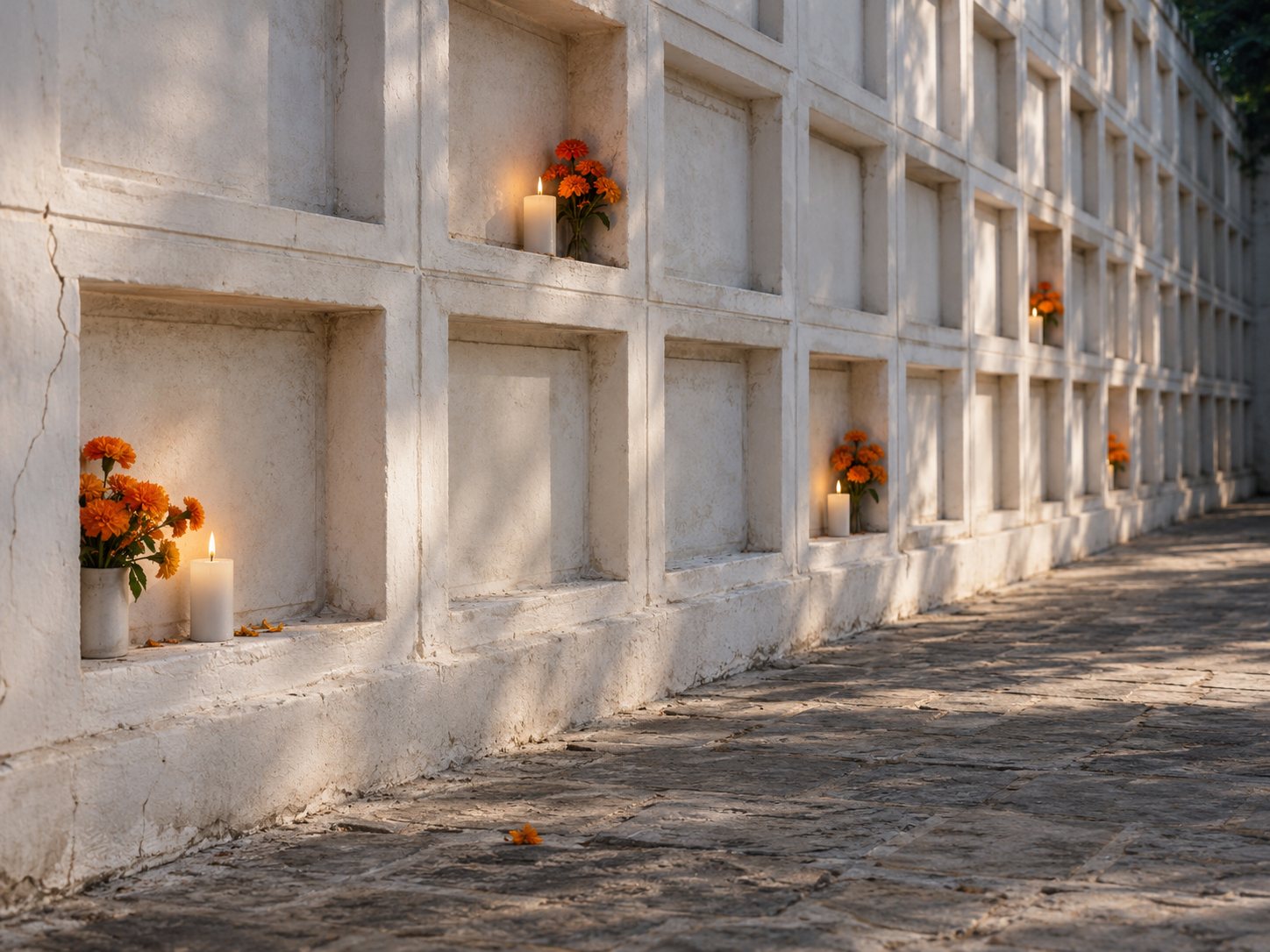
The place in a cemetery where exhumed bones are kept is called an osario, an ossuary. The Mexico City regulation defines it as a place for dry human remains. A nicho is a single niche that holds one person's remains or ashes.
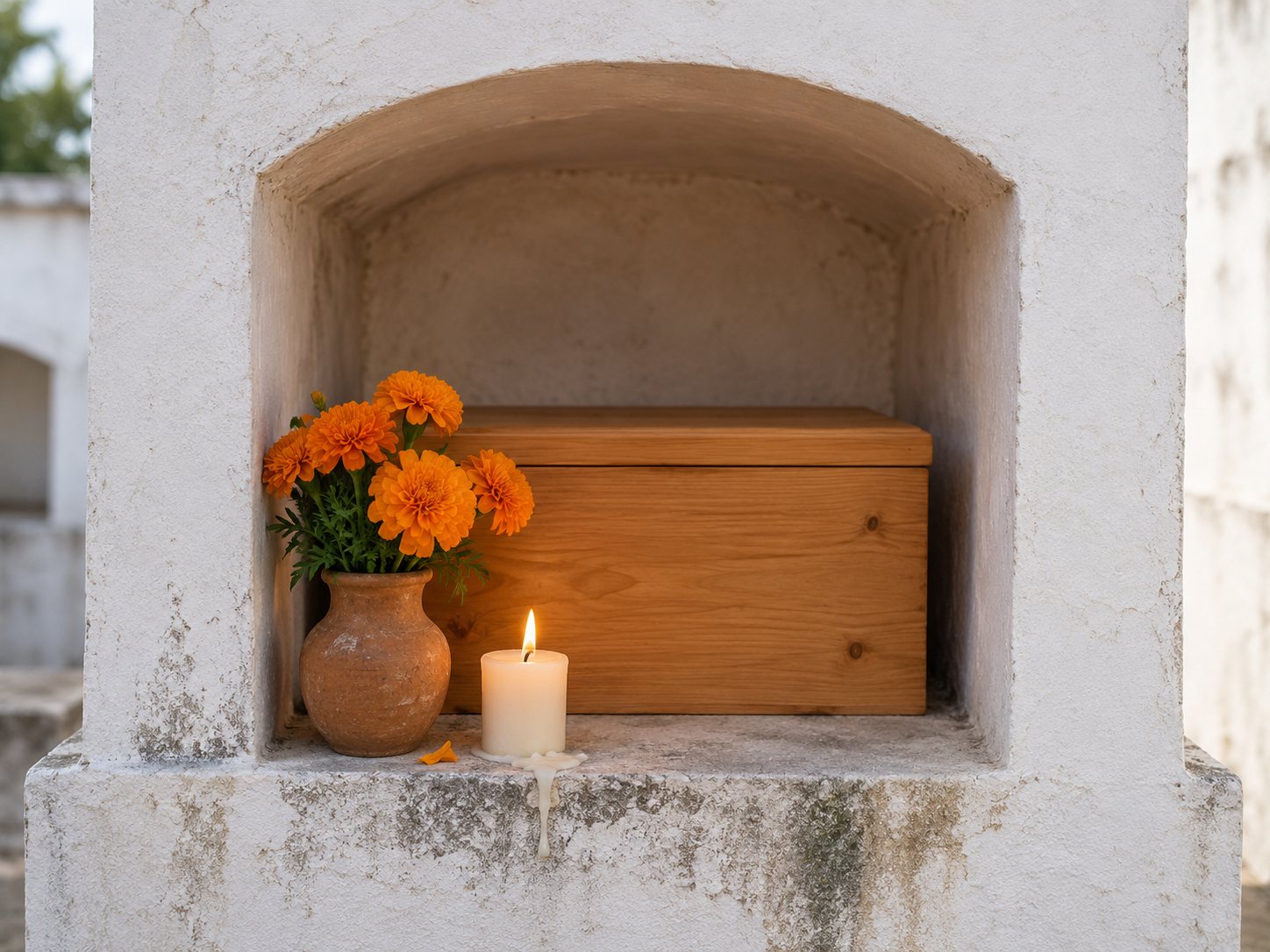
Regulations also use the word memorial. In Mexico City, a memorial is a place for identified remains whose temporary term has expired, and in concession cemeteries the regulation provides for niches that carry the person's name. The words osario común also appear, meaning a shared osario.
Fosa común means something else. It refers to a communal grave and can mean unidentified or communally buried remains. That is why the difference matters when a family is deciding: an osario or nicho keeps a named person in a known place, and the paperwork you receive should say exactly where the remains went.
How it works elsewhere in Latin America
Other countries handle the same moment with their own rules. A few of them are published in detail.
In Colombia, Resolution 5194 of 2010 sets the minimum time in the grave at three years for children under seven and four years for people over seven. When the family does not own the plot, the cemetery must notify relatives by certified mail at least 30 days before the minimum term ends. If relatives do not confirm a date within 15 days after the term, the administration may exhume the remains and place them in a common ossuary or cremate them, keeping their identification. Families may choose cremation or deposit in an osario where the process allows it. The Ministry of Health copy also covers what happens when decomposition is incomplete: the family indicates whether to cremate or rebury, depending on space at the cemetery.
In Peru, exhumation and transfer between cemeteries, or for cremation, require a sanitary authorization, and the procedure asks for a cemetery certificate showing where the remains lie. Moving remains to an osario also needs sanitary authorization. Confirm the current requirements with the Dirección de Redes Integradas de Salud that covers the cemetery, or with the cemetery administration.
In Costa Rica, municipal cemeteries publish their own regulations. One rule in the official gazette requires at least 30 days' notice before a municipal exhumation for transfer to an osario or reburial. Where cemetery fees have gone unpaid for more than a year, the administration may proceed after notice, as long as at least five years have passed since the burial.
In Guatemala and other countries, confirm the procedure, the notice period, the destination and the fee with the municipal cemetery or the health authority where your relative is buried.
Cleaning the bones in Pomuch, Campeche
For one Maya community, opening a relative's resting place is an act of family care. In Pomuch, in the municipality of Hecelchakán, Campeche, Maya families practice the limpieza de los santos restos, the cleaning of the holy remains, also called Choo Ba'ak. Relatives take out the bones of their loved ones, clean them, wrap them in embroidered cloths and return them to the family or community mausoleum. The practice is tied to the Day of the Dead season, and the Campeche government describes it as an act of love, respect and continued care for the family's dead.
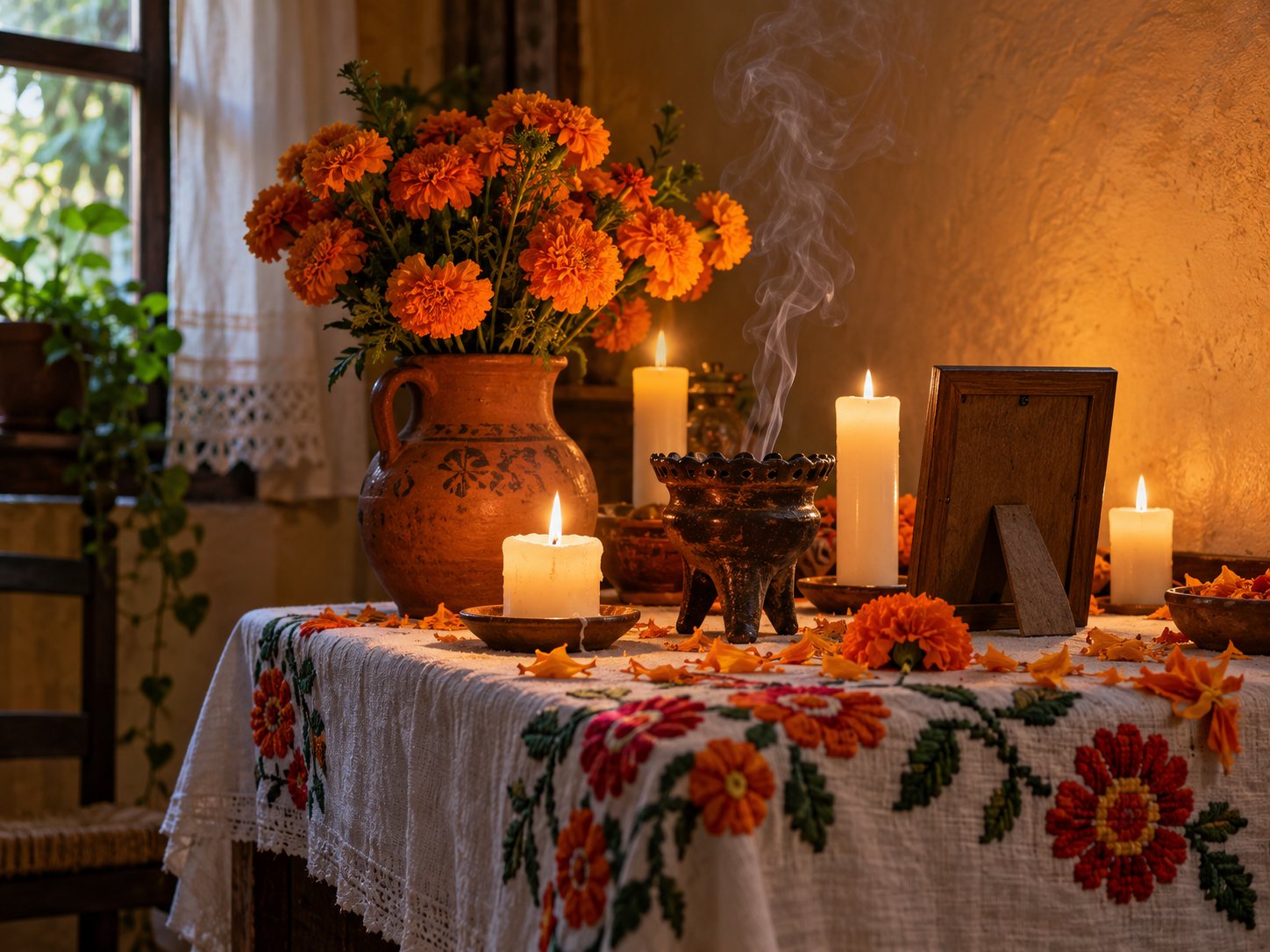
In 2017 the State of Campeche registered "La Limpieza de los Santos Restos, Ritual Funerario de la Comunidad Maya de Pomuch" as intangible cultural heritage. The official declaration names Pomuch as the place where the practice has been kept with particular solemnity and notes smaller related practices in parts of Yucatán and Campeche. This is the tradition of a specific Maya community. Other cemeteries in Mexico follow their own customs and rules, and the season it belongs to is the one families across Mexico mark as Día de Muertos.
Temporary graves and the osario
Answer every question to check.
Quick answers
What is the exhumation of human remains?
Exhumation is the removal of a body or human remains from the place where they were buried. In Mexico it can require a health authorization, and the procedure depends on whether it is administrative, requested by the family, ordered by a court, or done to transfer the remains to another place.
How much does an exhumation cost?
The cost depends on the municipality, the cemetery and the type of remains. Chalco's 2025 page lists an exhumation permit at 3.17 UMA for an adult, shown as $828, and 1.58 UMA for an infant, shown as $179. Ask your cemetery office for the current written tariff, because fees change.
What happens to remains after 7 years?
After seven years in a Mexico City civil cemetery grave, the family can renew where allowed or arrange an authorized exhumation, cremation, transfer, osario or memorial placement. Other cemeteries set different terms, so contact the cemetery office before the term expires.
What happens if the family does not claim the remains?
In Mexico City, the cemetery must give written notice, and after 90 days with no claimant, identified remains may be exhumed and moved to the corresponding mausoleum or another authorized destination. In Colombia, if relatives do not confirm a date within 15 days after the term, the administration may place the remains in a common ossuary or cremate them, keeping their identification.
Can I move the remains to another cemetery or renew the grave?
Yes, in many cases, with the right permits. Some cemeteries allow the term to be renewed, and remains can be transferred to another cemetery after an authorized exhumation. Ask the cemetery administration and the health authority which permit your case needs.
Where do people wash the bones of the dead?
In Pomuch, Campeche, Maya families clean the bones of their relatives in the community cemetery as part of the Choo Ba'ak ritual. Campeche registered it as intangible cultural heritage in 2017.
Keep reading
The osario has a long history beyond the municipal cemetery, and our story on ossuaries around the world follows some of the best-known ones. For the people who care for remains on a larger scale, read about the repatriation of human remains to the communities they came from. And if a bone has turned up somewhere unexpected, our page on what to do if you have found human bones explains who to call.
Terms in this story
Tap a term to see what it means.
Fosa a temporalidad. A grave whose use is granted for a limited number of years, such as seven years in a Mexico City civil cemetery, after which the term must be renewed or the remains moved.