

No. 091
Why Museums Are Returning Human Remains: NAGPRA and the Repatriation of Ancestors
Repatriation is the return of human remains or cultural items from a museum or government collection to the descendants, Indigenous nation, country or community they belong to. In the United States most returns happen under NAGPRA, the Native American Graves Protection and Repatriation Act of 1990. New rules under that law took effect on January 12, 2024, and they require free, prior and informed consent from the communities concerned before covered remains are exhibited, studied or accessed. As of September 2024, the National Park Service counted 90,505 Native American human remains still waiting to complete the process.
This is general information, not legal advice.
Each of those numbers is a person and someone's ancestor. Here is what the law asks of museums, what changed in 2024, how one Philadelphia museum is handling a notorious skull collection, and how other countries approach the same question.
What NAGPRA is
The Native American Graves Protection and Repatriation Act became United States federal law on November 16, 1990. It applies to museums that receive federal funding and to federal agencies. They must do three things with the Native American human remains and certain cultural items in their care: make an inventory, consult with lineal descendants, Indian Tribes and Native Hawaiian organizations, and return the remains and items that are eligible.
The cultural items it covers are funerary objects, sacred objects and objects of cultural patrimony, meaning things that belong to a community as a whole. The process runs through formal consultation and a public notice before a return takes place.
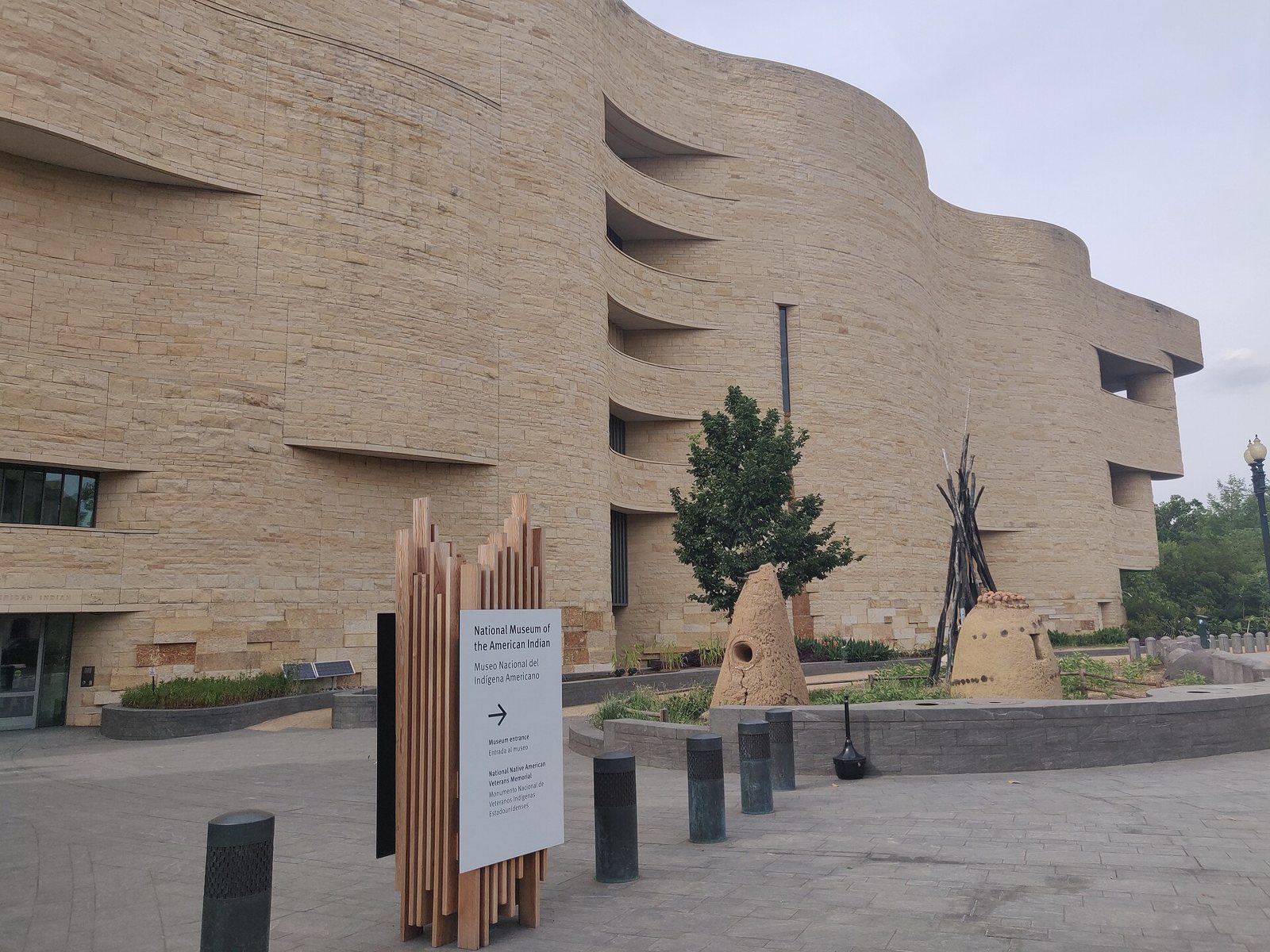
One large institution sits under a different law. The Smithsonian follows the National Museum of the American Indian Act for Native American and Native Hawaiian remains, separate from NAGPRA.
What changed in January 2024
The Department of the Interior revised the NAGPRA regulations, and the new rules took effect on January 12, 2024. In the National Park Service's description, they:
- strengthen the authority of Indigenous communities in the process;
- require museums and agencies to defer to Indigenous Knowledge;
- require free, prior and informed consent before covered remains and cultural items are exhibited, researched or accessed;
- end the category "culturally unidentifiable human remains";
- increase transparency;
- require updated inventories within five years.
The consent rule is the one visitors notice. A museum covered by NAGPRA now needs the community's agreement before it can show covered remains or let researchers study them. For a family or tribe, it means a voice in what happens to an ancestor, from the first request onward.
How many remains are still waiting
The National Park Service's FY2024 report puts the scale in numbers. Since 1990, institutions have reported 216,804 Native American human remains under NAGPRA. As of September 2024, 90,505 of them were still pending consultation, notice or both. About 58% of the reported remains had completed the process through public notice, and 43% of the museums subject to NAGPRA had resolved the rights to all the Native American human remains in their custody.
Those figures cover only remains that fall under NAGPRA. They leave out human remains of other origins, and they leave out collections under other laws. For the latest totals, the National NAGPRA Program publishes an annual report and a set of public databases.
The Smithsonian is the collection people ask about most. The Smithsonian says it holds more than 30,000 human remains, most of them cared for by the National Museum of Natural History.
Tap or hover a row to highlight it.
| Figure | What it counts | Date |
|---|---|---|
| Figure216,804 | What it countsNative American human remains reported under NAGPRA since 1990 | DateFY2024 report |
| Figure90,505 | What it countsRemains still pending consultation and/or notice | DateSeptember 2024 |
| FigureAbout 58% | What it countsReported remains that completed the NAGPRA process through public notice | DateFY2024 report |
| Figure43% | What it countsMuseums subject to NAGPRA that resolved rights to all Native American remains in their care | DateFY2024 report |
| FigureMore than 30,000 | What it countsHuman remains the Smithsonian says it holds | DateSmithsonian statement |
| FigureMore than 200 | What it countsSets of remains the American Museum of Natural History says it has transferred to countries or nations of origin | DateSince 1993 |
The Morton collection at the Penn Museum
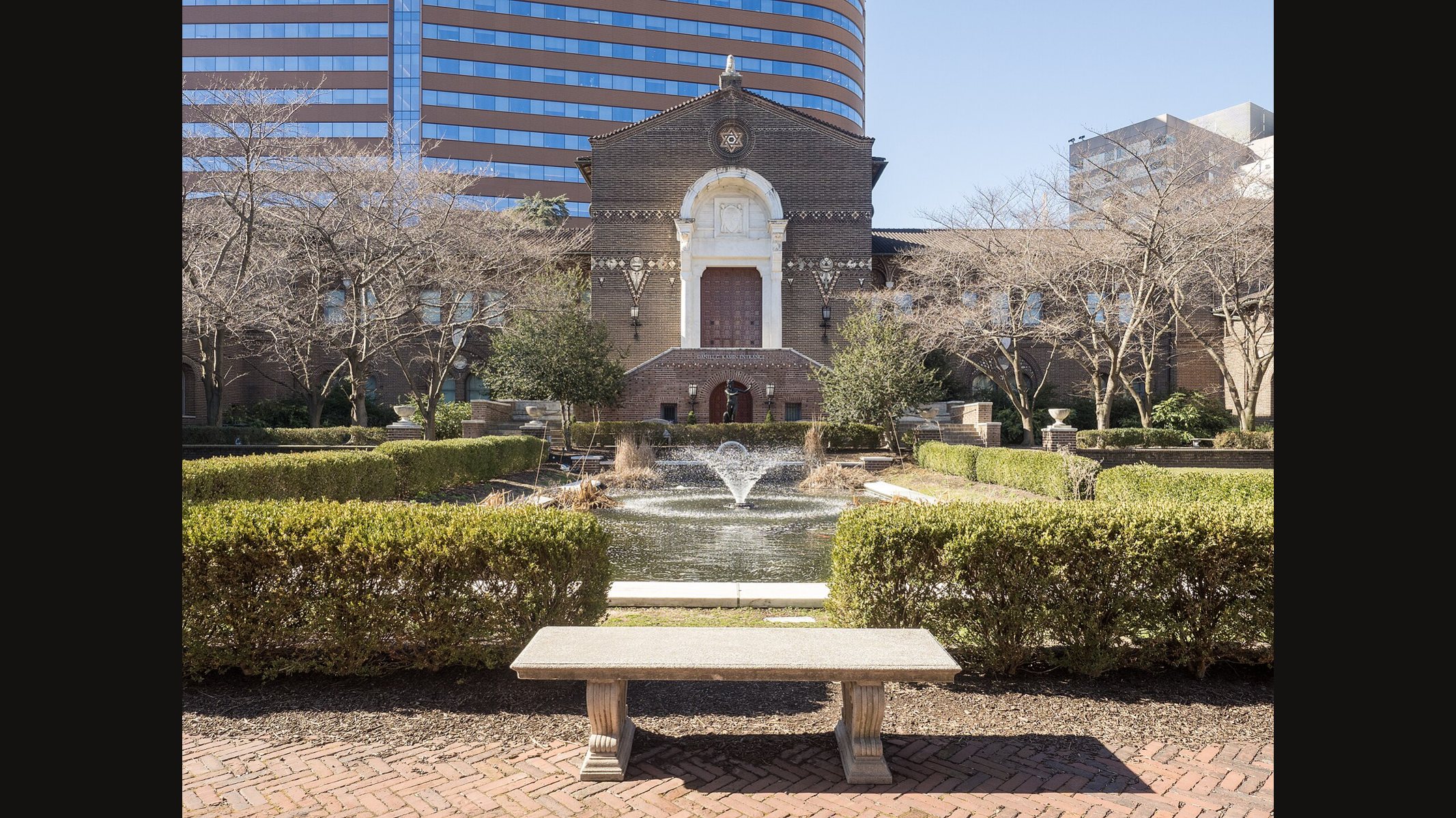
Some of the most closely followed returns come from a single collection in Philadelphia. The Morton Cranial Collection holds more than 1,300 crania gathered by Samuel George Morton and others in the mid-19th century. Morton's research was later used to support racist and white supremacist claims, and that history is a large part of why the collection is now being reconsidered.
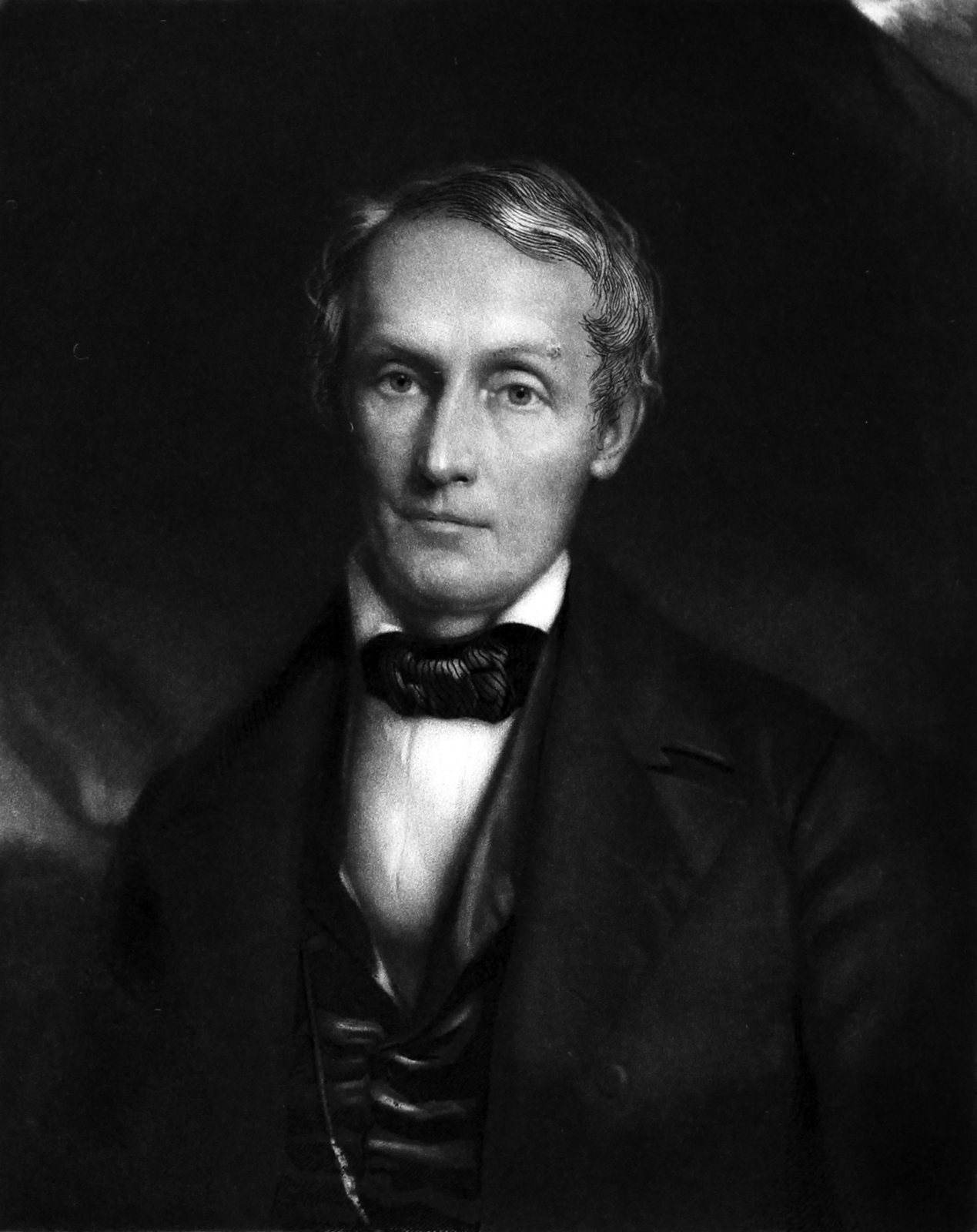
After Morton's death in 1851, the Academy of Natural Sciences of Philadelphia bought the collection and added to it. It moved to the Penn Museum in 1966. The crania come from many parts of the world and from periods ranging from ancient Egypt to the 19th century. Penn says even the exact count is hard to pin down, because old catalogues are inconsistent and items were renumbered over the years.
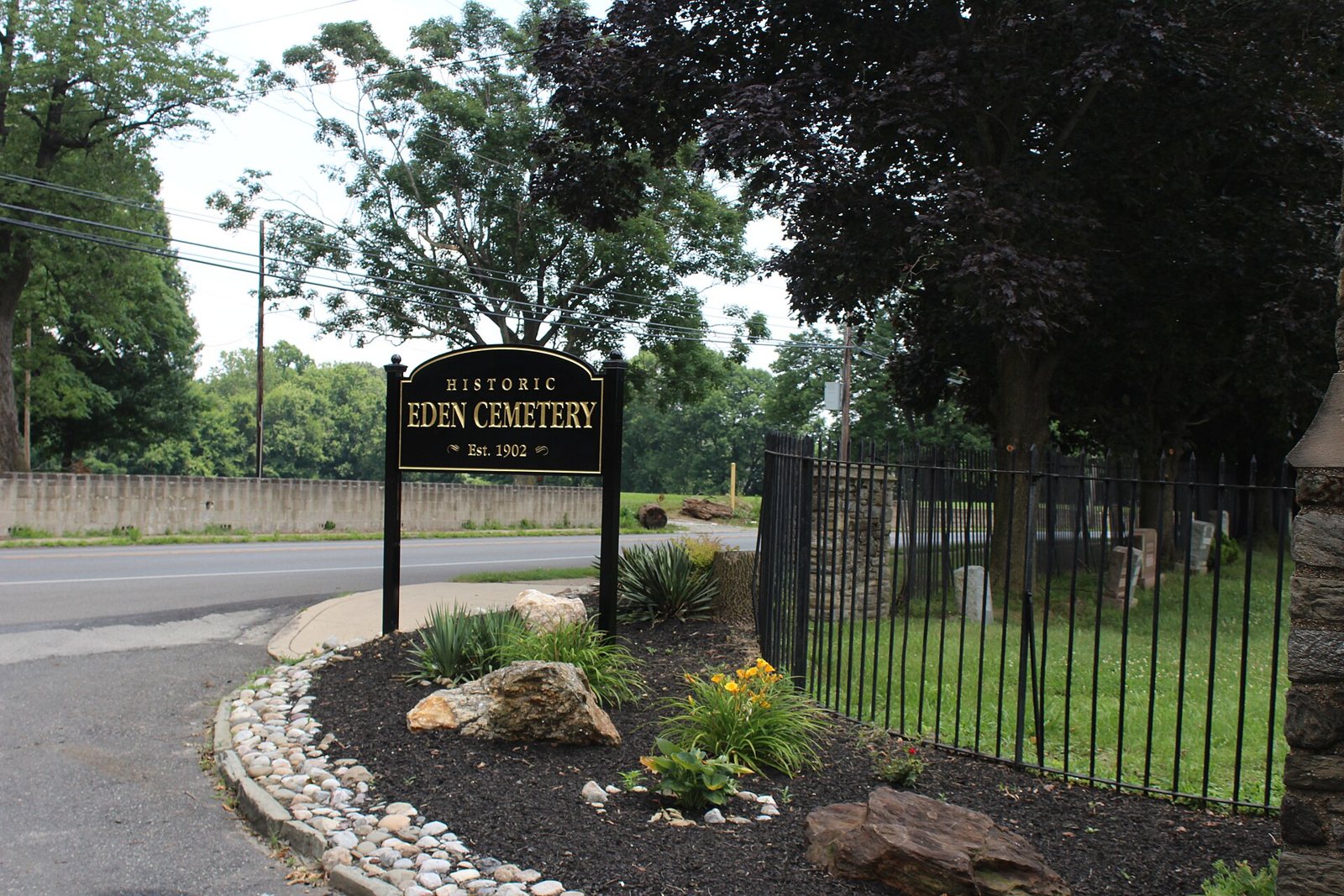
Penn formed a Morton Collection Committee in 2020 and created a Community Advisory Group that brought together Philadelphia spiritual and community leaders, city officials and University representatives. Recommendations for repatriation and burial followed in 2021, and in 2022 the museum petitioned the Philadelphia Orphans' Court about the next step. In February 2024, the remains of 19 Black Philadelphians from the collection were laid to rest at Eden Cemetery, a historic Black cemetery in Collingdale, Pennsylvania. Penn described the burial as an initial step in repair, with more repatriation and burial work to come.
If you want to understand how skulls were measured and misread in that era, our story on the phrenology skull covers a closely related chapter of 19th-century science.
Repatriation milestones, 1990 to 2024
Tap or hover a step to follow the order.
November 16, 1990
NAGPRA becomes United States federal law.
2020
The Penn Museum forms its Morton Collection Committee.
2021
Penn publishes recommendations for repatriation and burial.
2022
Penn petitions the Philadelphia Orphans' Court.
January 12, 2024
The revised NAGPRA regulations take effect.
February 2024
Nineteen Black Philadelphians from the Morton collection are interred at Eden Cemetery.
September 2024
The National Park Service reports 90,505 remains still pending under NAGPRA.
Why it matters to descendant communities
For the people asking for their return, these are relatives. The questions communities and museums raise are about how the remains were acquired, whether anyone could consent, and whether descendants have been consulted. A return lets a family or a nation decide what happens to an ancestor, as the Penn Museum's burial at Eden Cemetery and the 2009 return to the Pascua Yaqui Tribe show.
The museum policies that guide this work, from the American Museum of Natural History, the Penn Museum and the UK government, share one principle: human remains are the remains of people, and they are treated with the dignity owed to a person.
One of the best-known cases in the United States is the Ancient One, also known as Kennewick Man, whose return took more than twenty years. Read it in our story on Kennewick Man.
Should museums display human remains?
There is no single answer that fits every collection, and museums and descendant communities weigh several questions. How were the remains acquired? Was consent possible? Have descendants or source communities been consulted? Does the display serve a clear educational purpose, and does it respect the person and the community?
Different institutions have answered in different ways:
- The American Museum of Natural History says it will remove human remains from public display, allow non-invasive research only after community consultation and consent, and use casts where appropriate for teaching.
- The Penn Museum says human dignity and the wishes of descendant communities govern its policy, and that dignity comes before public access.
- UK government guidance recognizes educational and scientific reasons for display, and asks museums to weigh provenance, dignity, community views and the reason they hold the remains at all.
Some museums keep remains for research or teaching under restricted, reviewed conditions. Others take them off display or return them. Many now remove remains when consent is absent, when they were acquired by exploitation, or when the community asks. Museums that still show human remains, such as the medical collection in our story on the Mütter Museum skulls, now face these same questions.
Returns outside the United States
Other countries handle repatriation through their own laws, museum policies, diplomatic agreements and direct talks with communities.
In the United Kingdom, the Human Tissue Act 2004 gives nine named national museums the power to deaccession, or formally release, human remains less than 1,000 years old. UK government guidance treats human remains as having a unique status and recommends dignity, careful study of provenance, transparency, community involvement and an open process for claims.
In Germany, the federal government says human remains from colonial contexts should be returned in agreement with the society of origin. It supports provenance research, the work of tracing where and how remains were taken, and it runs the Contact Point for Colonial Contexts as an information and advice service for source communities, institutions and collections.
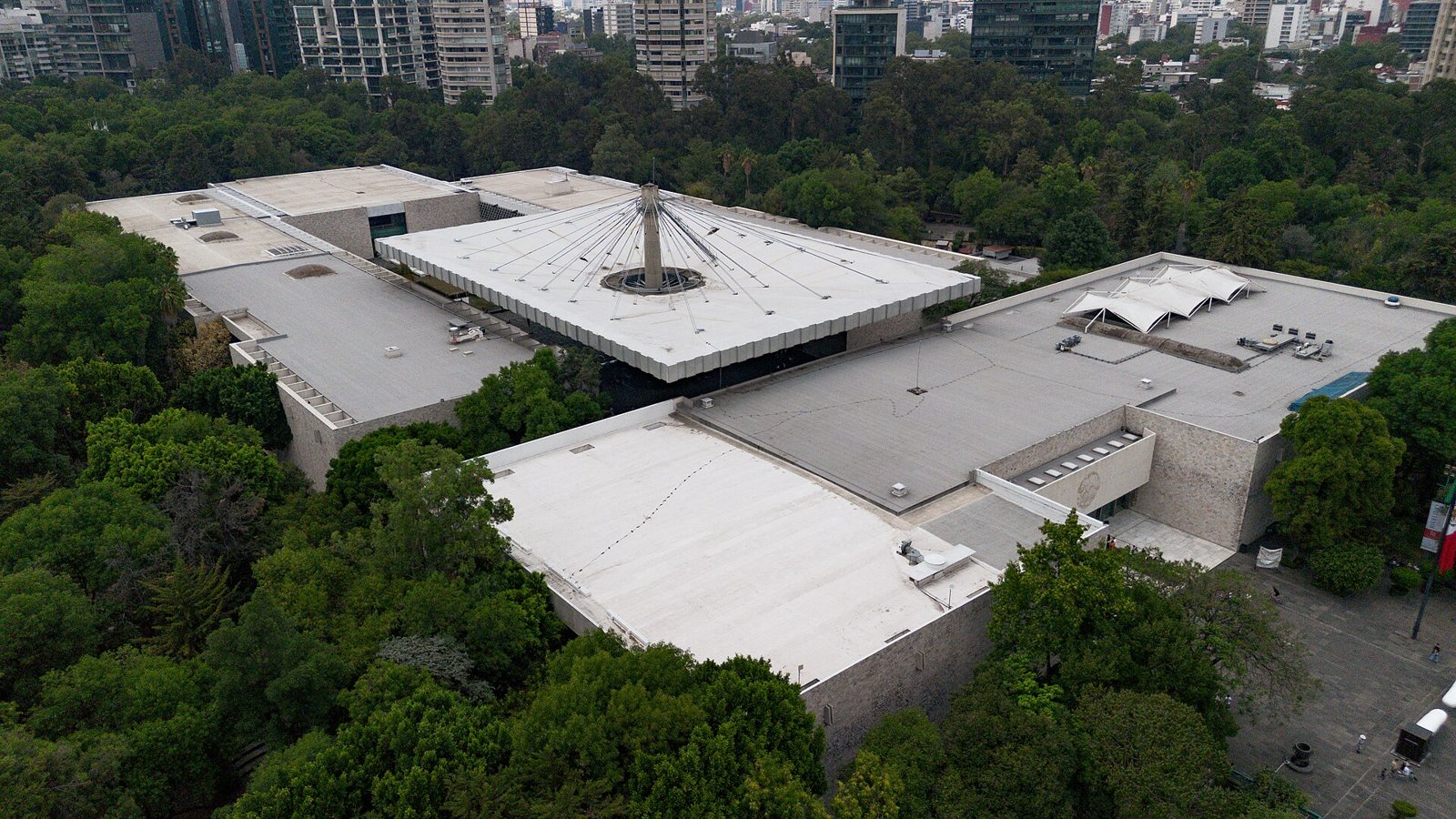
In Mexico, the Instituto Nacional de Antropología e Historia, INAH, is the federal authority responsible for archaeological heritage, and it has received human remains and other cultural materials returned from abroad, including a pre-Hispanic skull with turquoise mosaic returned from the Netherlands. The American Museum of Natural History records a 2009 international return of human remains and associated funerary objects to the Pascua Yaqui Tribe and Yaqui communities in Sonora, Mexico. Since 1993, the museum says, it has transferred more than 200 sets of human remains to countries or nations of origin, including Mexico, Canada, Greenland and New Zealand.
Repatriation and NAGPRA
Answer every question to check.
Quick answers
What is museum repatriation?
Museum repatriation is the return of human remains or cultural materials from a museum or government collection to the right descendant community, Indigenous nation, country or authority. Under NAGPRA, eligible Native American remains and certain cultural items go back to lineal descendants, Indian Tribes or Native Hawaiian organizations after formal consultation and public notice.
Can museums keep Native American remains?
Museums covered by NAGPRA must inventory Native American remains, consult with descendants and tribes, and return eligible remains. Since January 12, 2024, they also need free, prior and informed consent before exhibiting or researching covered remains.
How many human remains does the Smithsonian have?
The Smithsonian says it holds more than 30,000 human remains, most cared for by the National Museum of Natural History. Its Native American and Native Hawaiian remains are handled under the National Museum of the American Indian Act.
Why did the Penn Museum bury the Morton skulls?
The Penn Museum buried the remains of 19 Black Philadelphians from the Morton collection in February 2024 as what it called an initial step in repair. The collection was assembled in the mid-19th century, and Morton's research was later used to support racist claims.
Is it ethical for museums to display human remains?
It depends on how the remains were acquired, whether consent was possible, whether descendants were consulted and whether the display has a clear, respectful purpose. Some museums keep remains under strict conditions, while others, such as the American Museum of Natural History, have committed to removing them from public display.
Keep reading
Repatriation touches many of the stories on this site. Our story on shrunken heads, or tsantsa, follows another kind of human remains long held in museums. To learn what scientists can read from a skeleton with a community's consent, see what bones tell archaeologists. And if a bone ever turns up on your own land, our page on what to do if you have found human bones explains who to call first.
Terms in this story
Tap a term to see what it means.
Repatriation. The return of human remains or cultural items from a museum or government collection to the descendants, nation, country or community they belong to.