

No. 127
The Mummies of Guanajuato: The Real Story Behind Mexico's Mummy Museum
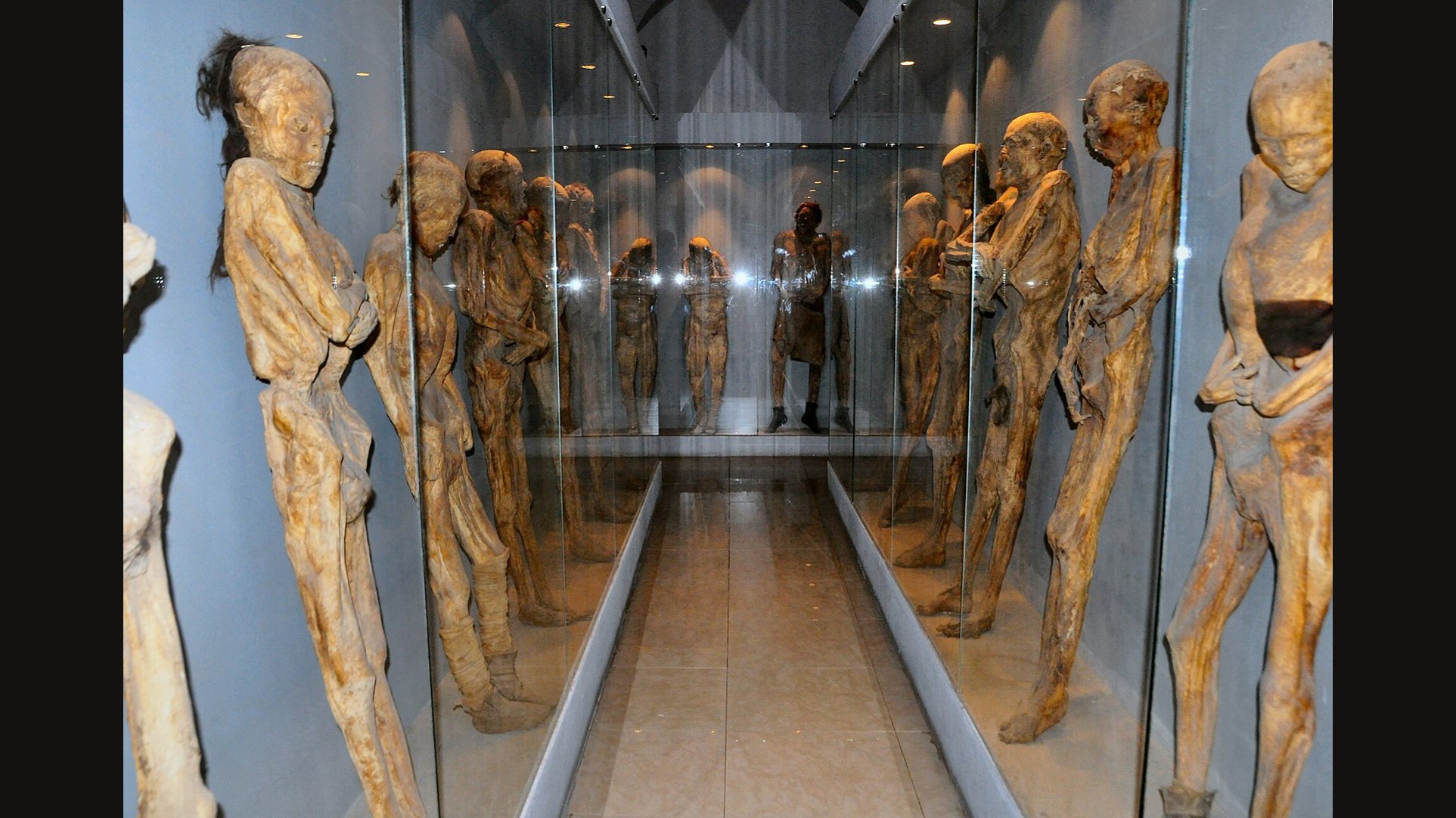
The mummies of Guanajuato are people from the city of Guanajuato, in the state of Guanajuato, Mexico, whose bodies were taken from the Santa Paula cemetery after burial fees went unpaid. Starting in 1865, cemetery workers opening graves expected bones. Instead they met bodies that had dried naturally in the above-ground niches, helped by a dry climate, moving air and low oxygen. Nobody embalmed them. Today the bodies are shown at the Museo de las Momias, a municipal museum, while specialists from Mexico's National Institute of Anthropology and History (INAH) study them and argue over how they should be displayed. Here is how the collection came to exist, what the open mouths mean, and what a visit involves.
From cemetery niches to exhumations
The Santa Paula cemetery, also called the Panteón Municipal, was built in the mid-nineteenth century; a Guanajuato tourism guide dates the start of construction to 1853. Families paid a recurring burial charge to keep a relative in an above-ground niche. Beginning in 1865, workers exhumed remains when the charge went unpaid or when no relatives looked after the grave. National Geographic's account of the museum describes what they met: naturally preserved bodies where bones were expected.
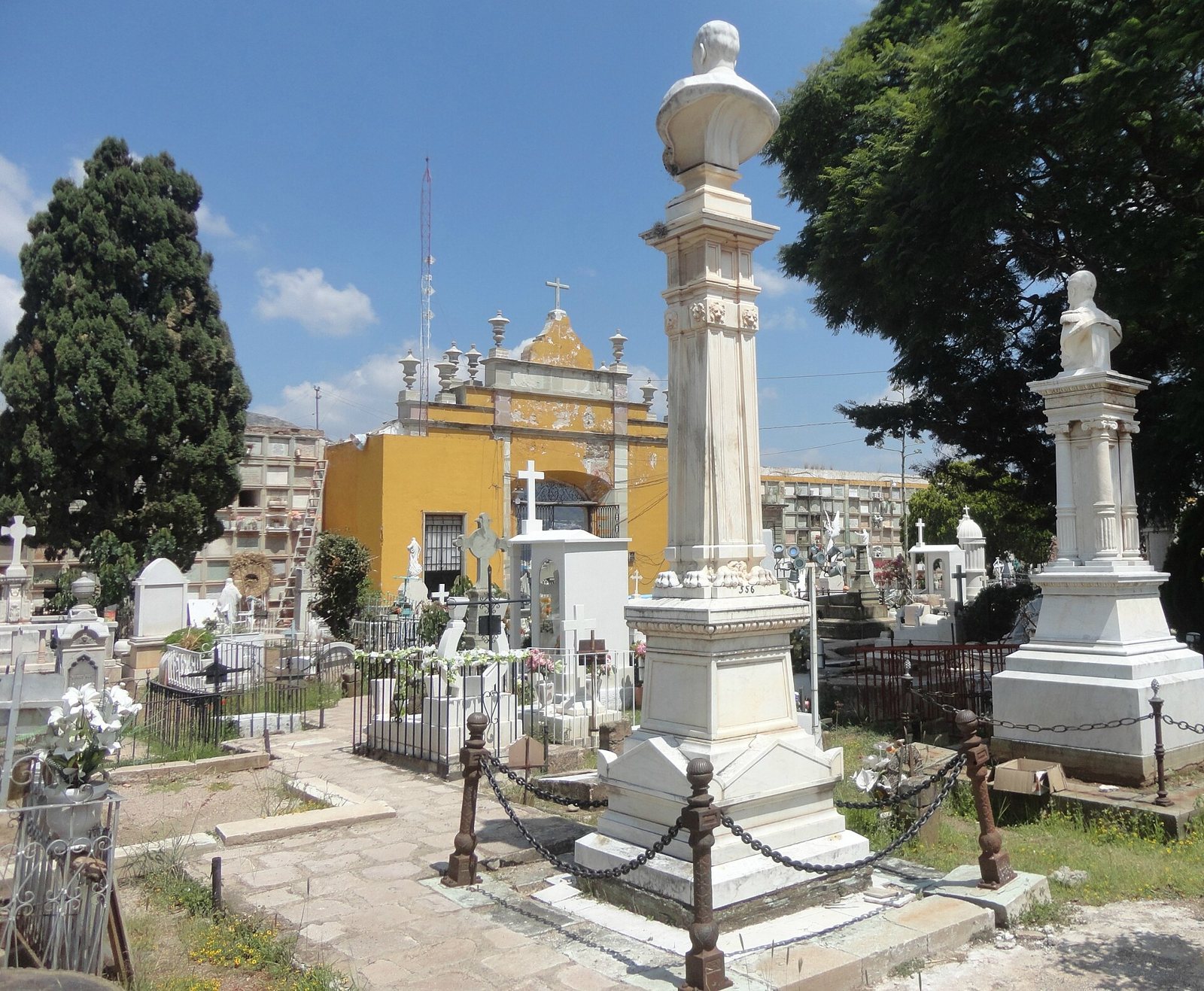
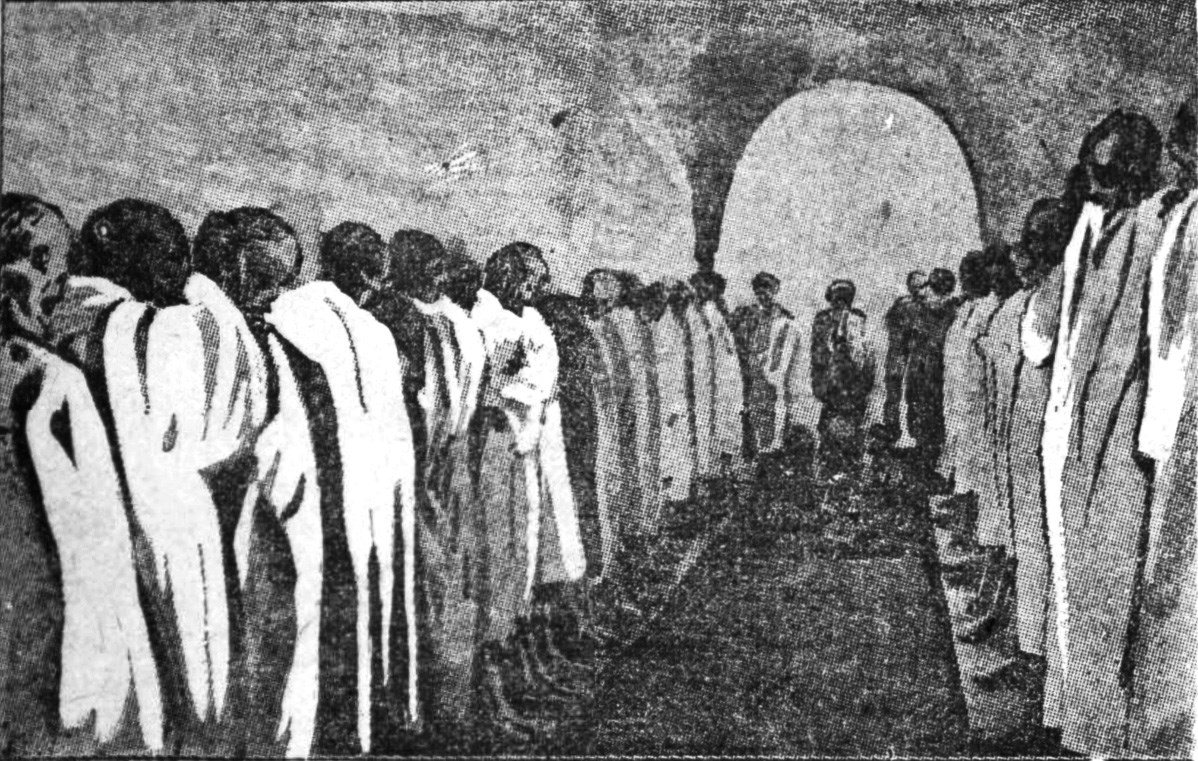
The first documented mummy was Remigio Leroy, a French physician. Records give two different dates. The municipal tourism page of Guanajuato Capital dates the discovery to June 23, 1871, while the Secretaría de Cultura gives June 9, 1865, as the date of his exhumation. Many bodies were later placed in an ossuary and shown informally to visitors, long before a museum took shape.
So, why are there so many? The bodies came from one municipal cemetery, where graves were reused when families stopped paying and where the niches, as the next section explains, favored preservation. The collection mainly holds people who died in the nineteenth and twentieth centuries, according to INAH.
The Guanajuato mummies, from cemetery to museum
Tap or hover a step to follow the order.
1853
Construction of the Santa Paula cemetery begins, according to a Guanajuato tourism guide
1865
Exhumations over unpaid burial fees begin; the Secretaría de Cultura gives June 9 as the date of Remigio Leroy's exhumation
June 23, 1871
The municipal tourism page dates the discovery of the first mummy to this day
1969
INAH describes the repository around the bodies as inaugurated
February 1, 1971
The Secretaría de Cultura lists this as the museum's foundation date
1972
The film Santo vs. las momias de Guanajuato is classified in Spain on August 28
March 21, 2007
The Secretaría de Cultura dates the museum's major renovation
2021 to 2025
INAH carries out a documentary, anthropological and radiological study of the collection
Why the bodies mummified naturally
The mummification was natural, and it was mostly a matter of drying. Researchers associated with INAH point to several contributing factors: Guanajuato's dry climate, sunlight and wind reaching some niches, low oxygen inside the above-ground crypts, the position of each niche, the materials and decoration of the coffin, and the clothing and condition of the body. Carmen Lerma Gómez reported that in favorable conditions the drying could take less than a year. The museum's historical guide adds that wood absorbs fluids as decomposition begins, which lowers moisture and slows putrefaction.

Do bodies naturally mummify? They can. When a body loses moisture quickly enough, decomposition slows and soft tissue survives. In Guanajuato the combination of climate and crypt design let an unusually large number of bodies dry and last.
What helped the bodies dry
Tap a card to bring it forward.
- Dry climate: Low moisture in the air slowed decomposition.
- Sun and wind: Some niches received sunlight and moving air.
- Low oxygen: The sealed above-ground crypts held little oxygen.
- Niche position: Where a niche sat in the wall affected how a body dried.
- Coffin materials: Wood and interior decoration affected moisture; wood absorbs fluids.
- Clothing and condition: What a person wore and their physical condition also played a part.
Why the mouths are open
Many visitors ask why the mummies of Guanajuato look as if they are screaming. The answer is anatomical. Gerald Conlogue and other researchers explain that the jaw can fall open as muscles relax and soft tissue changes after death. An open mouth is a common result of drying, and it is not a record of the person's last moments.
The official Museo de las Momias also records a popular story, connected with cholera, that some people were buried alive. It presents this as a legend. Ignacia Aguilar, traditionally called *La Enterrada Viva*, belongs to that story, and she is remembered by that name in local tradition. It is a tale people tell in Guanajuato, and it is not an established explanation for how any body looks.
The museum and the people in it
The museum grew out of that informal display. The Secretaría de Cultura gives February 1, 1971, as the museum's foundation date, while INAH describes the repository around the bodies as inaugurated in 1969. Those two dates probably mark different stages of making it official. A major renovation followed on March 21, 2007, after which more than 100 bodies were shown in climate-controlled cases, according to the Secretaría de Cultura.
How many mummies are on display? It depends on who counts and when, and each count below comes with the institution and year behind it.
Tap or hover a row to highlight it.
| Count | What it covers | Who gave it |
|---|---|---|
| CountMore than 100 | What it coversMummies displayed | Who gave itMuseo de las Momias official site |
| Count57 on display, 111 bodies and three skulls in total | What it coversOlder tourism material | Who gave itGuanajuato tourism guide |
| Count117 | What it coversNaturally mummified bodies in the INAH study | Who gave itINAH, 2021 to 2025 project |
| Count81 and 36 | What it coversBodies held at the Museo de las Momias and at the Parador Turístico Sangre de Cristo | Who gave itINAH, 2025 |
| Count19 | What it coversChildren, from birth to age 12, among the 117 | Who gave itINAH study |
For a visit, use the current figure on the museum's own site and treat older counts as belonging to their date.
A handful of individuals are best known. Remigio Leroy is the best-documented, since he is identified as the first mummy of the collection. The museum describes its smallest mummy as a five-month fetus. Infants are shown in a section called *Angelitos*. Is it true that one mummy is pregnant? A body popularly called *La Embarazada* is linked to a fetus or a child. The name is a museum label and local tradition, and it does not describe the rest of the collection. As for the little girl many readers ask about, no single personal name is established for her. Read the label on display or ask museum staff about the specific infant you are looking at.
Santo, Bradbury and Día de Muertos
The mummies became part of Mexican popular culture in 1972, when *Santo vs. las momias de Guanajuato*, also listed as *Santo contra las momias*, set the collection inside a lucha libre horror adventure with Santo, Blue Demon and Mil Máscaras. The Spanish film catalogue records an August 28, 1972, classification date. The author Ray Bradbury drew on his visit to Guanajuato for the story "The Next in Line," and a 1978 book, *The Mummies of Guanajuato*, followed. Over time the museum and its bodies worked their way into the city's identity, its legends, photography and even candy designs.
Their link to Día de Muertos calls for care. The museum is not where that holiday comes from. The Guanajuato government describes Día de Muertos as a living tradition of cemeteries, altars, flowers, food and remembrance. The mummies belong to the same wider local habit of talking openly about death and honoring the dead, but a museum display is not the same as a family altar or a community ritual.
A heritage debate
The collection is a major municipal attraction and also a group of human remains belonging to people who lived in Guanajuato. Mexican scholars and conservation specialists have argued that the bodies should be treated as people and as cultural heritage, not as props or horror attractions.
INAH's 2021 to 2025 project set out to document each individual, assess how well they were preserved and improve how the museum explains them. The team recorded 117 bodies, including 19 children, using archival research, photography, anthropological examination and radiography. A 2022 exhibition called *Tierra Ósea* showed conservation photography and radiological research by Ronald Beckett and Gerald Conlogue.
Disagreement has centered on handling, transport and administration. Bodies have traveled to conventions and temporary exhibitions in Mexico and abroad. INAH has criticized handling and display practices, and the Associated Press reported a 2024 dispute over handling, a detached arm and the jurisdiction of INAH and the municipality. INAH and ICOMOS also objected to a proposed new museum and commercial complex because of conservation and World Heritage concerns. Municipal authorities, federal heritage specialists and researchers have not always agreed on custody, interpretation, conservation and public access. The central question they keep returning to is how to keep the collection open to visitors while remembering that the people on display are somebody's ancestors.
Visiting the Museo de las Momias
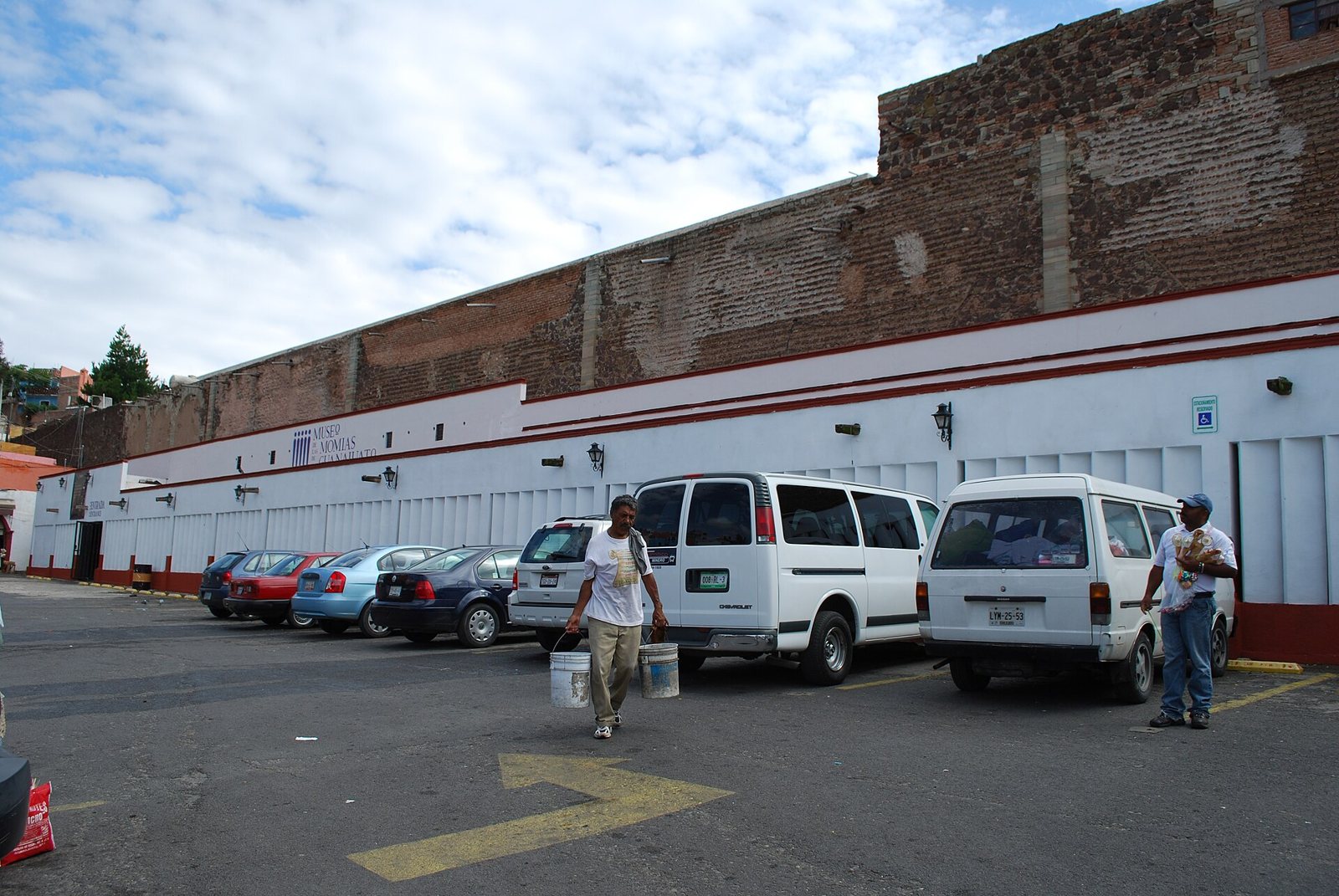
The museum is at Explanada del Panteón Municipal s/n, Centro, 36000 Guanajuato, Guanajuato, Mexico. The official visiting page lists hours of 9:00 a.m. to 6:00 p.m., every day of the year. It gives the visit as about 20 minutes, says guides are available from 9:00 a.m. to 2:00 p.m., and mentions the museum's own parking lot and a souvenir shop. It says there is no café. The site promotes digital tickets, and the Secretaría de Cultura record lists a general admission price of 150 pesos, a figure that can change.
Before you go, confirm the current fee on the museum's ticket page. Ask the museum about photography, accessibility, bags, children and guide rules.
The Guanajuato mummies
Answer every question to check.
Questions people ask
What is the story behind the mummies of Guanajuato?
They are naturally preserved people exhumed from the Santa Paula cemetery after burial fees went unpaid or graves had to be reused. Dry, ventilated, low-oxygen niches preserved them, and they were shown informally before they became the Museo de las Momias collection.
Are the Guanajuato mummies real?
Yes, they are the real remains of people who lived in Guanajuato, mostly in the nineteenth and twentieth centuries. INAH studied 117 of them between 2021 and 2025.
Why do the mummies look as if they are screaming?
Because the jaw falls open as muscles relax and soft tissue changes after death. The museum records the buried-alive story as a legend connected with cholera.
How old are the mummies?
The collection mainly consists of people who died in the nineteenth and twentieth centuries. Remigio Leroy, the first documented mummy, is dated to 1865 by the Secretaría de Cultura and to 1871 by the municipal tourism page.
Do bodies naturally mummify?
Yes, when a body loses moisture fast enough to slow decomposition. In Guanajuato, researchers connect preservation to climate, sunlight, airflow, low oxygen in the niches and coffin materials.
How many are on display, and which is the most famous?
The official museum site says more than 100 are displayed, and INAH's 2025 count reported 81 at the main museum and 36 at Sangre de Cristo. Remigio Leroy is the best-documented individual, and the smallest mummy and Ignacia Aguilar are also widely discussed.
Is it true that a mummy is pregnant, and who is the little girl?
The label *La Embarazada* is a popular name for a body linked to a fetus or a child, so treat it as a museum label and local tradition. No single personal name is established for the girl; read the display label or ask staff.
Is the museum worth visiting?
The official site describes a visit of about 20 minutes, with guides, parking and a souvenir shop. Come ready to treat the people on display with the same respect you would give any grave.
Where to go next
The Guanajuato collection is one of several places where bodies and bones are kept in public view. For the tradition that fills the same cemeteries with flowers each November, read about Día de Muertos. Another crypt story is the Capuchin Crypt, and ossuaries around the world shows how other communities keep their dead. For other preserved people, see Chinchorro mummies and bog bodies, and for how specialists read human remains, see what bones tell archaeologists.
Terms in this story
Tap a term to see what it means.
Santa Paula cemetery. The municipal cemetery of Guanajuato, also called the Panteón Municipal, whose above-ground niches held the bodies later called the mummies.