

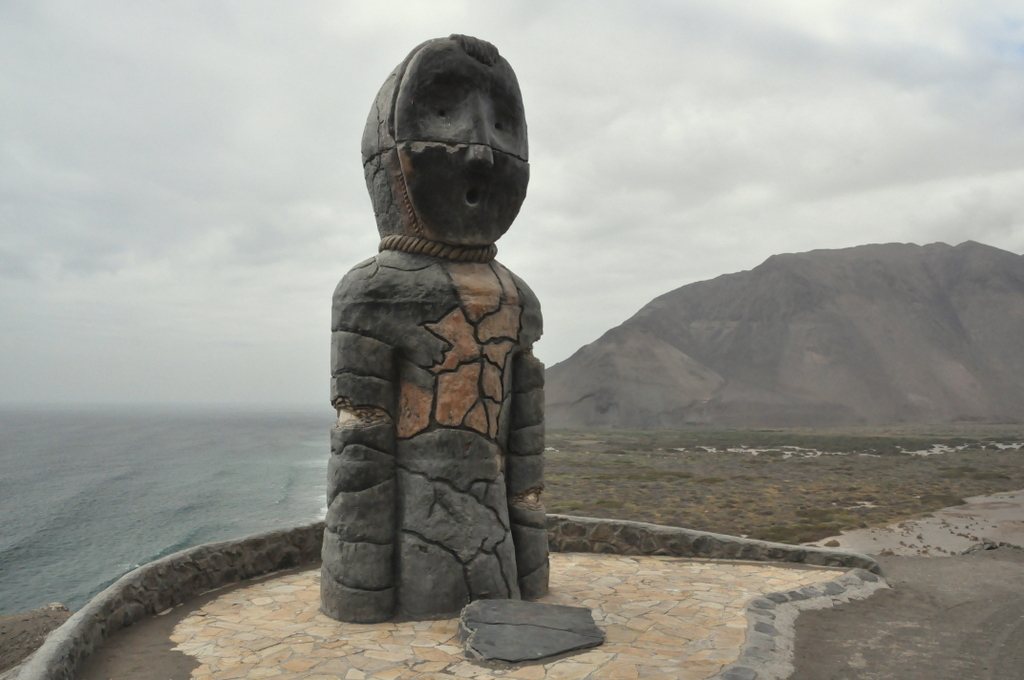
No. 001
The Chinchorro Mummies: The Oldest Mummies in the World, From Northern Chile
Yes, the oldest mummies that people made on purpose are not Egyptian. They belong to the Chinchorro, a fishing people who lived along the Atacama coast of northern Chile and southern Peru, around the city of Arica. According to the radiocarbon chronology tied to the archaeologist Bernardo Arriaza, artificial mummification began among the Chinchorro about 5,050 BCE, roughly two thousand years before the earliest Egyptian examples. The comparison holds for bodies that were deliberately prepared, and the rest of this story covers who the Chinchorro were, how they made their mummies, why they may have begun and where their story is kept today.
A people of the coast, not the desert
The Chinchorro were preceramic marine hunter-gatherers. In plain terms, they lived by the sea before pottery arrived in their region, and they fished, gathered shellfish and used the other resources of the coast. Their settlements stretched along the Atacama coast of southern Peru and northern Chile, especially around Arica, the Azapa Valley and the Camarones River. UNESCO, in the 2021 World Heritage decision, dates the wider Chinchorro culture to about 5,450 to 890 BCE. That is more than four thousand years of continuous life on one stretch of shore.
The desert behind the beach matters too. The Atacama environment is extremely dry and salty, and that helped preserve organic remains, including bodies, that would be lost in most places. People shaped the mummies, and the climate helped them last.
So, what is the oldest mummy on Earth?
It depends on what you mean by "mummy." If the question is about bodies that were preserved by nature, such as those dried by desert conditions, there are older examples. Aufderheide, Muñoz and Arriaza reported a naturally preserved body from the Chinchorro region that was about 9,000 years old. That is why there is no single "first mummy" that everyone agrees on.
If the question is about bodies that people prepared on purpose, the earliest known examples are Chinchorro. The oldest of them date to about 5,050 BCE, and Arriaza and colleagues give a range for the practice that runs from about 5,050 BCE to 1,700 BCE. Egyptian artificial mummification came later, by roughly two thousand years. So, "the oldest mummies in the world" is a fair description of the Chinchorro, as long as the word means a body that was made, not simply preserved.
How the Chinchorro made their mummies
The Chinchorro did not have one recipe. Their methods changed over thousands of years, and archaeologists describe several styles.
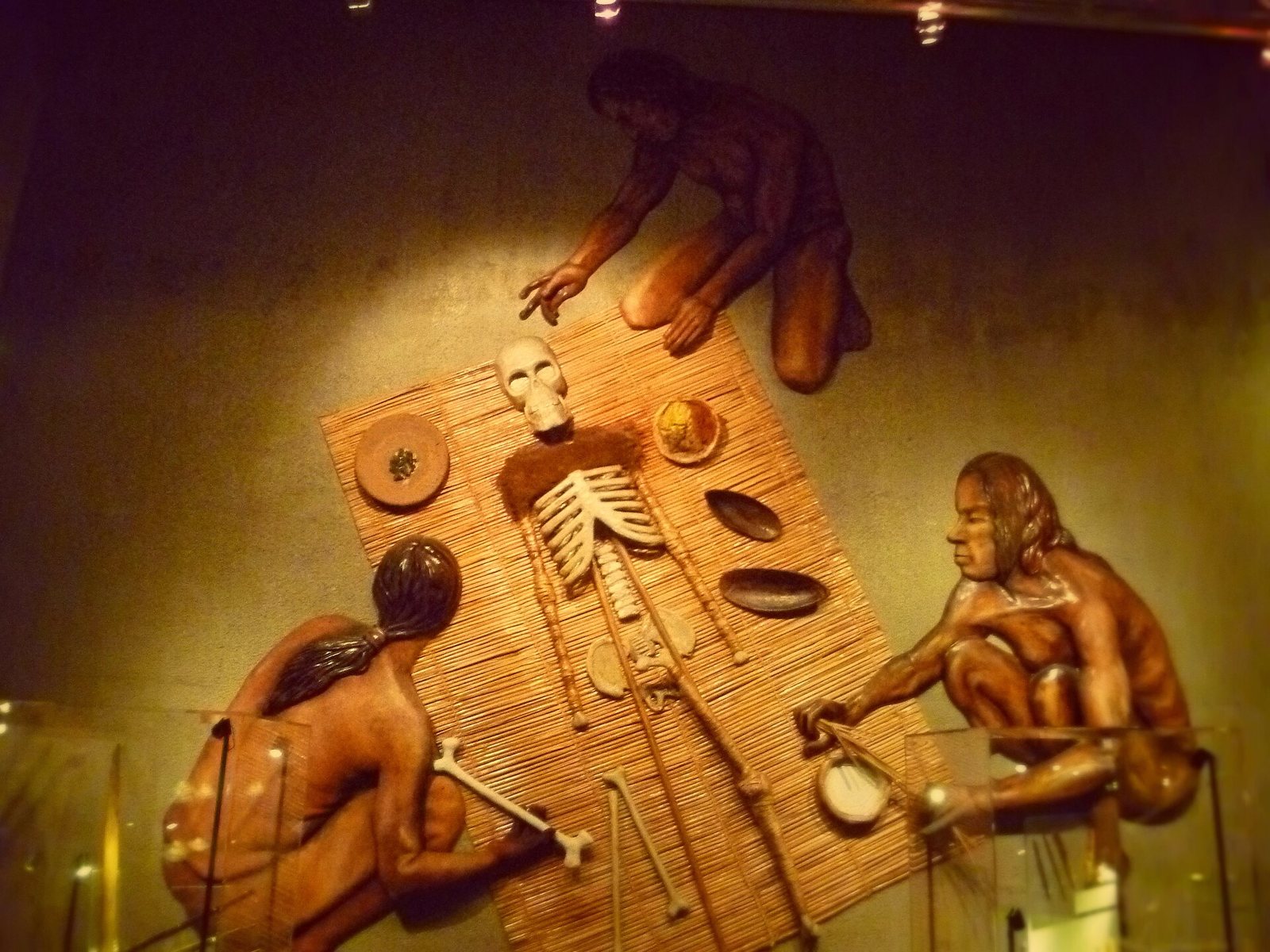
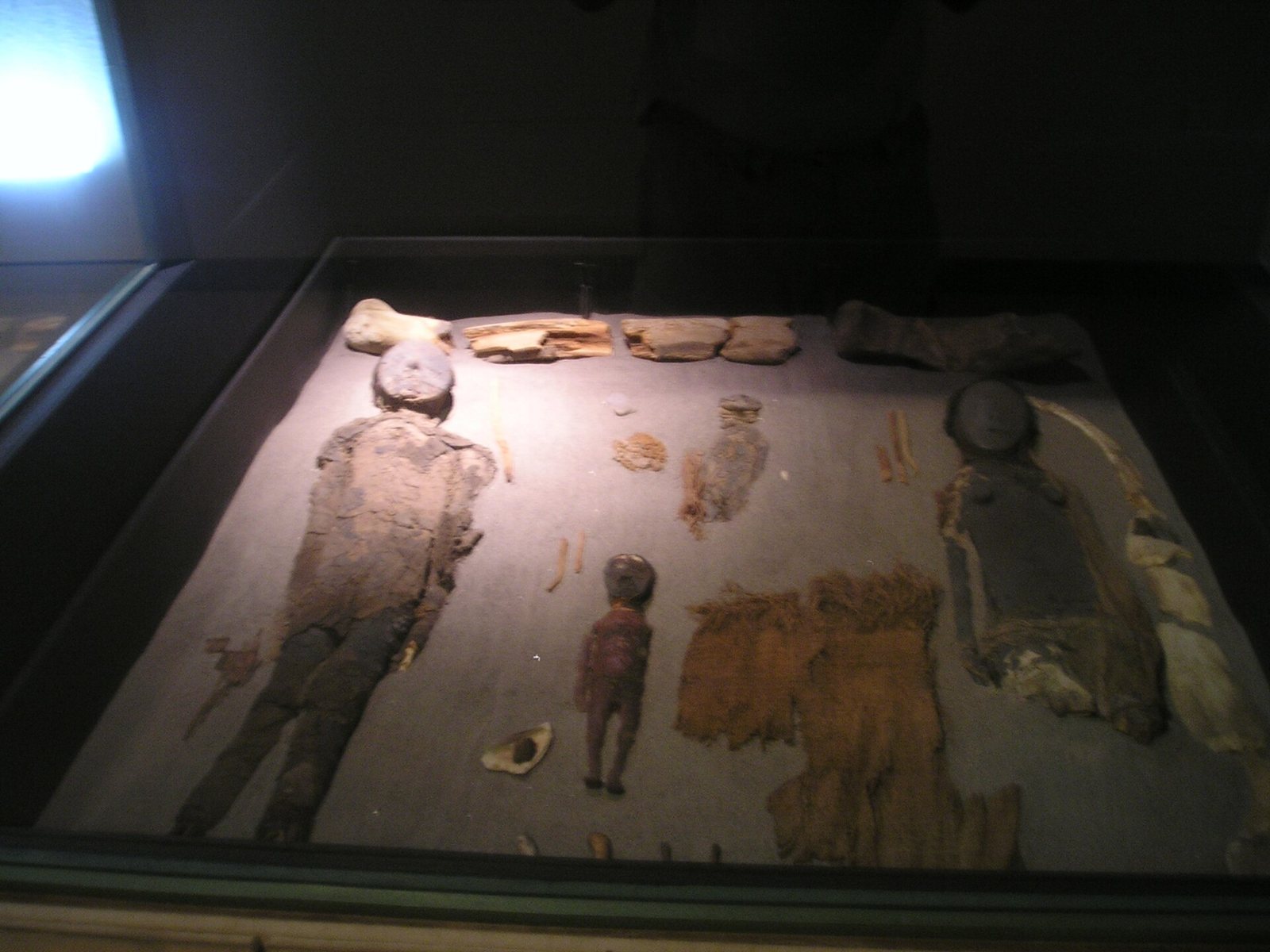
Black mummies are the best known, and they date from about 5,050 to 2,500 BCE. Making one meant taking the body apart and rebuilding it. The reconstructed body was supported with sticks and reeds, filled and shaped with clay or sediment and fiber, and then covered in a dark coating based on manganese. A modeled clay mask finished the face. Arriaza and colleagues analyzed the gray filling of 13 black mummies from Arica, dated to about 4,000 to 2,800 BCE, and found it was largely natural sediment made of minerals such as quartz, albite, sanidine and muscovite.
Red mummies were prepared differently. Red ochre or related pigments were used, and the body was prepared through external incisions or openings.
Mud-coated mummies were treated more simply, usually with a thin outer layer of mud or clay. Bandaged mummies and naturally preserved bodies also appear in the record.
Radiocarbon work by Doubrava supports a relationship in time among the black, red, bandaged and mud-coated styles, though the styles overlap in some cases. The better way to think of the Chinchorro tradition is as one long tradition whose methods changed over time.
Tap or hover a row to highlight it.
| Style | How it was treated |
|---|---|
| StyleBlack | How it was treatedBody taken apart and rebuilt on a frame of sticks and reeds, shaped with clay or sediment and fiber, coated with a dark manganese-based layer, with a modeled face mask |
| StyleRed | How it was treatedPrepared through external incisions or openings, with red ochre or related pigments |
| StyleMud-coated | How it was treatedA thin outer layer of mud or clay, a simpler treatment |
| StyleBandaged and natural | How it was treatedWrapped bodies and bodies preserved naturally by the Atacama environment also occur |
Who was mummified
This was not a royal privilege. UNESCO's evaluation describes artificial mortuary treatment of men, women and children across the social spectrum. The earliest artificially prepared bodies included infants and children, and later practice reached people of different ages and sexes.
Why they began: a question still open
Nobody can say for certain why the Chinchorro started mummifying their dead. A well-known scientific proposal is Bernardo Arriaza's environmental hypothesis from 2005. He suggested that arsenic in the water of the Camarones River, which may have reached about 1,000 micrograms per liter, could have contributed to miscarriages, premature births and a high rate of infant death. Since the earliest prepared bodies include fetuses and infants, he proposed that mummification may have been a cultural response to repeated child loss.
That remains a plausible proposal that has yet to be demonstrated. Other explanations focus on grief, on the continuing bond between the living and the dead, on the sight of bodies that the dry Atacama preserved naturally, and on the social and ritual importance of caring for ancestors. These ideas do not exclude each other. A community can lose its children, notice that the desert keeps bodies, and decide to keep them closer.
World Heritage, and the work of keeping them
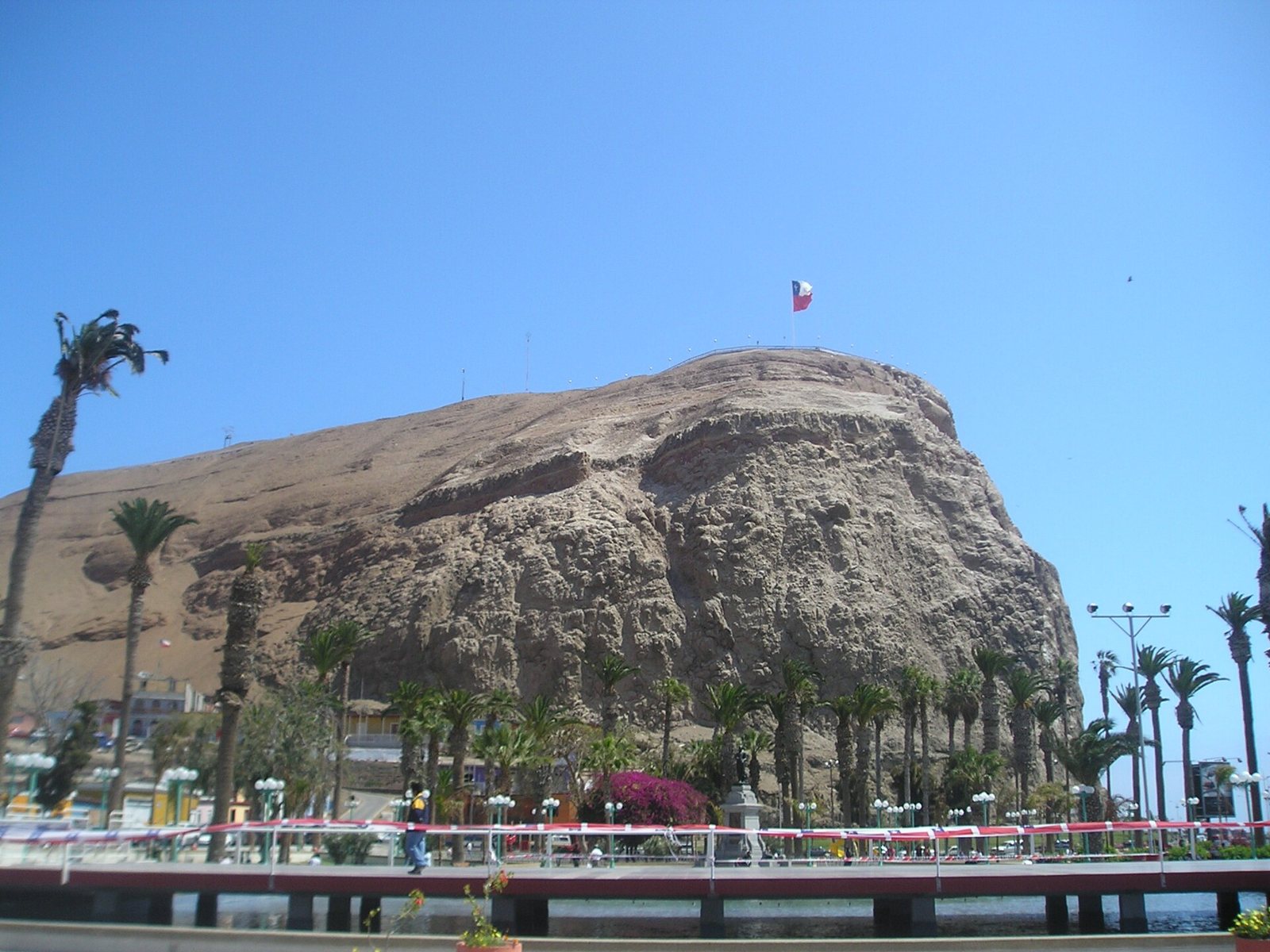
In 2021, UNESCO inscribed the "Settlement and Artificial Mummification of the Chinchorro Culture in the Arica and Parinacota Region" on the World Heritage List, under criteria iii and v. The listed property has three parts: the Faldeo Norte del Morro de Arica, Colón 10 and the Desembocadura de Camarones, the mouth of the Camarones River.
The same dry, salty environment that preserved the bodies leaves them fragile once conditions change. UNESCO's ICOMOS evaluation lists changes in humidity, erosion, trampling, uncontrolled visits, animals, garbage, vandalism, urban development and illegal occupation among the threats. It also noted that, at the time of the evaluation, fewer than one quarter of the nearly 200 mummies in one University of Tarapacá collection were considered suitable for exhibition. In 2023, UNESCO's decision added looting, animal activity, solid waste and the impact of infrastructure to the concerns, while recording progress on the 2020 to 2026 management plan.
The Chinchorro, from the coast to World Heritage
Tap or hover a step to follow the order.
About 5,450 to 890 BCE
UNESCO's broad date range for the Chinchorro culture
About 5,050 BCE
Earliest phase of artificial mummification in Arriaza's chronology
About 5,050 to 2,500 BCE
The period associated with the black mummy style
About 4,000 to 2,800 BCE
Dates of the black mummy sediment samples analyzed by Arriaza and colleagues
2021
UNESCO inscribes the Chinchorro cultural property on the World Heritage List
2023
UNESCO records conservation concerns including looting, animals, solid waste and infrastructure
Where the Chinchorro mummies are
The main museum is the Museo Arqueológico y Antropológico de San Miguel de Azapa, run by the Universidad de Tarapacá in the Azapa Valley near Arica. The Museo de Sitio Colón 10 in Arica also presents Chinchorro remains, according to Chile's National Monuments Council. The Universidad de Tarapacá's Chinchorro heritage portal is the official place to read about the collection.
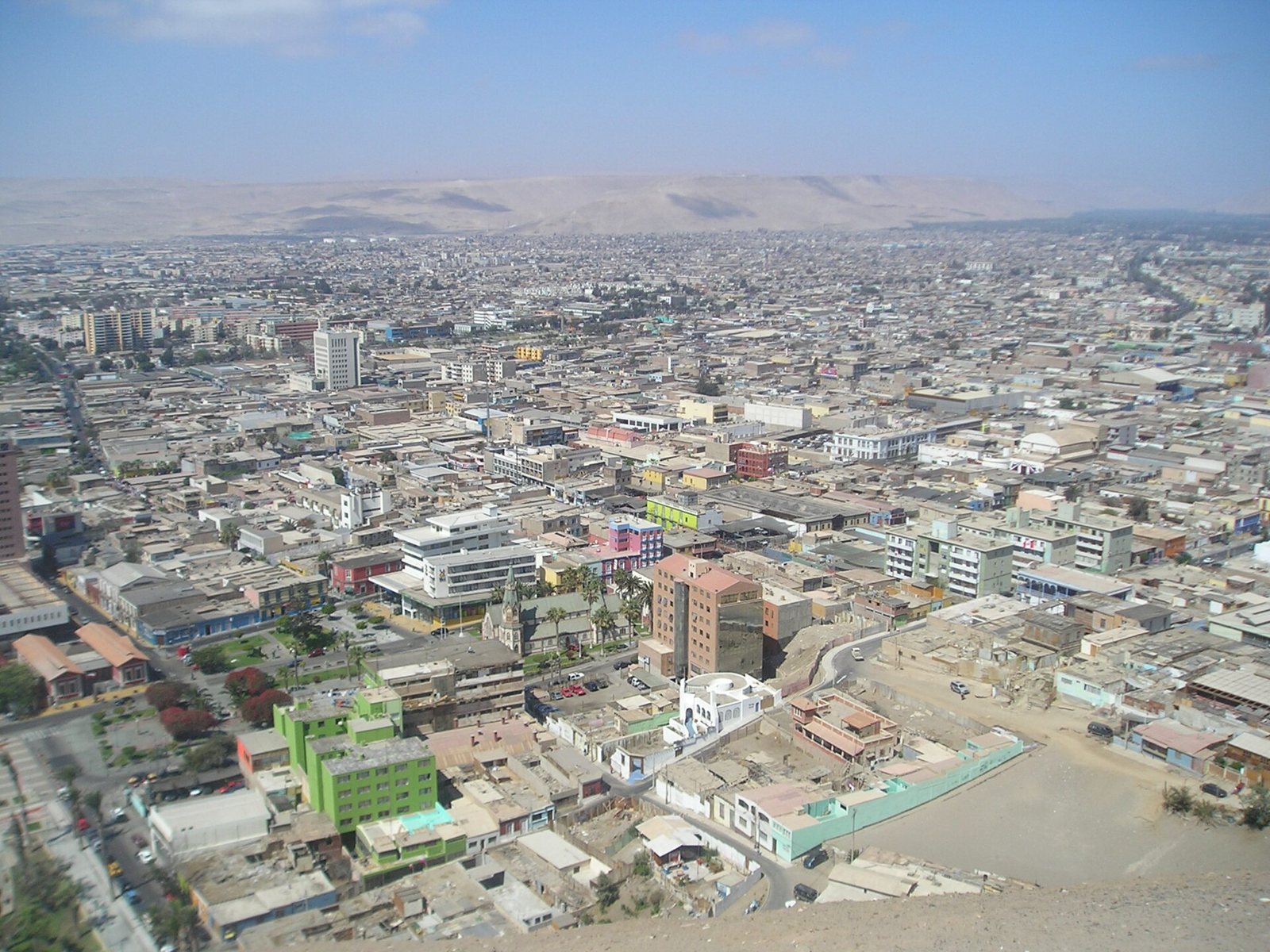
In July 2021, Chile's Ministry of Public Works announced a new Museo Antropológico San Miguel de Azapa on the university's campus, about 12 kilometers from Arica. The building was described as about 4,953 square meters, with exhibition rooms, storage and climate-controlled laboratories, and the announcement projected delivery in the first half of 2024. Before you plan a trip, confirm the current opening status, hours, fees, access and photography rules directly with the museum or the Universidad de Tarapacá.
How well do you know the Chinchorro?
Answer every question to check.
Quick answers
¿Dónde están las momias más antiguas del mundo? The oldest artificially prepared mummies come from the Chinchorro culture on the Atacama coast, mainly around Arica, the Azapa Valley and Camarones in northern Chile. Part of the collection is shown at the Museo San Miguel de Azapa and the Museo de Sitio Colón 10.
¿Cuál fue la primera momia del mundo? No single body can be named, because naturally preserved bodies are older than prepared ones. For deliberate human mummification, the earliest known Chinchorro examples date to about 5,050 BCE.
¿Dónde están las momias chinchorro? They come from archaeological sites along the coasts of southern Peru and northern Chile, with major sites around Arica, the Azapa Valley, the Camarones River and the Morro de Arica. Museum collections include the Museo Arqueológico y Antropológico de San Miguel de Azapa and the Museo de Sitio Colón 10.
What is the oldest mummy on Earth? The answer depends on the meaning of mummy. A naturally preserved body from the Chinchorro region was about 9,000 years old, while the oldest known intentionally mummified Chinchorro bodies date to about 5,050 BCE.
Are the Chinchorro mummies older than Egyptian mummies? Yes, the earliest known Chinchorro artificial mummies are roughly two thousand years older than the earliest Egyptian ones. That comparison applies to deliberately prepared bodies, not to every naturally preserved Egyptian body.
Why did the Chinchorro mummify infants? Scientists do not know for certain. Arriaza proposed that arsenic in the water and high infant mortality may have played a part, and other explanations point to grief and the care of ancestors.
How were Chinchorro mummies made? The black mummies were taken apart, rebuilt on a frame of sticks and reeds, shaped with clay or sediment, and coated with manganese-based paint. Red mummies were prepared with red pigments and body openings, while mud-coated ones had a thin layer of mud or clay.
More stories about ancient bones and the people who kept them
Another very old story of a person cared for by the people around her is Naia of Hoyo Negro, a teenage girl whose skeleton lies in a flooded cave in Mexico. For the wider habit of keeping the dead close, see ossuaries around the world and the Guanajuato mummies. To read how scientists work out what a body can tell them, see what bones tell archaeologists and how old these bones are.
Terms in this story
Tap a term to see what it means.
Chinchorro. The marine hunter-gatherer culture of the Atacama coast of southern Peru and northern Chile, dated by UNESCO to about 5,450 to 890 BCE.