

No. 327
Deer Skull Tattoo Meaning: Antlers, Flowers, Moons and Memory
A deer skull tattoo usually joins two ideas in one image: the skull speaks of mortality, and the antlers speak of renewal, because deer shed them and grow them back. That is how Stan Cross of the tattoo magazine iNKPPL reads the design.
Other people wear it for the hunt, out of respect for the animal, or to hold on to a particular memory. Flowers, a moon or geometric lines each add their own layer, and the person wearing the tattoo decides which of those meanings is theirs.
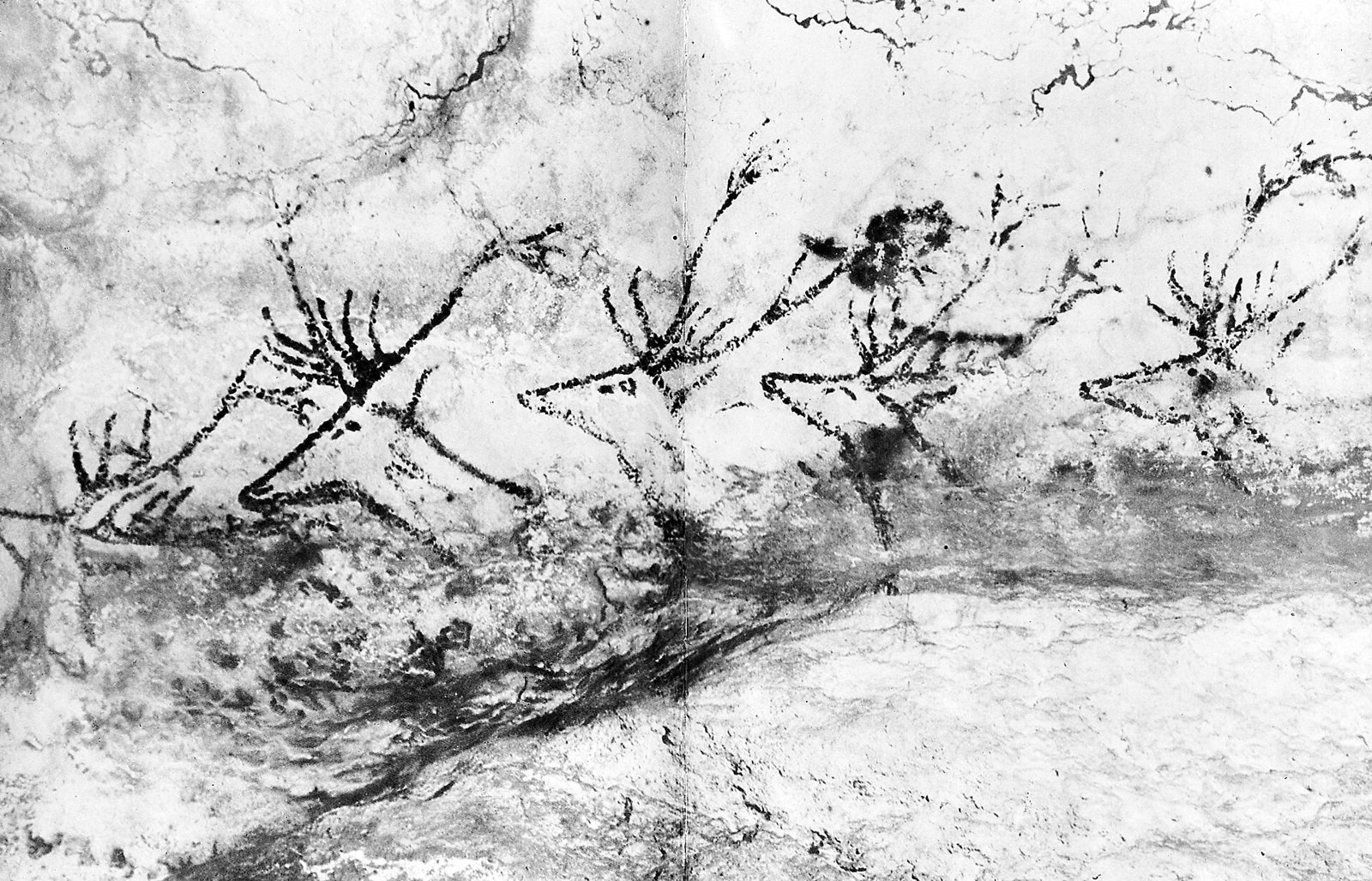
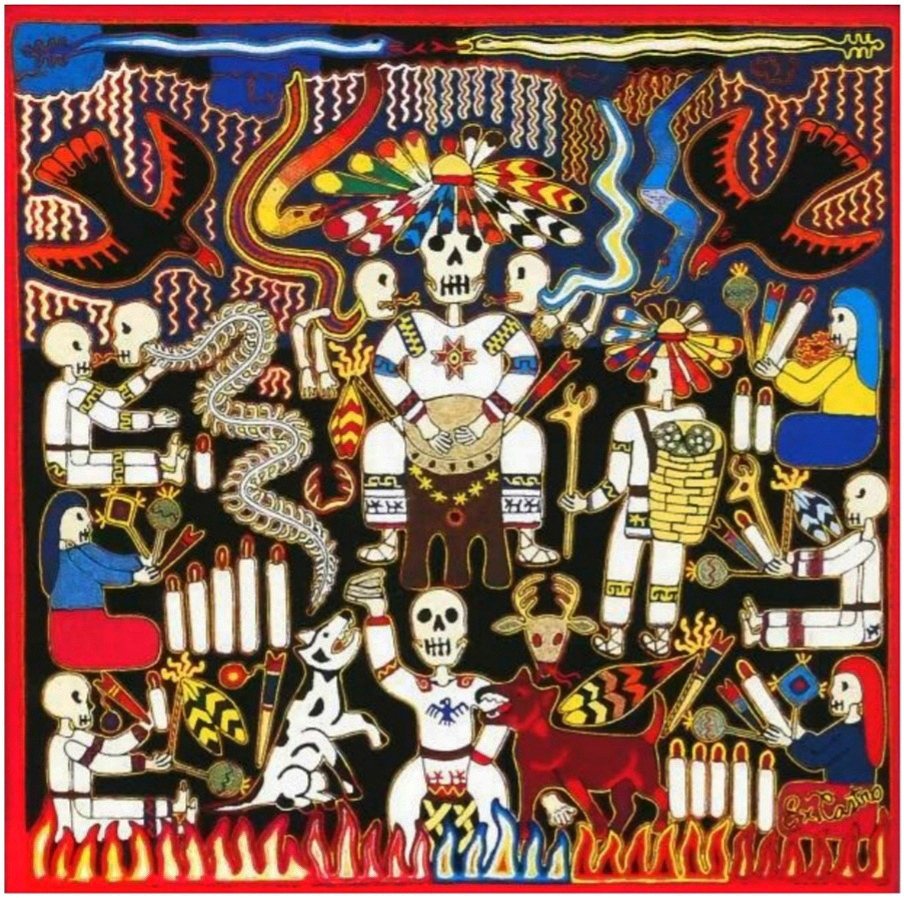
Deer also carry deep meaning in several cultures, from the Wixárika of western Mexico to the ancient Maya. Those meanings belong to their own communities and settings, apart from the tattoo readings.
What does a deer skull tattoo mean?
The most common reading is a pairing of loss and return. Stan Cross connects the bare skull with mortality and the antlers with renewal, since a deer drops its antlers and grows a new set each season. In one image, the tattoo holds both the end of a life and the cycle that keeps going.
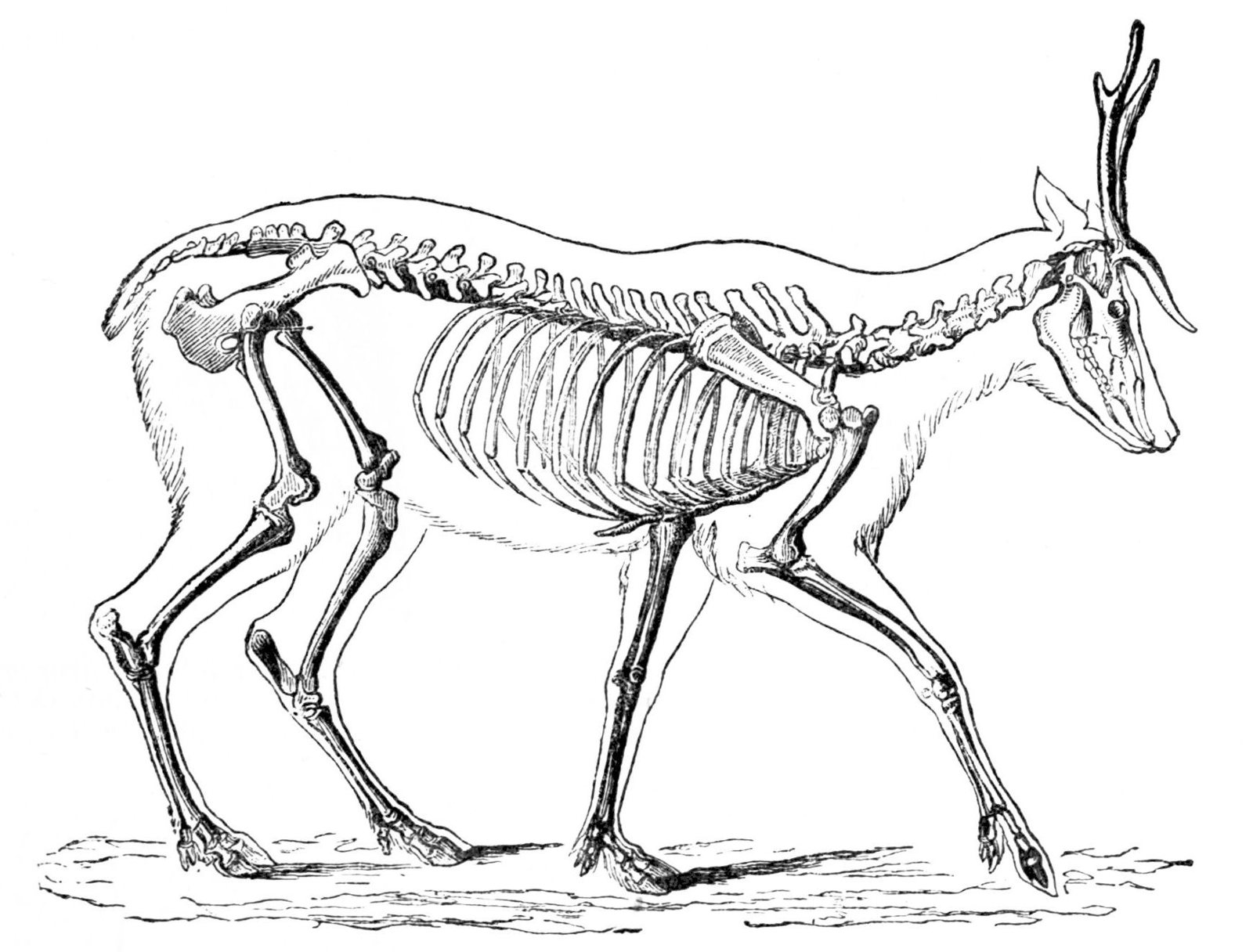
Tattoo Me Now widens the list. It describes deer skull tattoos as carrying hunting, respect for the animal, trophy imagery, life and death, transition and longevity. Some of those sit comfortably together. A hunter might wear one for respect and memory at once, while someone who has never held a rifle might choose it for the life-and-death idea alone.
These are modern tattoo readings, written by tattoo writers for people choosing designs. They are not ancient rules, and no one meaning comes attached to the ink. If you are interested in skull tattoos as a whole family of designs, our story on skull tattoo meaning covers skulls on skin in general, and deer skull meaning follows the deer skull as a symbol away from tattoos.
A tattoo for a first deer
Some of the clearest meanings come from wearers themselves. On The Silver Key Tattoo's page of stories behind clients' tattoos, a wearer named Dalton H. explains that his deer skull tattoo is based on the first deer he shot. It also holds his memories of hunting trips with his father and grandfather. Richard Young completed the reworked tattoo.
That is a very different meaning from mortality and renewal, and it is no less real for being personal. For many hunters the skull is a link to a day, a place and the people who were there. A hunter who keeps the skull itself, cleaned and hung as a European mount of a deer skull, has that memory on the wall; a tattoo carries it everywhere.
Flowers, moons and geometric lines
Added elements change how a deer skull tattoo reads, and the most popular addition is flowers. Stan Cross describes flowers growing through the eye sockets as a modern way of saying that life continues after grief or loss. The skull marks what was lost; the flowers say that something grows anyway.
He links deer-and-moon imagery to cycles, which fits neatly with antlers that come and go with the seasons. Flowers and forest elements, in his reading, tie the animal back to nature and the woods it came from. Our story on skull and roses meaning follows the skull-and-flower pairing beyond deer.
Geometric work takes the design somewhere else entirely. iNKPPL's illustrated examples credit Xela Barraza for a geometric deer skull, Gara Tattooer for a blackwork skull, and Herpelz for geometric pieces with green accents. Each artist uses the skull, the antlers, the lines and the background differently, which is a good argument for looking at an artist's portfolio before settling on a style.
None of this makes every flower or every moon a fixed symbol. These are contemporary design readings from named writers and artists. If a particular tattoo caught your eye, the person wearing it, or the artist who made it, is the one who can tell you what it was meant to say.
Deer skull tattoo elements and their modern readings
Tap a card to bring it forward.
- Flowers through the eye sockets: Life continuing after grief or loss, in Stan Cross's reading.
- Moon: Cycles, a modern association Cross gives to deer-and-moon imagery.
- Forest and flowers around the skull: A tie to nature and the animal's home, per Cross.
- Geometric lines: A design style used by artists such as Xela Barraza and Herpelz.
- Lowered antlers: Can look defensive, according to Tattoo Me Now.
- Upright antlers: Can look calmer, according to Tattoo Me Now.
What does a stag skull symbolize?
A stag skull usually joins the skull's mortality to the antlers' associations with strength, status, hunting and seasonal renewal. The words people use for these designs shade the meaning a little, and Tattoo Me Now and iNKPPL help sort them out.
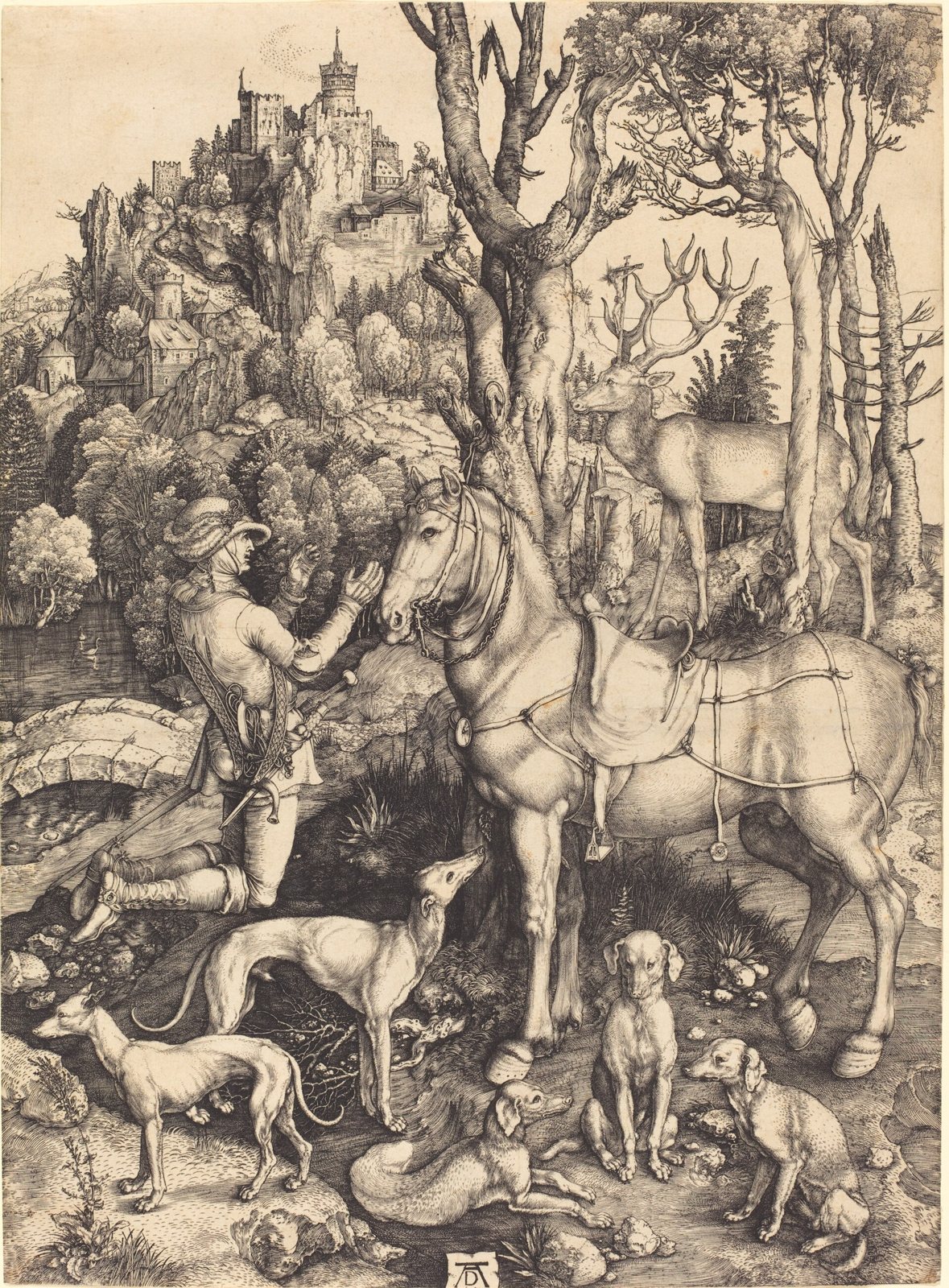
"Deer skull" is the broadest term and can cover any deer. "Stag skull" usually signals a male deer with antlers, so the design leans toward strength, status, the hunt or the antler cycle. An antlered skull keeps the skull's mortality reading while putting regrowth front and center.
Tap or hover a row to highlight it.
| Term | What it usually signals | Where the emphasis falls |
|---|---|---|
| TermDeer skull | What it usually signalsAny deer; the broadest term | Where the emphasis fallsMortality, with room for any added meaning |
| TermStag skull | What it usually signalsA male deer with antlers | Where the emphasis fallsStrength, status, hunting or the antler cycle |
| TermAntlered skull | What it usually signalsA skull with antlers shown prominently | Where the emphasis fallsMortality joined to seasonal regrowth and renewal |
The pose of the antlers matters too. Tattoo Me Now notes that lowered antlers can look defensive, while upright antlers can look calmer. That is a design observation, not a code that every tattoo artist follows, and the wearer's species choice, memory and intent should decide the final wording.
If you are choosing which animal to draw from, the details differ more than most people expect. Deer skull identification explains how to tell species apart, and our stories on the elk skull and the moose skull cover the two largest members of the family.
Deer in Wixárika, Maya, Yaqui and Gaulish tradition
Long before deer skulls became tattoo designs, deer held a place in the ceremonies, calendars and art of many peoples. These meanings belong to the communities and scholars who describe them. They are not interchangeable symbols to borrow for a design, and each one makes sense only in its own setting.
The Wixárika Blue Deer
Among the Wixárika of western Mexico, the deer is part of a living ceremonial world. Writing for Harvard's Center for the Study of World Religions in 2025, scholar Osiris González Romero describes the mythical Blue Deer, Kauyumari, as part of the pilgrimage to Wirikuta, the sacred desert where hikuri grows and the ancestor spirits dwell. In Wixárika tradition the first pilgrimage to Wirikuta was a hunt for the Blue Deer, and the deer, maize and hikuri form one connected ceremonial worldview. For words and meanings specific to the community today, Wixárika cultural institutions are the place to ask.
"7 Deer" in the Maya calendar
In Guatemala, a mural fragment from San Bartolo records the day "7 Deer" in the Maya 260-day ritual calendar. Radiocarbon dating places it at about 300 to 200 BCE, which makes it among the earliest securely dated evidence of that calendar, according to the study by Stuart, Hurst, Beltrán and Saturno. Here the deer is a named day in a system for counting time.
The Yaqui Deer Dance
For the Yaqui, or Yoeme, people, the deer is at the center of a dance recorded in both Sonora and Arizona. In 1946 Henrietta Yurchenco described the Deer Dance in Vicam, Sonora, as a pantomime of the hunt and capture of the deer, performed during Christian holy days with song, notched sticks and a water drum, in a memoir hosted by INPI. Harry Wright's film collection from Pascua, Arizona, made in 1939 and 1940, also includes a reel of the Yaqui Deer Dance.
The National Museum of the American Indian catalogues a Yoeme or Yaqui ceremonial dance mask made with deer head and antler materials, and records it as a ceremonial item.
Cernunnos in Roman Gaul
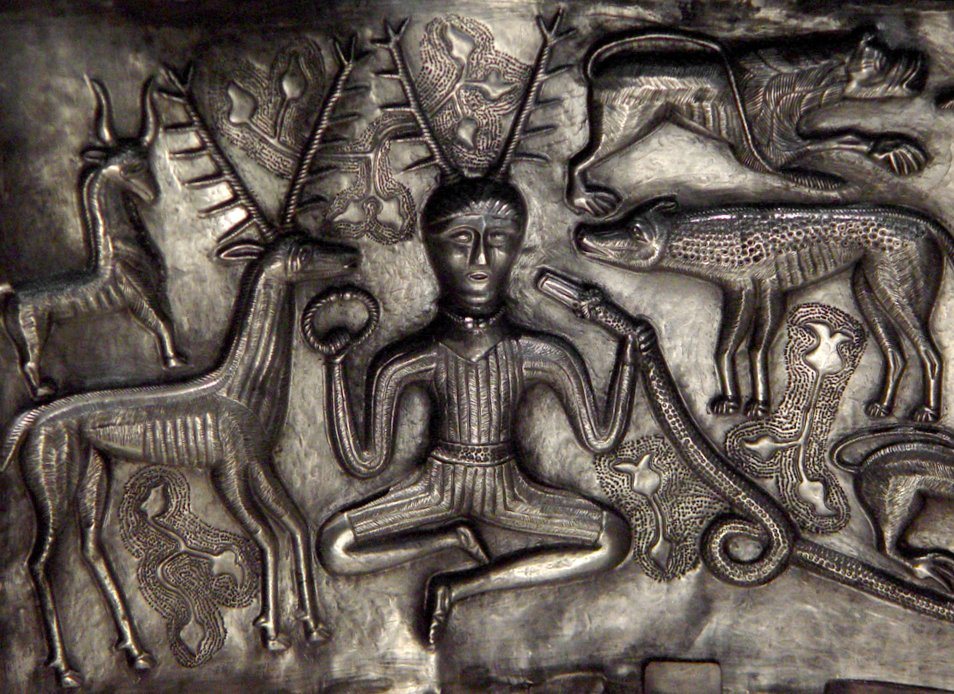
In ancient Gaul, the antlered figure people often connect with deer is Cernunnos. The scholar Lucy Grig notes that he appears on the Pillar of the Boatmen in Lutetia, now Paris, from the reign of the emperor Tiberius in the first century CE. Modern scholarship associates him with antlers, renewal, abundance and nature. Grig also cautions that the idea of one timeless religion shared by all Celtic peoples is a scholarly construction, and that stag imagery on its own does not prove an unbroken Celtic tradition. Our story on the Celtic head cult looks at another part of that ancient world.
Deer from ancient calendars to modern tattoos
Tap or hover a step to follow the order.
About 300 to 200 BCE
A mural fragment at San Bartolo, Guatemala, records "7 Deer" in the Maya 260-day calendar.
First century CE
Cernunnos appears on the Pillar of the Boatmen in Lutetia, present-day Paris, under Tiberius.
1939 to 1940
Harry Wright's film collection from Pascua, Arizona, includes a Yaqui Deer Dance reel.
1946
Henrietta Yurchenco describes the Yaqui Deer Dance in Vicam, Sonora.
Today
Tattoo writers and artists use deer skulls for readings of mortality, hunting, memory, cycles and renewal.
Choosing what yours will mean
Because the meaning of a deer skull tattoo belongs to the wearer, the design conversation is the place to settle it. Tell your artist whether the piece is about a hunt, a person, a season of loss or simply a striking skull. Then let the elements follow: antlers for renewal or strength, flowers for life after loss, a moon for cycles, geometry for a cleaner look. When you admire someone else's tattoo, ask them or their artist what it means rather than assuming.
The mortality side of the design connects to an old tradition of keeping death in view, and our story on memento mori tattoo meaning traces it. If the circle of loss and return is what draws you, the ouroboros tattoo meaning carries a similar idea in a very different shape. Deer skulls have drawn painters too: the Georgia O'Keeffe Museum's collection includes a mule deer skull with antlers, and our story on O'Keeffe's skull paintings covers her skull paintings.
For hunters, the skull on the arm and the skull on the wall often start in the same field, and the rules for bringing a deer head home now include chronic wasting disease. Our story on zombie deer disease covers what that means for testing and for moving a skull.
Questions about deer skull tattoos
A few more questions come up often.
What does a deer skull with flowers mean?
In modern tattoo writing, a deer skull with flowers stands for life continuing after loss, the reading Stan Cross gives in iNKPPL. Flowers growing through the eye sockets make that idea the most direct, while flowers around the skull can also tie the design to nature.
Does a stag skull always mean death?
No. The skull brings mortality into the design, but the antlers add renewal, strength and the hunt, as both Stan Cross and Tattoo Me Now describe. Many wearers choose a stag skull for memory or respect rather than for death itself.
Does a moon in a deer skull tattoo stand for cycles?
In modern tattoo readings, yes: Stan Cross ties deer-and-moon imagery to cycles. Paired with antlers that fall and regrow with the seasons, the moon doubles the theme of things that go and return.
Are deer skull tattoos masculine or feminine?
Anyone wears them. The readings tattoo writers give are about mortality, renewal, the hunt and memory, and the wearer's own reason sets the meaning, along with style choices such as blackwork, florals or geometry.
Does a deer skull tattoo have a hidden meaning?
The wearer's own explanation is the meaning. The common readings give you a starting point, but if you want to know what a particular tattoo stands for, ask the person wearing it or the artist who made it.
Deer skull tattoo quiz
Answer every question to check.
Whether yours is about a first hunt, a grief you carry or the simple shape of bone and antler, a deer skull tattoo works best when you know which story you are telling, and the antlers will keep promising a new season either way.
Terms in this story
Tap a term to see what it means.
Stag. A male deer, usually shown with antlers. A stag skull tattoo puts weight on strength, status and the antler cycle.
---