

No. 301
How to Do a European Mount of a Deer Skull at Home
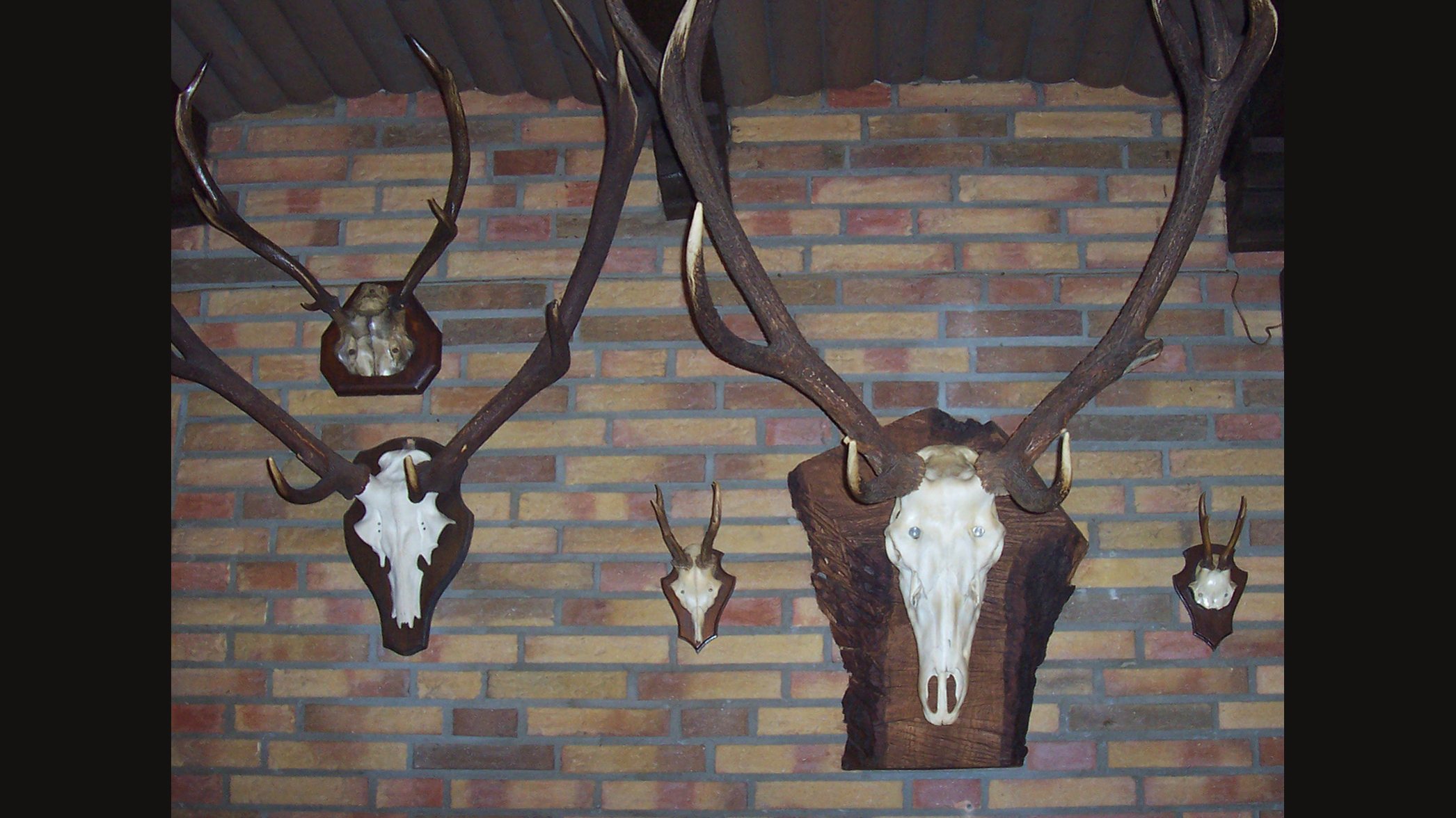
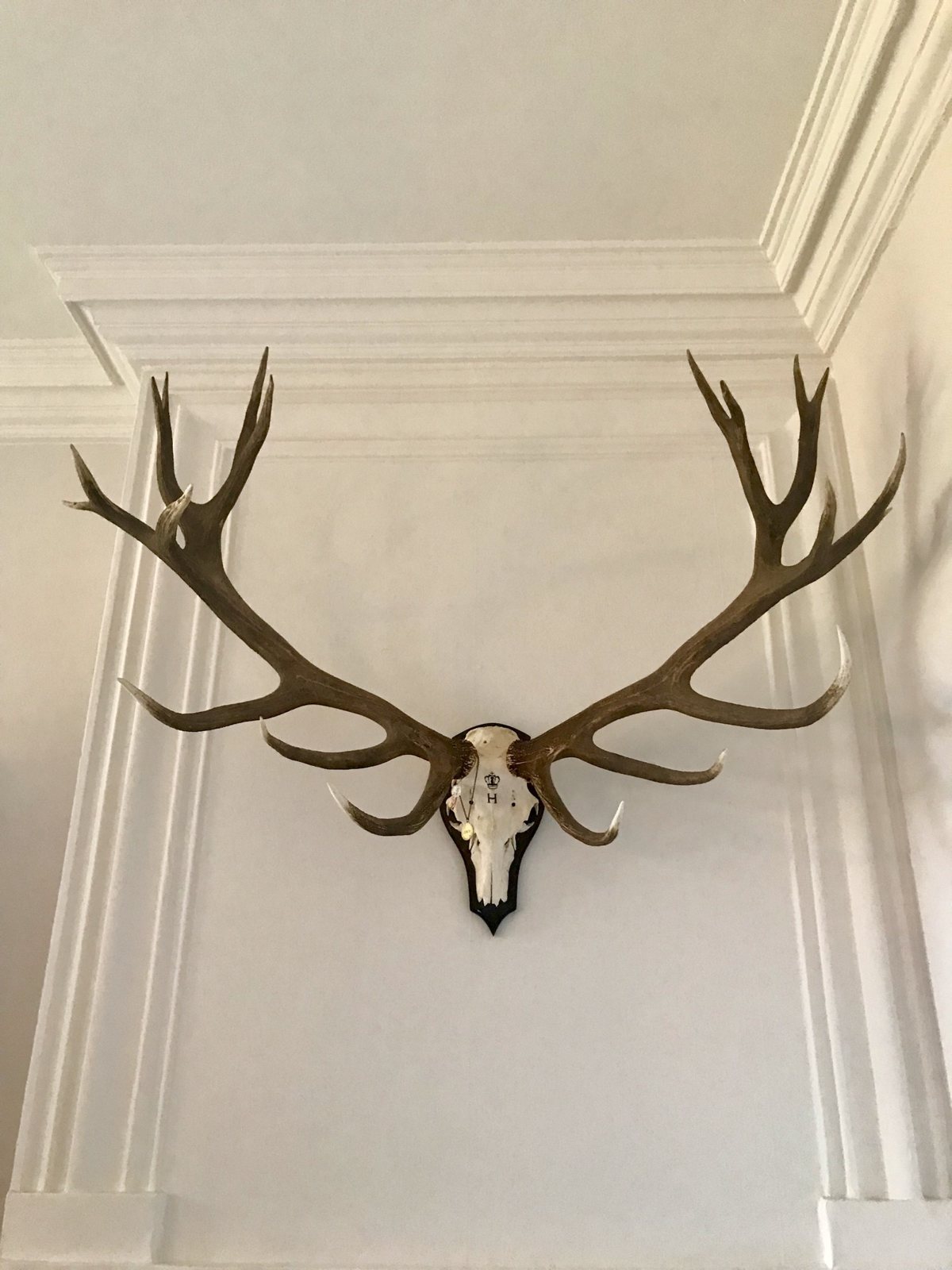
A European mount is the cleaned skull and antlers of a deer and nothing else: no cape, no glass eyes, just bone on the wall. To make one at home, skin the head, take out the eyes, remove the lower jaw and cut away as much tissue as you can. Then clean the skull by a light simmer, cold-water maceration, dermestid beetles or burial. Degrease it, whiten it with dilute hydrogen peroxide if you want it brighter (never chlorine bleach), keep hot water and peroxide off the antlers, let it dry completely and hang it on a hook, bracket or plaque.
That is the whole sequence in the University of Kentucky's FOR-178 guide, and state wildlife agencies in Texas, Missouri and Nebraska and museum conservators add detail to each step. Hunters call the finished piece by several names, including skull mount, Euro mount and freedom mount. They all mean the same thing.
The choices that matter come down to time, smell, equipment and how much risk you will accept for the antlers. Each method has a price in one of those, and knowing it ahead of time saves a lot of regret.
Getting the head ready
Every method starts the same way. Skin the head, remove the eyes and the lower jaw, and take off as much meat and tissue as you reasonably can. If you are new to skull work in general, our story on how to clean an animal skull covers the basics that apply to every species; what follows is specific to an antlered deer.
Wear rubber gloves while you work. The New York State Department of Environmental Conservation advises hunters to keep contact with brain and spinal tissue to a minimum and to sanitize tools and surfaces afterward. That advice ties into chronic wasting disease, covered further down, but it is good practice on any deer head.
Four ways to clean a deer skull
Museums use only a couple of basic approaches. The Florida Museum of Natural History names water maceration and insect cleaning as the two standard ways to strip remaining soft tissue from bone. Hunters at home add heat and soil to that list, which gives four realistic options.
A light simmer. This is the fastest home method. The University of Kentucky recommends a gentle simmer rather than a rolling boil: check the skull after about an hour, then keep going for roughly two more hours as needed. Heat loosens tissue quickly, but too much of it weakens the delicate nasal bones and loosens teeth. The antlers stay out of the water the whole time.
Cold-water maceration. Here the skull soaks in water, often with a little dish soap, and bacteria do the work. Texas Parks and Wildlife describes it as easy and low in labor but slow, usually several weeks. It smells strongly, which is putting it politely, and it often loosens teeth. Texas notes that loose teeth can be glued back into place afterward.
Dermestid beetles. Museums, universities and commercial preparators keep colonies of these small beetles because they eat skin and muscle while leaving bone largely intact, and they use no heat at all. That makes them a favorite for delicate skulls. Kentucky gives a typical cleaning time of two to three weeks for a deer skull, depending on the size of the colony. The trade-off is the colony itself: it costs money, needs regular feeding and secure containment, and can trigger allergies in some people. Our story on dermestid beetles has more on how these colonies work.
Burial. This is the cheapest and laziest option, and also the slowest. Kentucky recommends burying the skull with only the antlers above ground for about six months, checking it after four or five. The Missouri Department of Conservation, in its November 2024 guide, also treats burial as a several-month method and warns that rodents may gnaw on exposed antlers. Soil can also leave the bone stained an earthy brown.
Tap or hover a row to highlight it.
| Method | Typical time | Main advantage | Main trade-off |
|---|---|---|---|
| MethodLight simmer | Typical timeAbout three hours of heating, sometimes longer | Main advantageFast and uses ordinary equipment | Main trade-offHeat can weaken nasal bones, loosen teeth and fade antlers |
| MethodCold-water maceration | Typical timeSeveral weeks | Main advantageLow labor, no cooking | Main trade-offStrong odor, water changes and loose teeth |
| MethodDermestid beetles | Typical timeAbout two to three weeks, depending on the colony | Main advantageGentle on delicate bone, no heat | Main trade-offColony care, containment and cost |
| MethodBurial | Typical timeSeveral months; Kentucky gives about six | Main advantageAlmost no equipment or labor | Main trade-offSlow, possible rodent damage and brown staining |
If you want to skip boiling altogether, maceration, beetles and burial all get there without heat. They simply ask for more time or more upkeep in return.
Keeping the antlers from fading
Antlers are the part of the mount you cannot fix later, so they deserve the most care. Missouri warns that hot water lightens antler color and recommends submerging everything except the antlers, so the antler bases sit just above the waterline. Kentucky suggests wrapping cloth or tape around the antler bases before simmering to cut down on discoloration.
Burial brings different risks: sun, wind and small teeth. Missouri recommends covering the exposed antlers with a tote or similar container that has ventilation holes, held down with rocks. A 2021 Nebraskaland article on the lazy European mount gives the same advice, covering the antlers to protect them from sunlight and mice.
The same caution applies at the whitening stage. Peroxide can lighten antlers too, so brush or fill it only up to the bone below the antler bases, and tape or shield the antlers from both peroxide and any paint overspray.
Degreasing and whitening with hydrogen peroxide
Once the tissue is gone, degrease the skull before any whitening. Whitening comes last, and it is optional. Some hunters like the natural color of a cleaned skull and leave it as it is.
If you do want it brighter, use hydrogen peroxide, not chlorine bleach. The National Park Service's Conserve O Gram 11/7 explains the problem with bleach: sodium hypochlorite whitens bone at first, but it keeps breaking down collagen afterward until the bone can turn powdery. The University of Arizona Cooperative Extension gives the same warning, that chlorine bleach can dissolve bone tissue. A mount that later turns to powder is a poor reward for the work.
Hydrogen peroxide works differently. It is an oxidizer that lifts stains from bone that is already clean and degreased; it does not replace the cleaning. The Park Service recommends dilute peroxide applied in short treatments until you reach the lightness you want. The University of Arizona describes roughly 3 to 6 percent as a practical range, brushed on or used as a soak, then rinsed off, with the skull left to dry completely.
Go easy. Over-whitening can strip the natural staining from the teeth and leave the skull a flat, unnatural white. Wear gloves and eye protection, and keep the peroxide below the antler bases.
European mount quiz
Answer every question to check.
How long does a European mount take?
The answer depends almost entirely on the cleaning method. A light simmer takes about three hours of active heating. Maceration usually runs several weeks. A beetle colony commonly needs two to three weeks. Burial takes several months, and Kentucky's working estimate is about six. Degreasing, optional whitening and full drying add more time on top of any of these, so plan for the skull to be off the wall for a while even with the fastest method.
European mount steps, start to finish
Tap a card to bring it forward.
- Prep the head: Skin it, remove the eyes and lower jaw, and cut away as much tissue as you can, wearing gloves.
- Clean the skull: Choose a light simmer, cold-water maceration, dermestid beetles or burial.
- Protect the antlers: Keep them out of hot water, wrap the bases, and cover them if the skull is buried.
- Degrease: Do this before any whitening.
- Whiten, if you want: Use dilute hydrogen peroxide in short treatments, never chlorine bleach, and keep it below the antler bases.
- Dry completely: Rinse after whitening and let the skull dry all the way through.
- Hang it: Use a wall hook, skull bracket, plaque or shelf, anchored for the weight.
Hanging the finished skull
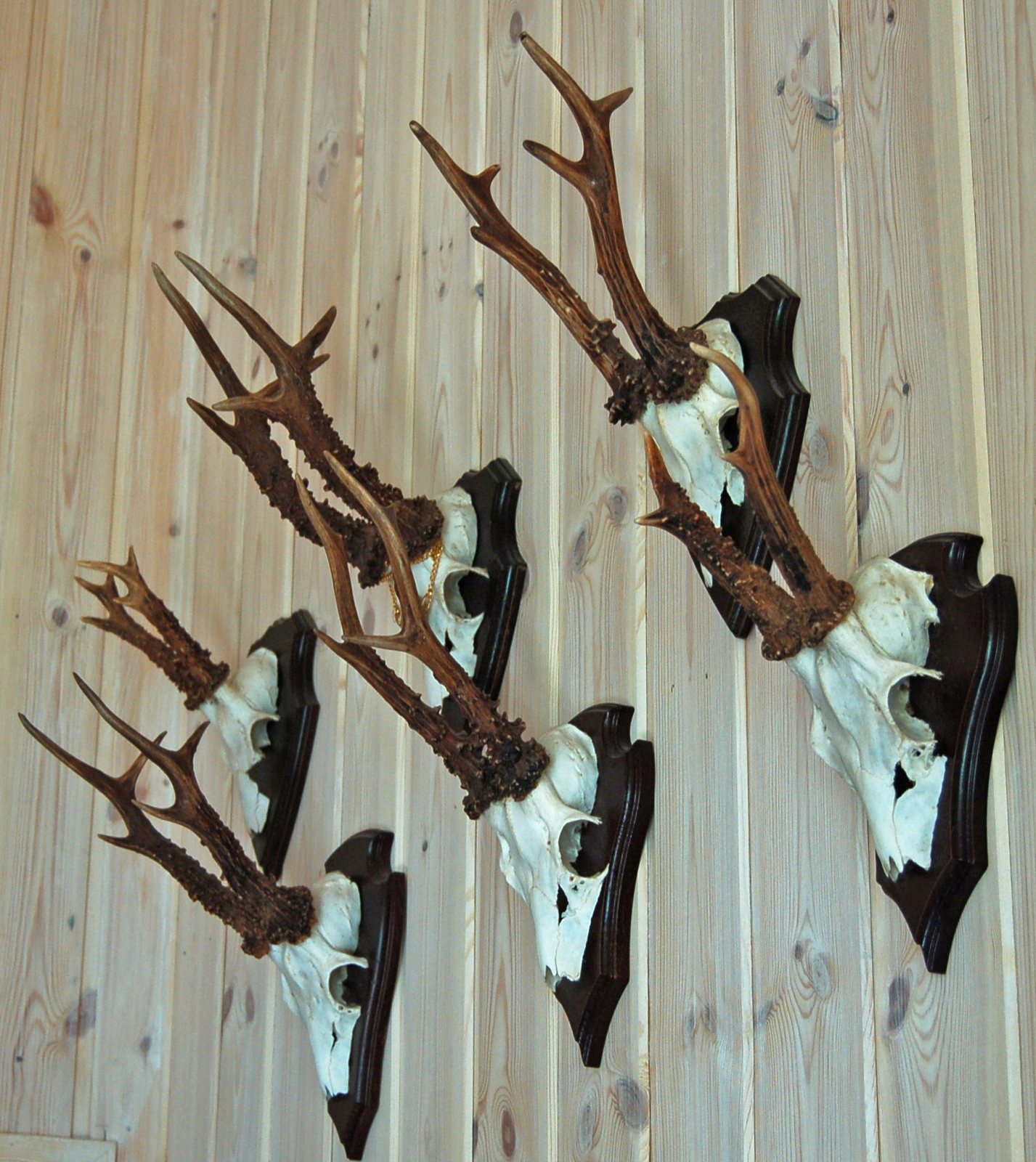
A European mount is light on wall space compared with a shoulder mount, a point Missouri's 2024 guide makes, and it gives you several ways to display it. You can hang it directly from a wall hook, set it on a skull bracket, fix it to a wooden plaque or simply stand it on a shelf.
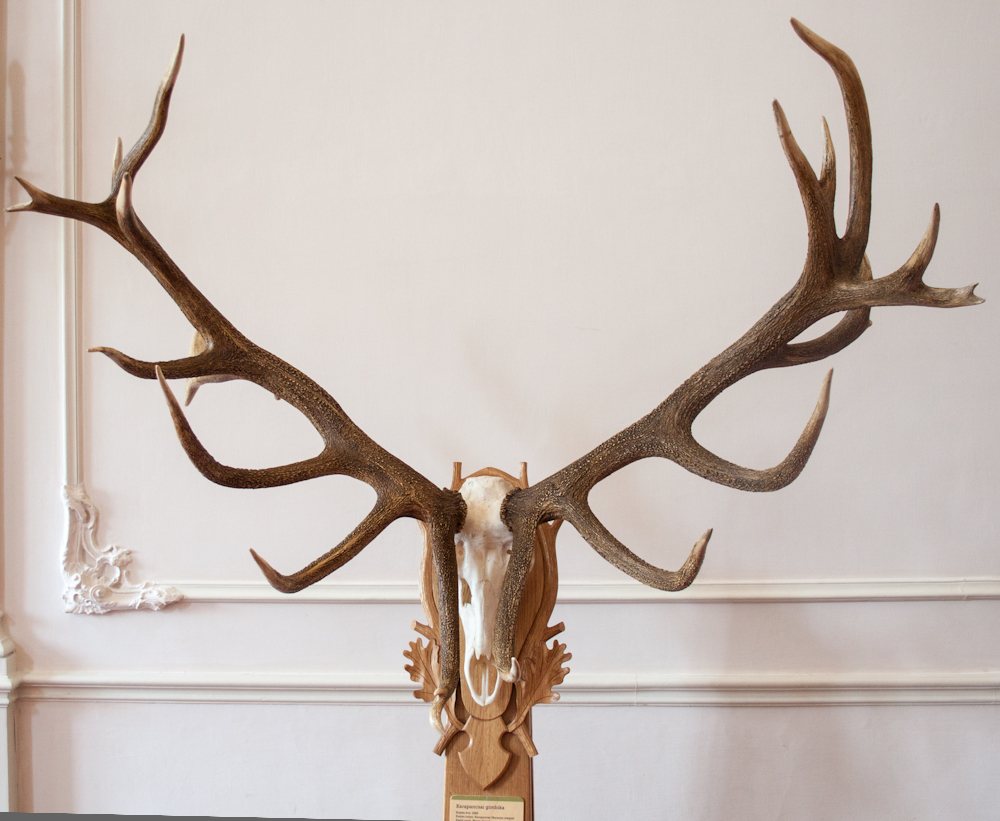
The National Park Service describes a museum-style option: padded or coated wire passed through the openings at the back of the skull and hung over a wall hook. A bracket or hook keeps the look lighter and spares you from drilling into bone, while a plaque gives a more traditional framed display.
Whatever you choose, pick hardware rated for the skull and antlers together, and fix it into a wall stud or a suitable anchor. Keep the mount away from bumps, heat and direct sunlight. If you want to know more about what a deer skull has meant to people over the centuries, our story on deer skull meaning picks up that thread.
Chronic wasting disease and moving a deer head
Chronic wasting disease, usually shortened to CWD, is caused by infectious prions and affects deer, elk and moose. New York's Department of Environmental Conservation says there is currently no evidence that it infects humans. Its handling advice is straightforward: wear rubber gloves, keep contact with brain and spinal tissue to a minimum, sanitize tools and surfaces, and dispose of carcass parts in a landfill or where the animal was harvested. New York's own history with the disease is dated in the agency's guidance, from the first detection in captive and wild deer in Oneida County in 2005 to a captive-deer detection in Herkimer County in 2024.
The rules on moving a head differ by state and by management zone. The Maine Department of Inland Fisheries and Wildlife bars high-risk deer-family parts from most other jurisdictions and lists exceptions that include cleaned skull caps, hardened antlers, boned meat, hides without heads and finished mounts. Maine also advises using a separate knife or saw to remove the head or antlers and disinfecting that equipment with a 50/50 bleach and water solution. That bleach is for tools only. It has nothing to do with whitening the skull, which stays a job for peroxide.
Some areas require CWD testing, restrict the transport of whole heads, or require European mounts to be finished inside the management zone. Before you drive a deer head anywhere, check with the wildlife agency for both the place you hunted and the place you are taking it. The same disease concerns apply to elk skulls and to moose skulls.
How much does a European mount cost?
If you would rather hand the job to a taxidermist, expect the price to depend on where you live and what you ask for. The skull's condition, lower-jaw work, whitening, repairs, a plaque and the finish all change the quote. ThePricer puts 2026 professional European mounts at around $125 to $300. One shop, Stehling's, lists $275 for a whitetail or mule deer European mount and an extra $50 to include the lower jaw. Ask your taxidermist for a current quote and exactly what it covers.
If the skull was found, not harvested
A deer skull with antlers found in the woods is a different matter from one you tagged yourself, and the rules depend on the state, who owns the land, the species and whether the antlers are still attached.
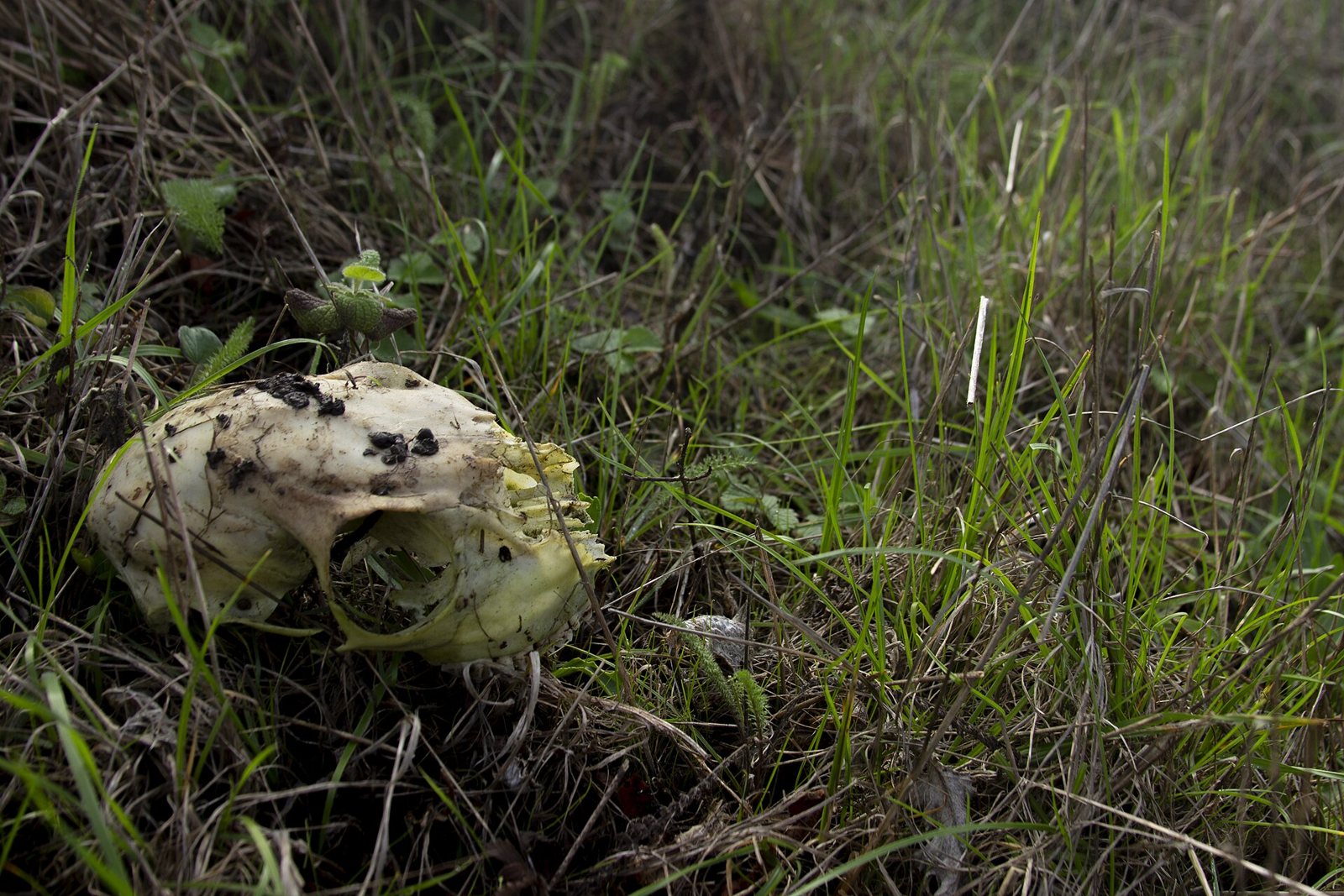
> General information, not legal advice: Wildlife and possession laws change from state to state and over time. Leave a found skull where it lies until your state wildlife agency and the land manager tell you what applies, and contact the U.S. Fish and Wildlife Service if federal land or protected species are involved.
Two states show how wide the gap can be. The Wisconsin Department of Natural Resources allows clean deer skulls found in the field under listed conditions, including permission from the landowner. The New Mexico Department of Game and Fish rules for 2026 to 2027 say antlered skulls found in the field may not be possessed and should be reported. Our story on what to do when you have found an animal skull goes through the questions to ask before you pick one up. If you are not sure which deer it came from, deer skull identification walks through the clues.
Questions hunters ask about Euro mounts
A few questions come up again and again once the head is on the bench.
Can you bury a deer skull to get a European mount?
Yes, burial works if the skull is covered with soil and the antlers stay above ground under a ventilated, covered container. Expect it to take months; Kentucky's estimate is about six, and Missouri recommends checking after several months.
Should you boil a deer skull?
A light simmer works better than a full boil. Kentucky's guide warns that too much heat weakens the thin nasal bones and loosens teeth, so keep the water just below a boil and check the skull often.
Can you make a European mount without boiling?
Yes, cold-water maceration, dermestid beetles and burial all clean a skull with no heat. Maceration takes several weeks, beetles about two to three weeks and burial several months.
What does hydrogen peroxide do to a skull?
Hydrogen peroxide oxidizes stains and lightens bone that has already been cleaned and degreased. Rinse the skull after treatment and let it dry thoroughly, because peroxide is a finishing step, not a substitute for cleaning.
How do you clean a deer skull?
Remove the skin, eyes, lower jaw and as much tissue as you can, then use a light simmer, cold-water maceration, burial or dermestid beetles. Degrease it, whiten with peroxide rather than bleach if you want, and check your state's wildlife and disease rules before transporting the head.
Can I keep a deer skull I found?
It depends on your state, the land and whether antlers are attached, so check with the state wildlife agency and the land manager before taking it. Wisconsin allows clean found deer skulls under listed conditions, while New Mexico bars possession of antlered skulls found in the field.
Whether the skull came from your own hunt or a walk in the woods, the slow part is waiting for the bone to come clean, and the careful part is the antlers. If the turkey skull is next on your bench, the same Kentucky extension service covers that too.
Terms in this story
Tap a term to see what it means.
European mount. A display of a deer's cleaned skull and antlers alone, without a cape or a full taxidermy head. Hunters also call it a skull mount, Euro mount or freedom mount.
---