

No. 143
Dermestid Beetles: How Museums Clean Skulls and How Long It Takes
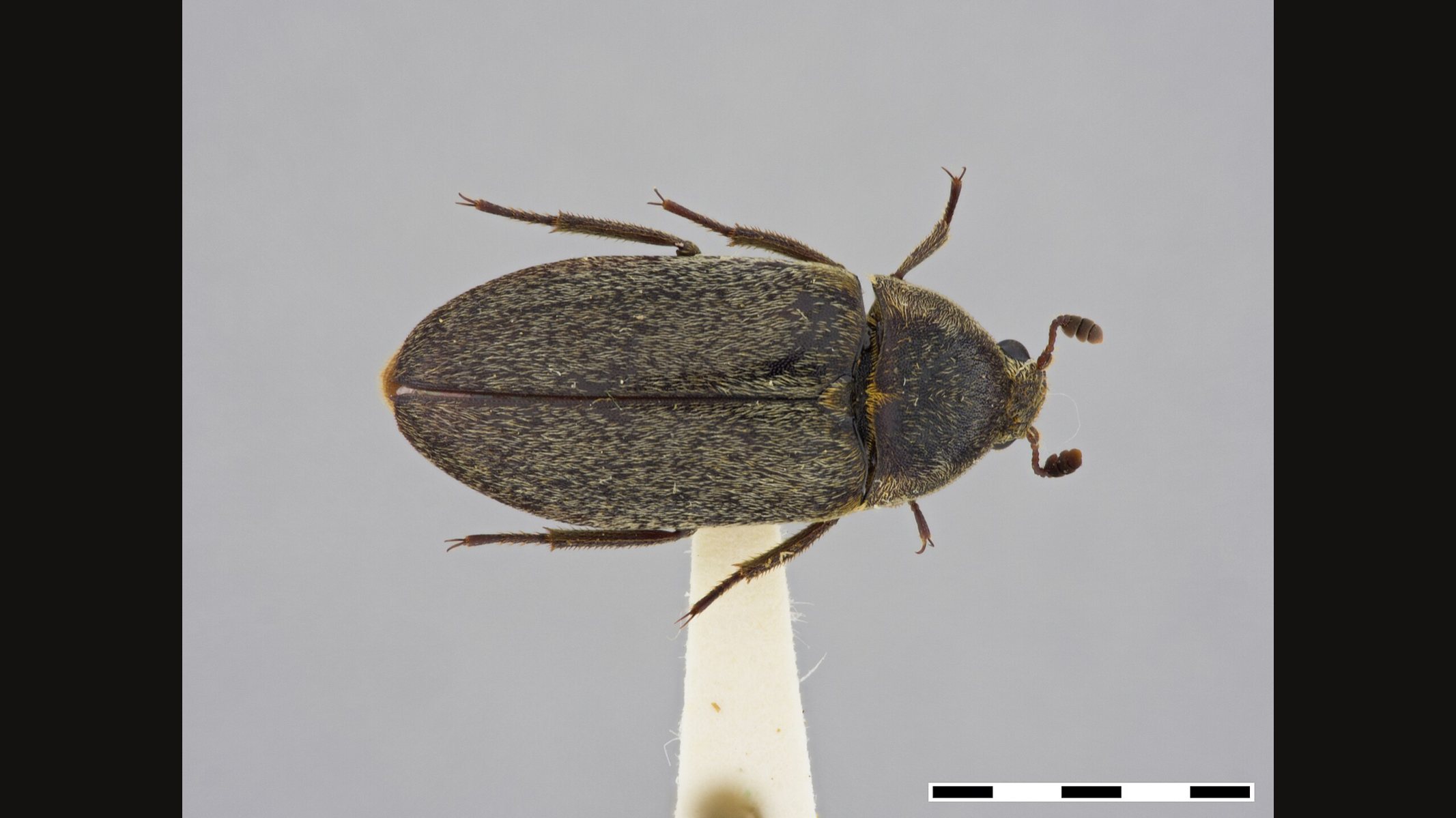
Dermestid beetles clean skulls because their larvae eat the dried muscle, skin and cartilage left on a specimen while generally leaving sound bone alone. The species most used for the job is the hide beetle, *Dermestes maculatus*.
The speed surprises people. The California Academy of Sciences says a strong colony can clean a small skull in about three days. A published museum protocol gives three to ten days for fresh small skulls and 20 to 30 days for large, dried or chemically treated specimens, so a deer skull is best planned at several days to several weeks.
You can keep a colony at home, with care. It needs a sealed, screened enclosure kept warm, about 80 °F (27 °C) according to the University of Arizona Cooperative Extension, and it belongs well away from living areas, because the larvae will also eat wool, fur, leather and stored food.
Meet the hide beetle
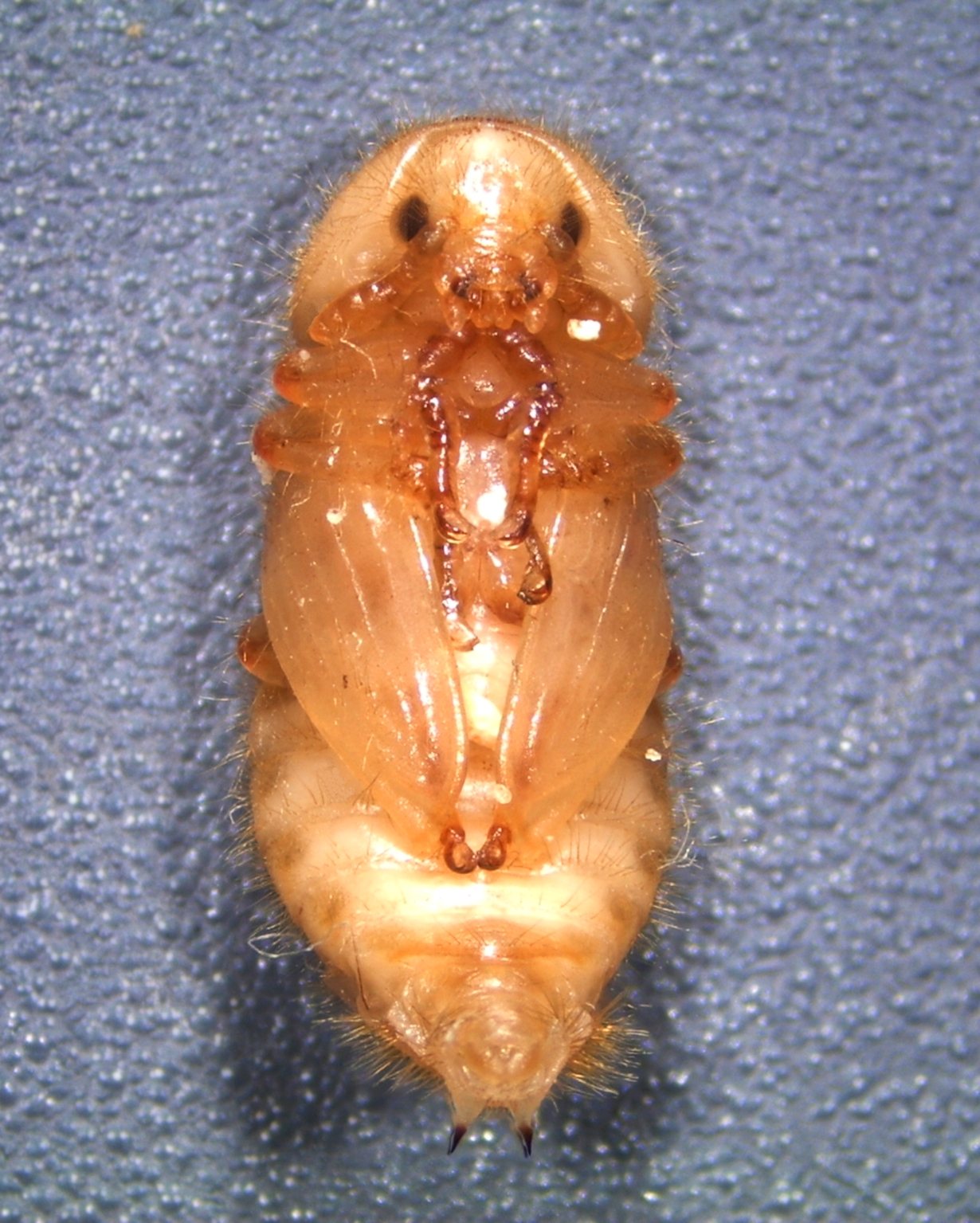
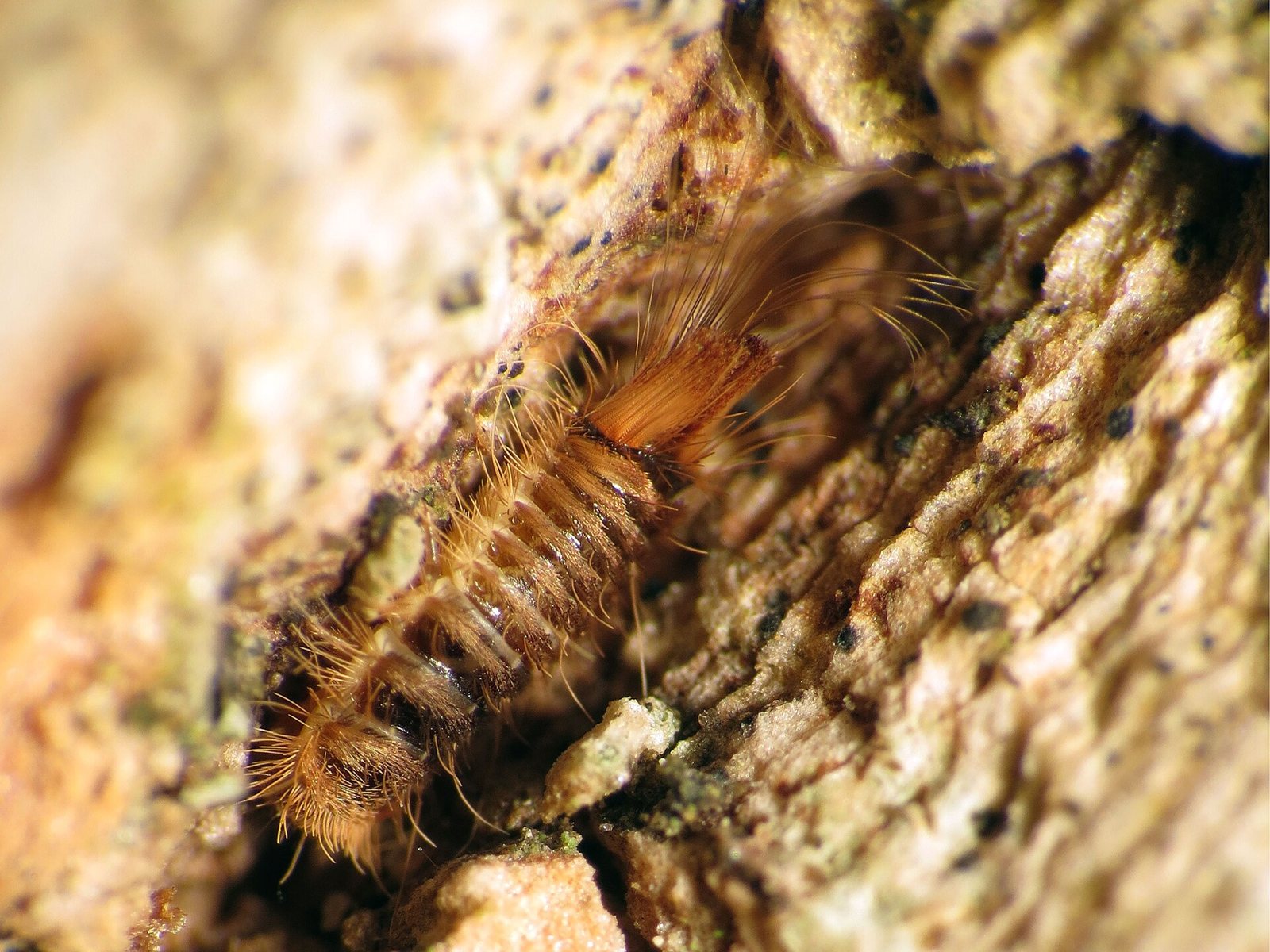
The beetle in most skull-cleaning colonies is *Dermestes maculatus* De Geer, 1774, known as the hide beetle or common hide beetle, a member of the family Dermestidae. Both adults and larvae eat animal tissue, but the work is mostly done by the young. The larvae eat more flesh and do most of the cleaning, while the adults mainly reproduce.
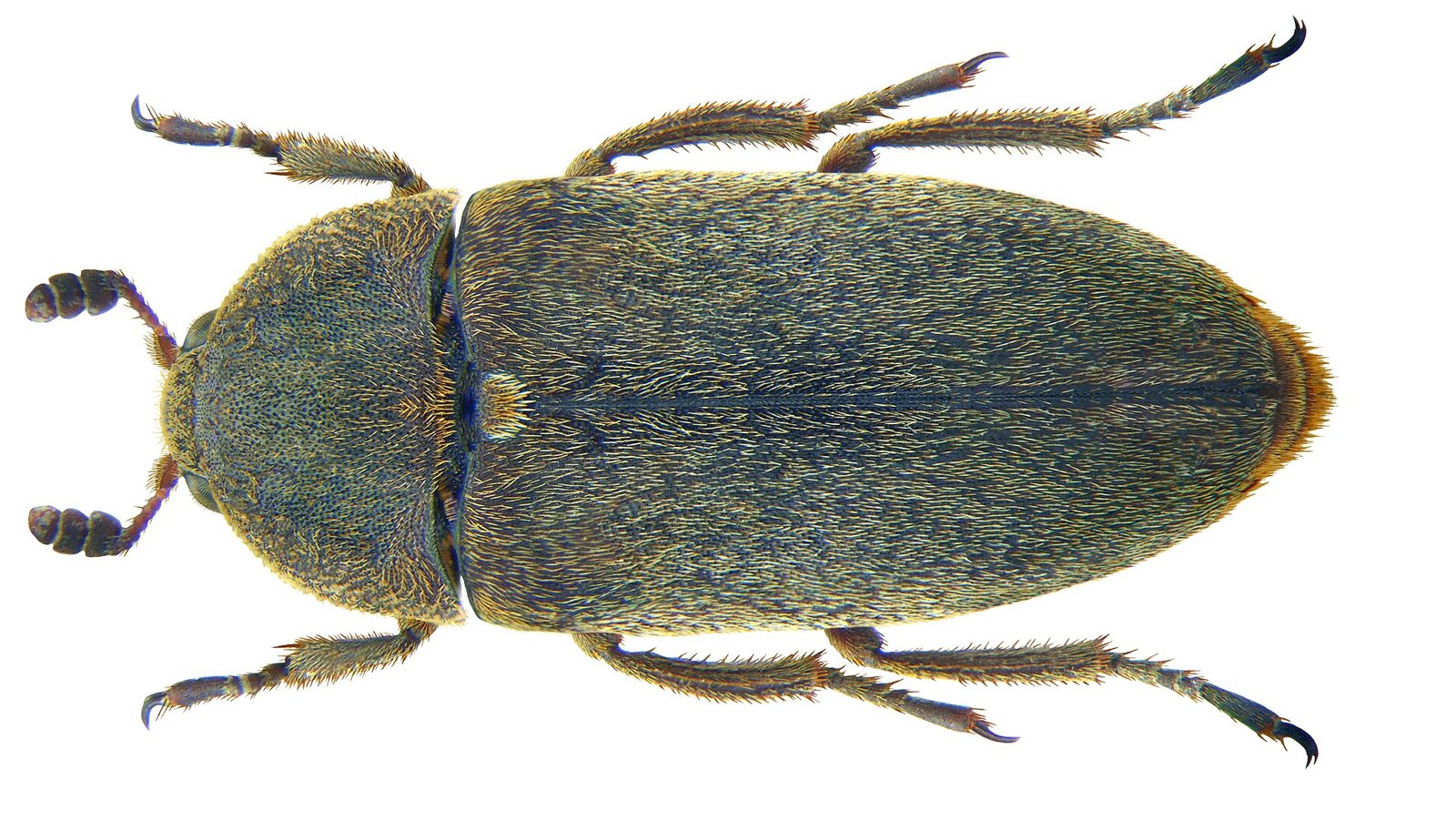
The California Academy of Sciences keeps a colony of *D. maculatus* to prepare research specimens and describes the larvae, in its Dermestid Domain post of September 26, 2012, as the active "eating machines." They feed on dried muscle, skin, cartilage and other leftover tissue and generally leave the bone underneath intact.
The method has its own scientific literature. Writing in the *Revista chilena de entomología* in 2021, Jara and Urra describe dermestid larvae feeding on dried animal tissue and being used to clean bones and skulls in biological collections, and name *Dermestes maculatus* as a frequently used species.
Inside a museum bug room
A skull does not go straight from the field to the beetles. Museums first remove most of the skin, the organs and the large masses of muscle, then dry or otherwise prepare the specimen so the beetles can reach the tissue that remains. The specimen is then set in its own container inside a sealed dermestarium, the enclosure that holds the colony, often called the bug room.
The California Academy of Sciences keeps its colony in a warm terrarium, feeds it, and lightly sprays water when the colony needs it. The rest of the job is watching. A museum protocol by Muñoz-Saba and colleagues, published in 2020 in the *Journal of Natural Science Collections*, recommends checking specimens at least every 48 hours, and more often for fragile skulls. The specimen comes out when it is clean, before the beetles damage fragile bones or the ligaments that hold small pieces together.
A clean skull is not the last step. Surviving beetles and larvae have to be eliminated, and freezing is one way museums do it. The same protocol describes sealing the cleaned specimen and freezing it at about -18 to -20 °C when immediate chemical treatment is not possible. Preparators check the nasal passages and other cavities for hiding larvae, then wash and dry the skull and record its preparation history.
How a museum cleans a skull with beetles
Tap or hover a step to follow the order.
Prepare
Remove the skin, organs and most of the large muscle
Contain
Place the prepared specimen in a secured dermestarium
Monitor
Check at least every 48 hours, more often for fragile skulls
Remove
Take the specimen out when clean, before connective tissue is lost
Stop the beetles
Eliminate remaining beetles and larvae, for example by freezing
Finish
Wash, degrease, dry and record the preparation
How long the beetles take
The short answer is days for a small skull and weeks for a big one, and the details depend on the colony. At the California Academy of Sciences, a strong, active colony kept warm and dark can clean a small skull in about three days. The Muñoz-Saba protocol gives a broader range of three to ten days for fresh small skulls and skeletons, and 20 to 30 days for large, dehydrated or chemically treated specimens.
The University of Arizona Cooperative Extension gives the widest range of all: from several hours for a small skull to several weeks for larger ones. The spread makes sense once you know what drives it. Colony size and health, temperature, the condition of the specimen and the amount of tissue left on it all change the clock.
Tap or hover a row to highlight it.
| Question | Answer |
|---|---|
| QuestionCommon skull-cleaning species | AnswerDermestes maculatus, the hide beetle |
| QuestionMain cleaning stage | AnswerLarvae |
| QuestionSmall-skull estimate | AnswerAbout 3 days in a strong colony, or 3 to 10 days under broader conditions |
| QuestionLarger or treated specimen estimate | AnswerAbout 20 to 30 days |
| QuestionMost active temperature, per the University of Arizona | AnswerAbout 80 °F, or 27 °C |
| QuestionMuseum alternative | AnswerWarm-water maceration, usually a couple of weeks |
| QuestionEscape prevention | AnswerTight enclosure, screened ventilation and regular inspection |
A deer skull, and how many beetles it takes
The questions people bring to a beetle colony are practical ones. In a December 2008 thread on the Iowa Whitetail forum, people wanted to know "how many beetles are required to clean up a skull," "what kind of time does it take," "how do you contain them," and "what would happen if they managed to get out in your house." They are the right four questions to ask.
On timing, a deer skull is large next to the small bird and mammal skulls in the museum examples, so plan on several days to several weeks, and confirm the timing with whoever runs the colony you are using.
On numbers, there is no reliable universal count. Cleaning speed depends on the colony's population of larvae, its temperature, its food supply and the condition of the skull. The practical approach is to match a deer skull to an established colony that has the capacity for it, rather than to aim for a fixed number of beetles. A small, new colony and a big skull make for a slow job.
Before any skull goes into a colony, two checks come first. Make sure it is not human, which our story on telling a human skull from an animal skull explains, and confirm you may keep it, which our story on what to do if you found an animal skull covers. That story is general information; the state wildlife agency has the answer for your skull. For what a deer skull has meant to people, see deer skull meaning.
Keeping a colony at home
A home colony is a small, contained version of the museum setup. The University of Arizona Cooperative Extension says activity is highest at about 80 °F (27 °C), and it describes what the enclosure needs. A tightly screened lid and screened air holes keep beetles in while letting air move. A water source with a wick lets them drink without drowning. Cotton or polyester batting works as bedding. And when there is no skull to clean, dry dog food keeps the colony going.
The colony wants a dark spot, moderate humidity and steady warmth. It also needs regular checks for escapes, mold, mites and built-up debris. Think of it as a pet that eats leftovers and never comes when called.
Home beetle colony checklist
Tap a card to bring it forward.
- Screened lid and air holes: Keeps beetles in while air moves
- Water with a wick: Lets beetles drink without drowning
- Cotton or polyester batting: Bedding for the colony
- About 80 °F, or 27 °C: The temperature of highest activity, per the University of Arizona
- A dark spot: With moderate humidity and steady warmth
- Dry dog food: Keeps the colony going between skulls
- Regular checks: Look for escapes, mold, mites and excess debris
- A separate space: Dedicated, isolated and ventilated, outside living areas
Cost comes up too. Whatever a colony costs to start, it keeps asking for things: food between skulls, a secure enclosure, and the time it takes to check on everything.
Keeping the beetles out of the house
Yes, dermestid beetles can infest a home, and that is the main reason to take containment seriously. Utah State University Extension and the Muñoz-Saba protocol both describe larvae damaging wool, fur, leather, feathers, upholstery, dried food and preserved specimens. A colony set up next to the wool sweaters and the pantry is asking for trouble.
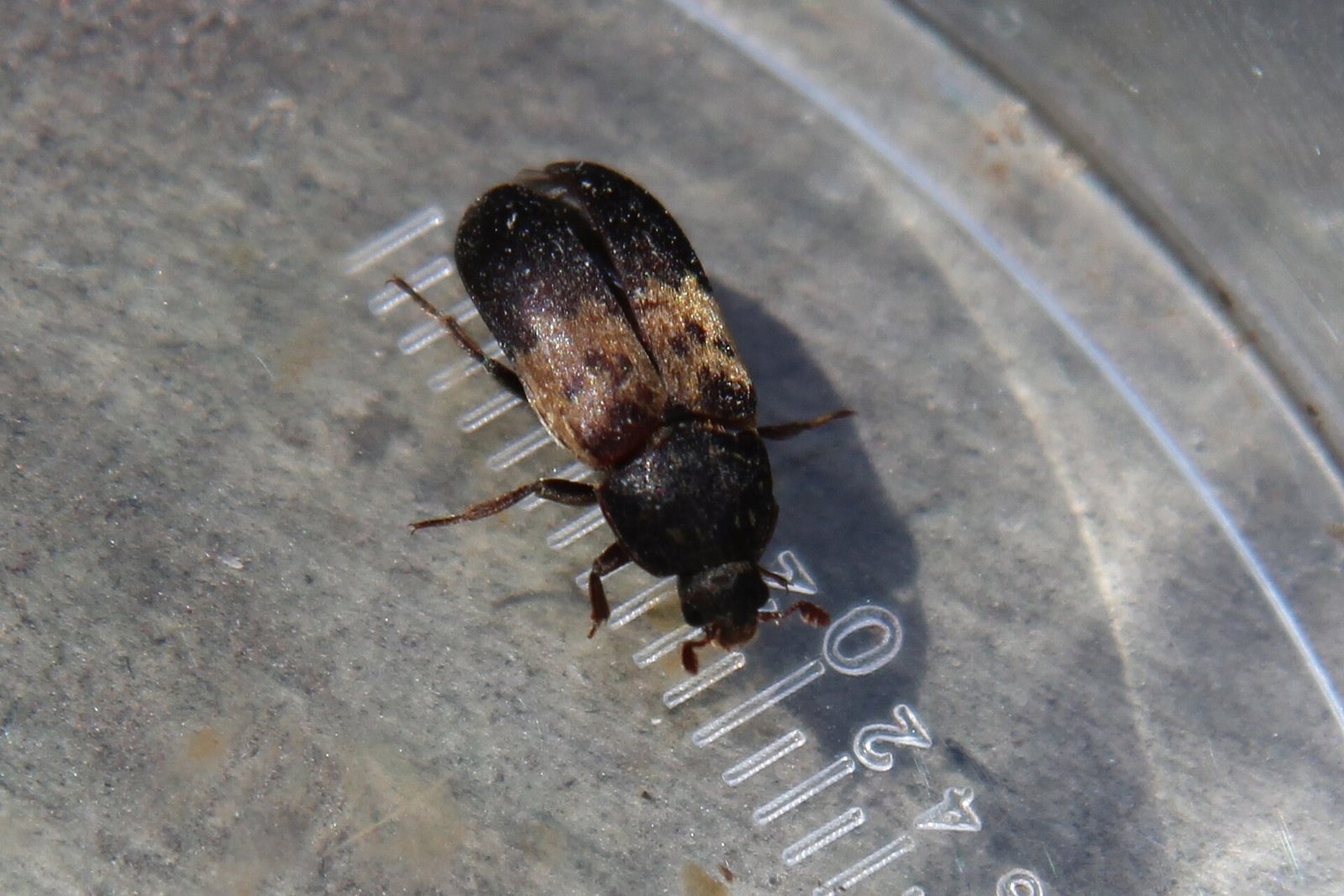
The beetles' preference for dead tissue is not a guarantee of good behavior. Keep the enclosure outside living areas, ideally in a dedicated, isolated and ventilated space, and keep it sealed. When a skull comes out, check it for larvae before it comes indoors, as museums do with the nasal passages and other cavities.
Beetles or soaking
Beetles earn their place when delicate bones, teeth and small joints matter. They remove flesh without submerging the skeleton and without the shrinkage that comes with hot water. The University of Arizona says teeth generally stay in their sockets, and damage to the skull is usually limited, as long as the colony is monitored.
The common alternative is maceration. In its Dem Bones post of September 12, 2012, the California Academy of Sciences describes soaking a mostly defleshed specimen in warm water for a couple of weeks, then rinsing it. That avoids keeping a live colony, but it can loosen small bones or let them come apart. Hot-water maceration is faster, and the University of Arizona warns that it can shrink and damage bone if it goes on too long.
Whichever method strips the flesh, degreasing and peroxide whitening are later finishing stages, not shortcuts around removing the tissue. Our story on how to clean an animal skull compares the main methods and walks through degreasing, whitening and drying.
Dermestid beetle quiz
Answer every question to check.
Quick answers about dermestid beetles
A few more questions come up once people see a colony at work.
What are dermestid beetles?
They are beetles of the family Dermestidae whose larvae feed on dried animal tissue. Museums and biological collections use them to clean bones and skulls, and *Dermestes maculatus*, the hide beetle, is a frequently used species.
What temperature do dermestid beetles need?
The University of Arizona Cooperative Extension gives about 80 °F, or 27 °C, as the temperature of highest activity. A colony also does best in the dark, with moderate humidity and steady warmth.
Do dermestid beetles damage bones or teeth?
Not much, when the colony is watched. The University of Arizona says teeth generally stay in their sockets and skull damage is usually limited, and museum protocols remove the specimen before fragile bones or ligaments are harmed.
Can I put any skull in a beetle colony?
Only one you have confirmed is an animal's and are allowed to keep. If a skull could be human, leave it in place and call the police, and for an animal skull, check the rules with your state wildlife agency first.
Where to go next
If you are deciding how to clean a skull, how to clean an animal skull compares four methods side by side, and found an animal skull covers the rules to check first. Bigger skulls take longer in any colony; the bear skull and beaver skull stories explain how to identify two of them. And for what a skeleton can reveal once it is clean, see what bones tell archaeologists.
Terms in this story
Tap a term to see what it means.
Dermestidae. The beetle family that includes the hide beetle. Its larvae feed on dried animal tissue.
---