

No. 182
Roopkund Lake Skeletons: Who They Were and What the DNA Showed
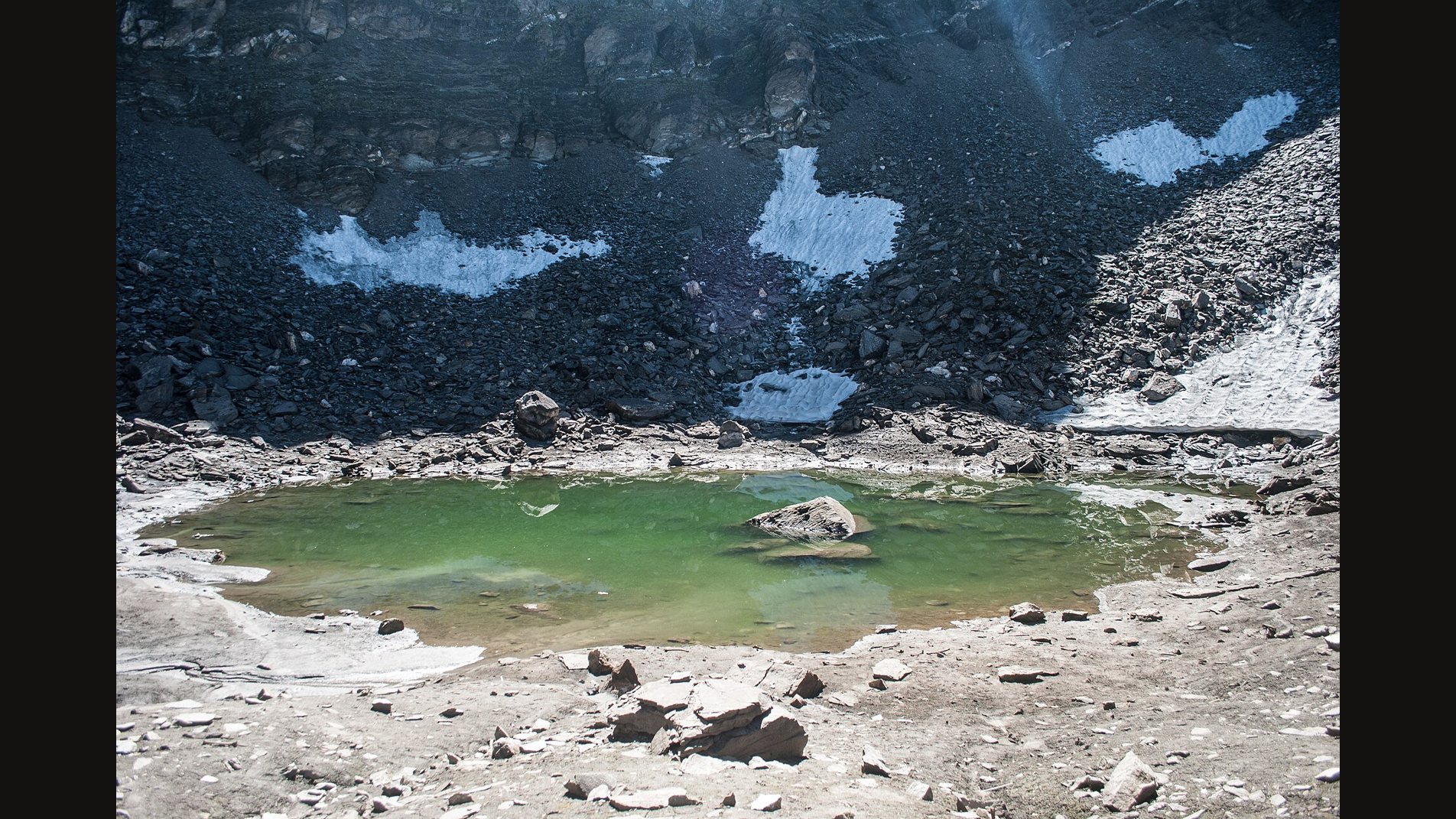
The skeletons at Roopkund Lake belong to several hundred people who died beside a small glacial lake at about 5,029 metres in the Himalaya, in Chamoli district, Uttarakhand, India. They did not all die at once. A 2019 study in *Nature Communications* by Harney, Nayak, Patterson, Rai, Reich and colleagues read the DNA of 38 of them and showed at least two very different groups, separated by roughly a thousand years.
Twenty-three of the people had ancestry within the range of present-day South Asians, and most of them died around 800 CE. Fourteen had ancestry typical of the eastern Mediterranean, and one had Southeast Asian-related ancestry; those people died around 1800 CE.
Why the later group came to a high Himalayan lake, and exactly how each person died, are still open questions. What the science settled is that Roopkund holds the remains of more than one people, from more than one time.
The lake beneath Trishul
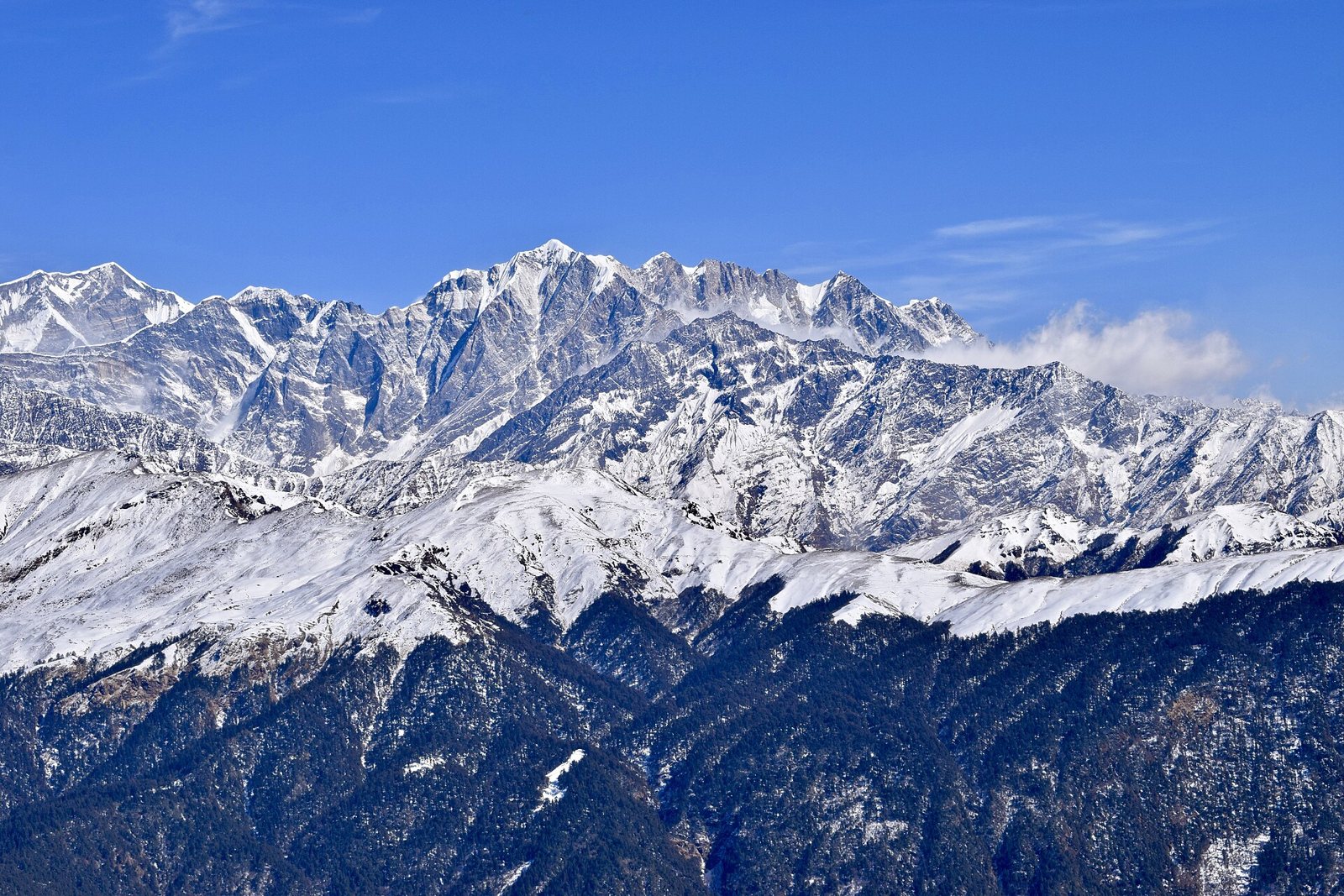
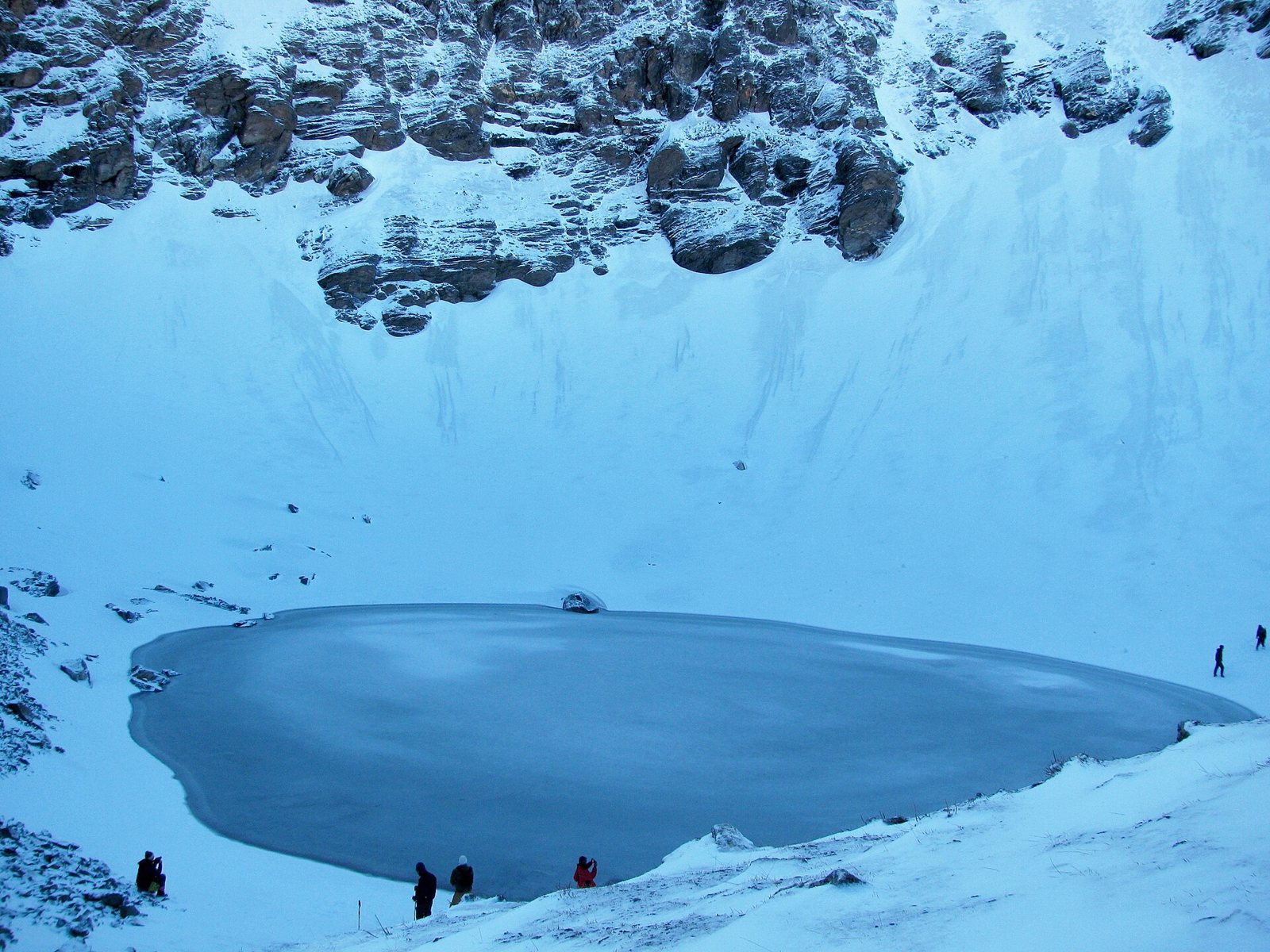
Roopkund is a small lake, about 40 metres across, high in the Garhwal Himalaya beneath the Trishul massif. It sits at about 5,029 metres, in Chamoli district in the Indian state of Uttarakhand. Because of the remains around it, it is also known as Skeleton Lake or Mystery Lake.
The bones are not laid out in one place. They are scattered around the shore and beneath the water, and the site has been disturbed over the years. That is one reason published descriptions give the number of people as several hundred rather than an exact count.
The 1942 report
The remains came to official notice in 1942. According to a paper by Sanjiv Kumar Juyal in the Indian Journal of History of Science, they were reported that year by a forest range officer, H. K. Madhwal.
The report put a name and a date on the first official record of the lake's dead. Who they were was a question for the laboratory work that came much later.
Tap or hover a row to highlight it.
| Data point | Value |
|---|---|
| Data pointLocation | ValueChamoli district, Uttarakhand, India |
| Data pointElevation | ValueAbout 5,029 metres |
| Data pointLake size | ValueAbout 40 metres across |
| Data pointFirst reported | Value1942, by forest range officer H. K. Madhwal |
| Data pointGenome-wide DNA sample | Value38 individuals |
| Data pointAncestry groups in the sample | Value23 South Asian-related, 14 eastern Mediterranean-related, 1 Southeast Asian-related |
| Data pointMain dating phases | ValueAbout 800 CE and about 1800 CE |
| Data pointTrek route listed by Uttarakhand Tourism | Value103 kilometres, typically 10 days |
| Data pointHigh Court conservation order | Value21 August 2018: no overnight stays in alpine meadows, a limit of 200 tourists |
What the DNA showed
The 2019 study, published by Harney and colleagues in Nature Communications, brought three kinds of evidence together: genome-wide DNA, radiocarbon dates and stable isotopes.
The DNA came from 38 people. Those 38 sorted into three groups. Twenty-three had ancestry within the variation of people living in South Asia today. Fourteen had ancestry typical of the eastern Mediterranean. One had ancestry related to Southeast Asia.
The dates came from accelerator mass spectrometry radiocarbon dating, a method that measures the carbon left in bone. The South Asian-related people dated mainly to about 800 CE, within a range the paper places roughly in the seventh to tenth centuries CE. Even within that group, the dates pointed to more than one event. The eastern Mediterranean-related people and the one Southeast Asian-related person dated to about 1800 CE, within a range of roughly the seventeenth to the twentieth centuries.
The isotopes added a third line. Stable isotope results, which reflect what a person ate, also separated the main groups, so the people of 800 CE and the people of 1800 CE had different diets as well as different ancestry.
It helps to keep the size of the sample in mind. Thirty-eight people were tested, out of the several hundred whose remains lie at the lake. The results describe that sample well, and they show that the site holds more than one population, but they do not give a name or a date to every person there. For more on how radiocarbon dates are worked out, read how old are these bones, and for what isotopes and injuries reveal, see what bones tell archaeologists.
The three groups in the Roopkund DNA sample
Tap a card to bring it forward.
- 23 people: Ancestry within present-day South Asian variation; dated mainly to about 800 CE, from more than one event.
- 14 people: Ancestry typical of the eastern Mediterranean; dated to about 1800 CE.
- 1 person: Southeast Asian-related ancestry; dated to about 1800 CE.
The travellers from the eastern Mediterranean
The fourteen people with eastern Mediterranean ancestry are the newest part of the puzzle, travellers from far away who died at a lake high in the Garhwal Himalaya around 1800 CE.
Harney and colleagues could not determine why they made the trip. Their diets differed from the older South Asian-related group, and their dates cluster around a single later period, but the evidence does not say who they were, where exactly they came from or what brought them to Roopkund. That question is still open.
The hailstorm explanation and what it covers
The best-known explanation for the deaths is a violent hailstorm, and it rests on real evidence from the bones. In a 2018 pathological study, Alka Barthwal Pant reported depressed fractures of the skull among the remains she examined. She argued that injuries to the top of the head, suffered before death, could explain those deaths. That fits a severe impact from above, such as large hailstones, for at least some of the people. For how a skull responds to a blow like that, see how strong is a human skull.
The DNA study shows the limit of that idea. A single storm cannot account for people who died around 800 CE and others who died around 1800 CE. Ayushi Nayak, Niraj Rai and their colleagues described a mass death during a pilgrimage as plausible for at least some of the older South Asian-related people, but the paper did not settle one cause of death for everyone at the lake.
So, the hailstorm is a supported hypothesis for some of the dead. It is not a complete answer for all of them.
Nanda Devi, the Raj Jat and the local story
People in the region have their own account of the lake. In the local folklore, King Jasdhawal, Queen Balampa and their attendants were travelling toward a shrine of the mountain goddess Nanda Devi. Improper celebration, or a breach of sacred rules, brought the goddess's anger and a destructive storm upon them.
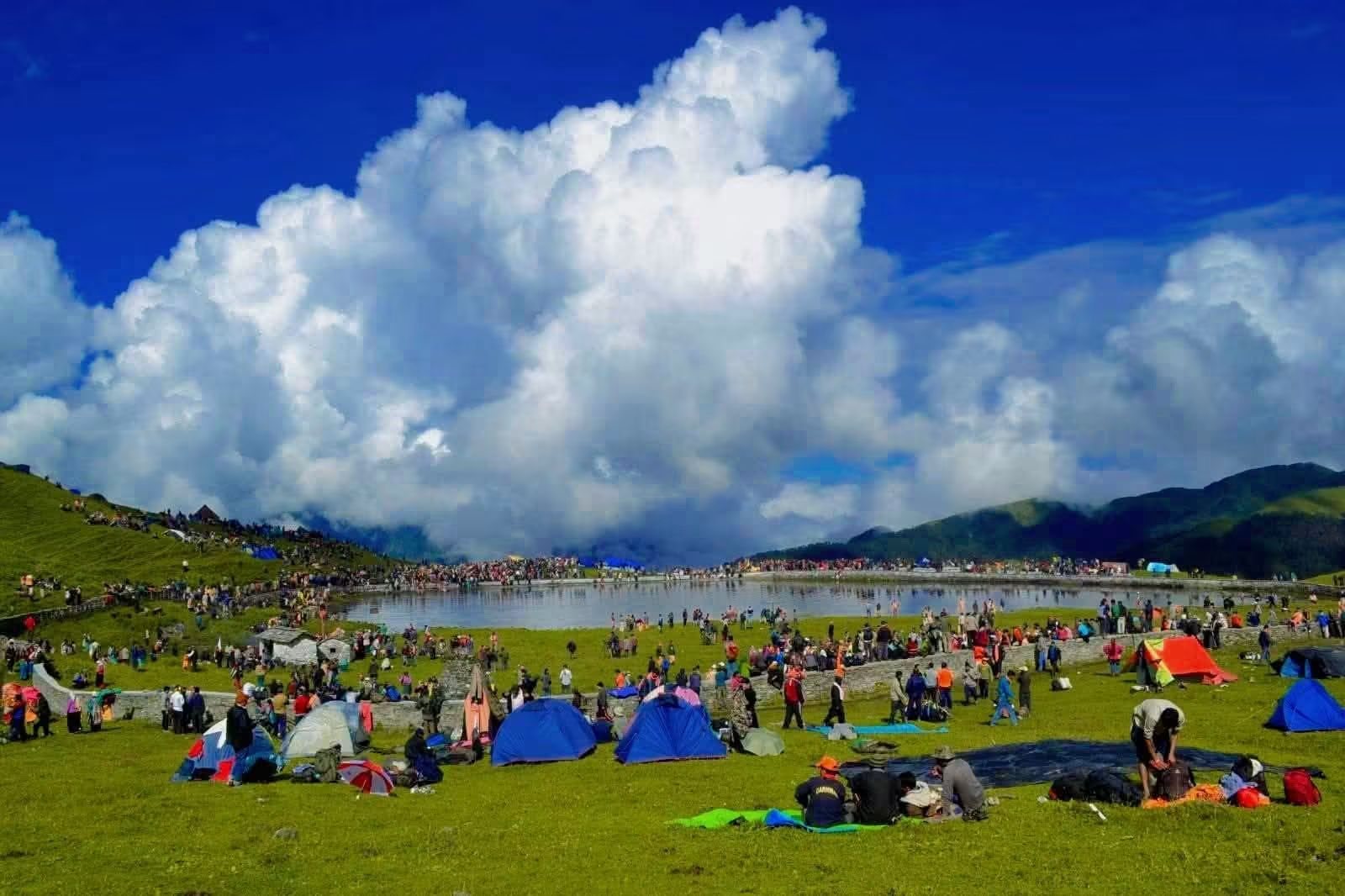
The scientists took the pilgrimage seriously too. Harney and colleagues treated the route of the Nanda Devi Raj Jat as relevant, because Roopkund lies near a pilgrimage route that is still walked today, every 12 years. They noted that reliable descriptions of the ritual appear only from the late nineteenth century, while temple inscriptions nearby suggest the pilgrimage may have begun in the eighth to tenth centuries. Those centuries overlap with the dates of the older South Asian-related group.
The anthropologist William S. Sax, in his ethnographic work on the pilgrimage, describes the Raj Jat as a royal Garhwal pilgrimage associated with Nanda Devi. The legend of the king and queen is the region's own telling of how the dead came to the lake, kept alongside a pilgrimage that is still made today.
What is still unknown
Is the Roopkund mystery solved? In part. The DNA, radiocarbon and isotope evidence settled the biggest question: the remains did not come from one event or one people. They came from at least two very different periods, and from people with different ancestry and diets.
What remains open is just as clear. The evidence does not say why the eastern Mediterranean-related group reached the Himalaya, and it does not say exactly how each person died. Work on the remains has continued since 2019: Sanjiv Kumar Juyal published a trace-element study of their diets in 2024.
Roopkund from about 800 CE to 2024
Tap or hover a step to follow the order.
About 800 CE
South Asian-related people die at the lake, in more than one event.
Eighth to tenth centuries
Temple inscriptions near the route suggest possible origins of the Nanda Devi pilgrimage.
Late nineteenth century
Reliable descriptions of the Nanda Devi Raj Jat appear.
About 1800 CE
Eastern Mediterranean-related people and one Southeast Asian-related person die at the lake.
1942
Forest range officer H. K. Madhwal reports the human remains.
21 August 2018
The Uttarakhand High Court bans overnight stays in alpine meadows and limits tourist numbers.
20 August 2019
Harney and colleagues publish the genome-wide DNA study.
2024
Sanjiv Kumar Juyal publishes a trace-element dietary study.
Trekking to Roopkund today
The lake lies on a trekking route. Uttarakhand Tourism lists a Roopkund trek from Rishikesh through Mundoli, Wan, Bedni Bugyal and Bhaguwasa to Roopkund, a listed distance of 103 kilometres that typically takes 10 days.
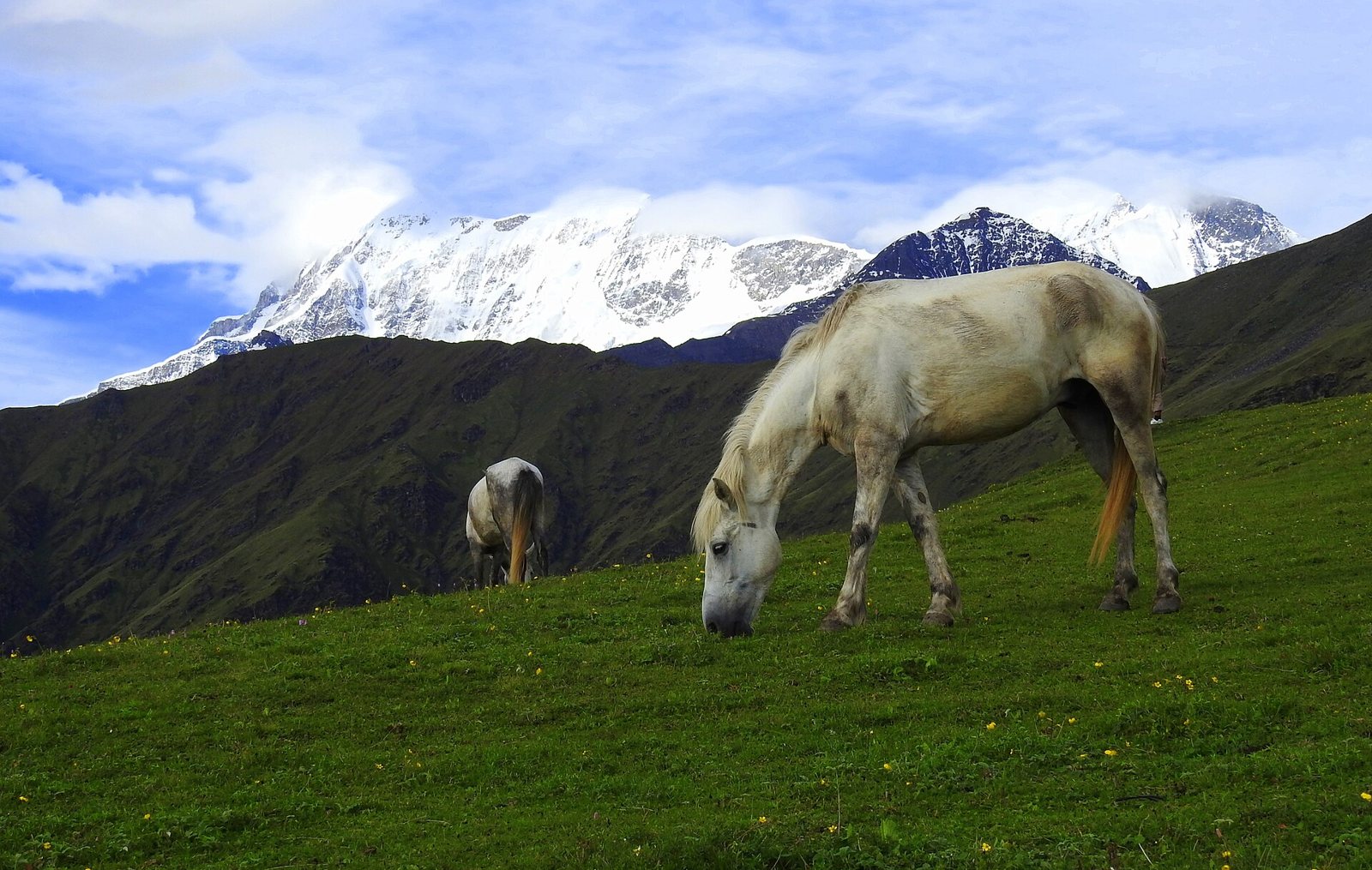
The rules around the route have changed. On 21 August 2018, the Uttarakhand High Court ordered a ban on overnight stays in the alpine and sub-alpine meadows known as bugyals, and a limit of no more than 200 tourists in those meadows. The order was about protecting fragile meadow ecosystems from litter, pollution and pressure from visitors. It had nothing to do with the skeletons.
Rules for camping, permits and access can change again, so confirm current permits, access restrictions, camping rules and fees with the responsible Uttarakhand forest or permit office before you plan a trek.
How well do you know Roopkund Lake?
Answer every question to check.
Questions about Roopkund Lake
A few short answers to the questions that come up most about the lake.
What is Skeleton Lake?
Skeleton Lake is Roopkund, a small glacial lake at about 5,029 metres in Uttarakhand, India, whose shores hold the remains of people who died there in different periods. The name comes from those remains, which lie scattered around and beneath the water.
How many skeletons are at Roopkund?
The lake holds the scattered remains of several hundred people. There is no exact inventory, because the site has been disturbed and the bones lie both around the lake and beneath it.
Why was the Roopkund trek banned?
The 2018 Uttarakhand High Court order banned overnight stays in the alpine meadows along the route and capped tourist numbers there, to protect fragile bugyal ecosystems from litter, pollution and pressure. It addressed meadow camping, not the skeletons. For the current status of the trek, ask the responsible Uttarakhand forest or permit office.
More places where the dead tell their story
Roopkund's dead lie where they fell, high in the mountains, and scientists have read their story from the bones. Other people who died at high altitude include Ötzi the Iceman in the Alps and Mummy Juanita in the Andes. For another place where many people who died together were laid to rest, see the Black Death mass graves, and for a cave that holds the remains of many people from the deep past, read about the Sima de los Huesos.
Elsewhere in this series, the remains are kept by the communities who cared for them, rather than left where they fell: the friars and families of the Palermo catacombs and the soldiers of the Solferino ossuary.
Terms in this story
Tap a term to see what it means.
Roopkund. A small glacial lake at about 5,029 metres in Chamoli district, Uttarakhand, India, also called Skeleton Lake or Mystery Lake.
---