

No. 175
Mummy Juanita, the Inca Girl of Ampato: Who She Was and Where She Is Now
Mummy Juanita is an Inca girl, about 12 to 15 years old, who died on the summit of Ampato, a volcano in the Arequipa region of southern Peru, sometime around 1440 to 1480 CE. The Museo Santuarios Andinos, which cares for her, often gives the date as about 1450 (Perú Travel). She was part of a capacocha, an Inca state ceremony that offered children to the sacred powers of the mountains. The anthropologist Johan Reinhard and the Arequipa mountaineer Miguel Zárate found her in September 1995, after ash from the nearby erupting volcano Sabancaya had melted the snow that covered the summit (Johan Reinhard). Today she rests at the Museo Santuarios Andinos of the Universidad Católica de Santa María in Arequipa, where she is shown to visitors from May to December. "Juanita" is a modern name; her own is not recorded.
The photos that travel online show a girl still frozen after more than five centuries. Behind them is the story of a child, a mountain her people held sacred, and two climbers who arrived just as the ice gave her up.
How she was found on Ampato
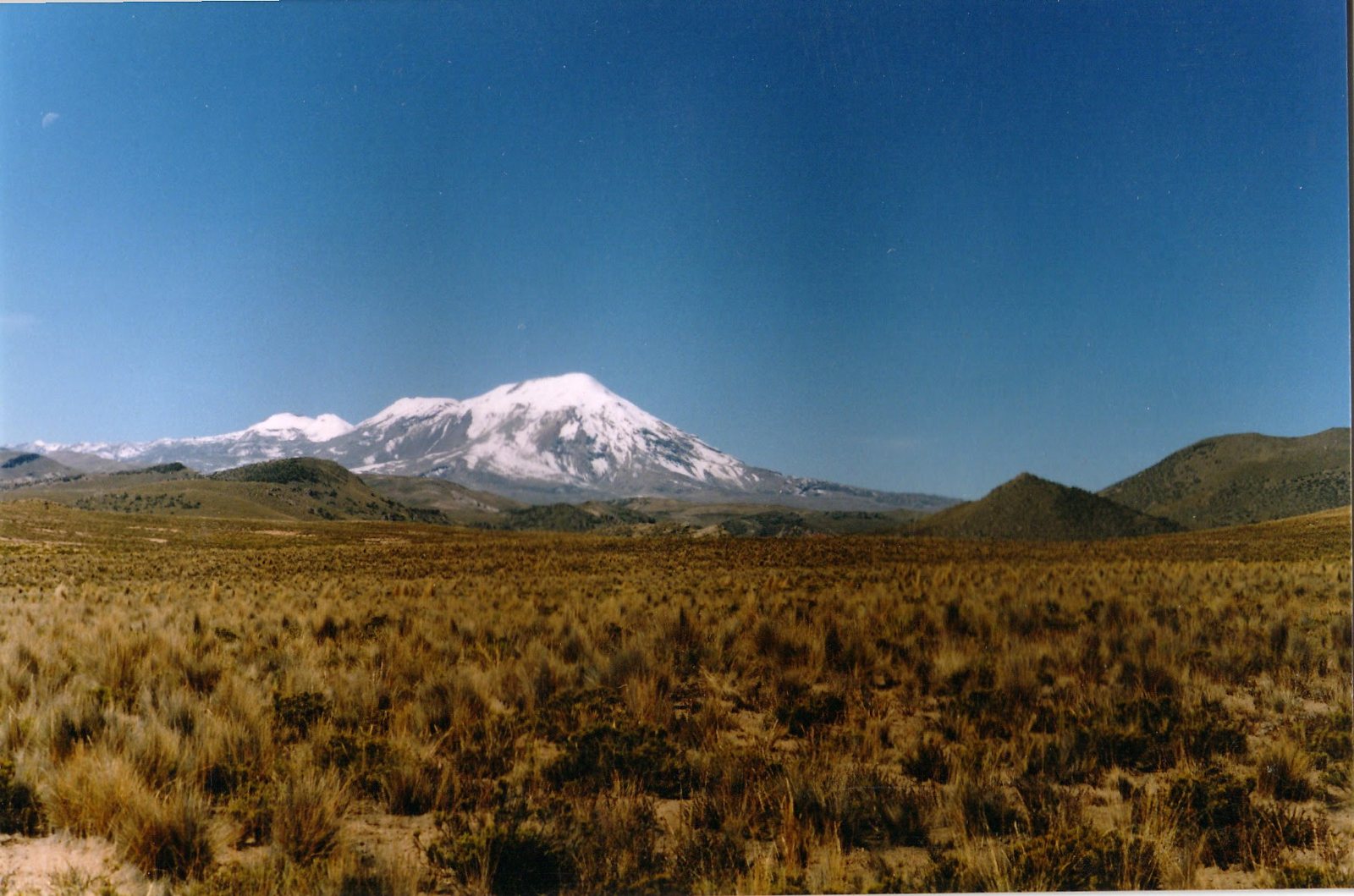
Ampato is a high volcano in Arequipa, and its summit is normally covered in snow and ice. In the mid-1990s its neighbor Sabancaya was erupting, and the ash and volcanic activity stripped away that snow cover, uncovering an Inca site that was normally buried (Scielo, high-altitude archaeology).
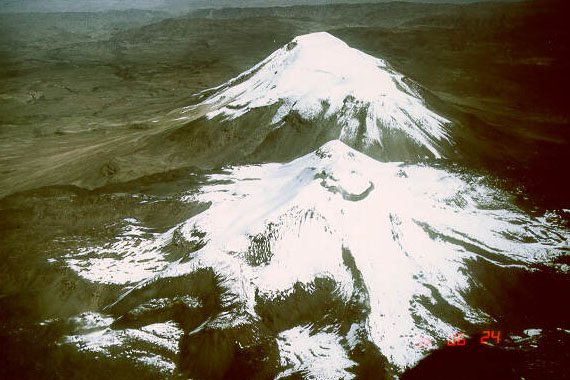
Johan Reinhard and Miguel Zárate climbed Ampato on 6 and 8 September 1995. Near the summit, part of the ground had collapsed and carried part of the burial site down into a crater. That is where they found her, at about 6,200 metres above sea level, by Reinhard's record (Johan Reinhard).
She was not alone on Ampato. In October 1995 Reinhard returned with José Antonio Chávez and found two more mummies on the mountain, and in November and December 1997 another female mummy and objects placed with her were recovered there (Johan Reinhard).
Juanita and the mountain children, from the Inca to today
Tap or hover a step to follow the order.
About 1440 to 1480 CE
Estimated period of Juanita's death on Ampato; the museum often gives about 1450.
September 1995
Johan Reinhard and Miguel Zárate find Juanita on Ampato.
October 1995
Reinhard and José Antonio Chávez return and find two more mummies at Ampato.
November to December 1997
Another female mummy and objects placed with her are recovered at Ampato.
March 1999
The three Children of Llullaillaco are found in Argentina.
2023
A facial reconstruction of Juanita is presented at the Museo Santuarios Andinos.
Why she is called Juanita
Juanita is a nickname. Reinhard says the Peruvian team chose it because it was a familiar name in the villages and across the region's language communities (Johan Reinhard, FAQ). She is also known as the Lady of Ampato, or the Dama de Ampato in Spanish, and as the Ice Maiden. What her family called her is not known.
People sometimes search for "the legend of Mummy Juanita." The popular story mostly travels under her nicknames. Those names are modern, and her documented story is an archaeological one: an Inca girl placed in a high-altitude sanctuary on Ampato, found in 1995 and cared for in Arequipa (Johan Reinhard). The name has also appeared in unrelated modern news from Peru about a different mummy nicknamed "Juanita." That case has nothing to do with the girl of Ampato.
Who she was
Juanita was an adolescent, generally estimated at 12 to 15 years old, with some museum presentations saying about 13 (Perú Travel; AP). Her death is placed in the broad period of about 1440 to 1480 CE, and the Museo Santuarios Andinos and other researchers often give about 1450. Think of that as an estimated period rather than a fixed year. Either way, she lived at the height of the Inca Empire, a little over 500 years ago, which is why she is sometimes called "the 500-year-old Inca girl."
Scientific examinations show that she was well nourished and had grown normally for her place in Inca society (Perú Travel). The cold of the summit kept her body in a state very different from what many people imagine when they hear the word "mummy." She was not dried. She was frozen, and the museum keeps her in controlled cold conditions to this day.
The capacocha, as the Inca understood it
To understand why a girl was on the top of a volcano, it helps to see the mountain the way the Inca did. Peaks like Ampato were not just landforms to them. They were sacred beings, tied to water and fertility.
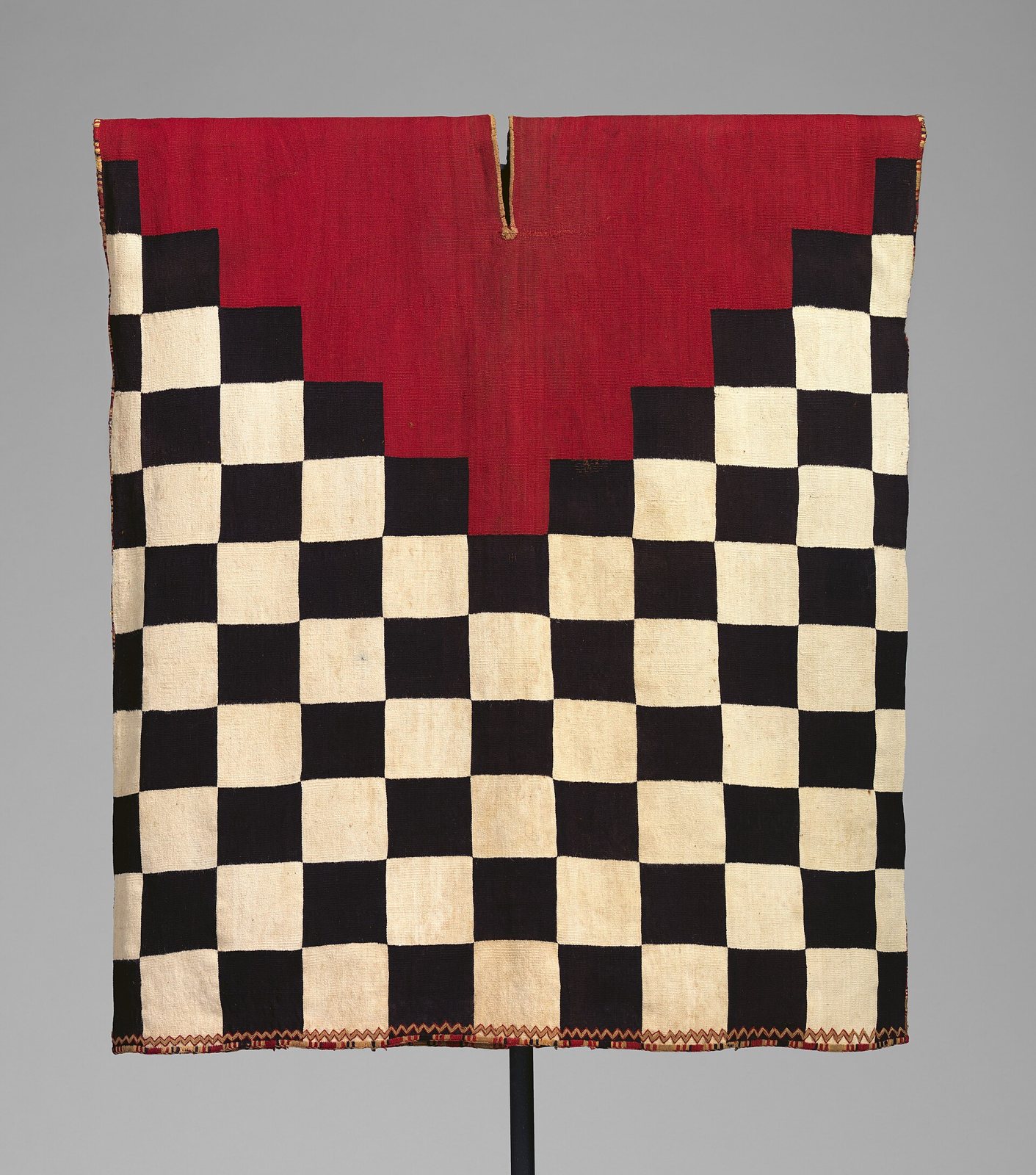
Capacocha, also written capac cocha or qhapaq hucha, was an Inca state ritual of offering to those sacred powers, especially the mountain beings and huacas linked to water (Reinhard and Socha, Latin American Antiquity). Johan Reinhard, Constanza Ceruti and Dagmara Socha connect it with the great events of the empire and its troubles: droughts, floods, volcanic activity, illness, warfare, the death of a ruler or the start of a new reign, and the need to restore balance between people and the sacred world.
Children and young people were chosen because they were understood as especially pure. Colonial-era accounts describe beauty, health and social standing as reasons for the choice, although archaeology shows that the children actually found were not all free of illness or injury. In Inca belief, the chosen children did not simply die. They became sacred intermediaries, joining the worlds of the living, the ancestors and the mountain deities (Museo Santuarios Andinos, UCSM).
The ceremony was much longer than its final moment on the summit. Scholars describe long processions through different regions, festivals and feasting, with communities along the route joining in, and with ritual substances, clothing and grave goods prepared for the child (Reinhard and Socha).
Why was Juanita in particular offered on Ampato? The evidence makes the ritual setting clear: she was part of a capacocha, an offering connected with the mountain powers, water, fertility and events that affected the empire. It does not point to one specific cause, such as a particular drought or eruption.
What scientists say about her last weeks
Scientists have studied the Ampato children with care, and their findings are still growing. Toxicological work led by Dagmara Socha and Johan Reinhard found that the Ampato children had taken coca and other psychoactive substances in the final weeks of their lives, though the published summary does not tie every result specifically to Juanita (Dagmara Socha, University of Warsaw).
On how she died, earlier CT scans identified a severe blow to the back of the skull as the probable cause. More recent CT research by Socha and colleagues reports probable trauma to her skull, chest and pelvis (AP; Dagmara Socha, University of Warsaw). The older, simpler accounts are being refined, and it is fair to say that the scientific account of her death is still developing.
The Children of Llullaillaco and other mountain children
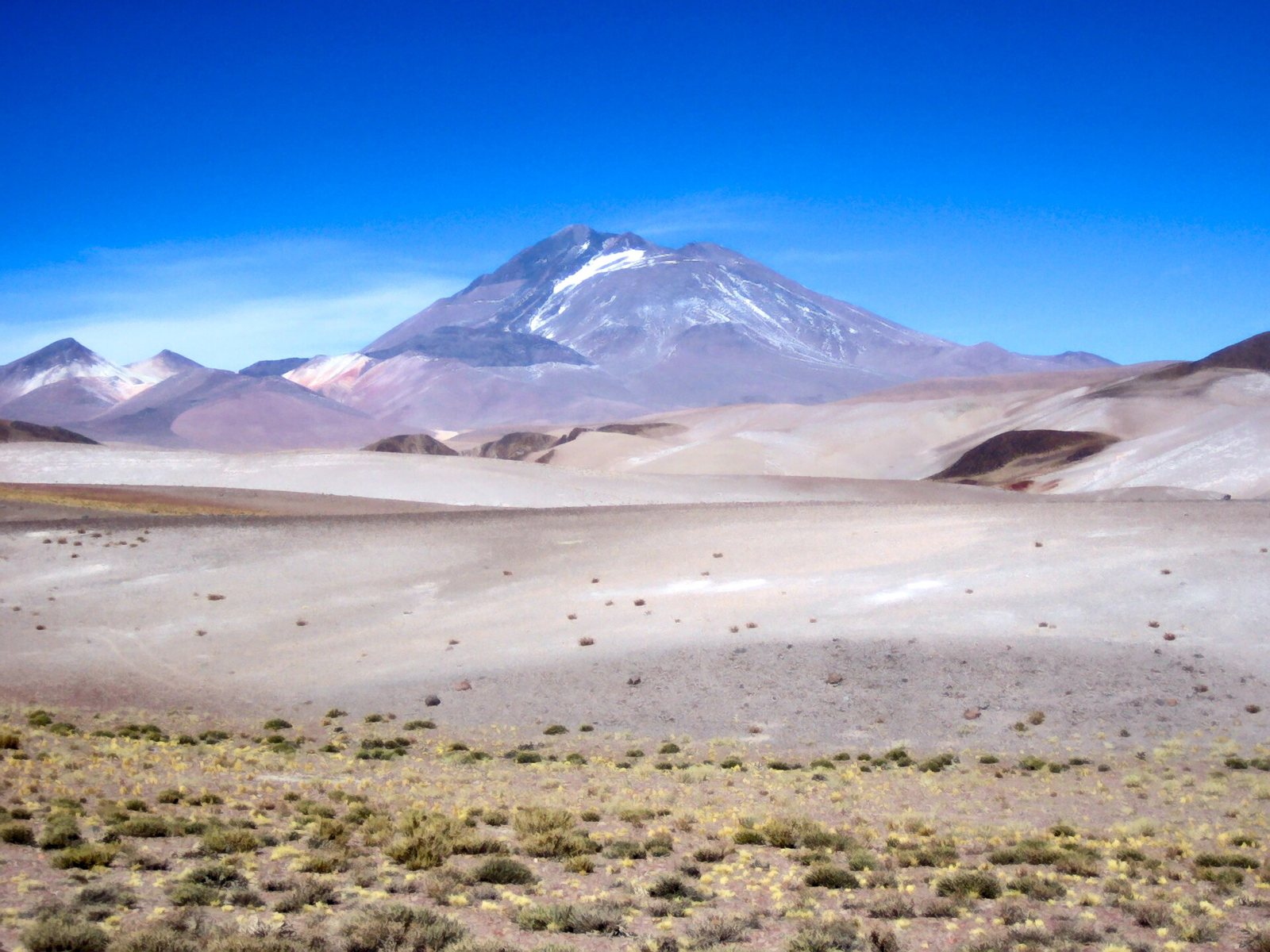
Juanita is one of many Andean mountain children. In March 1999 an expedition led by Johan Reinhard and Constanza Ceruti reached the summit of Llullaillaco, at 6,739 metres, in Salta Province, Argentina. There they found three children, known at the Museo de Arqueología de Alta Montaña in Salta as the Maiden, the Boy and the Lightning Girl, with a large set of miniature objects representing materials, roles and meanings in the Inca world (Museo de Arqueología de Alta Montaña). They are kept under controlled cryoconservation at the museum in Salta.
People often ask how the Llullaillaco children died. They were placed in a high-altitude sanctuary as part of a capacocha. Their bodies do not show the visible trauma found in some of the Ampato children, and archaeologists stress that the cause of death was not the same in every capacocha. Reinhard and Socha's study of Misti volcano records trauma, strangulation, suffocation and burial without visible trauma in different cases (Reinhard and Socha). Each child's story rests on that child's own evidence.
Other high-altitude finds come from Ampato, Pichu Pichu, Sara Sara, Aconcagua, Cerro El Plomo, Cerro Esmeralda, Chuscha, Chañi and Misti (Scielo). Together they show how far the Inca carried the capacocha across the Andes. For another person preserved by ice, see the story of Ötzi the Iceman, and for a very different Andean way of caring for the dead, the Chinchorro mummies.
Where Juanita is now
Juanita is cared for by the Museo Santuarios Andinos of the Universidad Católica de Santa María, at Calle La Merced 110 in Arequipa, Peru (Perú Travel). The museum keeps her in controlled cold conditions and presents her alongside archaeological material from Ampato and other high-altitude sanctuaries.
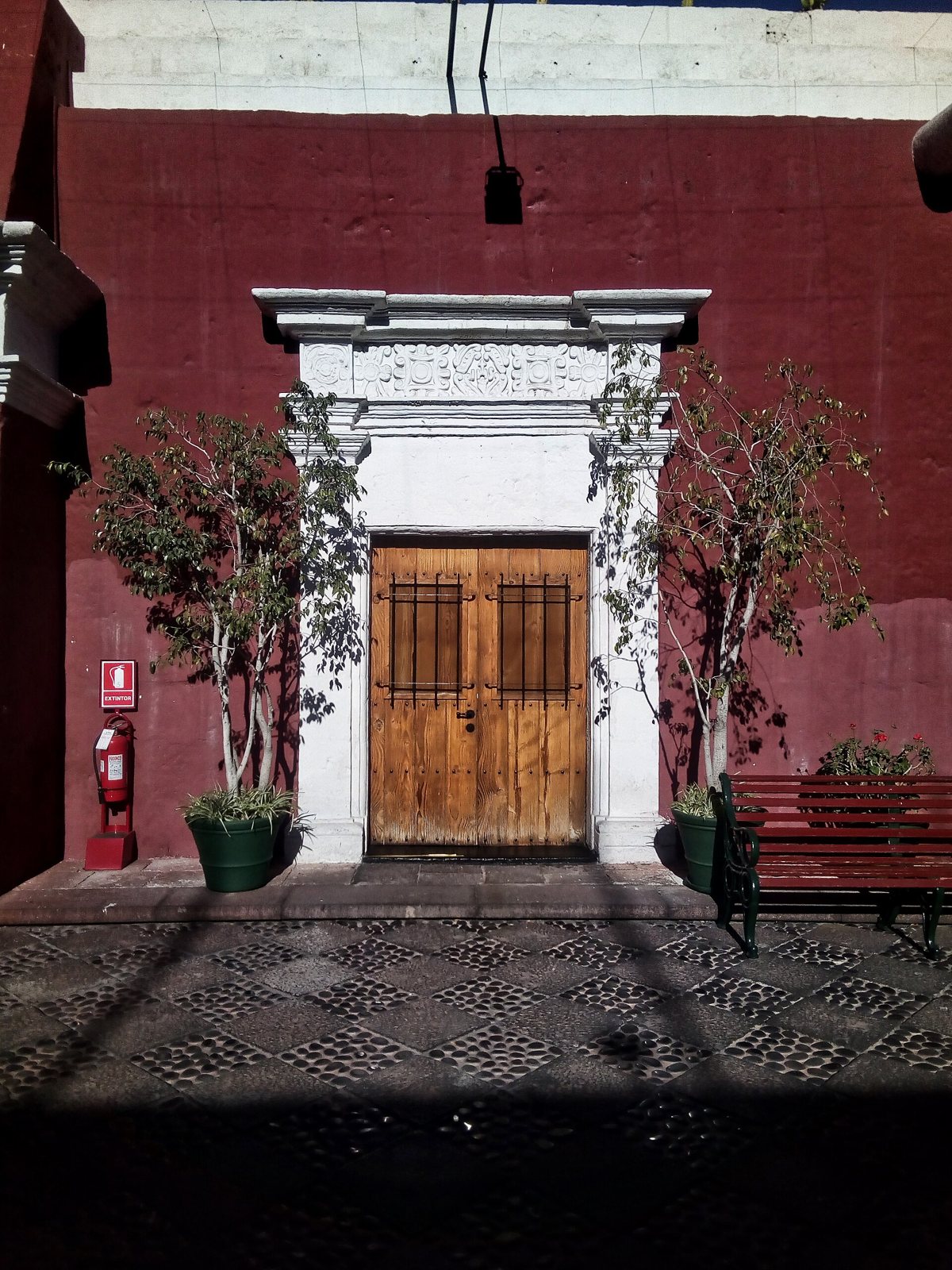
She is not on view all year. Juanita is shown from May through December. From January through April she rests in a conservation period, and during those months the museum shows Sarita, another Inca child, found on the Sara Sara volcano (Perú Travel).
Juanita at a glance
Tap a card to bring it forward.
- Names: Juanita, the Lady of Ampato (Dama de Ampato), the Ice Maiden.
- Where she was found: The summit of Ampato volcano, Arequipa, Peru, at about 6,200 metres.
- When: September 1995.
- Who found her: Johan Reinhard and Miguel Zárate.
- Ritual setting: An Inca capacocha.
- Where she is now: Museo Santuarios Andinos, Universidad Católica de Santa María, Arequipa.
- On view: Normally May through December.
- Conservation season: January through April, when the museum shows Sarita instead.
A university page for the museum lists visiting hours of Tuesday through Saturday, 9:00 a.m. to 6:00 p.m., and Sunday, 9:00 a.m. to 2:00 p.m. (Museo Santuarios Andinos, UCSM). Confirm admission fees, photography rules and holiday closures with the museum before you go.
In 2023 researchers presented a facial reconstruction of Juanita in the exhibition "Capacocha, following the Inca Divinities," a collaboration between the University of Warsaw and the Universidad Católica de Santa María (University of Warsaw). Our story on facial reconstruction explains how that kind of work is done.
Questions people ask about Mummy Juanita
Short answers to the questions people ask most.
Is the 500-year-old Inca girl real?
Yes. Juanita is the real body of an Inca girl, found on Ampato in 1995 and preserved by centuries of freezing at high altitude. She is cared for by the Museo Santuarios Andinos in Arequipa (Johan Reinhard).
Why was Mummy Juanita sacrificed?
She was offered in a capacocha, an Inca ceremony that gave children to the sacred mountain powers in connection with water, fertility and major events in the empire. The evidence shows that ritual setting but does not identify one specific trigger, such as a particular drought or eruption (Reinhard and Socha).
How was Mummy Juanita found, and who found her?
The anthropologist Johan Reinhard and the Arequipa mountaineer Miguel Zárate found her in September 1995, after ash from the erupting Sabancaya melted the snow on Ampato's summit. A collapse near the top had carried her burial area into a crater (Johan Reinhard).
Where is Mummy Juanita now?
She is at the Museo Santuarios Andinos of the Universidad Católica de Santa María in Arequipa, Peru. She is normally on display from May to December and rests in conservation from January to April (Perú Travel).
How old was Mummy Juanita?
She was an adolescent, generally estimated at about 12 to 15 years old, and some museum presentations say about 13 (AP).
How did the Children of Llullaillaco die?
The three children were placed in a high-altitude sanctuary on Llullaillaco, Argentina, as part of a capacocha. Their bodies do not show the visible trauma seen in some Ampato children, and archaeologists caution that causes of death differed from case to case (Museo de Arqueología de Alta Montaña).
Mummy Juanita quiz
Answer every question to check.
A child of the mountain, cared for in Arequipa
Juanita was a girl in her early teens, offered on a mountain her people held sacred. The Inca saw her as a messenger joining the living, the ancestors and the mountain powers. Five centuries later, a volcanic eruption uncovered her, two climbers carried her down, and a university museum in Arequipa keeps her cold and safe, letting her rest for part of every year. She is someone's ancestor and a child of the Andes. To read about another Andean burial on Peru's coast, see the story of the Lord of Sipán.
Terms in this story
Tap a term to see what it means.
Capacocha. An Inca state ritual, also written capac cocha or qhapaq hucha, that offered children to the sacred powers of the mountains and water.
---