

No. 127
Where Is Pancho Villa's Skull? The 1926 Grave Robbery and the Theories
Nobody knows where Pancho Villa's skull is. In the early morning of 6 February 1926, his grave in the Panteón de Dolores in Hidalgo del Parral, Chihuahua, was opened, and his body was left without its head (Municipality of Hidalgo del Parral). The head has never been conclusively recovered. The Municipality of Hidalgo del Parral attributes the act to Colonel Francisco Durazo Ruiz, while other accounts point to other suspects, among them the American adventurer Emil Holmdahl. The famous claim that the skull ended up with Yale's Skull and Bones society is a rumour, and a society representative denied it in 1988 (The Washington Post). In 1976, remains identified as Villa's were moved to the Monumento a la Revolución in Mexico City.
Francisco Villa remains one of the great figures of the Mexican Revolution, and in Parral and across Chihuahua he is still honoured. What happened to his head is a real historical mystery, with names, dates and a good deal of disagreement. This is the sequence as the institutions and historians who care for his memory tell it.
The ambush in Parral, 20 July 1923
Francisco Villa was assassinated in Hidalgo del Parral, Chihuahua, on 20 July 1923. The Secretaría de Cultura and the Museo Histórico de la Revolución in Chihuahua describe the attack as an ambush on Villa's 1922 Dodge automobile, the same car the museum now keeps (Museo Histórico de la Revolución, Secretaría de Cultura).
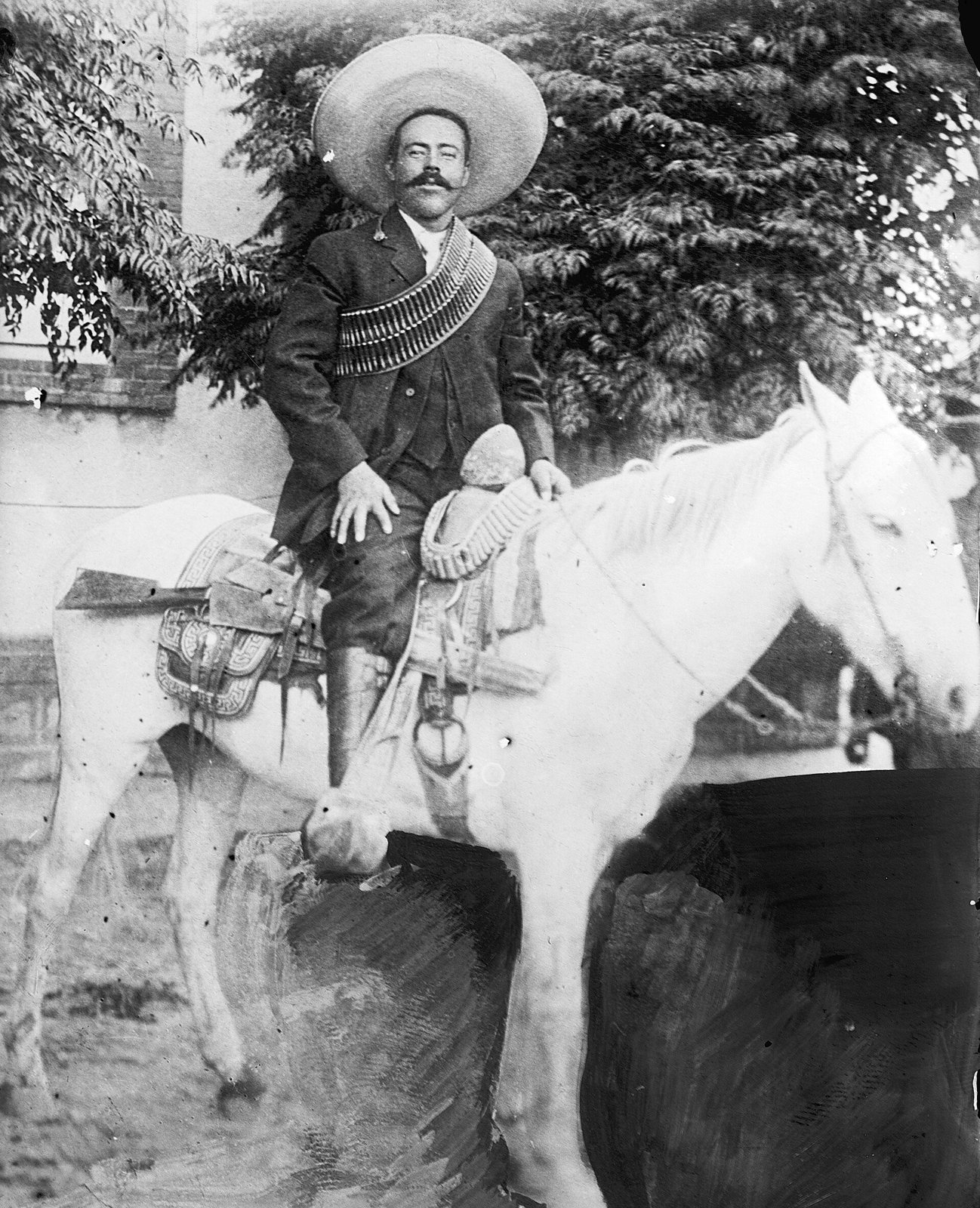
He was buried the next day, 21 July 1923, in the Municipal Cemetery of Parral, now associated with the Panteón de Dolores. Historian Friedrich Katz is among Villa's major modern biographers, and historian Anne Marie McGee has written about how Villa's burial and the later treatment of his remains became part of the contested politics of revolutionary memory in Mexico (Anne Marie McGee). That phrase matters for what follows. Villa's body was never only a private grave; it was also a symbol, and different people wanted different things from it.
The night of 6 February 1926
Less than three years after the burial, in the early morning of 6 February 1926, Villa's grave in the Panteón de Dolores was opened. His body was left in the grave, but without its head (Municipality of Hidalgo del Parral).
Who did it is the first point where accounts part ways. The Municipality of Hidalgo del Parral attributes the operation to Colonel Francisco Durazo Ruiz and describes the motive as financial, connected with an obsolete reward. Other accounts speak of an unidentified group of grave robbers (Haldeen Braddy, The Head of Pancho Villa). None of these versions has been proven, and they are best kept side by side rather than merged into one tidy story.
In Parral, the Museo de Sitio Centauro del Norte keeps newspaper material about the decapitation, along with a gallery devoted to Villa's final days (Museo de Sitio Centauro del Norte). The head itself has never been conclusively recovered.
Pancho Villa's death, burial and the missing head
Tap or hover a step to follow the order.
20 July 1923
Francisco Villa is assassinated in an ambush in Hidalgo del Parral, Chihuahua.
21 July 1923
Villa is buried in the Municipal Cemetery of Parral.
6 February 1926
His grave in the Panteón de Dolores is opened and his head removed.
1976
Remains identified as Villa's are moved to the Monumento a la Revolución in Mexico City.
17 November 1982
The Museo Histórico de la Revolución opens in Villa's former Quinta Luz in Chihuahua City.
Emil Holmdahl, the suspect who denied it
The name that comes up most often is Emil Holmdahl, an American adventurer and former soldier connected to the Punitive Expedition, the United States military campaign that pursued Villa. Holmdahl was arrested in Parral after the grave robbery and then released. He denied taking the head (The New Yorker).
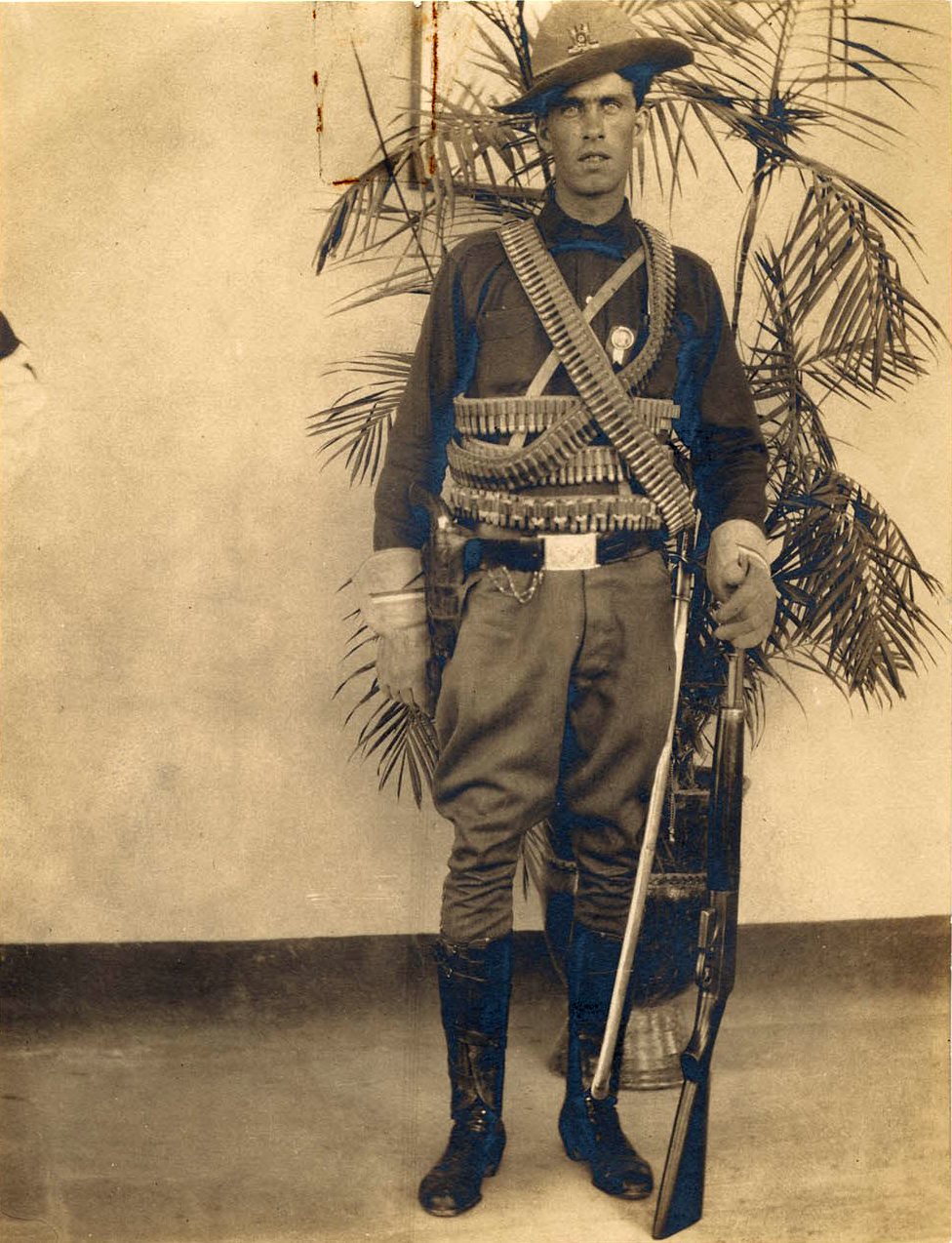
A modern summary in Christian Century describes Holmdahl as the only major suspect (Christian Century). Being the main suspect, though, is not the same as being shown to have done it. His arrest, his release and his denial are what the record holds.
The Skull and Bones story, and why it remains a rumour
The version that travels furthest online connects Villa's skull to Skull and Bones, the secret society at Yale University. It goes back to Ben F. Williams, who later claimed that Holmdahl had confessed to him and had sold the skull to an intermediary connected with Skull and Bones (The New Yorker).
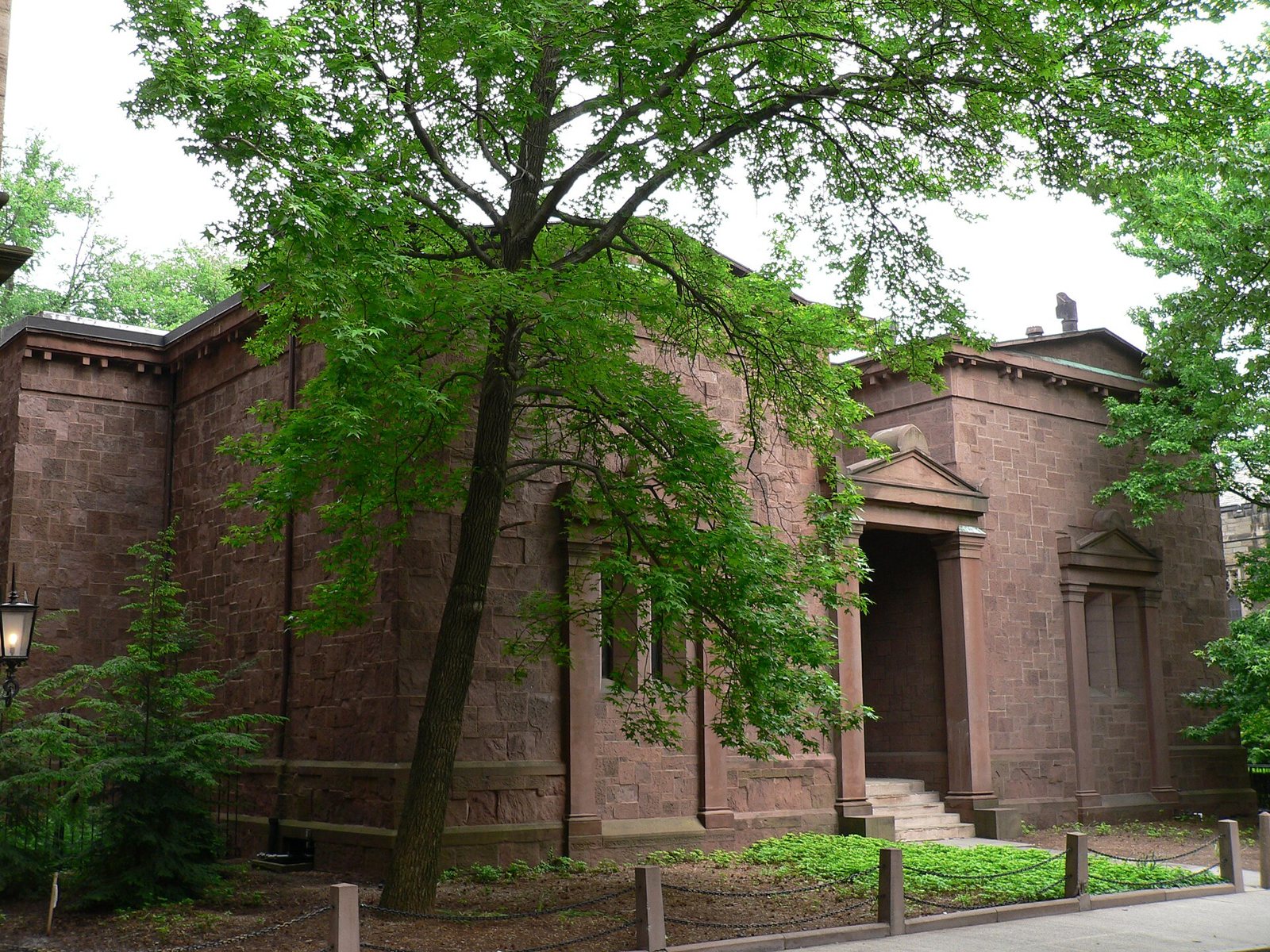
The story drew enough attention that in 1988 The Washington Post ran a piece headlined "Pancho Villa Skull at Yale?". In it, a representative for Skull and Bones denied that the society possessed Villa's skull (The Washington Post). The following year, The New Yorker noted that one version of the tale, involving a man named Frank Brophy, was weakened by a basic fact: Brophy was a Yale graduate but not a member of Skull and Bones. Christian Century calls the Skull and Bones connection dubious.
So, the Skull and Bones story stands as a claim made by one man about another man's confession, publicly denied by the society. It has never been shown to be true. If you want the background on the society itself and the other legends attached to it, our story on Skull and Bones covers it.
Other theories about the head
Long before the Yale rumour took over, Haldeen Braddy gathered the competing explanations in his 1960 book *The Head of Pancho Villa*. Among the theories he catalogued were Villa's enemies, Mexican military figures, American collectors, scientists, and treasure hunters seeking a supposed map to Villa's gold (Haldeen Braddy; The New Yorker).
Braddy saw no evidence that Holmdahl had successfully bought the head. Without proof, he concluded, it might still be in Mexico. Each of these theories is exactly that, a theory, and none of them has been proven.
1976: the move to the Monumento a la Revolución, and the doubt
Fifty years after the grave was opened, the Mexican government transferred remains identified as Francisco Villa's from Parral to the Monumento a la Revolución in Mexico City. They were placed there during the ceremony marking the 20 November anniversary of the Revolution. The Monumento a la Revolución lists Villa among the people whose remains rest in its mausoleum (Monumento a la Revolución).
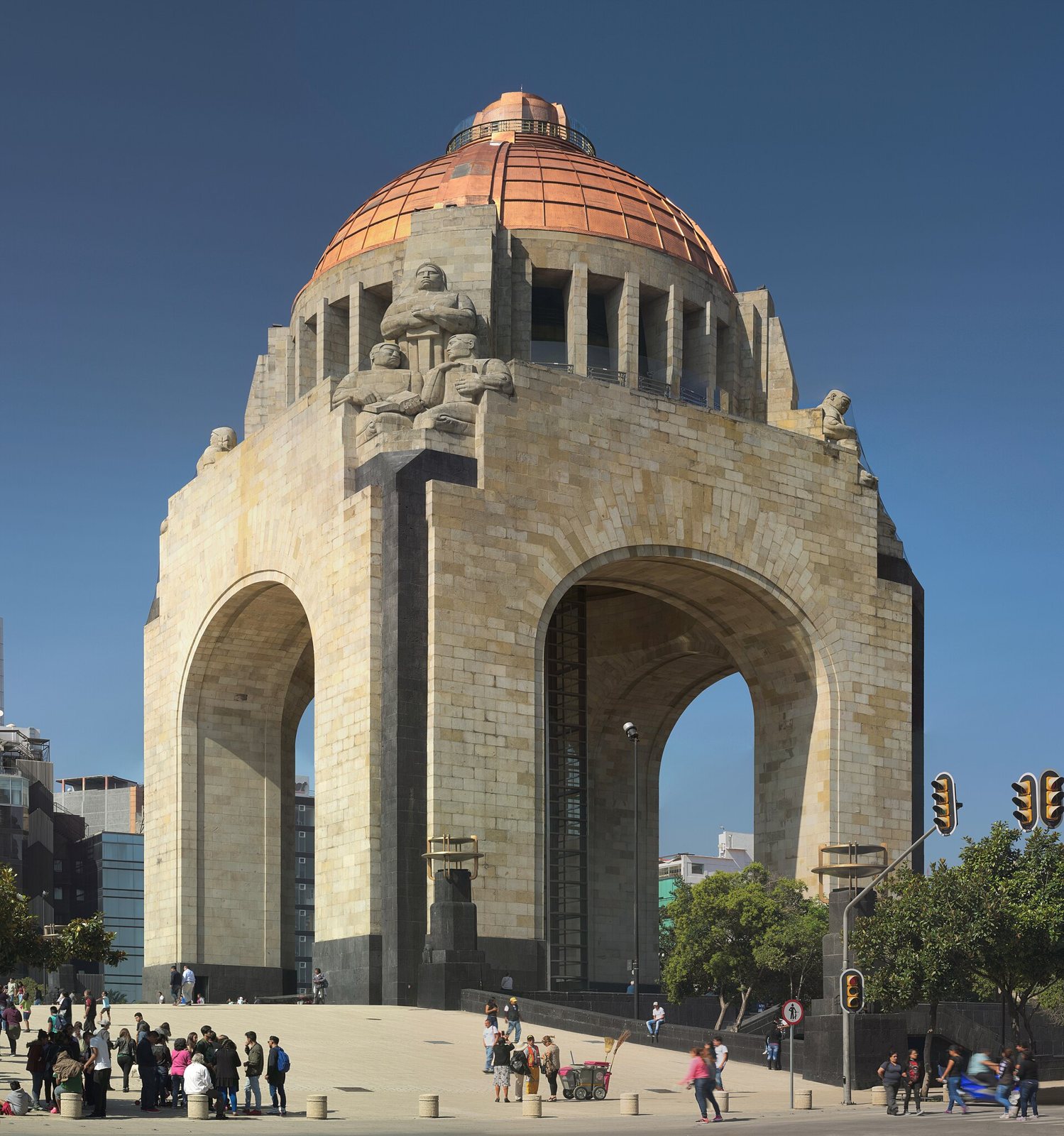
The move did not settle everything. Anne Marie McGee describes Parral as a regional centre of Villa's memory and notes that the location and identity of the remains became politically contested (Anne Marie McGee). Some accounts from Parral hold that Villa's remains stayed there, while other accounts accept the 1976 transfer. Milenio has reported on proposed DNA testing of the remains (Milenio). For now it is a debate, not a settled forensic answer, and both Parral and Mexico City claim a part of his story.
Where Villa is remembered today
In Parral, Villa is remembered at the Panteón de Dolores, where he was first buried, at the Museo Francisco Villa and the Museo de Sitio Centauro del Norte, and through annual commemorations such as the Jornadas Villistas (Museo Francisco Villa, Secretaría de Cultura).
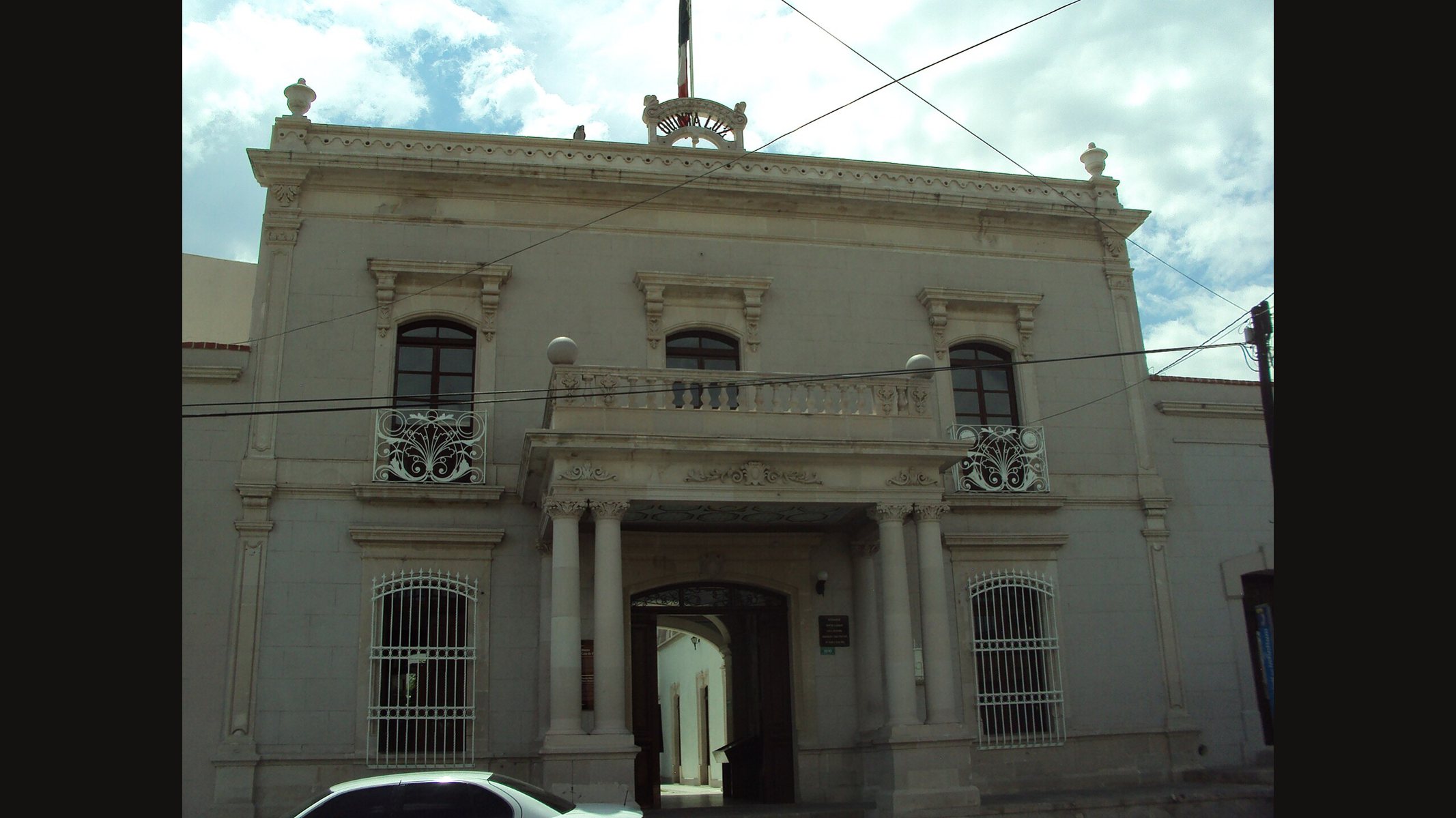
In Chihuahua City, the Museo Histórico de la Revolución occupies Villa's former home, the Quinta Luz, later associated with Luz Corral. It opened on 17 November 1982 and displays household objects associated with Villa, weapons, photographs, a death mask and the 1922 Dodge from the ambush (Museo Histórico de la Revolución, Secretaría de Cultura).
The Secretaría de Cultura's museum records list these visiting details. Times and prices change, so confirm them with each museum before you travel.
Tap or hover a row to highlight it.
| Museum | Place | Hours | Admission | Record updated |
|---|---|---|---|---|
| MuseumMuseo Francisco Villa | PlaceGabino Barreda s/n, Hidalgo del Parral | HoursDaily, 10:00 to 17:00 | Admission44 pesos adults, 28 pesos children | Record updated16 April 2024 |
| MuseumMuseo Histórico de la Revolución (Quinta Luz) | PlaceChihuahua City | HoursTuesday to Saturday 9:00 to 13:00 and 15:00 to 19:00; Sundays and holidays 9:00 to 17:00 | Admission10 pesos general admission | Record updated9 September 2024 |
If you also plan to visit the Mausoleo de Villa in Chihuahua, confirm access, hours, photography rules and any admission requirements with the local cultural office before you go.
Villa is one of several famous figures whose heads went missing or took a different road from the rest of them. The stories of Goya's skull, Descartes' skull and Oliver Cromwell's head each follow their own trail.
Questions people ask about Pancho Villa's skull
These are the questions that come up most often.
Where is Pancho Villa's skull?
Its present location is unknown. The head was removed when Villa's grave in Parral was opened in February 1926, and it has never been conclusively recovered; the Yale story is a rumour, not a location.
Where is Pancho Villa's head now?
No one has established where it is. It was taken from the Panteón de Dolores in Hidalgo del Parral in the early morning of 6 February 1926, and Haldeen Braddy thought that, without proof otherwise, it might still be in Mexico.
Who has Pancho Villa's head?
No person or institution has been shown to hold it. Emil Holmdahl was arrested and denied taking it, and Skull and Bones denied having it in 1988.
Who stole Pancho Villa's head?
That has never been proven. The Municipality of Hidalgo del Parral attributes the act to Colonel Francisco Durazo Ruiz, other accounts describe an unidentified group of grave robbers, and Emil Holmdahl was arrested as a suspect but released after denying it.
Did Skull and Bones take Pancho Villa's skull? Is it at Yale?
There is no proof that it did, and the society denied possessing the skull in 1988. The story rests on Ben F. Williams's claim about a confession by Holmdahl, and The New Yorker pointed out that the Frank Brophy version is weakened because Brophy was not a Skull and Bones member.
Where is Pancho Villa buried? Does Parral still have his body?
Remains identified as Villa's rest in the Monumento a la Revolución in Mexico City, where they were placed in 1976. Some accounts from Parral maintain that his remains never left, so whose body lies in Mexico City is still debated.
How well do you know the story of Pancho Villa's head?
Answer every question to check.
A revolutionary remembered in more than one place
Villa's story after death runs from an ambush on a Dodge in 1923, to a grave opened in the early morning in 1926, to a national mausoleum in 1976, with a head that nobody has been able to trace. The suspects, the Yale rumour and the treasure-map tales have all had their turn, and none has been proven. What is not in doubt is how he is remembered: in Parral, where he was buried and where the Jornadas Villistas keep his memory, and in Chihuahua City, where his old home holds the car he died in.
Terms in this story
Tap a term to see what it means.
Hidalgo del Parral. A city in the state of Chihuahua, Mexico, usually called Parral, where Villa was assassinated in 1923 and first buried.
---