No. 249
The Solferino Ossuary and San Martino: The Chapels of Skulls From the 1859 Battle
The Solferino ossuary and its twin at San Martino della Battaglia are two memorial chapels for the soldiers who died in the battle of 24 June 1859, in Lombardy. At Solferino, the former Church of San Pietro in Vincoli became the Cappella Ossario in early June 1870, and it holds 1,413 skulls and many bones of fallen soldiers. At San Martino, the ossuary inaugurated on 24 June 1870 holds 1,274 skulls in its apse and the bones of 2,619 soldiers in its crypt, without distinction of nationality.
The same battlefield gave the world the Red Cross. A Swiss businessman named Henry Dunant saw the wounded after the fighting, and the book he wrote about it, *A Memory of Solferino*, helped lead to the founding of the International Committee of the Red Cross.
Both chapels can be visited, and the Solferino ossuary is listed as free of charge. Hours and prices change, so confirm them before you go.
The battle of 24 June 1859
The fighting at Solferino and San Martino was part of the Second Italian War of Independence. On one side stood Austria; on the other, the allied armies of France and Sardinia, led by Napoleon III and Victor Emmanuel II. According to Rai Cultura, the battle stretched across a long front, from Medole through Solferino to San Martino. It lasted about 14 to 15 hours.
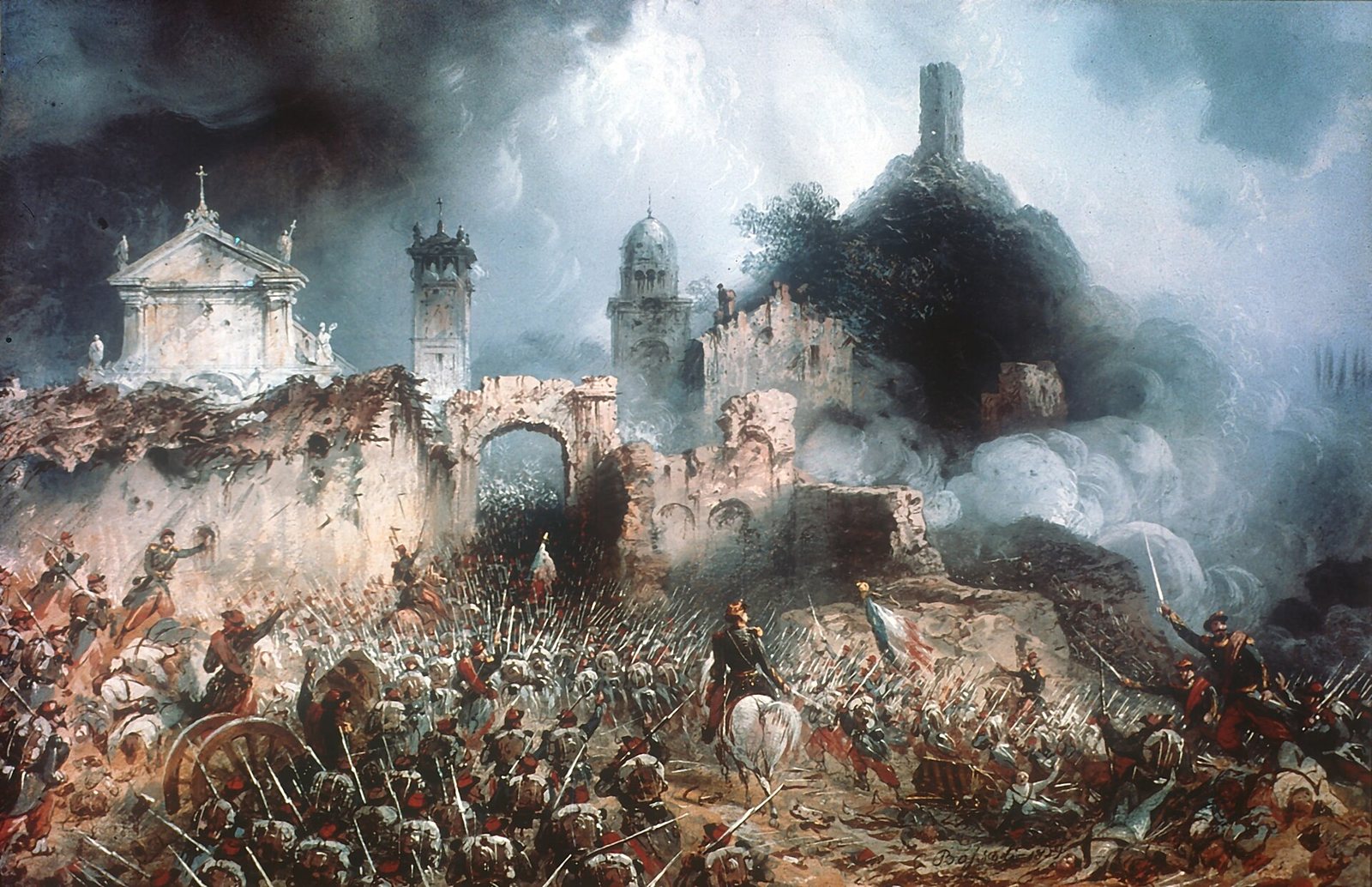
The scale was enormous. The Oxford Institute for Ethics, Law and Armed Conflict describes about 300,000 troops in the field, about 30,000 killed and many thousands wounded. The allied victory pushed Austria toward the Armistice of Villafranca, according to the Fondation Napoléon.
Casualty figures vary from one account to the next. The Fondation Napoléon records about 20,000 Austrian and 18,000 French casualties. Rai Cultura reports about 5,000 Sardinian dead and wounded, nearly twice that number for the French, and about 22,000 Austrian losses.
Tap or hover a row to highlight it.
| Who gives the figure | Estimate |
|---|---|
| Who gives the figureOxford Institute for Ethics, Law and Armed Conflict | EstimateAbout 300,000 troops in the field; about 30,000 killed; many thousands wounded |
| Who gives the figureFondation Napoléon | EstimateAbout 20,000 Austrian and 18,000 French casualties |
| Who gives the figureRai Cultura | EstimateAbout 5,000 Sardinian dead and wounded; nearly twice that for the French; about 22,000 Austrian losses |
Henry Dunant and A Memory of Solferino
Among the people who arrived after the battle was Henry Dunant, a Swiss businessman travelling in northern Italy. He stayed to help wounded soldiers and civilians in the days after the battle. In 1862 he published *A Memory of Solferino*, his account of what he saw.
The book did more than describe suffering. According to the International Committee of the Red Cross, it proposed two things: volunteer relief societies in every country, and an international agreement to protect wounded soldiers and the people who helped them.
Those ideas moved quickly. A five-member committee, the group that became the ICRC, first met in Geneva on 17 February 1863, as the ICRC's history of the emblems records. The first International Conference met in October 1863, and the First Geneva Convention was adopted in August 1864. The ICRC publishes the book and, on its page for A Memory of Solferino, counts Dunant's proposals among the movement's origins.
So, the link between Solferino and the Red Cross runs straight through this battlefield: the dead in these chapels and the wounded Dunant tended came out of the same day.
The Solferino ossuary chapel
The Solferino ossuary stands in a church that existed before the battle. According to the Italian Ministry of Culture, the former Church of San Pietro in Vincoli was given by the Mantua episcopal curia, the diocese's governing office, to the Società Solferino e San Martino. The Società restored it, and it opened as the Cappella Ossario, the ossuary chapel, in early June 1870.
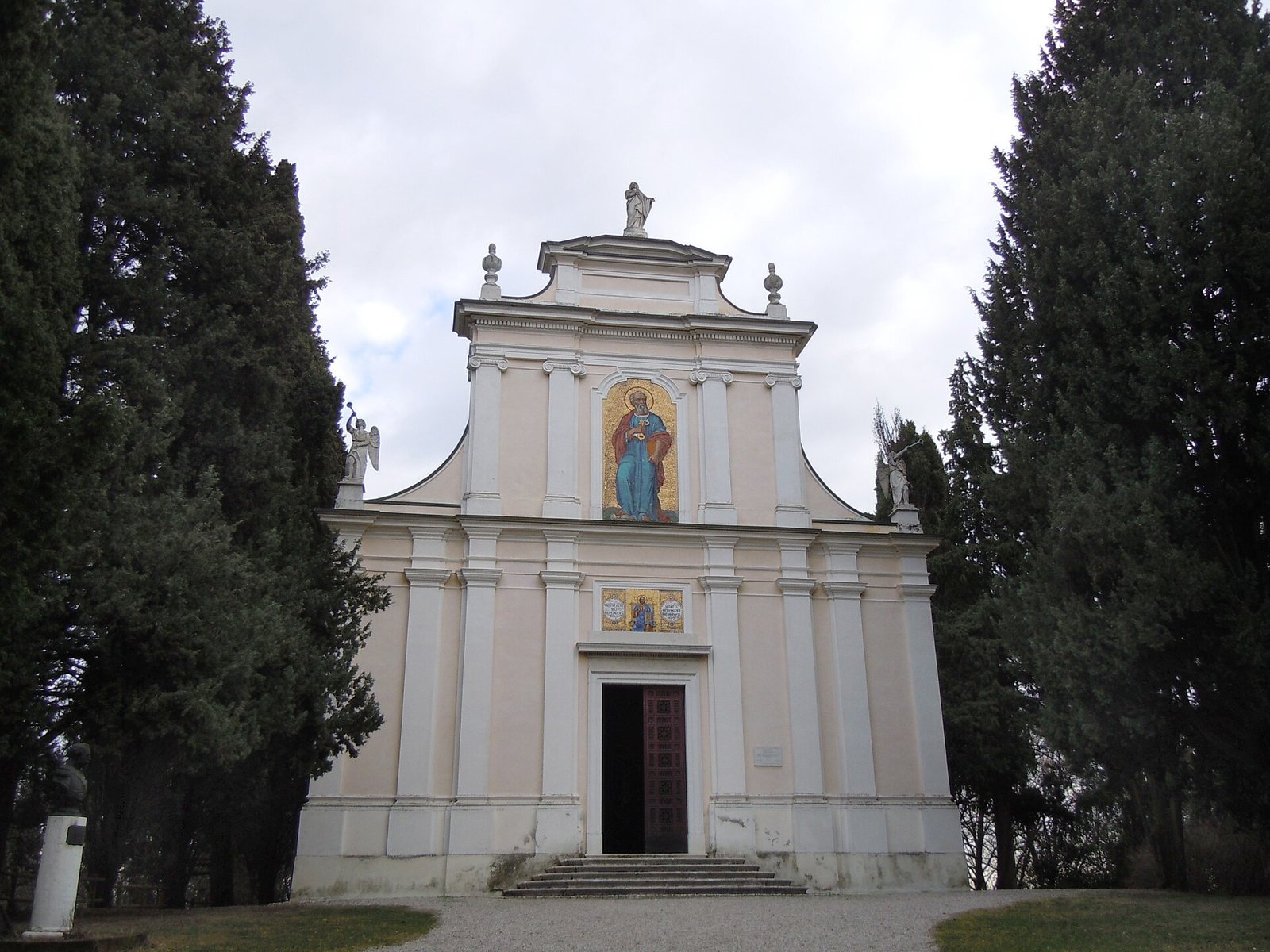
Inside, the Ministry's page records 1,413 skulls and numerous bones of soldiers who fell in the battle. The Società's own page on Solferino presents the chapel as a place of remembrance. It is part of a small group of sites on Via Ossario, together with the Risorgimento museum and the fortress, the Rocca.
The San Martino ossuary
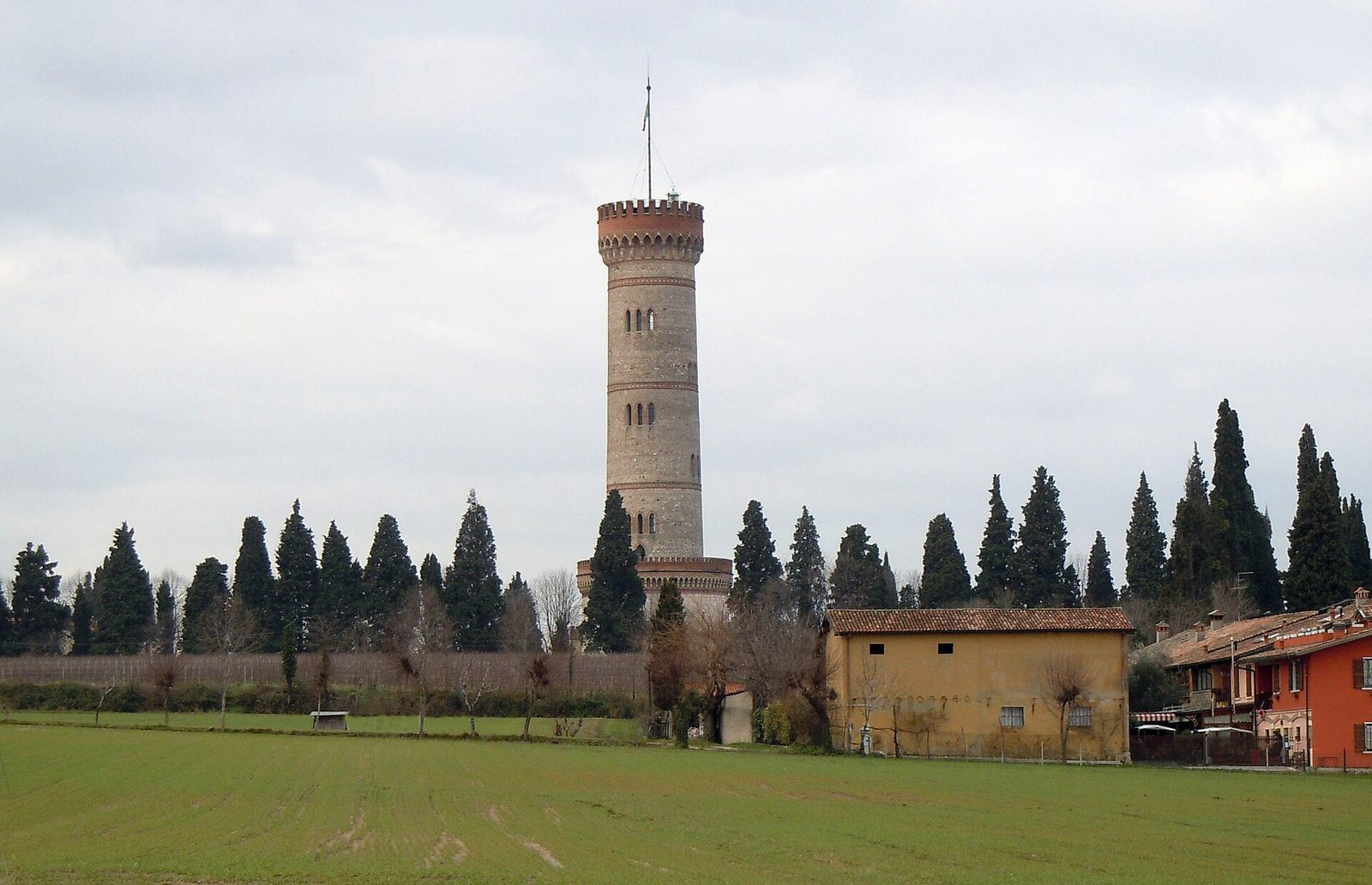
A few weeks after Solferino's chapel opened, its counterpart at San Martino della Battaglia followed. According to the Società's page on San Martino, the ossuary was originally the private chapel of the Treccani family. It was inaugurated on 24 June 1870, eleven years to the day after the battle.
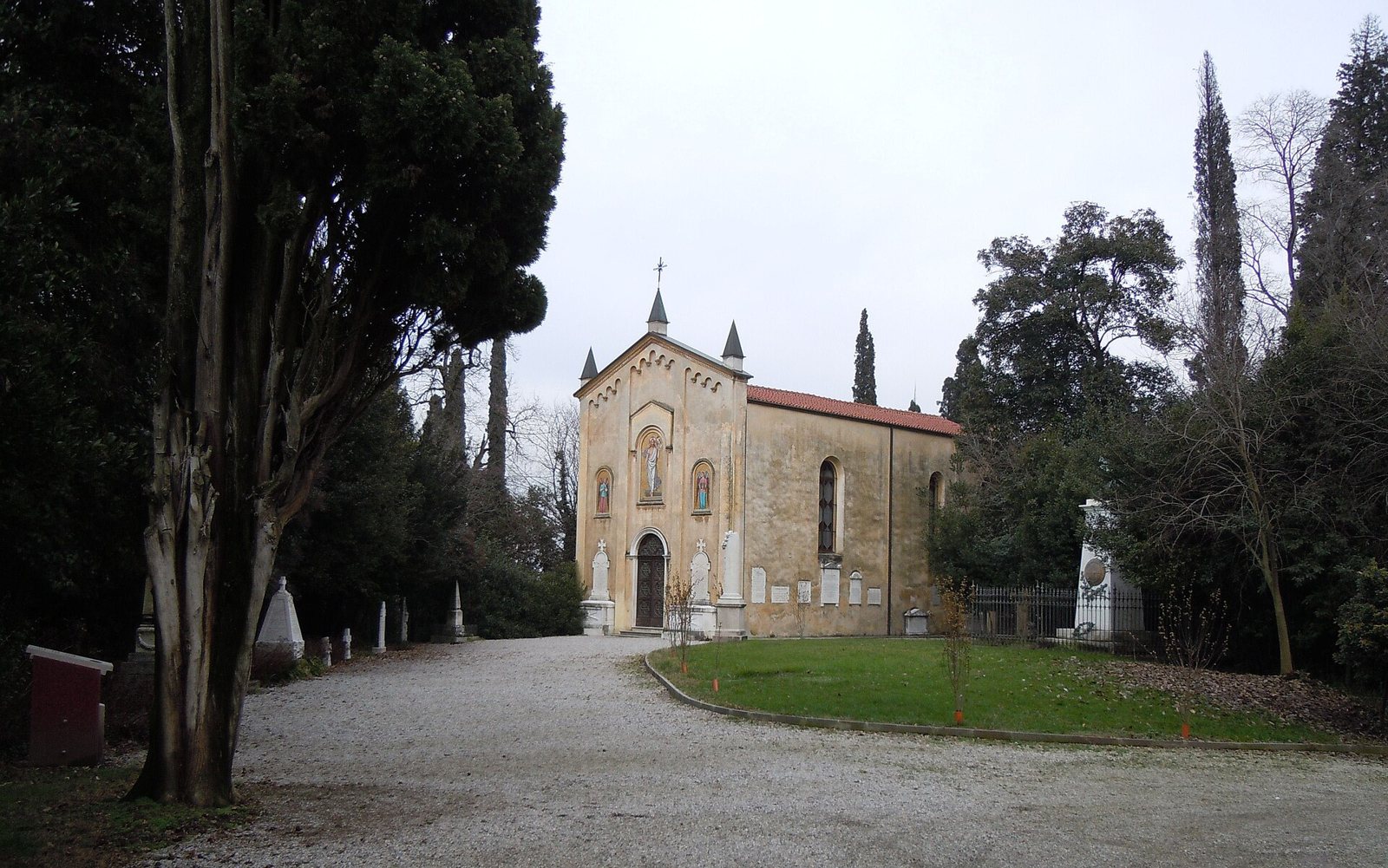
The skulls are in the apse, the curved end of the chapel, and the Società counts 1,274 of them. The crypt below holds the bones of 2,619 soldiers. They rest without distinction of nationality, so Austrian, French and Sardinian soldiers lie together.
The Società's inscription at San Martino puts that idea into words: those who were enemies in battle now rest together in the silence of the tomb. The ossuary stands beside the tower and museum at Via Torre 2, San Martino della Battaglia, in a park that the Municipality of Desenzano del Garda describes as publicly accessible.
Tap or hover a row to highlight it.
| Detail | Solferino | San Martino della Battaglia |
|---|---|---|
| DetailThe building | SolferinoFormer Church of San Pietro in Vincoli | San Martino della BattagliaFormer private chapel of the Treccani family |
| DetailOpened as an ossuary | SolferinoEarly June 1870 | San Martino della Battaglia24 June 1870 |
| DetailSkulls | Solferino1,413 | San Martino della Battaglia1,274, in the apse |
| DetailOther remains | SolferinoNumerous bones of fallen soldiers | San Martino della BattagliaBones of 2,619 soldiers, in the crypt |
| DetailAddress | SolferinoVia Ossario, Solferino | San Martino della BattagliaVia Torre 2, San Martino della Battaglia |
The Red Cross memorial at Solferino
A hundred years after the battle, the Red Cross came back to Solferino. In 1959, the centenary, the International Red Cross erected the Red Cross Memorial there. The Società's Solferino page describes it as a memorial to the humanitarian idea that took shape around Henry Dunant at Solferino and to the creation of the International Red Cross.
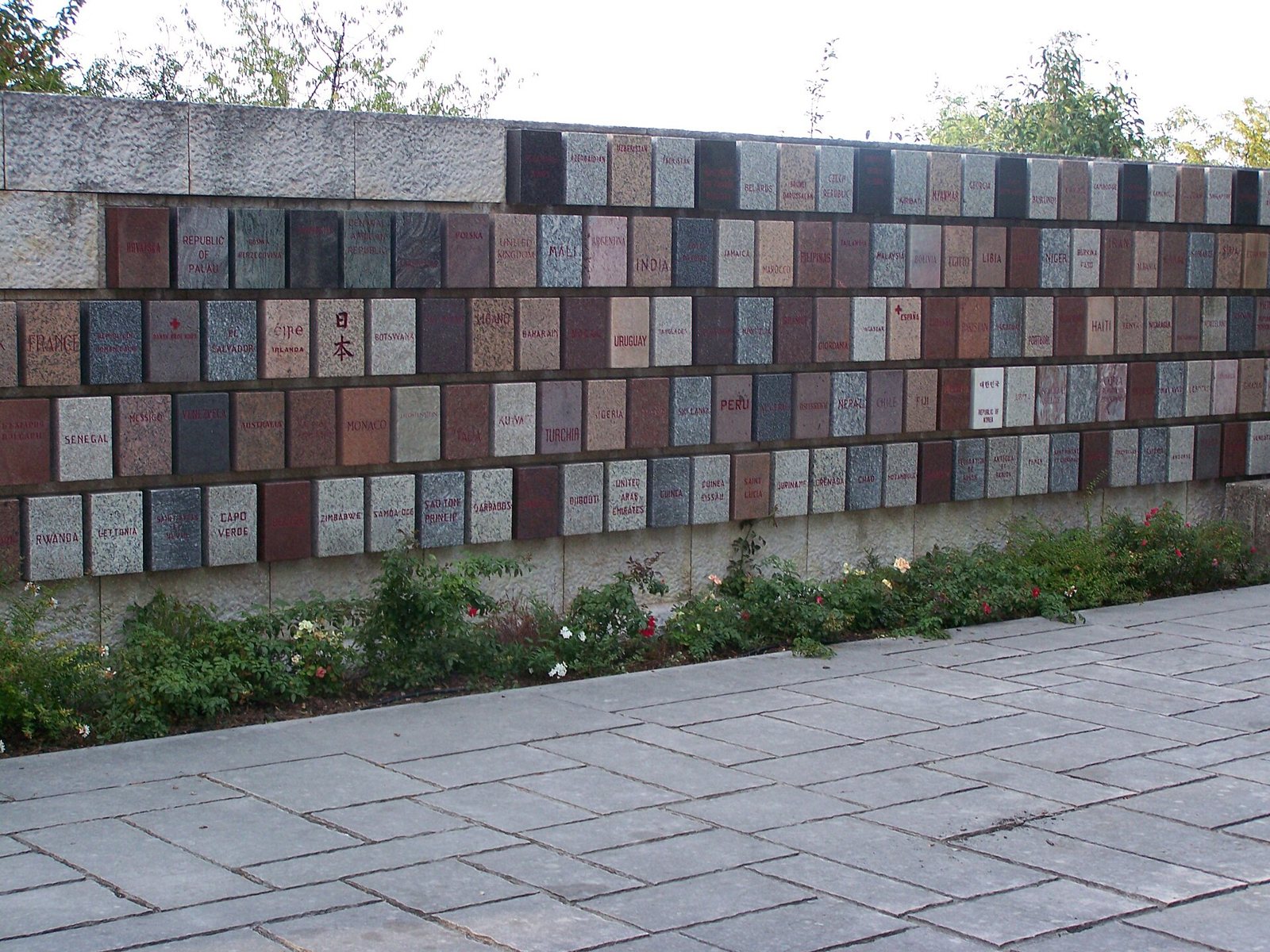
It stands at the end of a cypress-lined path leading from the park around the fortress, according to the local tourism site Land of Upper Mantua. A visit to the ossuary and the memorial together tells both halves of the story: the soldiers who died, and the movement that grew out of caring for those who survived.
From the battle to the Red Cross memorial
Tap or hover a step to follow the order.
24 June 1859
The battle of Solferino and San Martino is fought in Lombardy.
1862
Henry Dunant publishes A Memory of Solferino.
17 February 1863
The five-member committee that became the ICRC meets in Geneva.
October 1863
The first International Conference meets.
August 1864
The First Geneva Convention is adopted.
Early June 1870
The Solferino ossuary chapel opens in the former Church of San Pietro in Vincoli.
24 June 1870
The San Martino ossuary is inaugurated.
1959
The International Red Cross erects its memorial at Solferino.
Why the soldiers rest together
Both ossuaries were built as places of commemoration for the dead of the battle, and San Martino gathers soldiers of every army in one place. The Società's inscription there spells out what that means: former enemies sharing one tomb.
Other battlefields in Europe have their own ossuaries. For one from the First World War, read about the Douaumont ossuary at Verdun, and for another monument tied to the dead of war, see the Skull Tower of Niš in Serbia.
Visiting Solferino and San Martino
The two chapels are separate sites, each with its own details.
At Solferino, the Società's English page lists the ossuary as free of charge. The Italian Ministry of Culture page, last updated on 14 January 2021, lists the museum, fortress and ossuary complex at Via Ossario with opening hours of 9:00 to 12:30 and 14:30 to 19:00, closed on Mondays, and admission of €2.50 full and €2 reduced. The Società's English page lists different prices for the museum and fortress. Because the two pages disagree, confirm current prices and hours with the official site before you travel.
At San Martino della Battaglia, the Società's San Martino page lists combined museum and tower admission at €10 for adults, free for children up to 10, and €8 for ages 11 to 18, visitors over 65 and groups. It notes an annual opening schedule and sends visitors to its ticket office page for current hours. Confirm the hours and site rules, including photography, with the ticket office before visiting.
Before you visit the Solferino and San Martino ossuaries
Tap a card to bring it forward.
- Solferino ossuary: Listed as free of charge by the Società Solferino e San Martino.
- Solferino complex: 9:00 to 12:30 and 14:30 to 19:00, closed Mondays, per the Ministry of Culture page last updated 14 January 2021.
- San Martino tickets: Museum and tower €10 adults, €8 for ages 11 to 18, over 65s and groups, free up to age 10.
- San Martino hours: Listed on the Società's ticket office page.
- Before you travel: Confirm current prices, hours and site rules with the official site.
How well do you know Solferino and San Martino?
Answer every question to check.
Questions about the Solferino ossuary
A few short answers for visitors and Red Cross readers.
Where is the Solferino ossuary?
The Solferino ossuary is on Via Ossario in Solferino, in the same complex as the Risorgimento museum and the fortress. Its twin, the San Martino ossuary, is at Via Torre 2, San Martino della Battaglia, in the Municipality of Desenzano del Garda.
How many skulls are in the Solferino ossuary?
The Italian Ministry of Culture records 1,413 skulls in the Solferino ossuary, along with numerous other bones. San Martino holds a further 1,274 skulls in its apse and the bones of 2,619 soldiers in its crypt.
Who was buried in the ossuaries?
Soldiers who fell in the battle of 24 June 1859, from the Austrian army and from the allied French and Sardinian armies. At San Martino they rest without distinction of nationality, and the Società's inscription speaks of former enemies sharing the silence of the tomb.
More places where the dead are kept in view
Solferino and San Martino belong to a wider family of ossuaries. For a tour of others, start with ossuaries around the world, then the Sedlec Ossuary and the Brno Ossuary in the Czech Republic.
Two other stories in this series follow remains kept in their keepers' care. In Sicily, the Palermo catacombs hold Capuchin friars and the city's families, and in Egypt, the monks of St Catherine's Monastery keep the skulls of their own brothers in a charnel house.
Terms in this story
Tap a term to see what it means.
Ossuary. A building or chapel where human bones are gathered and kept. At Solferino and San Martino, the ossuaries hold the remains of soldiers who died in 1859.
---