

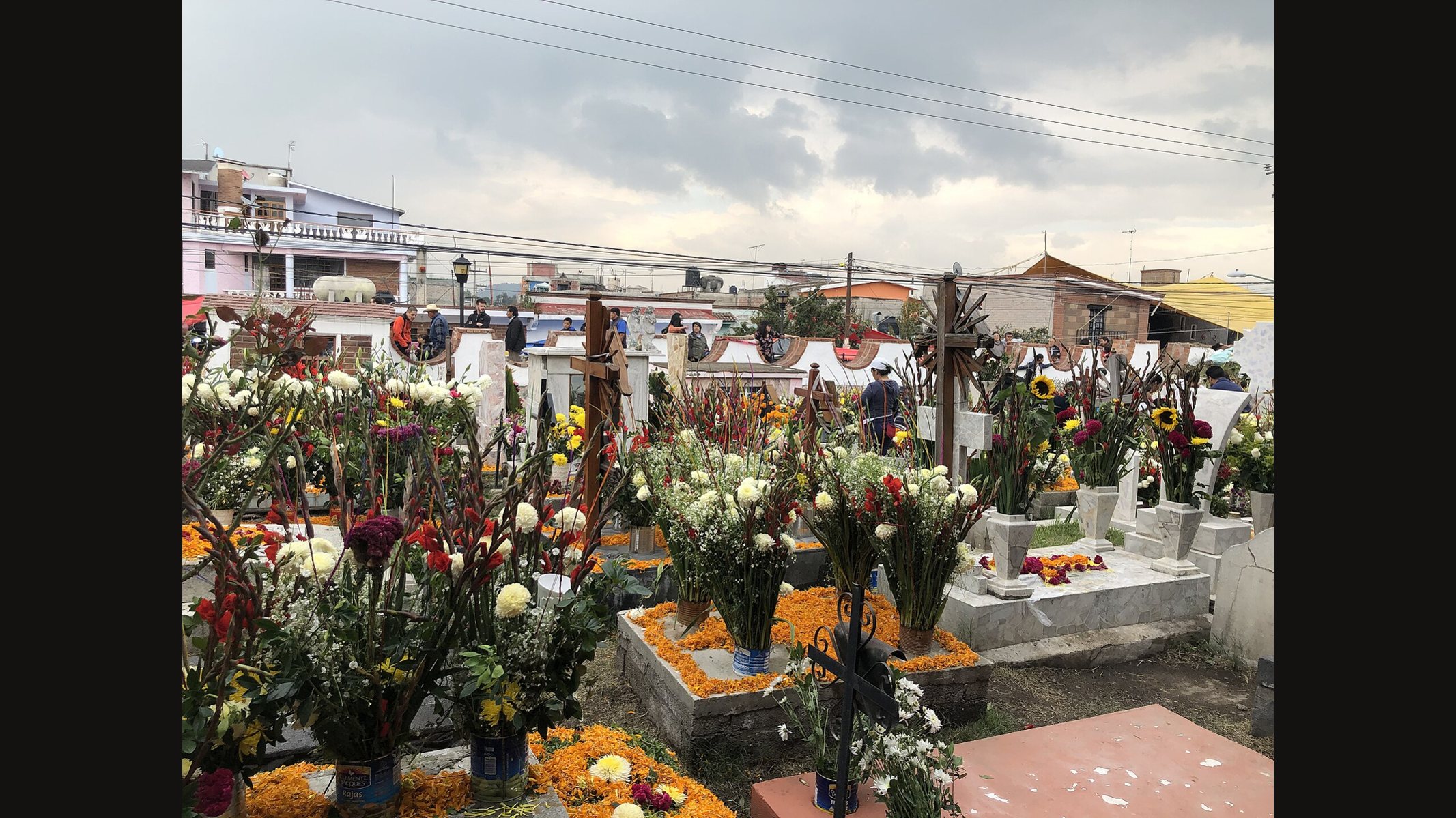
No. 310
The Day of the Dead Calendar: Who Arrives Each Day, October 27 to November 2
In the widely shared Day of the Dead calendar, the pets and other animals come first, on October 27. People who died suddenly, violently or in accidents follow on October 28. October 29 and 30 belong to the forgotten souls and, in some places, to children who died before baptism. October 31 brings children who died young or souls in limbo, November 1 is for the children, the angelitos, and November 2 is for the adults.
That list is a popular pattern, and it is a good one to know. Families and towns across Mexico also keep calendars of their own, with different days, different hours and different things on the ofrenda, so the sections below give the popular calendar first and then the named communities that keep theirs.
The popular calendar, day by day
The version most people meet on social media lines up closely with a 2026 study document prepared for Mexico's Cámara de Diputados, the lower house of Congress. It gives October 27 to animals, October 28 to tragic deaths, October 30 to the forgotten dead, October 31 to unbaptized children or unmarried young people, November 1 to baptized children and November 2 to baptized adults. The Secretaría de Educación Pública, through its Nueva Escuela Mexicana materials, separately describes the October 27 altar for pets.
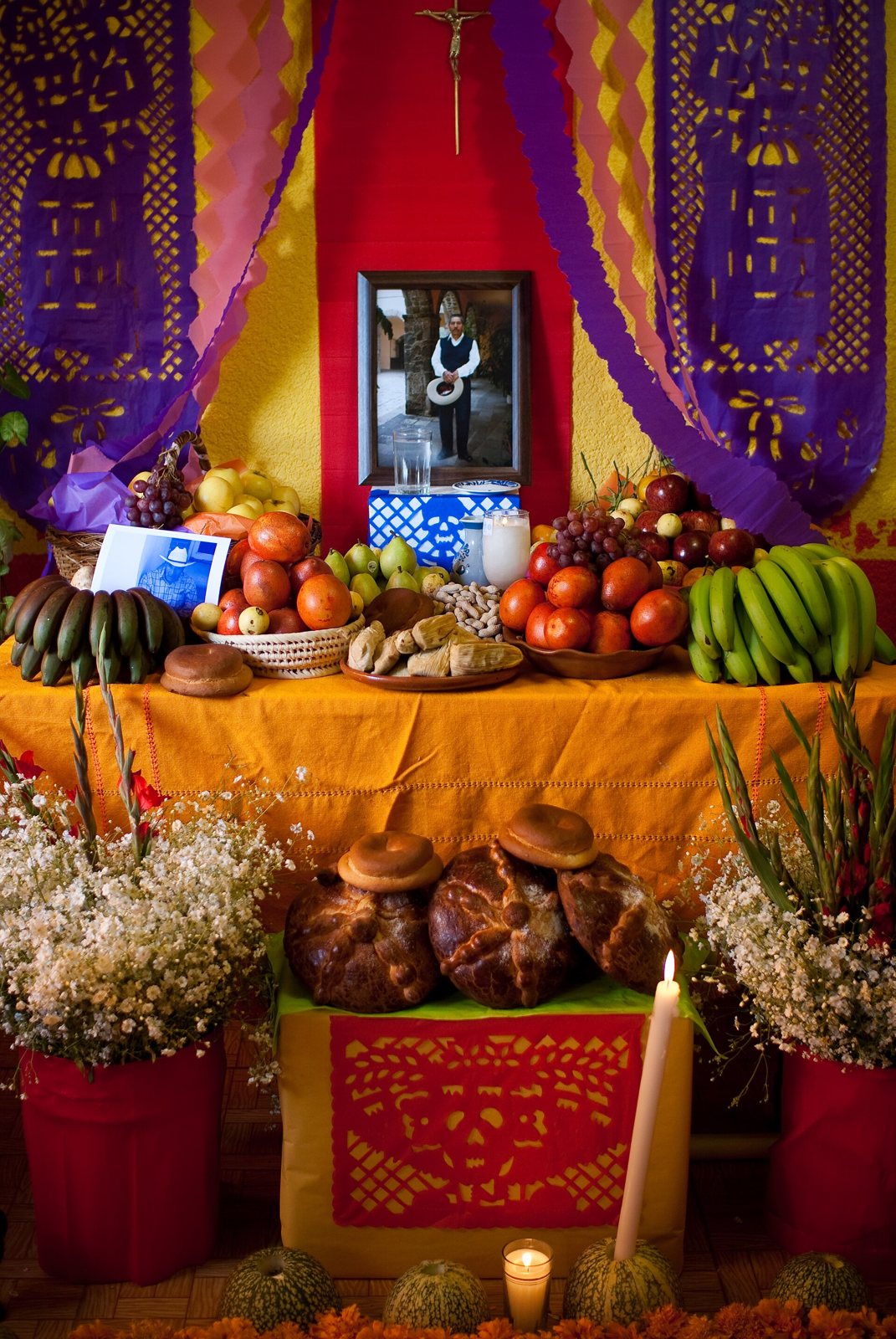
Here is the whole week in one place. Read each row as the popular answer to "who arrives today", with the details that named regional accounts add.
Tap or hover a row to highlight it.
| Date | Who arrives | What families set out |
|---|---|---|
| DateOctober 27 | Who arrivesPets and other animals | What families set outA photograph, toys, favorite food, water, flowers and candles |
| DateOctober 28 | Who arrivesPeople who died suddenly, violently, tragically or in accidents | What families set outWater, candles and flowers; in Tlaxcala, also at the place where the death happened |
| DateOctober 29 | Who arrivesForgotten souls, or in some communities children who died unbaptized | What families set outIn a Tlaxcala account, blessed water, candles and white flowers |
| DateOctober 30 | Who arrivesThe forgotten or abandoned dead, or in some calendars unbaptized souls | What families set outVaries by household and community |
| DateOctober 31 | Who arrivesUnbaptized children, children who died young or souls in limbo, by community | What families set outIn Tlaxcala, food, sweets, fruit, water, white flowers, incense and candles |
| DateNovember 1 | Who arrivesThe children, the angelitos | What families set outToys, sweets, favorite foods, white flowers and bright decorations |
| DateNovember 2 | Who arrivesThe adults and all the faithful departed | What families set outFavorite foods and drinks, cempasúchil, candles, incense and a cemetery visit |
The rows overlap at the edges because communities draw the lines differently. One town's October 30 is another town's October 31, and both are keeping the custom correctly for their place.
October 27: the animals come first
The week opens with the dogs, cats and other animals a family has loved and lost. That is the day behind the question of when the dogs come on Day of the Dead, or, as many Mexican families put it, *cuándo vienen los perritos*. In the popular calendar, the answer is October 27.
The Secretaría de Educación Pública lists what goes on a pet's altar: a photograph, favorite toys, favorite food, a container of water, cempasúchil or other colorful flowers, and lit candles. It is a small, personal altar, built around the animal it is for. For ideas and more on this day, see our guide to Day of the Dead for pets, and for the Mexican hairless dog and its place in the season, the story of the xolo.
October 28 to 30: sudden deaths and the forgotten
October 28 belongs to people who died suddenly, violently, tragically or in accidents. For families who ask *¿qué almas llegan el 28 de octubre?*, the answer is the souls of those whose deaths came without warning. For readers who lost someone that way, this is the day set aside for them.
A Tlaxcala municipal development plan describes how one community keeps it. October 28 honors people who died in misfortune, with blessed water, candles and wax, and with flowers placed at the spot where the death happened. That detail matters: the remembering goes to the roadside or the place itself, not only to the home altar.
The same Tlaxcala account gives October 29 to children who died without baptism, with blessed water, candles and white flowers. Elsewhere in the popular calendar, October 29 and 30 are linked with the forgotten souls, the dead who have no one left to remember them.
October 30 is where the answer to "who comes to the ofrenda today?" depends most on the place. The Cámara de Diputados document names the forgotten family members. In San Andrés Mixquic, in Tláhuac, the account published by the Instituto Nacional de los Pueblos Indígenas (INPI) gives October 30 to the unbaptized dead. Both are right for the families who keep them.
October 31 and November 1: the children
On October 31, the children start to arrive. Depending on the community, that means unbaptized children, children who died young or souls held to be in limbo. In the Tlaxcala account, the children arrive at noon on October 31, and families set out bread, prepared food, sweets, honey, fruit, blessed water, white flowers and incense. In the Huasteca's Xantolo, an account from Agricultura Hidalgo describes receiving the little dead at midday on October 31.
White flowers come up again and again for children, both for the unbaptized on October 29 and for the children on October 31 in Tlaxcala. It is one of the easiest details to carry onto a home altar.
November 1 is the children's day in many accounts, the day of the angelitos, the little angels. Named regional accounts describe toys, sweets, the children's favorite foods, white flowers and bright decorations. The custom of welcoming children who died has its own story, told in our guide to angelitos.
November 2: the adults and all the faithful departed
November 2 is the day for the grown-ups, the adult or "great" dead. Families put out the favorite foods and drinks of the parents, grandparents, siblings and friends they are remembering, along with cempasúchil, candles, incense, and then go to the cemetery. The marigold has a long history of its own, told in our story of the cempasúchil, and the smoke rising from many altars is copal.
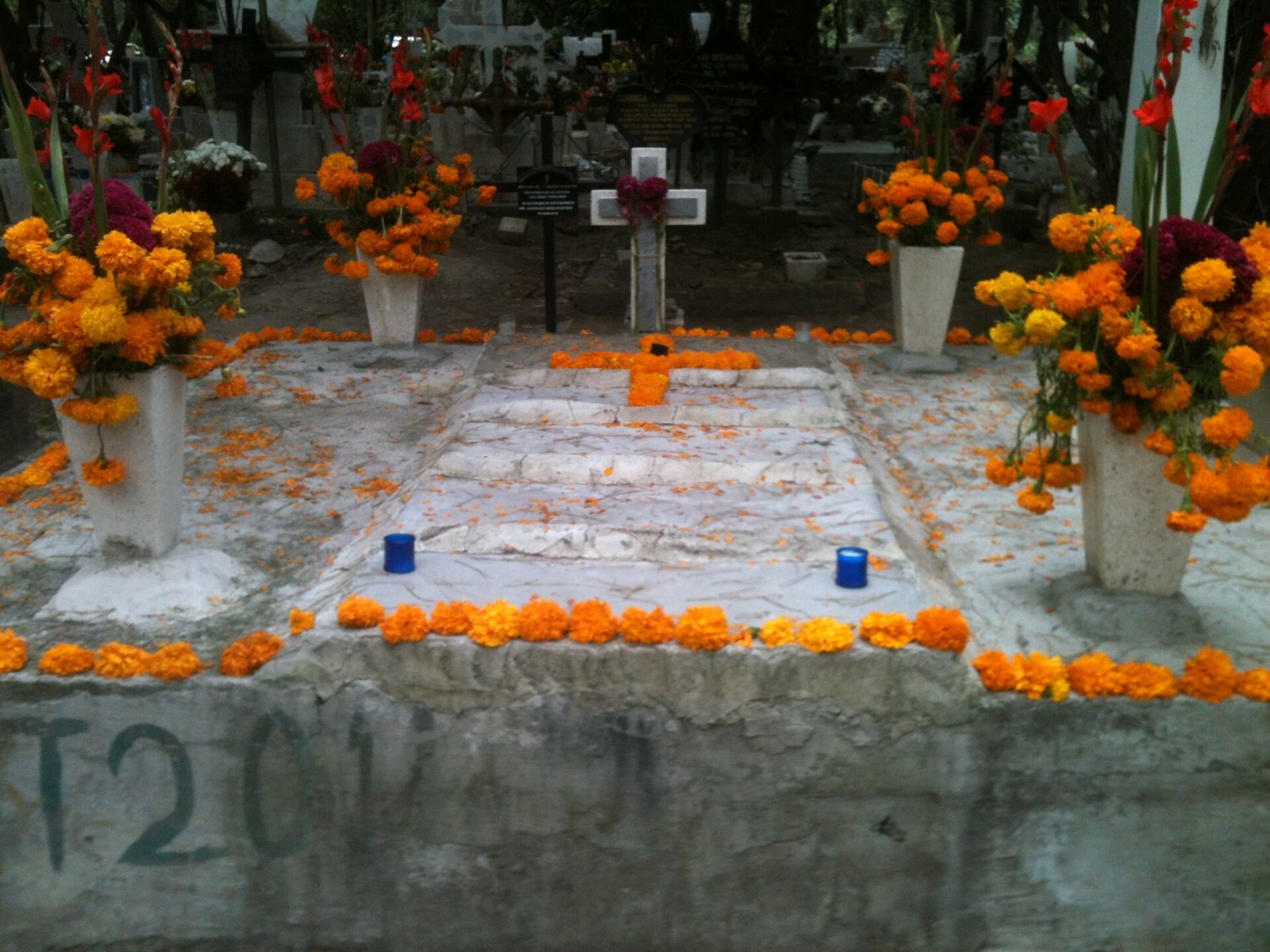
In the Catholic calendar, November 2 is All Souls' Day, the Commemoration of All the Faithful Departed. Our story of All Souls' Day tells the history of that feast. To build the altar itself, layer by layer, see how to make an ofrenda.
What families set out for each group of the dead
Tap a card to bring it forward.
- Pets: A photograph, favorite toys and food, water, cempasúchil or other colorful flowers, and lit candles, per the Secretaría de Educación Pública.
- Sudden deaths: Blessed water, candles and wax, with flowers at the place of death, in the Tlaxcala account.
- Unbaptized children: Blessed water, candles and white flowers, in the Tlaxcala account.
- Children: Bread, prepared food, sweets, honey, fruit, water, white flowers and incense in Tlaxcala; in Yucatán, sweets, toys, candles and bright cloths with yellow xpujuc and red xtés flowers.
- Adults: In Yucatán, regional dishes such as mucbipollo, tamales, fruit, atole and balché.
None of these lists is a national rule. Each altar speaks for the person it is for, the household that builds it and the town it stands in.
When the souls are said to arrive and leave
Many families hold that the dead come and go at set hours. These hours are beliefs kept by particular communities, and they differ from place to place, so there is no single hour for the whole country.
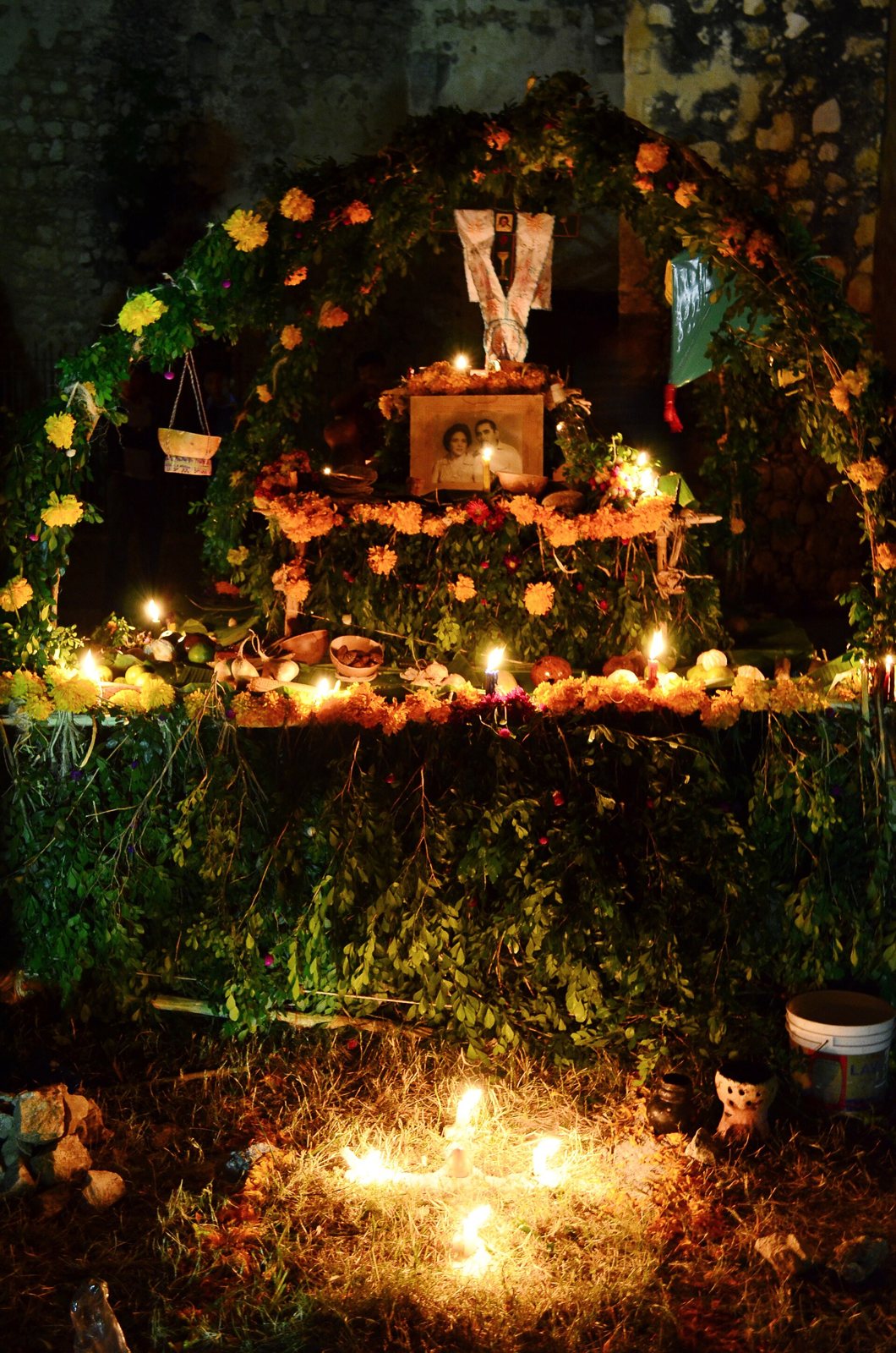
In the Tlaxcala account, the children arrive at noon on October 31 and leave at 3 p.m. on November 1. The adults arrive at 3 p.m. on November 1 and leave at 3 p.m. on November 2. In INPI's account of Mixquic, the children arrive at noon on October 31 and leave at noon on November 1, and the adults arrive at 2 p.m. Hours and day assignments vary within the area, so anyone planning to visit should ask the community or the Alcaldía Tláhuac locally.
The Government of Yucatán describes the souls as receiving permission to visit from October 31 through November 2, with candles lighting the route as they come and as they go. Eight days later, the *bix*, or octave, repeats the observance. In some San Luis Potosí communities, INPI's anthology of Indigenous Día de Muertos records the belief that the dead rest only after November 3.
The week of the dead, from first arrival to rest
Tap or hover a step to follow the order.
October 27
Pet remembrance in the popular calendar.
October 28
Tragic or accidental deaths in several central Mexican accounts.
October 31
Children's arrivals in Tlaxcala, Mixquic and parts of the Huasteca.
November 1
All Saints' Day; the children in many Mexican accounts, the adults in Hanal Pixán.
November 2
All Souls' Day and the main day for the adult dead.
November 3 or later
Departure or rest in some Huasteca and Yucatecan practices.
How named communities keep their own calendars
Tlaxcala's municipal account, as above, runs day by day: misfortune on October 28, unbaptized children on October 29, children at noon on October 31, adults at 3 p.m. on November 1 and their departure at 3 p.m. on November 2. San Andrés Mixquic, in Tláhuac, Mexico City, keeps the calendar in INPI's account given above: the unbaptized dead on October 30, the children at noon on October 31 and the adults at 2 p.m. on November 1. Its story is in our guide to Mixquic.
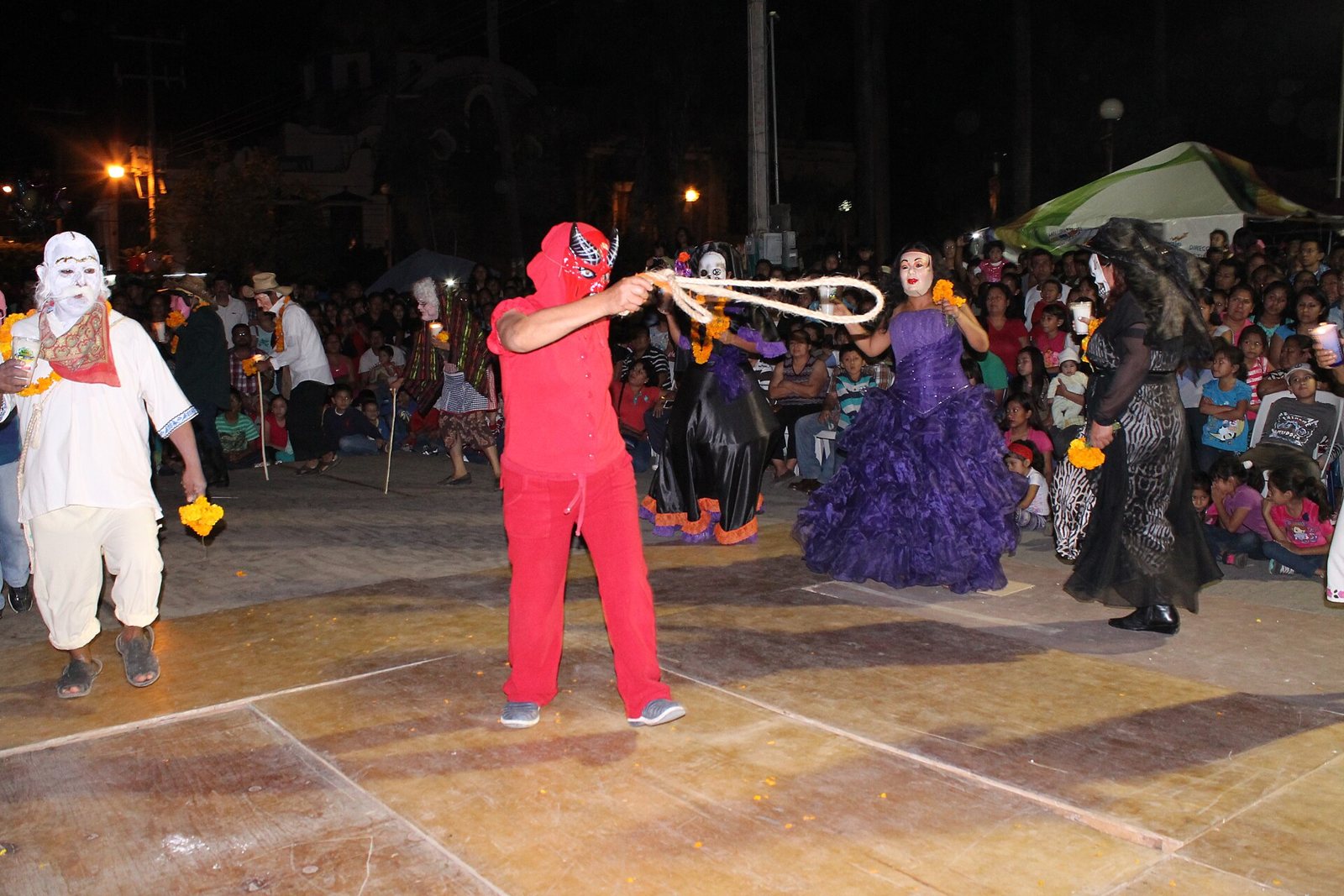
In Xochimilco, the Alcaldía Xochimilco describes the public celebration on October 31, November 1 and November 2, with night vigils, altars, dances and activities around the cemeteries.
In the Huasteca, the season is Xantolo, with its own roots and its own rhythm. INPI describes October 30 in the Huasteca Hidalguense as the start of altar building, the "day of the flowers," with a colorful cloth, a sugar-cane arch and a final "Xantolo chiquito" altar that night. An INAH agenda gives October 29 as the start in a Huasteca Potosina example, with flower arches and household altars kept through November 2 at noon.
INPI's anthology records that some San Luis Potosí communities understand October 31 as the symbolic day of death, November 1 as the vigil, November 2 as the burial and November 3 as the time the dead rest. The full story is in our guide to Xantolo.
In Yucatán, the Maya observance is Hanal Pixán. The Government of Yucatán gives October 31 to the children, *u janal palal*, November 1 to the adults, *u janal nucuch uinicoob*, and November 2 to the souls in general, often with a mass at the cemetery. Altars carry candles, mucbipollo or pib, fruit, tamales, sweets, atole and other regional foods; children's altars add toys, bright cloths and yellow *xpujuc* and red *xtés* flowers, and adults' altars may hold balché. Our story of Hanal Pixán covers it in full, and the wider map is in Day of the Dead by region.
Why the last two days are November 1 and 2
The two final days come from the Catholic calendar. November 1 is All Saints' Day, *Todos los Santos*, which honors the saints, including the ones no one knows by name. November 2 is All Souls' Day, the Commemoration of All the Faithful Departed. The Instituto Nacional de Antropología e Historia (INAH) describes these as feasts established in medieval Europe and later adapted in New Spain alongside Indigenous practices.
In many Mexican communities, that pair settled into children on November 1 and adults on November 2. Local calendars can still assign the days differently, as Hanal Pixán does by giving November 1 to the adults. For the festival as a whole, its history and its symbols, start with our guide to Día de Muertos.
How well do you know the Day of the Dead calendar?
Answer every question to check.
Common questions about the Day of the Dead calendar
A few more questions come up every year as families set the dates for their altars.
Does Day of the Dead start on October 31?
For many families it starts earlier. The main dates in the Catholic calendar are November 1 and 2, but the pet day falls on October 27, Tlaxcala's observances begin on October 28, and Xantolo begins on October 29 or 30 depending on the community.
Is November 2 always Day of the Dead?
November 2 is the Catholic Commemoration of All the Faithful Departed, and it is widely kept in Mexico as Día de Muertos, especially for the adult dead. How long the observance lasts and what each day means still differ by place, and some traditions continue past it, such as Yucatán's bix eight days later.
What goes on the ofrenda on October 29?
In the Tlaxcala account, families set out blessed water, candles and white flowers for children who died without baptism. Other communities give October 29 to the forgotten souls or to no separate group at all, so the altar can look different from town to town.
When do pets come back for Day of the Dead?
In the popular calendar, pets and other animals arrive on October 27, the first day of the week. Families welcome them with a photograph, toys, favorite food, water, flowers and candles, as the Secretaría de Educación Pública describes.
What time do the dead arrive on November 1?
There is no single hour. In the Tlaxcala account the adults arrive at 3 p.m. on November 1, after the children say goodbye, while INPI's account of Mixquic gives 2 p.m. for the adults' arrival.
Where to go next
The calendar is a frame, and each family fills it with its own people, its own foods and its own hours. If you are building an altar this year, our step-by-step guide to how to make an ofrenda starts where this calendar leaves off. And for another November 2 tradition with roots of its own, in the Andes, read about Día de los Difuntos in Ecuador, with its purple colada morada and bread figures.
Terms in this story
Tap a term to see what it means.
Ofrenda. The home altar families build for their dead during the season, with photographs, food, flowers, candles and the things each person loved.