

No. 219
Pchum Ben: Cambodia's Festival of the Ancestors
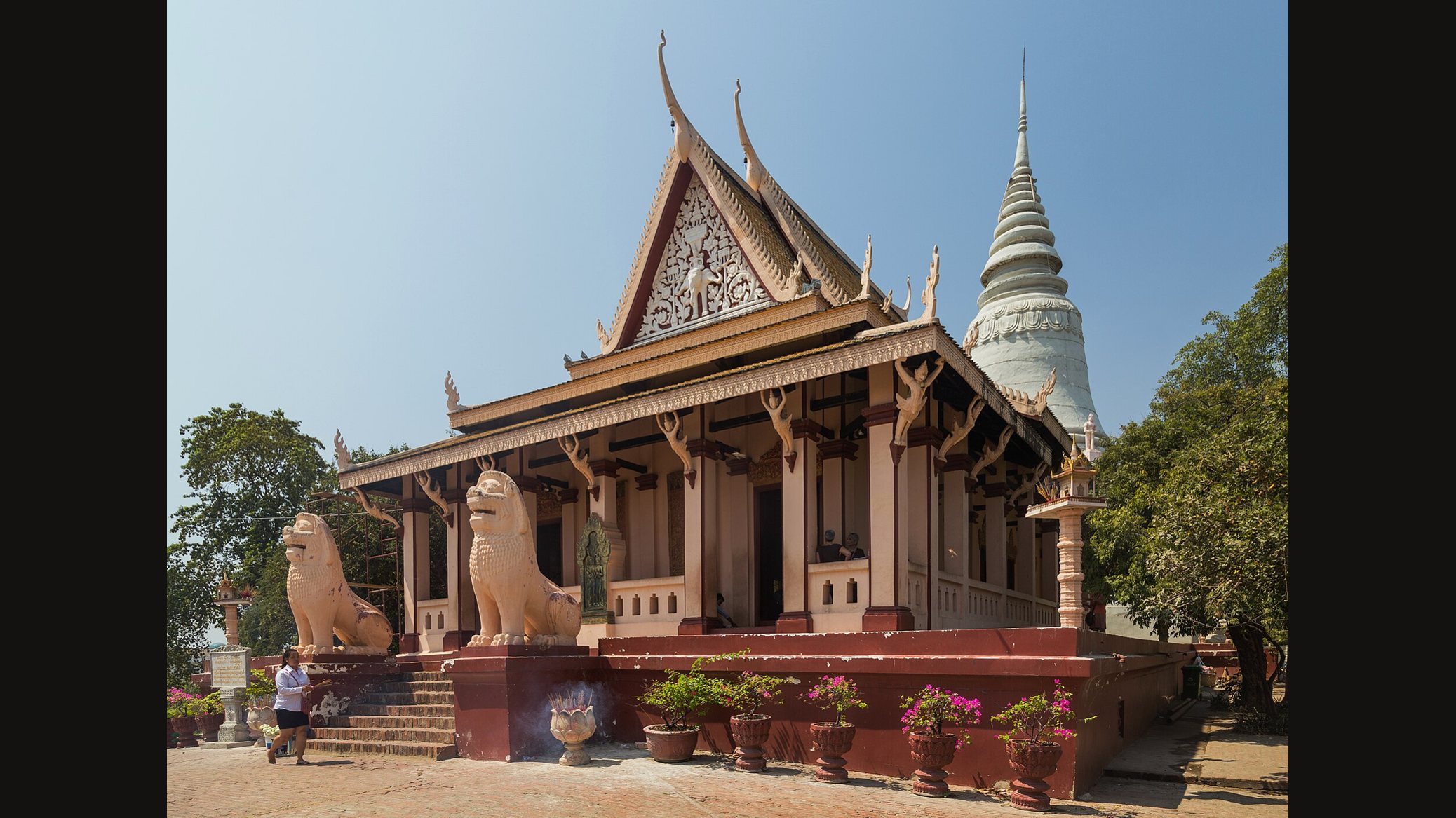
Pchum Ben (បុណ្យភ្ជុំបិណ្ឌ) is a 15-day Cambodian festival for remembering and honoring ancestors. It is held in the Khmer lunar month of Photrobot, which usually falls in September or October.
Through those two weeks, families bring food to the pagoda, give meals and gifts to the monks, listen to sermons and chanting, and dedicate the merit of that giving to their relatives who have died. In some communities, people also make bay ben rice balls and bring them to the pagoda before dawn for the spirits of the dead. Each community, pagoda and household keeps the festival a little differently, which is why the same holiday can look different in Phnom Penh, in a village in Takeo province and in a Khmer temple in Vietnam.
What Pchum Ben is and when it falls
Pchum Ben is counted in days of the moon. According to Agence Kampuchea Presse (AKP), Cambodia's national news agency, the first 14 days are Kan Ben, beginning on the first day of the waning moon in Photrobot. The 15th day is Pchum Ben itself, the main day of the festival, which some communities call Ben Thom. On the Gregorian calendar the festival usually lands in September or October, near the end of Vassa, the Buddhist rainy-season retreat.
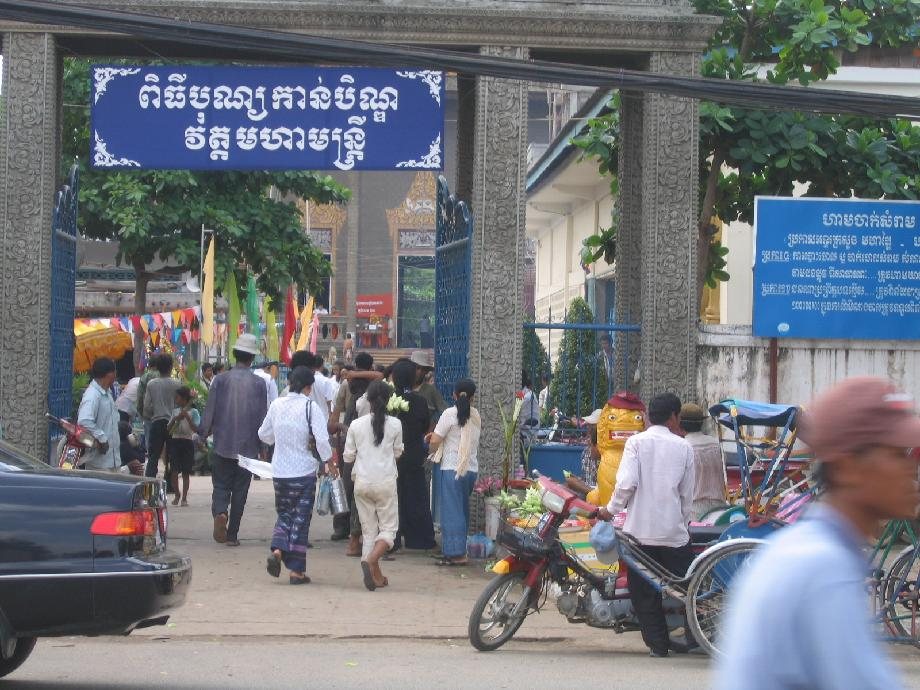
The name says what happens. AKP explains "Pchum" as gathering and "Ben" as linked to the rice balls given to the spirits of the dead, so the festival's name joins the family coming together with the food it brings for its ancestors.
Pchum Ben is a family occasion first. Many people travel back to their home province for it, and the local pagoda becomes the center of the visit.
Food for the monks, merit for the dead
Most of Pchum Ben happens at the pagoda, and most of it involves food. During Kan Ben and on the main day, Cambodian Buddhist families bring cooked dishes, rice, cakes, fruit, flowers, incense and money to the temple. Over the first 14 days, families or community groups take turns preparing meals for the monks, so that each household has its day to cook and give.
On the 15th day, families gather at the pagoda together. They give food to the monks, listen to sermons and join in the chanting. The Georgetown University Berkley Center, follows these meals in a field account from Takeo province, under the title "Nourishing Spirit, Nourishing Nation: Feasts for the Living and the Dead."
The reasoning behind the meals comes from Theravada Buddhist teaching, as Cambodian monks and scholars explain it. Giving food and other necessities to monks creates merit, a kind of spiritual good that comes from generous acts. Families then dedicate that merit to their deceased relatives, so the meal set before a monk is also a gift sent on to a grandmother or a father who has died. At some pagodas, monks also chant prayers for the dead.
Nothing goes to waste. Cambodianess reports that at some pagodas, the food left after the monks have eaten is shared with community members and with people in need, so the festival for the dead also feeds the living.
The fifteen days of Pchum Ben
Tap or hover a step to follow the order.
Days 1 to 14
Kan Ben; families or community groups take turns bringing food to the pagoda for the monks.
Before dawn, especially on the main days
Some communities bring or throw bay ben rice balls near the pagoda.
Day 15
Pchum Ben itself; families gather, give food to the monks, listen to chanting and dedicate merit to their dead.
October 10 to 12, 2026
Cambodia's official three-day public holiday for Pchum Ben.
Bay ben before dawn
The festival's best-known food is small and round. Bay ben are rice balls, made from sticky rice and often mixed with sesame, coconut milk or other ingredients. In some communities, people prepare them and bring them to the pagoda while it is still dark.
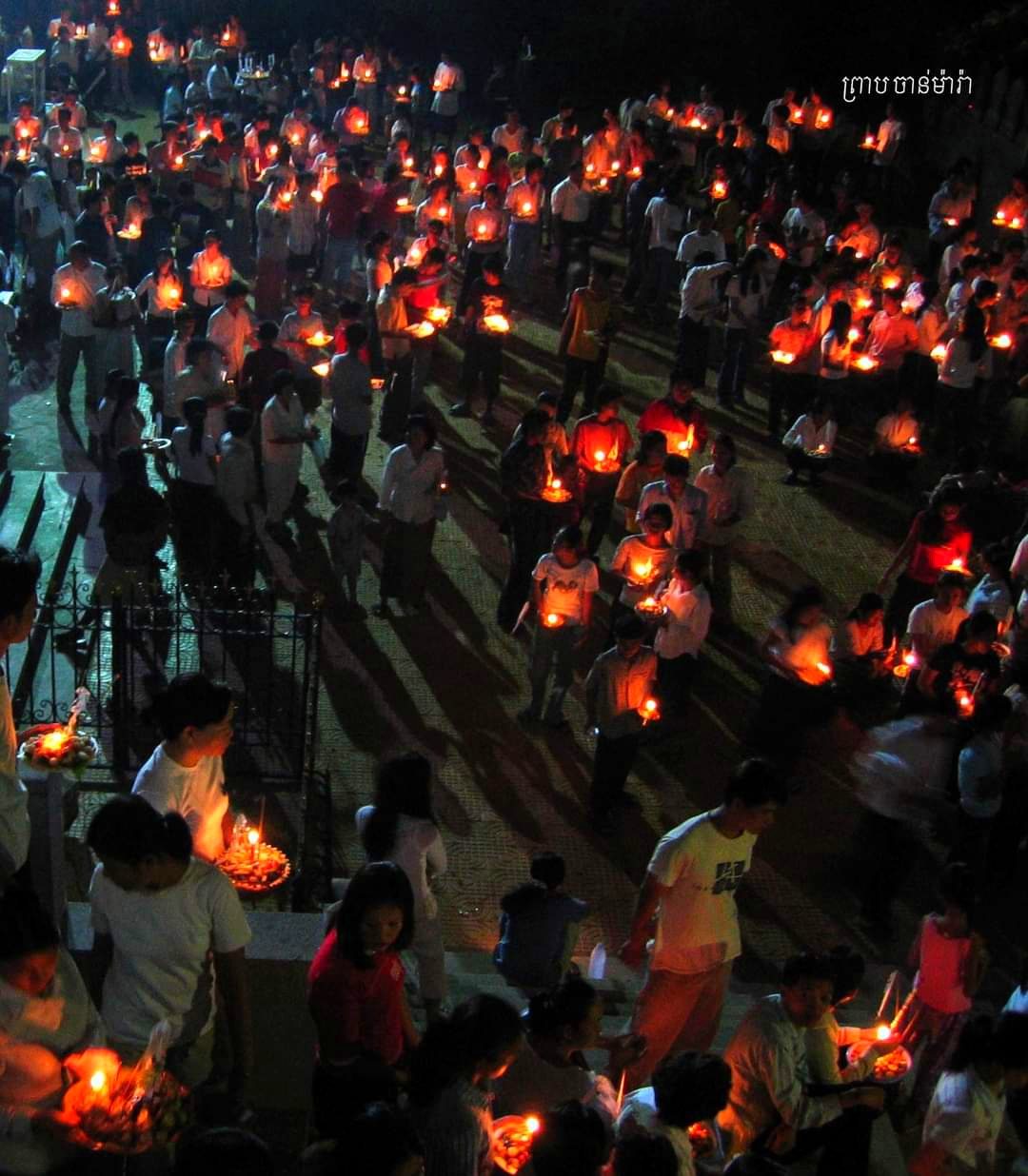
What happens next depends on the pagoda. At some temples, people place or throw the rice balls outside the ritual boundary of the temple grounds, where hungry spirits are believed to gather, and the rice is meant for them. The Berkley Center notes that in some communities people prepare or throw bay ben before dawn, so a pagoda can be busy long before sunrise.
Practice changes from place to place. AKP reports that, particularly in rural communities, bay ben may be arranged around a larger pointed rice cake called bay battbor. The rice balls and other dishes can also be part of household ceremonies and family meals.
Some beliefs belong to particular teachers. A monk at Steung Meanchey pagoda in Phnom Penh, speaking to Tourism Cambodia, described the belief that wandering spirits search seven pagodas for food from their relatives. That is one religious account, and other pagodas and families may tell it differently or not at all. Each of these customs is part of Khmer religious life, told the way the people who keep them tell it.
Old roots in Khmer religious life
Pchum Ben draws on several layers of belief. Anthropologist John Clifford Holt describes it as a 15-day Khmer ritual tied to remembrance of the dead, to family identity, to Theravada Buddhism and to older Brahmanical and Khmer religious traditions. In other words, it is a Buddhist festival with older Cambodian beliefs about ancestors and spirits woven through it.
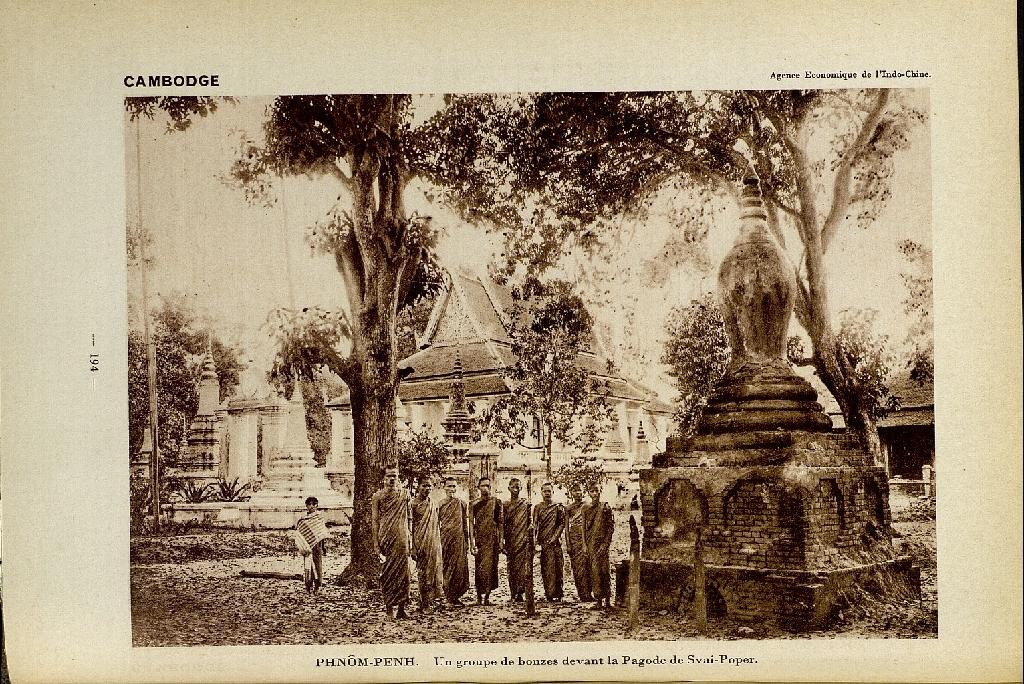
Rice for the dead has a long history in Cambodia. AKP reports that inscriptions from the reign of King Yaçovarman I refer to monthly bay ben rice-ball gifts to the dead, and an inscription tied to the East Mebon reservoir at Angkor is part of that evidence. It shows an old tradition of giving rice to the dead in the Khmer world. It does not prove that the festival was kept then exactly as it is now; Pchum Ben has grown and changed with the people who keep it.
One festival, many communities
Khmer communities outside Cambodia keep Pchum Ben too, in their own rhythm. Among the Khmer Kampuchea Krom of Vietnam's Preah Trapeang region, Venerable Thach Thoy described to Cambodianess in 2025 how families prepare meals for the monks during the first 13 days. On the 14th day they cook for their ancestors and invite the monks to chant, and the 15th day brings further rituals for the ancestors.
Cambodian families abroad carry the festival with them as well. The Cambodian American Studies Model Curriculum at UC Davis teaches Pchum Ben to students as a festival of pagoda visits, food for the monks and family gatherings. Wherever it is kept, the pagoda and its community set the details.
The public holiday and visiting a pagoda
Cambodia gives Pchum Ben a national holiday. The Royal Embassy of Cambodia in London lists Cambodia's 2026 Pchum Ben holiday as October 10 to 12, 2026, and the Royal Thai Embassy in Phnom Penh lists October 12 as Pchum Ben Day. The religious observance is longer than the holiday: Kan Ben and Pchum Ben together last 15 days, and the three days off cover only the close of them.
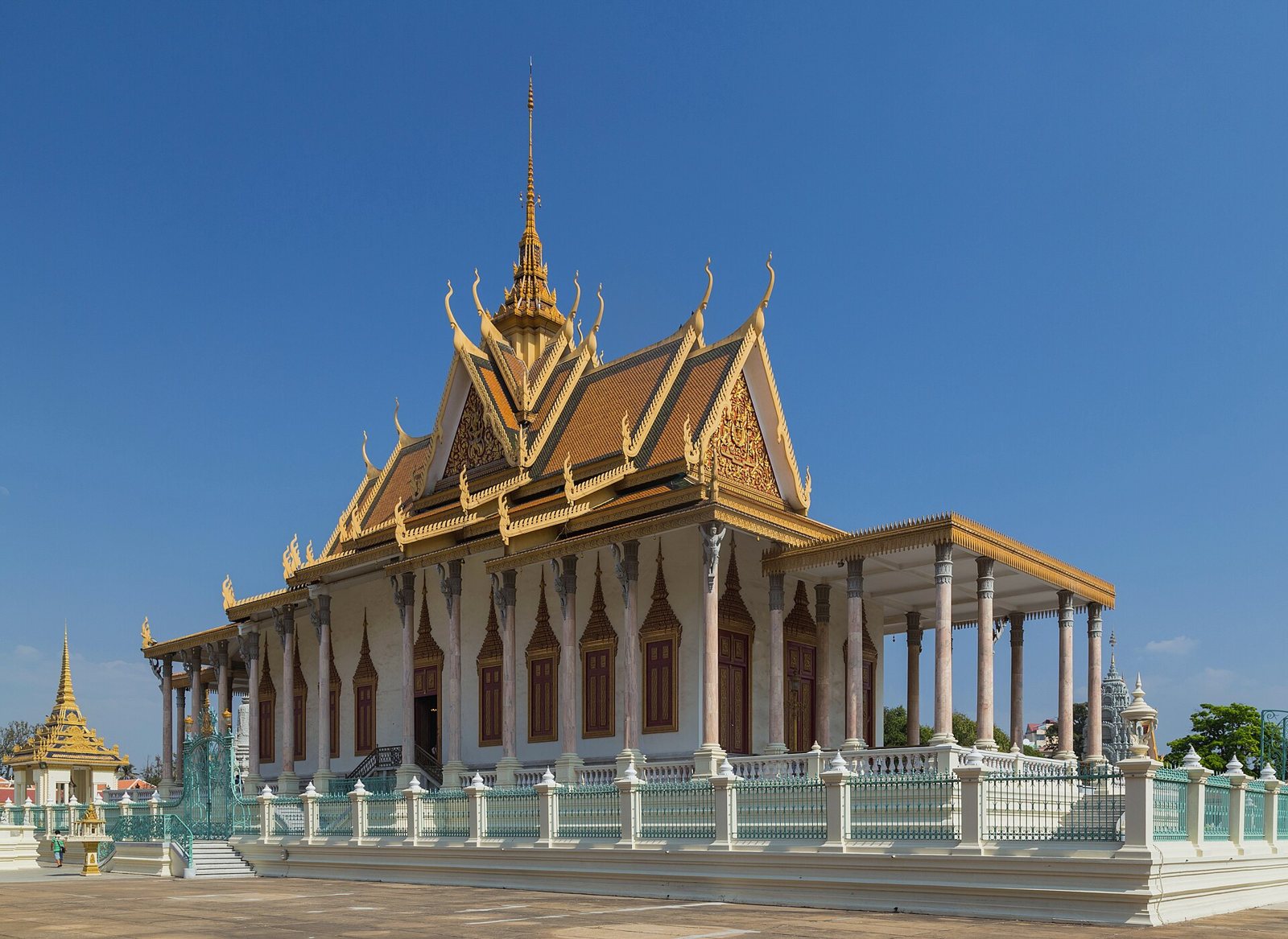
The holiday is a time of travel. Many families head to their home provinces, and pagodas fill up, especially on the main days. Transport schedules, business hours and arrangements at each pagoda vary, so a traveler should confirm transport and local opening hours before setting out for a specific town or temple.
Visitors are often curious, and a pagoda is a place of worship in the middle of its busiest season. If you are a guest at a pagoda during Pchum Ben, a few habits keep the visit respectful.
Visiting a pagoda during Pchum Ben
Tap a card to bring it forward.
- Ask before you photograph: Check with the pagoda or a local participant before photographing people or ritual food.
- Follow the pagoda's lead: Follow its instructions about where to sit, where to walk and where food is placed.
- Leave the food alone: Food set out at the pagoda is a gift for the monks and the dead, not a display or a sample.
- Dress modestly and stay quiet: Families are honoring their parents and grandparents, so watch calmly.
- Confirm times locally: Ceremony times and transport differ by place, so check before you travel.
Times and etiquette differ from one pagoda to the next, so when in doubt, ask the pagoda itself or a local participant.
Pchum Ben beside other days for the dead
Pchum Ben is a Khmer Buddhist festival with its own history, calendar and words: Kan Ben, Ben Thom, bay ben, merit, the month of Photrobot. It shares with many cultures a care for parents and grandparents who have died, and it keeps that care in its own way, through the pagoda, the monks and the rice.
Japan's Obon also has a Buddhist story at its center, the Ullambana legend, about food given to monks for the sake of the dead. Each tradition still grew from its own roots, as do China's Qingming and the Philippines' Undas.
How well do you know Pchum Ben?
Answer every question to check.
Questions about Pchum Ben
A few more questions come up often.
When was Pchum Ben in 2026?
Cambodia's official public holiday for Pchum Ben ran from October 10 to 12, 2026. The full religious observance lasts 15 days, so Kan Ben began about two weeks before the holiday, and the dates move each year with the Khmer lunar calendar.
Is Pchum Ben like Día de Muertos or Halloween?
Pchum Ben, Día de Muertos and Halloween each remember the dead from their own roots. Pchum Ben grew from Khmer religious life and Theravada Buddhist merit-making in the month of Photrobot; Día de Muertos developed in Mexico from Indigenous traditions and Catholic observance around November 1 and 2; and Halloween grew from European Christian and older seasonal customs, today mostly a costume holiday.
Why are the rice balls thrown?
In the communities that keep the custom, bay ben are thrown or placed outside the pagoda's ritual boundary for the hungry spirits believed to gather there. Where the custom is kept, it is often done before dawn, and the details differ from pagoda to pagoda.
How long does Pchum Ben last?
Pchum Ben lasts 15 days, from the first day of the waning moon in Photrobot to the main day on the 15th. The national public holiday covers only the last few days, while Kan Ben, the first 14 days, is when families take turns cooking for the monks.
Can I go to a pagoda during Pchum Ben as a traveler?
Pagodas are busy places of worship during Pchum Ben, and practice and rules differ from one to the next. Confirm times and etiquette with the specific pagoda or a local participant, dress modestly, ask before taking photographs, and leave the food that families bring untouched.
Remembering together
At heart, Pchum Ben is a family cooking for its dead, at home and at the pagoda, for two weeks: rice balls made in the dark, a meal set before a monk, chanting for the dead, and leftovers shared with a neighbor who needs them. The festival keeps parents and grandparents close by giving in their name.
For how Buddhist art and teaching think about death, see skull symbolism in Buddhism. For other ways families care for their dead, read about the Toraja of Indonesia and the Christian All Souls' Day, each with its own history.
Terms in this story
Tap a term to see what it means.
Pchum Ben. A 15-day Cambodian festival for remembering and honoring ancestors, held in the Khmer lunar month of Photrobot.
---