

No. 237
Undas: All Saints' Day in the Philippines and How Families Keep It
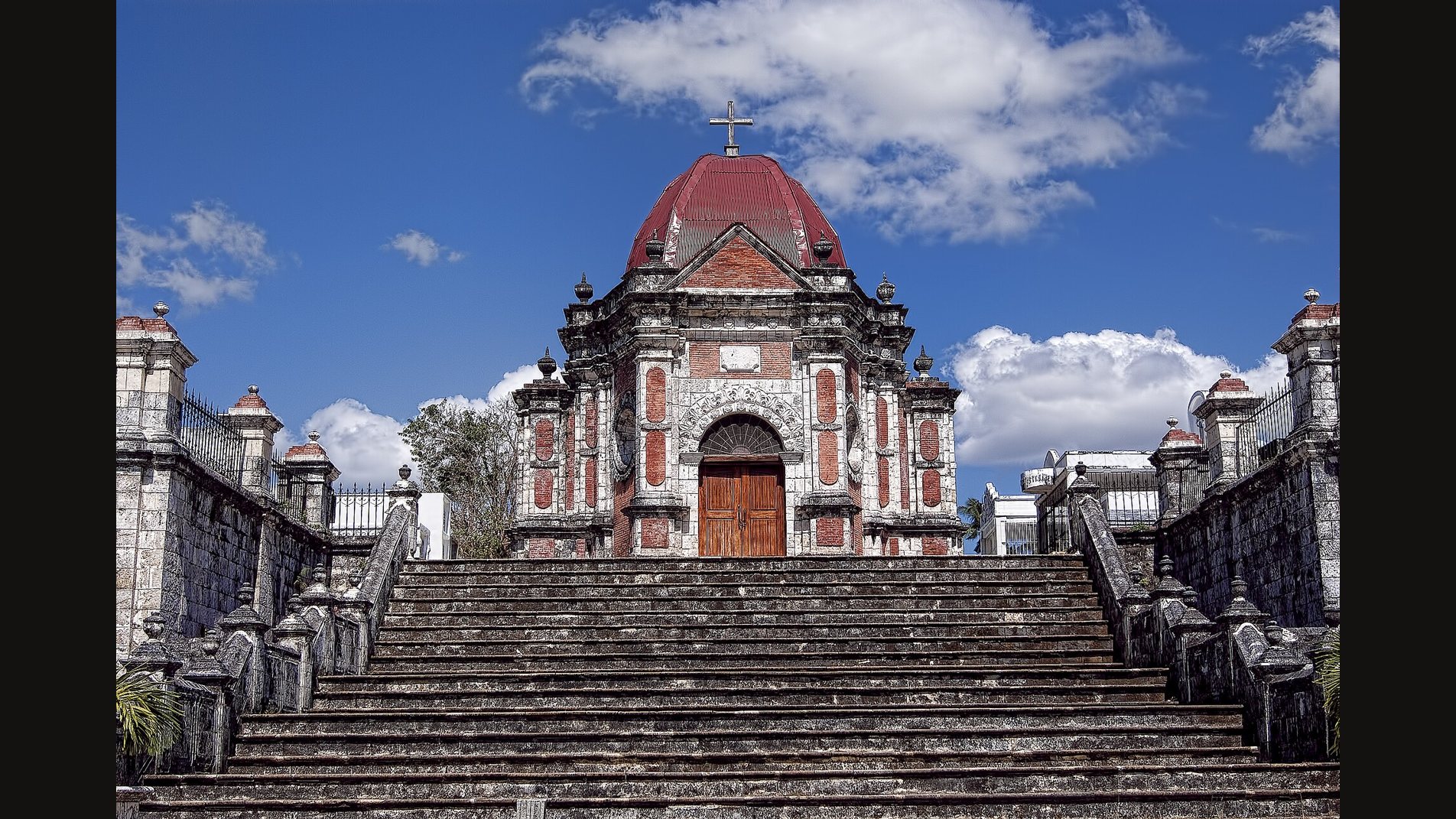
Undas is the Philippine observance of All Saints' Day on November 1 and All Souls' Day on November 2. The National Museum of the Philippines describes Filipino Christians gathering with family in cemeteries to pray and pay tribute to their departed loved ones. It is also called Todos los Santos and, in some places, Araw ng mga Patay.
How a family keeps it depends on the family, the town, its faith and its community. In 2026, both days are special non-working days, and the roads, terminals and cemeteries are busy across the country.
What Undas is, and where the name comes from
The two days have two jobs. November 1 is All Saints' Day and November 2 is All Souls' Day, and in common Philippine usage Undas covers both. Many families visit before the first, and some keep the season longer.
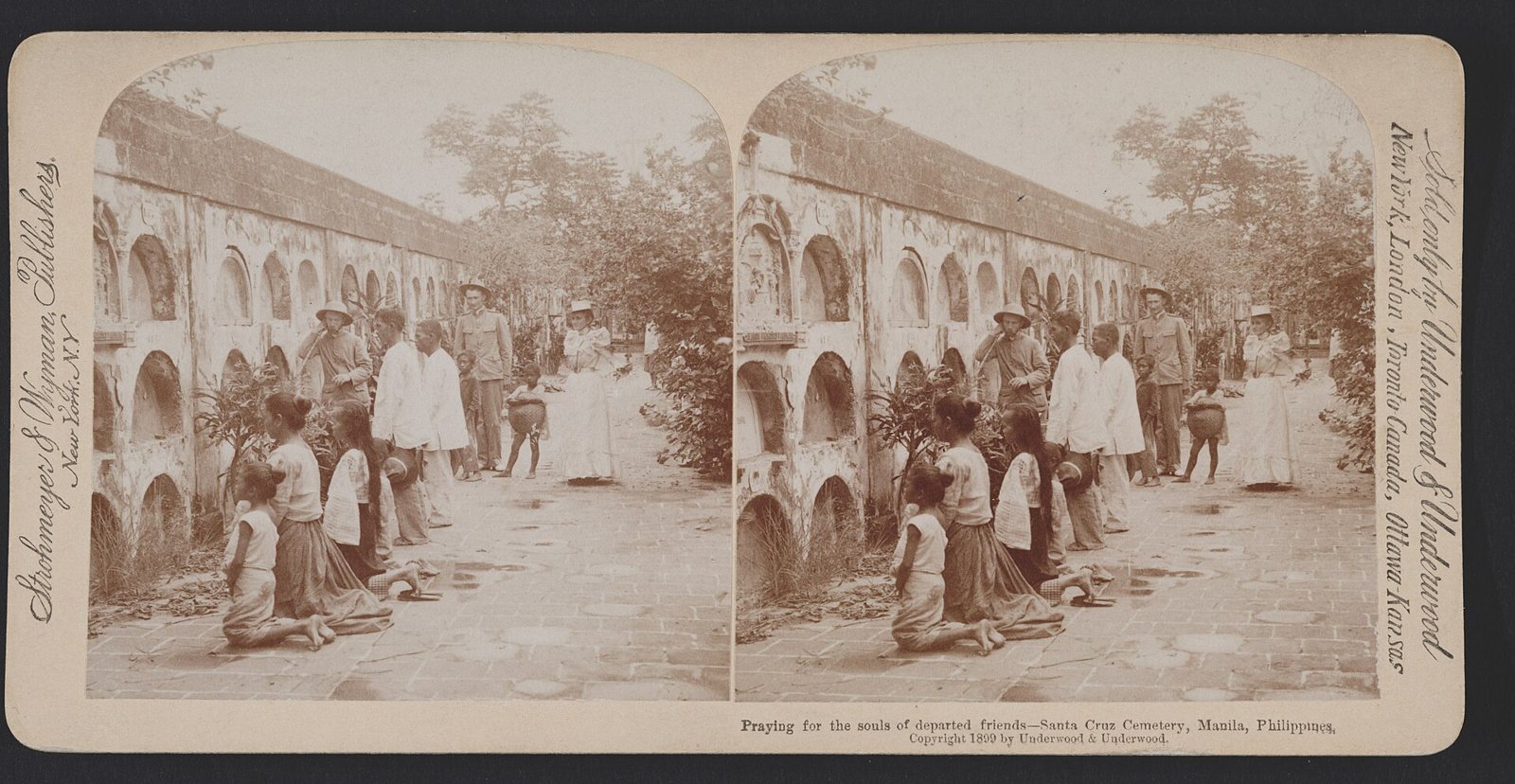
Translated, Undas is usually explained as the Philippine observance of All Saints' and All Souls' Days, sometimes as the Hallowmas period. No single English word carries all of it. The Catholic feasts behind the dates have their own story in our piece on All Souls' Day.
The name has an attributed explanation. GMA News quoted Philippine studies professor Schedar Jocson describing Undas as a shortened form of the Spanish "Día de Todos los Santos." It is his explanation and a widely repeated one, offered as an account of the word rather than a settled record.
Before the day: cleaning the nitso and finding the lapida
Undas starts with work. The National Museum says families clean the nitso, the tomb, a few days before the observance. In a crowded public cemetery, getting there early also means getting the job done before everyone else arrives.
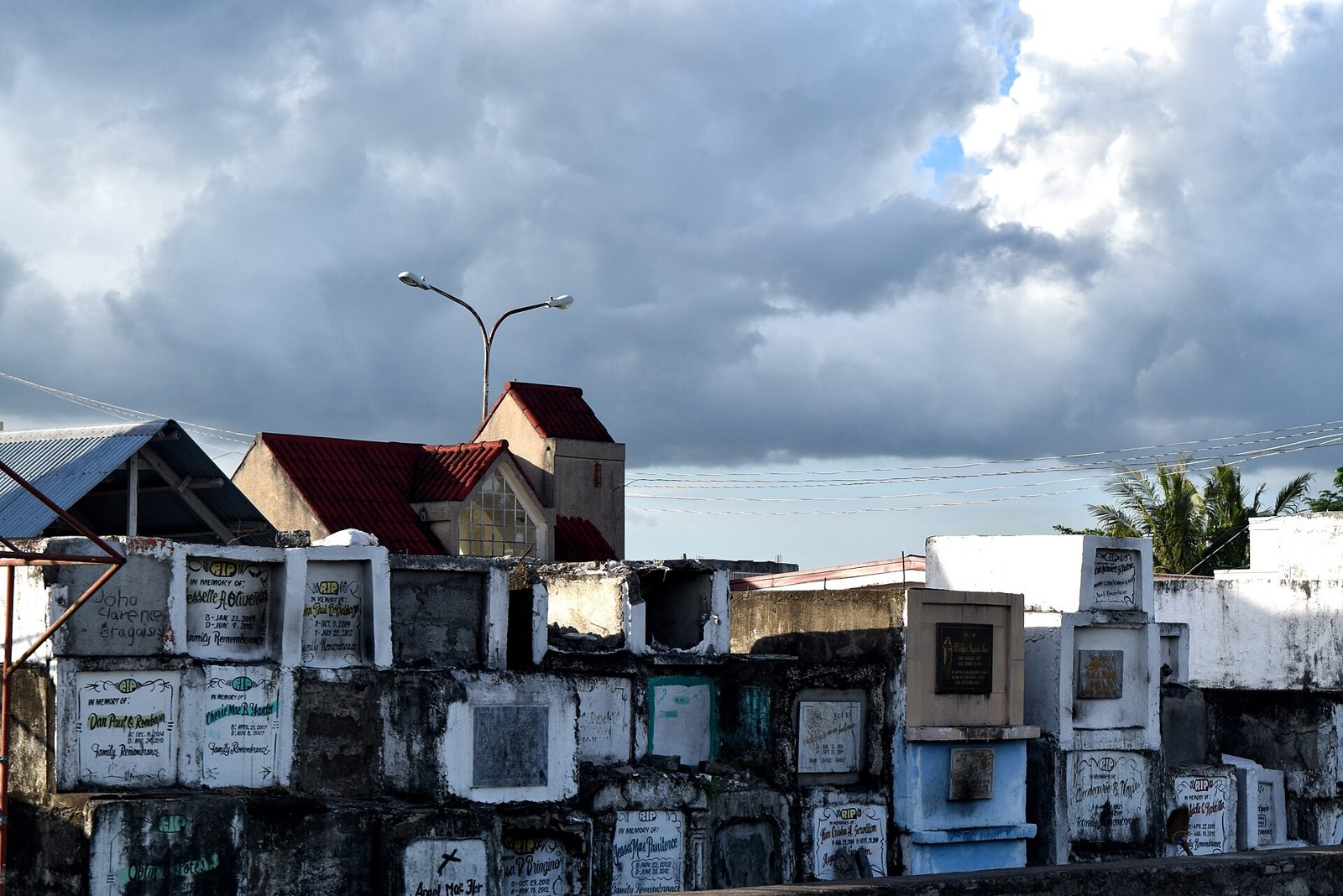
Finding the grave can be part of the task. The museum explains that the lapida, the grave marker, carries names, birth and death dates, prayers and epitaphs, and families rely on it to locate their relatives in cemeteries where graves sit close together. A lapida is an inscription and a map at once.
A day, and sometimes a night, at the family grave
On the day itself, many families stay. A study in the Recoletos Multidisciplinary Research Journal describes families remaining at the grave for hours or overnight, praying, talking, eating and remembering their dead. Flowers, candles and prayer are among the most widely documented parts of the day.
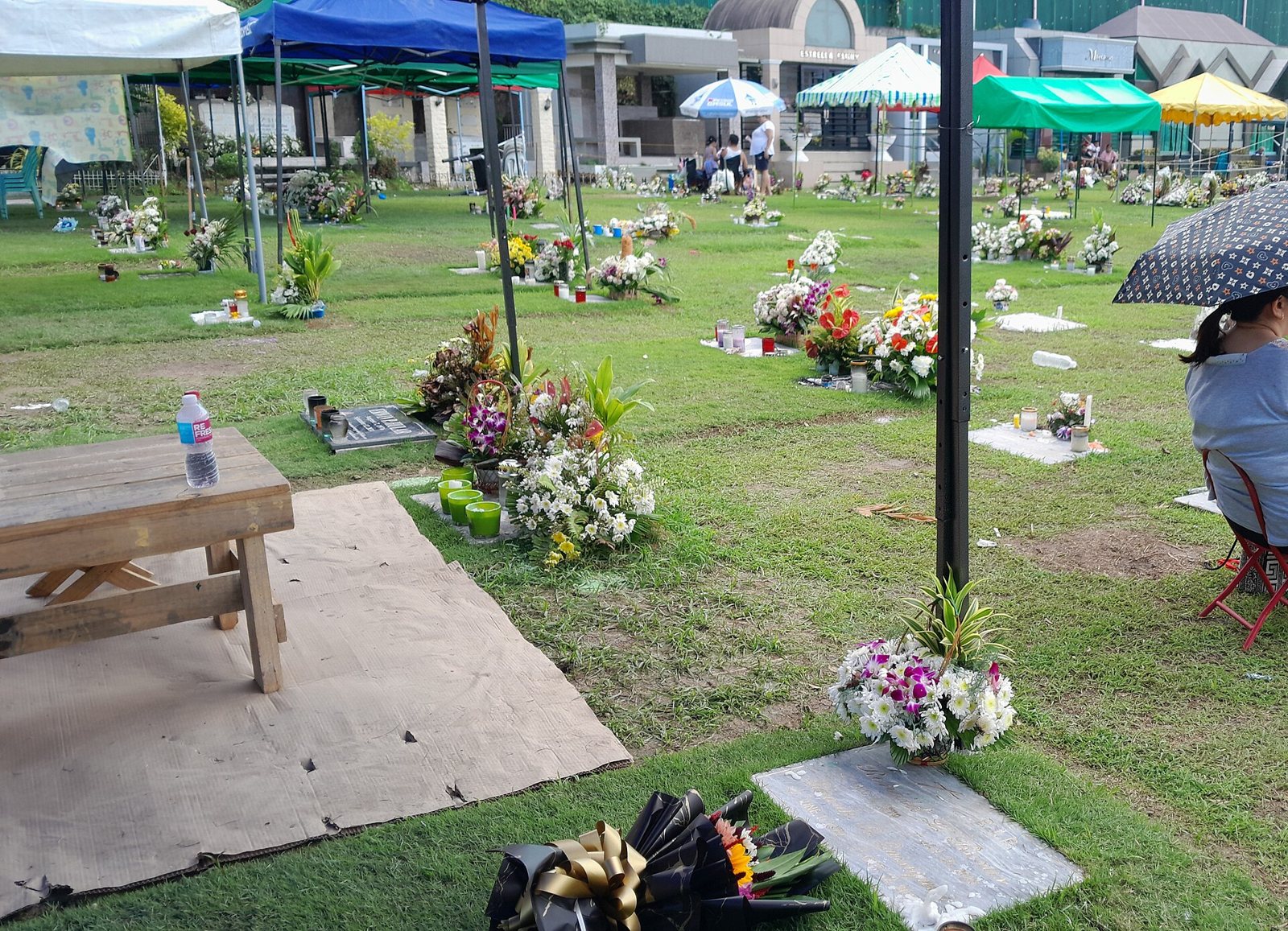
When people describe Undas in their own words, the same phrases come back: visit the cemetery, bring food and drinks, light candles, leave flowers, spend the night. For many families it is a reunion, held at the graves of the relatives they came to remember.
It is not the same for everyone. Some families make a shorter, quieter visit, and some keep the days at home. Both are Undas.
Food for the living and for the dead
Food sits at the center of the visit, and it has different names in different languages. The Recoletos study records alay in Tagalog, halad in Cebuano and atang in Ilocano for food given to the dead. Each word belongs to its own community and its own way of doing things.
What happens to the food varies too. Some families eat together at the grave. Others leave the food as a gift to the dead, and some bring it home afterward.
Pangangaluluwa: the night the souls sing
In Tagalog communities, the night of November 1 has its own music. The UP Center for Ethnomusicology describes pangangaluluwa, a tradition in which singers called mangangaluluwa or kaluluwa go from house to house, sing, and ask for alms in money or rice.
The songs follow an order. The University of the Philippines' MUSDIKS entry lists stages that include the Pa-hesus, a call to good deeds, verses about Mary and the saints, and finally the giving of alms and thanks.
Some places add costume. The Department of Education names Nueva Ecija and Cavite as places where participants have traditionally gone house to house dressed in white to represent the souls. It is a local custom of Tagalog communities, not a practice of every Filipino town.
At home: hain and the candle by the door
Undas can be kept without a trip to the cemetery. Some communities prepare hain, a meal set out for the dead on a household altar, and light a candle near the doorway, as the UP Center for Ethnomusicology describes.
These are the customs of particular communities rather than every Filipino family. For someone abroad, or far from the family plot, the household altar and the candle are ways some families keep the days.
Undas in 2026: the holidays and the crowds
In 2026, November 1 falls on a Sunday and November 2 on a Monday. Presidential Proclamation No. 1006 lists All Saints' Day as a special non-working day and All Souls' Day as an additional special non-working day. The Presidential Communications Office reported on September 4, 2025 that the extra day is meant to give people more time for traditional activities and to promote domestic tourism.
The scale is national. On October 15, 2026, the Philippine News Agency reported plans to deploy 111,582 police personnel across 5,628 cemeteries and columbaria, with more at bus terminals and transport hubs for an expected rush of passengers.
Tap or hover a row to highlight it.
| Item | Detail |
|---|---|
| ItemNovember 1, 2026 | DetailSunday, All Saints' Day, a special non-working day |
| ItemNovember 2, 2026 | DetailMonday, All Souls' Day, an additional special non-working day |
| ItemPolice personnel planned | Detail111,582 (Philippine News Agency, October 15, 2026) |
| ItemCemeteries and columbaria covered | Detail5,628 (Philippine News Agency, October 15, 2026) |
Cemetery hours, rules and fees, traffic arrangements and transport schedules change from place to place. Confirm them with the cemetery, the local government or the transport operator before you set out.
The days of Undas
Tap or hover a step to follow the order.
Before Undas
Families clean the nitso and find the lapida, often several days ahead.
November 1
All Saints' Day; in 2026, a special non-working day.
November 1, at night
Pangangaluluwa singers visit homes in Tagalog communities.
November 2
All Souls' Day; in 2026, an additional special non-working day.
2026 travel period
Police deployed at cemeteries, columbaria, bus terminals and transport hubs.
What to bring, and how to be a good guest
The usual list is short. Families bring flowers, candles, matches, water, cleaning materials, food and a way to carry their rubbish out. Each cemetery sets its own rules, though, and the Philippine News Agency has reported on guidelines for Manila North Cemetery. Bring only what that cemetery permits, and confirm whether food, open flames, overnight stays and vendors are allowed.
What families bring to the cemetery for Undas
Tap a card to bring it forward.
- Flowers: For the grave, among the most common gestures of the day.
- Candles: Lit at the grave while the family prays.
- Matches: To light the candles.
- Water: For cleaning the grave and for the hours spent there.
- Cleaning materials: To tidy the nitso if it was not done earlier.
- Food: To share at the grave, to leave for the dead, or to take home.
- A bag for rubbish: So, everything carried in goes back out.
- The cemetery's own rules: Confirm what is allowed before you pack.
A visitor walking among other families' graves is a guest at many reunions at once. Follow the lead of the family you are with and of the cemetery staff, keep paths clear, and ask before you photograph anyone.
How well do you know Undas?
Answer every question to check.
Questions about Undas
Undas raises a few questions about how it sits beside other days for the dead.
Is Undas the same as Halloween?
Undas and Halloween each remember the dead from their own roots. Halloween grew from Western Christian and later popular customs around October 31, while Undas is the Philippine keeping of All Saints' and All Souls' Days; the house-to-house singing of pangangaluluwa may remind some people of Halloween, but it has its own history and meaning. For the skeletons of October, see skeletons and Halloween.
Do Filipinos celebrate Día de los Muertos?
Filipinos keep Undas, rooted in Philippine Catholic, local and family practice. Mexico's Día de Muertos shares the same dates, and each tradition remembers the dead from its own roots.
How is Undas different from Obon?
Undas is the Philippine keeping of All Saints' and All Souls' Days at the family graves in early November, and Japan's Obon is its own festival with its own history. Each welcomes or honors the dead in its own way.
How many days does Undas last?
In common Philippine usage, Undas covers November 1 and November 2. Families may visit the graves earlier to clean them, and some keep the observance longer.
Can Undas be kept at home?
Yes, some families keep Undas at home instead of, or as well as, visiting the cemetery. In some communities that means preparing hain on a household altar and lighting a candle near the doorway.
Other places that remember their dead
The first days of November are kept in many places at once. In Guatemala, the towns of Sumpango and Santiago Sacatepéquez raise giant kites beside their cemeteries, and in the Huasteca of Mexico families build flower arches for Xantolo. In Cambodia, families keep Pchum Ben for their ancestors, and in China, Qingming brings families to sweep the graves. Closer to the Philippines, the Toraja of Sulawesi, Indonesia, care for their dead in the custom told in Ma'nene.
Terms in this story
Tap a term to see what it means.
Undas. The Philippine observance of All Saints' Day on November 1 and All Souls' Day on November 2.
---