

No. 202
The Banshee: Ireland's Keening Death Messenger
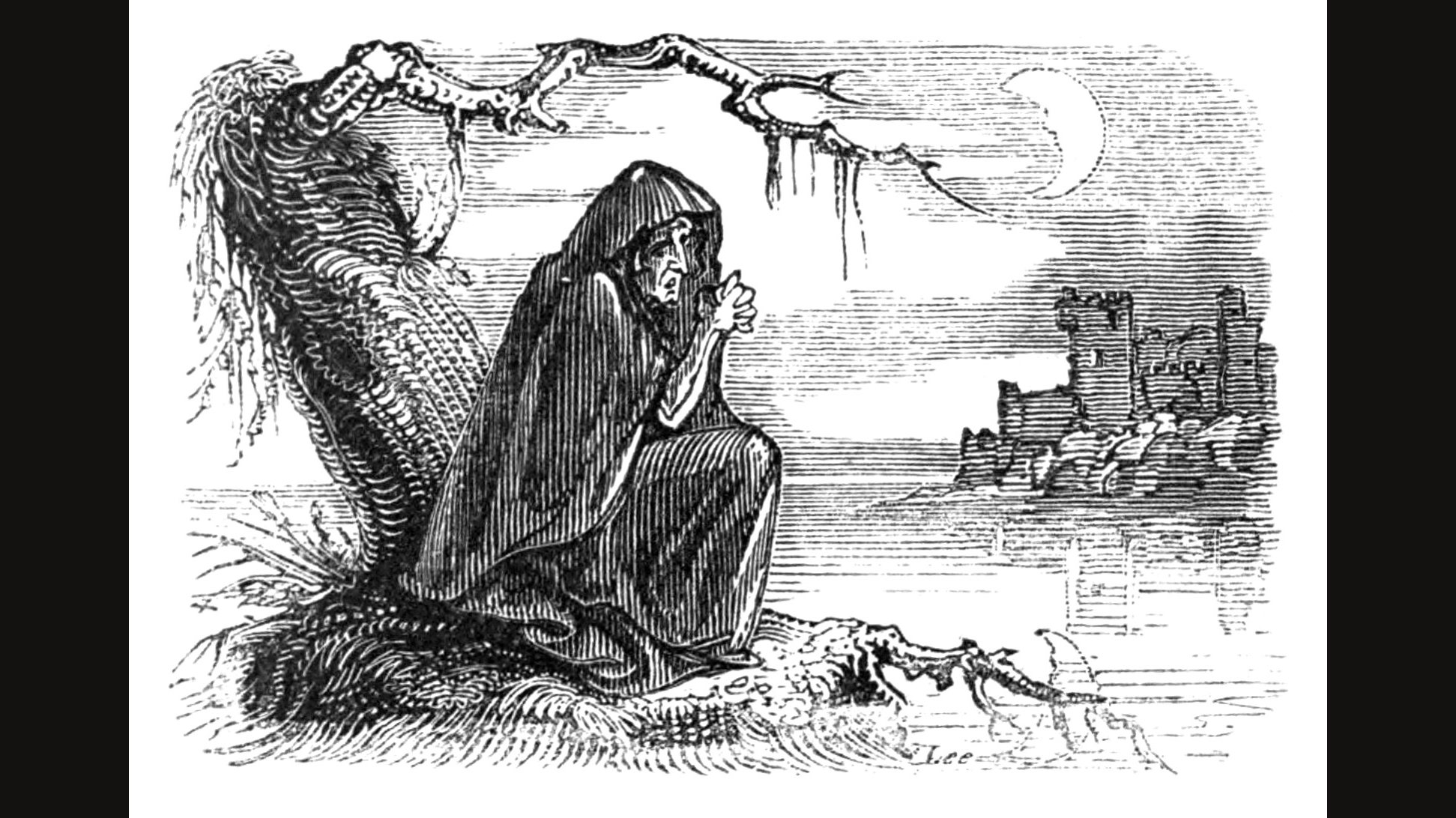
The banshee is the English name for the Irish bean sí, usually translated as "fairy woman" or "woman of the sí," the people of the Otherworld. In Irish folklore she is a female supernatural being whose keening, a high wailing lament, foretells an approaching death in a particular family.
She announces the death; she does not cause it. And the person who hears her cry is not necessarily the one who is about to die, according to folklorist Patricia Lysaght, whose 1986 book is a major study of the figure.
If you know the banshee as a shrieking monster from a film or game, the older figure is quieter and sadder than that, and in some ways eerier. She belongs to the wake, the family and the night before a loss.
The bean sí and what her cry means
Patricia Lysaght's book The Banshee: The Irish Supernatural Death-Messenger, published in Dublin in 1986, draws on folklore, literary sources and field research. She describes the banshee as a solitary female supernatural figure attached to families. The University of Exeter Press, which publishes the study, presents her as a messenger, mourner and warning figure.
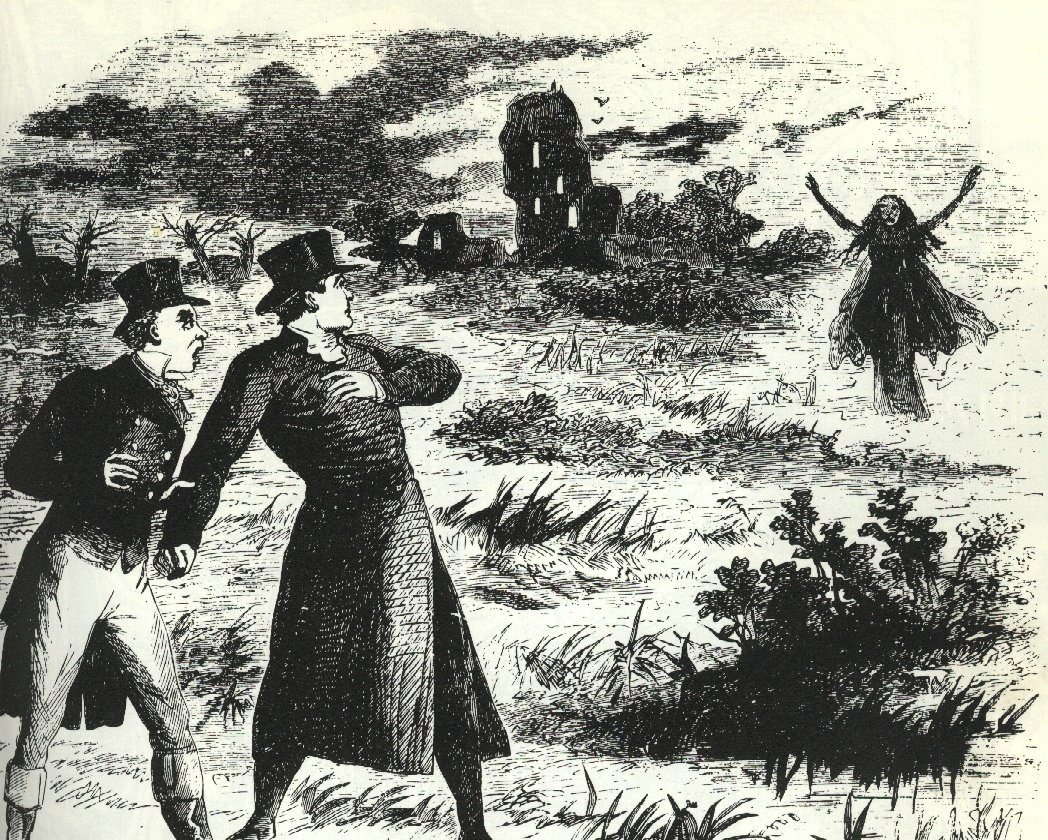
The National Folklore Collection of Ireland, searchable online through Dúchas, includes stories in its Schools' Collection in which relatives hear the banshee before someone in the family dies. In these accounts the cry comes first and the news follows. Her role is to warn and to lament, so what she does, in a single line, is keen, cry or appear when a death is coming to a family she belongs to.
The keening women behind the cry
To understand the banshee's cry, it helps to know the human sound it echoes. Caoineadh, rendered in English as keening, is the Irish public lament for the dead. In her 1997 study "Caoineadh os Cionn Coirp", Lysaght describes it as an improvised poetic performance by women, attested from ancient times and surviving in some parts of Ireland into the twentieth century.
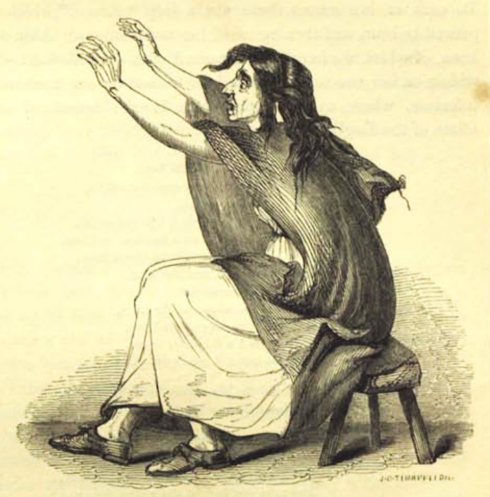
A keener, or bean chaointe, might be a relative of the dead person, a member of the community or a professional mourner. Keening was not wordless noise. It remembered the dead person's character, deeds and life story, and it was performed over the body.
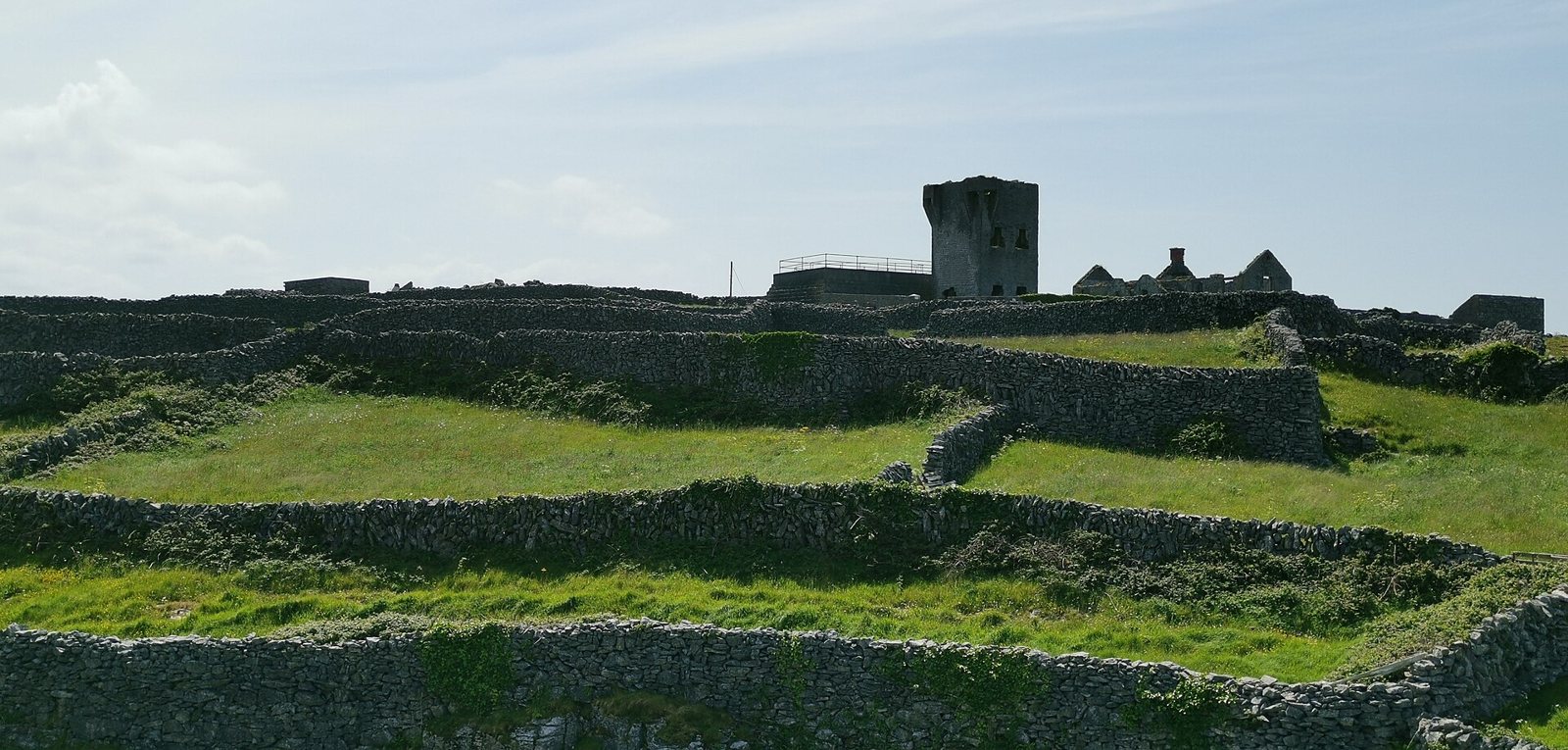
One of these laments was recorded on Inishmore, County Galway, in 1949. RTÉ Archives describes selected women performing the lament over the corpse during a wake, recorded by a BBC and Radio Éireann production unit. RTÉ's account of the lament for the dead links its decline to changes in Gaelic society and to opposition from parts of the Catholic Church.
So, when you ask what a banshee sounds like, or why she screams, the tradition's answer is that her cry is a supernatural keen. It is closer to a woman mourning at a wake than to a monster's battle cry: a lament sung before the death instead of after it.
The families she follows
Irish tradition commonly ties the banshee to old Gaelic families, especially those whose surnames begin with Ó, O', Mac or Mc. RTÉ Brainstorm summarizes this family link, and Lysaght treats the connection as central to the tradition.
It is a folk association, though, not a rule that covers every Irish family with an O' in its name. Recorded stories also describe banshees attached to neighbours, or to more than one family. A story in the National Folklore Collection tells of a banshee who follows a family and is heard near the house when someone dies. Which families "have" a banshee depends, in the end, on which families tell of hearing her.
What she looks like, and why you leave her comb alone
There is no single banshee face. Lysaght's survey records her as an old woman, a younger woman, a tall figure and a small one, depending on the place and the storyteller. Common details include long loose hair, white, grey or silver, and pale or funerary clothing.
Some stories show her combing that hair, and the comb has a legend of its own. In what folklorists call an interference legend, someone finds or takes the banshee's comb, and danger follows, because she comes back to reclaim it. Stories in the National Folklore Collection tell of a banshee dropping or leaving a comb, and then appearing at the window of the household that has it. The practical lesson of these tales is plain enough: if you come across a comb on the road at night, walk on.
The folklore scholar Tatyana Mikhailova studied this motif in a 2010 comparison of the Irish banshee and the Russian rusalka, published by Societas Celto-Slavica. She separates the dangerous supernatural comb from the wider motif of a supernatural woman combing her hair. Slavic folklore has its own formidable women of the forest, among them Baba Yaga and her fence of skulls.
Scotland's washer at the ford, the bean-nighe
Scotland has a death omen of its own in the bean-nighe, the "washing woman." She is related to the wider Gaelic supernatural tradition, but she is a separate figure with her own story.

In Highland and Hebridean accounts gathered by collectors such as John Gregorson Campbell and Alexander Carmichael, and set down in The Peat-Fire Flame, held by the National Library of Scotland, the bean-nighe is a washerwoman seen at a stream or ford. She is washing the clothes or the shroud of someone who is destined to die. Descriptions differ by region, and accounts from Perthshire and Skye give her a small, squat or childlike form.
The two figures share a job, warning of death, and they go about it differently. The banshee is heard; the bean-nighe is seen, bent over the water with her laundry.
Bean sí and bean-nighe
Tap a card to bring it forward.
- Bean sí (Ireland): A female Otherworld being attached to families, whose keening foretells a death.
- How she warns: She is heard: a cry or lament near the house before a death in the family.
- How she looks: Old or young, tall or small, often with long white, grey or silver hair.
- Bean-nighe (Scottish Highlands and Hebrides): A washerwoman seen at a stream or ford.
- How she warns: She is seen washing the clothes or shroud of someone destined to die.
- How she looks: Descriptions vary; accounts from Perthshire and Skye make her small, squat or childlike.
The screaming banshee of the screen
Many people meet the banshee first on a screen. Modern media often turns her into a hostile monster whose scream attacks or kills, and the Smithsonian Center for Folklife and Cultural Heritage has written about how film, television and fantasy novels reshape her. That killing scream belongs to the modern version. In the Irish tradition, the banshee's cry warns of a death and mourns it; it never does the killing.
One recent film went the other way. Martin McDonagh's 2022 The Banshees of Inisherin gives its banshee role to Mrs. McCormick, a silent, watchful woman who warns of death rather than a shrieking ghost. In her 2025 article "Banshee Legend and Embattled Masculinity," scholar Molly Ferguson reads the character as a version of the banshee that keeps the warning and drops the scream.
Artists have drawn her too. An 1862 illustration by R. Prowse, "The Banshee Appears," credited to Wicklow Heritage and held as a public-domain image on Wikimedia Commons.jpg), is one artist's interpretation of the figure, not a record of how Irish families described her.
The banshee and the keen through the years
Tap or hover a step to follow the order.
1 September 1862
R. Prowse's illustration "The Banshee Appears" is dated, an artist's interpretation of the figure.
1949
Women keen over the corpse at a wake on Inishmore, County Galway, recorded by a BBC and Radio Éireann production unit.
1986
Patricia Lysaght publishes The Banshee: The Irish Supernatural Death-Messenger in Dublin.
1997
Lysaght's study "Caoineadh os Cionn Coirp" describes women's improvised lament for the dead.
2010
Tatyana Mikhailova compares the banshee's comb with the Russian rusalka.
2022
A Martin McDonagh film gives the banshee role to a silent, watchful woman who warns of death.
How well do you know the banshee?
Answer every question to check.
Questions about the banshee
A few short answers for anyone who heard her name in a story and wondered.
What does a banshee do?
A banshee keens, cries or appears as a warning that someone in a family she is tied to is close to death. She announces the death rather than causing it, and the one who hears her is often a relative of the person who dies.
What does it mean if you hear a banshee?
In the traditional stories, hearing a banshee means a death is expected soon in the family or community tied to the cry. It is a folk belief that no one can test as a prediction, and in the tales the cry is a sign of mourning as much as a warning.
Is a banshee good or bad?
A banshee is frightening, and the comb legends show she can be dangerous to cross, but she is not an evil killer. Her role in Irish tradition is messenger, mourner and warning figure.
Are banshees only female?
Yes, the bean sí is a female figure in Irish folklore; her name means "fairy woman." Other death omens may be male, animal-shaped or have no gender at all, but they are their own figures and not banshees.
Are banshees in the Bible?
No, the banshee is not a biblical being. She belongs to Irish folklore, and while the Bible describes mourning and lament, it does not name a banshee.
More death messengers and weeping women
Ireland has other omens of death, among them the dullahan, the headless horseman, and Brittany has a death figure of its own in the Ankou. In Mexico, La Llorona is another weeping woman heard at night, with roots entirely her own. For more Irish folklore of the season, see our stories on Samhain and the jack-o'-lantern, and for death's best-known messenger, read about the Grim Reaper.
Terms in this story
Tap a term to see what it means.
Bean sí. The Irish name of the banshee, usually translated "fairy woman" or "woman of the sí," a female Otherworld being whose cry foretells a death.
---