


No. 214
La Llorona: The Weeping Woman of Mexican Folklore
La Llorona, "the weeping woman," is a ghost of Mexican and wider Latin American folklore: a woman in white who wanders near rivers, canals and dark streets at night, crying for the children she lost or drowned. In most tellings her cry is a warning, and anyone who hears it, especially a child out too late, had better get home.
The legend has no single fixed plot. Her name, her reason, the number of her children and what she does to the living all change with the teller and the place, as the Library of Congress American Folklife Center points out. If the version you grew up with differs from your cousin's, both of you heard the real thing.
Behind the ghost stand a 1906 Mexico City tale with a skull hidden under a shawl, a crying woman recorded among the omens of the Spanish conquest, a famous song from Oaxaca and a play staged at night on the canals of Xochimilco.
The story as families tell it
The common pattern goes like this. A woman loses her children, or kills them herself, often by drowning, and after her own death she is condemned to search for them. She wanders near water at night, calling and weeping, and she never finds them.
One family version, collected by folklorist Camille Acosta and described by the Library of Congress, gives her a name. María drowns her two sons after their father leaves her for another woman. Then she drowns herself, and she comes back as a ghost, still looking for the boys.
Other tellings change her role. Drawing on the work of folklorist Bess Lomax Hawes, the American Folklife Center records versions in which La Llorona is a dangerous spirit, a warning figure, a siren who lures a man close and then reveals a skeleton-like face, or a ghost who kidnaps children. The grieving mother and the threat to children often sit side by side in the same story, which is part of why parents have told it for so long. A child who believes the weeping woman walks the riverbank after dark tends not to wander there.
Films and other modern retellings have added their own versions, but they are newer layers on a folk legend that families were passing down long before any of them.
A 1906 Mexico City version, with a skull beneath the rebozo
One of the best-known written versions comes from the writer Thomas Allibone Janvier, who published it in Harper's Magazine in 1906. He heard it from Gilberto Cano, a Mexico City resident and amateur antiquarian, according to the Library of Congress.
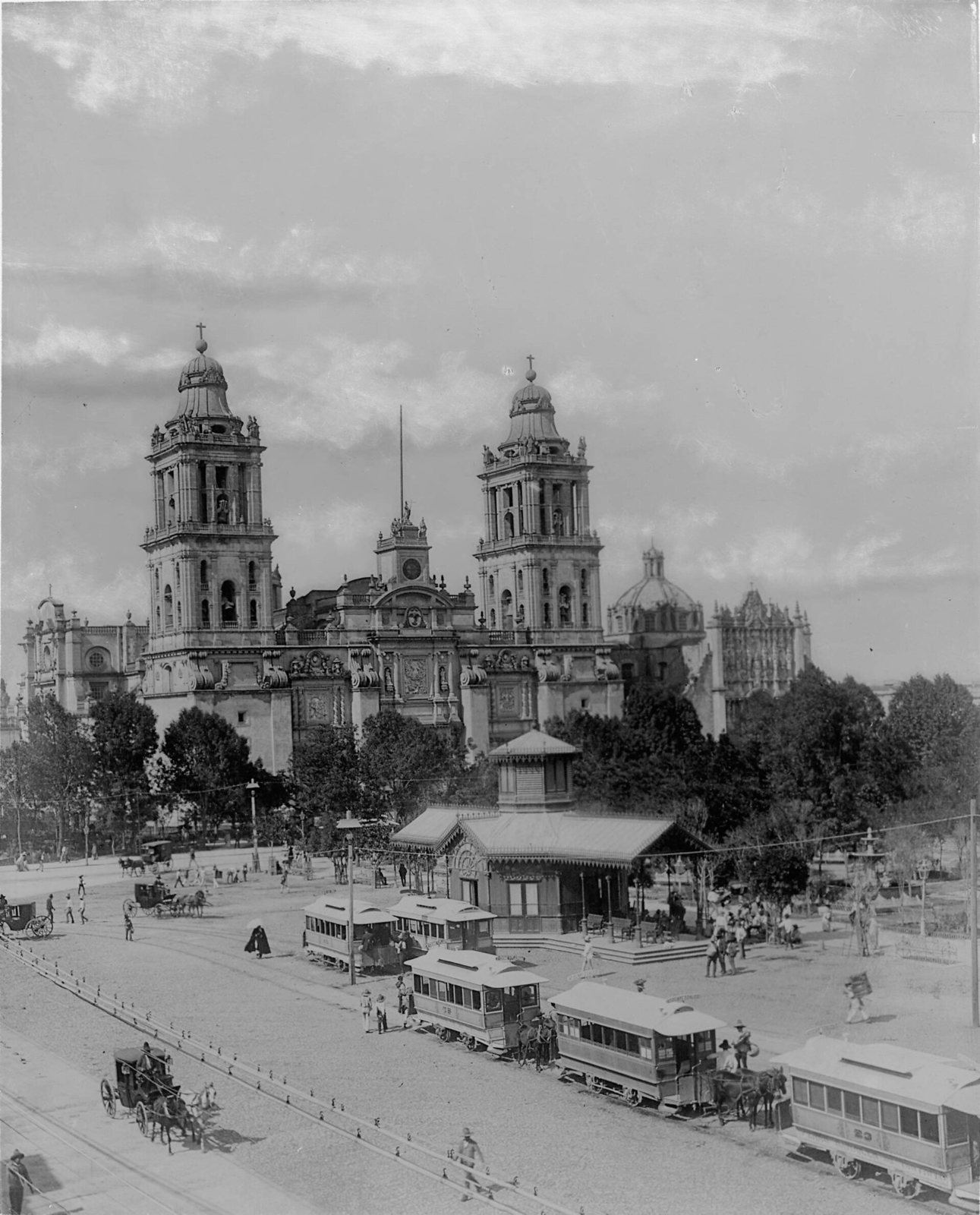
In Janvier's telling she appears dressed in white and cries, "Where shall I find my children?" Meeting her may bring madness or death. In one episode a watch officer, out on his rounds, flirts with a woman in white. When she turns toward him, he sees a grinning skull beneath her rebozo, the long shawl worn by Mexican women.
For anyone who loves skull imagery, that is the moment that sticks: the skull as the face hidden behind a living woman's shawl. It belongs to Janvier's published version, though, not to every telling. His account also says that people claimed to see La Llorona in Mexico City, Monterrey, Oaxaca and Acapulco on the same night, a ghost with no trouble covering ground.
The crying woman among the omens of the conquest
Long before Janvier, colonial chroniclers wrote down a crying woman of their own. In accounts attributed to the chronicler Bernardino de Sahagún, and discussed by Arqueología Mexicana, one of the omens before the Spanish conquest was a woman crying through the streets at night.
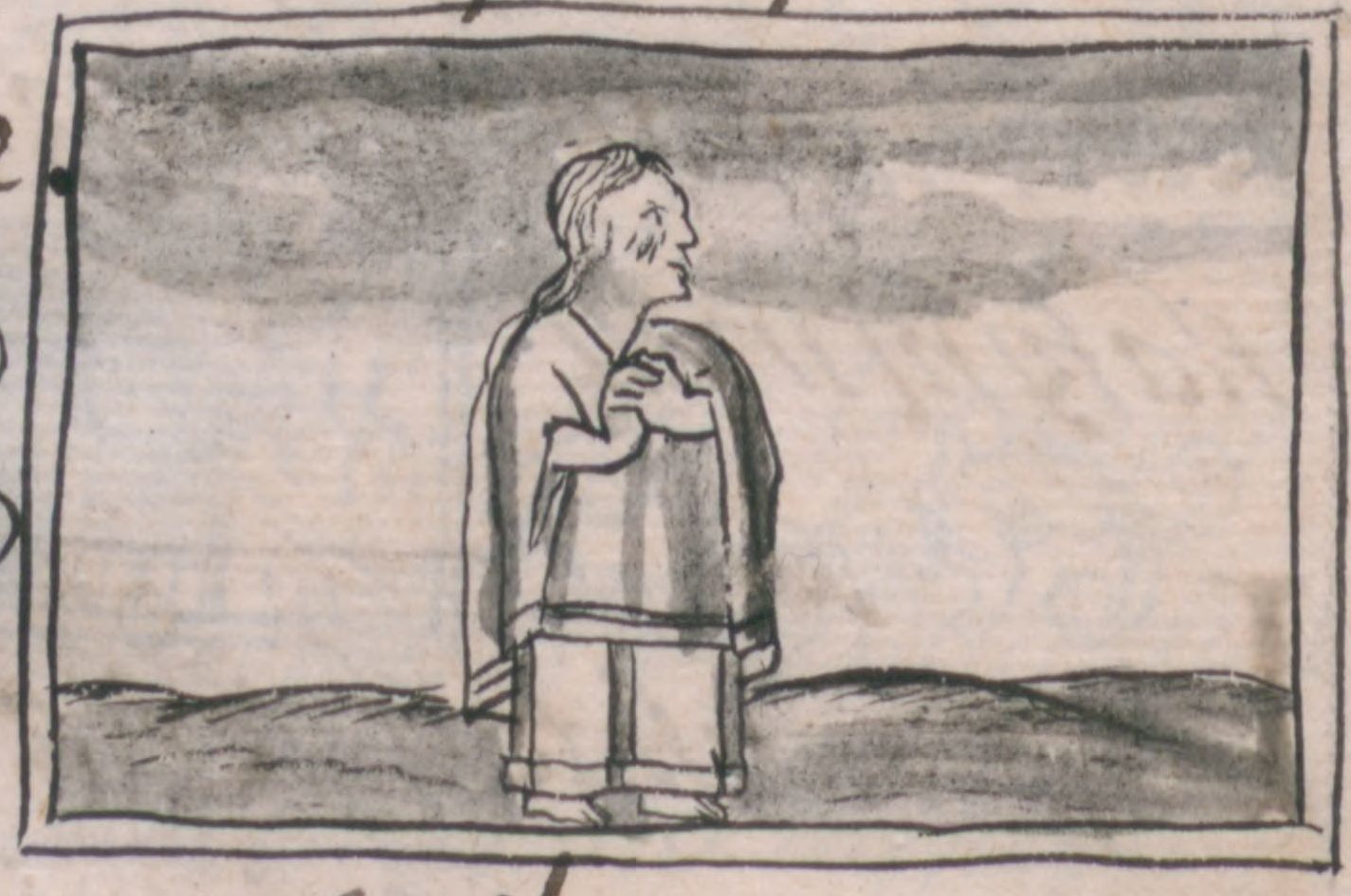
Her words, as Arqueología Mexicana presents them, were "Hijitos míos, pues ya tenemos que irnos lejos" ("My little children, we must go far away now") and "Hijitos míos, ¿a dónde os llevaré?" ("My little children, where shall I take you?"). Sahagún names this figure Cihuacóatl, "Serpent Woman," and Tonantzin, "Our Mother." The same account says she carried a cradle and left it in the marketplace. When women opened it, it held a flint knife used for sacrifice.
The chronicler Diego Muñoz Camargo recorded a similar crying woman, who said "Oh hijos míos, del todo nos vamos ya a perder" ("Oh my children, we are about to be utterly lost") and asked where she could take or hide her children.
These passages link a pre-conquest omen with the later tellings of La Llorona. The link comes from Sahagún, Muñoz Camargo and the modern scholars who interpret their words, and it is a strong parallel rather than a proof that the modern ghost is Cihuacóatl unchanged. The fairest answer to where La Llorona came from is that she grew in layers: Indigenous memory, colonial writing and generations of local storytelling, each adding something. For other figures who stand at the edge of death in cultures around the world, see our story on the gods of death.
Versions across Mexico, the US Southwest and Latin America
In Mexico City and central Mexico, La Llorona usually haunts canals, rivers and colonial streets. The Fonoteca Nacional, Mexico's National Sound Library, describes her as a woman who loses her children, becomes a suffering soul and searches for them while disturbing people with her cries. Scholar Felipe Canuto Castillo's 2023 study in Revista Coatepec looks at oral versions told in four Indigenous Mexican communities, so she is far from only a city ghost.
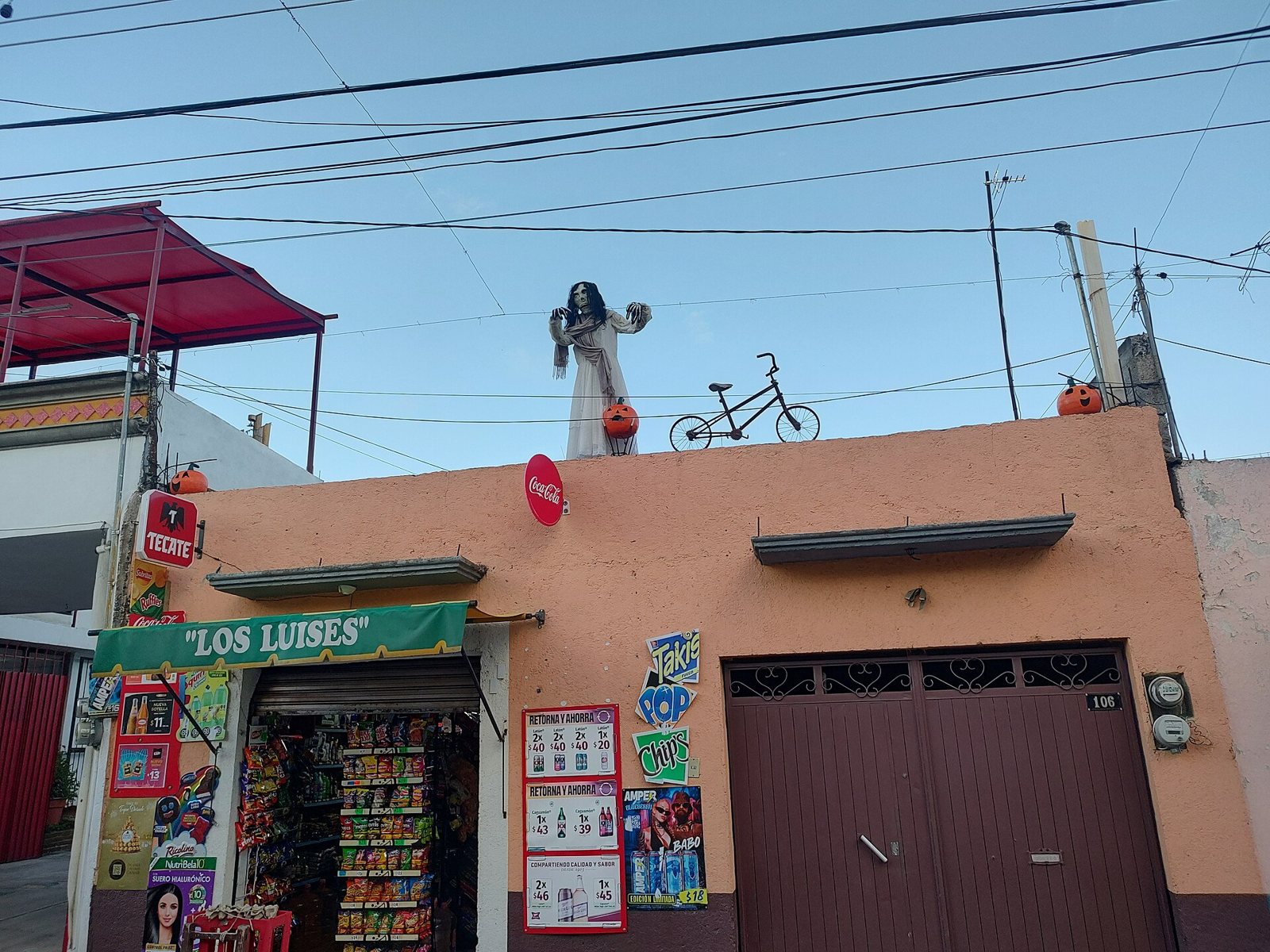
North of the border she is just as much at home. The University of Texas Rio Grande Valley's Mark Glazer Traditional Mexican American Folklore Collection holds student-collected stories from Texas and neighboring Mexican American communities, dated from 1979 through 1999. In California in the 1960s, Bess Lomax Hawes studied the La Llorona stories told among young women in a juvenile detention center.
Farther south the pattern shifts again. A 2017 comparative study by Victor Montes and colleagues, published through CAMJOL, sets Nicaraguan and Colombian versions side by side. Both have a woman who throws her babies into a river after suffering of her own, but the moral of the story and the audience it speaks to differ. UNAM Global says versions stretch from Mexico to Costa Rica, sometimes under other names and with other habits. In Venezuela, La Sayona is a related but separate figure: she goes after unfaithful men and has a story of her own.
La Llorona from place to place
Tap a card to bring it forward.
- Mexico City and central Mexico: Canals, rivers and colonial streets; the Fonoteca Nacional calls her a suffering soul searching for her children.
- Indigenous communities in Mexico: Felipe Canuto Castillo's 2023 study follows oral versions in four communities.
- Texas and Mexican American communities: The UTRGV Glazer collection holds stories dated from 1979 through 1999.
- California: Bess Lomax Hawes studied stories told among young women in the 1960s.
- Nicaragua and Colombia: A woman throws her babies into a river; the moral and audience differ by country.
- Mexico to Costa Rica: UNAM Global notes different names and behaviors along the way.
- Venezuela: La Sayona, a related figure who targets unfaithful men.
Each region tells her its own way: one version from Mexico City, another from the Rio Grande Valley, another from Nicaragua. No one telling speaks for all of them, and the variety is much of what makes her worth knowing. Our story on Día de Muertos by region shows the same kind of local variety in another tradition of the season.
What it means to hear her, and who believes
In many stories, hearing La Llorona's cry is an omen of danger, misfortune or death. In some, she comes closer, or takes a child who should have been home. Other versions treat the cry simply as the sound of a grieving spirit, with no fixed consequence for the person who hears it. These are the rules inside the stories, and they change from one family to the next.
Belief changes too. Some people treat La Llorona as a warning tale, a childhood boogeyman, a family tradition or a cultural symbol. Others understand her as a ghost or a real spiritual presence. The UTRGV stories and today's performances in Mexico show how alive she remains, whichever way a listener takes her.
La Llorona, the song
Many people know La Llorona first as a song. The best-known "La Llorona" is a son istmeño, a song style from the Isthmus of Tehuantepec in Oaxaca. Folklife Today, the Library of Congress folklife blog, reports early printed versions in a Tehuantepec student publication in 1935 and in a Mexican popular-culture journal in 1936. Some people credit the lyrics to Andrés Henestrosa, but folklorists generally treat the song as traditional, with no known author.
Collectors took it down from people who sang it. Concha Michel contributed a version to Frances Toor's 1947 book A Treasury of Mexican Folkways. In the 1960s, folklorist Henrietta Yurchenco recorded the Oaxacan singer Pablo Castañejo, and Smithsonian Folkways released his performance in 1976 on the album Mexico South: Traditional Songs and Dances from the Isthmus of Tehuantepec.
The song does not usually tell the ghost story. Juan Díes told Folklife Today that its lyrics are about death, the afterlife and heartbreak. Scholar Domino Renee Perez argues that singers still answer the legend through the images that keep coming back: separation, rivers, rebozos, graveyards and the unquiet dead. You can hear the ghost in it without anyone naming her.
La Llorona through the years
Tap or hover a step to follow the order.
Before the Spanish conquest
Colonial chroniclers record a crying woman among the omens; Sahagún names her Cihuacóatl and Tonantzin.
1906
Thomas Allibone Janvier publishes a Mexico City version in Harper's Magazine, told to him by Gilberto Cano.
1935
An early printed version of the son istmeño "La Llorona" appears in a Tehuantepec student publication.
1936
Another early printed version appears in a Mexican popular-culture journal.
1947
Concha Michel's version appears in Frances Toor's A Treasury of Mexican Folkways.
1960s
Henrietta Yurchenco records Pablo Castañejo singing the Oaxacan song.
1976
Smithsonian Folkways releases Castañejo's recording on Mexico South.
2017
The Secretaría de Cultura reports that the Xochimilco production has reached its twenty-fifth year.
3 October 2018
A photograph by Raúl Arturo Fernández Vega records a La Llorona performance on the canals of Xochimilco.
The weeping woman on the canals of Xochimilco
In Mexico City, La Llorona has become part of the Día de Muertos season. The Secretaría de Cultura reported in 2017 that a theatrical production in Xochimilco had reached its twenty-fifth year. It was created within the area's Día de Muertos celebrations, and it tells the legend at night on the canals, drawing on the area's pre-Hispanic and colonial history.
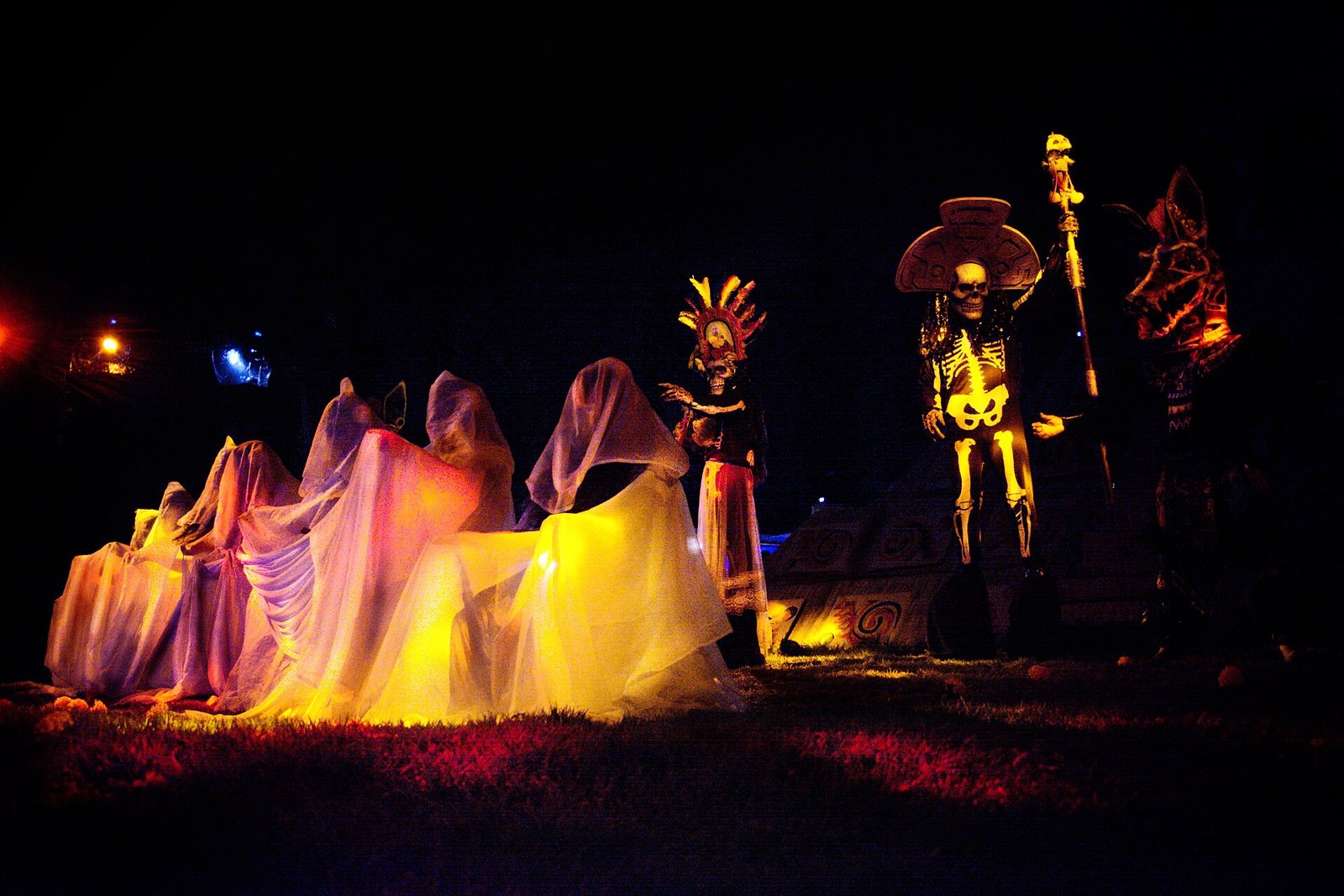
A photograph by Raúl Arturo Fernández Vega, shared on Wikimedia Commons, shows one of these performances on 3 October 2018, part of the yearly remembrance of La Llorona on the canals. It is a modern staging of the legend, a play built from an old story, and not the original or only form of it.
If you hope to see it, confirm this year's dates, the venue and tickets with the official Alcaldía Xochimilco or Secretaría de Cultura listings before you go. And if the season has you thinking about the people you remember, our guide on how to make an ofrenda walks through the altar itself.
How well do you know La Llorona?
Answer every question to check.
Questions about La Llorona
A few more answers for anyone who heard her story at the kitchen table.
Is La Llorona real?
La Llorona is real as a legend, an oral tradition and a cultural figure told across Mexico, Mexican American communities and Latin America. Whether she exists as a ghost is a matter of personal belief; accounts of meeting her are personal testimony rather than historical evidence.
Do Mexicans actually believe in La Llorona?
Belief varies from person to person and family to family. For some she is a warning story, a childhood boogeyman or a family tradition; for others she is a ghost or spiritual presence.
What happens if you hear La Llorona?
In many stories, hearing her cry warns of danger, misfortune or death, and in some she comes for children who are out too late. In gentler versions it is only the sound of a mother still grieving, with nothing to follow.
Is La Llorona a banshee?
No, they are two different figures. The banshee belongs to Irish and Scottish Gaelic folklore, where her cry warns of a death in a family, while La Llorona is a Mexican and wider Latin American tradition with her own stories, places and history. Their cries make an interesting comparison, but they come from separate roots.
Where did La Llorona come from?
She has no single agreed starting point. Colonial accounts preserve a crying woman linked to Cihuacóatl among the conquest omens, and Mexican and Mexican American storytellers built their own versions on top of that over centuries.
More weeping women, witches and legends of the season
La Llorona has company in the folklore of the dark half of the year. Ireland's banshee also cries before a death, the Slavic witch Baba Yaga keeps a fence of glowing skulls in the forest, and the jack-o'-lantern carries a legend of its own. For the holiday when Mexico remembers its dead, start with our story on Día de Muertos.
Terms in this story
Tap a term to see what it means.
La Llorona. "The weeping woman," a ghost of Mexican and wider Latin American folklore who cries for her lost children near water at night.
---