

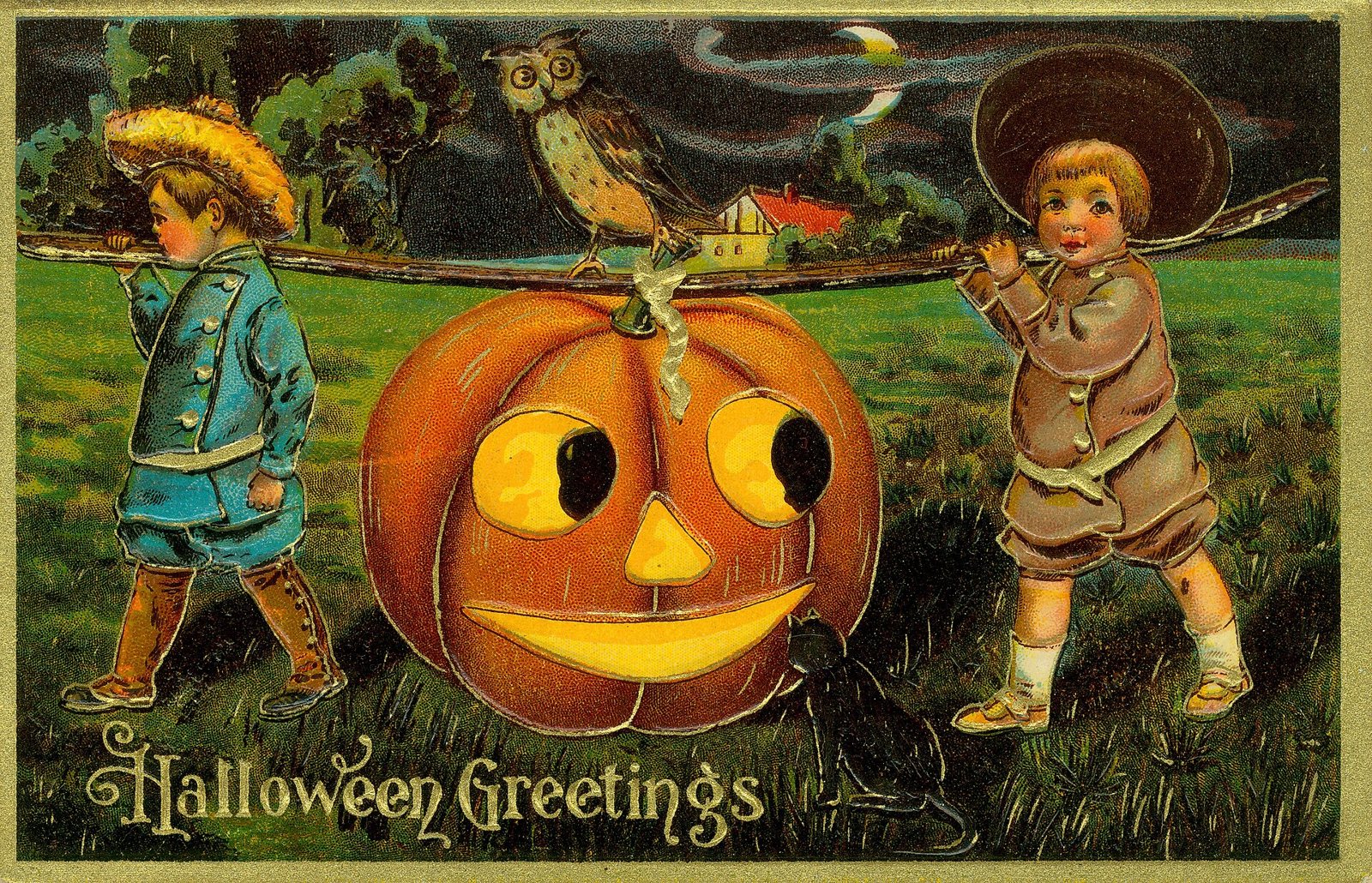
No. 193
Where the Jack-o'-Lantern Comes From: Stingy Jack, Turnips and Pumpkins
The jack-o'-lantern began as a turnip. In Ireland and Britain, people hollowed out turnips and other root vegetables, carved scary faces into them, set a candle inside and used them to frighten their neighbors on Halloween night. When the custom reached nineteenth-century America, pumpkins took over, because they were plentiful in autumn and far easier to hollow than a hard turnip.
The name and the story behind it come from older folklore about Jack. In the Irish tale, Jack is the man who tricked the Devil, was refused by both Heaven and Hell, and was left to wander the dark carrying a burning coal in a hollowed turnip. So, the face on your porch has a long and slightly disreputable family tree.
The legend of Stingy Jack
The story is Irish folklore, and like most folklore it is told in more than one way. The National Museum of Ireland gives the short version: Jack wanders forever with a lantern, because neither Heaven nor Hell will take him in.
A fuller telling comes from the folklorist Jack Santino, who told the story in a Halloween lecture at the Library of Congress recorded on 29 October 1982, now available through the Library of Congress Folklife Today podcast. In Santino's version, Jack is a blacksmith who strikes a bargain with the Devil, a Faustian deal of the old kind. Then Jack wriggles out of the bargain with tricks and magical restraints, more than once.
Cleverness has a price, though. When Jack finally dies, Heaven will not have him, and Hell will not take him either. The Devil gives him a single burning coal, and Jack puts it inside a hollowed turnip. With that lantern he wanders on in the dark, and that wandering light is the jack-o'-lantern.
Santino is careful to say that his is one version among several. The tale belongs to a wider European family of stories folklorists call "Smith and the Devil," in which a clever blacksmith outwits the Devil. No single telling is the original; the version you heard as a child is part of the same tradition as the one in the museum. Jack is a legendary figure, and his story lives in its tellings.
Turnip lanterns in Ireland
In Ireland, the lantern was a real object, carved at home for the night. The National Museum of Ireland keeps a "ghost turnip" from near Fintown, County Donegal. It came to the museum in 1943 from a schoolteacher, Rois Ní Braonáin, who said this type was commonly made in the area around 1900. A candle went inside, and the turnip was used to frighten people on 31 October.
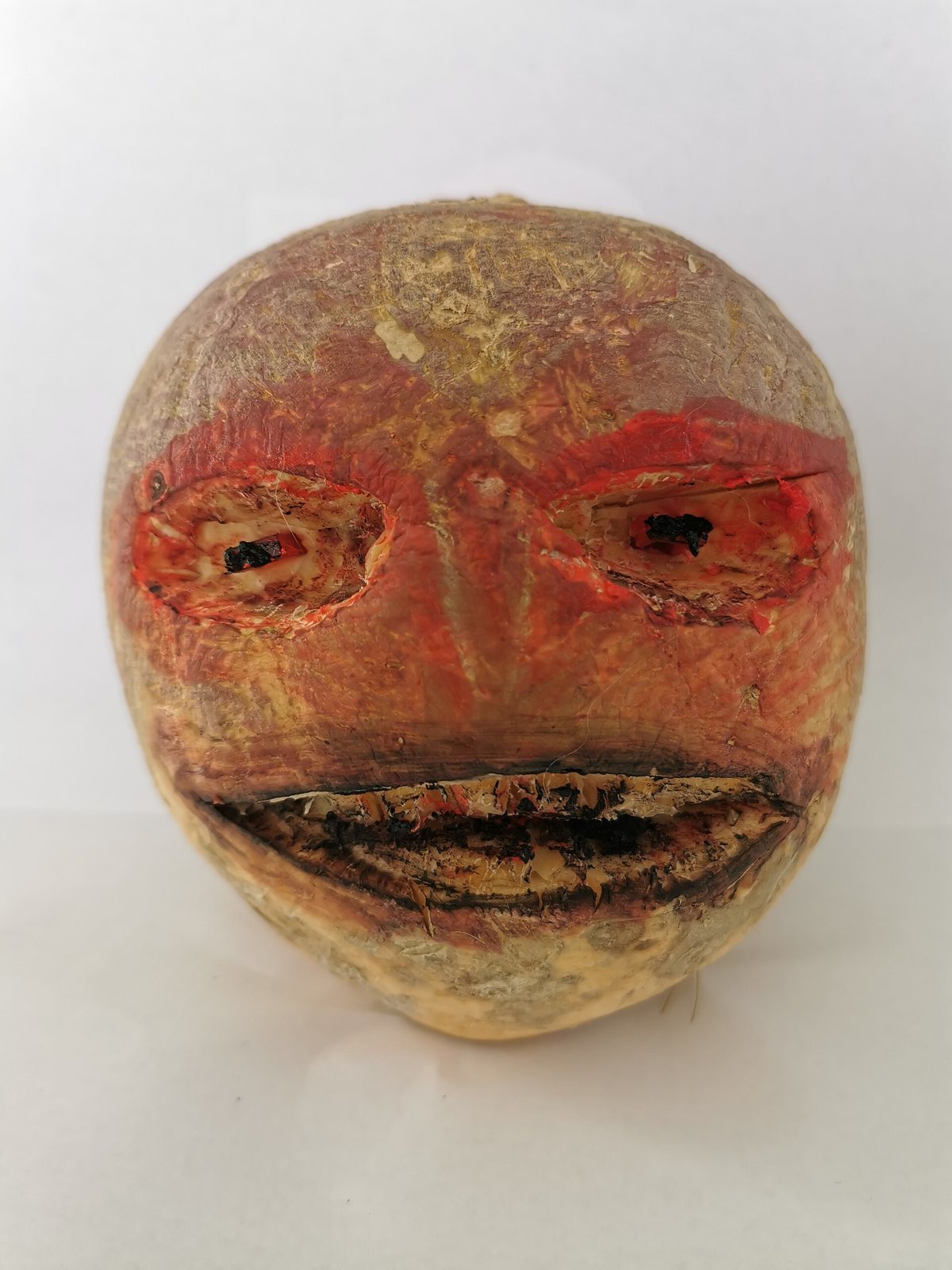
The custom was not limited to one county. Galway City Museum describes it as widespread across Ireland and Britain, with grotesque faces carved into turnips. The finished lanterns were set on walls, gates, fences, graveyards or in trees, where they could startle anyone walking past in the dark.
If you have ever tried to carve a raw turnip, you will understand the dedication involved. A turnip is small, dense and stubborn, and hollowing one with a kitchen knife takes patience. The reward was a small, flickering face that looked exactly as unsettling as intended.
Rutabagas, beets and other roots in Britain
Turnips were not the only choice. In his Library of Congress account, Santino names turnips, rutabagas and other large vegetables as the lanterns of Britain. Whatever was big, hard and in the field at the end of October could be carved.
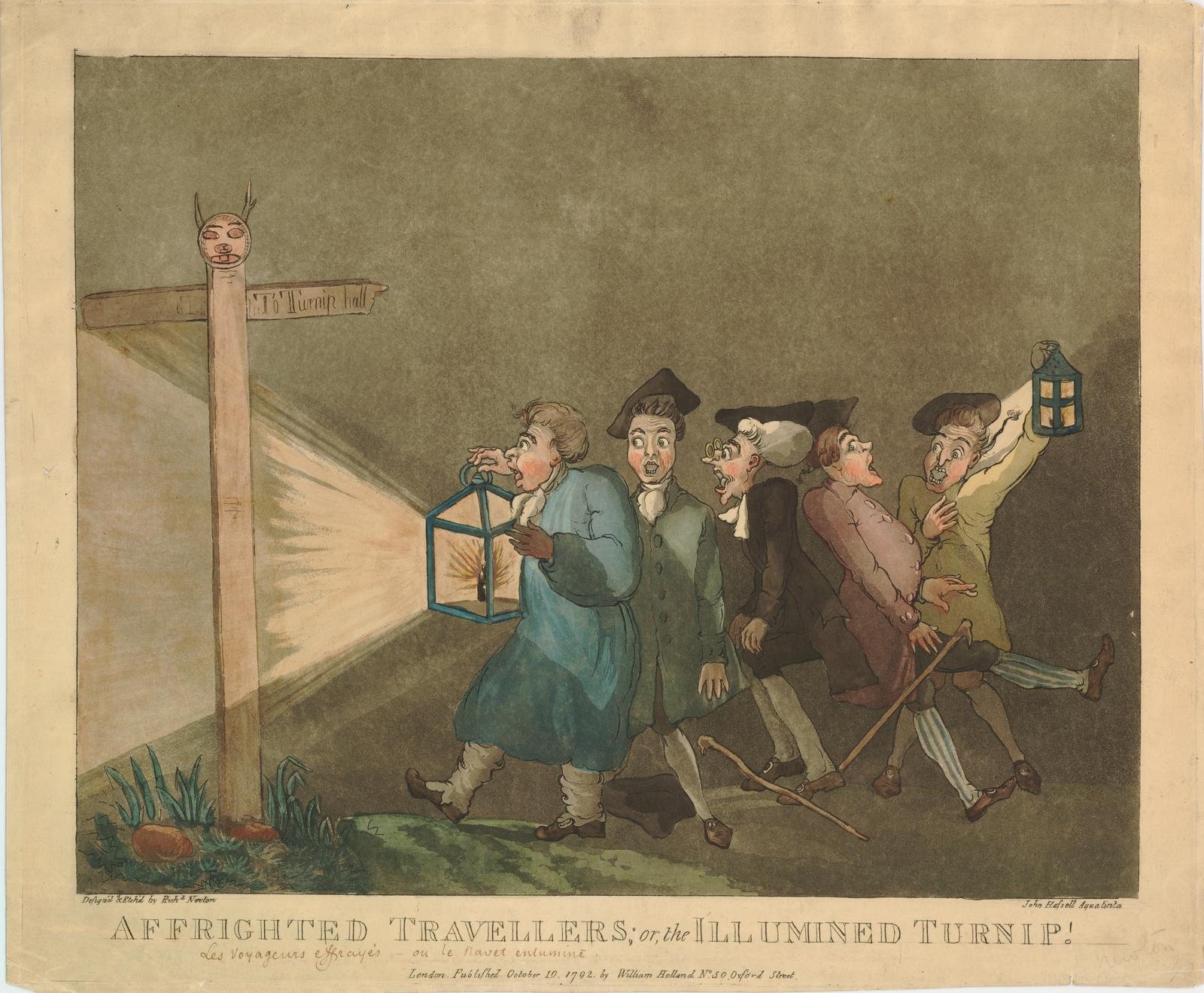
You may also run across the word "mangel-wurzel," a British name for a large beet grown to feed livestock. It turns up in talk about old lanterns, but the turnip and the rutabaga are the roots the museums and Santino actually name, and no single vegetable was the rule everywhere.
From turnip to pumpkin
Tap a card to bring it forward.
- Ireland, around 1900: Turnips hollowed out, carved with scary faces and lit with a candle for 31 October.
- Britain: Turnips, rutabagas and other large root vegetables carved the same way.
- America, by 1842: Magazines describe the carved pumpkin trick for autumn pranks.
- America, 1872: B. F. Reinhart illustrates children carving a pumpkin into a jack-o'-lantern.
- America, 1912: A Smithsonian photograph records an American jack-o'-lantern.
Where the name comes from
The name is older than the pumpkin and had little to do with carving at first. In the seventeenth century, "Jack with the lantern" meant a man carrying a lantern, such as a night watchman. The phrase then came to mean the ghostly lights seen over marshes at night, which English speakers also called the will-o'-the-wisp and scholars called ignis fatuus, Latin for "foolish fire," according to YourDictionary.
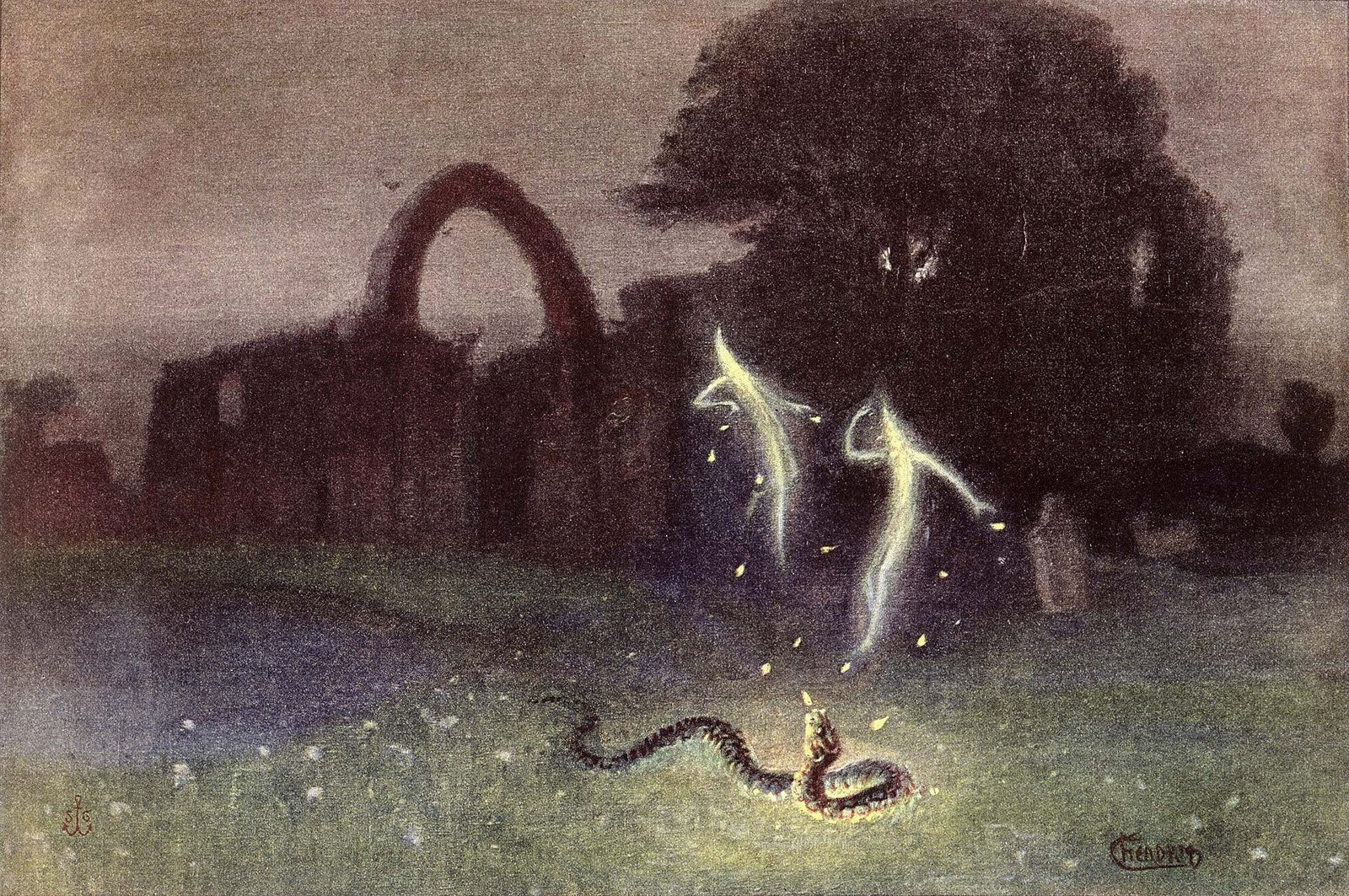
Those marsh lights were trouble in folklore. In Britain, Santino explains, Jack-o'-Lantern was understood as a mischievous spirit who could lead people astray, a light you should not follow into the bog.
The historian Lesley Bannatyne, speaking to TIME, calls the name nearly separate from the pumpkin custom. The meaning "a carved pumpkin with a candle in it" grew in American English during the nineteenth century and was settled by the early twentieth. The wandering Jack, the marsh light and the carved vegetable came together under one name, and the name stuck.
How the pumpkin took over in America
The pumpkin won for practical reasons. Bannatyne explains that nineteenth-century American children carved the plentiful autumn pumpkins, put candles inside them and used the glowing faces as pranks to frighten people. By 1842, American magazines were printing how-to pieces on the "carved pumpkin trick," and the poet John Greenleaf Whittier wrote of ugly faces carved into pumpkins and lit with candles.
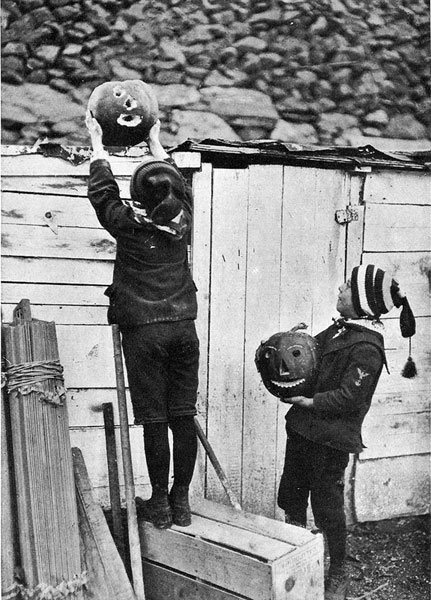
Artists took note too. The Library of Congress identifies an 1872 illustration by B. F. Reinhart showing children carving a pumpkin into a jack-o'-lantern. The Smithsonian's Archives of American Gardens dates an American jack-o'-lantern photograph to 1912 and puts the reason plainly: pumpkins were easier to find and to carve than Irish root vegetables.
The National Museum of Ireland calls the pumpkin lantern an American development of the Irish turnip tradition. It grew in nineteenth-century America from old carving customs, local harvests and Halloween mischief together, rather than being invented by any one group of newcomers. Anyone who has carved both will tell you the pumpkin's victory was well earned.
The jack-o'-lantern through the years
Tap or hover a step to follow the order.
Seventeenth century
"Jack with the lantern" means a lantern carrier or a ghostly marsh light.
1842
American magazines describe the carved pumpkin trick.
1872
B. F. Reinhart illustrates children carving a pumpkin jack-o'-lantern.
Around 1900
A turnip-lantern type is commonly made near Fintown, County Donegal.
1912
A Smithsonian photograph records an American jack-o'-lantern.
29 October 1982
Folklorist Jack Santino gives his Halloween lecture at the Library of Congress.
Scary faces, and where skulls come in
The earliest documented lanterns wore faces meant to scare. The National Museum of Ireland describes "scary-faced" turnips, and Galway City Museum describes grotesque faces. These were human faces pushed to the edge of ugly, made to make someone jump at a gate in the dark.
Skull faces are a later design, one among many, and belong with the skulls and skeletons that became part of American Halloween, a story told in how skeletons joined Halloween. Today plenty of carvers give their pumpkins eye sockets and a bony grin. For a skull lover with a pumpkin and a knife, that is the place in the tradition where your own carving fits: a newer face on a very old idea, a light set in a hollow head to make the dark a little more interesting.
Why we still carve them
Today a jack-o'-lantern is mostly decoration, entertainment and an evening spent with family or friends, which is how the Smithsonian Gardens page frames the modern lantern. Carving one has become part of how many people mark the season.
Are they evil? No; a jack-o'-lantern is a decoration with a folk tale attached. In the old stories Jack is a trickster and a wanderer, and Santino describes him as a prank-playing spirit, which makes him more of a mischief-maker than a menace. The carved face was meant to scare people for fun, and it still is.
For the Irish autumn festival that sits deep in Halloween's past, read about Samhain. For other figures who walk the dark in Irish and British folklore, meet the Dullahan, the banshee and the Welsh Mari Lwyd.
How well do you know the jack-o'-lantern?
Answer every question to check.
Questions about the jack-o'-lantern
A few more questions come up often.
Is there a real story behind the jack-o'-lantern?
Yes, there is a real Irish folktale behind it, the story of Jack, who tricked the Devil and was left to wander with a coal in a turnip. Jack himself is a legendary figure, and the tale exists in several versions, which folklorist Jack Santino points out when he tells his own.
Was the Stingy Jack story told in Ireland?
Yes, the National Museum of Ireland tells the story of Jack as part of Irish folklore, alongside its Donegal turnip lantern. Santino's Library of Congress telling belongs to the same tradition, and the tale is part of the wider "Smith and the Devil" family of European stories.
When did people start carving pumpkins?
Americans were carving pumpkin lanterns in the nineteenth century, and magazines described the "carved pumpkin trick" by 1842. B. F. Reinhart's illustration of children carving a jack-o'-lantern followed in 1872, and by the early twentieth century the pumpkin meaning of the word was settled.
What is a mangel-wurzel?
A mangel-wurzel is a large beet grown in Britain to feed livestock. It comes up in talk of old British lanterns, though the vegetables the museums and Santino name are turnips and rutabagas.
Did the first jack-o'-lanterns have skull faces?
The earliest lanterns on record had scary, grotesque human faces rather than skulls. Skull faces are a later design, now a favorite among carvers who like their pumpkins with a little more bone.
A light in a hollow head
The jack-o'-lantern is a small thing with a long reach: an Irish trickster, a Donegal turnip, a marsh light that led travelers astray, a crowd of American children with pumpkins and candles. Every one you carve carries a little of each.
If you want more of the season's history, read about the history of skeleton costumes and what a skull candle means, and for the days of remembrance that follow Halloween, All Souls' Day. Other wanderers of legend wait in the stories of La Llorona and Baba Yaga.
Terms in this story
Tap a term to see what it means.
Jack-o'-lantern. A hollowed vegetable carved with a face and lit from inside; first turnips and other roots in Ireland and Britain, later pumpkins in America.
---