

No. 100
Little Foot Skeleton: Who Found It and How Old It Is
Little Foot is the nickname for StW 573, one of the most complete *Australopithecus* skeletons known, from the Sterkfontein Caves in South Africa. Palaeoanthropologist Ron Clarke recognised its first foot bones in a box of stored fossils in 1994. In 1997, Clarke and his colleagues Stephen Motsumi and Nkwane Molefe traced the rest of the skeleton to the rock of the cave itself.
Its best-known age is 3.67 ± 0.16 million years, a figure from cosmogenic burial dating. Other scientists argue for a younger age, so the date is still debated.
Between the box and the finished skeleton lie about 20 years of patient work, most of it done with a needle-fine tool against stone that behaves like concrete. Here is how it happened, and why the age and even the species are still argued over.
Foot bones in a box, 1994
The story starts in storage, not in the field. In 1994, Ron Clarke was going through boxes of fossil material kept at Sterkfontein and at the University of the Witwatersrand (Wits) in Johannesburg. Among them he picked out 12 foot and lower-leg bones that had been labelled as animal fossils. They were not. They belonged to an early hominin, a member of the human branch of the family tree, according to Wits University.
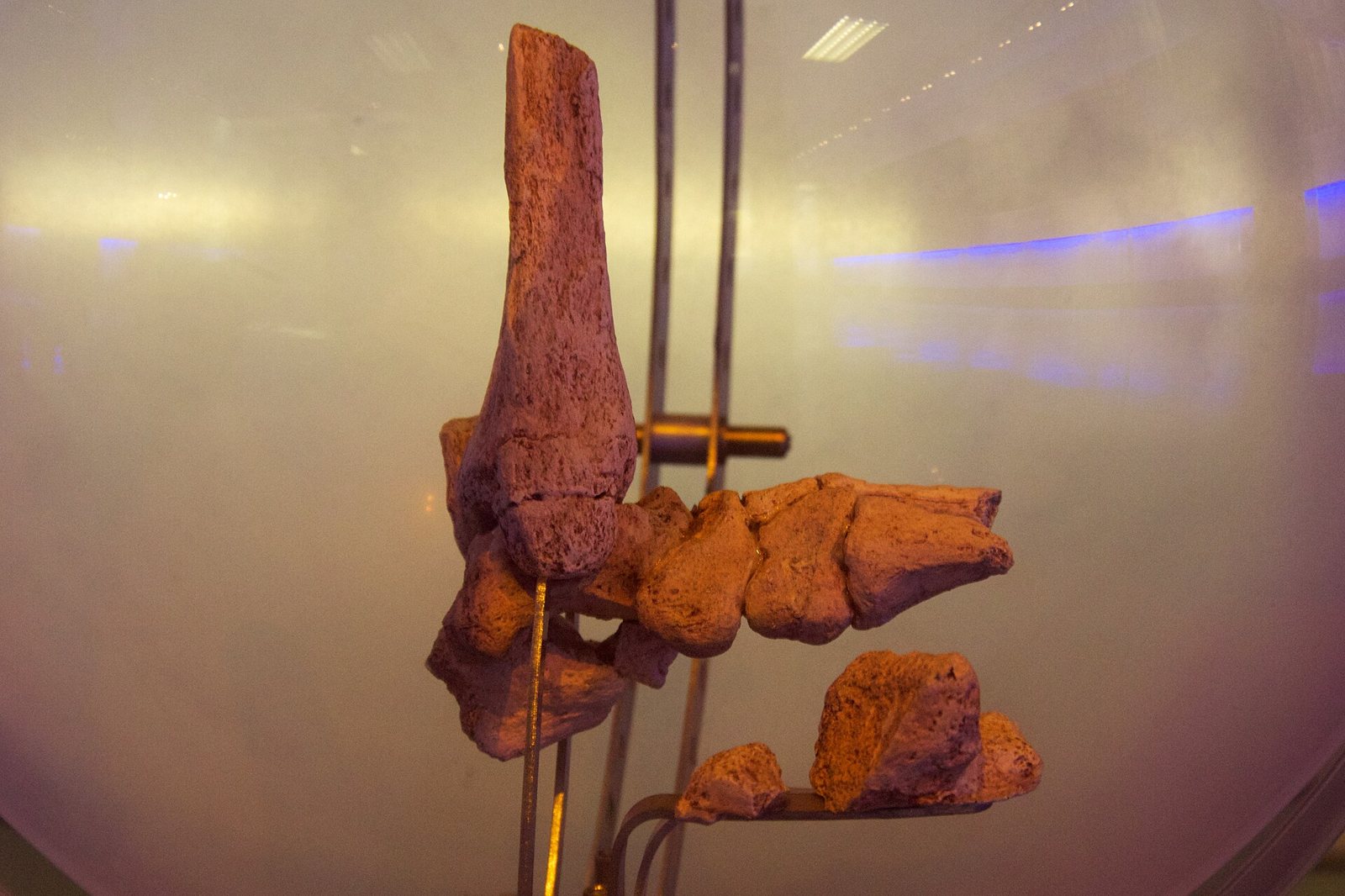
Those small foot bones gave the skeleton its nickname. The scientific name, StW 573, is its catalogue number in the Sterkfontein collection. For a while, the foot bones were all anyone had, and the obvious question was whether the rest of the individual was still somewhere in the cave.
Tracing the break in the cave wall, 1997
Broken bones have broken ends, and a broken end in a box may have a partner still sitting in the rock. In 1997, Clarke, Stephen Motsumi and Nkwane Molefe went looking for that partner.
They found it. In the Silberberg Grotto, a chamber inside Sterkfontein, they located breaks in the cave breccia that matched the stored foot and leg bones. Wits credits Clarke, Motsumi and Molefe together with locating the skeleton in the cave wall. It was still there, lying where the individual had come to rest millions of years earlier.
Twenty years to free a skeleton from rock
Finding the skeleton and getting it out were two very different jobs. The bones were set in breccia, a hard cave rock that Wits describes as concrete-like. Nothing about it could be rushed.
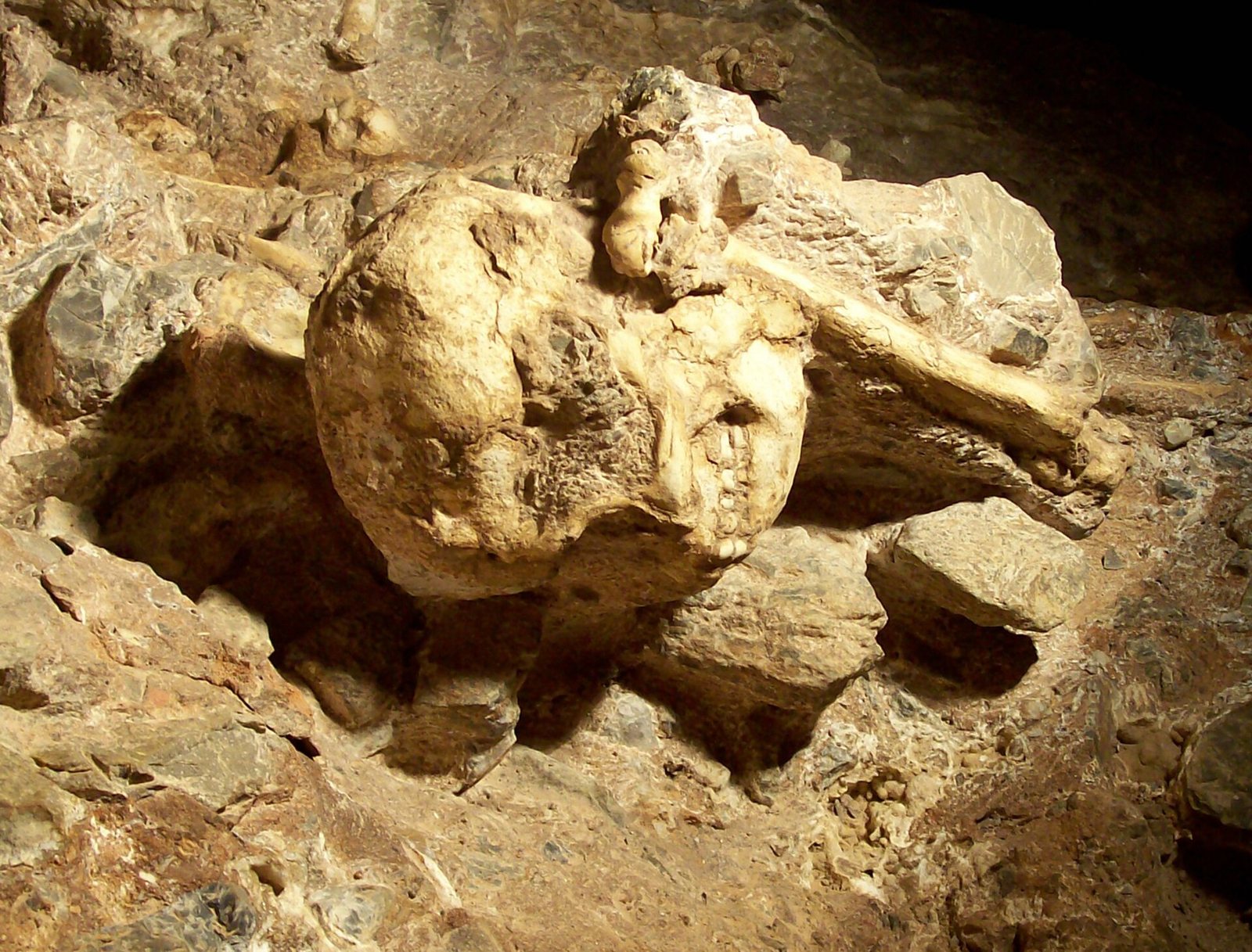
Clarke and the technical team first removed the overlying rock with hammer and chisel. Closer to the bones, they switched to an airscribe, a small vibrating needle, and exposed the fossil millimetre by millimetre. Wits describes the work as 14 years of excavation followed by six years of cleaning and reconstruction, according to the Sterkfontein Caves site.
In December 2017, about 20 years after the matching bones were located, Wits presented the completed skeleton to the public. Its announcement, Little Foot takes a bow, describes a skeleton with the skull, limbs and much of the body preserved.
Little Foot, from the box to the debate
Tap or hover a step to follow the order.
1994
Ron Clarke identified foot and lower-leg bones in stored fossil boxes.
1997
Clarke, Stephen Motsumi and Nkwane Molefe located matching bones in the Sterkfontein cave wall.
1997 to 2017
The skeleton was excavated, cleaned, reconstructed and studied.
2015
Granger and colleagues published the 3.67 ± 0.16 million-year cosmogenic age estimate.
2017
Kramers and Dirks published a younger interpretation with a maximum age of about 2.8 million years.
December 2017
Wits presented the completed skeleton to the public.
2024
Thackeray and colleagues proposed a hypothesized age of 3.6 million years using biochronology.
How old is Little Foot?
The figure you will see most often is 3.67 ± 0.16 million years. Darryl Granger and colleagues reported it in 2015 for the breccia around the skeleton, using a method called cosmogenic burial dating.
In plain terms, quartz grains carry two rare kinds of atoms, aluminium-26 and beryllium-10, made by cosmic rays. After the grains are buried in a cave, the ratio between the two changes steadily over time, so measuring that ratio gives the time since burial, as the University of Johannesburg explains.
The catch is that the date belongs to the quartz, not to the bones directly. Jan Kramers and Paul Dirks argued in 2017 that the quartz grains could have been washed in from an older, higher chamber of the cave and redeposited around the skeleton. If so, the grains would be older than the skeleton itself. Their interpretation set a maximum age of about 2.8 million years.
In 2024, Francis Thackeray and colleagues took a different route, a method called biochronology, which dates a deposit by the fossil animals it holds. Their paper, "A biochronological date of 3.6 million years for 'Little Foot'", proposes a hypothesized age of 3.6 million years while acknowledging the wider disagreement.
So, the fairest answer is this: 3.67 million years is the widely cited estimate, and the geological age remains disputed. If you want to know more about how methods like these work, our story on how old these bones are walks through the main dating techniques.
Tap or hover a row to highlight it.
| Scientists | Year | Method | Result |
|---|---|---|---|
| ScientistsGranger and colleagues | Year2015 | MethodCosmogenic burial dating, aluminium-26 and beryllium-10 in quartz | Result3.67 ± 0.16 million years |
| ScientistsKramers and Dirks | Year2017 | MethodReinterpretation of where the quartz came from | ResultMaximum of about 2.8 million years |
| ScientistsThackeray and colleagues | Year2024 | MethodBiochronology | ResultHypothesized 3.6 million years |
Which species was Little Foot?
Scientists do not agree on this one either. Ron Clarke and colleagues assign StW 573 to *Australopithecus prometheus*, a name Clarke defends as a species distinct from *Australopithecus africanus*. Their case rests on differences in the skull, face, teeth and other parts of the anatomy.
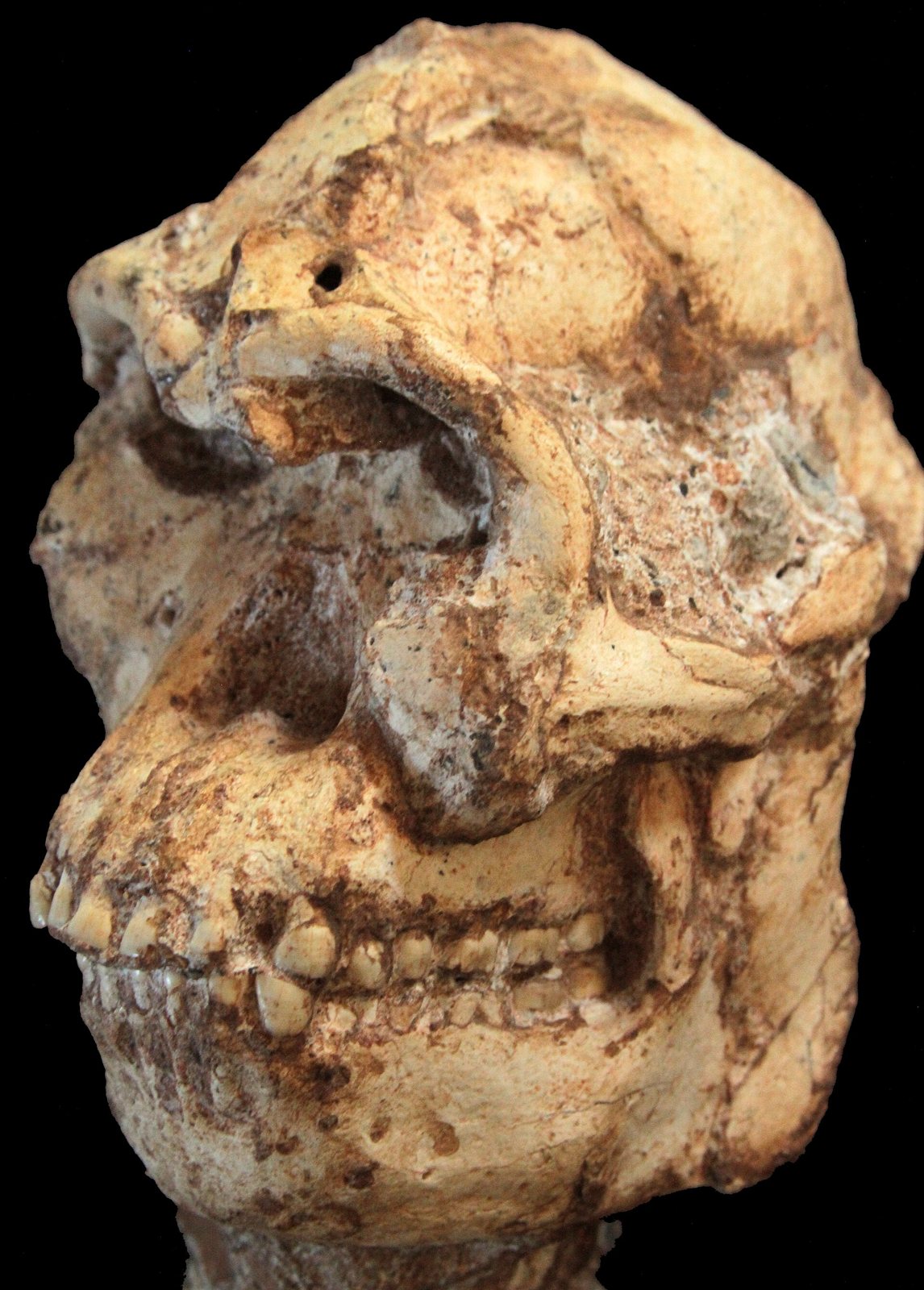
Other researchers treat Little Foot as *A. africanus*, or as a specimen whose species cannot yet be settled. In a peer-reviewed paper, Jesse Martin, Luca Morris-Obst, A. B. Leece, Stephanie Baker and Andy Herries argued that the anatomy does not support the *A. prometheus* label. Their paper, "The StW 573 Little Foot Fossil Should Not Be Attributed to *Australopithecus prometheus*", concludes that *A. prometheus* should remain a junior synonym of *A. africanus*, meaning an older name folded into an accepted one. Even so, they note that StW 573 differs from the usual *A. africanus* specimens.
There is no scientific consensus. When you see Little Foot labelled confidently with either name, the label reflects one side of a live debate.
Why Little Foot matters
Little Foot keeps the skull, the limbs and much of the body together, from one individual. Wits calls it one of the most complete early hominin skeletons known, and that completeness is the reason it draws so much attention: the skull, arms and legs all belong to the same individual, so nothing has to be borrowed from another fossil to see the whole body.
Little Foot also shares its home with some famous neighbours. The Cradle of Humankind has given the world Mrs. Ples, the Taung Child and the newer Homo naledi fossils, each with its own story. Farther north, in Ethiopia, the partial skeleton known as Lucy is the East African *Australopithecus* most people already know.
How well do you know Little Foot?
Answer every question to check.
Where Little Foot is kept, and the Cradle of Humankind
The original StW 573 fossil is curated by the University of the Witwatersrand, in the hominin collections of the Evolutionary Studies Institute in Johannesburg. Wits describes itself as the custodian of the fossil.
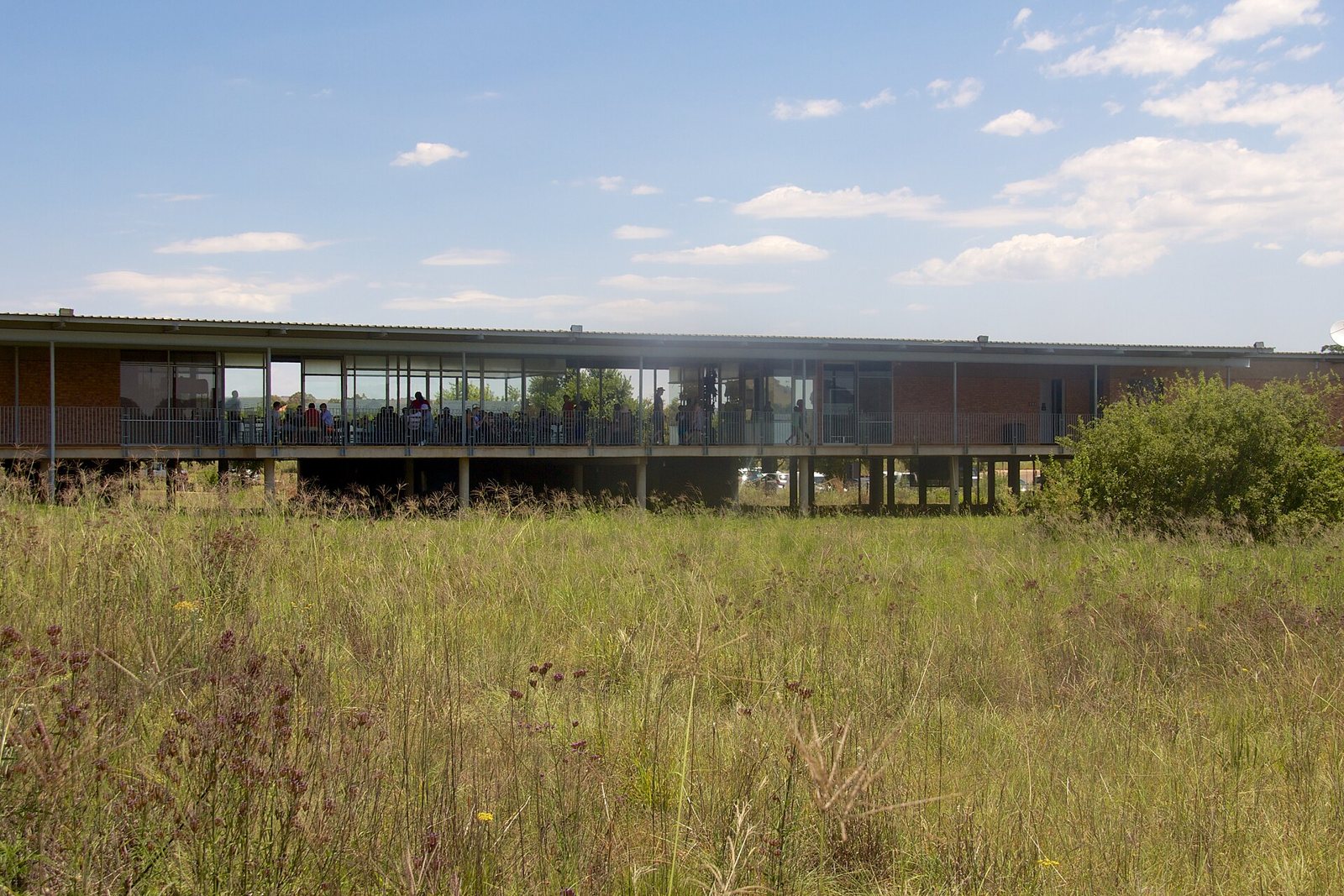
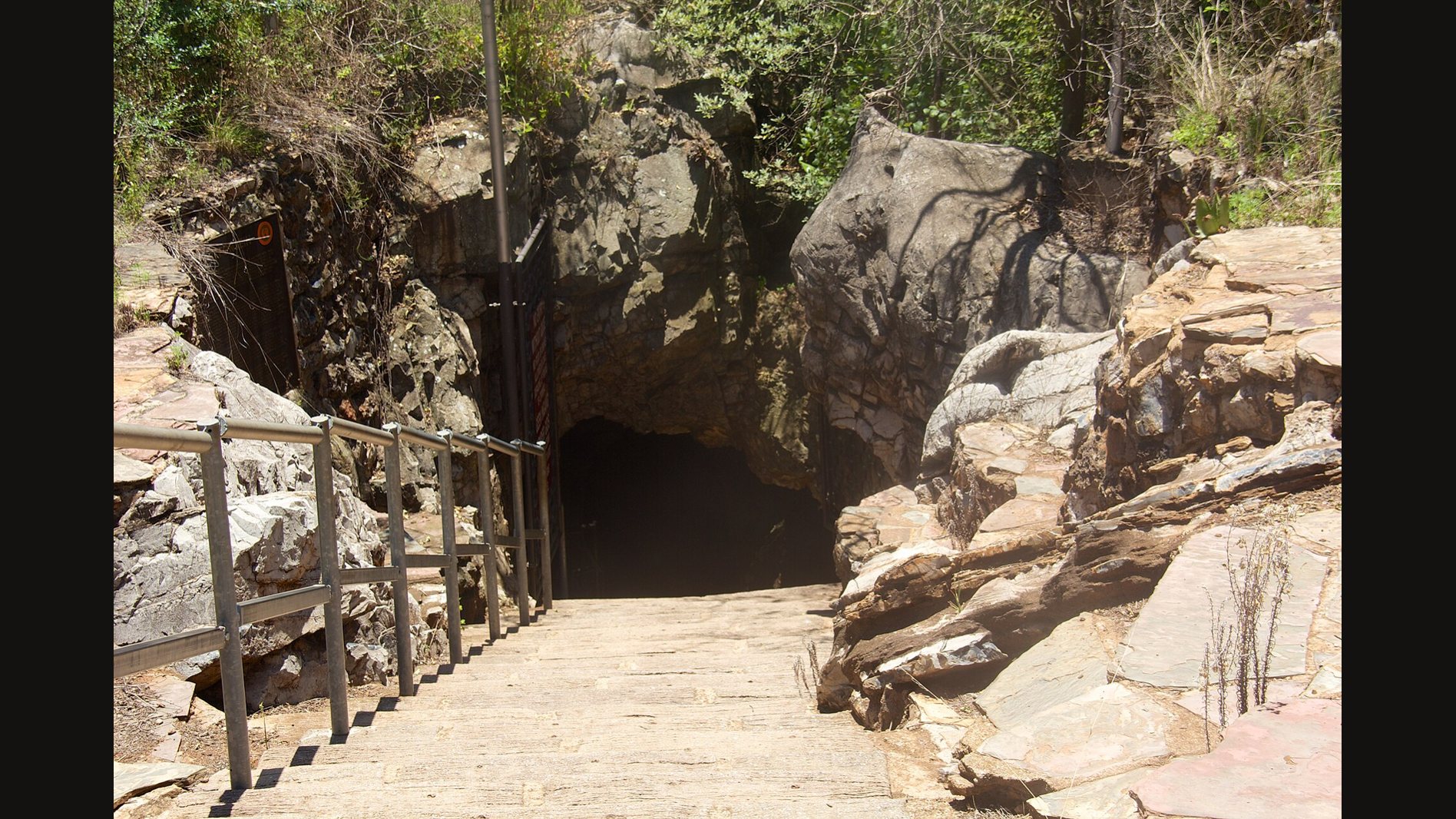
The Sterkfontein Caves sit about 40 kilometres northwest of Johannesburg, in Gauteng province, inside the Cradle of Humankind World Heritage Site. UNESCO lists the Cradle as part of the Fossil Hominid Sites of South Africa, a group of fossil-bearing cave sites important to the study of human origins.
Visitors to Sterkfontein may see casts rather than the original skeleton, which stays in the Wits collections. If you are planning a visit, check current tours and what is on display with the Sterkfontein Caves before you go.
Questions about Little Foot
A few more questions come up again and again.
What is Little Foot?
Little Foot is StW 573, a nearly complete *Australopithecus* skeleton excavated from the Sterkfontein Caves in South Africa. Its species, *A. prometheus* or *A. africanus*, is still discussed.
When was Little Foot found?
The first foot bones were recognised in stored boxes in 1994, and the rest of the skeleton was located in the cave wall in 1997. Excavation, cleaning and reconstruction then took about 20 years, ending in 2017.
Why is it called Little Foot?
The nickname comes from the small foot bones that Ron Clarke first identified in 1994. They were the only part of the skeleton known until the rest was located in the cave in 1997.
Can you see the real Little Foot?
The original fossil is kept by the University of the Witwatersrand in its Evolutionary Studies Institute collections in Johannesburg. Visitors at Sterkfontein may see casts instead, so ask the caves about current displays when you book.
Is Little Foot older than Lucy?
That depends on which date for Little Foot holds. The widely cited figure is 3.67 ± 0.16 million years, and Kramers and Dirks argue for a maximum of about 2.8 million years, so compare it with Lucy's own age in our Lucy story with that debate in mind.
A skeleton worth the wait
Little Foot exists as a whole because three people looked twice: Ron Clarke at a box of bones labelled as animals, and Stephen Motsumi and Nkwane Molefe at a cave wall in the Silberberg Grotto. Twenty years of careful work did the rest. If this story caught your interest, Turkana Boy is another rare, nearly whole skeleton, from Kenya; what bones tell archaeologists covers what a skeleton like this can reveal; and the oldest human skull and Jebel Irhoud pick up the story much later, with our own species.
Terms in this story
Tap a term to see what it means.
StW 573. The catalogue number of Little Foot in the Sterkfontein collection.
---