

No. 082
The Starchild Skull: What It Is and What the Tests Showed
The Starchild skull is a real human skull from a child. Its cranium is unusually large, bulbous and symmetrical, and the facial bones are missing, which is why it looks so strange in photographs. A 1999 DNA test by Dr. David Sweet of the Bureau of Legal Dentistry, known as BOLD, at the University of British Columbia reported the skull as human and male. The Starchild Project later reported a radiocarbon age of 900 plus or minus 40 years, from a test it attributed to Beta Analytic in 2004. Named examiners have proposed human medical conditions, hydrocephalus among them, to explain the shape, and no single diagnosis has been settled.
If that reported date is right, this was a child who died about nine centuries ago, somewhere in what is now northern Mexico. Everything below is told with that in mind: who handled the skull, what each test reported, what may have shaped it, and where it is today.
Where the skull's story begins
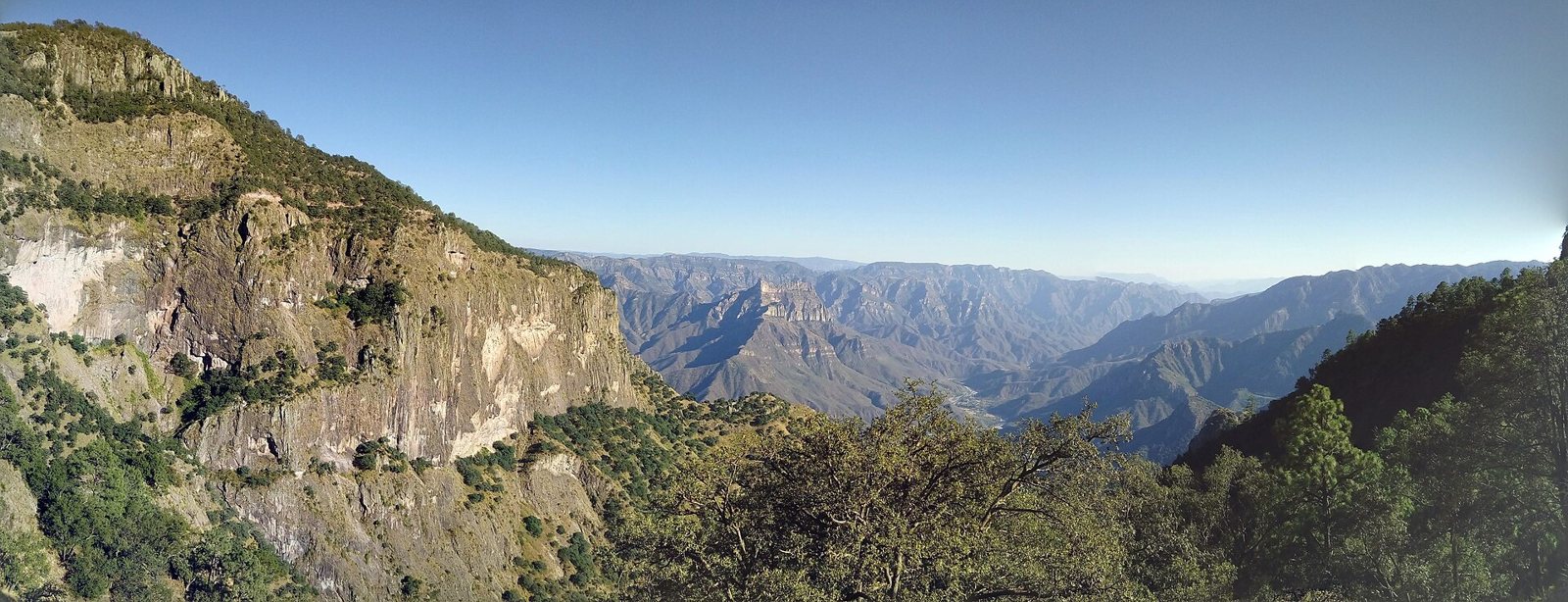
The skull's early history comes from one account, the one given by Lloyd Pye and by Melanie Young, the skull's later owner. In that account, the skull was found around the 1930s in a cave or an abandoned mine near the Copper Canyon region, roughly 100 miles southwest of Chihuahua, together with the skeleton of an adult. The skeletons were reportedly lost over the years, leaving two skulls and part of a maxilla, the upper jaw. A version of Pye's story is reproduced by Biblioteca Pleyades.
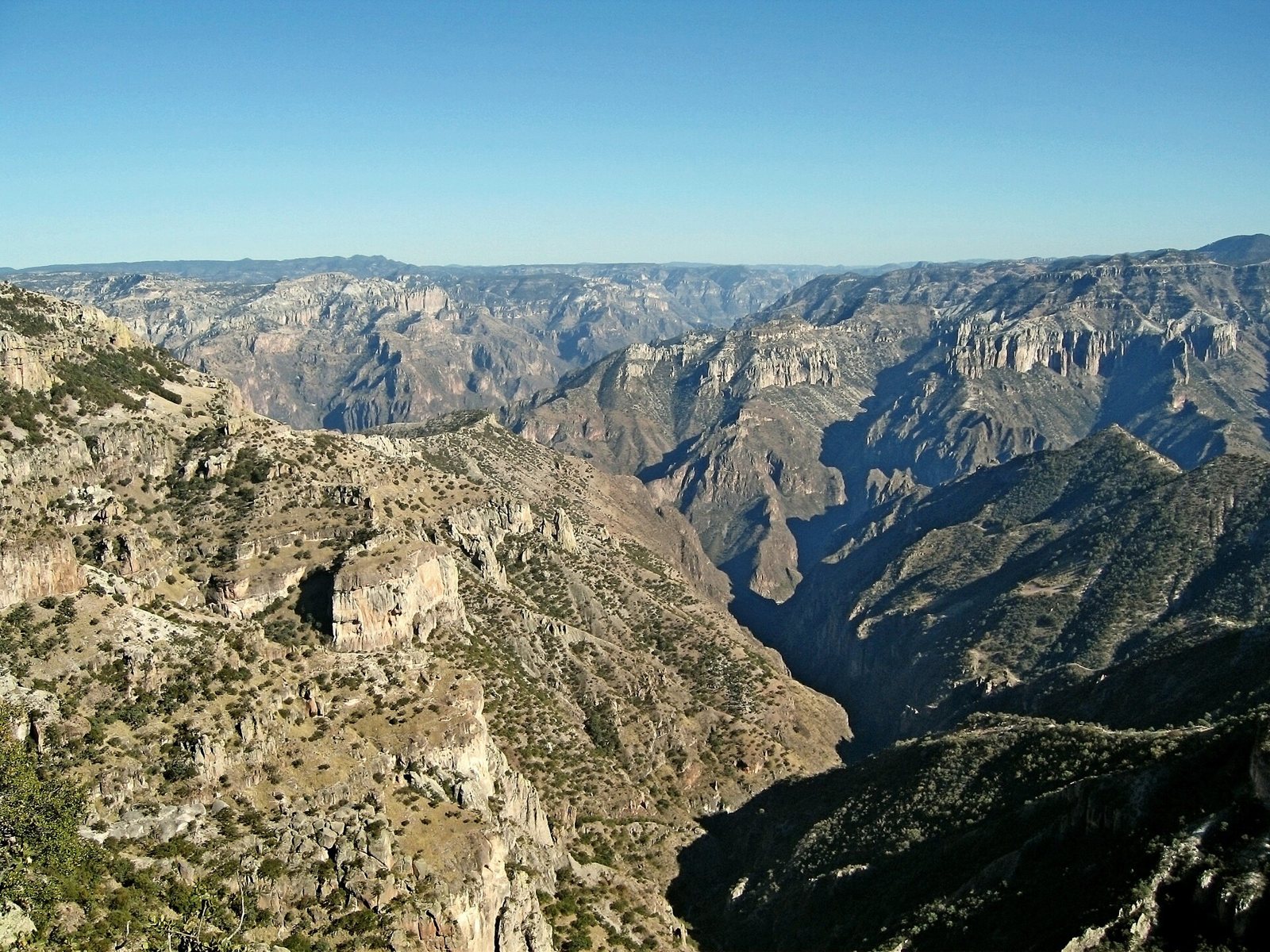
So, was the Starchild skull found in Mexico? That is where the account places it. The place and the date come from that telling rather than from a documented archaeological excavation, so the exact spot and its surroundings are known only from what Pye and Young said.
The skulls surface again in 1998. Melanie Young said in a 2016 interview that she acquired them in El Paso, Texas, that year. From then on, the skull's story is mostly a story of tests.
How old the skull is said to be
The age most often quoted is 900 plus or minus 40 years before present. The Starchild Project said that Beta Analytic in Miami radiocarbon-dated the skull in 2004, and the same age was reported for the adult skull found with it. It was a privately commissioned test reported by the project, not a date published in a peer-reviewed archaeological paper.
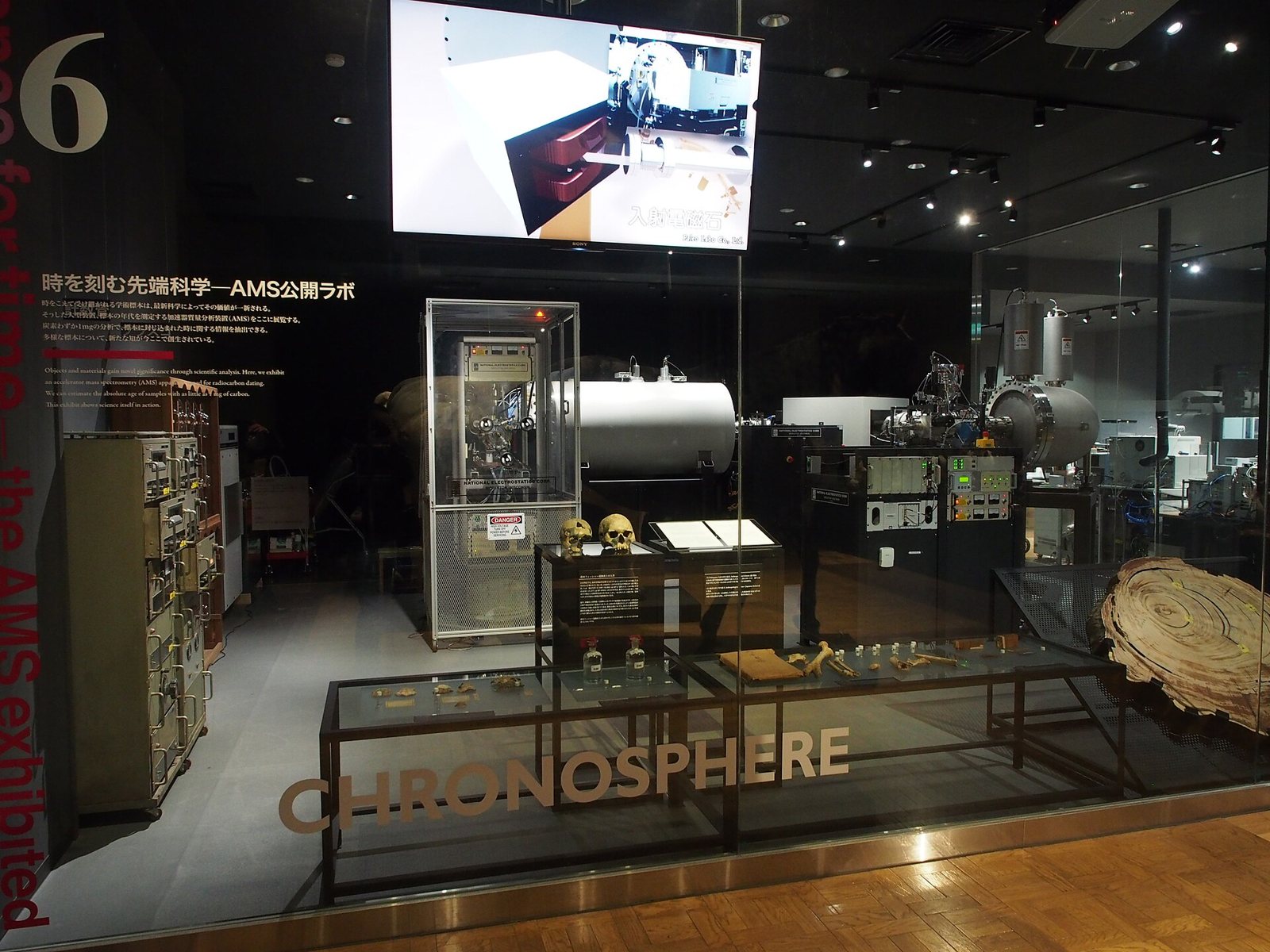
The "plus or minus 40" is the laboratory's margin. It means the result is an estimate with a range around it, in this case roughly 860 to 940 years, rather than a single exact year. If you want to know how a radiocarbon lab turns the carbon left in bone into a number like that, our story on how archaeologists know how old bones are walks through the method.
What the DNA tests reported
The first DNA work came in 1999. Dr. David Sweet of BOLD at the University of British Columbia reported that testing identified the skull as human and male in forensic terms. The report also said the DNA was weak and degraded, and the tests did not establish a genetic relationship between the child and the adult skull found with it.
A second round followed in 2003. A Trace Genetics analysis, as reported by the Starchild Project, recovered human mitochondrial DNA from the skull. Mitochondrial DNA passes down the mother's line, and the result was interpreted as consistent with a Native American maternal line.
Tap or hover a row to highlight it.
| Year | Test and who ran it | What was reported | How it was reported |
|---|---|---|---|
| Year1999 | Test and who ran itDNA testing, Dr. David Sweet, BOLD, University of British Columbia | What was reportedHuman and male; DNA weak and degraded; no relationship to the adult skull established | How it was reportedReport reproduced by Lloyd Pye |
| Year2003 | Test and who ran itMitochondrial DNA, Trace Genetics | What was reportedHuman mitochondrial DNA consistent with a Native American maternal line | How it was reportedReported by the Starchild Project |
| Year2004 | Test and who ran itRadiocarbon dating, Beta Analytic, Miami | What was reported900 plus or minus 40 years before present | How it was reportedReported by the Starchild Project |
| Year2016 | Test and who ran itPhysical examination, archaeologist Aaron Judkins | What was reportedCranial capacity of 1,640 cubic centimetres; normal sutures | How it was reportedPublished by The Field Reports |
Put together, the strongest conclusion the DNA work supports is that these are the remains of a human male child.
Lloyd Pye's idea and the later examinations
The skull became famous because of Lloyd Pye. He promoted it as possible evidence of an alien-human hybrid, and the Starchild Project later claimed that fragments from nuclear DNA tests run in 2010 and after produced sequences with "no significant similarity" to known database entries. Those later claims were not published as an independently reviewed genetic study with a fully documented chain of custody. The archaeologist Keith Fitzpatrick-Matthews criticized that lack of independent, peer-reviewed reports in 2012.
Lloyd Pye died in 2013. Afterward, Melanie Young asked for a fresh look. In her 2016 interview she said she sought a new, independent investigation because most of the earlier tests had not been fully published or independently peer reviewed. That investigation, run by The Field Reports, included an examination by archaeologist Aaron Judkins in 2016. Its final report in 2017 concluded that the skull was human, and that the exact condition behind its shape remained unresolved.
The owner reached the same view. On Coast to Coast AM in 2017, Melanie Young said publicly that the skull was human and belonged to a five-year-old boy. So, is the Starchild skull alien or human? Every test with a reported result points to a human child, and the people who kept and examined the skull after Pye came to that conclusion themselves.
What may have shaped a child's skull this way
The real puzzle is medical, and here the examiners disagree.
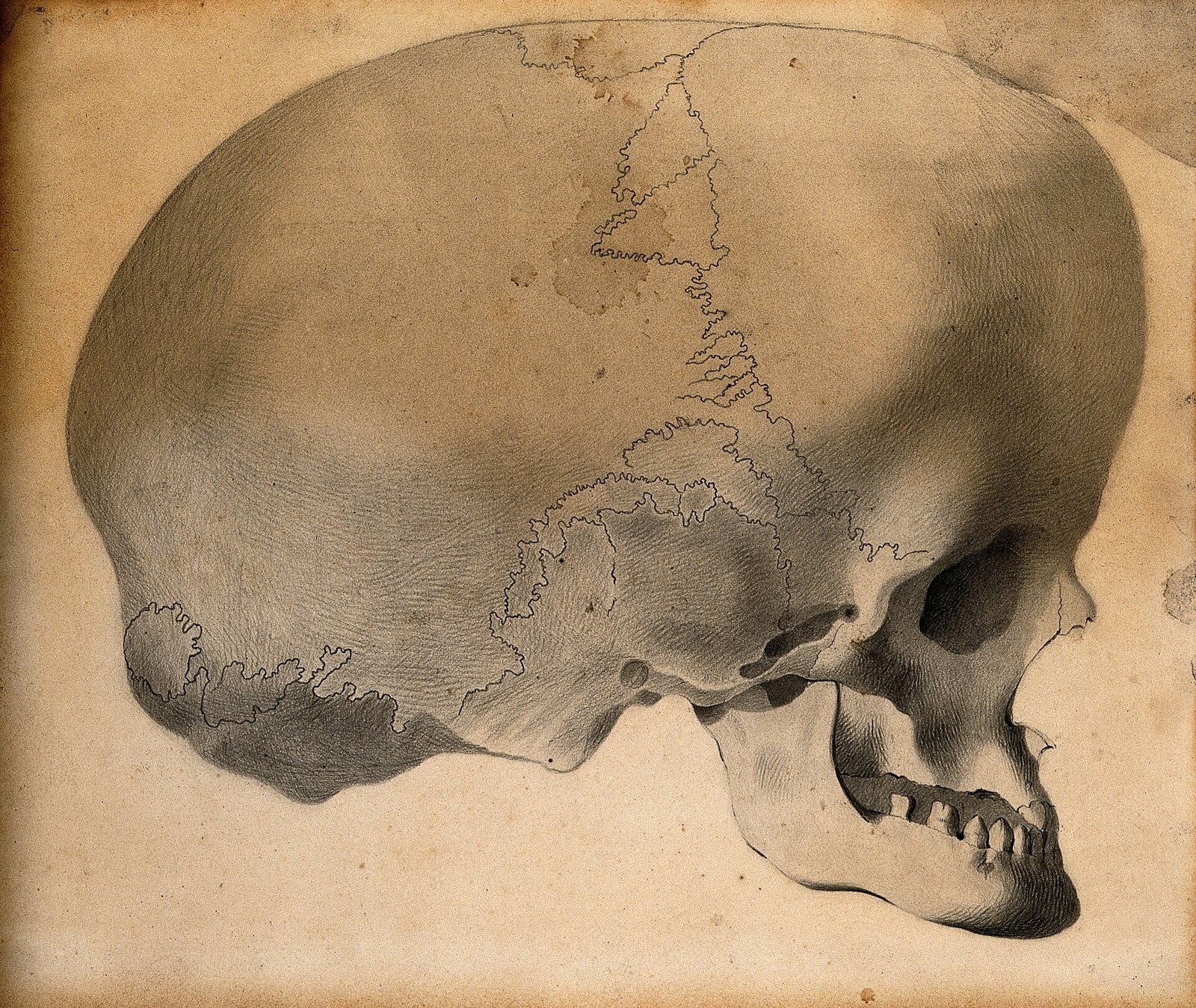
The neurologist Steven Novella identified untreated congenital hydrocephalus as a plausible explanation, in remarks quoted on Skeptics Stack Exchange. In hydrocephalus, cerebrospinal fluid can build up inside the skull while a child's cranial bones are still unfused, and the pressure can produce a large, distorted cranium. Novella argued that the skull's enlarged and displaced features are compatible with a child who lived several years with the condition untreated.
The 2016 examination attributed to Aaron Judkins saw it differently. It reported normal sutures, the seams between the skull bones that our human skull facts story describes, and argued against hydrocephalus. The investigators discussed brachycephaly, a condition in which the head is flattened, short and broad, along with Down syndrome, Crouzon syndrome, achondroplasia and other congenital disorders. Judkins also measured the cranial capacity at 1,640 cubic centimetres, by filling the skull with rice and weighing the contents.
Nobody has settled it. No peer-reviewed clinical diagnosis establishes the child's condition or the cause of death. What the skull shows is a child whose head grew in an unusual way. For how specialists read a skeleton more generally, see our story on what bones tell archaeologists.
The Starchild skull, from the reported find to the last examination
Tap or hover a step to follow the order.
Around the 1930s
The reported account places the skull in a cave or mine near the Copper Canyon region of northern Mexico.
1998
Melanie Young says she acquired the skulls in El Paso, Texas.
1999
Dr. David Sweet's BOLD testing reports male human DNA.
2003
The Starchild Project reports mitochondrial DNA testing and a Native American maternal line.
2004
The project reports Beta Analytic radiocarbon dating of 900 plus or minus 40 years.
2016
Aaron Judkins examines the skull and measures its cranial capacity at 1,640 cubic centimetres.
2017
The Field Reports investigation concludes the skull was human, with its exact condition unresolved.
How it compares with elongated skulls from ancient Mexico
Long, unusual skulls from Mexico often get grouped together online, but they come from different causes. In many communities, caregivers shaped an infant's head on purpose with boards, pads or bindings, and the result was a recognizable, culturally patterned shape tied to identity, status or community. Our story on elongated skulls and head shaping follows that practice from Peru to the Maya.
Mexico has its own well-studied examples. An INAH-linked study of the Ónavas Valley in Sonora describes more than 100 burials dating from about 897 to 1635 CE, many with pronounced intentional cranial modification. A peer-reviewed study documents artificial cranial modification among Tarascan populations of western Mexico, dated to about 1200 to 1400 CE.
The Starchild skull is a different shape. Its cranium is bulbous and symmetrical rather than lengthened in one direction, and the face is missing. The Field Reports investigators said they saw no banding marks on it, while adding that intentional modification could not be ruled out from the available evidence alone.
Where the skull is today
The skull is privately owned. After Lloyd Pye's death in 2013, the skulls were moved to a safe-deposit box in Tampa, Florida. Melanie Young said in her 2016 interview that she retrieved them in 2015 and that they remained with her, while the piece of maxilla was held by a geneticist she did not name. In 2017, The Field Reports said the Starchild Project had dissolved.
In that 2016 account, Melanie Young is the owner, and the skull is not part of a museum collection that a visitor can go and see. Replicas of it have been made and shown in public, so a photograph labelled as a replica shows a copy, not the child's own bones.
Starchild skull quiz
Answer every question to check.
Questions about the Starchild skull
A few questions come up once the basic story is told.
What is the Starchild skull?
It is the skull of a human child, reportedly found in northern Mexico around the 1930s, with an unusually large and rounded cranium and no surviving face. The skulls and a piece of upper jaw are all that remain of the reported find, and the skull has been tested for DNA and age by several laboratories since 1999.
Is the Starchild skull real?
Yes, the skull itself is a real human skull. The open question is what made it grow into its unusual shape, and examiners have proposed several human conditions without agreeing on one.
Were the Starchild DNA results conclusive?
They were conclusive on one point: the 1999 report identified human male material. The same report said the DNA was weak and degraded, and the later nuclear DNA claims were not published as an independent, peer-reviewed study, so they carry far less weight.
Could a child with this condition have lived for several years?
Steven Novella thought so. He argued that the skull's features are compatible with a child who survived several years with untreated hydrocephalus, and Melanie Young later described the child as a five-year-old boy. No clinical diagnosis has confirmed the condition or how the child died.
Where to go next
The Starchild skull is one of several famous skulls whose origin stories were put to laboratory tests. Our story on the crystal skulls follows another, and the Nazca mummies are a more recent case of remains promoted as something other than human. For how the head shapes of Paracas and Maya children were made on purpose, read about elongated skulls. For the wider question of how human remains are cared for today, see our story on the repatriation of human remains, and for unusual skulls deep in human evolution, the Homo erectus skull.
Terms in this story
Tap a term to see what it means.
Cranium. The part of the skull that holds the brain. On the Starchild skull it is unusually large, bulbous and symmetrical.
---