

No. 161
The Skulls of Otranto Cathedral: Who the 813 Martyrs Were and What Happened in 1480
The skulls and bones in the walls of Otranto Cathedral are the relics of the people the Catholic Church venerates as the Martyrs of Otranto: Antonio Primaldo and his companions, inhabitants of this town in Apulia, southern Italy, who were executed near the Hill of Minerva after Ottoman forces under Gedik Ahmed Pasha captured the city in August 1480. The Archdiocese of Otranto's tradition numbers them at 813; Pope Francis, in his 2013 homily, spoke of about 800 (Archdiocese of Otranto; Vatican homily). Their remains came into the cathedral on 13 October 1481, and since 1693 they have rested in seven large wall cabinets in the marble-lined Chapel of the Martyrs. Pope Francis canonized them as saints on 12 May 2013.
If you have stood in that chapel, or seen a photograph of those cabinets, you have seen a place of prayer that has been tended for more than five centuries. This is the story of who these people were, how their remains reached the cathedral, how the Church and historians each tell what happened, and what to know before you visit.
What happened in Otranto in 1480
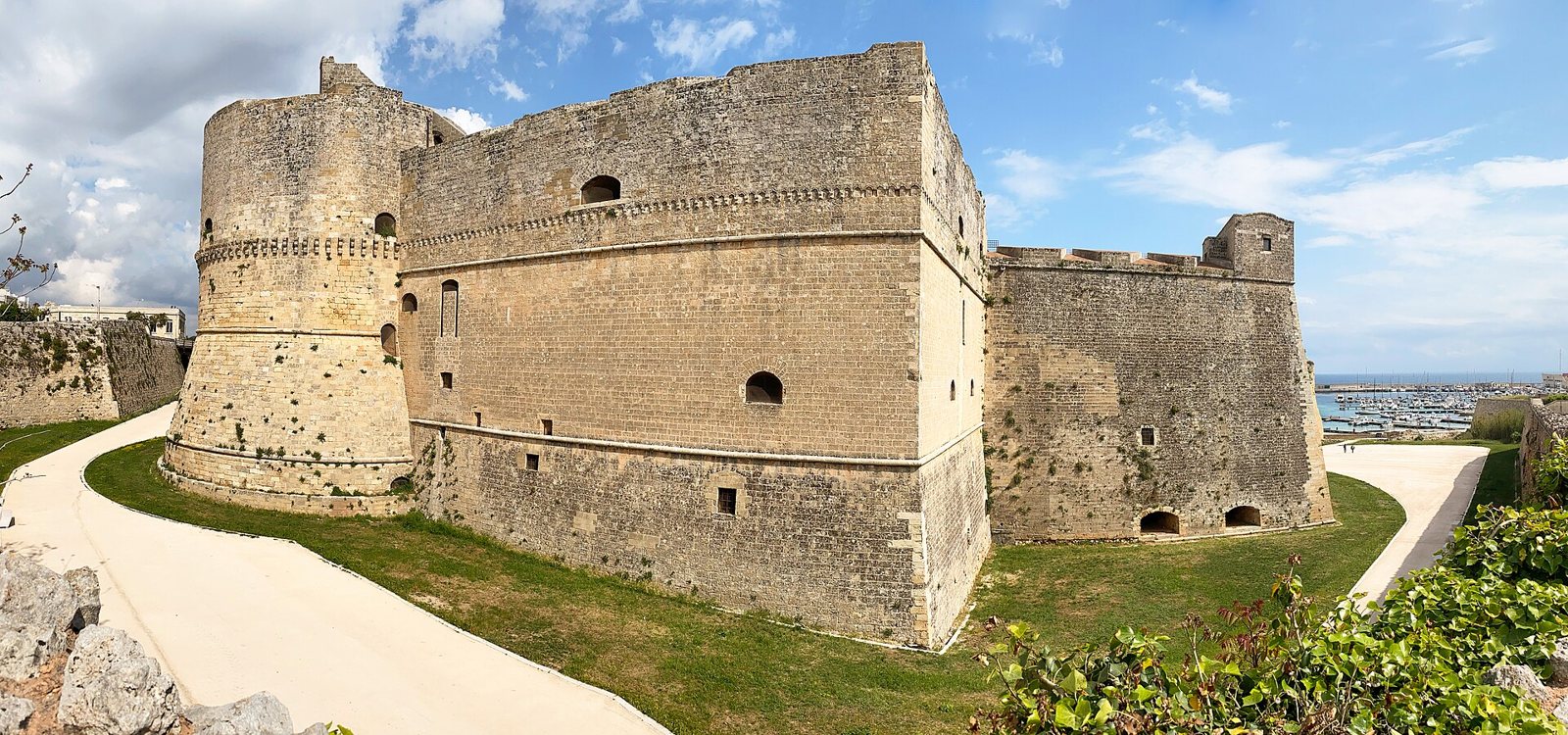
Otranto is a town in Apulia, in southern Italy. In 1480 it became a target in the westward expansion of the Ottoman Empire under Sultan Mehmed II. The force that came ashore was commanded by Gedik Ahmed Pasha. According to the Archdiocese of Otranto, the city then had about 6,000 inhabitants, and the Ottoman force arrived with approximately 150 ships and 15,000 men (Archdiocese of Otranto).
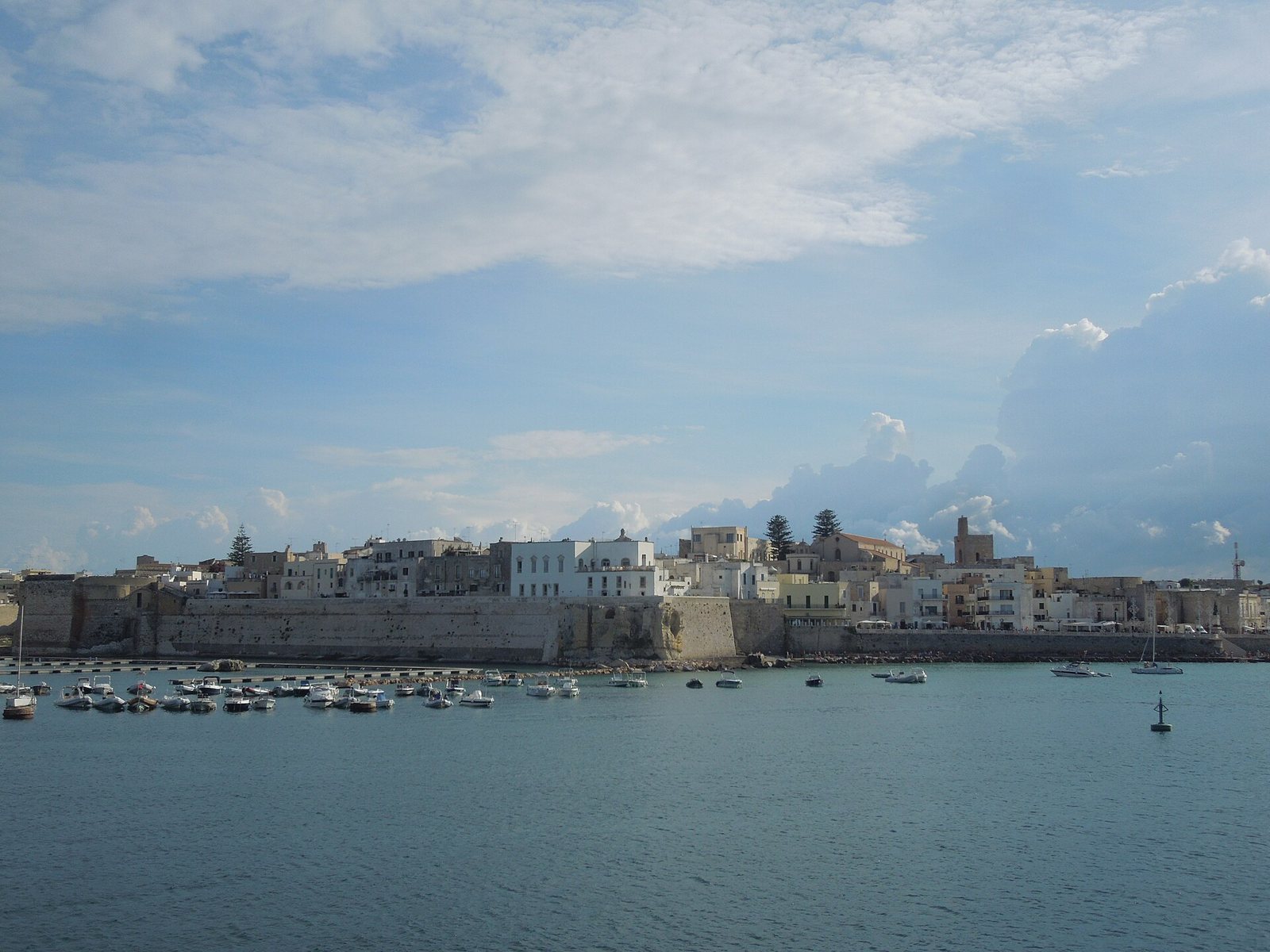
So, did the Ottoman Empire really conquer a city in southern Italy? Yes. Otranto fell in August 1480, after a siege. Antonio Primaldo and hundreds of other inhabitants of the city were then put to death near the Hill of Minerva, close to the city. The Archdiocese gives the number of those killed as 813, and it is that tradition that gives the martyrs their best-known name.
The city did not stay in Ottoman hands. Otranto was liberated in 1481, and the Archdiocese dates the next part of the martyrs' story to that year.
How the Church and historians tell the story
The events at Otranto are told in two ways, and both matter to anyone trying to understand the skulls in the chapel.
The first is the Church's account. In the diocesan tradition, the 813 inhabitants of Otranto were told to renounce their Christian faith, refused, and were executed for it. Pope Francis, in his homily at their canonization, described them as about 800 people who had survived the siege and invasion of Otranto and were beheaded near the city after refusing to deny their faith (Vatican homily). For Catholics, that refusal is the heart of why they are honored as martyrs and saints.
The second is the historians' discussion of the written record. The historian Roberto Mondola, in a 2014 study, traces how accounts of the capture and the martyrdom grew through a series of later Italian and Spanish historical works, many of them explicitly apologetic, that is, written to defend a religious position (Mondola, 2014). Konstantinos Giakoumis, studying the Ottoman campaign to Otranto and Apulia in 1480 and 1481, notes that estimates of the Ottoman force differ and that contemporary accounts disagree about the scale and sequence of the fighting (Giakoumis).
Put side by side, the two accounts agree on the core: Otranto was captured in 1480, and a large number of its people were executed outside the city. The exact figure of 813 and the details of the demand that they convert come down to us through the devotional tradition, and they are best given as that tradition gives them. Holding both accounts together doubts no one's faith; it is how the story of Otranto is told by those who study it, inside the Church and outside it.
From the hillside to the cathedral
The Archdiocese records that the bodies of the dead remained where they fell for about a year. In June 1481, after Otranto was liberated, they were placed in a nearby church known as "al fonte della Minerva," near the Hill of Minerva. On 13 October 1481 they were carried into Otranto Cathedral (Archdiocese of Otranto).
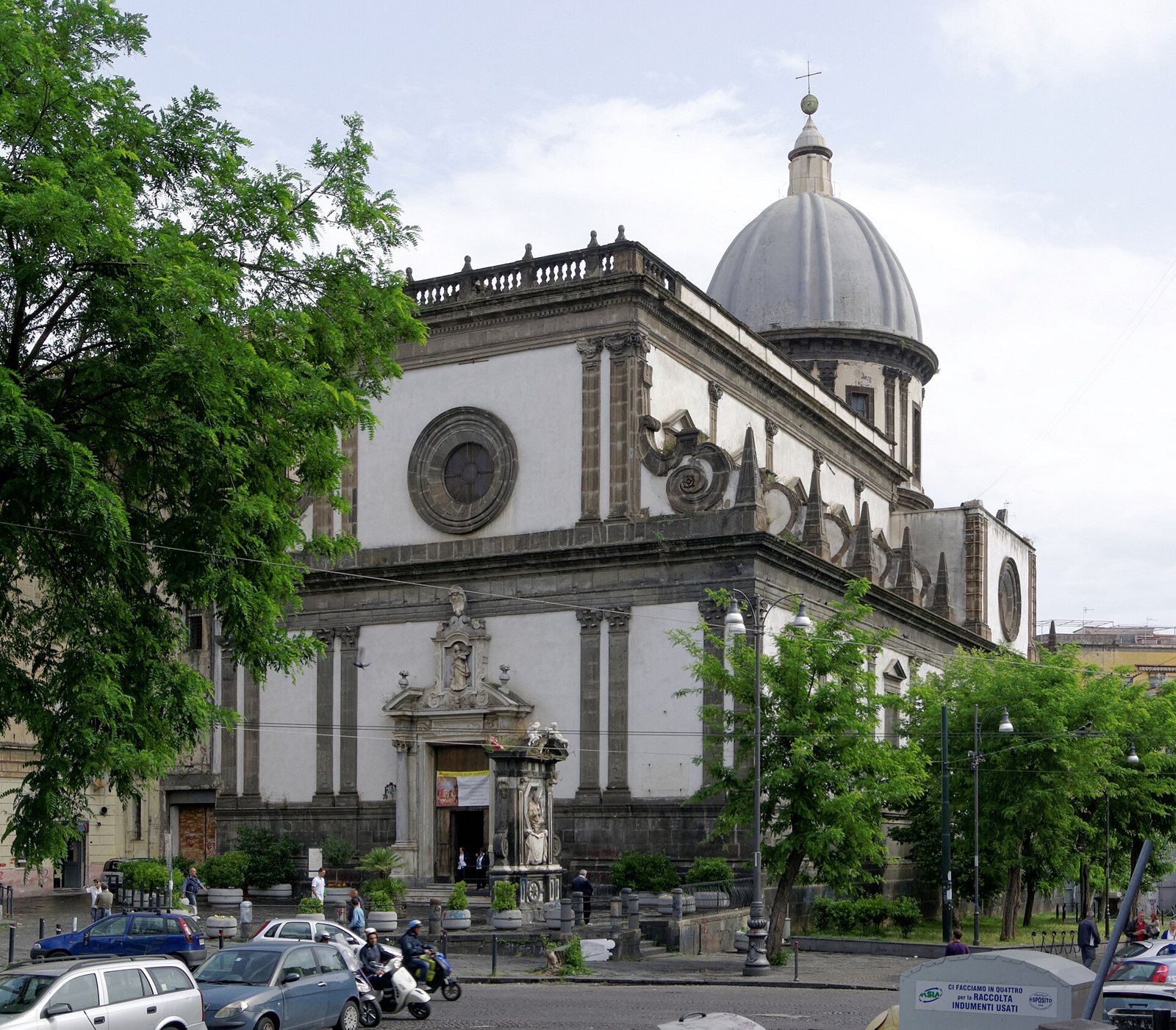
Not all of them stayed. Alfonso of Aragon had many of the remains taken to Naples. The Archdiocese's general history dates this to 1490, while its account of the relics now in Naples speaks of 1492 and Alfonso II of Aragon. Relics identified as belonging to 240 of the Otranto martyrs are kept today at the church of Santa Caterina a Formiello in Naples, beneath the altar of the fourth chapel on the left (Archdiocese of Otranto, relics in Naples). So, part of the martyrs' remains rest in Otranto and part in Naples, and both churches honor them.
The Chapel of the Martyrs today
A chapel for the remaining relics was set up in Otranto Cathedral at the beginning of the sixteenth century. Its present appearance dates from 1693, when Archbishop Francesco Maria De Aste had the Chapel of the Martyrs clad in marble and placed the remains in seven large wall cabinets (Archdiocese of Otranto, cathedral history). The chapel stands on the right side of the cathedral, and the cabinets hold skulls and other bones arranged as relics.
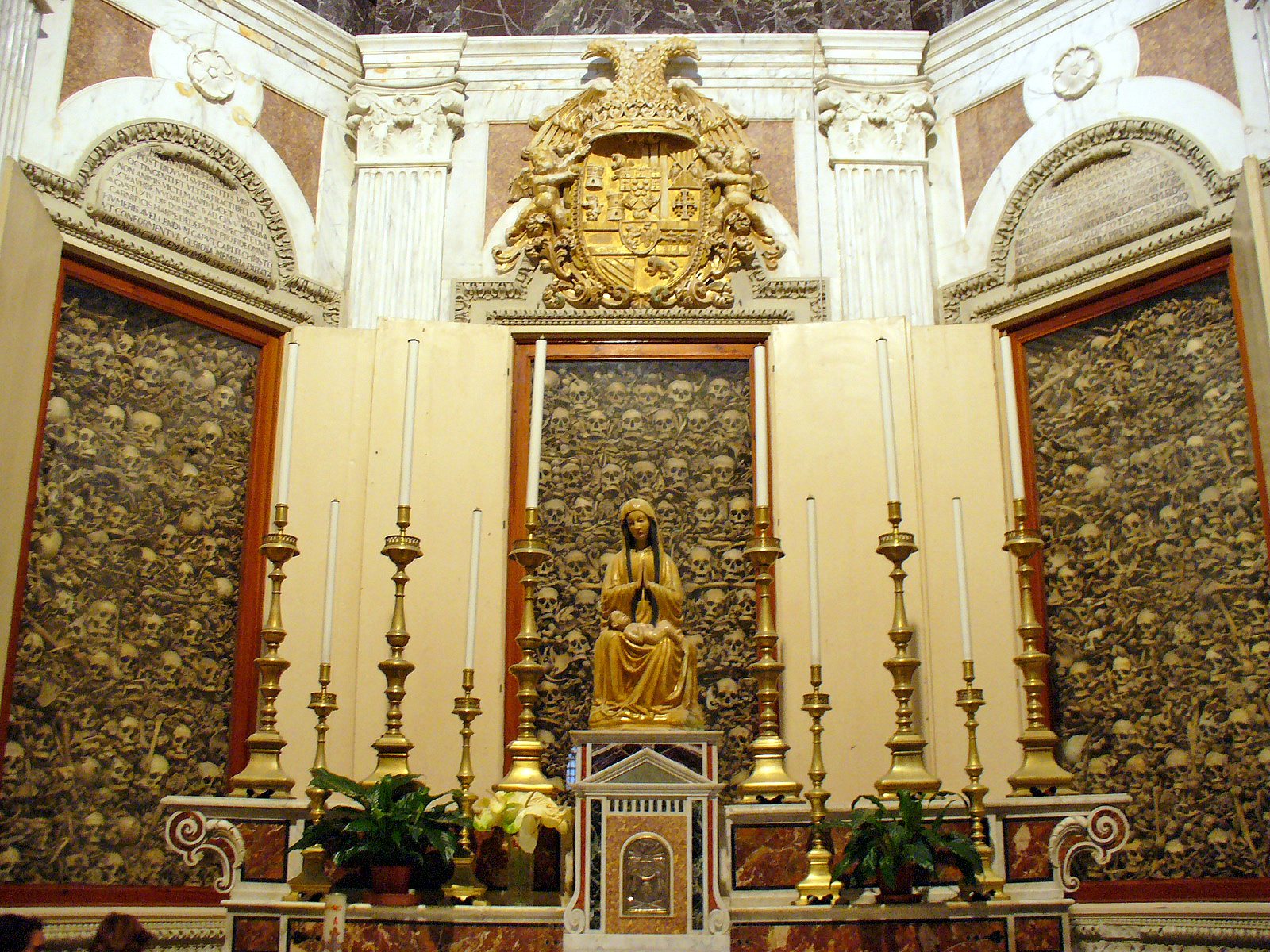
This is the sight that brings most visitors to look up the martyrs. The chapel was made as a place of prayer and veneration, and it is still kept as one. The cathedral's visitor regulations describe it as a place of prayer and recollection and ask for silence inside it (Archdiocese visitor regulations). The Archdiocese presents these remains as relics of saints. Relics of this kind have a long place in Catholic devotion, and our stories on skulls in Christianity and the catacomb saints follow that tradition in other churches.
Otranto Cathedral and its martyrs, 1163 to 2026
Tap or hover a step to follow the order.
1163 to 1165
Pantaleone makes the cathedral floor mosaic for Archbishop Gionata.
August 1480
Ottoman forces capture Otranto during Mehmed II's Italian campaign.
June 1481
After liberation, the remains are placed in the church near the Hill of Minerva.
13 October 1481
The remains are transferred to Otranto Cathedral.
1490 or 1492
Relics are taken to Naples; the Archdiocese gives 1490 in its general history and 1492 for the 240 relics now at Santa Caterina a Formiello.
Early 1500s
A chapel for the relics is established in the cathedral.
1693
The relics are placed in seven large wall cabinets in the marble-clad chapel.
12 May 2013
Pope Francis canonizes Antonio Primaldo and his companions.
1 March 2026
New cathedral access and ticket arrangements take effect.
The canonization in 2013
On 12 May 2013, Pope Francis canonized the martyrs in Saint Peter's Square in Rome. The Vatican press bulletin names the ceremony as the canonization of "Antonio Primaldo and Companions, Martyrs of Otranto" (Vatican press bulletin). In his homily, the Pope described them as about 800 people who survived the siege and invasion of Otranto, were beheaded near the city in 1480 and refused to deny their faith.
Antonio Primaldo is the one name that leads the group, and the others are honored together as his companions. The canonization is the Church's formal statement of its belief about them.
The rest of Otranto Cathedral
The skulls are not the only thing to see in the cathedral, and they are far from the oldest. Otranto Cathedral was consecrated on 1 August 1088. Its floor holds a large mosaic, commissioned by Archbishop Gionata and made by the priest and monk Pantaleone between 1163 and 1165, more than three centuries before the events of 1480 (Archdiocese of Otranto, cathedral history).
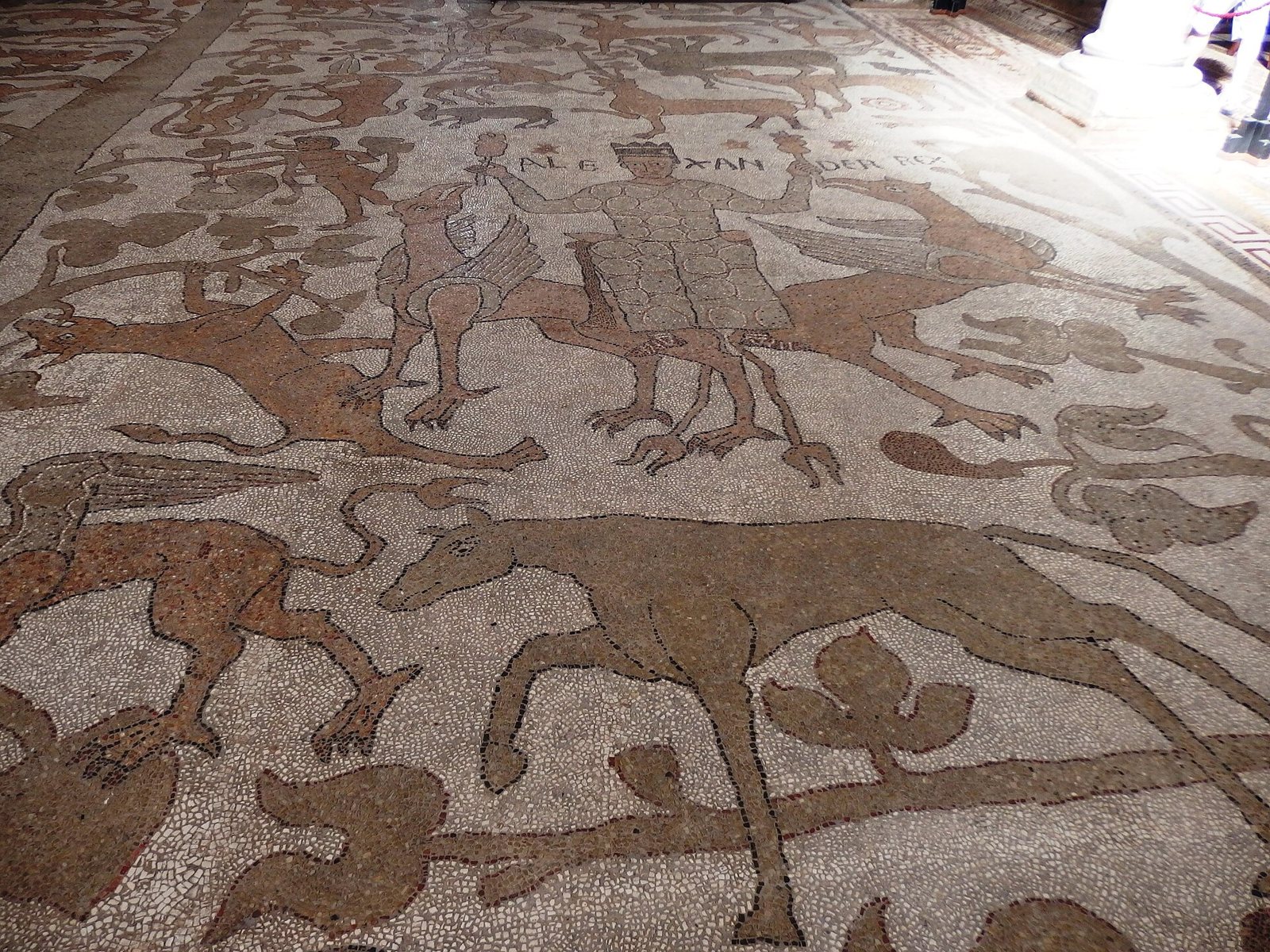
The Archdiocese describes the mosaic as representing the "History of Salvation." It runs through the central nave, the transept and the apse, and it is crowded with figures: a great Tree of Life, scenes from the Bible, animals, human figures and medieval imagery (Visit Puglia). Visitors walk over centuries of story on their way to the martyrs' chapel.
Look up and around as well. The cathedral keeps its Romanesque structure, a crypt, a bell tower, a Moorish-style wooden ceiling and a silver antependium, the decorated front panel of the high altar. Restoration of the mosaic between 1986 and 1992 also brought older layers to light beneath the floor: remains of an early Christian church, a late Roman mosaic dated to the fourth or fifth century and two Messapian tombs (Otranto Welcome).
Visiting Otranto Cathedral and the Chapel of the Martyrs
Yes, you can visit the Otranto skulls. The Chapel of the Martyrs is inside the cathedral, and it is open to visitors when the cathedral is open. The Archdiocese's notice dated 4 February 2026 sets out the arrangements from 1 March 2026: visiting the cathedral on your own remains free, while a €2 ticket applies to individuals and groups visiting with a guide, tour leader or teacher for a guided visit or art lesson. Groups of eight or more must book through the cathedral's reservation system, and the ticket office is at the Diocesan Museum in Piazza Basilica (Archdiocese access notice).
Tap or hover a row to highlight it.
| Visit | Price |
|---|---|
| VisitCathedral, independent visit | PriceFree |
| VisitCathedral, guided visit or art lesson | Price€2 per person |
| VisitDiocesan Museum | Price€3 |
| VisitChurch of San Pietro | Price€3 |
| VisitCathedral, Diocesan Museum and San Pietro | Price€5 combined |
| VisitCathedral and San Pietro | Price€4 combined |
The cathedral's official page lists opening hours of 8:30 to 12:00 and 15:30 to 18:30. Hours can shift with the season and with services, so confirm them with the Archdiocese before you travel (Archdiocese cathedral page).
The cathedral is a working church, and its visitor regulations of 27 February 2025 set out how to behave inside: dress decorously, bring no food or drink, bring no animals, use no flash and keep your voice low. Silence is asked for in the Chapel of the Martyrs. Guided visits are not allowed during Mass, the Rosary, Adoration or other communal prayer, and guided tours are limited to thirty minutes (Archdiocese visitor regulations). If you would like to take a photograph of the relics, follow the rules posted in the cathedral and ask the staff first.
Before you visit the Chapel of the Martyrs
Tap a card to bring it forward.
- Confirm hours: Check current opening hours and access with the Archdiocese before you travel.
- Keep silent: The chapel is a place of prayer and recollection.
- No flash: Flash photography is not allowed; ask staff before photographing the relics.
- No food or drink: Leave snacks and drinks outside the cathedral.
- Dress decorously: The cathedral is a working church.
- Mind the services: Guided visits are not allowed during Mass, the Rosary, Adoration or communal prayer.
- Book for groups: Groups of eight or more must reserve in advance.
If chapels of bones draw you, Otranto belongs to a wider family of places. Our guide to ossuaries around the world includes Portugal's Chapel of Bones in Évora, the Capuchin Crypt in Rome and the Sedlec Ossuary, and closer to Otranto in spirit, Milan's San Bernardino alle Ossa and Spain's osario de Wamba. What sets Otranto apart is that the Church venerates its bones as the relics of saints.
Questions people ask about the Otranto skulls
People come to the martyrs with a few questions again and again. Each answer below opens with the short version.
Why are there skulls in Otranto Cathedral?
The skulls are relics of the Martyrs of Otranto, the townspeople executed after the Ottoman capture of the city in 1480. They were brought into the cathedral on 13 October 1481 and have been kept since 1693 in seven wall cabinets in the Chapel of the Martyrs.
Who were the martyrs of Otranto?
They were inhabitants of Otranto, led in the Church's memory by Antonio Primaldo, who were executed in August 1480 near the Hill of Minerva. The diocesan tradition numbers them at 813, and the Church honors them as saints who refused to deny their faith; historians note that the details of their deaths reach us through later accounts that differ.
Who are the Martyrs of Otranto?
"Los mártires de Otranto" are Antonio Primaldo and his companions, venerated as saints by the Catholic Church since their canonization on 12 May 2013. Their relics rest in two places: the Chapel of the Martyrs in Otranto and the church of Santa Caterina a Formiello in Naples.
What happened in Otranto in 1480?
In August 1480, Ottoman forces under Gedik Ahmed Pasha captured Otranto during Sultan Mehmed II's campaign into Italy. Hundreds of its inhabitants were then executed outside the city, and the town was liberated the following year.
Did the Ottoman Empire really conquer a city in southern Italy?
Yes, the Ottoman Empire captured Otranto, in Apulia, in August 1480. Otranto was liberated in 1481, and the remains of the martyrs entered the cathedral that October.
Can you visit the Otranto skulls?
Yes, the Chapel of the Martyrs is inside Otranto Cathedral, and from 1 March 2026 an independent visit to the cathedral is free. Keep silent in the chapel, use no flash and avoid guided visits during services; confirm hours before you go.
Otranto Cathedral quiz
Answer every question to check.
A town that still keeps its dead
The skulls of Otranto have been in the cathedral for more than five hundred years, moved first from a hillside, then to a nearby church, then into the cathedral and finally into the marble chapel of 1693. Through every move they have been treated as what the people of Otranto believe them to be: the remains of their own townspeople, honored as saints. When you stand in the Chapel of the Martyrs, you stand among them, above a mosaic that was already three centuries old when they died. A quiet visit is the best way to meet them.
Terms in this story
Tap a term to see what it means.
Relic. The physical remains of a saint, or an object connected to one, kept and venerated by the Catholic Church. The skulls and bones in Otranto Cathedral are honored as relics.
---