

No. 168
Rosalia Lombardo: The Little Girl of the Capuchin Catacombs of Palermo
Rosalia Lombardo was a little girl from Palermo, Sicily, born on 13 December 1918. She died of bronchopneumonia on 6 December 1920, one week before her second birthday (Panzer et al., CT study). Her father, Mario Lombardo, asked the embalmer Alfredo Salafia to preserve her, and she has lain ever since in a small glass coffin in the Capuchin Catacombs of Palermo, one of the last people ever admitted there (Capuchin Catacombs). Her eyes do not open. Her eyelids were never fully closed, and as the light in the room changes, the gap between them seems to widen and narrow (Gizmodo, quoting Dario Piombino-Mascali).
The photographs that travel online show a child who looks as though she has just fallen asleep. That impression is exactly what her father wanted, and it is the reason so many people want to know who she was.
Rosalia and her family
What is documented about Rosalia's short life is simple and sad. She was born in Palermo on 13 December 1918 and died there on 6 December 1920. Her post-mortem report identified bronchopneumonia as the cause of death (Panzer et al., CT study).
The scientific study of her body names her parents: her father, Mario Lombardo, a military officer, and her mother, Maria Di Cara (Panzer et al., CT study). The Capuchin Catacombs describe Rosalia as the daughter of a noble family (Capuchin Catacombs). Beyond that, the record is quiet, and it seems right to leave the family's private story where they left it. What is clear is that a father wished to preserve his daughter, and asked an embalmer to make that possible.
In December 1920, Rosalia was placed in the Capuchin Catacombs, one of the last people admitted to a cemetery that had otherwise closed decades earlier (Capuchin Catacombs).
Alfredo Salafia and his formula
Alfredo Salafia was an embalmer, and Rosalia is the best-known case of his career. The Capuchin Catacombs describe his task as preserving her lifelike appearance (Capuchin Catacombs, Alfredo Salafia).
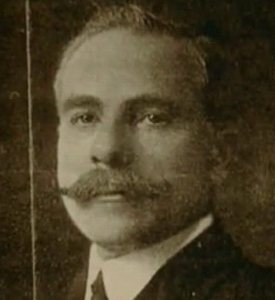
In 2007, a handwritten manuscript by Salafia came to light in archival research. In 2009, Dario Piombino-Mascali, Arthur C. Aufderheide, Melissa Johnson-Williams and Albert R. Zink described it in the journal Virchows Archiv (Piombino-Mascali et al., 2009). According to the manuscript, his preservative was made of equal parts of three liquids.
Tap or hover a row to highlight it.
| Part | Ingredient |
|---|---|
| PartOne part | IngredientGlycerin |
| PartOne part | IngredientFormalin saturated with zinc sulfate and zinc chloride |
| PartOne part | IngredientAn alcohol solution saturated with salicylic acid |
Salafia's method relied on a single injection into an artery, preferably the femoral artery in the thigh, using a gravity injector. The authors note that the usual embalming steps of draining the blood and treating the body cavities were not normally needed in his method (full text of the 2009 paper). The Capuchin Catacombs add that Salafia sometimes used paraffin dissolved in ether on the face, to keep the cheeks rounded and lifelike (Capuchin Catacombs, Alfredo Salafia). That detail helps explain why Rosalia still looks like a sleeping toddler rather than a mummy.
What the scans showed
Rosalia is real, and science has looked at her closely. In 2010, a team carried out a whole-body CT examination of her, and Panzer and colleagues published the results in 2013 (Panzer et al., CT study).
The scans found signs of the treatment historically reported for her, both inside the blood vessels and in the body cavities. They also showed that her whole body, including her internal organs, is exceptionally well preserved, not only the face that visitors see. The findings were consistent with the pneumonia recorded at her death (Panzer et al., CT study).
Why her eyes seem to open
The most shared claim about Rosalia is that she opens and closes her eyes during the day. She does not. Dario Piombino-Mascali, one of the authors of the 2009 paper, explained that her eyelids were never completely closed. Light from the side windows changes through the day, and that changing light creates an optical illusion (Gizmodo, quoting Dario Piombino-Mascali).
Where you stand matters too. A small change in viewing angle, combined with how her body lies inside the glass coffin, can make more or less of the gap between her eyelids visible. The 2013 CT study does not report any movement of the eyelids (Panzer et al., CT study). What people see is light, perspective and a child's eyes that were left very slightly open, not blinking.
The Capuchin Catacombs of Palermo
The Capuchin friars of Palermo began expanding their cemetery underground in 1599, and the first recorded burial was Brother Silvestro da Gubbio, on 16 October 1599. From 1601 the space was enlarged, as more bodies arrived and members of Palermo's nobility asked to be buried there (Palermo municipal tourism portal).
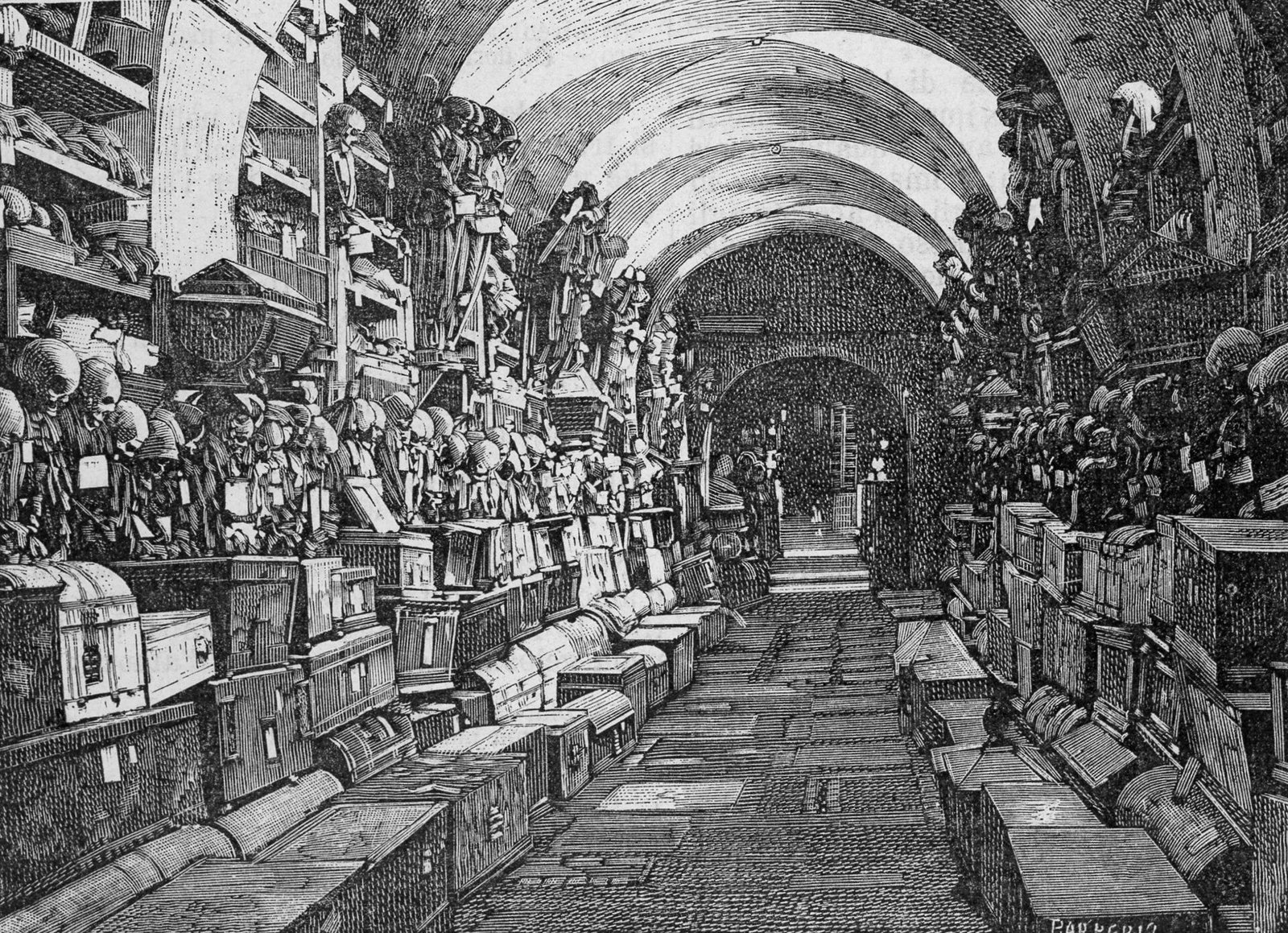
The Capuchins' own history says that reports of 45 intact bodies drew attention to the place. Over time, lay people were admitted alongside the friars, and in 1783 the Capuchins agreed to bury anyone who asked. The cemetery closed in 1880, apart from a few exceptional later burials: Giovanni Paterniti in 1911 and Rosalia Lombardo in 1920 (Capuchin Catacombs, history).
How many people rest there depends on who is counting and what is counted. Palermo's tourism pages often give a figure of about 8,000 (Palermo municipal tourism portal), while the official catacombs website lists around 2,000 skeletons and mummified bodies in the rooms (Capuchin Catacombs). Both are estimates, and the gap between them is real.
If you have read about the Capuchin Crypt in Rome, the Palermo catacombs belong to the same order of friars, but here most of the dead are dressed and preserved whole.
How the catacombs preserved the dead
Most of the people in the catacombs were not embalmed like Rosalia. They were mummified naturally, through a process the Capuchins describe in detail. Shortly after death, the body was taken to a preparation room called a colatoio. The internal organs were removed and replaced with straw or bay leaves, and the body was laid on grids of terracotta tubes so that fluids could drain away while the tissues dried in the low humidity, for roughly eight months to a year (Capuchin Catacombs, mummification process).
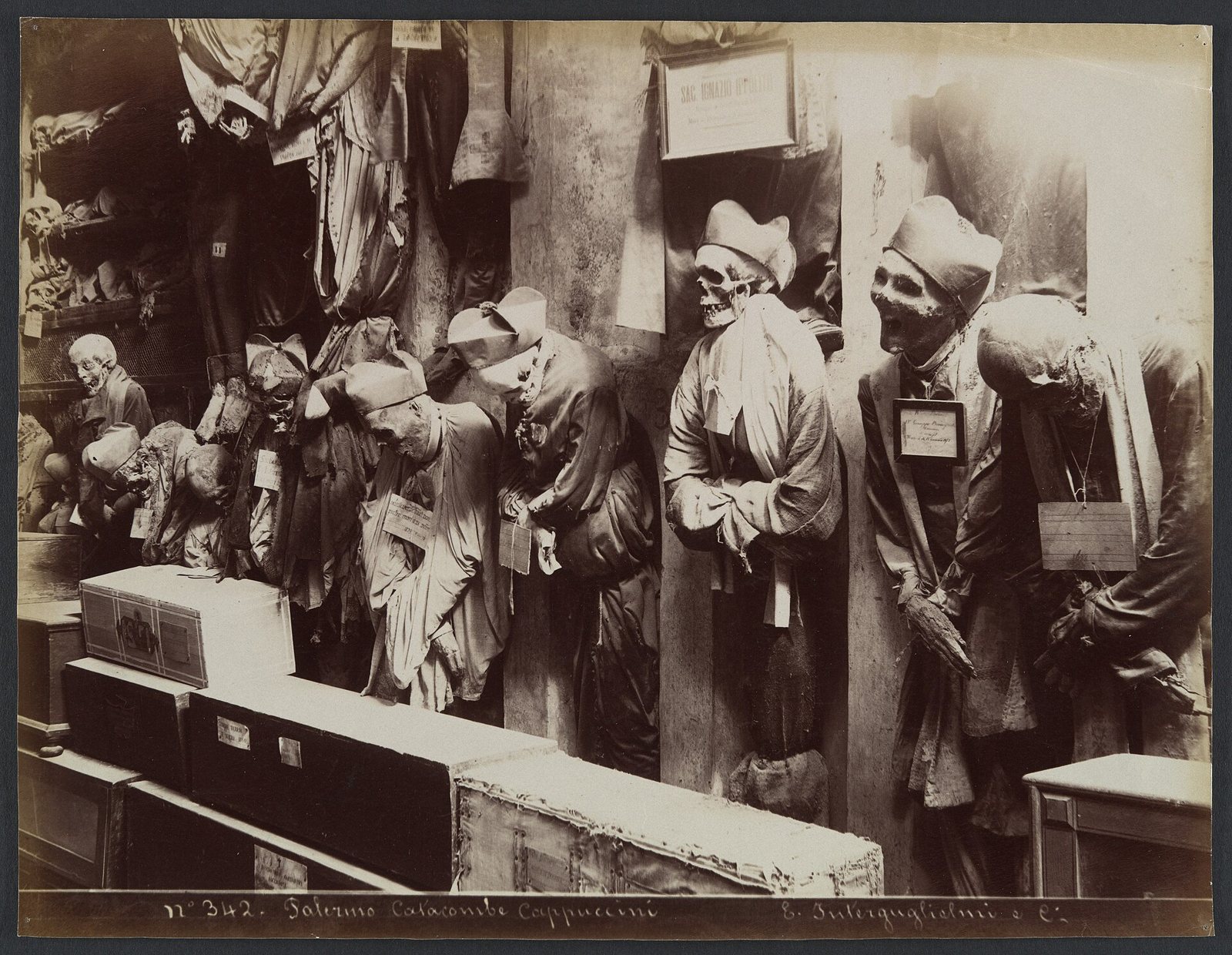
After that, the body was exposed to the air, washed with vinegar, dressed and placed in a wall niche or a coffin. During epidemics, arsenic baths were also used. Chemical embalming by injection, the kind Salafia performed on Rosalia, was less common (Capuchin Catacombs, mummification process).
The dead were arranged by sex, social category and profession, and clothing and placement continued to show a person's status after death. Wealthy Palermo families could pay for mummification and display in wall niches, keeping their relatives' dignity and identity visible (Capuchin Catacombs, history). The catacombs became a place where families came to visit and venerate their dead, much as people elsewhere visit a grave (Palermo municipal tourism portal). For other places where Europeans kept their dead in view, see our stories on catacomb saints, the Sedlec Ossuary and ossuaries around the world.
Rosalia Lombardo and the Capuchin Catacombs
Tap or hover a step to follow the order.
1599
The Capuchins begin expanding their cemetery underground; Brother Silvestro da Gubbio is the first recorded burial, on 16 October.
1601
The burial space is enlarged as more bodies arrive and Palermo nobles ask to be buried there.
1783
The Capuchins agree to bury anyone who asks.
1880
The cemetery closes, apart from exceptional later burials.
1918
Rosalia Lombardo is born in Palermo on 13 December.
1920
Rosalia dies on 6 December and is embalmed by Alfredo Salafia.
2007
Salafia's handwritten manuscript comes to light in archival research.
2009
Piombino-Mascali and colleagues publish the Salafia formula in Virchows Archiv.
2010
Rosalia undergoes a whole-body CT examination.
2013
Panzer and colleagues publish the CT findings.
Visiting the catacombs today
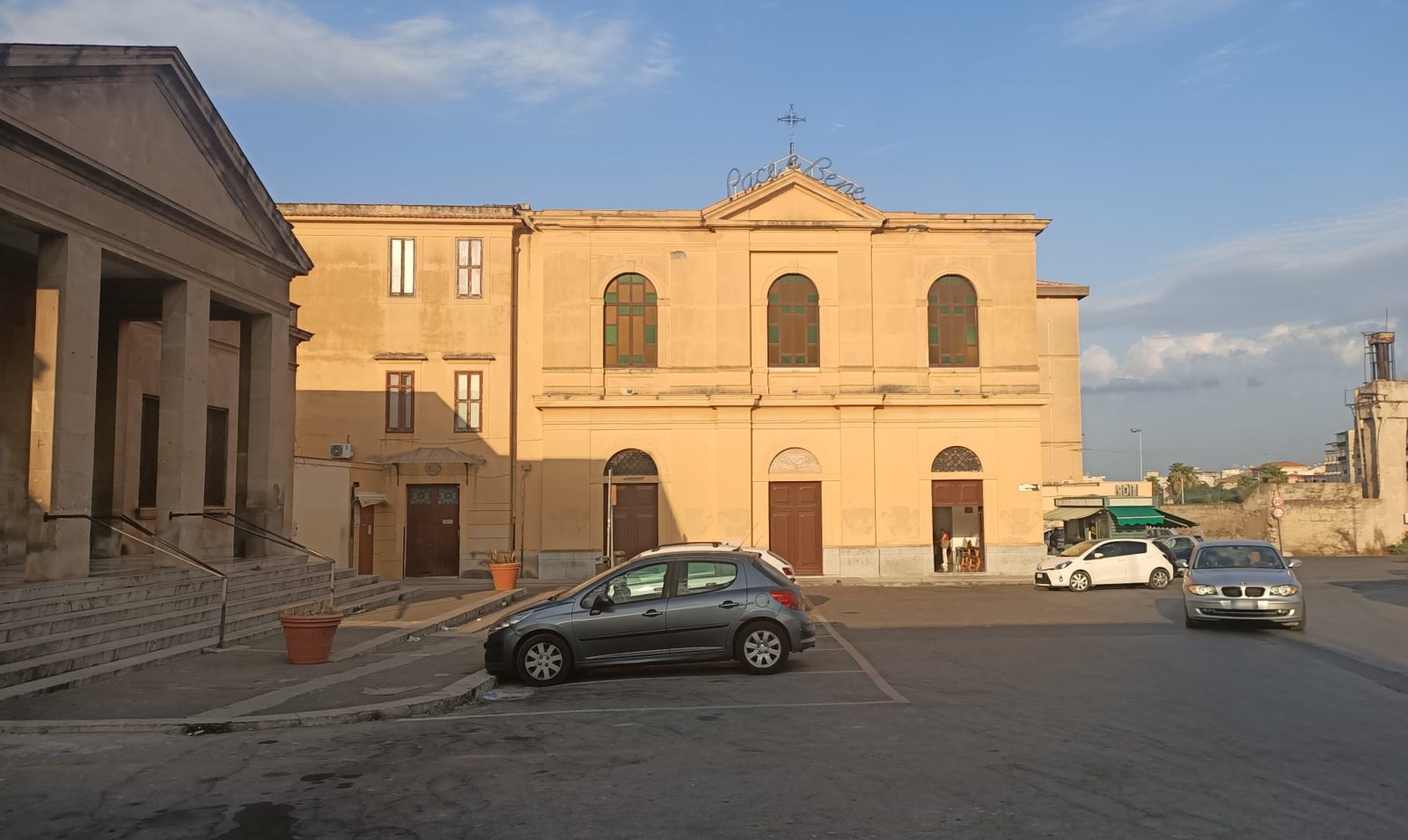
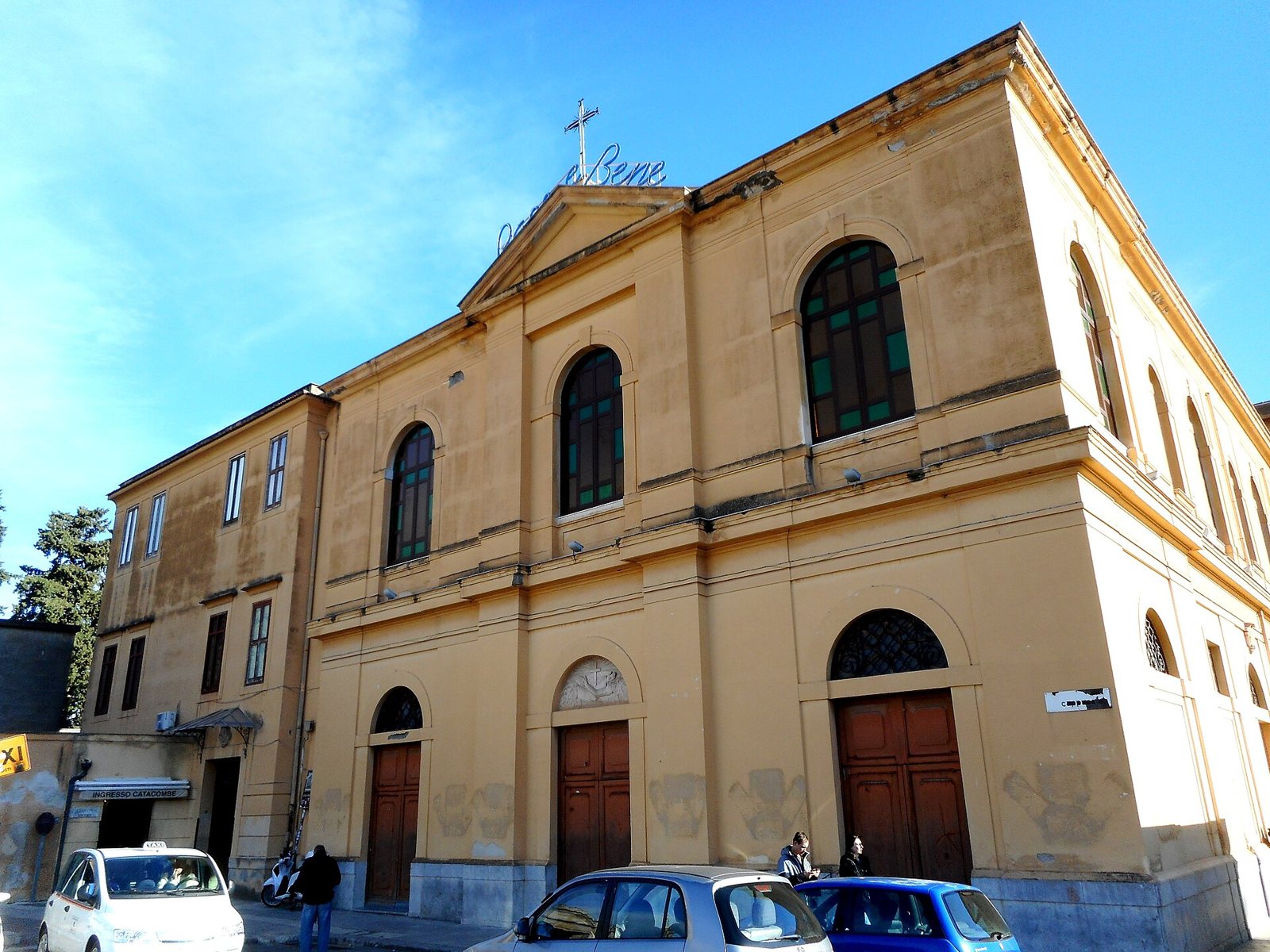
The Capuchin Catacombs are at Via Cappuccini 1, Palermo. As listed on the official sites in October 2026, admission is €5 full price and €3 reduced, paid only at the ticket office; the catacombs warn that online sellers and bank accounts selling tickets are not authorized (official pricing page; official admission page). Advance booking is not required, although large groups are asked to call ahead, and capacity is listed as 120 people (official FAQ).
Photography is not allowed. The official rules prohibit taking photographs, filming and touching the exhibits, for preservation and bioethical reasons (official admission page). The two official websites list different opening schedules, so confirm opening hours, capacity and fees with the official site before you visit (official opening hours; official summer hours).
Questions people ask about Rosalia Lombardo
Short answers to the questions that come up most.
Who was Rosalia Lombardo?
Rosalia Lombardo was a child from Palermo who died of bronchopneumonia on 6 December 1920, a week before turning two. Her father had her embalmed by Alfredo Salafia, and her body rests in the Capuchin Catacombs of Palermo (Panzer et al., CT study).
Do Rosalia Lombardo's eyes open?
No, her eyes do not open or blink. Dario Piombino-Mascali explained that her eyelids were never fully closed and that changing light from the side windows, together with the viewing angle, creates an optical illusion (Gizmodo, quoting Dario Piombino-Mascali).
Is Rosalia Lombardo real?
Yes, Rosalia is a documented child whose body has been examined by radiography and whole-body CT. The 2013 study describes her as a two-year-old displayed in the Capuchin Catacombs and found her entire body exceptionally well preserved (Panzer et al., CT study).
What was Rosalia Lombardo's family like?
Little is recorded beyond names and status: her father was Mario Lombardo, a military officer, and her mother was Maria Di Cara. The Capuchin Catacombs describe her as the daughter of a noble family (Capuchin Catacombs).
Can you take photos in the Capuchin Catacombs?
No, the official rules prohibit photographs, filming and touching the exhibits. The catacombs give preservation and bioethical reasons (official admission page).
How many mummies are in the Palermo catacombs?
Palermo's tourism pages give about 8,000 people, while the official catacombs site lists around 2,000 skeletons and mummified bodies in the rooms. Both figures are estimates (Capuchin Catacombs).
What are the Capuchin Catacombs of Palermo?
They are an underground cemetery beneath the Capuchin convent in Palermo, with a documented history that begins in 1599. Their corridors hold mummified bodies, skeletons and clothed remains, historically arranged by sex, social category and profession (Palermo municipal tourism portal).
Rosalia Lombardo quiz
Answer every question to check.
A child who is still visited
More than a century after her death, Rosalia Lombardo still lies in her glass coffin in the place where Palermo families once came to visit and honour their own dead. She was a two-year-old whose father wished to preserve her, and an embalmer did what he asked. The Capuchins who care for her ask visitors not to photograph her and not to touch, and that seems the right way to meet her: as a child, remembered. If the idea of keeping the dead close interests you, our story on what memento mori means looks at how Europeans used the sight of the dead to think about life.
Terms in this story
Tap a term to see what it means.
Capuchins. An order of friars; the Capuchins of Palermo created the underground cemetery where Rosalia lies.
---