

No. 081
Bird Skull Meaning: Symbolism, Identification and the Law
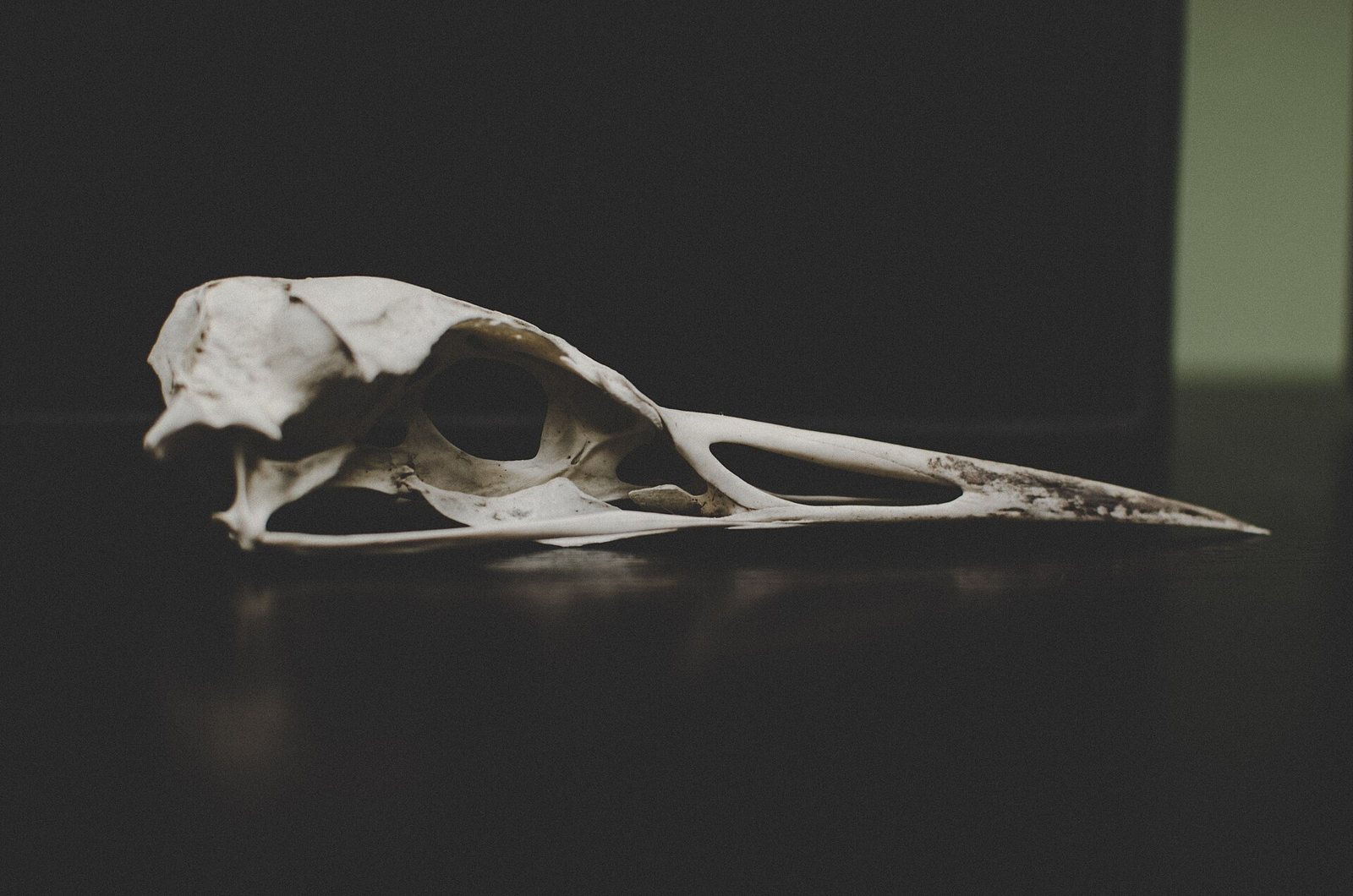
A bird skull has no single meaning; what it says depends on the bird, the place, the period and the person wearing or keeping it. In ancient Egypt a human-headed bird called the ba stood for an aspect of a dead person that could leave the tomb and come back. To Victorian naturalists like Charles Darwin, bird skeletons were specimens for comparing and classifying life. In modern gothic jewelry, a bird skull stands for death, time and transcendence, and in a tattoo the wearer decides. One practical point comes first, though: in the United States, keeping a real wild bird skull is restricted by the Migratory Bird Treaty Act.
The short answer
If you are holding a bird skull pendant, sketching a tattoo or looking at a tiny skull on a hiking trail, it helps to know that the meanings below come from very different places. Some are documented religious ideas with dates and museums attached. Some come from Indigenous storytelling about a particular bird. Some are art and fashion readings from the last few decades. And some are entirely yours.
The quick version runs like this. In Egyptian funerary art, the bird is the ba, a part of the person that travels. In Nuxalk and Alaska Native traditions, Raven is a figure of creation and trickery. In Victorian science, a bird skull is evidence. In gothic jewelry, it is a memento of mortality and passing time. Each has its own story, told below.
The ba: the bird of the Egyptian dead
The oldest idea in this story is also one of the most beautiful. At the Los Angeles County Museum of Art, an amulet of a ba made in Egypt in the Ptolemaic period, between 332 and 30 BCE, shows the ba as a bird with a human head. It is made of gold, inlaid with lapis lazuli, turquoise and steatite. LACMA explains that the ba was an aspect of the dead person that could leave the tomb, travel through the world of the living and return to the burial place.
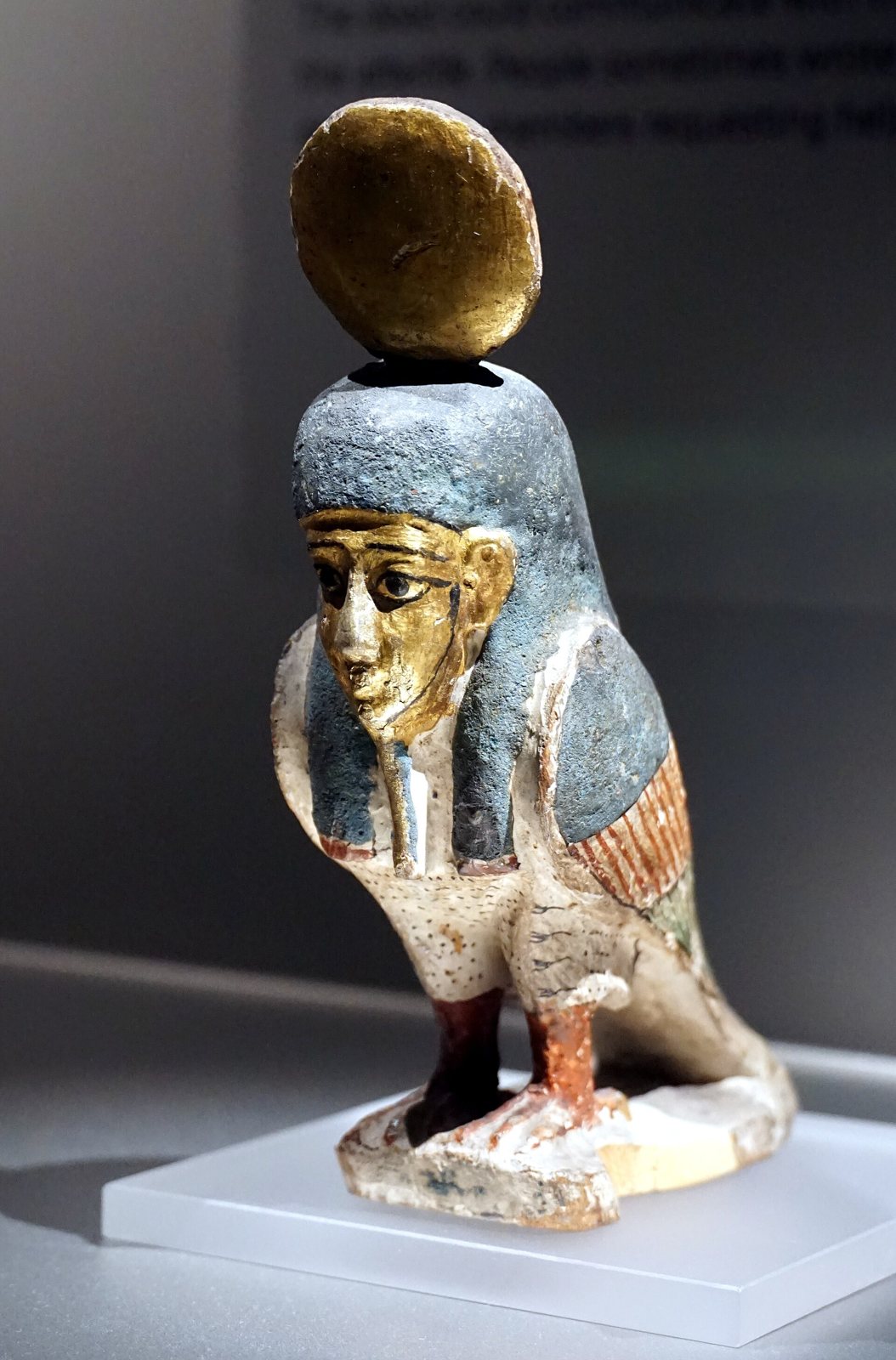
It is tempting to call the ba "the soul," but the McClung Museum at the University of Tennessee cautions that this translation can mislead. Egyptian texts suggest something more like an animated expression or manifestation of the person. So, the ba is a specific ancient Egyptian funerary idea, and a lovely one, but it is about a human-headed bird in Egyptian belief, not about every bird skull you might see on a necklace.
Raven, in the stories of the people who tell them
Ravens and crows are the birds people most often ask about, and their best-known meanings come from Indigenous traditions of the Pacific Northwest and Alaska. Those meanings belong to the communities who tell the stories.
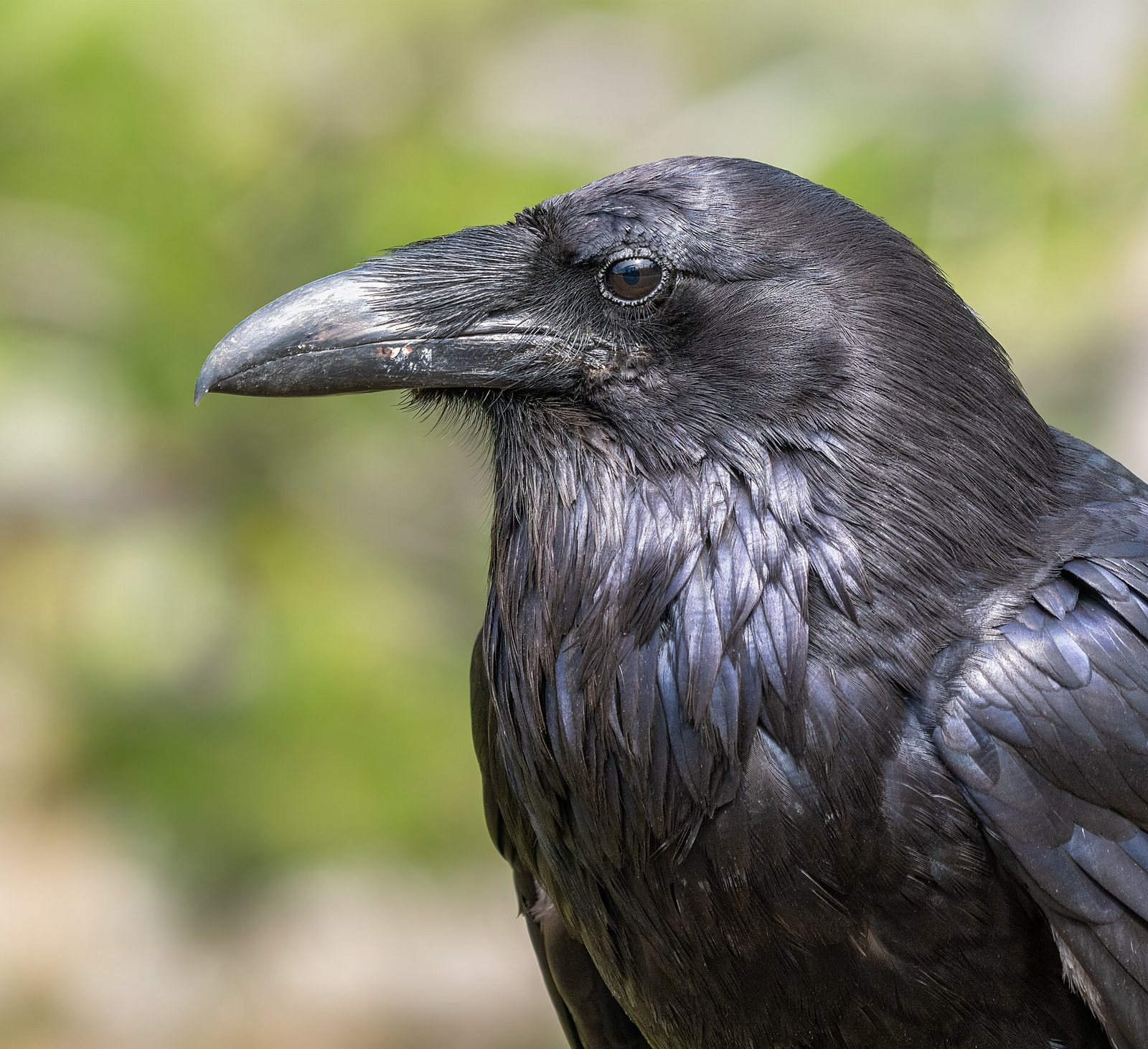
Among the Nuxalk of Bella Coola, British Columbia, Raven is called Qwaxw. The American Museum of Natural History describes him as a mythic Re-creator who helped remake the world, and it ties Raven imagery to stories of how families began and to their hereditary rights. Further north, a U.S. Fish and Wildlife Service overview of the common raven's cultural significance describes Raven among Alaska Native peoples, including Tlingit, Haida, Ahtna, Yup'ik and Inupiaq communities, as a trickster, teacher, magician, benefactor and, for some, the creator.
Notice that these are stories about Raven, the living figure, not about a raven's skull. When an artist puts a skull together with a raven, the mortality is a modern layer added on top. Our raven and skull meaning story follows that pairing in art, and owl and skull meaning covers another favorite bird of skull lovers. If you like the raven and skull together as a design, it is also on our Raven and Skull tee.
Bird skeletons in Victorian collections
In the nineteenth century, bird skulls meant evidence. The Natural History Museum in London holds bird skeletons collected by Charles Darwin, including domestic pigeons he collected at Down House in Kent. His bird skeleton collection came to the museum in 1867. Darwin used pigeon variation to study inheritance, and he discussed it in the first chapter of *On the Origin of Species*, published in 1859.
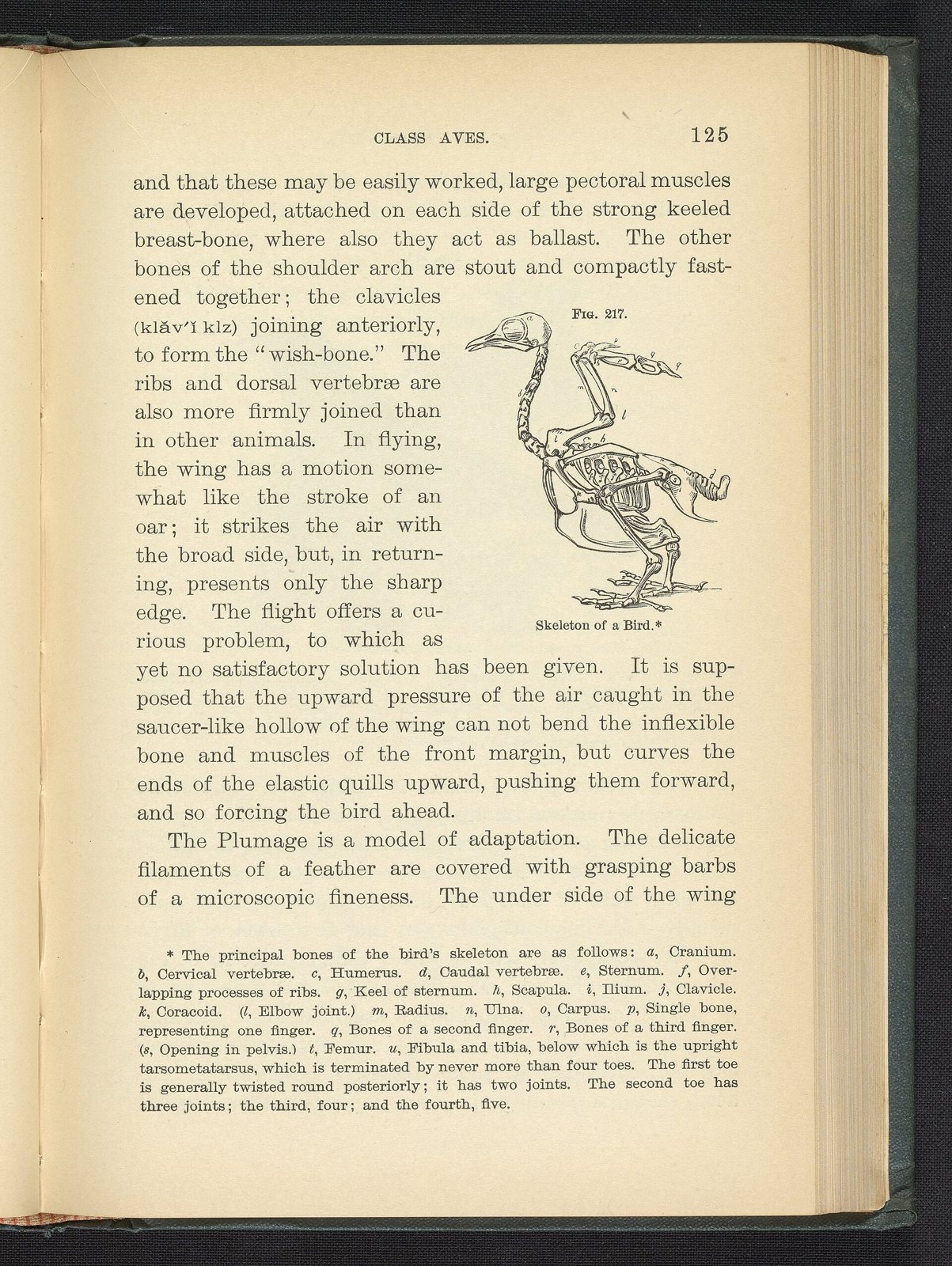
The museum's bird skeleton collection goes back further still. It includes two hornbill skulls from Sir Hans Sloane, whose collections helped form the British Museum in 1753, and today it holds about 16,600 complete and partial skeletons and skulls. For a Victorian naturalist, a shelf of bird skulls was not spooky at all. It was a way of seeing how one kind of bird differs from another.
Bird skulls and bird symbols through time
Tap or hover a step to follow the order.
332 to 30 BCE
A Ptolemaic Egyptian amulet, now at LACMA, shows the ba as a human-headed bird.
1753
Sir Hans Sloane's collections help form the British Museum; two of his hornbill skulls are now at the Natural History Museum.
1859
Darwin discusses pigeon variation in the first chapter of On the Origin of Species.
1867
Darwin's domestic pigeon skeletons are donated to the Natural History Museum.
7 March 2025
The U.S. Fish and Wildlife Service updates its Feather Atlas guidance on feathers, bones and the law.
Bird skulls in gothic and witchy jewelry
The bird skull on a pendant or a ring today belongs to a different story. When the Fashion Institute of Technology's museum assembled its Gothic Cabinet of Curiosities, it showed accessories made with bird skulls, talons and wings as references to death, time and transcendence. That is a modern artistic reading, not an old tradition passed down.
Victorian collecting and modern gothic jewelry are two separate traditions, even if a cabinet of curiosities on a dresser borrows the look of both. If you are buying a piece, the most useful question to ask is what it is made of. A bird skull cast in metal, resin or another material is a design. A real bird skull set into jewelry is a different matter under the law, which is covered below. Our gothic skull meaning and skulls in witchcraft stories go further into those styles.
What a bird skull tattoo means
A bird skull tattoo is a modern personal design rather than a fixed traditional symbol. 46 Tattoo associates it with mortality, the passing of life and transition, and notes that wings, flowers or a particular kind of bird can add other associations. A raven, for example, brings its own stories with it.
The meaning that matters is the one the wearer gives it. If you are planning one, talk it through with your artist and decide what you want it to say. If you are admiring one on somebody else, the best way to learn what it means is to ask them. Our skull tattoo meaning story has more on how skull designs are read.
How to tell what bird a skull came from
Identifying a bird skull starts with comparison, not symbolism. Bill shape is the first clue, because it follows what a bird eats. The Cornell Lab of Ornithology's bird identification guidance contrasts thick, seed-crushing bills, straight woodpecker bills and hooked or otherwise specialized bills. Size matters too, but judge it in proportion, for example the length of the bill against the length of the head, rather than by a general impression of "small" or "big."
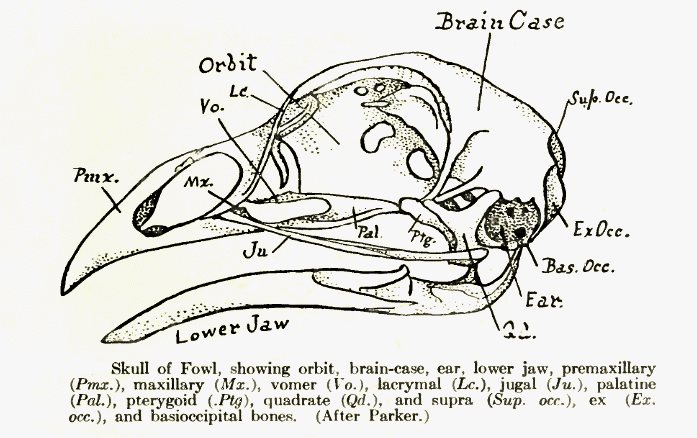
Museums confirm identifications by comparing a skull with labelled reference specimens. The Natural History Museum in London has about 16,600 bird skeleton specimens, and the Naturhistorisches Museum Wien in Vienna holds more than 11,000 bird skeletons and stresses how much correctly labelled specimens matter. A photo of a skull with no location, no scale and no history may not be enough for anyone to name the species with confidence.
Reading a bird skull: what to look at
Tap a card to bring it forward.
- Bill shape: Thick seed-crushing, straight like a woodpecker's, or hooked and specialized; the shape follows what the bird ate.
- Bill against head: Judge size in proportion, such as bill length compared with head length, not by overall impression.
- Location: Without a record of where the skull came from, a reliable species identification may not be possible.
- Scale: A skull or photo with no sense of its real size is much harder to identify.
- Reference specimens: Museums confirm a species by comparing with correctly labelled skeletons.
The Migratory Bird Treaty Act and replicas
This section is general information, not legal advice; laws differ by state and country. In the United States, the Migratory Bird Treaty Act restricts possession of native migratory bird parts without authorization, and that includes skulls.
The U.S. Fish and Wildlife Service is plain about what counts. Its migratory bird permit policy says protected parts include whole remains, partial remains and bones, and products made from bird parts, including art and apparel. Its Feathers and the Law page, updated on 7 March 2025, adds that even feathers dropped naturally or taken from road-killed birds are not automatically exempt. Schools and researchers who want to keep bird bones or specimens need permits from the Service, using applications such as the migratory bird possession permit for educational purposes, and from the relevant state agencies.
A replica is different. A bird skull made of metal, resin, plastic or another non-bird material is not itself a bird part under the rule above, which makes a replica the simple way to wear the look. State and local laws can still apply, so when you are not sure what a piece is made of, or what species a real skull came from, confirm the species, origin and jurisdiction with the relevant wildlife agency before buying or keeping it.
If you come across a wild bird skull outdoors and do not know what it is, the safest step is to leave it where it is and contact a wildlife agency, a museum or a permitted institution for guidance. Our found an animal skull story covers what to do next with other finds, and deer skull meaning covers the antlered ones.
A real bird skull or a replica? Before you buy or keep it
Tap a card to bring it forward.
- Ask what it is made of: Metal, resin or plastic replicas are not bird parts under the federal rule; real bone may be protected.
- Remember what counts: Bones, whole or partial remains, feathers and art or apparel made from them can all be regulated.
- Found on the ground is not an exemption: Feathers dropped naturally or from road-killed birds are not automatically exempt.
- Permits exist for teaching and research: Educational or research possession needs permits from the U.S. Fish and Wildlife Service and state agencies.
- Check locally: State and local laws can apply too, so confirm species, origin and jurisdiction with the wildlife agency.
How well do you know the bird skull?
Answer every question to check.
Questions people ask about bird skulls
What does a bird skull symbolize?
A bird skull has no single universal symbolism; its meaning depends on the bird, the community, the place, the period and the wearer. In ancient Egypt the human-headed ba bird stood for an aspect of the dead that could move between the tomb and the living world, while modern gothic art reads bird skulls as mortality, time and transcendence.
What does a bird skull tattoo mean?
A bird skull tattoo usually means mortality, the passing of life or transition, according to tattoo writers such as 46 Tattoo. Wings, flowers or a particular bird can change that, and the wearer's own meaning comes first.
Is it legal to have a bird skull?
In the United States, a real skull from a native migratory bird is restricted under the Migratory Bird Treaty Act unless you have authorization, so it is not something to keep without checking. The answer depends on species, origin and state, and this is general information, not legal advice; a replica made of non-bird material is a different case.
What does a raven skull mean?
A raven skull has no single meaning, but Raven himself is a major figure in Nuxalk and Alaska Native traditions as a re-creator, trickster, teacher, magician, benefactor and, for some, creator. The skull adds a modern layer of mortality that comes from art, not from those traditions.
Is bird skull jewelry made from real bird bones?
Bird skull jewelry can be a replica in metal, resin or another material, or it can contain real bone, so ask before you buy, because real bird parts can fall under federal and state wildlife law. Products made from protected bird parts, including art and apparel, are regulated by the U.S. Fish and Wildlife Service.
Does a bird skull represent the soul?
A bird skull does not represent the soul in any universal sense, though the ancient Egyptian ba, a human-headed bird linked to the dead, is often called a soul. The McClung Museum cautions that "soul" can mislead, since the ba was closer to an animated expression of the person.
A small skull with a long reach
From a gold ba amulet made for an Egyptian burial to Darwin's pigeons in London, Raven stories from Bella Coola and Alaska, and a resin skull on a silver chain, the bird skull has carried very different meanings in very different hands. Choose the story that fits you, ask what your piece is made of, and leave the wild ones where you find them unless a wildlife agency tells you otherwise.
Terms in this story
Tap a term to see what it means.
Ba. In ancient Egyptian belief, an aspect of a dead person, shown as a human-headed bird, that could leave the tomb and return.
---