

No. 091
Why a Hippo Skull Looks So Strange Next to Its Face
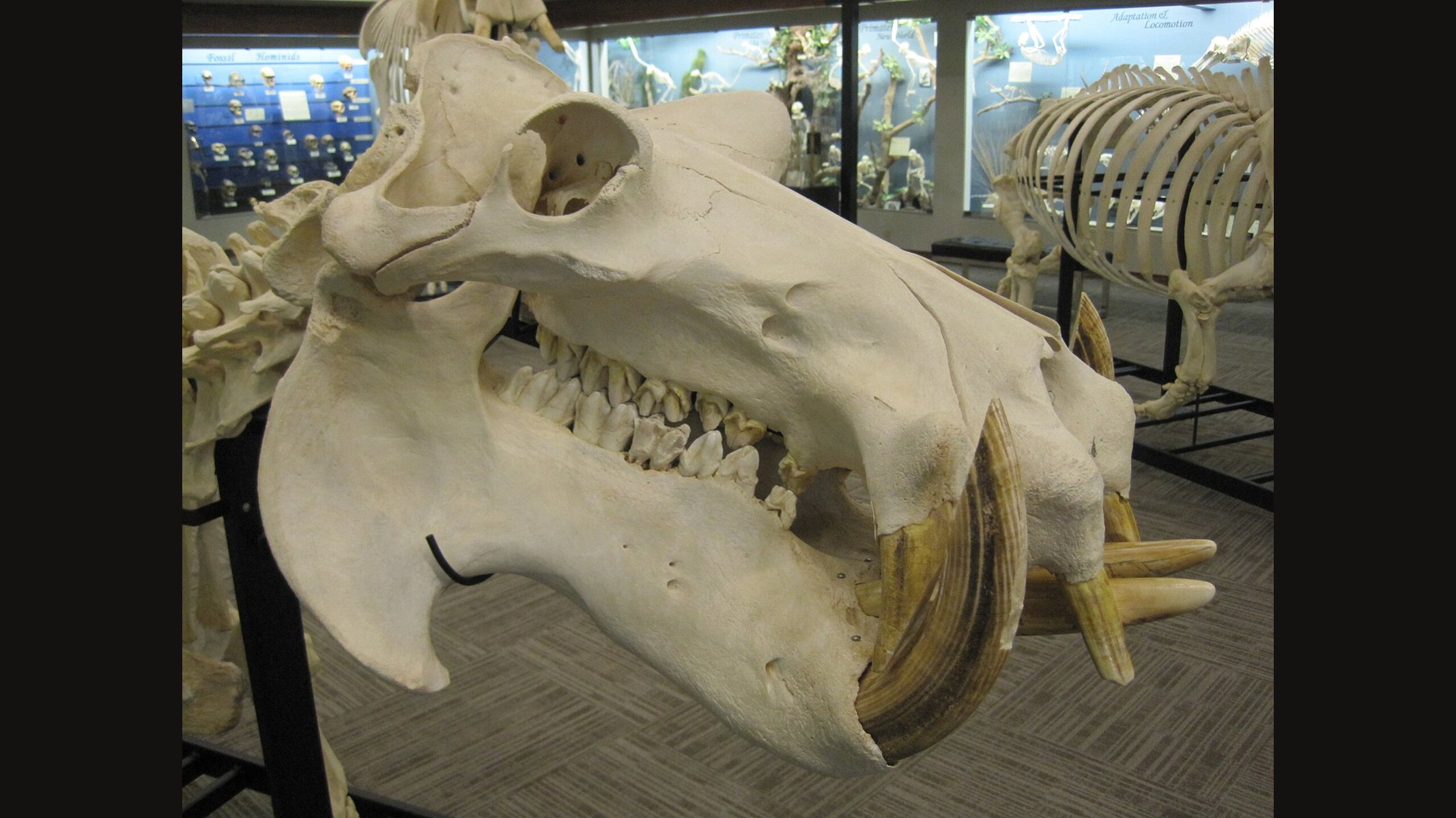
A hippo skull looks so strange because it shows the machinery the face hides. The skull of the common hippopotamus, *Hippopotamus amphibius*, is built around an enormous gape, powerful jaw muscles and long tusks that are really canine and incisor teeth, with the eye sockets, nostrils and ears set high on top so the animal can sit almost underwater and still see, hear and breathe. In the living hippo, lips, cheeks, facial muscles, skin and other soft tissue cover all of that and round it out into the soft, barrel-nosed face everyone knows. So, the meme is right: under that friendly muzzle sits something that looks like it belongs in a horror film.
A tour of the hippo skull
Start at the top. On a cleaned skull the eye sockets sit raised above the rest of the head, and the openings for the nostrils and the positions of the ears are high up too. Animal Diversity Web, in its species account by Christopher Jameson, explains the reason: those raised features let a hippo keep most of its head submerged while it watches, listens and breathes. A hippo lying in a river with only a few bumps showing is using exactly this layout.
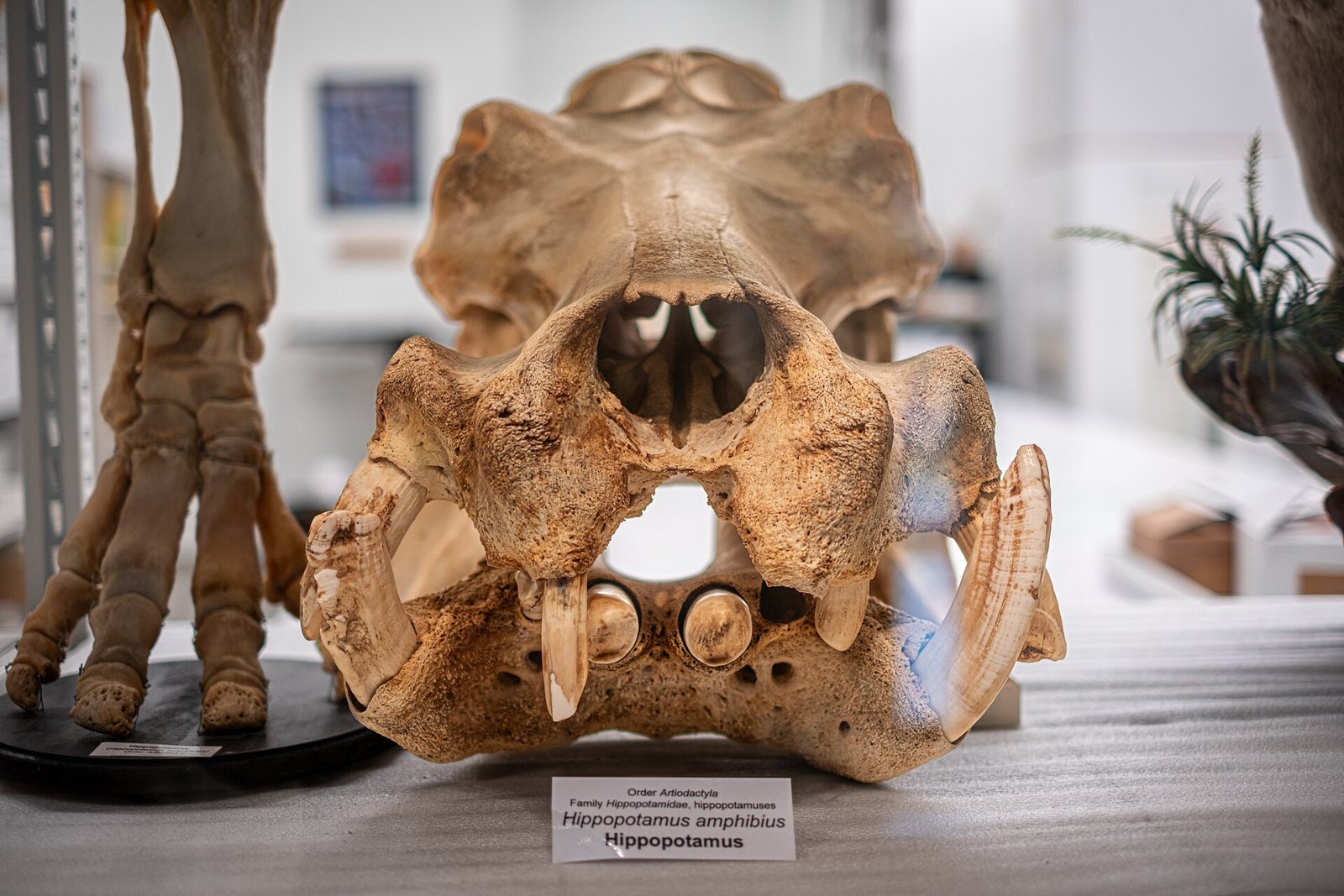
Below that, the skull is mostly face. A 2018 anatomical study by Zoran Zorić, Olivera Lozanče, Darko Marinković and colleagues in *Acta Veterinaria* described the skull as massive, with a relatively small braincase, high ridges above the eyes and a facial section larger than the braincase. In plain terms, the part that holds the brain is modest, and the part built for eating and fighting is huge. There is a massive snout, broad cheek regions and a heavy lower jaw, and the wide back of that jaw gives room for the big muscles that open and close the mouth.
Then come the teeth. The upper and lower incisors and canines grow into the prominent tusks that make a hippo skull look armed. On a living hippo they are mostly hidden behind the lips until the mouth opens. On a skull, nothing hides them.
The parts of a hippo skull
Tap a card to bring it forward.
- High eye sockets: Raised so the hippo can watch from the water with most of its head submerged.
- High nostril openings and ears: Placed so the animal can breathe and hear while lying low in the water.
- Small braincase: Modest next to the face, according to Zorić and colleagues in 2018.
- Massive snout and cheeks: The large facial section that makes up most of the skull.
- Broad rear jaw: Room for the muscles that open and close the mouth.
- Tusks: Enlarged canine and incisor teeth; lower canines can reach about 50 centimeters.
That mouth, and those tusks
A common hippo can open its jaws to about 150 degrees. The San Diego Zoo describes the wide-open display as "gaping," something rival males do when they face each other. Seen on a living animal it is impressive. Seen on a bare skull, with the jaw hinged wide and the tusks pointing out, it is the image that launched a thousand memes.

The teeth are big. Animal Diversity Web gives about 50 centimeters for the lower canines and about 40 centimeters for the incisors, with sizes varying by age and sex. They also stay sharp in an unusual way: the teeth sharpen through contact with each other as the jaws move.
Hippos eat plants, but they do not chew the way many grazing animals do. In a 2023 study in PLOS ONE, Annika Avedik and Marcus Clauss showed that common hippos chew mainly with an up-and-down motion. Their upper and lower incisors interlock, which limits sideways movement of the jaw. A skull built like that looks more like a pair of shears than a grinding mill, and that is part of why it reads as so fierce.
Why the face looks nothing like the skull
A cleaned skull shows bone, tooth roots, the rough areas where muscles attach and a set of empty openings. A living hippo adds lips, cheeks, facial muscles and skin over all of it. Those soft tissues fill the hollows, cover the tusks, round the muzzle and soften every edge. The hippo has a particularly big gap between the two versions because its skull is built around such a huge gape and such heavy jaw muscles, while its living face carries thick, rounded tissue around the muzzle and cheeks.
The muscles of the face are a real part of this. R. Saban's 1971 anatomical paper, recorded on PubMed, documented the muscles in the skin of the head and neck of *Hippopotamus amphibius*. It is tempting to say the difference is just fat, but fat is only part of it. Fat adds volume, while the hippo head you recognize also depends on its lips, its muscles, its skin and the shape of the muzzle.
The skull keeps changing as the animal grows, too. A 2025 study by Fidalgo and colleagues in *Evolution & Development*, based on 198 common hippos, showed that the lower jaw keeps changing later in life than the rest of the skull. A young hippo's skull and an old hippo's skull are not quite the same shape.
This is why the hippo comparison comes up whenever people talk about dinosaurs. On a Reddit paleontology forum, people who saw a hippo skull beside the living animal asked, in so many words, how accurate our ideas of dinosaurs can be. The hippo shows the problem neatly: bone does not keep the lips, cheeks and skin, and those are what make a face. If you want to see how scientists approach a famous fossil skull, the story of Sue the T. rex's skull is a good next stop, and our piece on facial reconstruction covers how faces are rebuilt over human skulls.
The pygmy hippo's skull
Only two hippo species are alive today. Next to the common hippo is the much smaller pygmy hippo, *Choeropsis liberiensis*. Avedik and Clauss compared 86 common hippo skulls with 26 pygmy hippo skulls. The pygmy hippo's skull is smaller and more lightly built, with distinct features in the front teeth and a slightly different way of chewing: it keeps a little more sideways jaw movement than its big cousin. Pygmy hippos are also less aquatic and are more closely tied to forests.
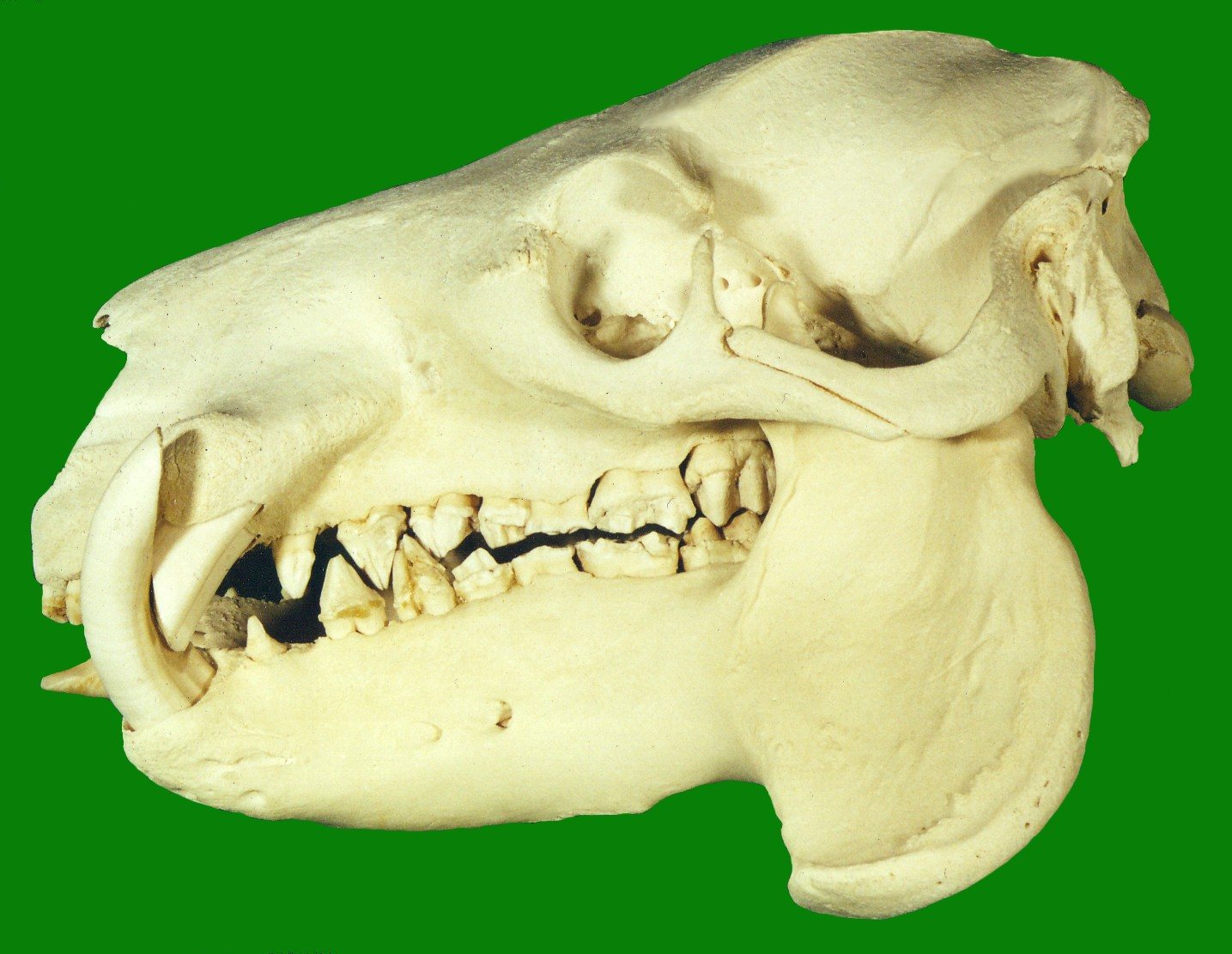
The researchers stress that the pygmy hippo is a separate lineage, not a recent shrunken version of the common hippo. Its skull is still clearly a hippo skull, but it is its own design rather than a miniature copy.
Tap or hover a row to highlight it.
| Feature | Common hippo, Hippopotamus amphibius | Pygmy hippo, Choeropsis liberiensis |
|---|---|---|
| FeatureMaximum gape | Common hippo, Hippopotamus amphibiusAbout 150 degrees | Pygmy hippo, Choeropsis liberiensisWide, but smaller than the common hippo's |
| FeatureMain chewing movement | Common hippo, Hippopotamus amphibiusMainly up and down | Pygmy hippo, Choeropsis liberiensisMainly up and down, with slightly more sideways movement |
| FeatureSkulls in the 2023 study | Common hippo, Hippopotamus amphibius86 | Pygmy hippo, Choeropsis liberiensis26 |
| FeatureHabitat | Common hippo, Hippopotamus amphibiusStrongly semi-aquatic | Pygmy hippo, Choeropsis liberiensisMore tied to forests, less aquatic |
Cousins of the whales
The strangest family fact of all is this one. Hippos and cetaceans, the group that includes whales, dolphins and porpoises, are each other's closest living relatives. The American Museum of Natural History reports that they share a common ancestor that lived about 55 million years ago. Scientists worked out that relationship from genetic evidence and fossil comparisons, not because a hippo skull looks anything like a whale's. If skulls were the only clue, nobody would put the two side by side.
Hippo skulls, from deep time to recent science
Tap or hover a step to follow the order.
About 55 million years ago
The common ancestor of hippos and whales lived, according to the American Museum of Natural History.
1971
R. Saban publishes a study of the muscles in the skin of the hippo's head and neck.
2018
Zorić and colleagues publish a study of young common hippo skull anatomy.
October 4, 2023
Avedik and Clauss publish their comparison of chewing, teeth and tooth wear in both living hippo species.
2025
Fidalgo and colleagues show, from 198 common hippos, that the lower jaw keeps changing later in life than the rest of the skull.
Hippo ivory and the law
Those tusks are ivory. Hippo tusks are enlarged canine and incisor teeth, and official trade rules treat them that way. This section is general information, not legal advice, and the rules differ from country to country.
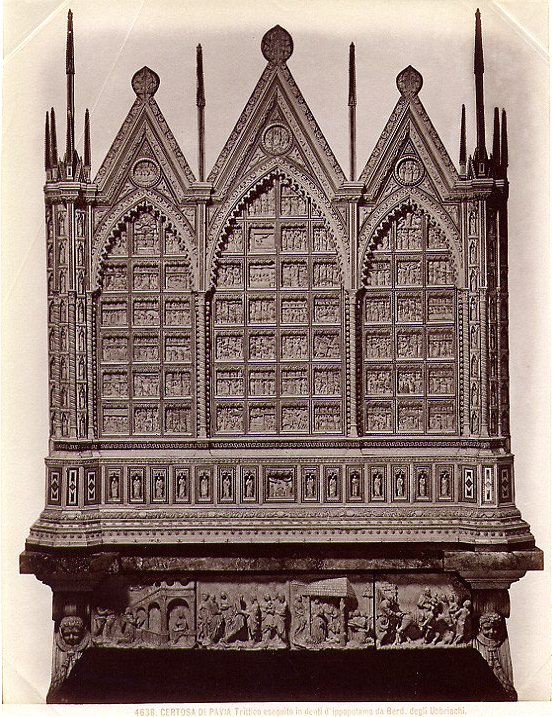
CITES, the international convention on trade in wild animals and plants, lists *Hippopotamus amphibius* in Appendix II. Moving hippo specimens across borders, including tusks, teeth and skulls, requires CITES permits and has to meet the laws of both the exporting and the importing country. The CITES Trade Database holds official wildlife-trade reports going back to 1975.
The United Kingdom's official CITES trade terms list a whole hippo tusk as "tusk, raw ivory" and file other hippo teeth under a separate "tooth" category. UK law also treats common hippo ivory as a listed ivory material for dealing inside the country, with its own registration and exemption rules.
Before anyone buys, sells, imports or exports a hippo skull, tooth or tusk, they need to confirm the current CITES listing in the CITES species database and the rules with their national wildlife authority; in the United States, that is the US Fish and Wildlife Service. We Dig Skulls does not sell skulls or ivory of any kind. If you have come across an animal skull yourself, our page on what to do when you find an animal skull covers the general rules and who to ask.
Where to see a hippo skull
You do not need to own one to get a good look. The D'Arcy Thompson Zoology Museum at the University of Dundee has put a 3D scan of a real hippo skull online: specimen DUNUC 1990, a *Hippopotamus amphibius* skull 60 centimeters long, which you can turn around on screen. The Smithsonian National Museum of Natural History keeps a hippo skull specimen record from Africa, and a photographer has shared a front view of a hippo skull taken at the California Academy of Sciences on Wikimedia Commons. Seen head-on, the tusks and the high eye sockets make the point better than any meme.
Questions people ask about hippo skulls
What does a hippo skull look like?
A hippo skull is large and heavy, with the eye sockets, nostrils and ears set high on top, an enormous jaw and big canine and incisor tusks. Most of it is face rather than braincase, with wide areas where the jaw muscles attach. Seen from the front, the tusks and the raised eye sockets stand out first.
How wide can a hippo open its mouth?
A common hippo can open its jaws to about 150 degrees. Rival males show off this gape in a display the San Diego Zoo calls gaping, which lets them size each other up.
Are hippo teeth ivory?
Yes, hippo tusks are ivory. They are enlarged canine and incisor teeth, and official UK trade terms list a whole hippo tusk as "tusk, raw ivory" and other hippo teeth as "tooth." Moving them across borders needs CITES permits and must follow each country's laws.
Why are hippo skulls so scary?
Mostly because of the teeth and the gape. A hippo skull shows tusks up to about 50 centimeters long, a jaw that can open to about 150 degrees and empty eye sockets perched high on top, with none of the lips and cheeks that make the living animal look soft.
How would a paleontologist know what a hippo looked like from its skull?
Only partly, which is exactly what the hippo shows. A skull keeps the bone, tooth roots and the areas where muscles attach, but not the lips, cheeks and skin that shape the living face, so a reconstruction from bone alone would miss much of what makes a hippo look like a hippo.
How well do you know the hippo skull?
Answer every question to check.
The face is the disguise
The hippo skull meme works because it catches a real thing about animals: the face you love is a soft layer over a hard tool. In the hippo's case the tool is a wide-opening, tusked jaw built for a life spent half underwater, and the disguise is a thick layer of lips, cheeks, muscle and skin. If you like skulls that surprise you, the elephant skull and the Cyclops legend is another case of bone looking nothing like its owner, and our human skull facts turn the same curiosity on our own heads.
Terms in this story
Tap a term to see what it means.
Hippopotamus amphibius. The scientific name of the common hippopotamus, the large semi-aquatic hippo of Africa.
---