

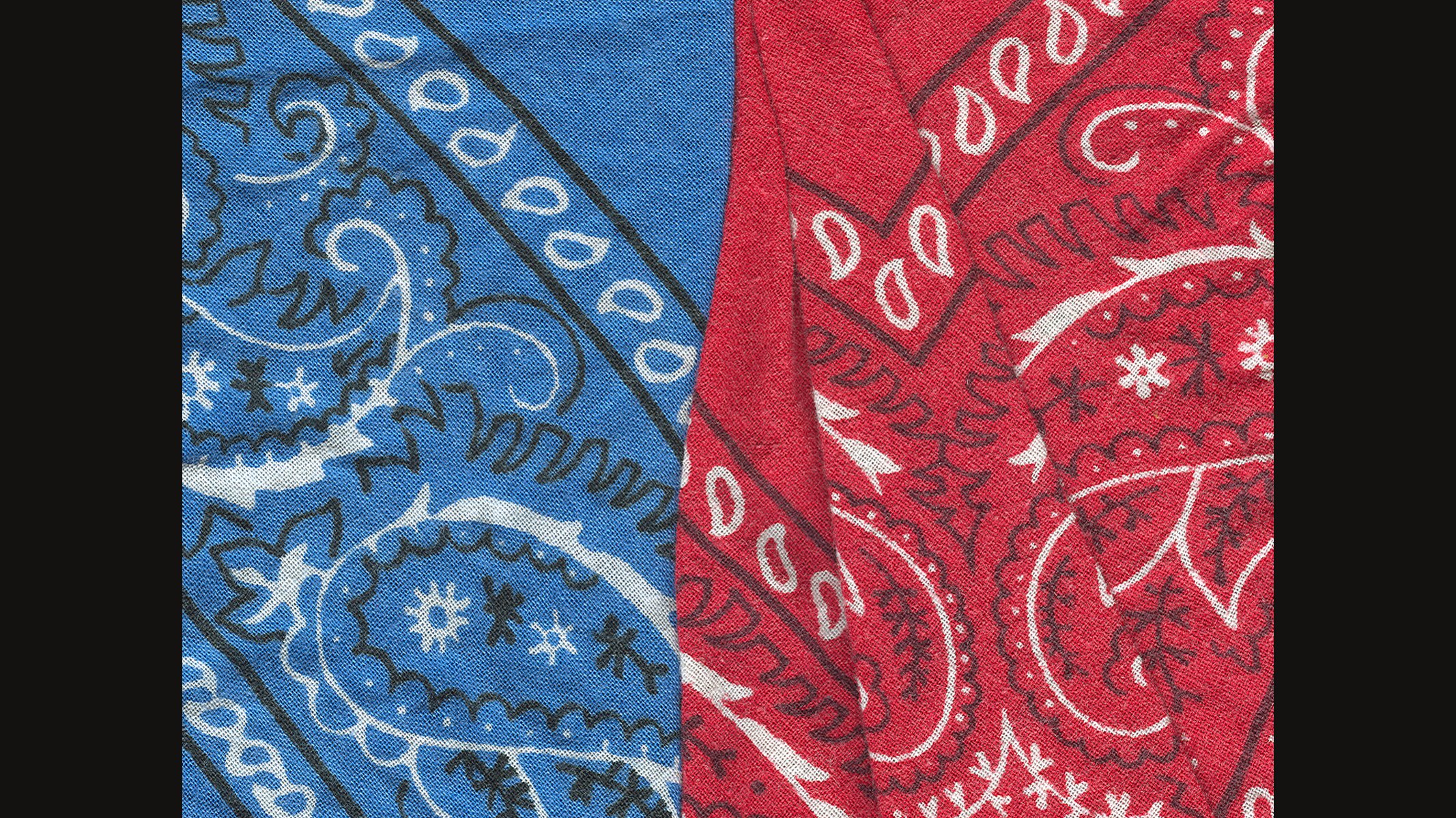
No. 064
Skull Bandana Meaning: Bikers, Soldiers and Style
A skull bandana brings two histories together. The bandana is a printed cotton square whose roots run back through European printworks to Indian textiles and Kashmir shawls. The skull printed on it has meant mortality, danger, bravado, belonging and plain good looks to the riders, soldiers and designers who have worn it. What a particular one says depends on the design, the person wearing it and where they wear it. For a lot of riders it is also just useful, keeping dust, wind, sweat and helmet hair under control.
So, whether yours lives in a saddlebag or you are thinking about tying one on for the first time, here is where each half of the look comes from and what people read into it.
Where the bandana comes from
The square of cloth came first, and it has travelled a long way. Cooper Hewitt, Smithsonian Design Museum traces the bandana from Indian tie-dyed silk, through European Turkey-red cotton printing, to the paisley designs based on Kashmir shawls that many people now think of as the classic bandana pattern.
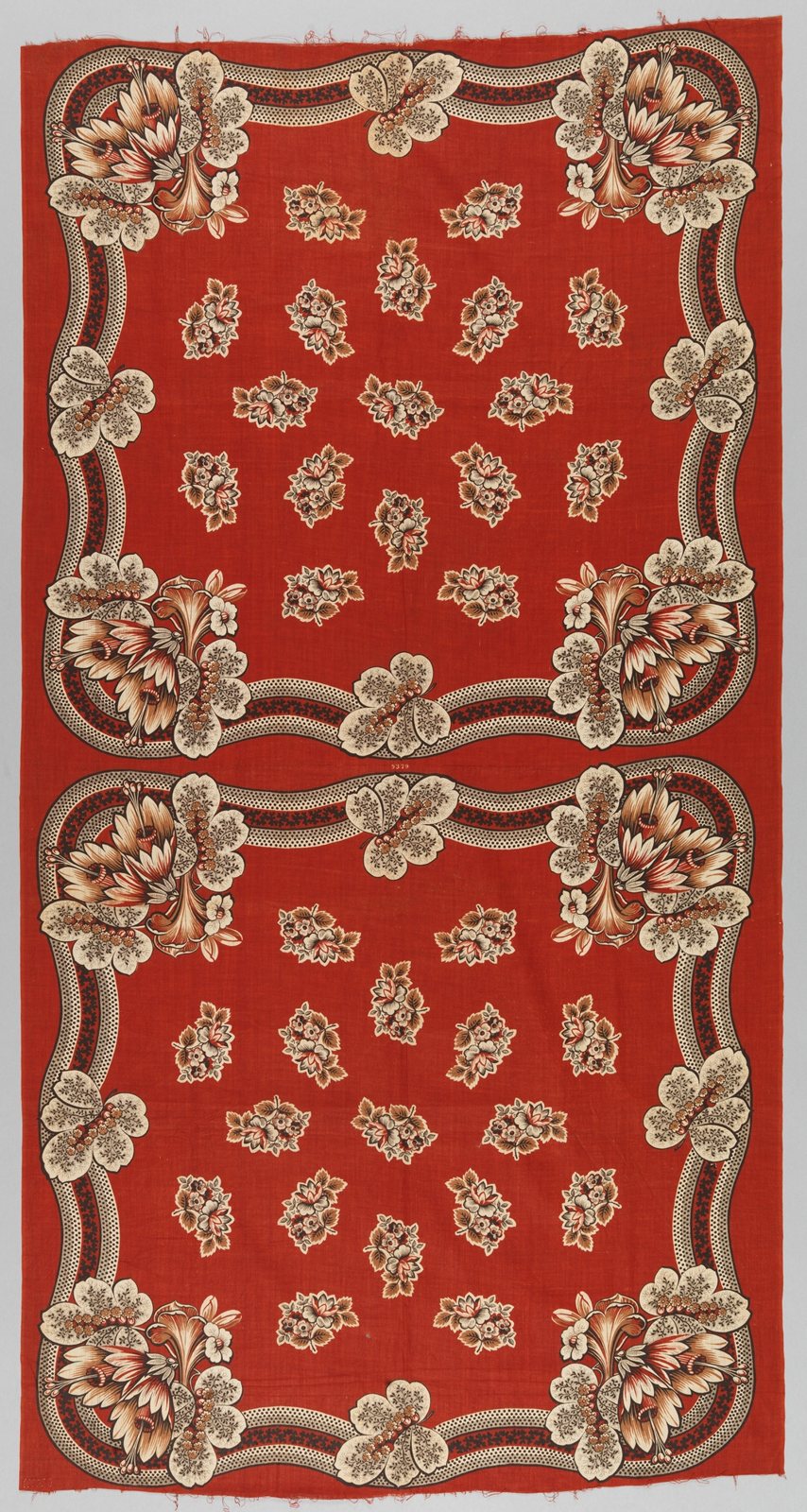
The paisley pattern has its own stop on the route. Paisley Museum identifies the teardrop motif with Kashmir shawls from India and documents the shawl-weaving and printing industry of Paisley, Scotland, in the nineteenth century. Its collection holds Kashmir shawls, pattern books, printing blocks and weaving equipment, the working tools of a town whose name became the name of the design.
By the twentieth century the bandana was a cheap, practical American staple. The Smithsonian records an American cotton bandana made by Elephant Brand between 1930 and 1950, printed in red or blue with paisley botehs, the teardrop shapes, around a central field. Nobody invented the bandana in one place or one year. It grew out of trade, dyeing and printing on three continents, and it stuck around because it was useful and good-looking at the same time.
Why riders tie one on
Ask riders why they wear a bandana and the first answers are usually practical. In motorcycle discussions on Reddit's r/motorcyclegear and r/motorcycles forums, riders talk about bandanas and balaclavas for warmth and "temperature control," for helmet comfort, for keeping hair in place, and for "helmet liner cleanliness," since a layer of cloth keeps sweat off the inside of an expensive helmet. Some call it a "dew rag." Others describe wearing bandanas or skull caps under the helmet to cut down on hair friction and to deal with the flattened mess that greets you when the helmet comes off. Helmet hair, it turns out, is a problem worth a whole thread.
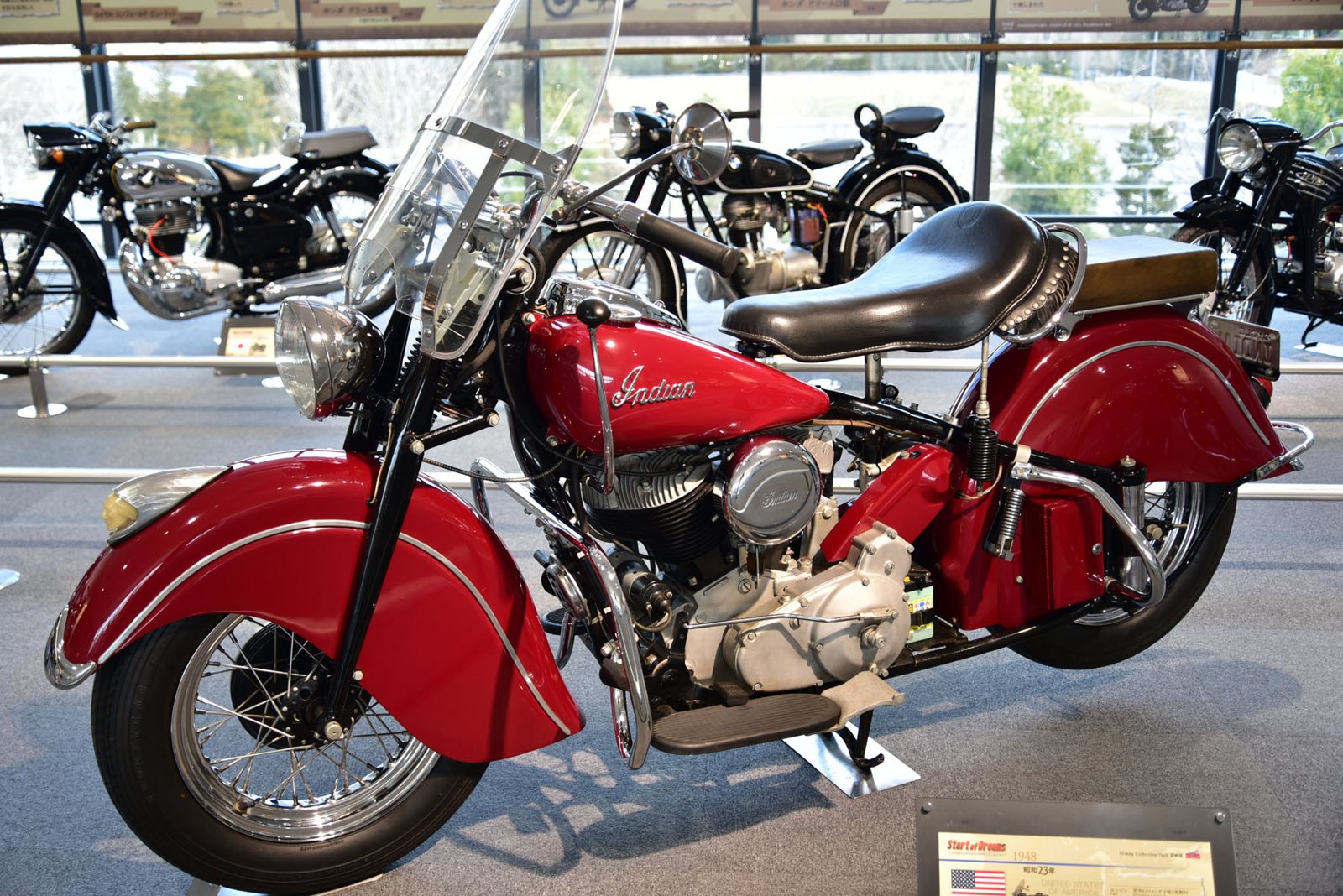
The same forums are honest that function is not the whole story. When one rider asked what was with all the balaclavas, others answered that some younger riders wear them as a trend, "for looks" or for social media. These are riders describing their own habits and those of the people around them, not a rulebook, and every rider you ask may give you a different mix of reasons.
The skull on a rider's bandana
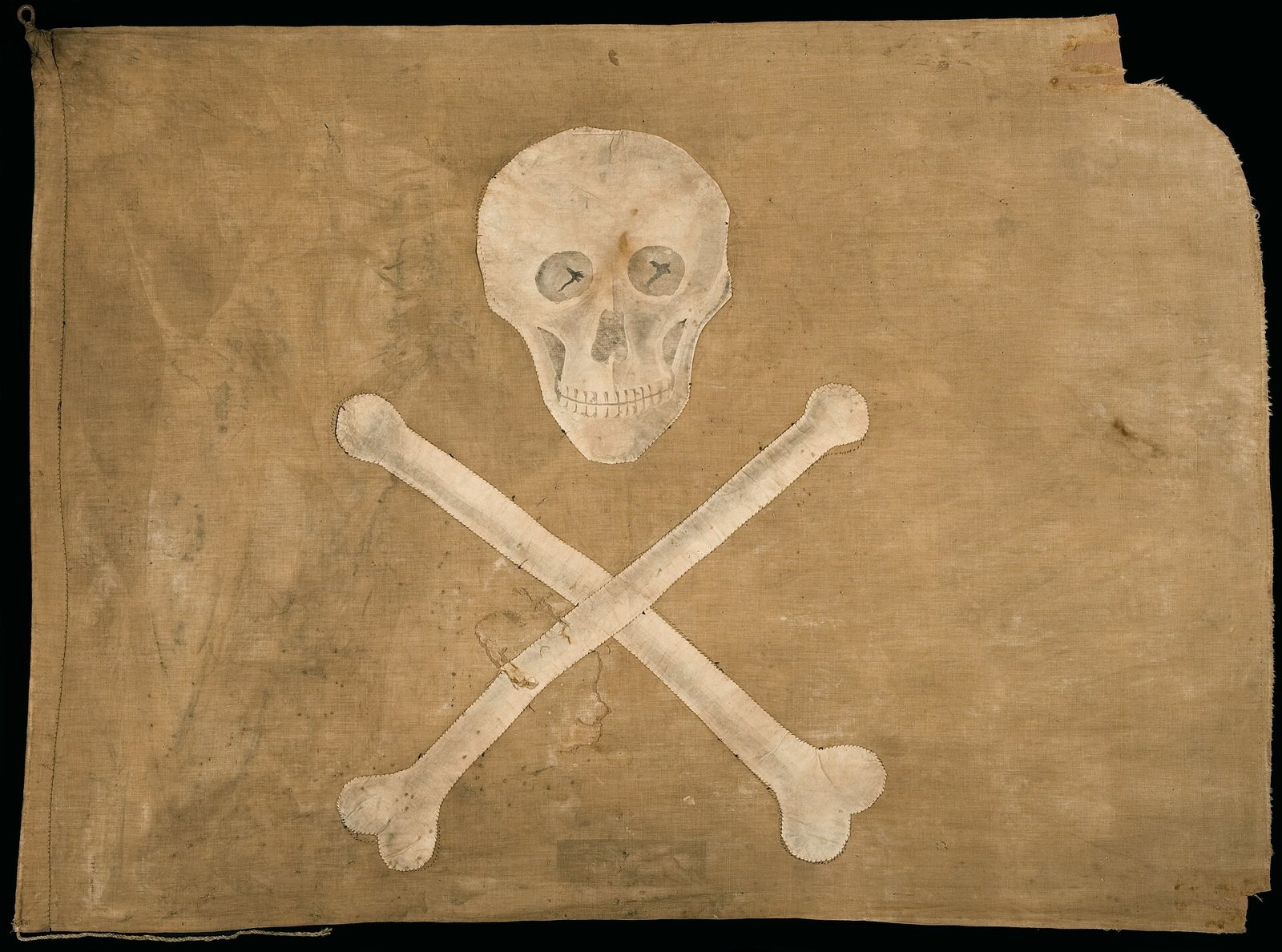
The skull print is where meaning comes in, and it borrows from older biker imagery. James F. Quinn and Craig J. Forsyth, in their study of outlaw motorcycle clubs, describe one-percent clubs drawing their symbols from Western, pirate and military traditions. Their study identifies the Outlaws patch as derived from the pirate skull and crossbones and says the Hells Angels' death's-head imagery was adapted from American military history.
A scholarly chapter on death symbolism in metal jewelry adds the postwar story. In Britain and the United States during the 1950s and early 1960s, bikers reused military death's-head insignia in their own dress, and in doing so gave the old symbols meanings that differed from their military use. A skull that once marked a unit became a sign of the rider's own outlook.
Those studies are about club patches, clothing and jewelry. They do not cover every printed face covering. A skull bandana can signal biker style, a nod to danger and mortality, a bit of bravado or a feeling of belonging, but the print on its own does not tie its wearer to any club. The longer story of skulls in motorcycle culture, from wartime aircraft to back patches and club colors, is told in our page on biker skull meaning, and the jewelry side has its own story in skull rings meaning.
Skull masks on soldiers
If you have seen the skull face mask on soldiers, one well-reported example comes from Iraq. In May 2016, Marine Corps Times reporter Jared Keller described commandos of Iraq's Counter-Terrorism Service in black tactical uniforms and skull masks during operations tied to the planned recapture of Fallujah from ISIS. The report described the masks as meant to intimidate the enemy.
The same report quoted Stratfor military analyst Paul Floyd, who said the masks were generally not issued equipment. Individual soldiers often wore them, he said, because they liked how they looked. That detail matters: the skull mask in Fallujah was a personal choice made inside one unit during one hard campaign, not a uniform rule or a tradition shared by every army. TIME separately reported on the Punisher skull, a comic-book emblem, appearing among Iraqi security forces and militias in the fight against ISIS.
Skull masks have a much longer and wider history than this one war, running from Mexica art to carnival and horror film. That story, along with the balaclava itself, is in our page on skull mask history.
The skull bandana's two histories
Tap or hover a step to follow the order.
Eighteenth century
In Europe and the Indian textile trade, European printers develop Turkey-red processes and print Kashmir-inspired designs.
Nineteenth century
Paisley, Scotland, becomes a major center for shawl weaving and printing.
1930 to 1950
Elephant Brand makes American cotton bandanas with paisley botehs, now recorded by the Smithsonian.
1950s and early 1960s
Postwar bikers in Britain and the United States reuse military death's-head insignia in their dress.
2003
Alexander McQueen's skull scarf appears in the Spring/Summer Irere collection.
2016
Marine Corps Times reports skull masks among Iraqi Counter-Terrorism Service commandos.
The designer skull scarf
The skull reached high fashion through a scarf. Alexander McQueen's skull scarf first appeared in his Spring/Summer 2003 "Irere" collection, and the house's own history, Documenting McQueen: The Skull, describes it as an oversized silk print worn through leather belts at the waist. The National Gallery of Victoria records the Irere runway presentation as Spring/Summer 2003.
McQueen's account ties the skull motif to Victorian memento mori, the habit of keeping an image of death close as a prompt to think about mortality. The V&A records his view that death belongs in fashion because it is part of life, and describes his skulls as a way of bringing fashion, death and mortality together. The scarf became a designer signature and one of the most recognizable skull accessories in fashion, and it comes from a different world than biker club insignia. If the Victorian side of the story interests you, see Victorian mourning jewelry, and for the old idea underneath it, what memento mori means. Rock musicians have their own famous skull accessory, told in the story of Keith Richards' skull ring.
What a skull bandana says today
Put the threads together and a skull bandana can be practical, fashionable, rebellious, intimidating or simply a print somebody likes. Quinn and Forsyth caution against giving all biker skull imagery a single meaning; their work links skulls to mortality, risk, bravado, danger, group identity and the reuse of military and pirate symbols, and any one wearer may mean a few of those or none.
That makes reading someone else's skull bandana a matter of context. A rider on a hot highway, a commando in Fallujah, a model on a McQueen runway and a teenager posting a photo are all wearing a skull on cloth, and they are saying different things. If you are curious about a particular one, the simplest move is to ask the person wearing it. The wider range of what skulls have meant across cultures and periods is gathered in our page on skull symbolism.
Reading a skull bandana
Tap a card to bring it forward.
- Who wears it: A rider, a soldier, a designer and a fan each bring their own reasons.
- Where: On the road, on a battlefield, on a runway or at a party, the same print reads differently.
- When: Postwar biker dress, a 2016 campaign in Iraq and a 2003 fashion collection belong to different moments.
- Practical use: Warmth, dust, sweat, hair and a clean helmet liner are reasons riders give.
- Club symbolism: Club meaning lives in patches and colors, not in a printed bandana on its own.
- Military use: In the 2016 Iraqi example, skull masks were a personal choice meant to intimidate, not issued gear.
- Fashion: McQueen's 2003 scarf linked the skull to Victorian memento mori.
Skull bandana quiz
Answer every question to check.
Questions about skull bandanas
A few more questions come up often among riders and wearers.
Does a bandana keep wind chill down on a motorcycle?
Riders say a bandana or balaclava helps with wind and cold, and forum discussions list warmth and temperature control among the main reasons they wear one. These are riders' own accounts, and the same riders also mention dust, sweat and a cleaner helmet liner.
Does wearing a skull bandana mean you are in a motorcycle club?
Wearing a skull bandana does not mean you are in a motorcycle club. The club symbols that Quinn and Forsyth study are patches and colors that belong to specific clubs, while skull prints on bandanas are common among riders with no club ties at all. A club's own emblem is a different matter, and it belongs to that club.
When did Alexander McQueen make his skull scarf?
Alexander McQueen's skull scarf first appeared in the Spring/Summer 2003 Irere collection. It was printed on oversized silk and worn through leather belts at the waist on the runway, and it went on to become one of the label's signature pieces.
Where does paisley on a bandana come from?
The paisley on a bandana comes from Kashmir shawls made in India, whose teardrop motif inspired European printed designs. The pattern took its name from Paisley, Scotland, a nineteenth-century center of shawl weaving and printing.
Where to go next
The skull on your bandana has plenty of relatives. For the riders' side of the story, read biker skull meaning; for masks from the Mexica to the battlefield, see skull mask history; and for the pirate flag that gave one club its patch, the skull and crossbones.
Terms in this story
Tap a term to see what it means.
Bandana. A printed cotton square worn around the neck or head. Cooper Hewitt traces it from Indian tie-dyed silk through European printing to paisley designs.
---