

No. 132
Is Skull Island Real? Where the King Kong Films Were Shot
Skull Island lives on film. Merian C. Cooper invented it for the 1933 film King Kong, and RKO built it in California out of studio sets, miniatures, rear projection and Willis O'Brien's stop-motion animation. Every later version of the island borrowed real scenery, though.
The 1976 remake filmed on Kauaʻi in Hawaiʻi. Peter Jackson's 2005 film turned the Wellington area of New Zealand into Skull Island. Kong: Skull Island in 2017 stitched its island together from Vietnam, Oʻahu and Queensland, Australia.
A few real places carry the name Skull Island, and Joshua Tree National Park has a real Skull Rock, but none of them is home to Kong. Here is how the island was dreamed up, where each film found its cliffs and jungles, and what lives behind that famous wall.
How Merian C. Cooper dreamed up the island
Skull Island began as a collection of things that excited Merian C. Cooper. The Library of Congress National Film Preservation Board essay on King Kong says he was inspired by William Douglas Burden's expedition to film Komodo dragons and the reports of giant lizards from Komodo Island, by his own fascination with gorillas, and by the lost-world tradition of Arthur Conan Doyle's The Lost World. Add the image of a giant ape captured and carried off to New York, and the outline was there. Cooper's original concept, the essay says, was a gigantic gorilla fighting prehistoric reptiles and then escaping to the Empire State Building.
It took Willis O'Brien's stop-motion work to make that possible on screen. At RKO the script went through drafts by Edgar Wallace, James Ashmore Creelman and Ruth Rose, as the AFI Catalog and TCM's account of the film's big idea describe. The finished island was a remote tropical lost world with Skull Mountain rising over it, a giant wall, a village of human inhabitants, Kong and a crowd of prehistoric animals.
Stop-motion had a long life after Kong. If you like the craft, the sword-swinging skeletons of Jason and the Argonauts are another famous example of models moved one frame at a time.
1933: an island built in California
The first Skull Island never left Southern California. The AFI Catalog records that the 1933 film was made on RKO studio facilities and sets in Culver City. Cooper and his co-director Ernest B. Schoedsack also reused the jungle sets built for The Most Dangerous Game.
Everything else came from the effects department: miniatures, rear projection and O'Brien's stop-motion puppets. So, the most famous jungle island in film history was, in practice, a set in Culver City with a very large ape added later. That is part of why it still looks like nowhere on earth.
1976: Hawaiʻi and the World Trade Center
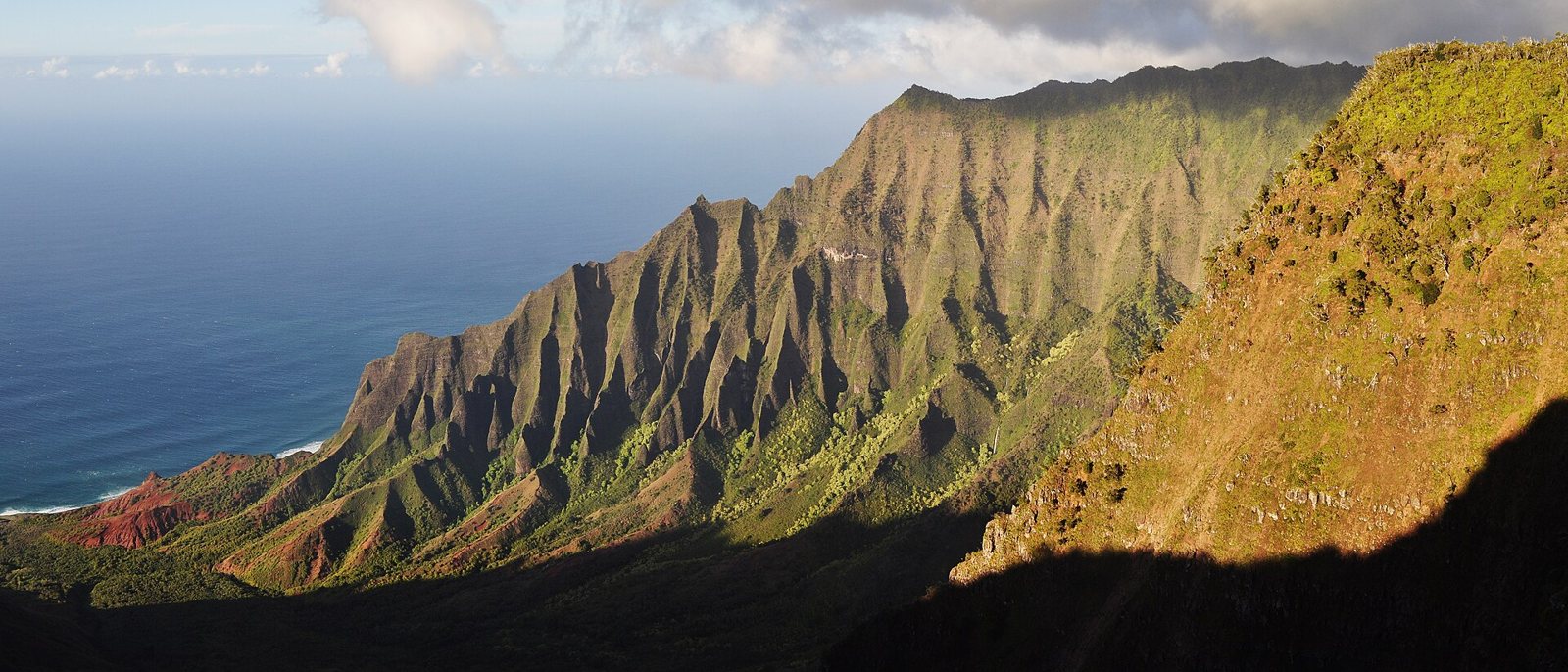
John Guillermin's 1976 remake kept the capture story and moved the island outdoors. The AFI Catalog entry for the 1976 film lists work at Paramount Studios and other Los Angeles facilities, and location filming on Kauaʻi, including the island's northern coast and the Kalalau Valley.
The finale changed buildings. Instead of the Empire State Building, this Kong climbed the World Trade Center, and the sequence was filmed in New York City. The AFI Catalog notes that about 5,000 background actors were sought for it.
2005: Peter Jackson's New Zealand island
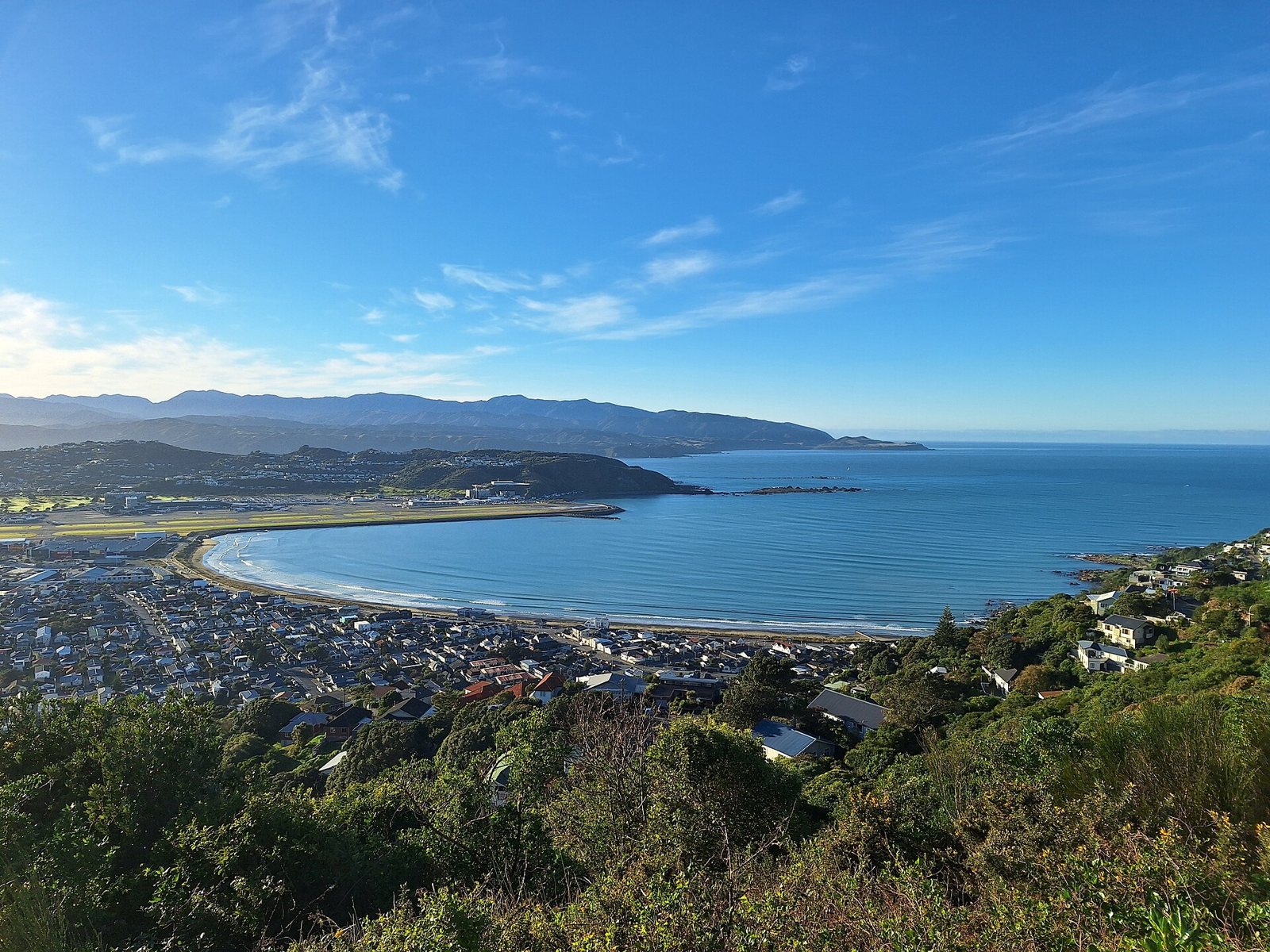
Peter Jackson set his version in the 1930s, like the original, and built it in New Zealand. Tourism New Zealand describes the production centered on Wellington and its surroundings. Lyall Bay stood in for Skull Island, and a large wall set was built near Shelly Bay. Ocean scenes were filmed around Kāpiti Island and in Cook Strait, and much of the rest of the film was shot on studio sets in Wellington.
Jackson's island was a full ecosystem, with ancient ruins, a crumbling wall and a long list of invented species. Its island is crowded with things that want to eat the visitors.
2017: Kong: Skull Island across three countries
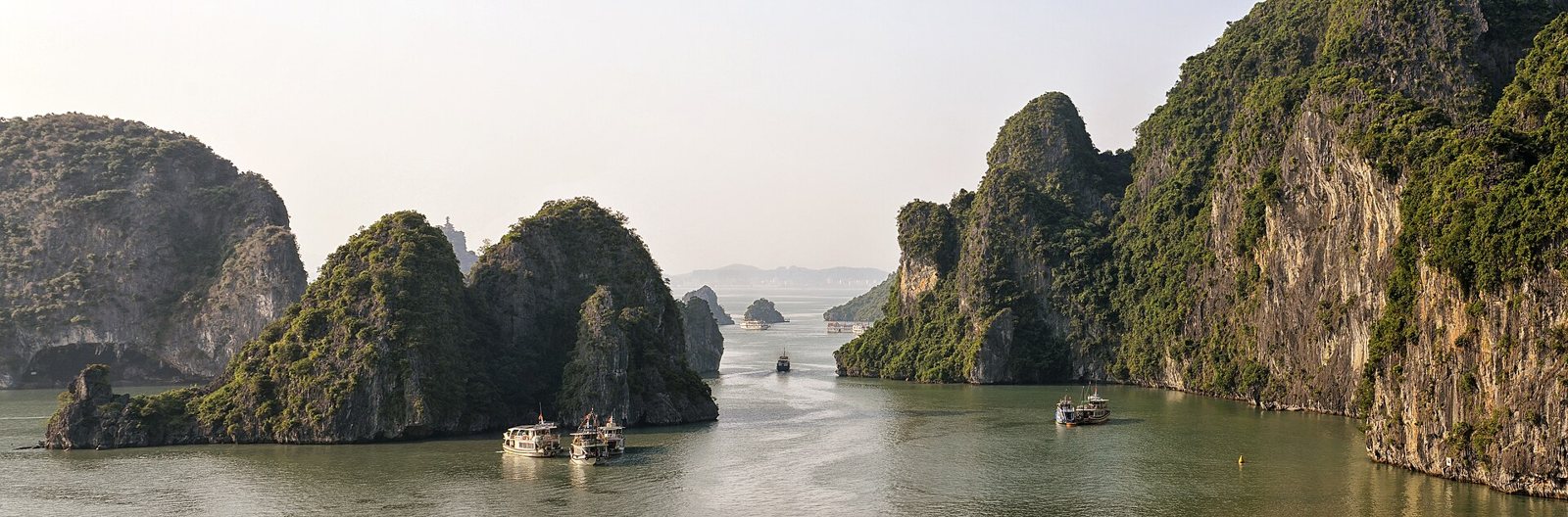
Where was Kong: Skull Island filmed? Across Vietnam, Hawaiʻi and Australia. Directed by Jordan Vogt-Roberts and set in 1973, the film reimagined the island for a new series of monster films, and it drew on three very different coastlines to do it.
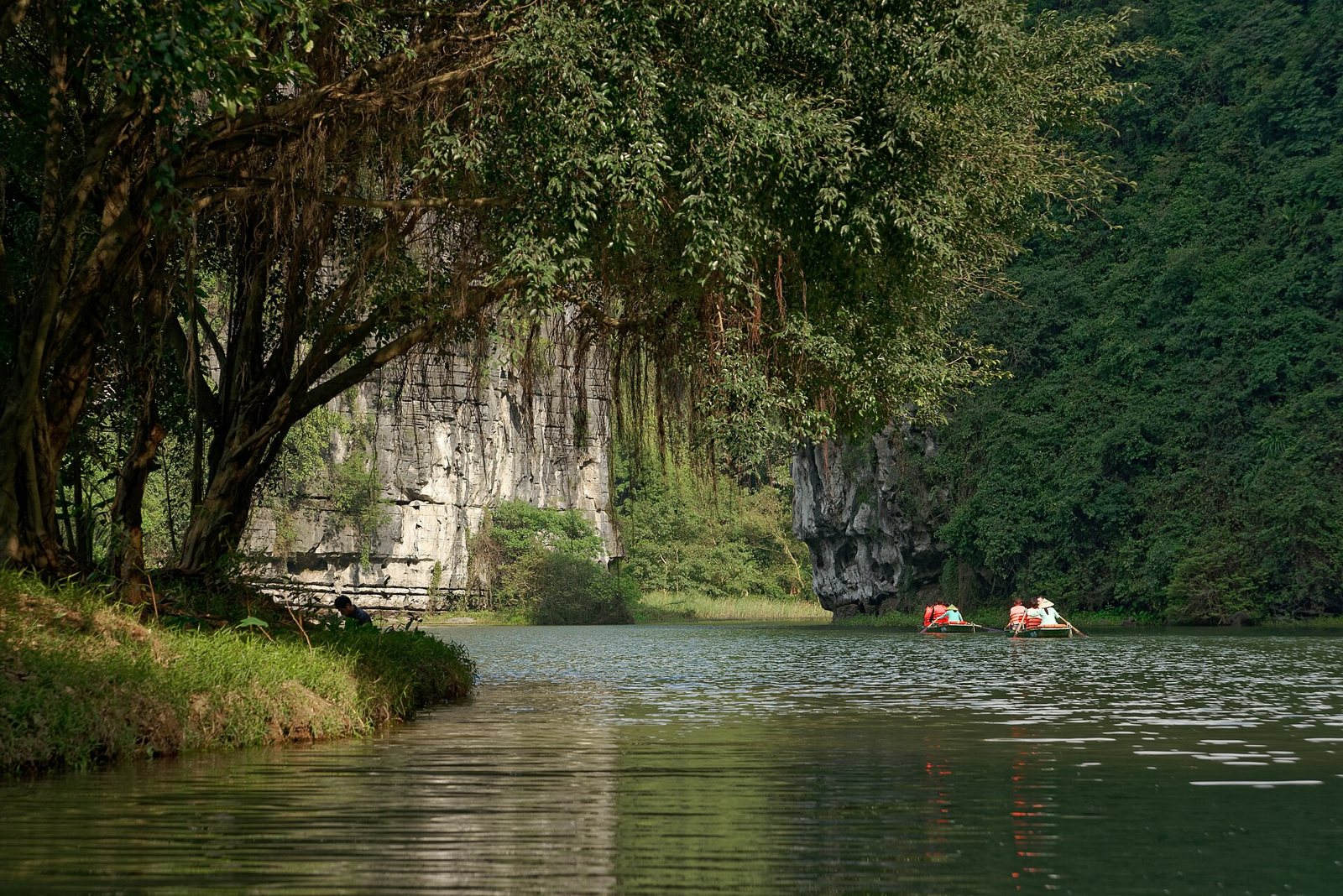
In Vietnam, Vietnam Tourism points to locations in Ninh Bình, Quảng Bình and Hạ Long Bay, whose limestone peaks rising from the water give the film its most recognizable views. A location guide from Atlas of Wonders names Tràng An and Vân Long in the Ninh Bình area among the spots used. Remarks to the 2016 AFCI conference published by the Motion Picture Association list the other two countries: Oʻahu in Hawaiʻi, including Kualoa Ranch and Honolulu, and Queensland's Gold Coast area in Australia.
Tap or hover a row to highlight it.
| Film | Year | Fictional setting | Real filming locations |
|---|---|---|---|
| FilmKing Kong | Year1933 | Fictional settingSkull Island and New York | Real filming locationsRKO and Culver City studio sets, California |
| FilmKing Kong | Year1976 | Fictional settingKong's island and New York | Real filming locationsLos Angeles, Kauaʻi and New York City |
| FilmKing Kong | Year2005 | Fictional settingSkull Island and 1930s New York | Real filming locationsWellington, Lyall Bay, Shelly Bay, Kāpiti Island and Cook Strait |
| FilmKong: Skull Island | Year2017 | Fictional settingSkull Island, 1973 | Real filming locationsVietnam, Oʻahu and Queensland |
Walls, villages and Skullcrawlers
Each version fills the island a little differently. In the 1933 film, as the AFI Catalog synopsis tells it, the island holds Skull Mountain, a huge defensive wall and a village whose inhabitants stage a ceremony involving a human sacrifice. Beyond the wall live Kong and prehistoric animals, dinosaurs among them, and the islanders treat Kong as a creature to be worshipped and feared.
Peter Jackson's 2005 island adds ancient ruins and a deteriorating wall, and its human population lives in an environment more and more overrun by predators. The 2017 film changes the balance. Time's review of Kong: Skull Island describes an island with the Iwi people, giant water buffalo, giant insects and other predators, and Kong as the island's protector against the Skullcrawlers, the film's most dangerous predators. The wall and the ruins there are what is left of an older civilization.
The island keeps going on television. Netflix released the animated series Skull Island in 2023 and describes its island as home to "bizarre creatures and terrifying monsters," Kong included.
Skull Island on screen
Tap or hover a step to follow the order.
1933
Merian C. Cooper and Ernest B. Schoedsack release the original King Kong, filmed on studio sets in California.
1976
John Guillermin's remake films island scenes on Kauaʻi and its finale in New York City.
2005
Peter Jackson films his remake largely in New Zealand.
2017
Jordan Vogt-Roberts releases Kong: Skull Island, filmed in Vietnam, Hawaiʻi and Australia.
2023
Netflix releases the animated Skull Island series.
The 1933 islanders, and how critics read them now
The people of the 1933 island are the part of the film that has aged hardest. Modern critics commonly read their portrayal through colonial, racial and ethnographic stereotypes. The islanders are shown as dark-skinned "primitive" people, with exaggerated costumes, speech and ritual, and their society serves mostly as an obstacle or a spectacle for the white American expedition rather than as a culture of its own.
Two critics are often cited on this. David Edelstein, writing in Slate and quoted by the Spokesman-Review in December 2005, described the film's "implicit racism" and connected Kong's capture in chains with racial imagery. Washington Post critic Stephen Hunter, in the same report, read the story as a parable of exploitation and of Western cultural arrogance and self-importance.
Those readings sit beside the film's place in special-effects history rather than replacing it. King Kong changed what a monster film could look like, and its islanders are part of what a viewer today notices too.
Real places with a skull in the name
If you want a real skull-shaped place, California has one. Joshua Tree National Park's Skull Rock is a granite boulder whose two eye-socket hollows were enlarged by water erosion over a very long time, as the National Park Service explains. How it formed and how to see it are in our story on Skull Rock in Joshua Tree, which also covers the fictional Skull Rock of Peter Pan.
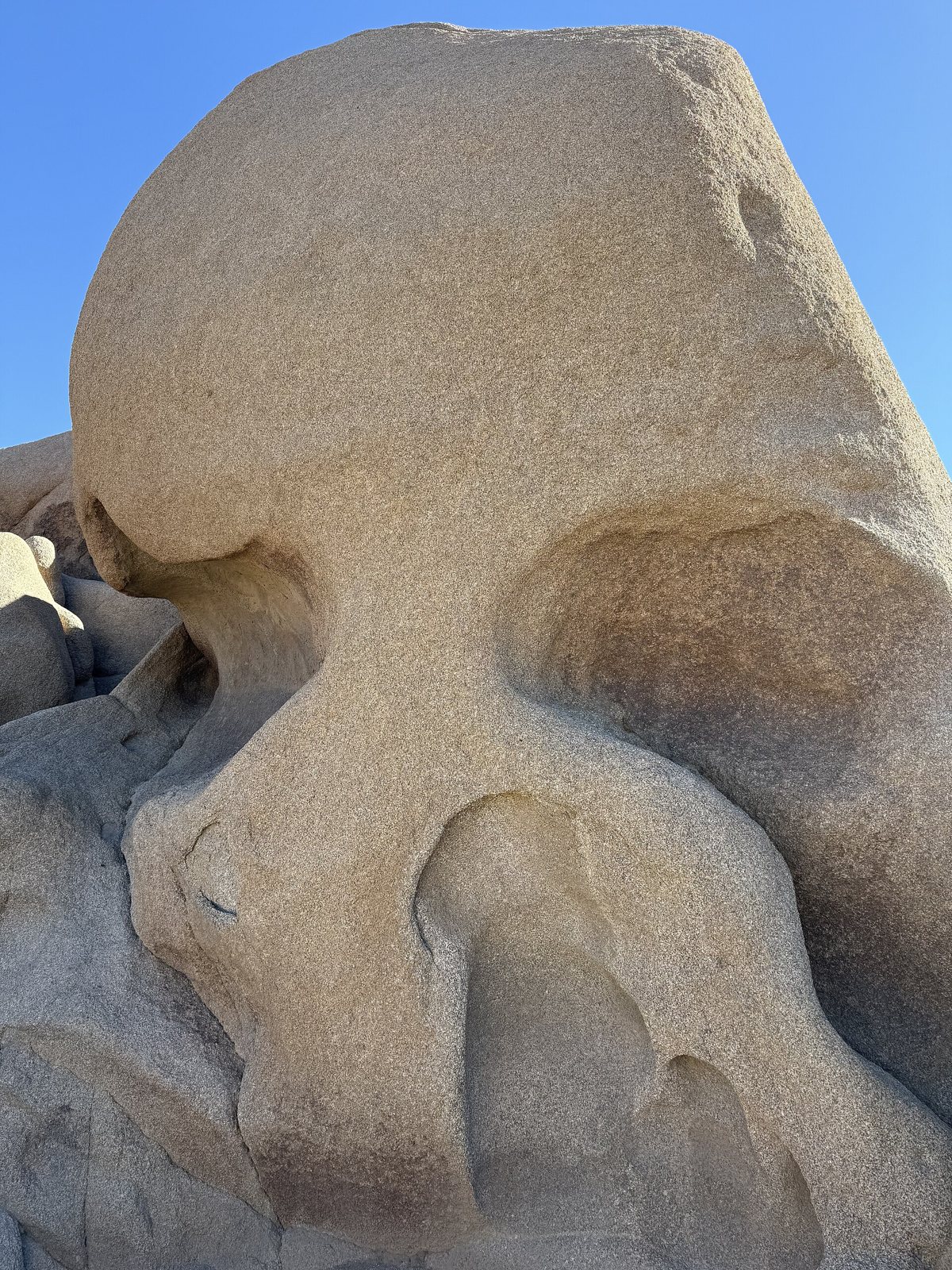
The name Skull Island also belongs to real places, as Bustle has noted. In the Solomon Islands, a small island near Lola Island is known locally as Skull Island. It is a sacred site associated with the remains of chiefs and warriors, cared for by its local custodians, and it deserves the respect owed to any place where ancestors rest. Other places named Skull Island include one in New Brunswick, Canada, Skull Island State Park property in Washington State, and a Skull Island in Australia's Northern Territory. If you plan to go anywhere with that name, confirm the official name and the access rules with the local authority first.
Places named for the dead turn up on other coasts too. Namibia's Skeleton Coast is one, and the reason a skull-shaped mountain reads as a warning at all is covered in skull symbolism.
How well do you know Skull Island?
Answer every question to check.
Skull Island questions
A few more answers for anyone still thinking about that wall.
Where is Skull Island located?
Skull Island has no real location. The films present it as a remote tropical island, and its screen scenery comes from California studio sets, Kauaʻi, Oʻahu, the Wellington coast, Vietnam and Queensland.
What creatures live on Skull Island?
It depends on the version. The 1933 and 2005 islands are full of dinosaurs and other prehistoric animals, while the 2017 island has giant water buffalo, giant insects and the Skullcrawlers, with Kong as the island's protector against them.
Is Kong: Skull Island connected to the earlier King Kong films?
Kong: Skull Island is a new take on the island rather than a sequel. It moves the story to 1973 and makes the island part of a shared series of monster films, the MonsterVerse, with Kong as the island's protector against the Skullcrawlers.
An island that only exists on screen
Skull Island has been built four times on film, out of Culver City sets, Hawaiian cliffs, a Wellington beach and Vietnamese limestone, and it is no less vivid for being imaginary. For a skull-shaped place you can actually stand in front of, start with Skull Rock in Joshua Tree, then follow the Skeleton Coast and the meaning of the shape itself in skull symbolism. More stories about skulls in film, art and history are waiting at We Dig Skulls.
Terms in this story
Tap a term to see what it means.
Stop-motion. A way of animating a model by moving it a little and filming one frame at a time, so it seems to move on its own. Willis O'Brien used it to bring Kong to life in 1933.
---