

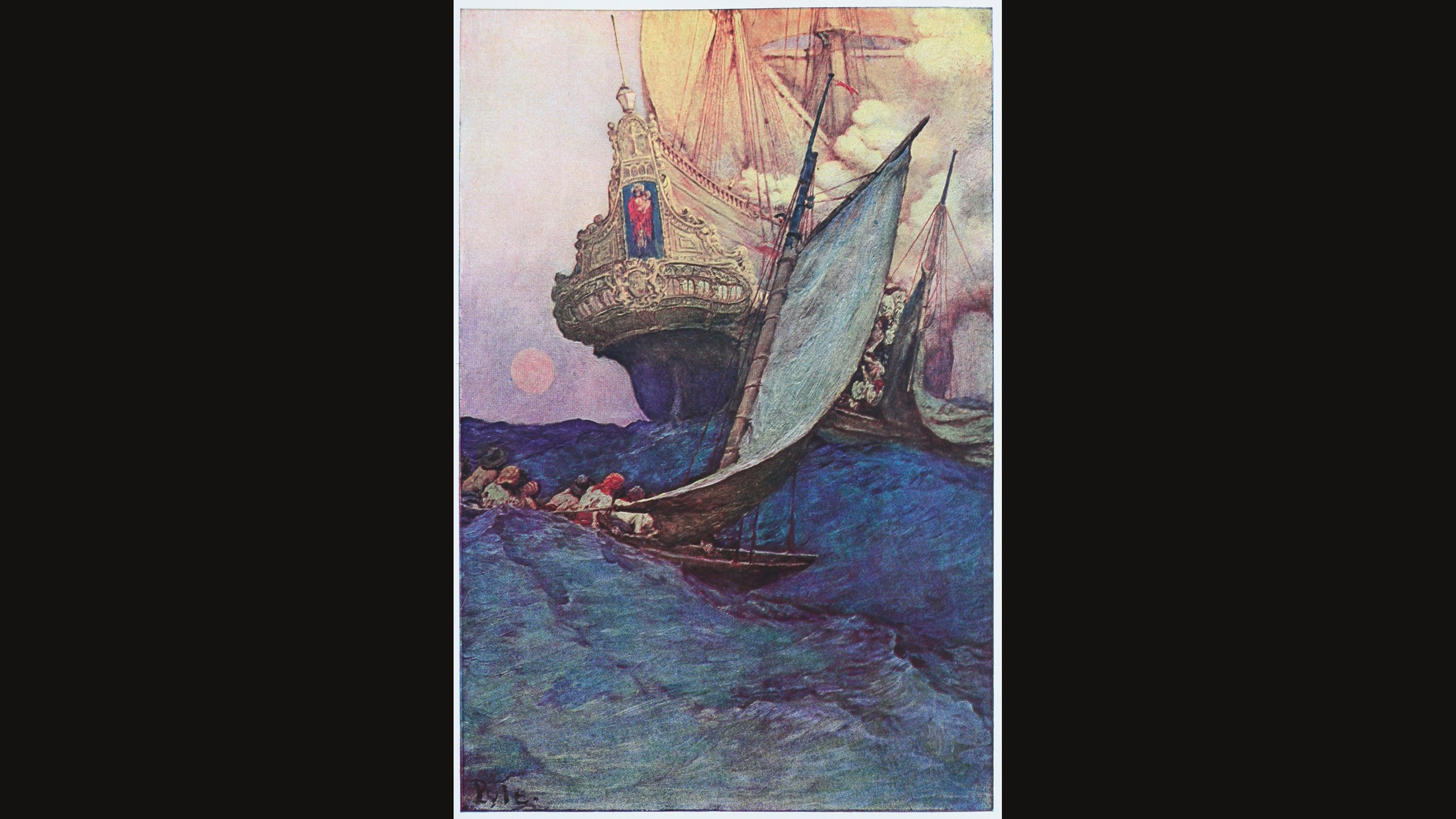
No. 123
Pirates of the Caribbean Skeleton Crew: The Black Pearl's Curse and How the Skeletons Were Made
The skeleton pirates of *Pirates of the Caribbean: The Curse of the Black Pearl* (2003) are under a curse in the film's story. Captain Barbossa and his crew stole 882 pieces of Aztec gold from a stone chest on Isla de Muerta, and the curse that came with the coins made them immortal but unable to satisfy hunger, thirst or any other physical desire. In ordinary light they look like men. In moonlight they show what they really are: skeletons, neither living nor fully dead (Disney Movies; film script). On screen, those skeletons were computer-generated by Industrial Light & Magic and laid over the actors' own performances.
Here is how the curse works, how ILM built a crew of walking bones, and how it all connects to a Disneyland ride and to real pirate flags.
The curse, as the film tells it
The story is simple, which is part of why it sticks. The gold was cursed, the crew spent it, and the bill came due. Immortality sounds like a fine deal for a pirate until you learn the terms: no meal satisfies hunger, no drink satisfies thirst, and no other physical desire is ever met. The crew cannot die, and they cannot enjoy being alive either.
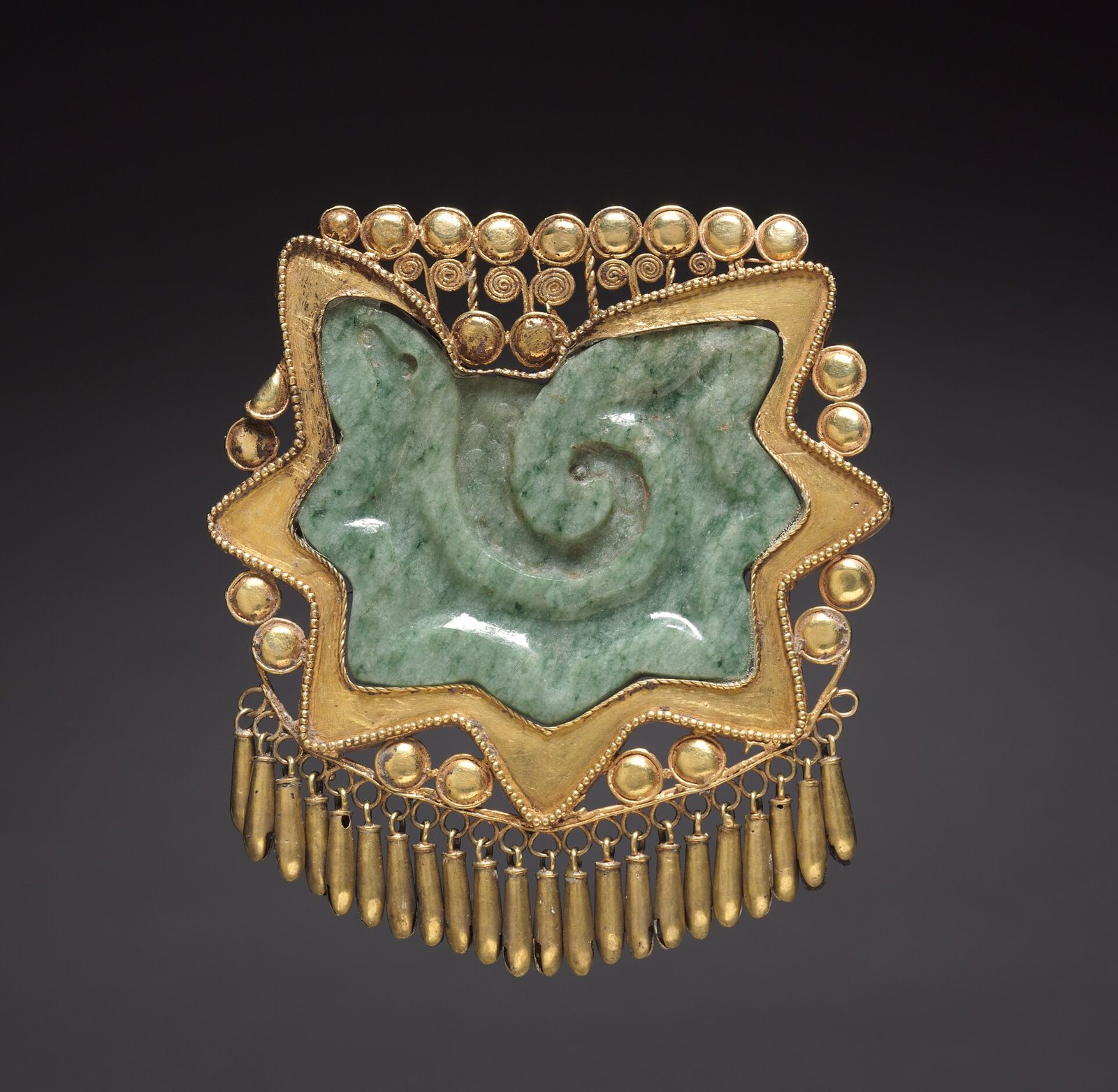
The moonlight is the tell. Out of it, Barbossa's men pass for an ordinary, if rough, ship's company. Step into it and the flesh drops away from view, leaving bone and rags. The film ties the change to moonlight itself, so the skeleton shows wherever that light falls; when the moon is hidden, they look like men again. The film treats this as a supernatural condition rather than rot or decay: the bones are what the curse has made of them, and the moonlight simply reveals it (film script).
There is a way out, and it is expensive. The curse lifts only when every one of the 882 stolen pieces is returned to the chest and blood from each thief is repaid. That is the engine of the whole film, which Disney released on July 9, 2003 (Disney Movies). The cursed "Aztec gold" and its rules belong to the film's story.
How ILM built a crew of skeletons
The skeletons were computer-generated, and the trick was making them move like the actors. Industrial Light & Magic's visual-effects supervisor John Knoll and animation supervisor Hal Hickel led the work (Industrial Light & Magic).
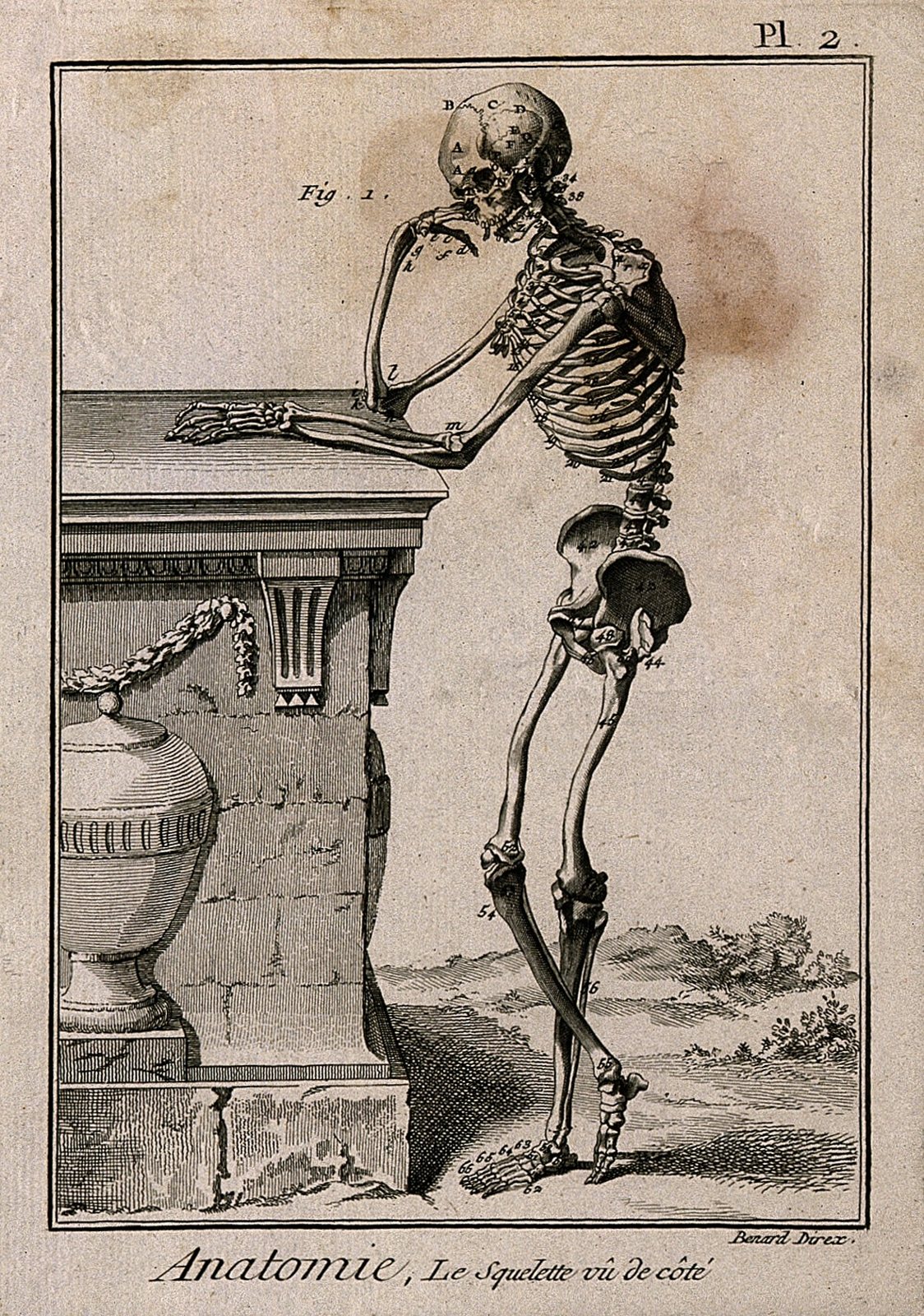
Fight scenes were shot in several passes. First, the actors fought stunt performers so everyone could see and record the choreography. Then the actors performed the same moves against empty space, and ILM inserted the digital pirates into those clean shots. Every sword swing that lands on a skeleton was, at one point, a swing at thin air (Industrial Light & Magic).
Each skeleton also had to be recognizable as a particular pirate. ILM photographed and scanned the actors, built detailed skeletal models and adjusted them to match each performer's posture, gestures, clothing and facial identity. Hal Hickel told the Deseret News in July 2003 that the skeleton model was fitted to each actor's proportions and movement (Deseret News). The team also used motion capture references, digital costume simulation so the rags hung and swung properly, and match-moving, which locks a digital object to the movement of the real camera.
The scale was big. ILM worked in Maya software, had roughly 200 people on the project and produced more than 300 effects shots, according to Hickel's 2003 interview with Animation World Network (Animation World Network).
Tap or hover a row to highlight it.
| Detail | Figure |
|---|---|
| DetailAztec gold pieces stolen, in the film | Figure882 |
| DetailILM visual-effects supervisor | FigureJohn Knoll |
| DetailILM animation supervisor | FigureHal Hickel |
| DetailPeople on the ILM project | FigureRoughly 200 |
| DetailEffects shots | FigureMore than 300 |
| DetailSoftware | FigureMaya |
| DetailFilm release | FigureJuly 9, 2003 |
Moonlight in, flesh out: the switch on screen
The moment a pirate walks from shadow into moonlight is the effect people remember most. For those changes, ILM painted the live actor out of selected areas of the frame and placed the digital skeleton over the same movement, so the body seems to turn to bone exactly where the light touches it (Industrial Light & Magic).
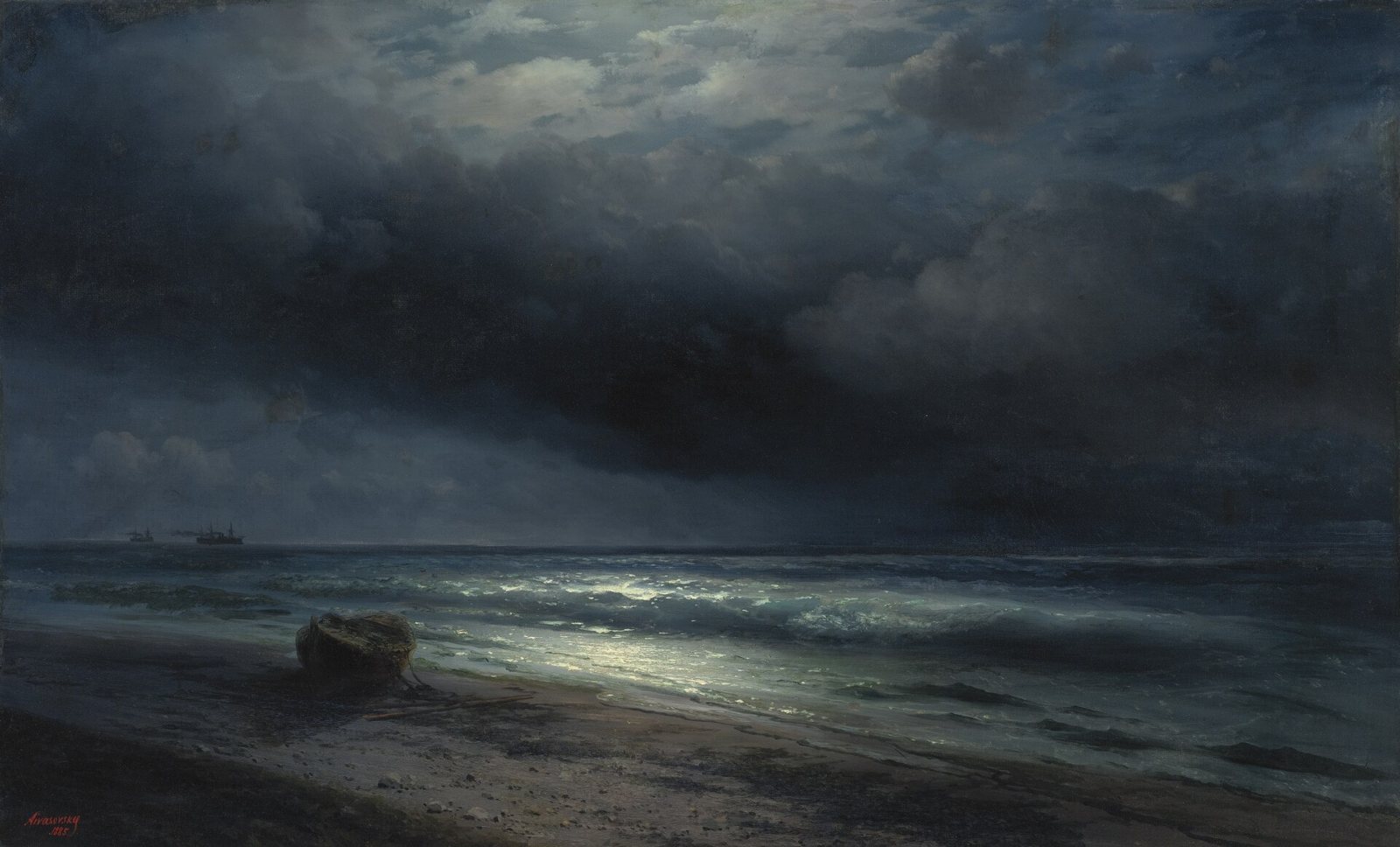
One small detail rewards a second viewing. When Geoffrey Rush changes into the digital Barbossa, ILM kept his real eyes for a moment during the switch, so the man is still looking out of the skull as it appears (Industrial Light & Magic).
There was a storytelling reason behind all this care. The live actors stay recognizable as men, while their digital skeletons keep their gestures, costumes and individual habits, so you always know which pirate is which, flesh or bone (Animation World Network). If you enjoy watching sword fights with skeletons, they have a long screen history; Ray Harryhausen's stop-motion battle in Jason and the Argonauts is the classic ancestor.
The Disneyland ride behind the film
The film grew out of a theme park ride. Disneyland's Pirates of the Caribbean opened in California in March 1967. It was the last attraction Walt Disney worked on before his death in December 1966, and it used audio-animatronics, moving mechanical figures, to stage pirate scenes, skeletons included (Smithsonian Magazine). The 2003 film took the ride's pirate setting and visual motifs and built a separate supernatural story on top of them.
Did the ride use real skeletons?
Yes, at first, according to Disneyland historian Sam Gennawey. He told Smithsonian that many of the skulls and bones on display when the ride opened came from medical institutions, because realistic artificial skeletons were not widely available at the time. Most were later replaced with replicas (Smithsonian Magazine).
There is also a story that one real skull remains in the attraction. Smithsonian reported it, and called the claim unofficial and unconfirmed, so it is best treated as a story rather than a fact. These were the remains of real people, and they deserve to be remembered that way.
The film's skeleton crew, by contrast, was digital: ILM built it over live performances by the actors and stunt performers.
Real pirate flags and the Black Pearl's skull
The Black Pearl flies a stylized skull above crossed swords. It looks the part, and it has real roots. During the Atlantic and Caribbean piracy of the late seventeenth and early eighteenth centuries, pirate flags varied from captain to captain and crew to crew (World History Encyclopedia).
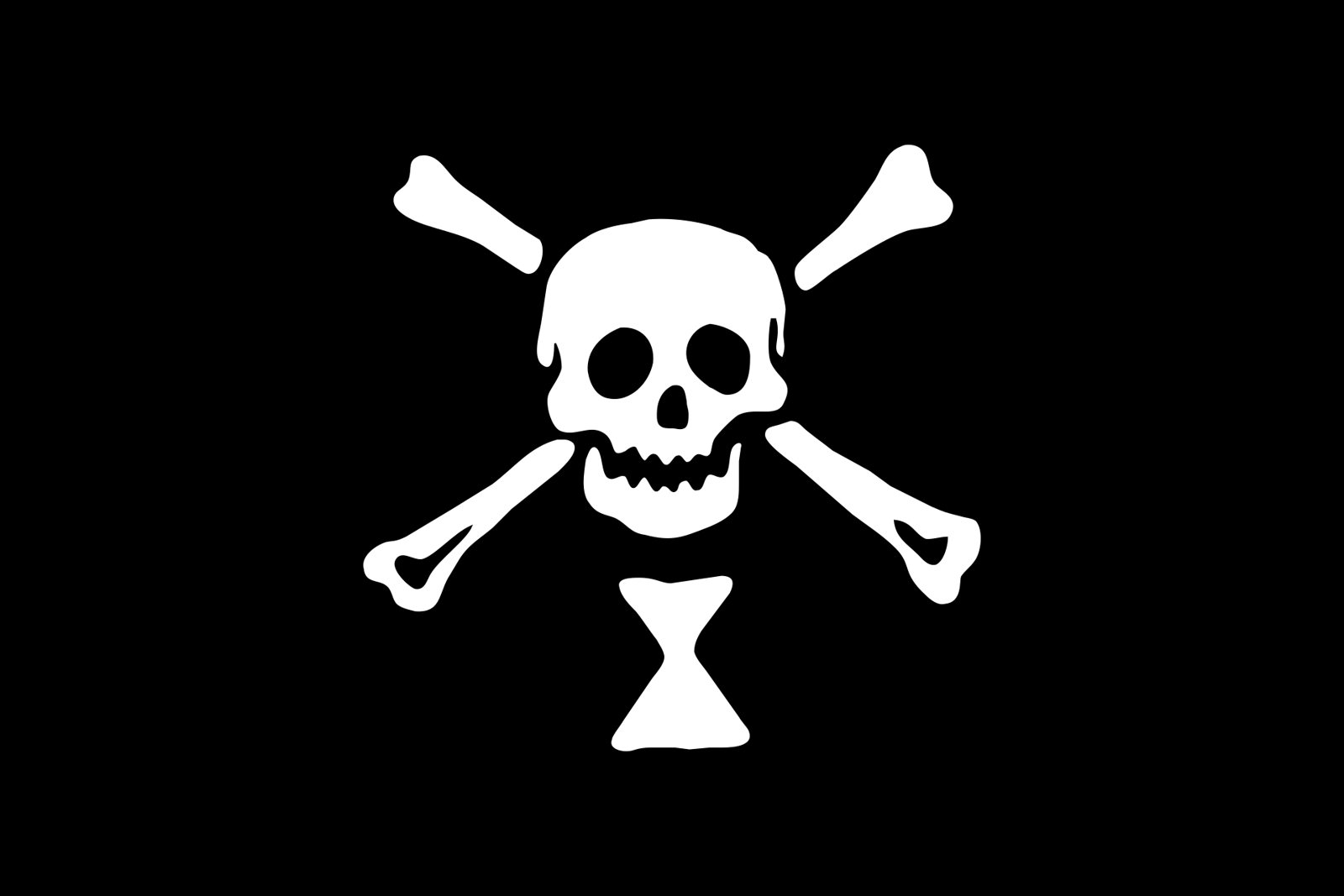
World History Encyclopedia identifies Emmanuel Wynne's flag, documented in 1700 near Santiago, as the earliest recorded black Jolly Roger. It showed a skull, crossed bones and an hourglass, and Guinness World Records also lists it as the first Jolly Roger pirate flag (Guinness World Records). Other pirates mixed skulls, whole skeletons, hearts, weapons and hourglasses in their own combinations. A black flag generally warned a target to surrender, while a red flag could signal that no quarter would be given.
So, the skull-and-crossbones has a real history, and the Black Pearl's crossed-swords version belongs to popular culture. Our stories on the Jolly Roger pirate flag and the skull and crossbones follow that history further, and the hourglass on Wynne's flag links it to the old memento mori idea of time running out.
Do the sequels bring back the skeleton crew?
No later film repeats the first film's Aztec gold curse and moonlit skeleton crew as its central threat. The sequels keep the undead, ghostly and skeletal sea imagery and change the curse each time (Disney Movies, Dead Man's Chest).
*Dead Man's Chest* (July 7, 2006) shifts to Davy Jones, the Flying Dutchman and a supernatural crew with marine-animal bodies. *At World's End* (May 25, 2007) continues the Flying Dutchman and Davy Jones story and brings Barbossa back as a living pirate (Disney Movies, At World's End). *On Stranger Tides* (2011) turns to Blackbeard, mermaids and the Fountain of Youth. *Dead Men Tell No Tales* (May 26, 2017) brings ghost sailors led by Captain Salazar (Disney Movies, Dead Men Tell No Tales). The moonlit skeletons stayed with the first film, which may be why they are the ones people remember.
Skull flags to skeleton pirates
Tap or hover a step to follow the order.
1700
Emmanuel Wynne's skull, crossed bones and hourglass flag is recorded near Santiago.
March 1967
Disneyland's Pirates of the Caribbean opens in California.
July 9, 2003
The Curse of the Black Pearl is released, with ILM's digital skeleton crew.
July 7, 2006
Dead Man's Chest shifts the supernatural threat to Davy Jones and the Flying Dutchman.
May 25, 2007
At World's End continues the Davy Jones and Barbossa story.
May 26, 2017
Dead Men Tell No Tales brings Captain Salazar and his ghost sailors.
Test your skeleton crew knowledge
Answer every question to check.
Skeleton crew questions, answered
Short answers to the questions that come up most about the cursed crew.
What is the skeleton curse in Pirates of the Caribbean?
The skeleton curse is the supernatural punishment that falls on Barbossa's crew after they steal 882 pieces of Aztec gold from Isla de Muerta. It makes them immortal and unable to satisfy hunger or thirst, and it shows them as skeletons in moonlight. It ends only when every coin is returned and blood from each thief is repaid.
Why are the pirates skeletons?
The pirates are skeletons because the curse has left them undead, and moonlight reveals their true form. Out of the moonlight they look like ordinary men, which is how they hide in plain sight.
How were the Pirates of the Caribbean skeletons made?
The skeletons were computer-generated by Industrial Light & Magic, led by John Knoll and Hal Hickel. Actors performed each fight twice, once with stunt performers and once against empty space, and ILM fitted scanned skeletal models to every actor's posture and movement.
Were the Disneyland ride skeletons real, and does the ride still use them?
Many of the ride's skulls and bones were real when it opened in 1967, obtained from medical institutions, according to Disneyland historian Sam Gennawey in Smithsonian. Most were later replaced with replicas; a report that one real skull remains is unofficial and unconfirmed. The 2003 film's skeletons were all digital.
Where to head next
The cursed crew of the Black Pearl joins old pirate imagery to new effects work: a skull flag with roots in 1700, a ride that once displayed real bones, and a team of roughly 200 people at ILM turning actors into skeletons one moonbeam at a time. If the flag is what caught your eye, start with the Jolly Roger. If you want another pirate skull with a life of its own on screen, our story on the One Piece Jolly Roger flag picks up the thread.
Terms in this story
Tap a term to see what it means.
Isla de Muerta. The island in the film where the stone chest of Aztec gold sits.