

No. 030
The Skeleton Dance (1929): The History of Disney's First Silly Symphony
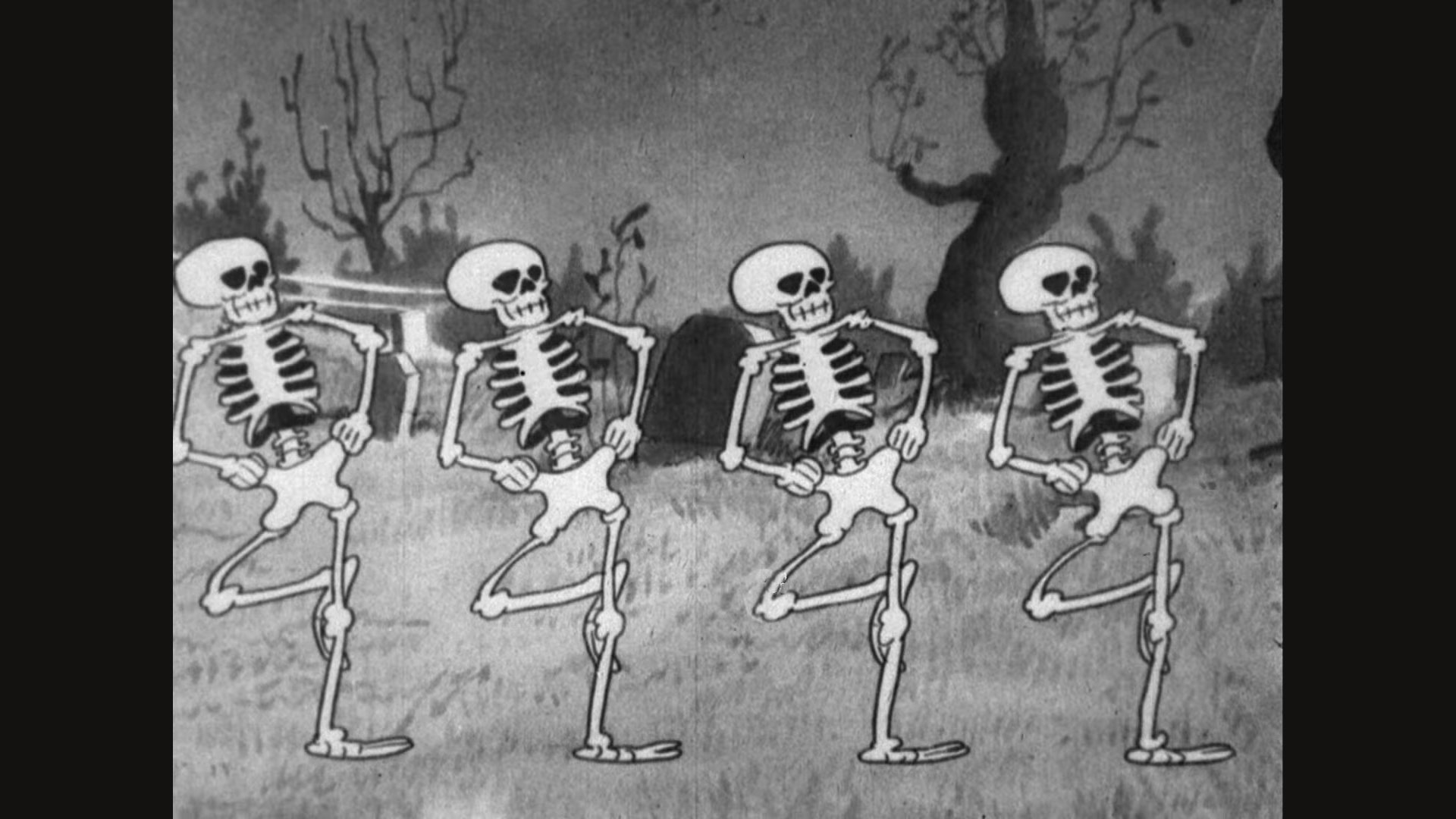
The cartoon with the dancing skeletons is *The Skeleton Dance*, an animated short from 1929. Walt Disney produced and directed it, Ub Iwerks animated it and Carl W. Stalling wrote the music, according to the AFI Catalog. It was the very first *Silly Symphony*, the series of musical cartoons that Disney built alongside Mickey Mouse. It matters because a short that theater owners first shrugged at went on to break attendance records and launch a series of 75 films. And if you are wondering whether you can share it: in the United States, the original 1929 film has been in the public domain since January 1, 2025, though later restorations and added material can carry rights of their own.
Who made The Skeleton Dance, and when
The idea came from the music side of the studio. Carl Stalling, the composer, suggested a musical novelty about skeletons dancing, and Walt Disney took it on as producer and director. Ub Iwerks did the animation, and Stalling composed the score. The AFI Catalog credits all three, and those three names are the short answer to "who made it."
The production moved quickly. AFI records that principal photography was completed in January 1929, and that the sound recording was completed in New York City in February 1929. Music was the whole point of this one.
The release date depends on whom you ask, because the film reached screens in stages. AFI lists the official release as August 29, 1929, while D23 lists August 22, 1929. Release records also show several earlier limited engagements. The best known began on July 14, 1929, at the Roxy Theatre in New York City.
In Spanish, the short is known by titles including *El baile de los esqueletos* and *La danza del esqueleto*, so if you heard about it from a Spanish-speaking friend, it is the same film.
The Skeleton Dance, 1929 to 2025
Tap or hover a step to follow the order.
January 1929
Principal photography is reported complete
February 1929
The sound recording is completed in New York City
July 14, 1929
An engagement begins at the Roxy Theatre in New York City and earns a second week
August 22, 1929
The release date listed by D23
August 29, 1929
The official release date listed by AFI
March 1930
Trade coverage reports attendance records in New York City, Boston and Montreal
January 1, 2025
The original 1929 film enters the public domain in the United States
The music behind the bones
Since the cartoon began as a musical idea, the score is worth a closer listen. Carl W. Stalling wrote an original score for it. Historian Ross Care, writing for The Walt Disney Family Museum, identifies an adapted passage from Edvard Grieg's *March of the Dwarfs* woven in among Stalling's own themes. If you have heard the Grieg piece before and felt a tug of recognition while the skeletons danced, that is why.
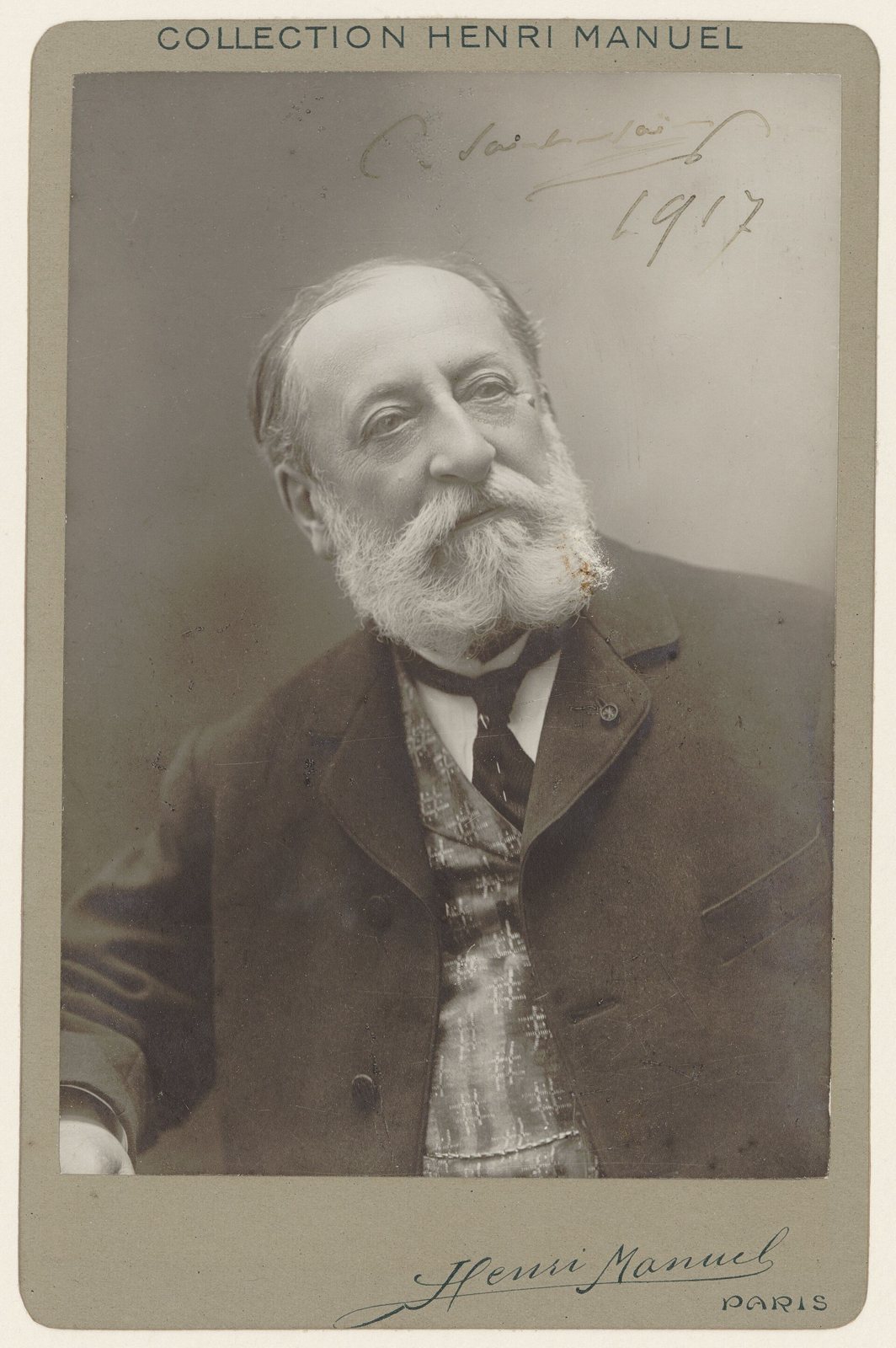
There is a second composer in the story, though his music never made it into the film. AFI names Camille Saint-Saëns's tone poem *Danse Macabre*, written in 1874, as an inspiration for the cartoon. A tone poem is an orchestral piece that tells a story or paints a scene. The finished cartoon does not use his music, but the idea of skeletons dancing to a tune runs straight from it.
So, the answer to "what music is in The Skeleton Dance?" has two parts: Stalling's original score with a passage from Grieg's *March of the Dwarfs*, and an inspiration from Saint-Saëns that you will not actually hear.
An old Dance of Death in a new medium
Dancing skeletons were not a 1929 invention. They come from a much older European image called the *danse macabre*, or Dance of Death, an image of the dead dancing that carried a message about how short life is. The Los Angeles County Museum of Art describes the tradition as an allegory of life's impermanence and notes that it was popularized in European woodcut illustrations as early as the fourteenth century.
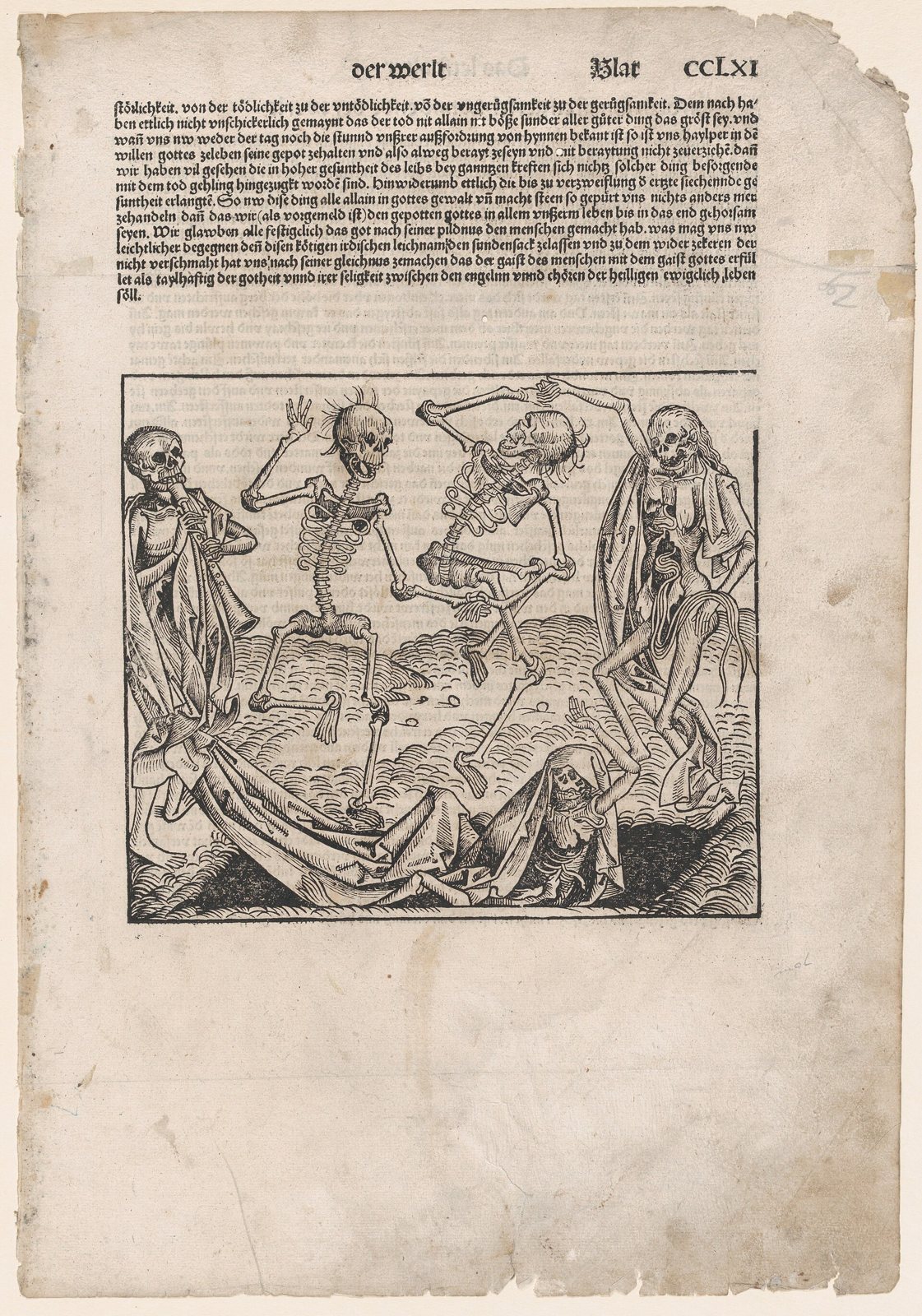
That gives *The Skeleton Dance* a long family tree. The woodcuts made the point with ink on paper; Saint-Saëns made it with an orchestra in 1874; Disney's team made it with drawings and a synchronized soundtrack in 1929. Each version took the same old idea, that everyone ends up as bones and the dance carries on regardless, and gave it the tools of its own time. Our story on the danse macabre follows that tradition from its beginnings.
A hard sell that became a hit
It is easy to assume a Disney cartoon was a sure thing, but this one was not. AFI reports that exhibitors initially showed little interest in a cartoon centered on "gruesome" dancing skeletons instead of Mickey Mouse. A short with no star, only skeletons, was a gamble.
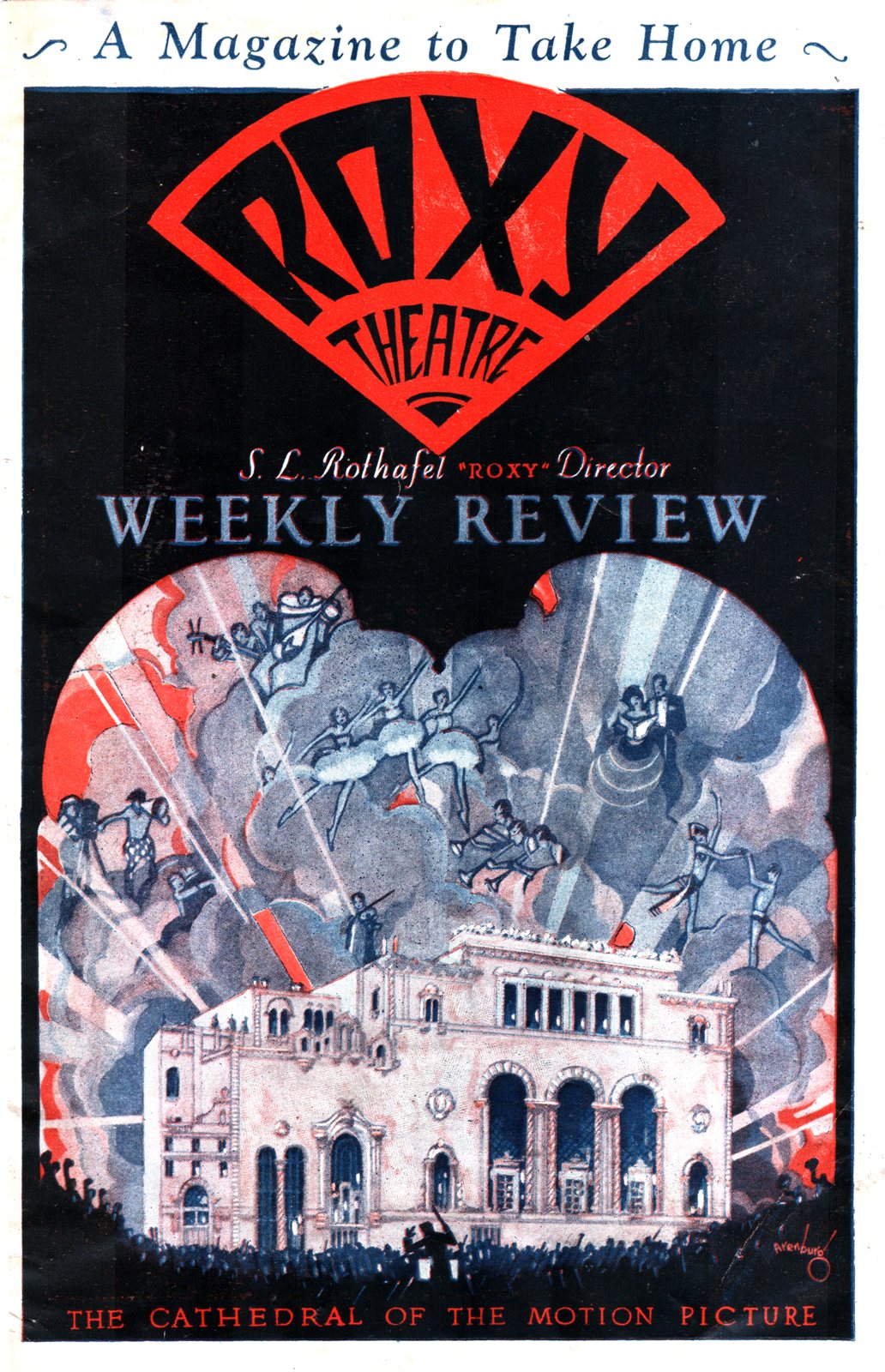
The Roxy Theatre in New York City changed the film's luck. After its engagement there beginning July 14, 1929, the film was held over for a second week, a clear sign that audiences liked it. By March 1930, trade coverage reported attendance records in New York City, Boston and Montreal, according to AFI. The skeletons that nobody wanted to book had become a draw.
The first of the Silly Symphonies
*The Skeleton Dance* did more than succeed on its own. It became the first entry in Disney's *Silly Symphonies*, a series of 75 cartoons, according to D23. Each one was built around a musical theme with a changing cast, rather than following one continuing character the way the Mickey Mouse cartoons did.
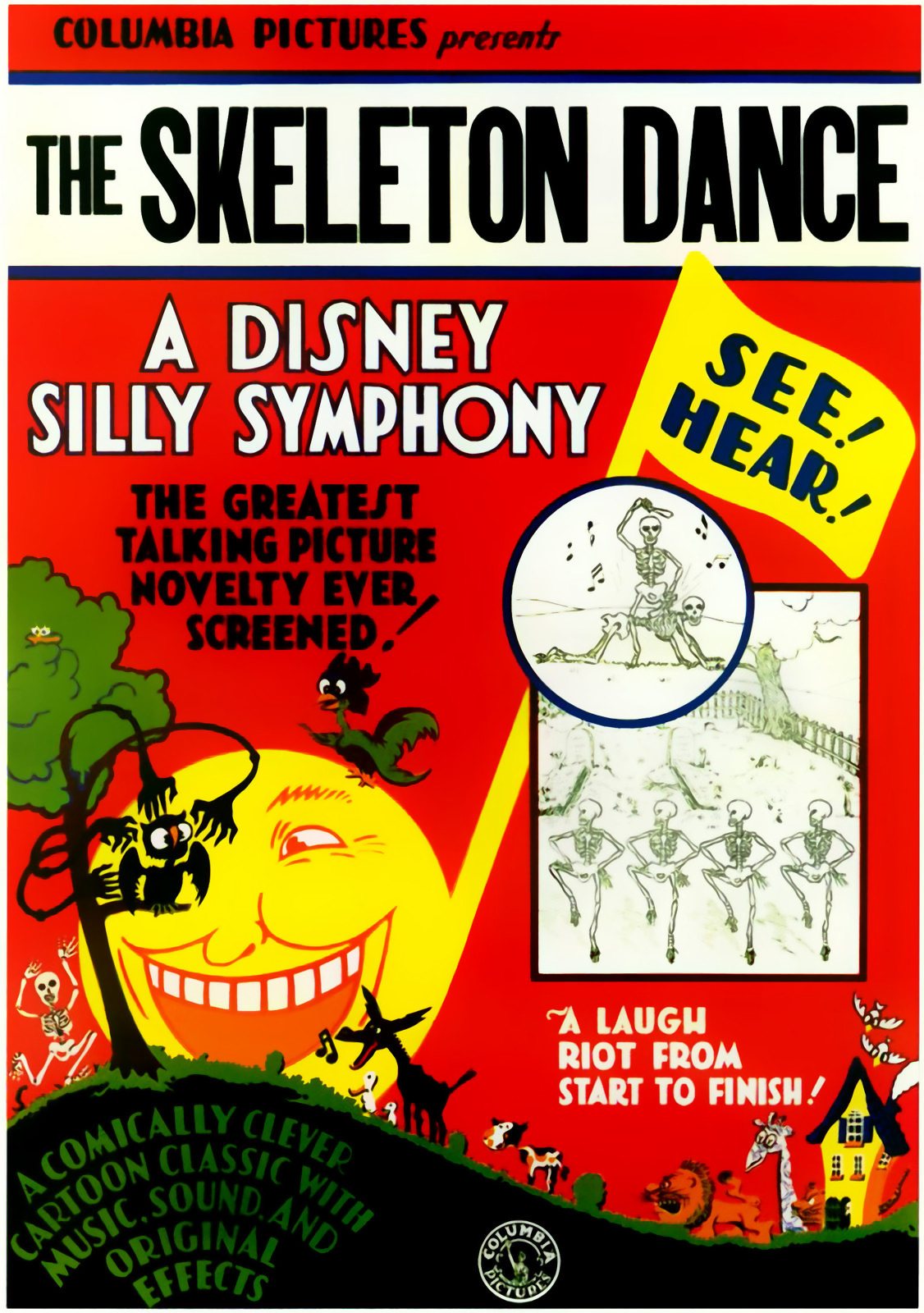
That format left room to try things. D23 says the series became a training ground for Disney animators and fed into the studio's later feature-film work. Looking back, a lot of what the studio learned started with a handful of skeletons dancing to Stalling's score.
For a skeleton-loving reader, that is the real reason the film matters. It is a link between the medieval Dance of Death and modern animation, and it is the cartoon that opened a whole series. If you enjoy skeletons in pop culture, our story on skeletons and Halloween covers how the image settled into the season, and calacas shows a very different tradition of lively skeletons from Mexico.
How well do you know The Skeleton Dance?
Answer every question to check.
Is The Skeleton Dance in the public domain?
In the United States, yes: the original 1929 film entered the public domain on January 1, 2025. The U.S. Copyright Office states that works published in the United States before January 1, 1931, are currently in the public domain. Its duration guide, Circular 15A, explains that works from before 1978 could receive a maximum term of 95 years, which places a film published in 1929 outside copyright after the end of 2024.
The film's paperwork has its own small history. AFI records an original copyright claim by Columbia Pictures dated January 28, 1930, under registration MP1150. If you need the full registration and renewal history for a project, confirm it through the U.S. Copyright Office's Copyright Public Records System before relying on it.
Public-domain status covers the original 1929 work, and it stops there. It does not automatically clear later restorations, newly added music, subtitles, logos or any other material added afterward, and Disney's names and logos remain trademarks of their own. If you want to use the film, the safest starting point is the clearly marked public-domain files on Wikimedia Commons), which include a frame from the film, the 1929 poster and video files of the short. Check any separate rights on restorations, branding and sound recordings before commercial use. This is general information, not legal advice.
The Commons files are worth knowing by name. SkeletonDance.jpg is a frame taken from the film and dated 1929. The Skeleton Dance poster is the 1929 poster, with its author listed as unknown. There is a standard video file.webm) of the short and a UHD version.webm), both marked public domain in the United States. A title-card image is marked public domain too, but its page carries a trademark caution about the logo, which is exactly the line between the old film and the brand that still owns its name. Animated GIFs of the dance circulate widely, and some come from third-party sites with no clear rights trail, so stick to the clearly marked stills and video files.
Questions people ask about The Skeleton Dance
These are the questions that come up most often about the film.
What is the history of The Skeleton Dance?
*The Skeleton Dance* is a 1929 Disney cartoon that grew from Carl Stalling's idea for a musical novelty about dancing skeletons. Theater owners hesitated at first, but a held-over run at the Roxy in New York City and later attendance records turned it into a success, and it became the first *Silly Symphony*.
Is The Skeleton Dance in the public domain?
Yes, in the United States, as of January 1, 2025, because the U.S. Copyright Office treats works published before 1931 as public domain. Later restorations, added music and logos can still carry separate rights.
Who animated The Skeleton Dance?
Ub Iwerks animated the film. Walt Disney produced and directed it, and Carl W. Stalling composed the score.
Was The Skeleton Dance based on Danse Macabre?
It was inspired by it. AFI names Saint-Saëns's 1874 *Danse Macabre* as an inspiration, and the imagery belongs to the older European Dance of Death tradition, but Saint-Saëns's music is not used in the finished cartoon.
When was Disney's Skeleton Dance released?
AFI lists the official release as August 29, 1929, and D23 lists August 22, 1929. Earlier limited engagements came first, including a run at the Roxy Theatre in New York City from July 14, 1929.
Where to go next
*The Skeleton Dance* is one stop on a very long road of dancing dead. To go back to where the idea began, read our story on the danse macabre. For skeletons at the heart of a living celebration, see calacas, and for how skeletons became part of October, read skeletons and Halloween.
Terms in this story
Tap a term to see what it means.
Silly Symphonies. Disney's series of 75 musical cartoons, each built around a musical theme with a changing cast. The Skeleton Dance was the first.