

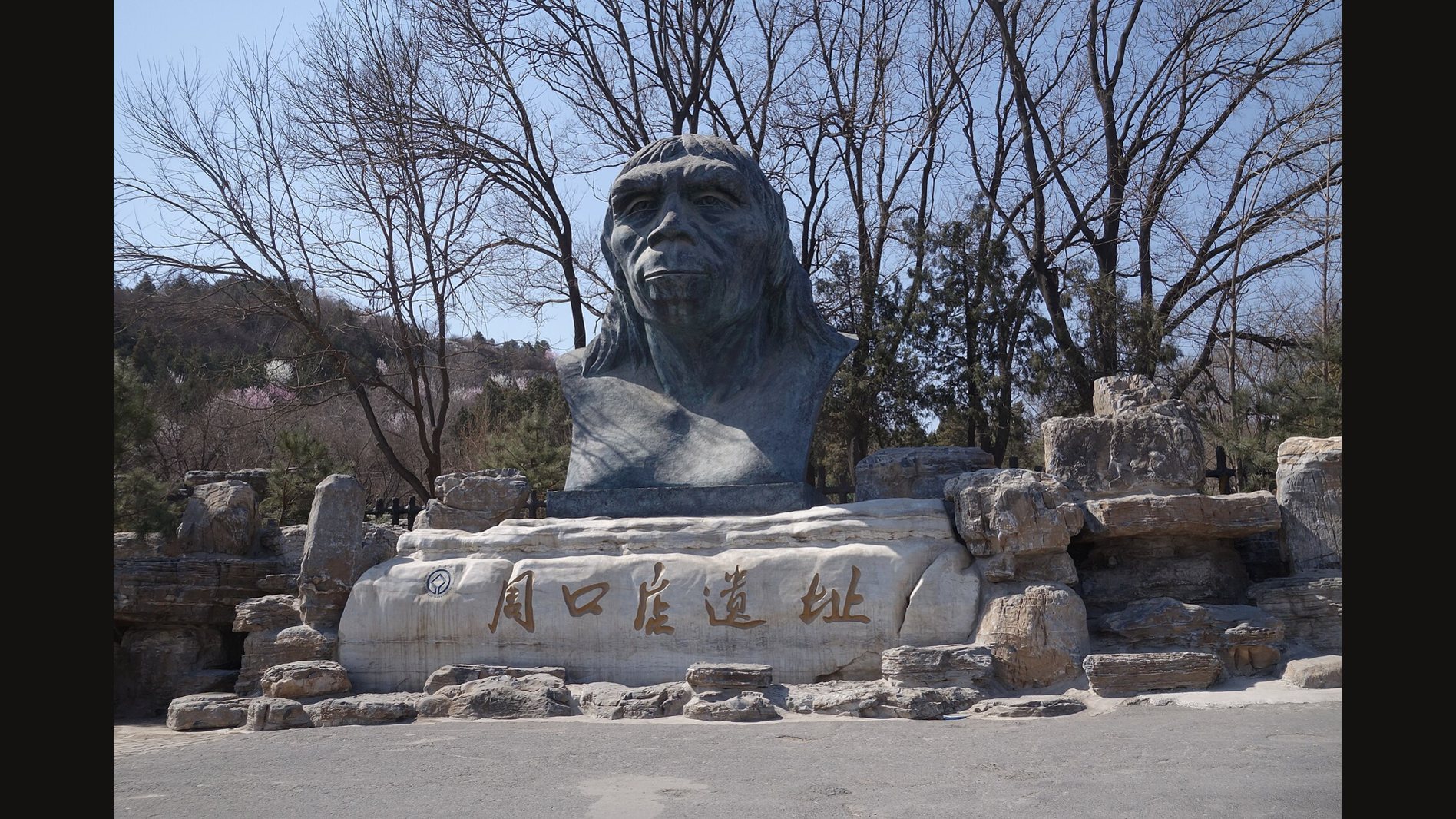
No. 097
Peking Man: The Fossils That Vanished in 1941
Peking Man is the name given to *Homo erectus* fossils from more than 40 individuals, excavated at Zhoukoudian near Beijing between 1927 and 1937. In December 1941, during the war, the original fossils disappeared while they were being prepared for evacuation from Peking Union Medical College for safekeeping. They have never been recovered, and what happened to them is still unsolved. The good news for science is that detailed plaster casts made under the anatomist Franz Weidenreich survive, along with his drawings and descriptions, and they preserve much of what the bones showed. Here is what Peking Man was, how old the fossils are, and what is actually known about their loss.
What Peking Man was
The Zhoukoudian fossils were first named *Sinanthropus pekinensis*, and you will also see the name *Homo erectus pekinensis* in older books and museum labels. Today they are generally classified within the early human species *Homo erectus*, according to the Smithsonian Human Origins Program. The name Peking Man covers the whole collection from the site, many individuals rather than one person.
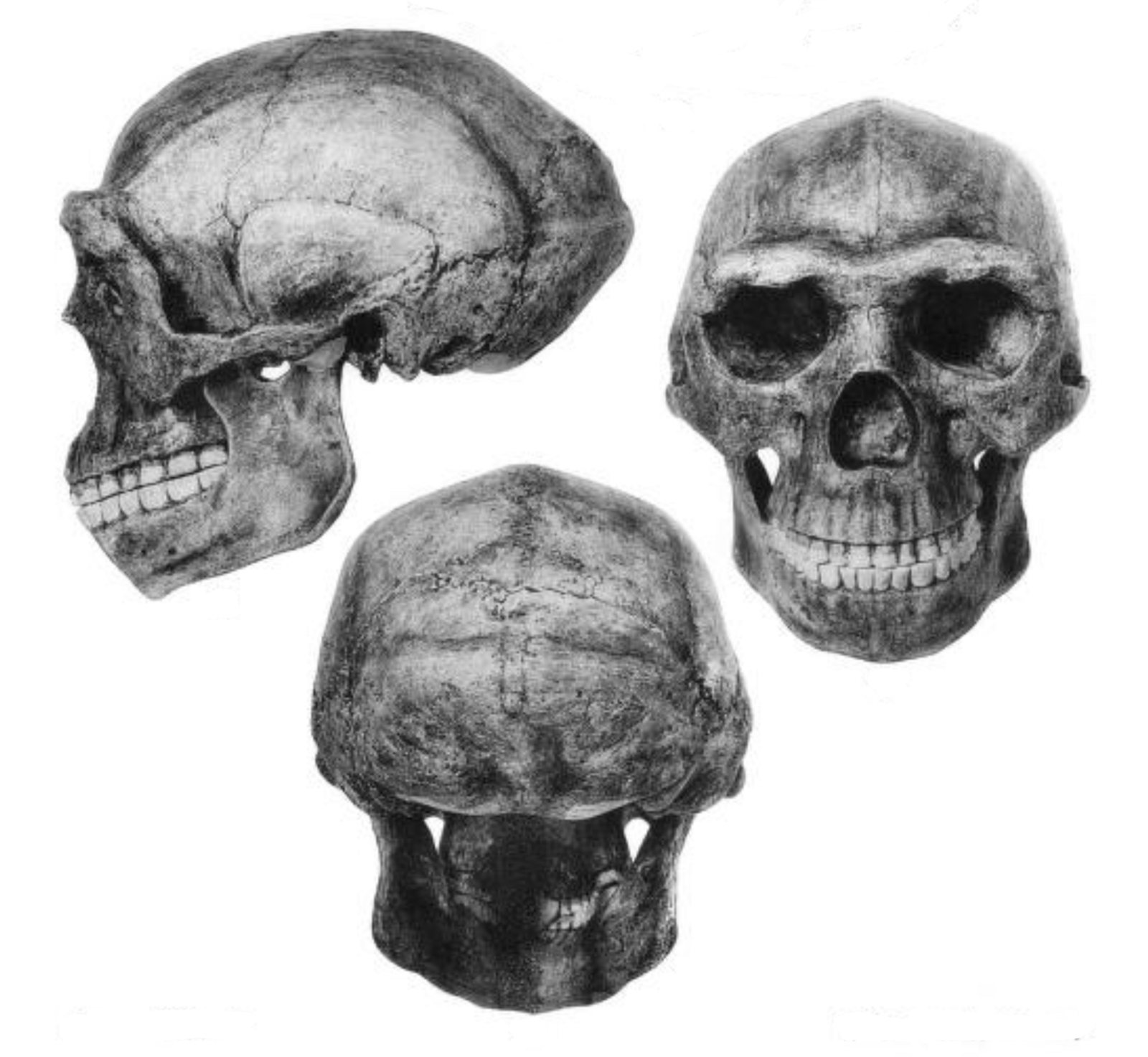
The collection was large. It included skulls, jaws, teeth and limb bones from more than 40 individuals, as the Chinese Academy of Sciences describes it. Those were real people, whose remains lay at Zhoukoudian for hundreds of thousands of years before anyone dug them up.
What they showed was just as important as how many there were. The fossils helped establish that early humans lived in East Asia during the Pleistocene, the Ice Age, and they became central evidence in the study of human evolution. The site also held stone tools, hearths, ash deposits and burnt bones, which UNESCO describes as evidence of fire use at Zhoukoudian.
Zhoukoudian and the excavations of the 1920s and 1930s
Zhoukoudian, once spelled Choukoutien, lies about 42 kilometres southwest of Beijing in Fangshan District. The story of its fossils starts with two visitors from Europe. The Swedish geologist Johan Gunnar Andersson and the Austrian paleontologist Otto Zdansky investigated the site in 1921 and 1923 and recovered human teeth.
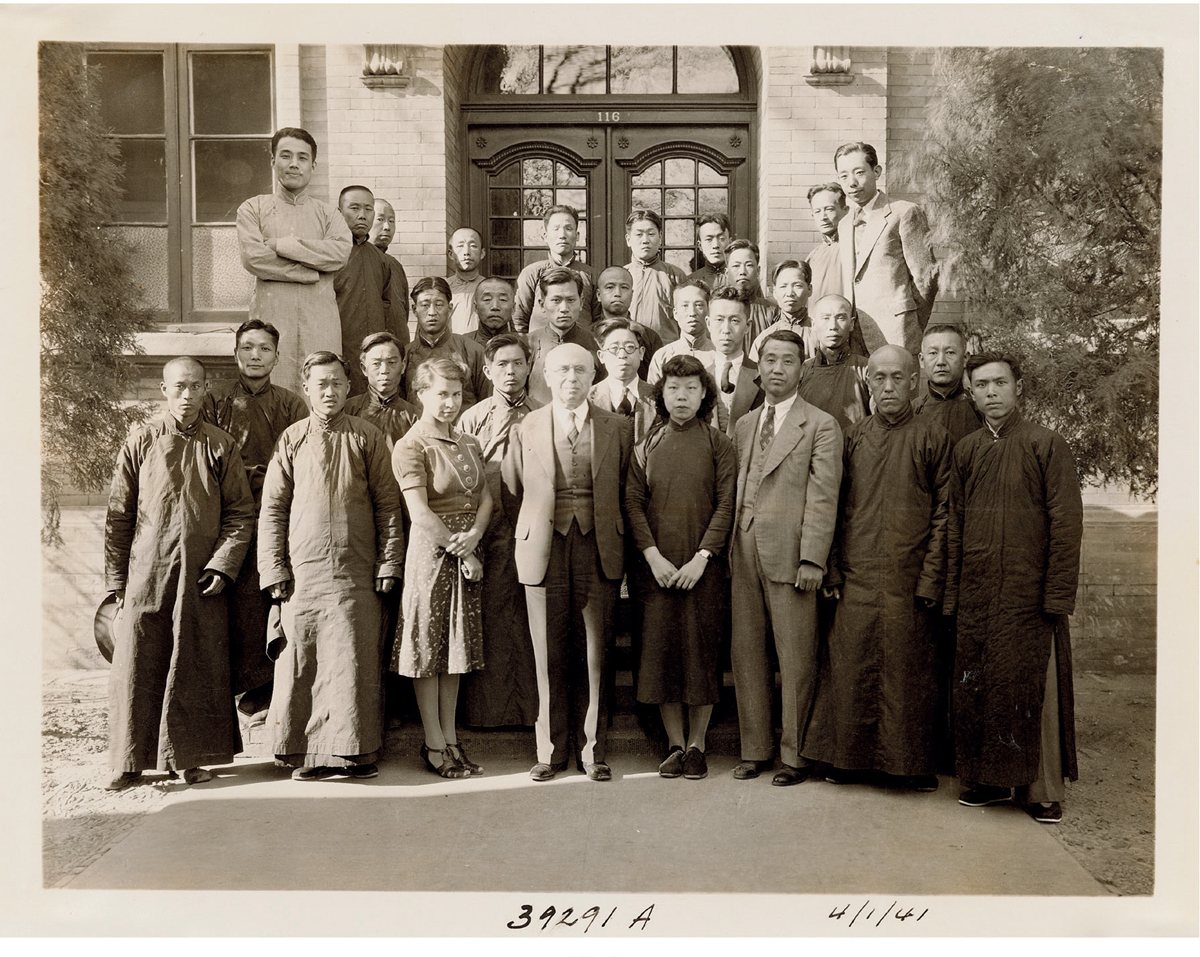
Systematic excavation began in 1927 as a joint project of the Geological Survey of China and Peking Union Medical College. The scientific lead was the Canadian anatomist Davidson Black. The Chinese archaeologist Pei Wenzhong joined the work, and on December 2, 1929, he recovered the first relatively complete Peking Man skull.
Black died in 1934. The German anatomist Franz Weidenreich then directed the Cenozoic Research Laboratory and the study of the fossils. Fieldwork went on until 1937, when the Sino-Japanese War stopped it, according to a peer-reviewed history in the journal PaleoAnthropology. For a sense of what anatomists like Black and Weidenreich read from bones like these, our piece on what bones tell archaeologists covers the basics.
What did Peking Man look like?
What did Peking Man look like? The National Museum of China describes low, heavily built skulls with marked brow ridges, and strong teeth and jaws, along with limb bones from the same population.
Around the bones, the site held stone tools and the traces of fire. UNESCO lists hearths, ash deposits and burnt bones among the finds. Exactly how the people of Zhoukoudian used fire, and how often, is a question best kept tied to that physical evidence. What can be said plainly is that tools and fire belong to the same site as the fossils.
How old is Peking Man?
The answer depends on which institution you ask, because the dating methods and readings of the site differ. The Smithsonian gives the Zhoukoudian *Homo erectus* fossils an age of about 780,000 to 400,000 years. UNESCO describes Peking Man at the site as Middle Pleistocene, about 700,000 to 200,000 years old. Either way, the fossils are hundreds of thousands of years old, and both figures come with the institution's own reading of the site. If you want to know how ranges like these are produced, our story on how old bones are dated explains the methods.
Tap or hover a row to highlight it.
| Measure | Figure | Published by |
|---|---|---|
| MeasureIndividuals represented | FigureMore than 40 | Published byChinese Academy of Sciences |
| MeasureAge of the fossils | FigureAbout 780,000 to 400,000 years | Published bySmithsonian Human Origins Program |
| MeasureAge of the fossils | FigureAbout 700,000 to 200,000 years | Published byUNESCO |
| MeasureDistance from Beijing | FigureAbout 42 kilometres southwest | Published byUNESCO |
| MeasureFossil localities at the site | Figure23 | Published byUNESCO |
| MeasureProtected property | Figure480 hectares, with an 888-hectare buffer zone | Published byUNESCO |
| MeasureWorld Heritage inscription | Figure1987 | Published byUNESCO |
December 1941: what happened to the Peking Man fossils?
The original fossils disappeared in December 1941 during a wartime attempt to move them from Peking Union Medical College for safekeeping. That much is documented. What happened next is not.
The account repeated most often says the fossils were packed into two wooden footlockers for protection and were meant to be shipped to the United States, in the care of U.S. Marines. A 2021 archival study in PaleoAnthropology, titled "Treacherous Evidence," challenged that version. The study argues that there is no secure documentary evidence that the U.S. military ever received the fossils. In that reading, the last reliably documented stage is their preparation and transfer for evacuation in Beijing. After that, the trail goes cold.
It helps to separate what is documented from what is not. Fieldwork had stopped in 1937, and the fossils were kept for study at Peking Union Medical College. Reference casts had already been presented to the American Museum of Natural History in 1941. In December 1941 the originals were prepared and handed over for evacuation. Everything after that point rests on later accounts and theories.
So, when someone asks "where are the bones of Peking Man?", the plain answer is that nobody knows. The fossils have never been recovered, and their final documented location is disputed.
The search since the war
People have been looking for decades. Searches and investigations continued after the war in China, in Japan and in the United States. In 2005, Beijing's Fangshan District, where Zhoukoudian lies, announced a renewed search, a campaign reported at the time by Archaeology Magazine. Chinese scientists have kept looking for documentary clues since, according to the Chinese Academy of Sciences.
Several explanations have been proposed. The fossils may have been seized by Japanese forces, lost during transport, hidden somewhere in China, or later moved by sea. None of these has been demonstrated, and each remains a possibility rather than an answer. That is where the case stands: a documented disappearance, several theories, and no fossils.
For another story of famous human fossils with a strange path through the twentieth century, see the Dragon Man skull from Harbin, which spent decades hidden in a well.
Peking Man, from the first teeth to the long search
Tap or hover a step to follow the order.
1921 and 1923
Andersson and Zdansky investigate Zhoukoudian and recover human teeth
1927
Systematic excavation begins under the Geological Survey of China and Peking Union Medical College
December 2, 1929
Pei Wenzhong recovers the first relatively complete Peking Man skull
1934
After Davidson Black's death, Franz Weidenreich directs the fossil research
1937
The Sino-Japanese War stops fieldwork
1941
Reference casts are presented to the American Museum of Natural History
December 1941
The original fossils disappear during wartime evacuation efforts
1987
Zhoukoudian is inscribed as a UNESCO World Heritage Site
2005
Beijing's Fangshan District announces a renewed search
2021
An archival study challenges the account that U.S. Marines received the fossils
The casts that survived
Before the originals vanished, Franz Weidenreich and his colleagues made detailed plaster casts of the Zhoukoudian fossils, along with drawings and written descriptions. These are why scientists can still study Peking Man today. A cast keeps the shape and size of a bone, which is what an anatomist measures, so the loss of the originals took away the bone itself while leaving its form on record.
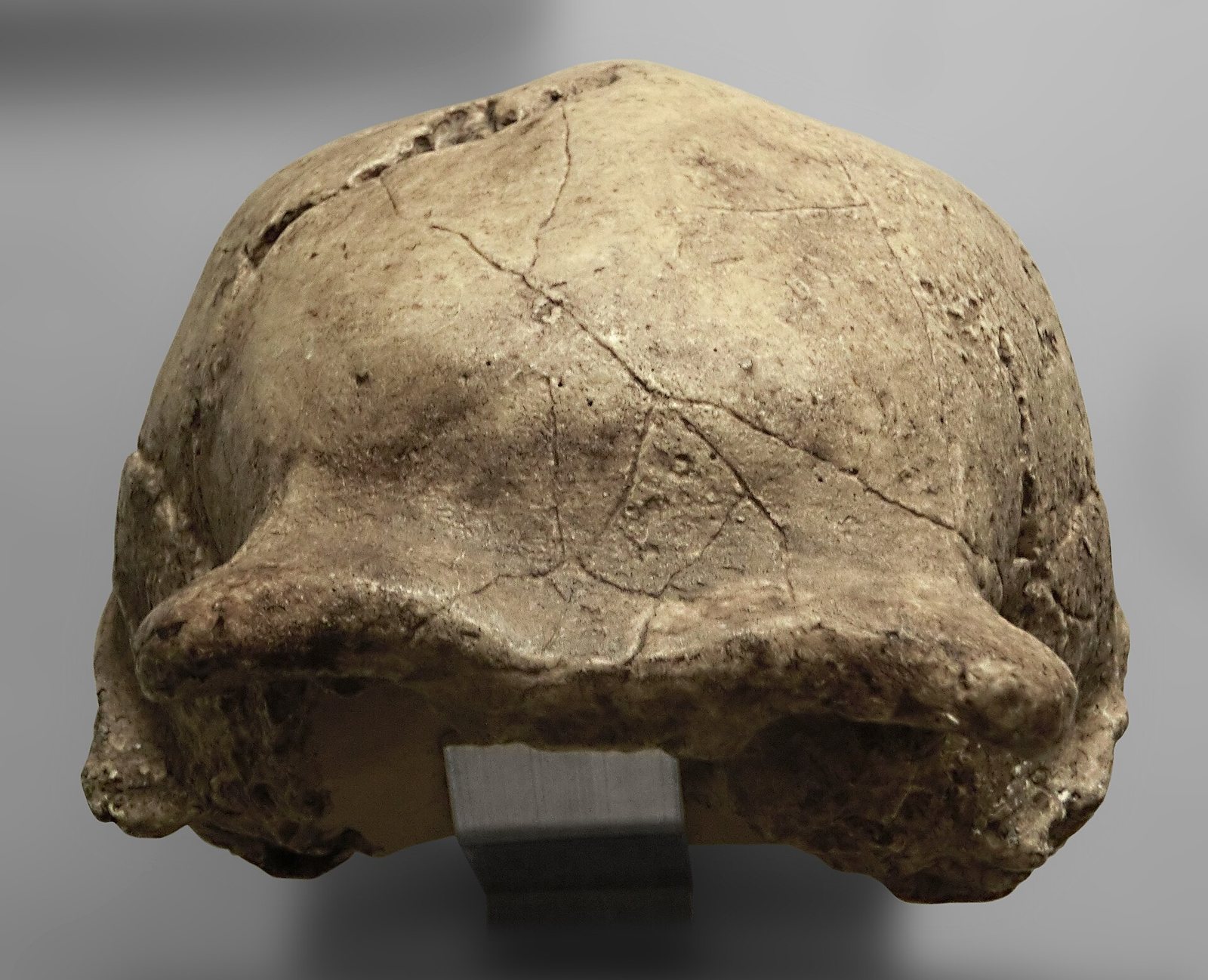
The American Museum of Natural History states that the first-generation reference casts were officially presented to the museum in 1941 and are the principal surviving record of the original fossil humans. In 1995, the museum used them to reconstruct a *Homo erectus* skull from Zhoukoudian. The Smithsonian Human Origins Program also holds high-quality casts, descriptions and digital scans, used for research and for public education.
If you hope to see a cast in person or use an image of one, confirm current access and reproduction permissions with the American Museum of Natural History or the Smithsonian Human Origins Program.
Zhoukoudian today
The Peking Man Site at Zhoukoudian has been a UNESCO World Heritage Site since 1987, inscribed under criteria iii and vi, according to the UNESCO inscription decision. The protected property covers 480 hectares, with an 888-hectare buffer zone around it.
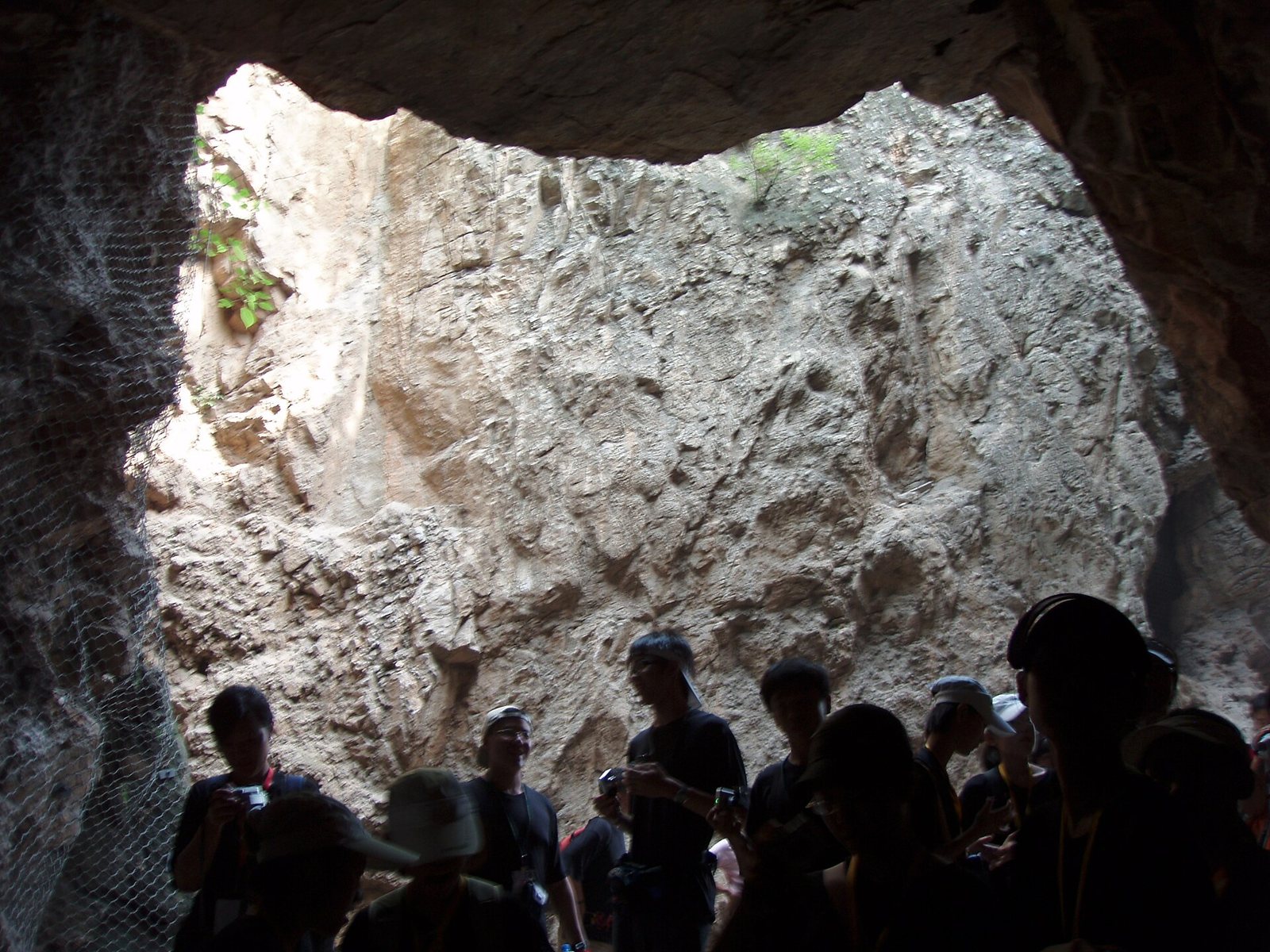
UNESCO describes 23 fossil localities at the site, holding ancient human remains, animal fossils, stone tools, hearths, ash deposits and burnt bones. Scientific work continues, and the excavated localities and their surroundings are protected under Chinese cultural-heritage regulations. The fossils may be missing, but the site that held them is still being studied.
Questions people ask about Peking Man
What happened to the Peking Man fossils?
They disappeared in December 1941 during wartime efforts to move them from Peking Union Medical College for safekeeping. Their final documented location is disputed, no proposed explanation has been proven, and Weidenreich's casts, drawings and descriptions preserve much of the scientific record.
How old is Peking Man?
The Smithsonian dates the Zhoukoudian *Homo erectus* fossils to about 780,000 to 400,000 years ago. UNESCO gives about 700,000 to 200,000 years, reflecting different dating methods and readings of the site.
¿Qué fue del hombre de Pekín?
The original Peking Man fossils, "el hombre de Pekín," disappeared in December 1941 during the war, while they were being moved from Beijing for safekeeping. They have never been recovered, though the casts and descriptions made by Franz Weidenreich survive.
¿Cuáles son las características del hombre de Pekín?
Peking Man belongs to *Homo erectus*, with low, heavily built skulls, marked brow ridges and strong teeth and jaws. Stone tools and evidence of fire, including hearths, ash and burnt bones, come from the same site.
Where can I see Peking Man?
You can see casts and reconstructions rather than the lost originals. The American Museum of Natural History holds the first-generation reference casts, and the Smithsonian holds casts and digital scans; the Zhoukoudian site near Beijing is a protected UNESCO World Heritage Site.
For more of the human family, see the oldest human skulls ever found, the small-bodied people of Flores in our story on Homo floresiensis, and Spain's pit of bones at Sima de los Huesos.
How well do you know Peking Man?
Answer every question to check.
Terms in this story
Tap a term to see what it means.
Zhoukoudian. The cave site about 42 kilometres southwest of Beijing, in Fangshan District, where the Peking Man fossils were excavated; once spelled Choukoutien.