

No. 324
Numbskull and Skulduggery: What These Skull Words Mean and Where They Come From
A numbskull is a dull or stupid person, and the skull in the word is the real thing: Merriam-Webster builds it from "numb" plus "skull" and dates its first known use to 1697. A head too numb for an idea to get through is the joke the word has carried for over three centuries.
Skulduggery means underhanded, dishonest behaviour, and its skull is a look-alike. Dictionaries trace it to the Scots word "sculduddery", whose own origin is unknown, so the spelling only happens to resemble the bone.
Both words come with dates, a spelling question and a few skull-minded cousins, including some well-loved Spanish sayings about skulls and bones.
What does numbskull mean?
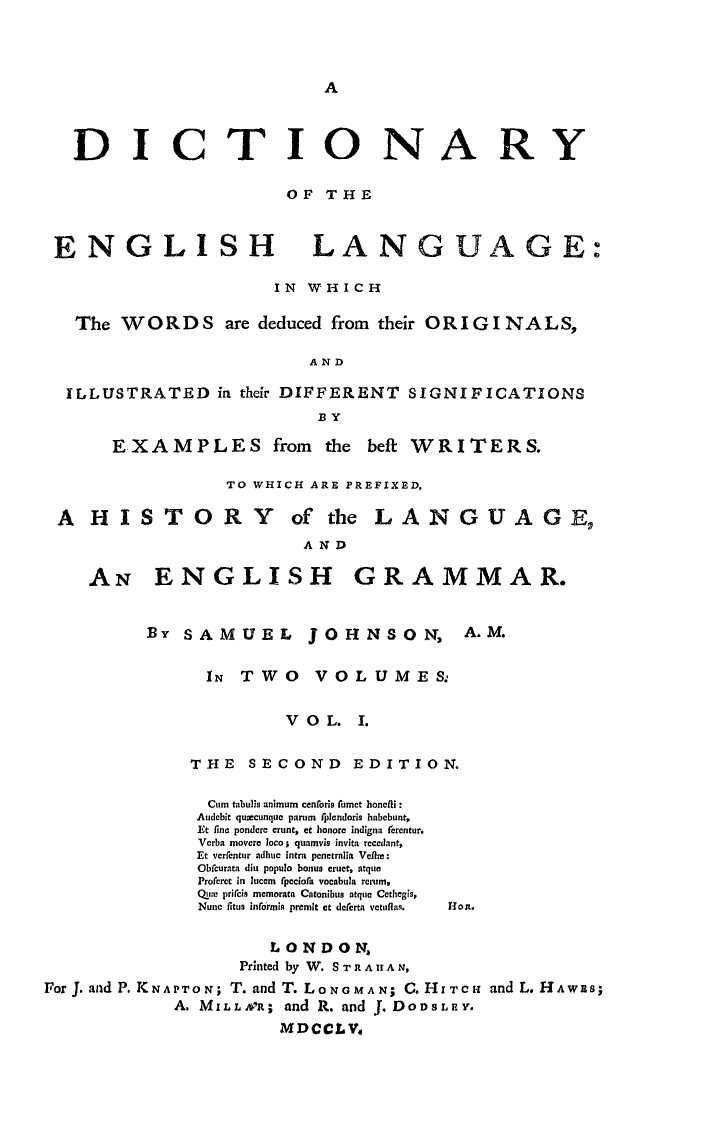
Merriam-Webster defines a numbskull as a dull, stupid person, and also as a thick or muddled head. It traces the word to "numb" plus "skull" and gives a first known use in 1697. The Oxford English Dictionary also dates the word to 1697.
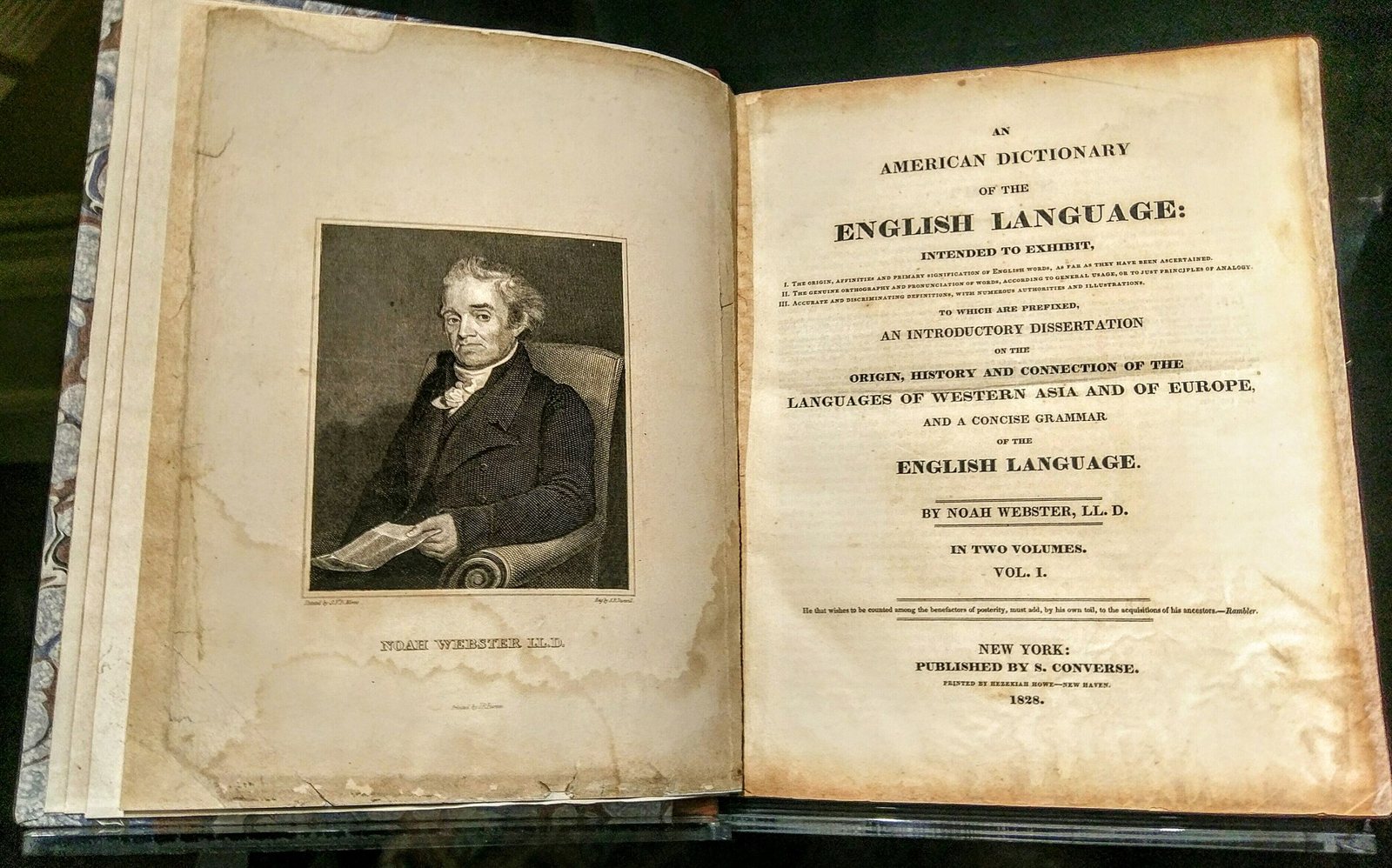
The image behind it is plain enough: a skull so numb that nothing gets in. That makes numbskull an insult that doubles as a small anatomy lesson, and one with a long pedigree. It is not modern slang; the word was in use before the 18th century began.
Numbskull is an insult, but an informal and fairly gentle one rather than a curse word, and depending on the tone it can sound comic or mildly scolding. It works just as well about yourself as about anyone else. A typical use, posted on the English Language and Usage forum on Stack Exchange, runs "I'm a numbskull when it comes to math", a fair example of the word turned on oneself.
If you want another word for the same person, English has plenty: dunce, fool, blockhead, dimwit, dolt, simpleton, nitwit, bonehead and knucklehead all sit nearby. Blockhead, bonehead and knucklehead keep the same comic tone, and like numbskull they put the blame on the head, while "idiot" and "moron" land harder.
Numbskull is not a specifically British word, though it is at home in British informal English as a mild, often humorous insult. BBC Learning English even uses "numbskull" to explain the British slang word "numpty", which the linguist David Crystal describes as ranging from an affectionate "silly billy" to the stronger sense of "idiot" or "prat", depending on region, speaker and tone.
Numbskull or numskull?
Both spellings are correct, and they are the same word. Merriam-Webster treats "numbskull" as the main entry and lists numskull as a less common variant with the same meaning.
So, if you write "numskull" in a crossword, a novel or a text to a friend, you have not made a mistake. The version with the b simply keeps the link to "numb" easier to see.
What skulduggery means
Skulduggery means underhanded or unscrupulous behaviour, and it can also mean a single devious trick or device. Merriam-Webster also records the spelling "skullduggery", with two l's, which makes the word look even more like it has a skull inside.
Its early American uses were political, and politics is still a natural home for it. It has a playful sound, but the meaning is serious enough: somebody, somewhere, is being cheated.
Does skulduggery come from skull?
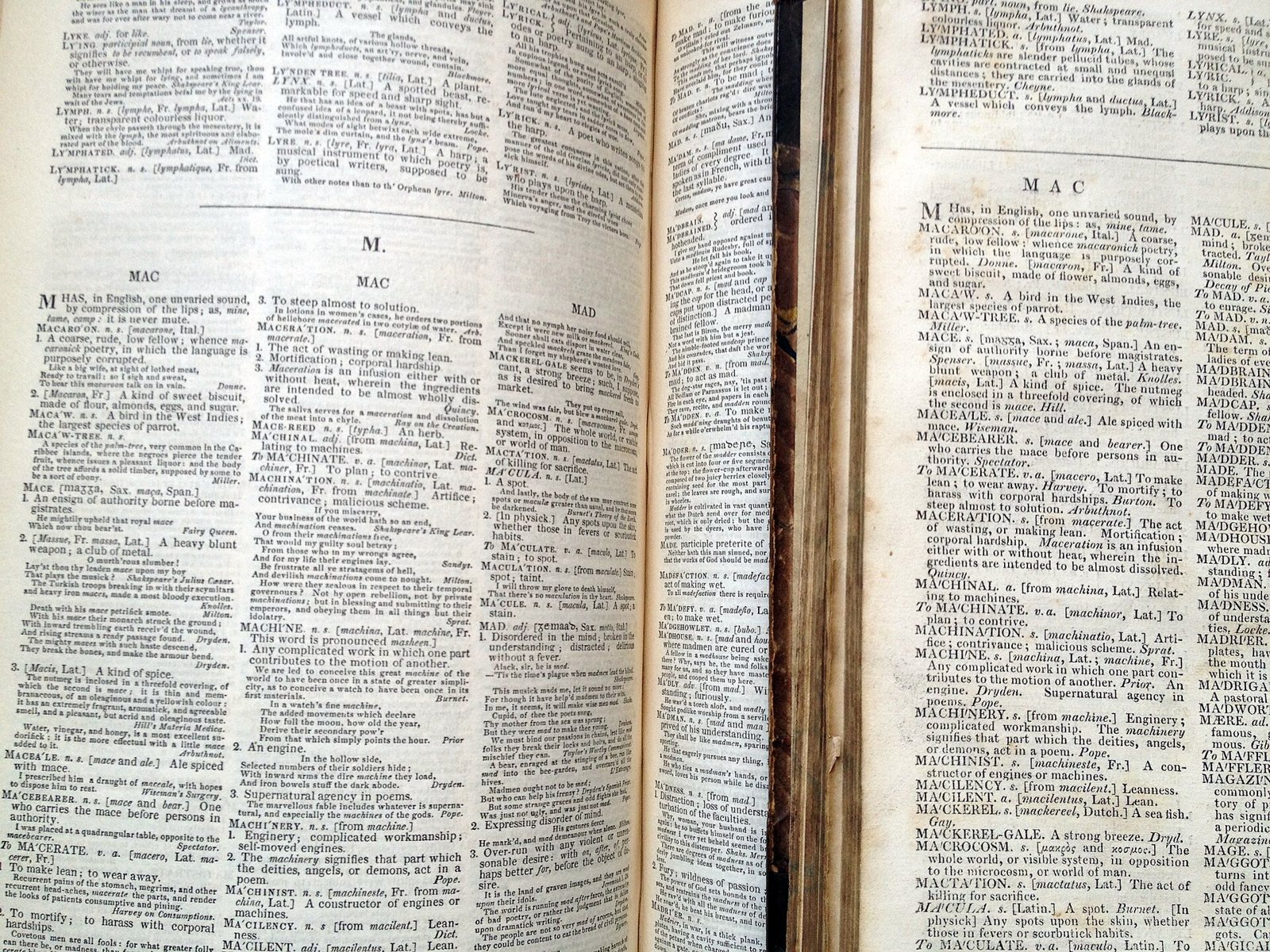
It most likely comes from Scotland, not the skeleton. According to Merriam-Webster, the word was first documented in the mid-19th century as "scull-duggery", with a first known use in 1845, and its likely source is the Scots word "sculduddery". In Scots, sculduddery formerly referred to fornication, adultery, obscenity or unchastity, in other words sexual misbehaviour rather than general trickery. The origin of sculduddery itself is unknown.
Somewhere on the way into American English, the word shifted from bedroom scandal to political and other trickery, and its spelling drifted toward "skull". The skull in skulduggery is that later spelling resemblance, not the root of the word.
The early American uses are well recorded. The etymologist Michael Quinion, writing on World Wide Words, cites the *Burlington Daily Hawk-Eye* of Iowa on 28 August 1858, in a passage about political skulduggery. The Oxford English Dictionary records the form "scullduggery" in A. D. Richardson's *Beyond the Mississippi*, published in 1867, meaning political or other trickery. These are recorded uses rather than a single settled first appearance, and together with Merriam-Webster's 1845 date they show the word was at home in American writing by the middle of the century.
When the skull words appear
Tap or hover a step to follow the order.
1682
Merriam-Webster's first known use of skullcap, in the sense of a close-fitting cap.
1697
Merriam-Webster's first known use of numbskull.
1845
Merriam-Webster's first known use of skulduggery.
28 August 1858
Michael Quinion cites skulduggery in the Burlington Daily Hawk-Eye of Iowa.
1867
The Oxford English Dictionary records scullduggery in A. D. Richardson's Beyond the Mississippi.
1937
Merriam-Webster's first known use of skull session.
Skull words that really are about the head
Plenty of English words use "skull" honestly, and three of them come up often.
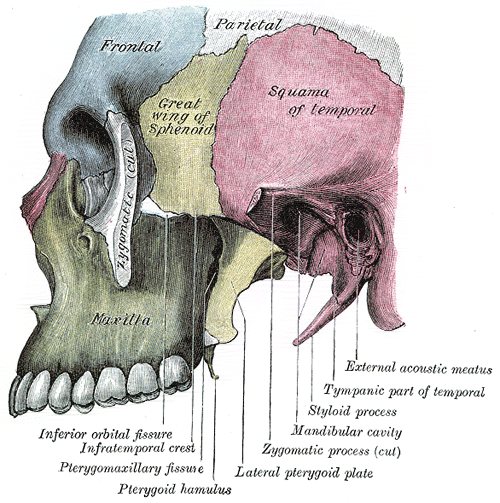
A skullcap is a close-fitting cap, especially a light brimless one worn indoors, and Merriam-Webster dates that clothing sense to 1682. The same word also names the upper part of the skull itself, the domed bone anatomists call the calvarium, which you can read about in our story on the bones of the skull. And it names plants of the mint genus *Scutellaria*.
A skull session is a strategy class for an athletic team, or more broadly a meeting for consultation and discussion. Merriam-Webster dates the sports sense to 1937.
To be out of one's skull is a variant of being "out of one's mind". It can mean mentally unsound, but informally, and usually with some exaggeration, it means extremely worried, bored or distressed. Merriam-Webster dates "out of one's mind" to the 14th century, so the skull version is a variation on a very old phrase.
Tap or hover a row to highlight it.
| Term | Meaning | First recorded | Source |
|---|---|---|---|
| Termnumbskull | MeaningA dull or stupid person; a thick or muddled head | First recorded1697 | SourceMerriam-Webster |
| Termnumskull | MeaningVariant spelling of numbskull | First recordedSame word and sense | SourceMerriam-Webster |
| Termskulduggery | MeaningUnderhanded or unscrupulous behaviour; a devious trick | First recorded1845 first known use; the OED records an 1867 form | SourceMerriam-Webster |
| Termskullcap | MeaningClose-fitting cap; upper part of the skull; a Scutellaria plant | First recorded1682, cap sense | SourceMerriam-Webster |
| Termskull session | MeaningAthletic strategy class or discussion meeting | First recorded1937 | SourceMerriam-Webster |
| Termcalavera | MeaningLiteral skull; figuratively, a dissipated and irresponsible man | First recordedCurrent DLE entry | SourceDLE |
| Termcalaverada | MeaningAn action typical of a calavera | First recordedCurrent DLE entry | SourceDLE |
Skull and bone sayings in Spanish
Spanish has its own set of skull and bone sayings, and they are not translations of the English ones. The Real Academia Española's dictionary, the DLE, is the place to start.
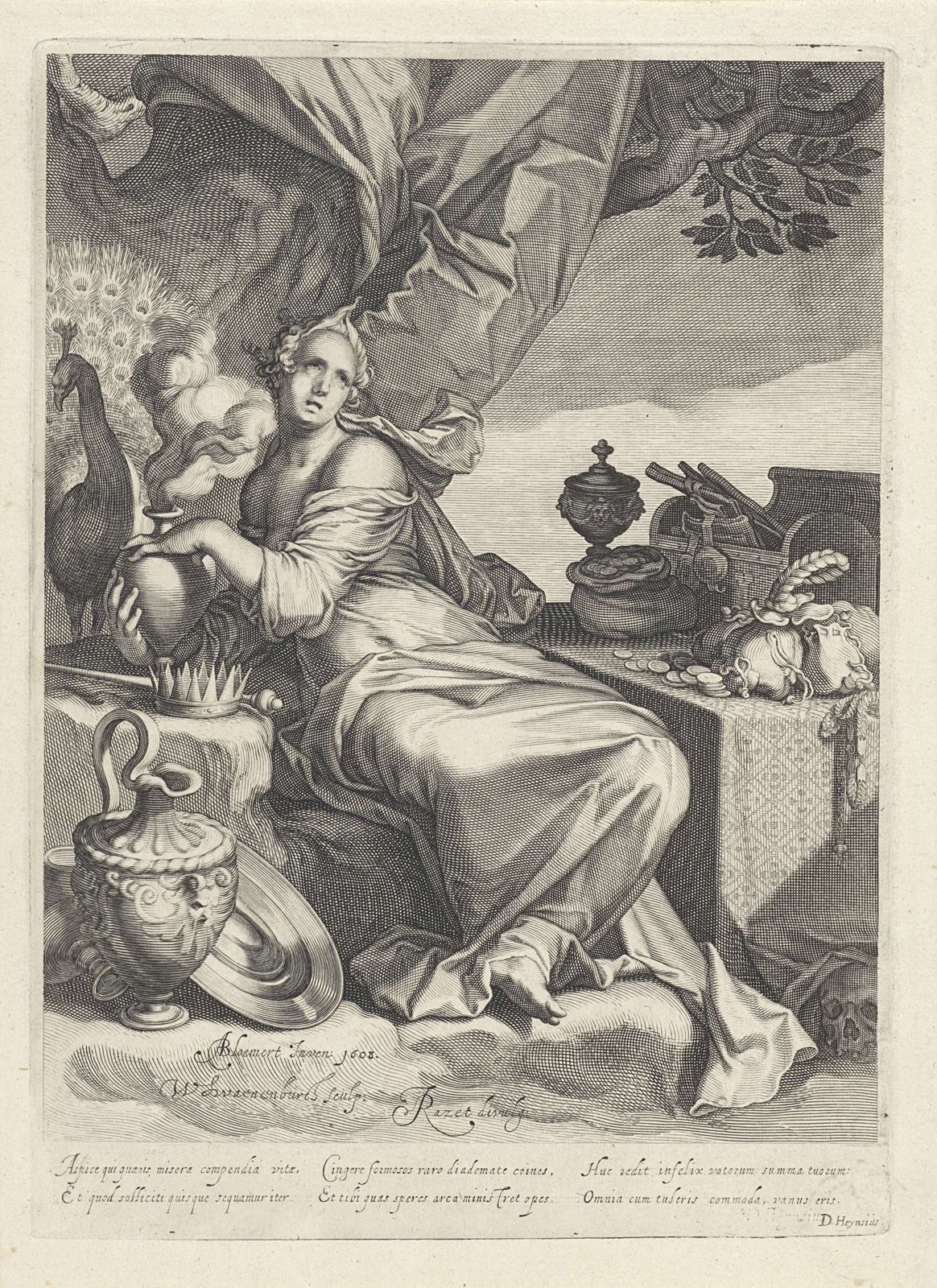
Its entry for calavera gives two meanings. Literally, a calavera is the set of bones of the head once the flesh and skin are gone. Figuratively, "un calavera" is a man who is dissipated, fond of partying and irresponsible. So, to say someone "es un calavera" is to call him a reckless, dissolute sort, a rake rather than a skull. Our calavera meaning story covers the skull word itself in much more detail. Luis Buñuel's 1949 comedy El gran calavera takes its title from this sense.
From that figurative sense comes calaverada, an action typical of a calavera: a foolish, reckless or dissolute escapade. A night out that ends badly and is talked about for years is the kind of thing the word describes.
The DLE's entries for hueso and esqueleto add a whole set of bone expressions. "Estar en los huesos" means to be extremely thin, and "mover el esqueleto", to move the skeleton, means to dance, generally to modern rhythms.
Tap or hover a row to highlight it.
| Saying | Meaning |
|---|---|
| Sayingser un calavera | MeaningTo be a dissipated, partying, irresponsible person |
| Sayinguna calaverada | MeaningA reckless, foolish or dissolute escapade |
| Sayingen los huesos | MeaningExtremely thin or emaciated |
| Sayinghasta los huesos | MeaningCompletely, entirely |
| Sayingdar con sus huesos en algún lugar | MeaningTo end up in a place, often unwillingly |
| Sayingdar en hueso | MeaningTo meet resistance or difficulty |
| Sayingdar un hueso que roer a alguien | MeaningTo give someone a difficult or burdensome task |
| Sayingno poder con sus huesos | MeaningTo be too exhausted to carry on |
| Sayingmover el esqueleto | MeaningTo dance, generally to modern rhythms |
| Sayingun esqueleto | MeaningColloquially, a very thin person |
| Sayingno dejar un hueso sano | MeaningTo criticize someone by exposing all their faults |
| Sayingla sin hueso | MeaningThe tongue |
More skull and skeleton sayings
English keeps its bones busy in other phrases too. A family secret is a skeleton in the closet, with its own history behind the image, and the old pass key that opens many locks is a skeleton key, and that story explains where the name comes from.
Test your skull vocabulary
Answer every question to check.
Quick answers about skull words
A few questions come up again and again once the two main words are settled.
Is numbskull a real word?
Yes, numbskull is a real word, recorded by Merriam-Webster with a first known use in 1697. It sits in standard dictionaries as an informal insult, alongside the variant spelling numskull.
What is a skull session?
A skull session is a strategy class for an athletic team, or a meeting where people talk a problem through, in Merriam-Webster's definition. The sports sense is dated to 1937, and the same phrase now covers any meeting where people put their heads together.
What does out of one's skull mean?
To be out of one's skull is to be out of one's mind, either seriously or, far more often, in the exaggerated sense of being bored, worried or distressed. "I'm bored out of my skull" is the everyday version.
What does it mean to call someone a calavera in Spanish?
Calling a man "un calavera" means he is dissipated, fond of partying and irresponsible, according to the DLE. It describes a way of living, so it says nothing about his actual skull.
What is a calaverada?
A calaverada is an action typical of a calavera, in the DLE's words: a foolish, reckless or dissolute escapade. One calavera can be responsible for many calaveradas.
Before you go
Skull words are a small corner of the language with a lot of character, from a 1697 insult to a Scots scandal word that wandered into American politics. If you want the real bone behind them, the bones of the skull story names every part of it, and our human skull facts story has more to share at your next skull session.
Terms in this story
Tap a term to see what it means.
Numbskull. A dull or stupid person, or a thick, muddled head. Merriam-Webster dates it to 1697 and builds it from numb plus skull.
---