

No. 016
Damien Hirst's Diamond Skull: For the Love of God, Its Price and Meaning
The glittering skull is *For the Love of God*, made by the British artist Damien Hirst in 2007. It is a life-size platinum cast of an eighteenth-century human skull, covered in 8,601 diamonds and fitted with the original skull's own teeth, with a 52.4-carat pink diamond set in the forehead, according to Tate. In August 2007 the London gallery White Cube announced that it had sold for £50 million to an anonymous consortium, a group that included Hirst himself. Tate describes the work as a memento mori, an image that recalls human mortality, and says it is just as much about value. The price, the buyers and the meaning have all been argued over ever since.
What the diamond skull actually is
Start with the object, because it is stranger than most photographs make it look. White Cube, the gallery that first showed it, lists the medium as platinum, diamonds and human teeth. Hirst began with a real human skull from the eighteenth century, generally described as that of a man of about 35, according to The Independent. The skull was cast in platinum at life size, and the cast was then paved with diamonds.
The count matters to a lot of people, so here it is plainly: there are 8,601 diamonds on the skull. Tate singles out the largest, a 52.4-carat pink diamond at the forehead, which sits where the eye naturally lands first. The teeth are the one part that was not cast or made. They came from the original skull and were set into the platinum jaw.
So, is it real? The answer has three parts. The diamonds are real, the platinum is real, and the teeth belonged to a real person who lived and died in the 1700s. The skull you see, though, is a cast of that person's skull rather than the bone itself. It is worth holding on to that last detail. Under all the sparkle, the work starts with a person whose name is not recorded.
What it cost to make
Ask how much the skull cost and you will get several numbers, because the reports never agreed on one. The Independent cited an estimate of about £15 million for production. Other contemporary reports placed the materials at around £14 million or £12 million, and Guinness World Records lists the reported £12 million materials value in its record for the most expensive materials used in a piece of contemporary art.
The fair way to put it is a range. Making the skull reportedly cost somewhere between £12 million and £15 million, depending on who was reporting and what they counted.
Tap or hover a row to highlight it.
| Figure | What it measures | Reported by |
|---|---|---|
| Figure8,601 | What it measuresDiamonds on the skull | Reported byTate |
| Figure52.4 carats | What it measuresPink diamond at the forehead | Reported byTate |
| FigureAbout £15 million | What it measuresEstimated production cost | Reported byThe Independent |
| FigureAbout £12 million | What it measuresReported materials value | Reported byGuinness World Records |
| FigureAbout £38 million | What it measuresEarlier sale negotiations | Reported byThe Art Newspaper, as reported by The Independent |
| Figure£50 million | What it measuresAnnounced sale price, August 2007 | Reported byWhite Cube, as reported by The Independent |
The £50 million sale and the questions around it
In August 2007, White Cube announced that *For the Love of God* had sold for £50 million, roughly $100 million at the time, to an anonymous investment consortium. The Independent reported that Hirst kept a percentage of the work and that he was himself part of the consortium. Put simply, the artist was on both sides of the deal, which is an unusual position for a seller.
Doubts arrived almost at once. Two days later, The Independent reported that The Art Newspaper had described earlier negotiations at around £38 million, while Hirst's manager denied that any discount had been given. The buyers were never named.
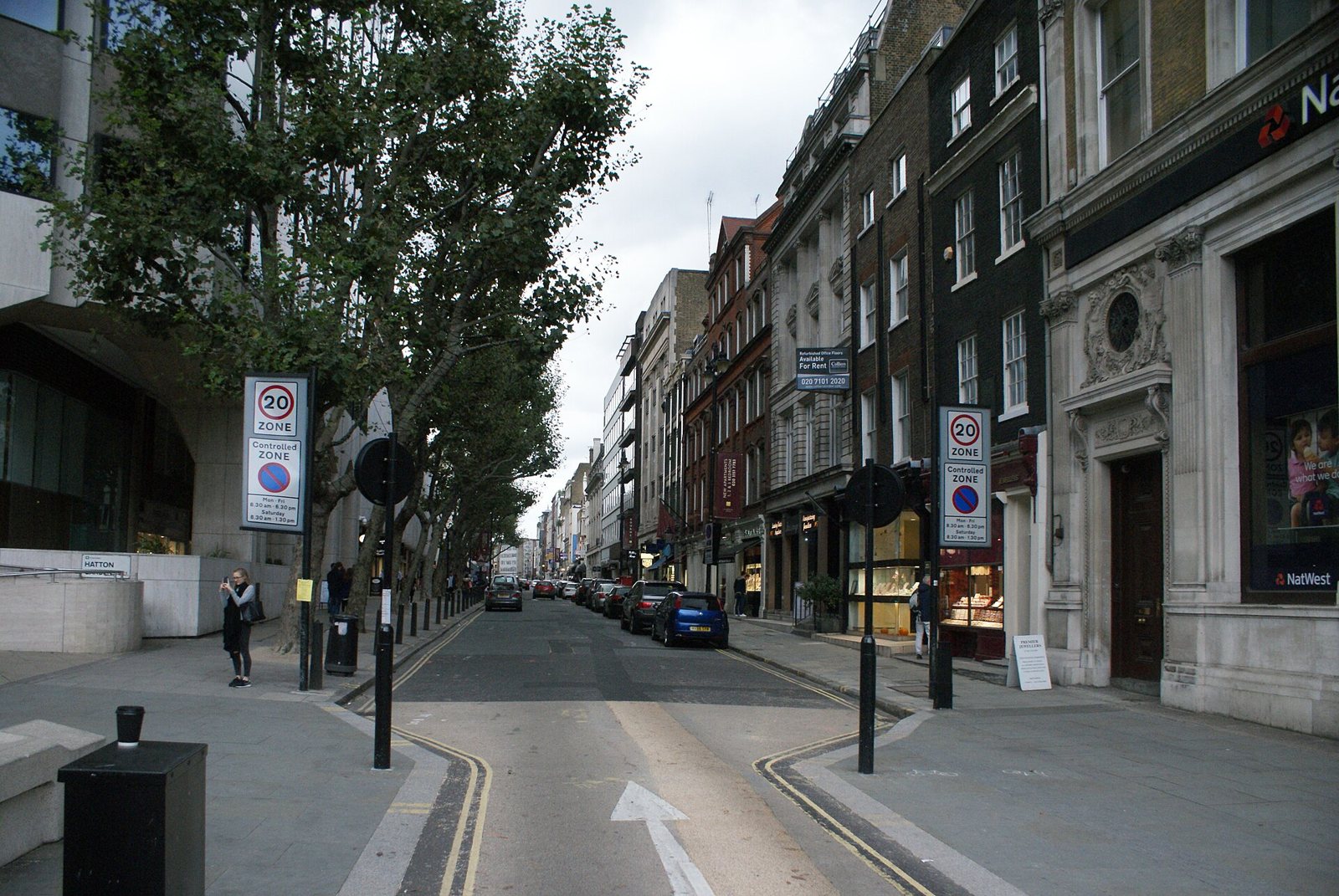
The story took another turn in 2022. Hirst said the skull was still owned jointly by him, White Cube and unnamed investors, and that it was kept in storage in Hatton Garden in London. Artnet News reported that this meant the 2007 sale had never happened in the way it was publicly described.
That leaves the ownership question with a careful answer. The skull is privately owned, the ownership is disputed, and no public museum holds it. Based on Hirst's 2022 statement, the owners include Hirst, White Cube and investors whose names have not been made public. No single owner can be named, and the exact shares have never been disclosed.
What the skull means
The meaning question has as many answers as the price question, but these come from named people rather than rumor.
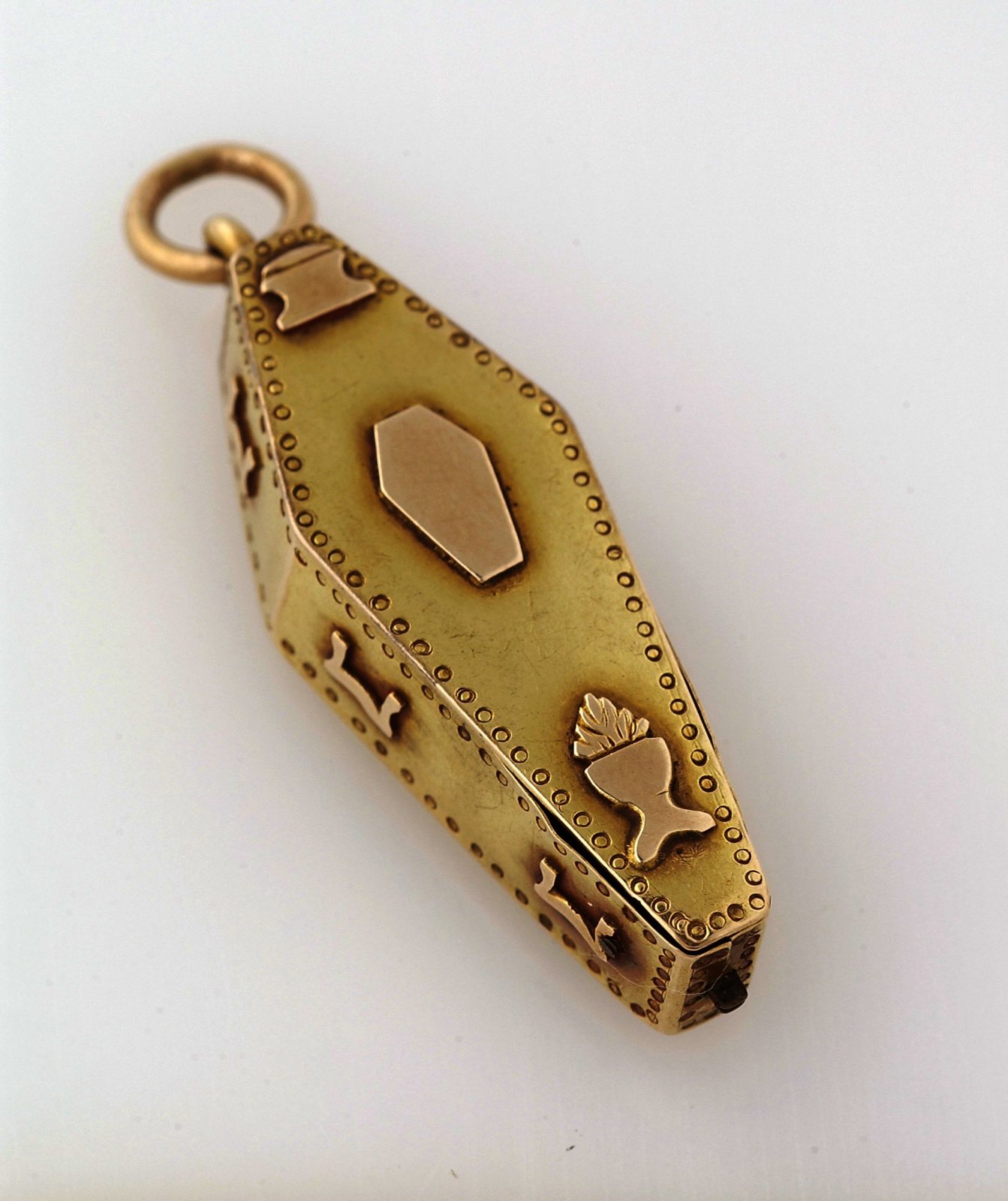
Tate calls the work a memento mori, the old Latin idea of remembering that you will die, and says it is also about value. A skull on its own has carried that first message in European art for centuries. Encrusting one in diamonds adds the second message, about what people treasure, what they pay for and what none of it can buy back.
Hirst has spoken about both sides. In a 2010 interview with Euronews, he said "the ideas come first and the money is just something you use to make things happen." He also explained the title. *For the Love of God* is religious language, and it is also the thing people exclaim when something is too much. "It has the two meanings," he said. Spanish-language writing on the work uses the title *Por el amor de Dios*.
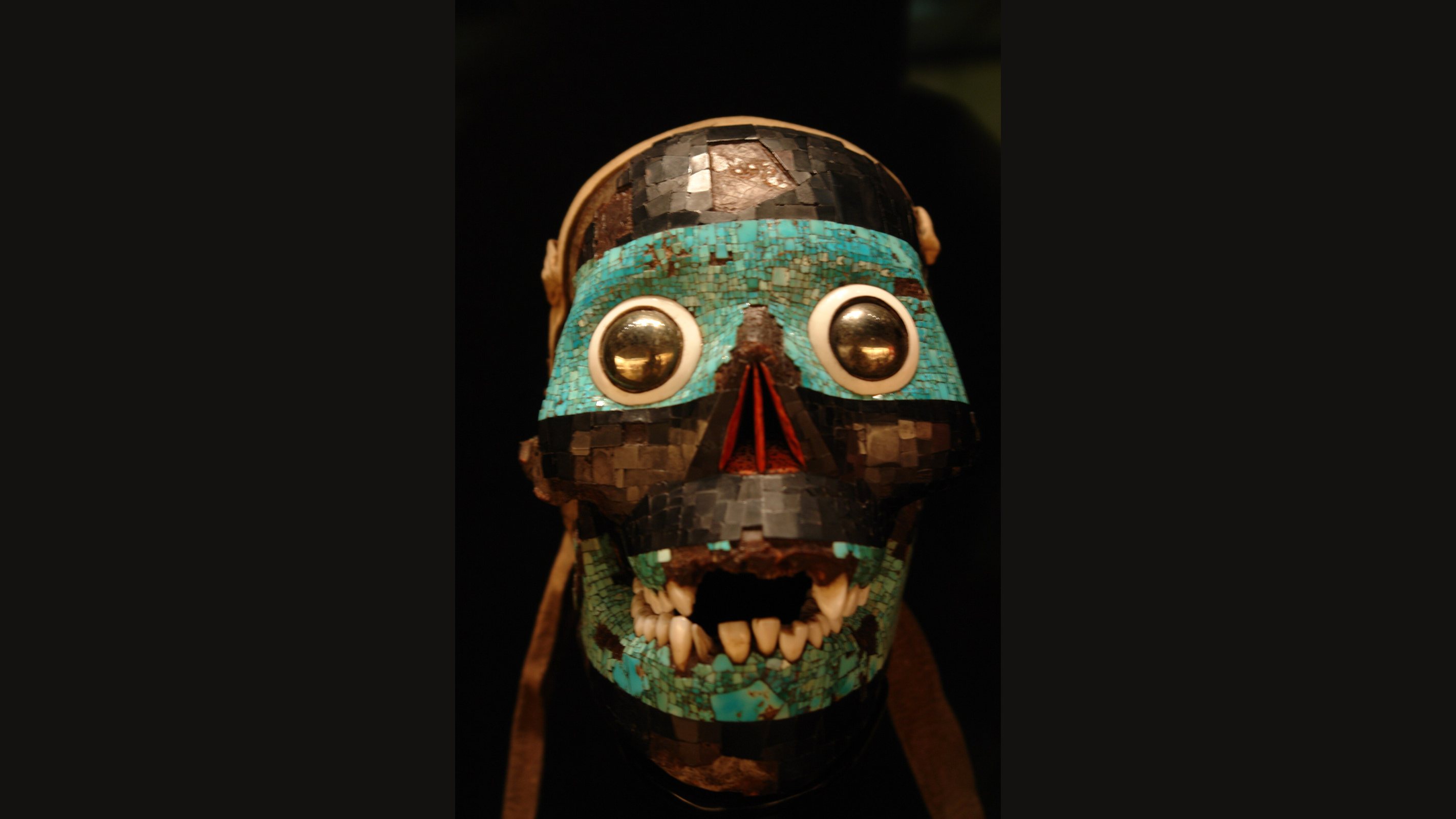
When the skull traveled to Mexico City, the Museo Jumex described it as bringing together death, belief and value. The museum also said it pays homage to Aztec skulls decorated with turquoise and other precious materials, which places the work in a much older line of skulls made precious on purpose.
Critics leaned hard on the money. The Independent quoted the magazine Apollo saying that "the ideas of an artist have a price far higher than mere gems." Art Review was cooler, calling it "a fashion statement." Both readings are still around, and a visitor can hold them at once: a death's head about mortality, and a death's head about the market.
Where it has been shown
The skull has traveled more than most people do. Its documented exhibitions run from London in 2007 to Munich in 2024.
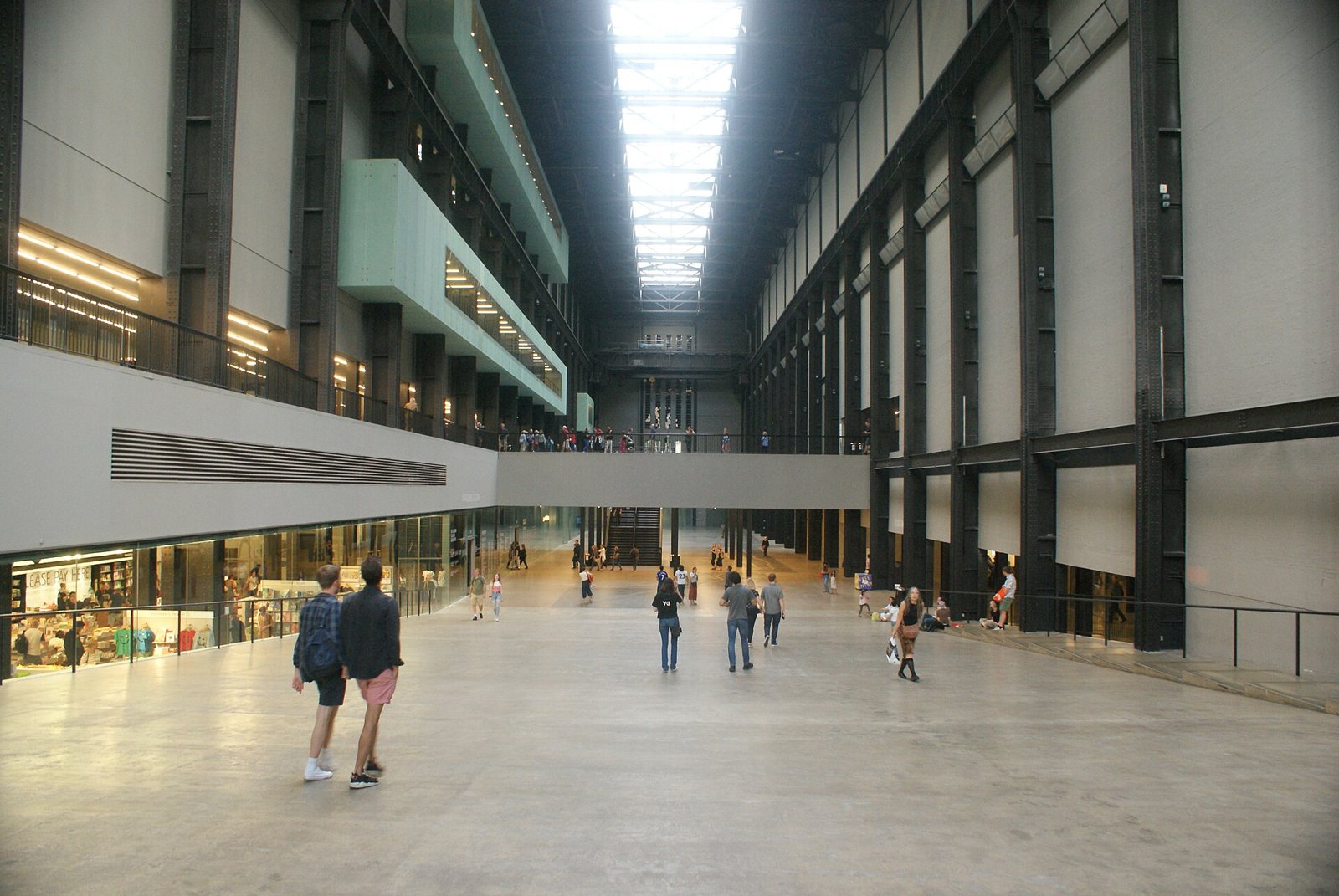
It was first shown at White Cube, St James's, in London in 2007. It went to the Rijksmuseum in Amsterdam in 2008 and to the Palazzo Vecchio in Florence in 2010 and 2011. From 4 April to 24 June 2012, Tate Modern displayed it in a purpose-built room in the Turbine Hall during its Hirst retrospective. It appeared in the exhibition Relics in Doha, Qatar, from 10 October 2013 to 22 January 2014, and at the Astrup Fearnley Museum of Modern Art in Oslo from 16 September to 15 November 2015. The Museo Jumex in Mexico City showed it in *Damien Hirst: To Live Forever (For a While)*.
Most recently, MUCA exhibited it in Munich from 26 October 2023 to 28 January 2024, inside the MUCA Bunker, a former World War II bunker. Between showings, it goes back into private storage. If you hope to see it in person, watch the announcements from White Cube and from major museums, and confirm dates directly with the venue before you travel.
For the Love of God, 2007 to 2024
Tap or hover a step to follow the order.
2007
Made and first shown at White Cube, London
August 2007
White Cube announces a £50 million sale to an anonymous consortium
2008
Shown at the Rijksmuseum, Amsterdam
2010 to 2011
Shown at Palazzo Vecchio, Florence
4 April to 24 June 2012
Shown in the Turbine Hall at Tate Modern, London
2013 to 2014
Shown in Relics, Doha, Qatar
2015
Shown at the Astrup Fearnley Museum, Oslo
2022
Hirst says he still co-owns the skull with White Cube and unnamed investors
2023 to 2024
Shown at the MUCA Bunker, Munich
Its place among famous skull artworks
Skulls have a long run in Western art as a prompt to think about death. In the memento mori and vanitas paintings of earlier centuries, a skull sitting among books, flowers or coins told the viewer that life is short and that worldly pleasures will not last. The Guggenheim also presents the skull in Western art as a memento mori. If the idea is new to you, our story on what memento mori means covers it from the start.
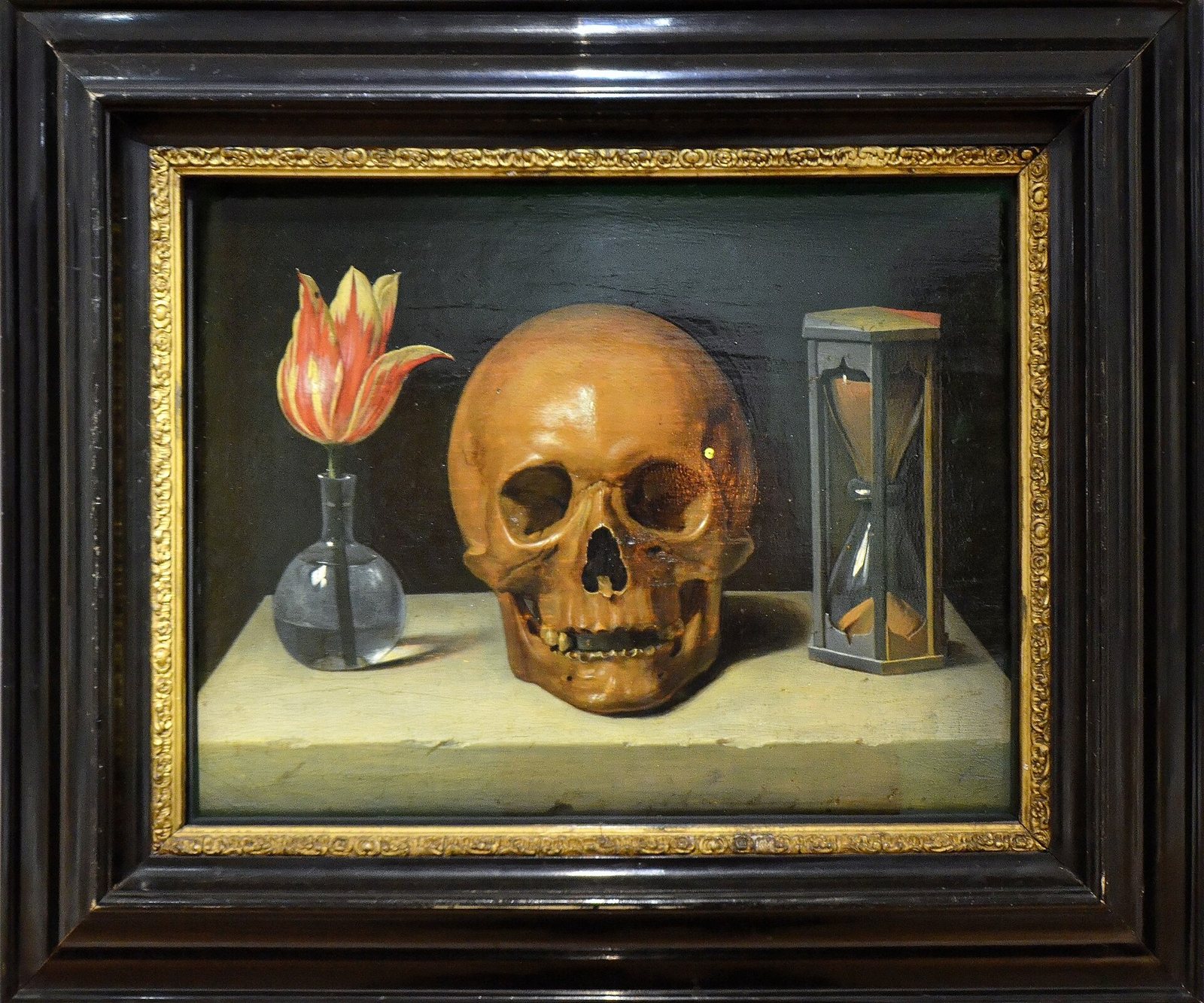
*For the Love of God* sits squarely in that tradition and then turns it up. Instead of painting a skull beside expensive things, Hirst made the skull out of the expensive things. That combination of an old death symbol with platinum, diamonds, a celebrity-scale price and art-market speculation is what gives the work its odd place in contemporary art. Tate calls it one of the most widely recognized works of contemporary art since its debut in 2007.
The Museo Jumex reading adds a second family tree. Aztec skulls decorated with turquoise and other valued materials were precious skulls made on purpose, and the museum connects his work to them. For more skulls that artists have made famous, from paintings to sculpture, see our roundup of famous skull art.
Why it caused so much controversy
Several things about the skull made people uneasy, and they tend to stack up. It used human remains, a real person's skull and teeth, as the starting point for a luxury object. It was made from materials worth millions before it was even shown. Its announced price of £50 million turned it into a headline about money as much as a work about death.
Then there was the sale. When the artist is part of the group that bought his own work, and the buyers stay anonymous, many observers wondered whether the price was a market result or a statement. The 2022 news that Hirst still co-owned it, as reported by Artnet, brought those questions back. For many critics, the blur between artistic meaning, publicity and investment was the controversy. For others, that blur was exactly what the skull was about.
How well do you know the diamond skull?
Answer every question to check.
Questions people ask about the diamond skull
These are the questions that come up most often about *For the Love of God*.
What does Damien Hirst's skull symbolize?
It symbolizes mortality and value at the same time. Tate describes it as a memento mori that also concerns value, and the Museo Jumex says it brings together death, belief and value while paying homage to Aztec skulls decorated with precious materials. Hirst has said the title itself carries two meanings, a religious one and an exclamation.
Who owns Damien Hirst's skull?
Its ownership is private and disputed. White Cube announced a £50 million sale to an anonymous consortium in 2007, but in 2022 Hirst said he still owned it jointly with White Cube and unnamed investors. No public museum holds it, and the exact shares have not been made public.
How much is Damien Hirst's skull worth?
The only price on record is the £50 million, about $100 million at the time, that White Cube announced in August 2007. The Art Newspaper reported earlier negotiations at around £38 million, and Hirst's 2022 statement raised doubts about whether the announced sale took place as described. Making it reportedly cost between £12 million and £15 million.
Is Damien Hirst's skull real?
The materials are real, and the teeth are real human teeth. The skull itself is a life-size platinum cast of an eighteenth-century human skull, set with 8,601 real diamonds, so the bone is not on display.
Why was Damien Hirst controversial?
The skull drew criticism for turning human remains into a luxury object, for its £50 million price and for blurring art, publicity and investment. Critics also questioned whether the 2007 sale happened as announced, since Hirst was part of the buying group and later said he still co-owned the work.
Where to go next
The diamond skull is a recent chapter in a very old conversation about death and what we value. To see where that conversation started, read about vanitas paintings and what memento mori means. For the bigger story of why skulls carry so much meaning across cultures, start with skull symbolism, and for more skulls that artists have made famous, see famous skull art.
Terms in this story
Tap a term to see what it means.
For the Love of God. Damien Hirst's 2007 artwork, a life-size platinum cast of an eighteenth-century human skull set with 8,601 diamonds and the original teeth. In Spanish it is called Por el amor de Dios.