

No. 014
Trepanation: The Ancient Practice of Drilling Into the Skull, and Who Survived It
That neat hole in an old skull is often the mark of trepanation, also called trephination or trepanning: the deliberate removal of a piece of the skull by scraping, cutting, boring or drilling. People did it in Europe at least as far back as the Mesolithic and early Neolithic, and it became widespread in ancient Peru. Many patients lived through it. Healed bone around the opening shows survival, and in John Verano's study of skulls from the Cuzco region of Peru, 83 percent of the people examined survived. In Peru, the leading documented reason was treating head injuries, and the Greek Hippocratic writings describe the operation for serious head wounds.
Here is how the practice worked, where the oldest examples come from, and what the bone itself says about the people who went through it.
What the hole is
Trepanation means opening the skull on purpose. In Spanish it is *trepanación*, and a skull with such an opening is a *cráneo trepanado*. The Diccionario del español de México defines trepanación as perforating the vault of the skull with a trephine to relieve compression from a fracture or from a collection of blood and pus.
The openings come in different shapes. Some are round, some are square or rectangular, and some are shallow, wide scrapes. The shape often tells you which technique was used, a point we will come back to.
The oldest trepanned skulls
A scholarly review by López and colleagues in the journal Anthropological Science reports European examples dating to about 10,000 BCE, with Mesolithic cases from Portugal and other regions. During the Neolithic, between about 4500 and 1800 BCE, trepanation became more common across parts of Europe and the Mediterranean.
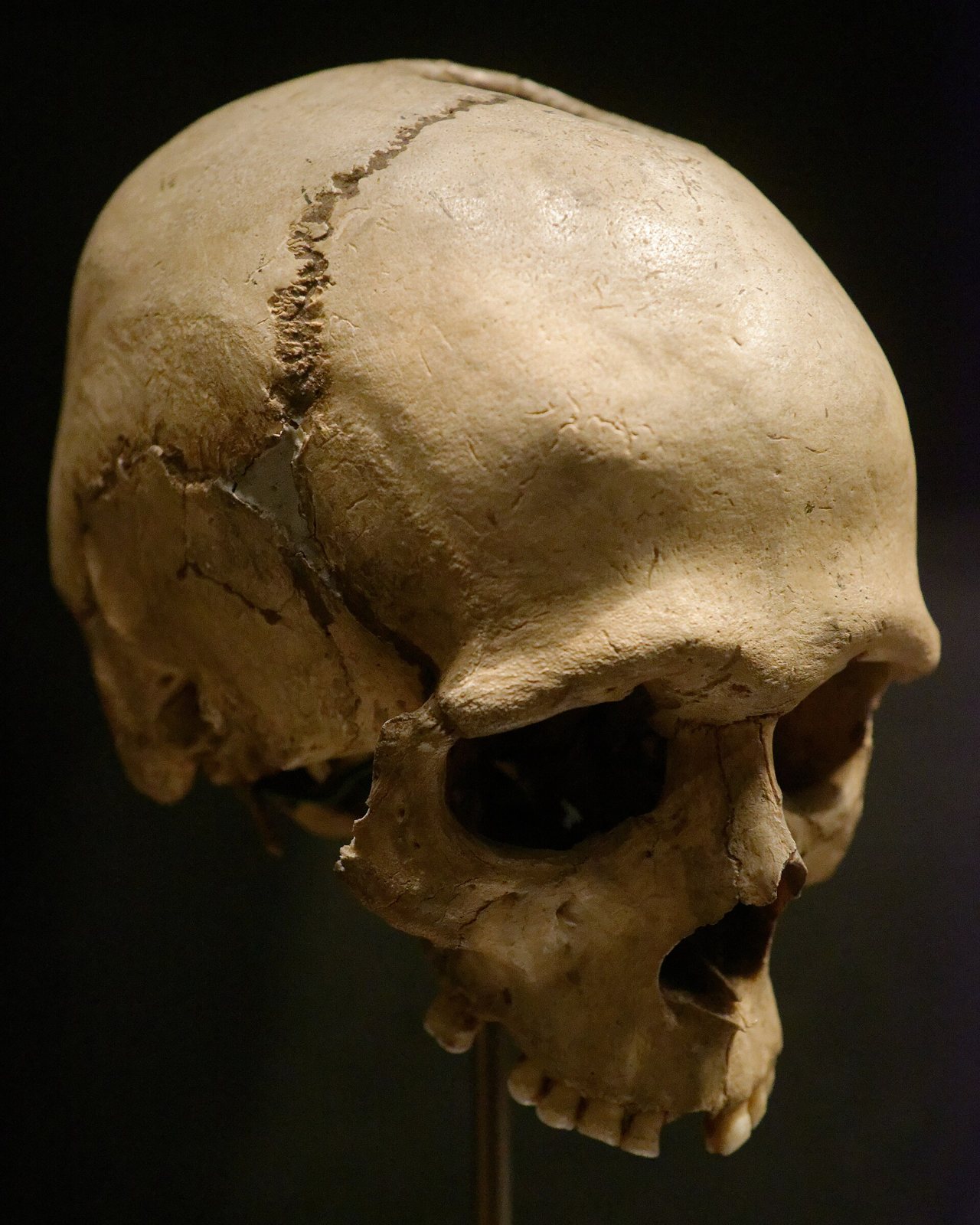
One of the clearest early cases comes from Catalonia. The Gavà Museum keeps the skull of a man aged 30 to 40, buried at the Gavà mines and dated to 5600 to 5400 BCE. He had two trepanations, both made by abrasion, which means the bone was worn away rather than cut out. The museum states that he lived for six months after the operation.
In Denmark, the National Museum in Copenhagen holds the Næs skull, from a man aged 30 to 40, found at Næs, Falster, in a context dated to about 3500 to 3000 BCE. A photograph of it on Wikimedia Commons is openly licensed.
Trepanation through time
Tap or hover a step to follow the order.
About 10,000 BCE
Early European examples, from the Mesolithic and early Neolithic, are reported in archaeological reviews.
5600 to 5400 BCE
At Gavà, Catalonia, a man has two trepanations by abrasion and survives six months.
4500 to 1800 BCE
Trepanation becomes more common across parts of Neolithic Europe and the Mediterranean.
About 400 BCE
The Hippocratic treatise On Injuries of the Head describes trepanning for head wounds.
200 BCE to 400 CE
Early Peruvian trepanations appear in Paracas burials.
1000 to 1400 CE
Some studied Peruvian samples show long-term survival as high as 91 percent.
1400 to 1530 CE
The Inca skull later found by Ephraim George Squier in Cuzco dates to this period.
Ancient Peru, the heartland of the practice
The earliest Peruvian examples cited by López and colleagues come from Paracas burials, dated between 200 BCE and 400 CE. From there the practice spread widely through Andean societies, including communities in the southern highlands, and continued into the Inca period.
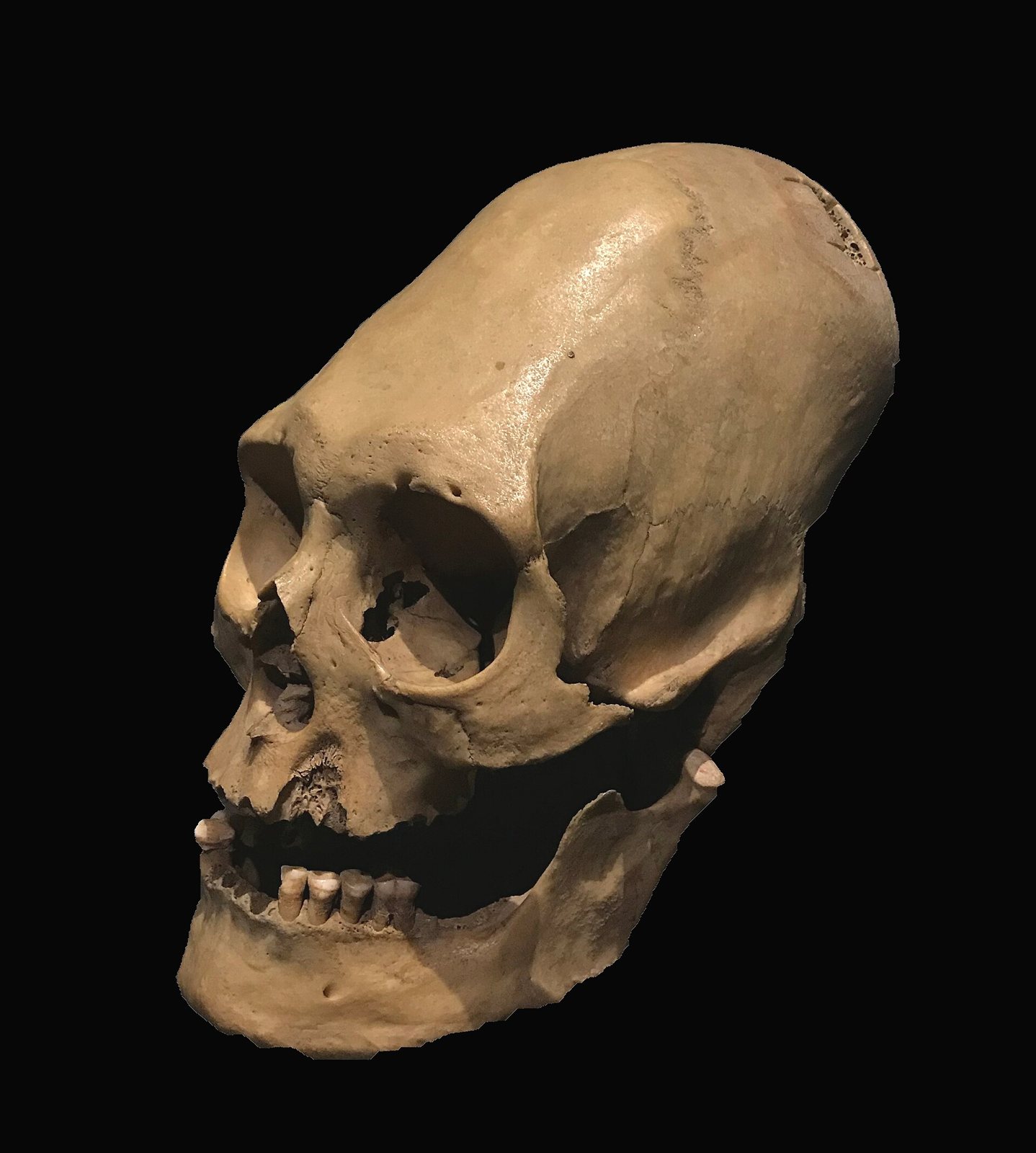
Museums in Lima keep many of these skulls. The Museo Larco collection spans 1250 BCE to 1532 CE and includes trepanned skulls such as ML100679, ML101604, ML101614, ML101616, ML500089 and ML500092, some with healed openings and some without. At the Museo Nacional de Arqueología, Antropología e Historia del Perú, a Paracas skull shows a trepanation made over a fracture caused by a star-shaped club. That skull also carries a gold covering, and the museum is careful to say there is no evidence the gold sheet was implanted while the person was alive.
If you hope to see a particular skull in person, confirm its object number and display status with the museum before you travel, since collections rotate and not everything is on view.
Did people survive trepanation?
Yes, many did, and the evidence is written in their bones. When a person lives for weeks or months after an opening is made, the bone around the edge reacts: it smooths over, regenerates and remodels. A skull with a smooth, rounded edge around the hole belonged to someone who survived long enough for that healing to happen. A sharp, unhealed edge is harder to read. It cannot by itself prove the operation killed the person, because they may have died of the original injury or of something else.
The most cited numbers come from Peru. Andrushko and John W. Verano examined 66 individuals from 11 burial sites in the Cuzco region and documented 109 perforations. They reported an overall survival rate of 83 percent, with little evidence of infection afterward, and they saw survival improve over time, which suggests that technique got better. Their study is summarized on PubMed.
A broader comparison by David S. Kushner and John W. Verano, presented in Neurology, tracked survival across centuries.
Tap or hover a row to highlight it.
| Period | Long-term survival |
|---|---|
| Period400 to 200 BCE | Long-term survivalNearly 40 percent |
| Period1000 to 1400 CE | Long-term survivalAbout 55 percent (some regional samples as high as 91 percent) |
| PeriodInca period, about 1400 to 1500 CE | Long-term survivalAs high as 75 percent (averages of 75 to 83 percent reported) |
The American College of Surgeons summarizes the same line of work, reporting regional samples reaching 91 percent between 1000 and 1400 CE and an average Inca-period survival of 75 to 83 percent. Europe has its own figures: a Spanish study identified signs of survival in 95 of 127 published trepanned skulls, about 75 percent.
These percentages describe the skulls that archaeologists have studied, not every trepanation ever performed. Even so, they change the image of the practice. For many ancient patients, this was an operation they walked away from.
Why did people do it?
In ancient Peru, head injury is the leading documented reason. The Museo Larco describes trepanation as a way to remove hematomas, pooled blood under the skull, or fractured bone, especially after ritual combat or warfare, and it also mentions pain and other complaints of the head. Andrushko and Verano likewise concluded that cranial trauma was a major motive in their Cuzco sample.
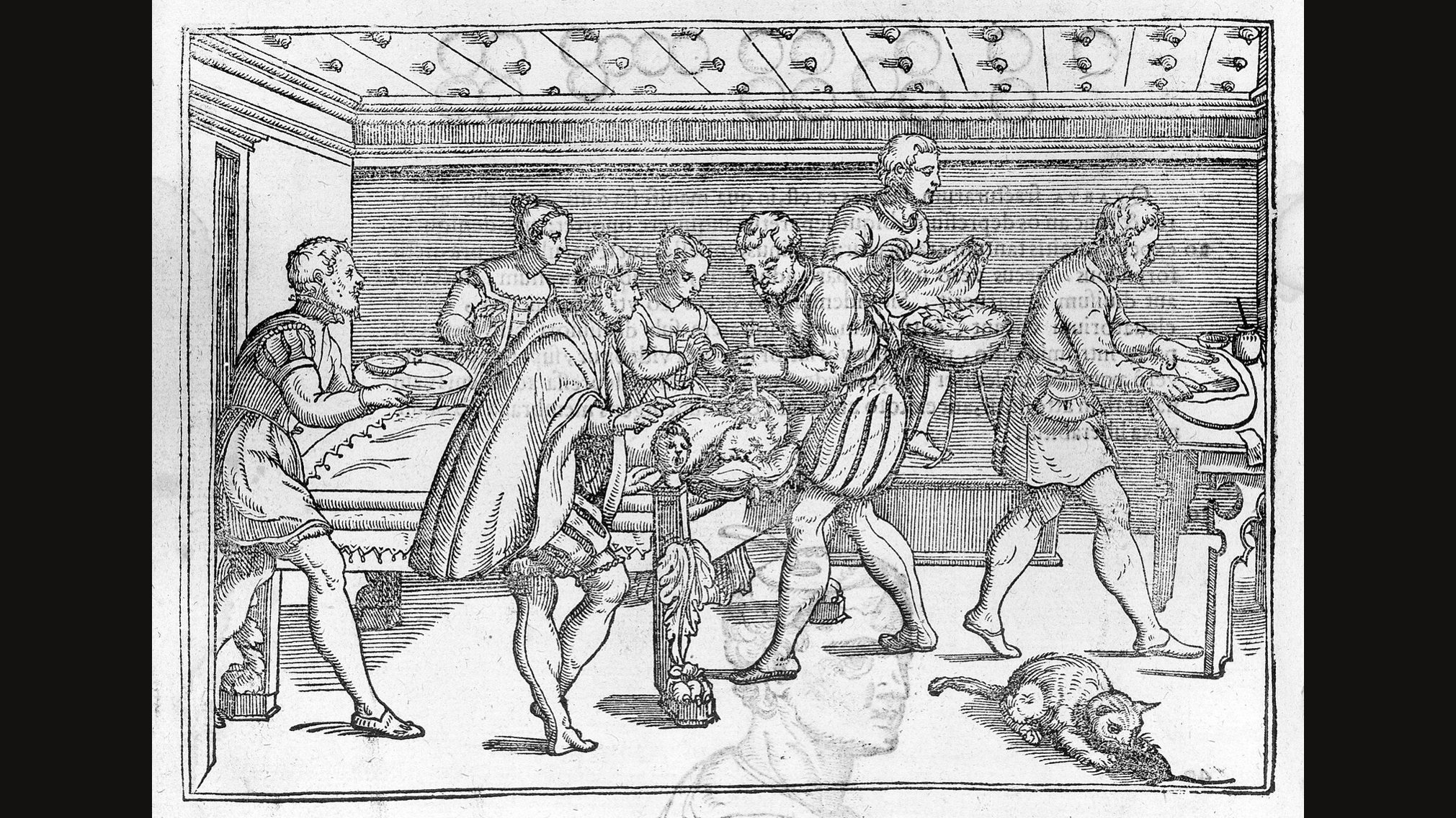
In Greece, the Hippocratic treatise On Injuries of the Head, written around 400 BCE, describes trepanning for serious head wounds and conditions of the skull. Its instructions are detailed: where to place the opening, how to avoid the membrane covering the brain, how to examine the cut, and how to cool the trepan as it saws.
Medieval and early modern European texts describe trepanation mainly for skull fractures, head wounds and pressure beneath the skull. Later historical writing also linked it with epilepsy, convulsions and mental illness. For any single archaeological skull, though, the exact motive often cannot be known. Studying medieval skulls from Gormaz in Spain, López and colleagues note that trepanation was much less common in medieval Europe than in prehistoric times, and that the reason for an operation cannot be determined from the skeleton alone.
How it was done
Museums and excavations record several ways of opening a skull, and the tool and the shape of the hole usually go together.
Ways of opening the skull
Tap a card to bring it forward.
- Scraping: Wearing away the bone with a sharp stone or metal edge, leaving a wide, shallow opening.
- Grooving: Cutting a circular or rectangular outline and lifting out the bone in the middle.
- Boring or drilling: Holes worked into the bone with a pointed tool.
- Cutting: Using a knife or a ring of repeated perforations.
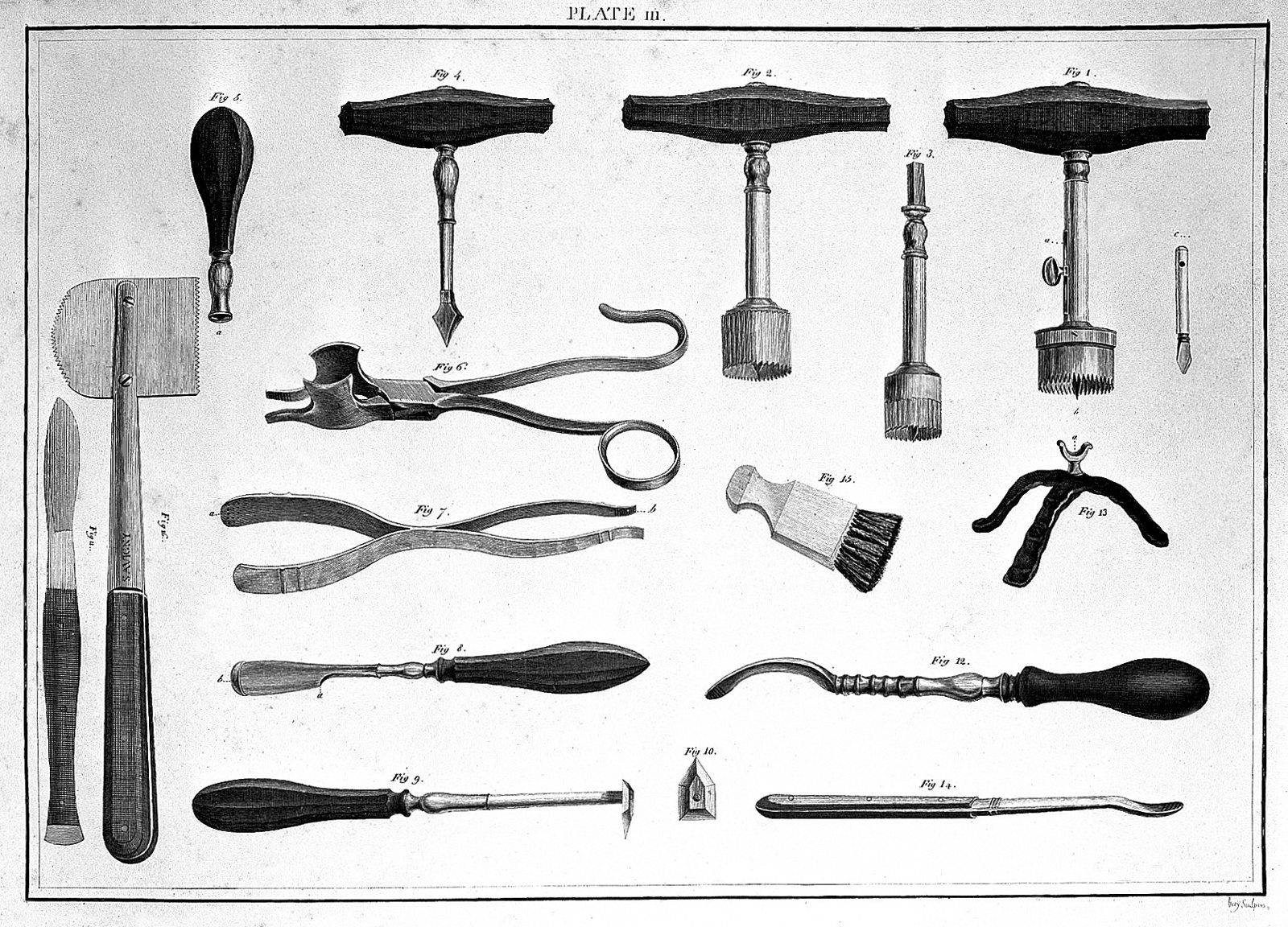
- Trephine: A later surgical tool with a serrated circular blade that cuts out a round disc of bone.
In the Cuzco study, circular cutting and scraping were the main methods. Peruvian collections identify knives of obsidian, copper and copper alloy. The Peruvian Ministry of Culture describes a Paracas operation made by scraping the bone with stone or metal, which left a relatively small opening with beveled edges.
The Hippocratic text names a serrated trepan, a perforator and a probe. It advises the surgeon who began treatment right away to stop before the instrument reaches the membrane, and to cool the trepan in water during sawing.
By the eighteenth century the tools had become a surgeon's kit. The Science Museum Group holds an English trepanning set dated about 1731 to 1770, with trephine crowns, a perforator handle, reaming tools, forceps, a skull elevator, a gouge and a fitted case. The University of Groningen Museum also lists a set of tools for boring into the skull.
The skull that convinced the doctors
For a long time, scholars debated whether holes in ancient skulls were surgery at all or simply damage that happened after death. One skull helped settle it. In 1865, Ephraim George Squier found an Inca skull in Cuzco, dated to about 1400 to 1530, with a trepanation opening. According to the American College of Surgeons, the skull helped establish ancient Peruvian trepanation as evidence of surgery rather than postmortem damage.
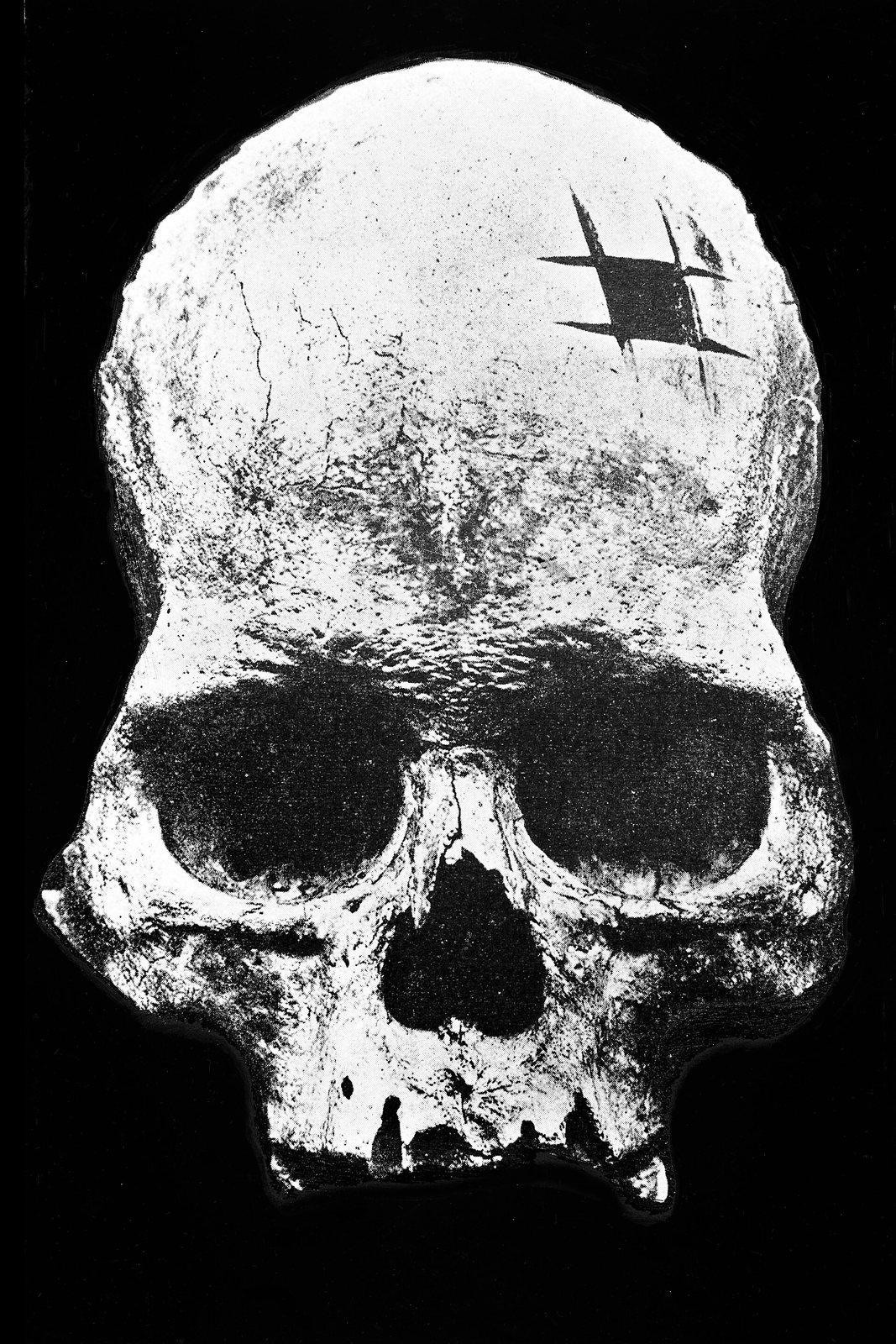
The skulls from Gormaz in Spain show how much, and how little, bone can tell. One woman's skull shows extensive regeneration around the opening, a clear sign she lived on. A man's skull from the same study lacks clear signs of survival. Neither one says why the operation was done.
Test what you know about trepanation
Answer every question to check.
Questions about trepanation
These are the questions people ask most often about the holes in these skulls.
Was trepanation painful?
It would have caused serious pain without effective anesthesia, since it involved cutting or scraping the scalp and the skull. No reliable account survives of how a prehistoric patient experienced it. Later Peruvian historical accounts mention substances such as coca, datura, yuca and chicha, but the evidence varies by period, so it cannot be assumed for every patient.
Did people survive trepanation?
Yes, many people survived, and healed bone around the openings shows they lived for weeks, months or longer. Andrushko and Verano reported 83 percent survival among 66 individuals from the Cuzco region, and Peruvian samples show long-term survival rising from about 40 percent in 400 to 200 BCE to roughly 75 to 83 percent in the Inca period.
Why did ancient people drill holes in skulls?
The strongest explanation in ancient Peru is treating head injuries, including fractured bone and pooled blood. Hippocratic writings describe it for serious head wounds, and later European sources also connect it with epilepsy, convulsions and other disorders of the head, though the reason for many individual skulls is still uncertain.
How did ancient Peruvians perform trepanation?
They scraped, grooved or cut the bone, most often with circular cutting and scraping, using knives of obsidian, copper and copper alloy. A Paracas example was made by scraping with stone or metal, leaving a small opening with beveled edges.
Did trepanning work?
In the sense of survival, often yes: high healing rates in Peru show that many patients lived, and rates rose as technique improved. Whether the operation helped the condition a particular person had cannot be read from the bone.
Where to go next
Trepanation is one of many ways the human skull has carried a story long after its owner died. For a nineteenth-century skull that taught doctors about the brain, read about Phineas Gage's skull. For another Neolithic tradition of working on the skull, this time to remember the dead, see the Jericho plastered skulls, and for the basics of the bone itself, start with human skull facts.
Terms in this story
Tap a term to see what it means.
Trepanation. The deliberate removal of a piece of the skull by scraping, cutting, boring or drilling; also called trephination or trepanning.