

No. 011
What Happened to Mozart's Skull? The Salzburg Skull and the DNA Mystery
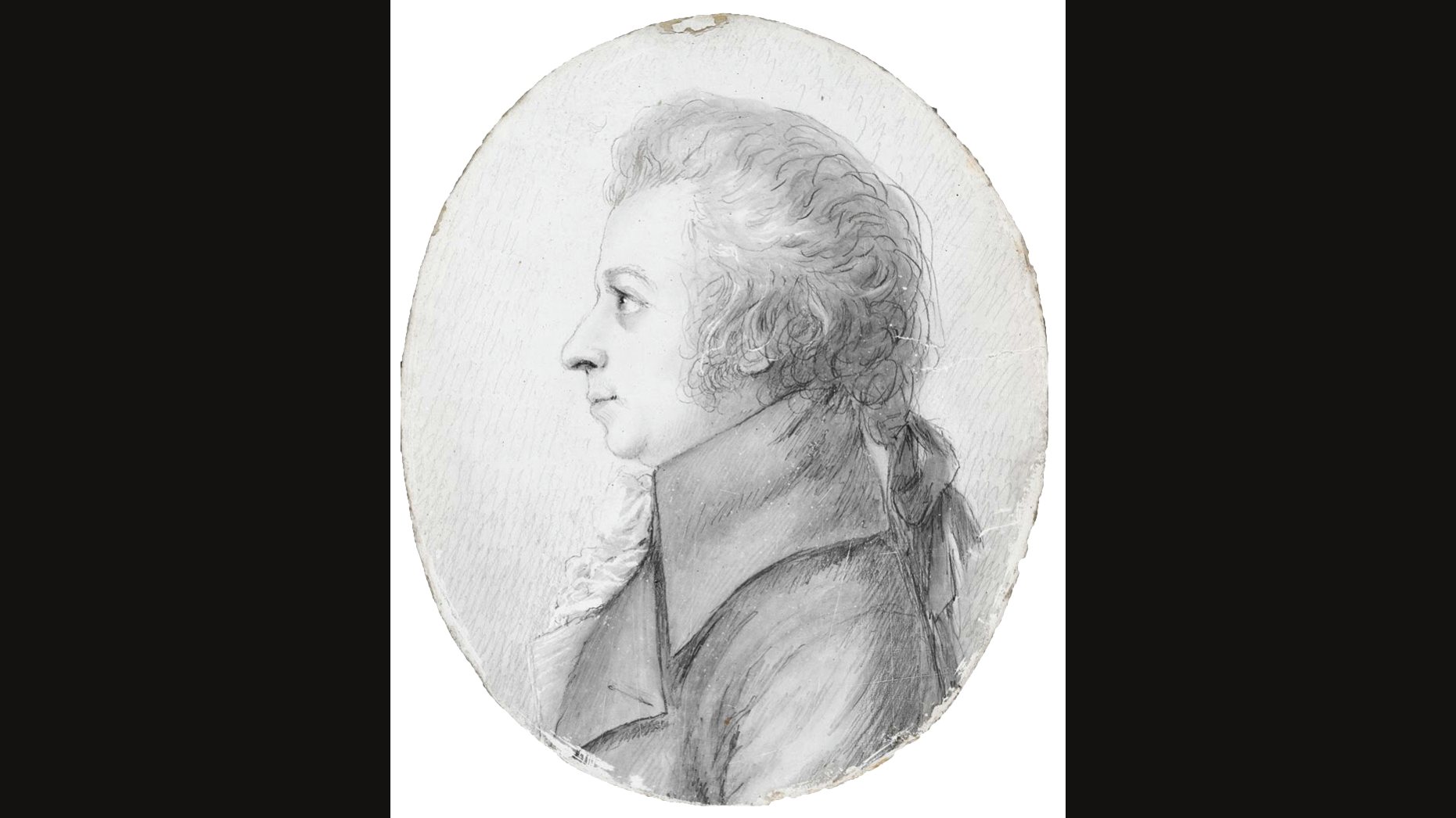
There is a skull said to be Mozart's, and it is in Salzburg, Austria, in the care of the International Mozarteum Foundation. Whether it is really his has never been settled. DNA tests reported in January 2006 could neither confirm it nor rule it out, so the honest name for it is the attributed Mozart skull. It is kept in secure storage under a glass dome and is not part of the regular museum display. Mozart's actual grave, meanwhile, was never marked, which is how a skull with a story attached could appear in the first place.
How Mozart was buried
Wolfgang Amadeus Mozart died in Vienna on 5 December 1791. The next day, according to the International Mozarteum Foundation, he was consecrated at St. Stephen's Cathedral and then taken to St. Marx Cemetery.
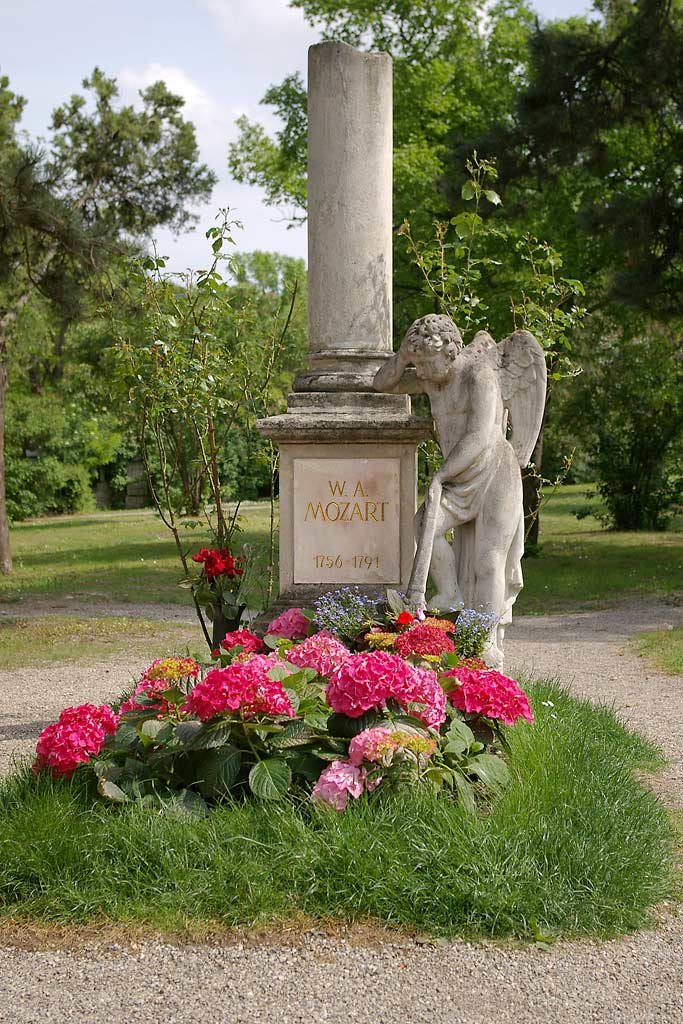
He was buried in an unmarked shaft grave, a shared grave that usually held four or five bodies. That detail has fed a popular image of Mozart dying poor and being thrown into a pauper's pit, but the Mozarteum describes something more ordinary. A shaft grave following a third-class funeral was the customary arrangement for people of similar status at the time. It was a normal Viennese burial of the 1790s, not a sign that he had been abandoned.
The ordinary arrangement had a lasting cost. Shaft graves were reused, and no stone marked who lay where. St. Marx Cemetery closed in 1874 and is now a public park. The Mozart memorial there stands on the presumed site of the old shaft graves, but the exact place where Mozart lies can no longer be identified. If you visit St. Marx, the memorial is a place to remember him rather than a marker over his remains.
The attributed Mozart skull, 1791 to 2006
Tap or hover a step to follow the order.
5 December 1791
Mozart dies in Vienna
6 December 1791
He is taken from St. Stephen's Cathedral to St. Marx Cemetery and buried in an unmarked shaft grave
Around 1801
The traditional account dates the recovery of a skull to the later reuse of the St. Marx graves
1842
The skull is said to pass to the copper engraver Jakob Hyrtl
1901 to 1902
It is found in Mödling and transferred to Salzburg
Until 1940
It is displayed in Mozart's Birthplace
2005 to 2006
DNA testing fails to authenticate the skull
The story of the skull
The skull's story begins with a gravedigger. In the traditional account, Joseph Rothmayer, a gravedigger at St. Marx, recovered a skull when the graves were being reused, an event usually dated to 1801.
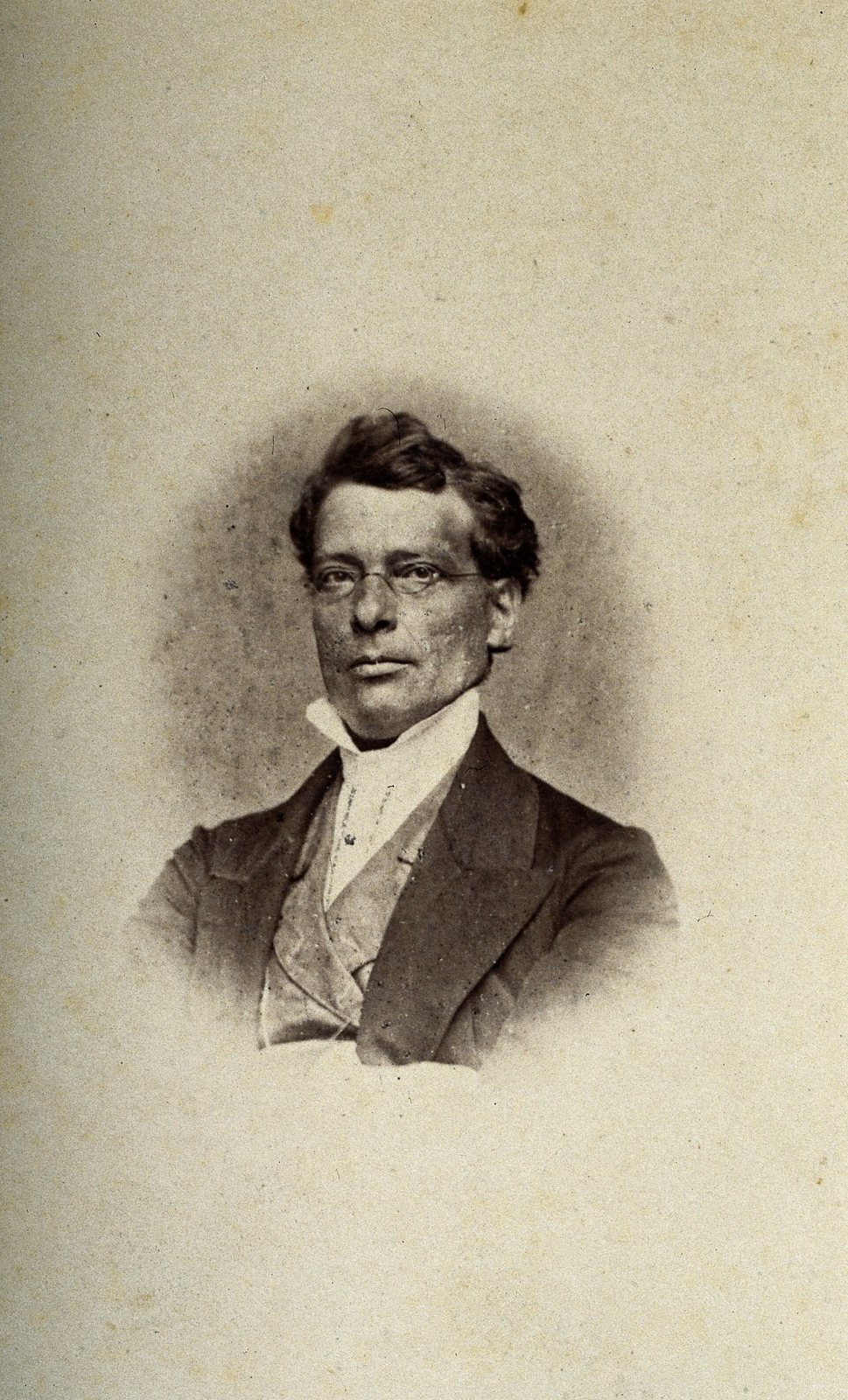
From there it moved through several hands. It is said to have passed in 1842, through Rothmayer's successor Jos Radschopf, to the copper engraver Jakob Hyrtl. Later it belonged to Jakob's brother, Joseph Hyrtl, an anatomist. After Joseph Hyrtl died, the skull turned up in 1901 at the Hyrtl orphanage in Mödling, near Vienna. A legal dispute over who owned it followed, and it ended when a handwritten instruction was located saying the skull should go to Salzburg, Mozart's birthplace. It entered the Mozarteum's possession in 1902.
The claims around the skull are old ones. The Mozarteum's digital edition holds a dated 1842 document by Aloys Fuchs, "Notizen über Mozarts Schädel", or notes on Mozart's skull, which records what people were saying about it in the same year the skull is said to have reached Jakob Hyrtl. In other words, the skull had a reputation long before anyone could test it, and the story has been retold, and argued over, ever since.
The skull carries its own labels. Jürg Kesselring, writing for the University Mozarteum Salzburg in 2021, describes the Latin words "Musa vetat mori," meaning "The Muse forbids death," along with an inscription identifying the skull as Mozart's. It is a fitting phrase for a composer, and it shows how much someone wanted this skull to be his.
That is where the trouble starts. Kesselring notes that Rothmayer appears to have taken up his job as gravedigger only around 1802, which does not fit a story set in 1801. Accounts from the 2006 reporting also give differing dates and descriptions. A scholarly summary in CNS Spectrums treats the identity as unresolved. So, the fair answer to "was Mozart's skull ever found?" is that a skull attributed to him was found, but his actual skull has never been conclusively identified.
The 2006 DNA tests
In 2005 and 2006, scientists tried to settle the question. As The Guardian reported in January 2006, a team from the Institute of Forensic Medicine at the University of Innsbruck and the United States Armed Forces DNA Identification Laboratory tested DNA from two teeth in the skull. The Guardian named Walther Parson and Franz Grabner in its coverage.
The plan was to compare the skull with Mozart's relatives. The team tested remains believed to belong to his maternal grandmother, Euphrosina Pertl, and his niece, Jeanette Berchtold zu Sonnenburg. They looked at mitochondrial DNA, which passes down the mother's line, so a grandmother on his mother's side should have shared it.
The result solved less than anyone hoped. The skull's DNA did not match either set of remains, but the two family skeletons did not match each other either. That meant nobody could be sure the reference bones really belonged to Mozart's family. As the dpa news agency report carried by KSL and the Austrian paper derStandard described, the tests could not prove the skull was not Mozart's, and they could not authenticate it either. The mystery stayed exactly where it was.
People also ask whether the skull can explain what killed Mozart. Because the skull's identity is unconfirmed, it cannot settle questions about his death, and any medical conclusion drawn from it inherits that same uncertainty.
Where the skull is now, and can you see it?
The attributed skull is still in Salzburg, in the custody of the International Mozarteum Foundation. Kesselring's 2021 article describes it as kept under a glass dome in a secure vault.
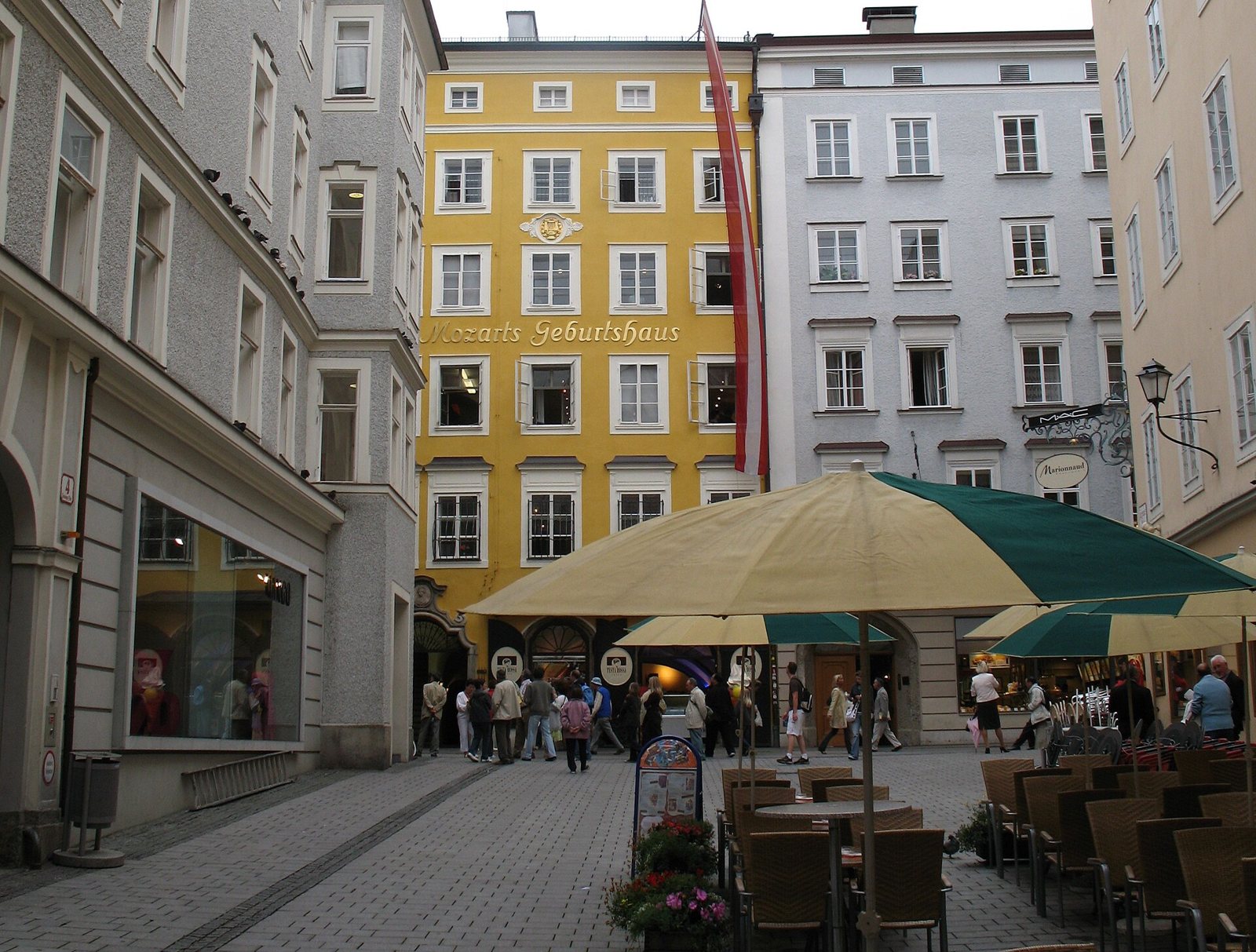
It has not always been hidden away. The skull was displayed in Mozart's Birthplace in Salzburg until 1940. Keeping it out of public view has been a deliberate choice for decades; The New Yorker's "Letter from Salzburg" wrote about the Mozarteum's decision not to display it as early as 1991. Today it is not part of the regular public display described on the Mozarteum's own museum pages. If you plan a trip to Salzburg's Mozart museums, check the Mozarteum's visitor pages for what is currently on show rather than expecting to see the skull.
The careful wording matters here, and the institution keeps to it. What the Mozarteum preserves is a skull attributed to Mozart, not a scientifically confirmed relic, and it looks after it as human remains.
Haydn's skull, a case with an ending
Mozart's is not the only famous composer's skull with a story, and the comparison helps show what a settled case looks like. On 4 June 1809, Joseph Haydn's skull was taken from his grave in Vienna by people interested in the ideas of Franz Joseph Gall. Gall's phrenology claimed that a person's mental abilities could be read from the shape of the skull, a theory long since discredited. Our story on phrenology covers how that practice worked and why historians treat it as a dead end.
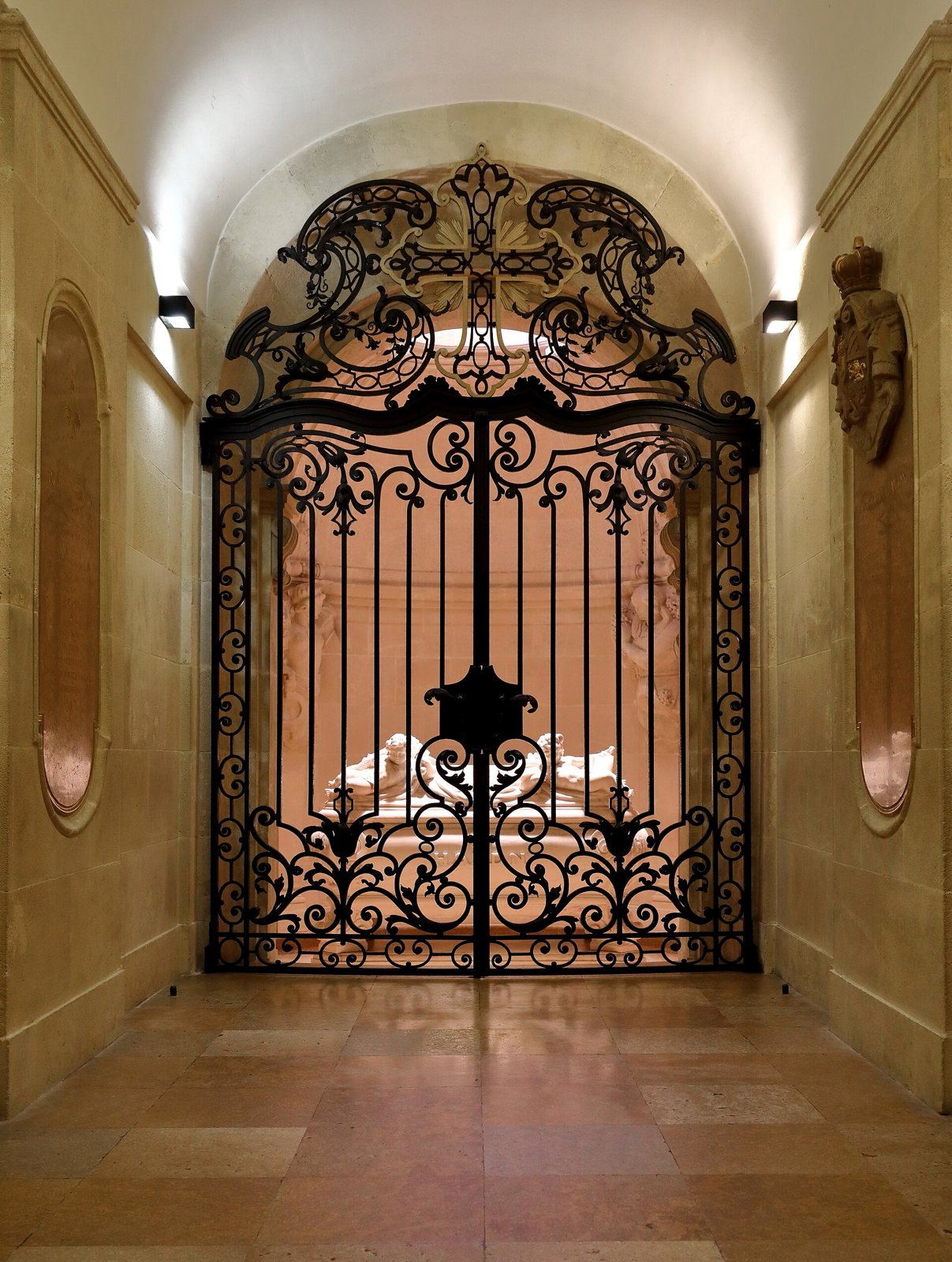
The theft came to light in 1820, when Haydn's body was moved to Eisenstadt and the skull was found to be missing. A substitute skull was used. The real one passed through several owners before it was finally reunited with Haydn's body in Eisenstadt in 1954, as the Haydn Mausoleum and Haydnhaus Eisenstadt both record. Peter Thomas Neugebauer and Michel tell the same story in a historical vignette on "the case of Joseph Haydn."
The two stories share a time and a city, but they end differently. Haydn's skull has a documented history and a reburial. Mozart's attributed skull has a gravedigger's tale, a dating problem and a DNA test that could not decide, so it would be a mistake to read Haydn's happy ending into Mozart's case.
How well do you know the story of Mozart's skull?
Answer every question to check.
Questions people ask about Mozart's skull
These are the questions that come up most often.
Where is Mozart's skull?
A skull attributed to Mozart is held by the International Mozarteum Foundation in Salzburg, Austria. It is kept in secure storage under a glass dome and is not on regular display. Its identity is still unconfirmed.
Was Mozart's skull ever found?
A skull said to be his was recovered from the area of St. Marx Cemetery in Vienna and passed through Joseph Rothmayer, Jakob Hyrtl and Joseph Hyrtl before reaching Salzburg in 1902. The evidence does not establish that it belonged to Mozart, so his actual skull has never been conclusively identified.
Is Mozart's skull real?
It is a real human skull, but whether it is Mozart's is unknown. The story of its recovery has a dating problem, and the 2006 DNA tests could neither confirm nor rule it out.
What did the DNA test on Mozart's skull show?
The 2006 tests showed that DNA from two of the skull's teeth did not match remains thought to be Mozart's grandmother and niece. Those two sets of remains did not match each other, so the test could not decide either way.
Why was Mozart buried in an unmarked grave?
An unmarked shaft grave shared with other bodies was the customary burial for people of his status in Vienna in 1791, according to the Mozarteum. It was not a pauper's burial, but because no stone marked it, the exact site was later lost.
Where to go next
Famous skulls tend to collect stories, and some of those stories hold up better than others. For a head with an even stranger path through private hands, read what happened to Oliver Cromwell's head. To see how Haydn's skull ended up in the hands of skull readers, start with phrenology, and for the everyday science of skulls, see our human skull facts.
Terms in this story
Tap a term to see what it means.
International Mozarteum Foundation. The Salzburg institution devoted to Mozart that holds the attributed skull and runs the Mozart museums.