

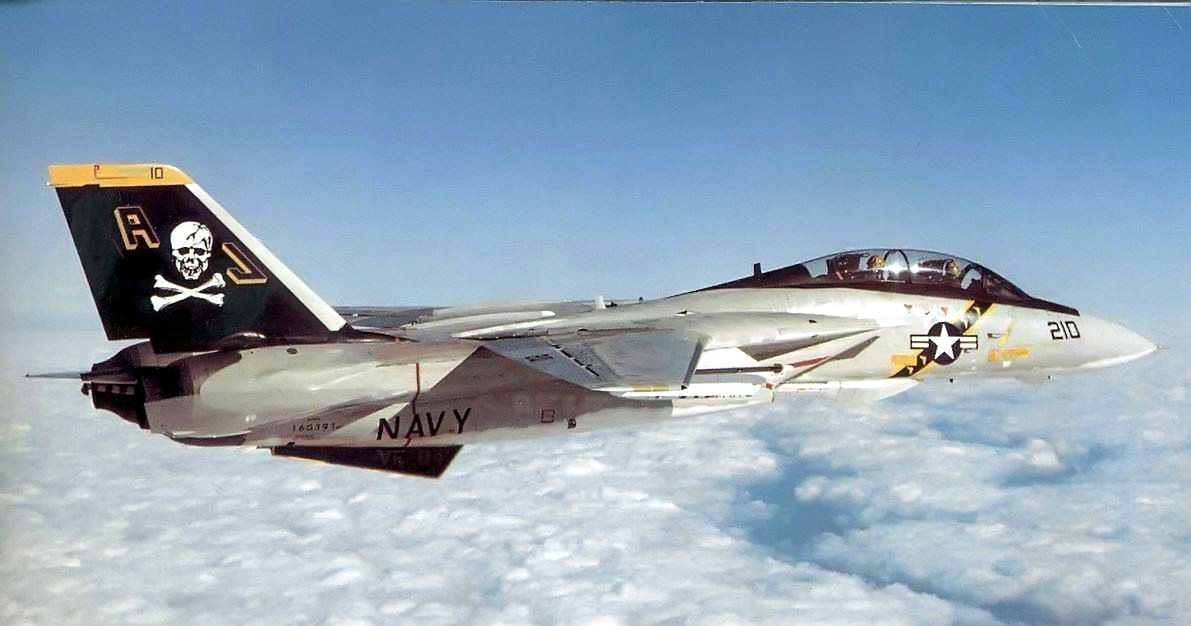
No. 319
The Punisher Skull: Where It Came From and What It Means Now
The Punisher skull is the chest emblem of Frank Castle, a Marvel vigilante who first appeared in *The Amazing Spider-Man* #129, cover-dated February 1974. Writer Gerry Conway created him with artists Ross Andru and John Romita Sr.
In the comics, the skull marks Castle as an outlaw who punishes criminals outside the justice system. Since at least 2004, when Chris Kyle's Navy SEAL unit painted it around Fallujah, soldiers, police officers, fans and political groups have taken it up, and each reads it in its own way.
That is why the same skull on two pickup trucks can mean two different things. Its story runs from a 1974 comic to Iraq, police patches and a 2022 redesign, with its creator and Marvel speaking up along the way.
The 1974 debut and the artist who made the skull big
Frank Castle did not start in a comic of his own. He arrived in a Spider-Man story: *The Amazing Spider-Man* #129, cover-dated February 1974. Conway developed the basic costume idea, Ross Andru drew the debut story, and John Romita Sr. shaped the emblem. Marvel's own issue record credits Conway and Andru.
According to The Guardian, Conway and Andru first imagined a smaller skull on the chest. Romita made it huge. In his interview with Tom Spurgeon for The Comics Journal, Romita traced his thinking to the Black Terror, a 1940s superhero whose costume carried a smaller skull and crossbones. He stretched the skull across most of the torso and used the teeth as a belt-buckle element.
The two men's memories of the costume do not line up in every detail, and 50 Year Old Comics sets their recollections side by side. Whatever the details, The Guardian's account and Romita's own both credit him with the giant skull, the one now on decals and patches.
From comic book to cultural symbol
Tap or hover a step to follow the order.
February 1974
The Punisher debuts in The Amazing Spider-Man #129, created by Gerry Conway, Ross Andru and John Romita Sr.
2004
Chris Kyle's Navy SEAL unit paints the skull on vehicles, armor and walls during the Battle of Fallujah, according to his memoir.
2012
Kyle publishes American Sniper, where he describes the unit calling itself the Punishers.
2007
A photograph later published by Time shows the skull on an Iraqi army soldier's helmet in Baghdad.
2015
Time reports Punisher skull stencils on fighters' equipment as Iraqi forces enter Tikrit.
2017
A Kentucky police department puts the skull and "Blue Lives Matter" on department vehicles.
2019
The St. Louis Police Officers Association promotes a "Blue Line Punisher", and The Punisher #13 shows Castle telling officers "We're not the same."
June 2020
Gerry Conway calls police use of the skull extrajudicial, and Marvel says it stands against racism and for inclusion.
September 2020
Global News reports a Toronto police officer wearing a Punisher skull patch with a Thin Blue Line flag.
March 2022
Punisher #1 gives Frank Castle a new horned skull tied to The Hand.
What the skull meant in the comics
Castle's story is grim and simple. In Marvel's comics he is a Marine veteran, not a Navy SEAL: Marvel's own character biography describes a decorated Marine who fought in Southeast Asia and came home, where his family was killed in Central Park. Organized crime is behind the killing, the justice system fails to punish the people responsible, and he goes to war on criminals himself. The SEAL link many people make comes from Chris Kyle's real unit in Iraq, not from the comics. The skull is his calling card, a threat painted on his chest so that the people he hunts are frightened before he reaches them.
Conway is direct about what kind of character this is. In interviews quoted by 99% Invisible and Time, he called Castle an anti-villain, or a vigilante anti-hero, not a conventional hero. The emblem belongs to a man who works outside the law, and that detail matters for everything that happened to it later.
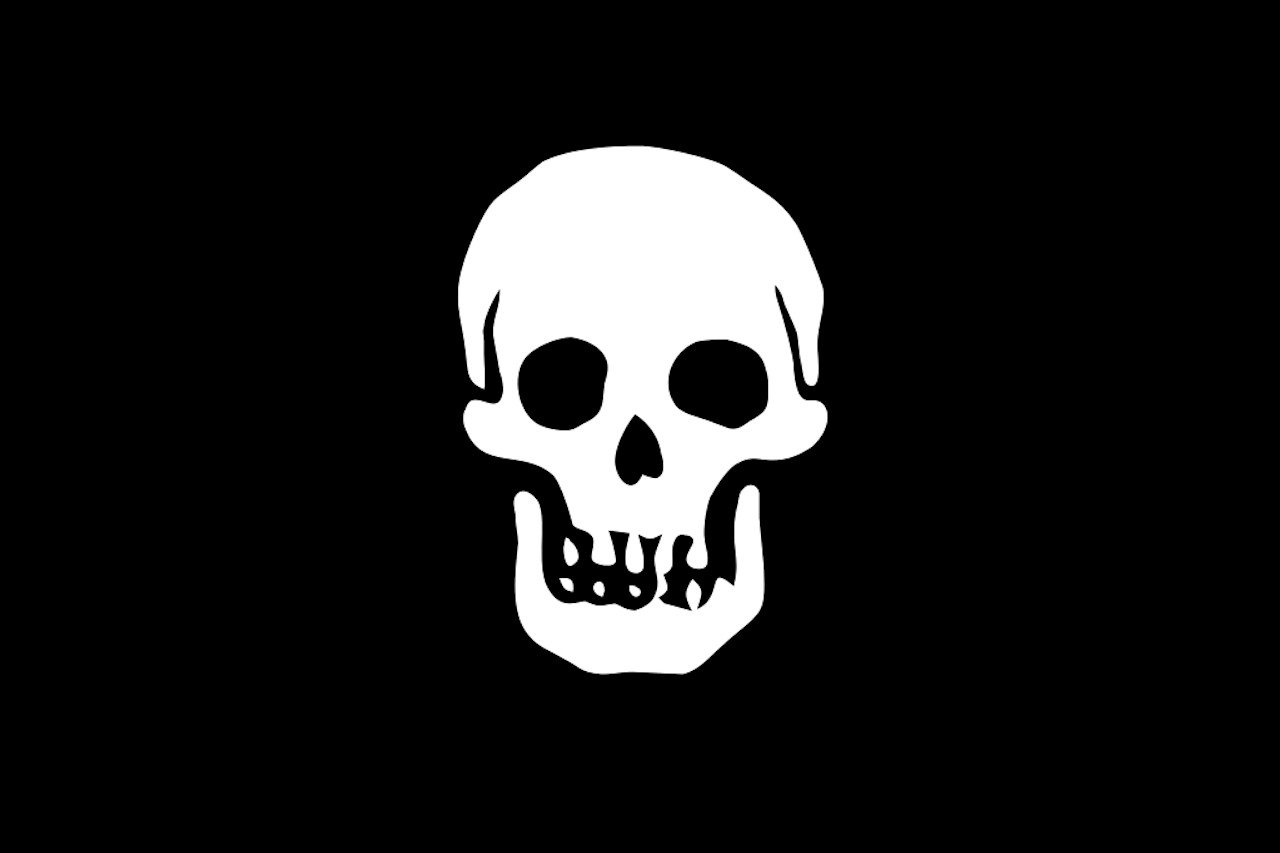
Skulls have a long record as warnings, from pirate flags to poison labels, and the Jolly Roger is the obvious ancestor in spirit: a skull that tells you who is coming. For the wider history of skulls as signs, our skull symbolism story covers far more ground.
How the skull spread through the US military
The best-documented early military use comes from Iraq. In his 2012 memoir *American Sniper*, Navy SEAL Chris Kyle wrote that his unit called itself "the Punishers" and painted the skull on Hummers, body armor, helmets, weapons, buildings and walls during the 2004 Battle of Fallujah. He wrote that the point was to let enemies know the unit was there and meant to make trouble for them.
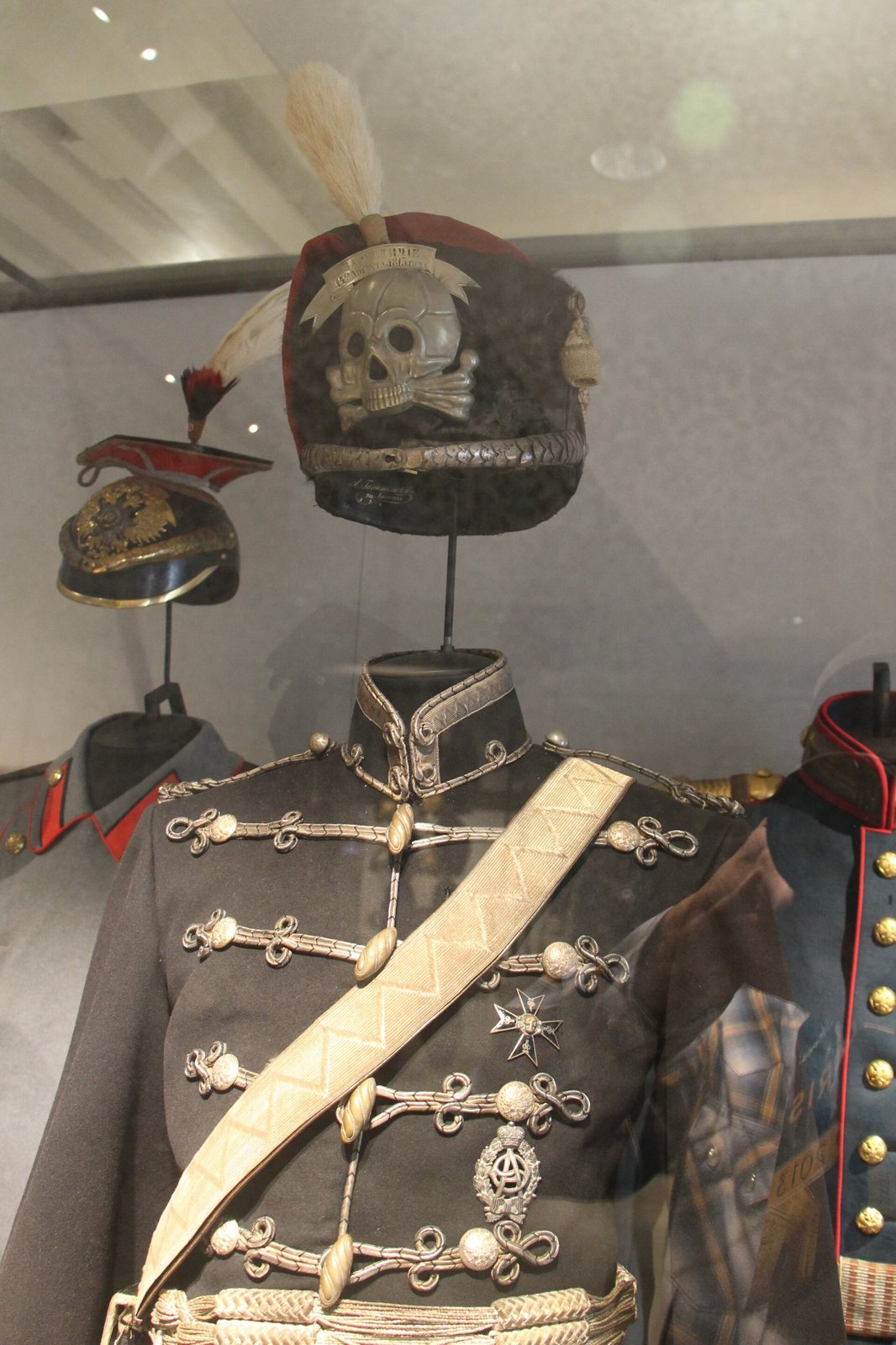
Why the Punisher in particular? Kyle explained that the unit saw the character as someone who "righted wrongs", killed bad people and made wrongdoers afraid, as Rebecca Collard reported in Time on April 13, 2015. The same report says Kyle's sister platoon wanted to use the skull too, and Kyle's unit told them to find a symbol of their own.
The image traveled. Time published a photograph of the skull on an Iraqi army soldier's helmet in Baghdad in 2007, and Collard reported that Punisher skull stencils showed up on the equipment of Iraqi security forces and Shi'ite militias entering Tikrit in 2015. Researcher Aymenn al-Tamimi, quoted in that report, read the Tikrit skulls as a symbol of military strength rather than necessarily a reference to an American comic. Veterans interviewed by Josephine Riesman for Vulture in 2020 described putting it on Humvee armor and in their living quarters.
Political scientist Menaka Philips traced this adoption in the American Political Science Review in 2022. In the users' own descriptions, the skull stands for intimidation, toughness, solidarity within a unit and a wish to punish people they see as dangerous. Those are documented choices by particular units and people, and they do not make the skull a universal military symbol.
Police departments and patches
Police use followed. In 2017 a Kentucky police department put a Punisher skull with the words "Blue Lives Matter" on department vehicles, as Philips records. In 2019 the St. Louis Police Officers Association promoted a "Blue Line Punisher" and described it as a symbol of standing between good and evil. Police groups have also described versions of the skull as standing for a fight against people who hate law enforcement. The use crossed borders too: in September 2020 Global News reported a Toronto police officer wearing a Punisher skull patch with a Canadian Thin Blue Line flag and the words "I am the sheepdog".
Punisher patches and badges were seen on officers during the 2020 protests. In New York, closing reports from the city's Civilian Complaint Review Board document Punisher patches worn by NYPD officers, including a sergeant, and one report records an officer's own explanation of the patch.
For officers who wear it, then, the skull usually speaks about protection and a hard line against crime. For the people who object, it is a vigilante's emblem on a uniform that represents the law. Both readings come from the same image, and the man who created the character has said where he stands.
What Gerry Conway and Marvel have said about police use
Gerry Conway has spoken about this more than once. In 2019 he said police who use the emblem are taking on an outlaw's mentality, and that police should not adopt a criminal as their symbol, as Gizmodo reported. In June 2020 he called police use "extrajudicial" and repeated that the Punisher is an outlaw. Speaking to Forbes on June 11, 2020, he put his view of the character simply: "In my mind he's not a good guy."
He also did something with the image. In 2020 Conway launched Skulls for Justice, a fundraiser that used redesigned skull artwork to raise money for Black Lives Matter organizations, according to The Guardian.
Marvel's public response in June 2020 said the company stood against racism and for inclusion, and a spokesperson said Marvel was taking unauthorized use of its imagery seriously. The comics had already spoken a year earlier. In *The Punisher* #13, published in 2019, admiring officers approach Frank Castle, and he tells them, "We're not the same." He points them to Captain America as a role model instead.
Fans, protests and modified versions
Plenty of people wear the skull for none of these reasons. It is a striking piece of design, it has been in comics for decades, and for many it simply says they like the character or like a tough-looking emblem, in the same family as the skulls in biker culture and skull tattoos. Some wear it without ever having read a Punisher comic.
The image has also been reworked for political use. Philips records modified versions of the skull at the 2017 Charlottesville rally and in militia imagery. The FBI's Domestic Terrorism Symbols Guide lists Punisher skull variations among symbols used by some militia violent extremists, and it states plainly that a symbol alone does not prove extremist affiliation or illegal activity.
So, by the FBI's own caution, the skull on a stranger's truck does not tell you on its own what that person believes. The version of the skull and the setting around it usually say more.
Is the Punisher skull based on the Nazi Totenkopf?
The creators' published accounts point somewhere else: Romita named the Black Terror's skull and crossbones as his design thinking. A New York Civilian Complaint Review Board closing report describes the Punisher skull as "loosely based" on the German Totenkopf. It is best read as that report's comparison.
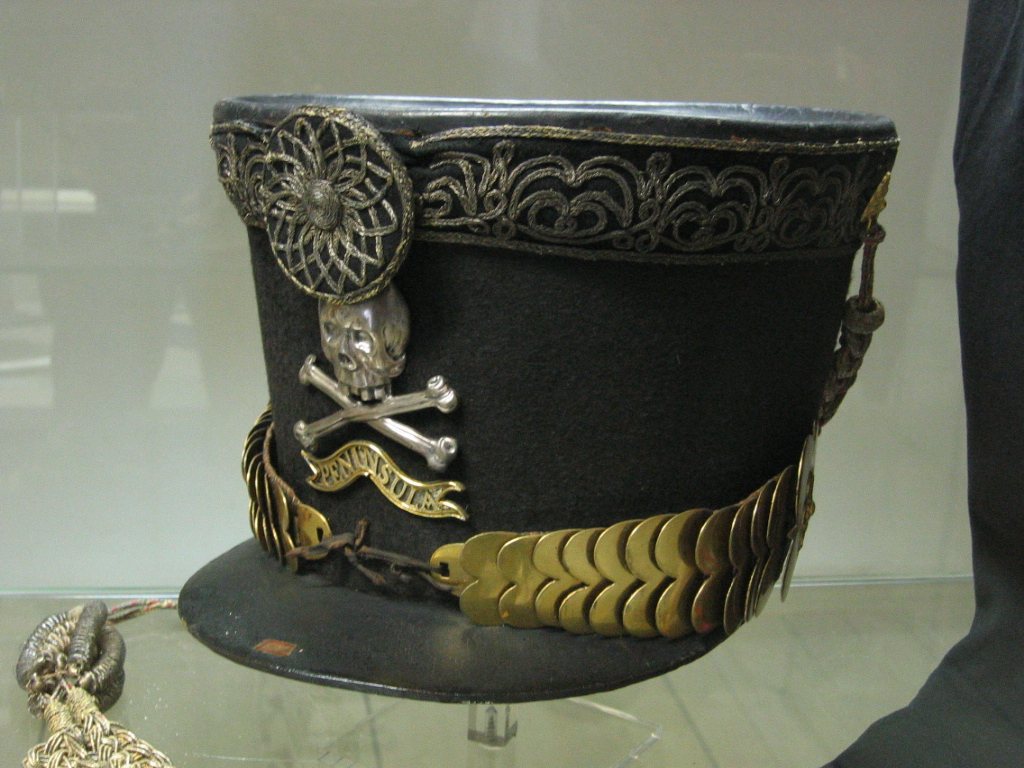
The Totenkopf, the death's head badge worn by Nazi SS units, has its own history, and our Totenkopf story covers who used which version and what it signals today.
The horned skull of 2022
Marvel changed the emblem itself in *Punisher* #1, published in March 2022. In Jason Aaron's series, Frank Castle takes command of The Hand, the ninja organization, and wears a new skull with two horns, enlarged teeth and a more demonic look. He also trades his usual guns for swords while he works for The Hand, as ComicBook.com reported on March 14, 2022.
Within the story, the horned skull is tied to Castle's new role with The Hand. The classic skull, meanwhile, is the one still painted on trucks and sewn onto patches.
Tap or hover a row to highlight it.
| Group | Period | Their stated reading | Reported by |
|---|---|---|---|
| GroupFrank Castle in the comics | PeriodFrom 1974 | Their stated readingA calling card meant to frighten criminals | Reported byGerry Conway, in 99% Invisible and Time |
| GroupChris Kyle's Navy SEAL unit | Period2004, Fallujah | Their stated readingA message that the unit was there to fight | Reported byKyle, American Sniper, cited by Time |
| GroupA Kentucky police department | Period2017 | Their stated readingPaired with "Blue Lives Matter" on vehicles | Reported byMenaka Philips, American Political Science Review |
| GroupSt. Louis Police Officers Association | Period2019 | Their stated readingStanding between good and evil | Reported byMenaka Philips, American Political Science Review |
| GroupGerry Conway | Period2019 and 2020 | Their stated readingPolice use is extrajudicial; the Punisher is an outlaw | Reported byGizmodo and The Guardian |
| GroupFBI | PeriodDomestic Terrorism Symbols Guide | Their stated readingVariations used by some militia violent extremists; a symbol alone proves no affiliation | Reported byFBI |
How well do you know the Punisher skull?
Answer every question to check.
Quick answers about the Punisher skull
A few more questions come up once the history is clear.
Who created the Punisher skull?
John Romita Sr. drew the large skull emblem, working on a character created by Gerry Conway with Ross Andru and Romita for *The Amazing Spider-Man* #129 in 1974. Conway and Andru had first imagined a smaller chest skull. Romita's own account credits the 1940s hero Black Terror as his design starting point.
What does the Punisher skull mean in the military?
In documented military use, units such as Chris Kyle's SEAL team used it to signal toughness and intimidation, and that use does not make it a universal military symbol. Kyle's unit painted it on Hummers, helmets and weapons, and other veterans have described it on Humvee armor and in living quarters as a mark of solidarity.
Why is the Punisher skull popular with people who don't know the character?
Many people wear it simply as a bold, easy-to-read design that suggests toughness, and it has spread far beyond comics through trucks, patches and shirts. Its use by soldiers and police officers also gave it meanings of its own, separate from Frank Castle's story.
Why is the Punisher skull logo controversial?
The Punisher skull is controversial because a symbol made for a violent vigilante has been taken up by soldiers, police officers, militias, far-right groups and ordinary fans, each giving it a different meaning. Police supporters often read it as toughness and protection, while Gerry Conway says police and military use turns the character's purpose upside down. Marvel's own comic answered with Castle telling officers, "We're not the same."
Is the Punisher skull a far-right symbol?
The FBI's Domestic Terrorism Symbols Guide says a symbol alone does not prove extremist affiliation or illegal activity, while listing Punisher skull variations among symbols used by some militia violent extremists. Political scientist Menaka Philips records modified versions at the 2017 Charlottesville rally, while police groups, soldiers and fans use other versions with readings of their own.
Where to read next
The Punisher skull belongs to a long line of skulls used as warnings and badges. The Totenkopf story covers the death's head badge, the skull and crossbones story follows the emblem the Black Terror wore, and the biker skull story looks at skulls on bikes, jackets and patches. If a skull caught your eye on screen rather than on a truck, the classic horror film The Skull (1965) has one with a far older story.
Terms in this story
Tap a term to see what it means.
Frank Castle. The Marvel character known as the Punisher, created in 1974. In the comics he turns vigilante after organized crime kills his family.
---