

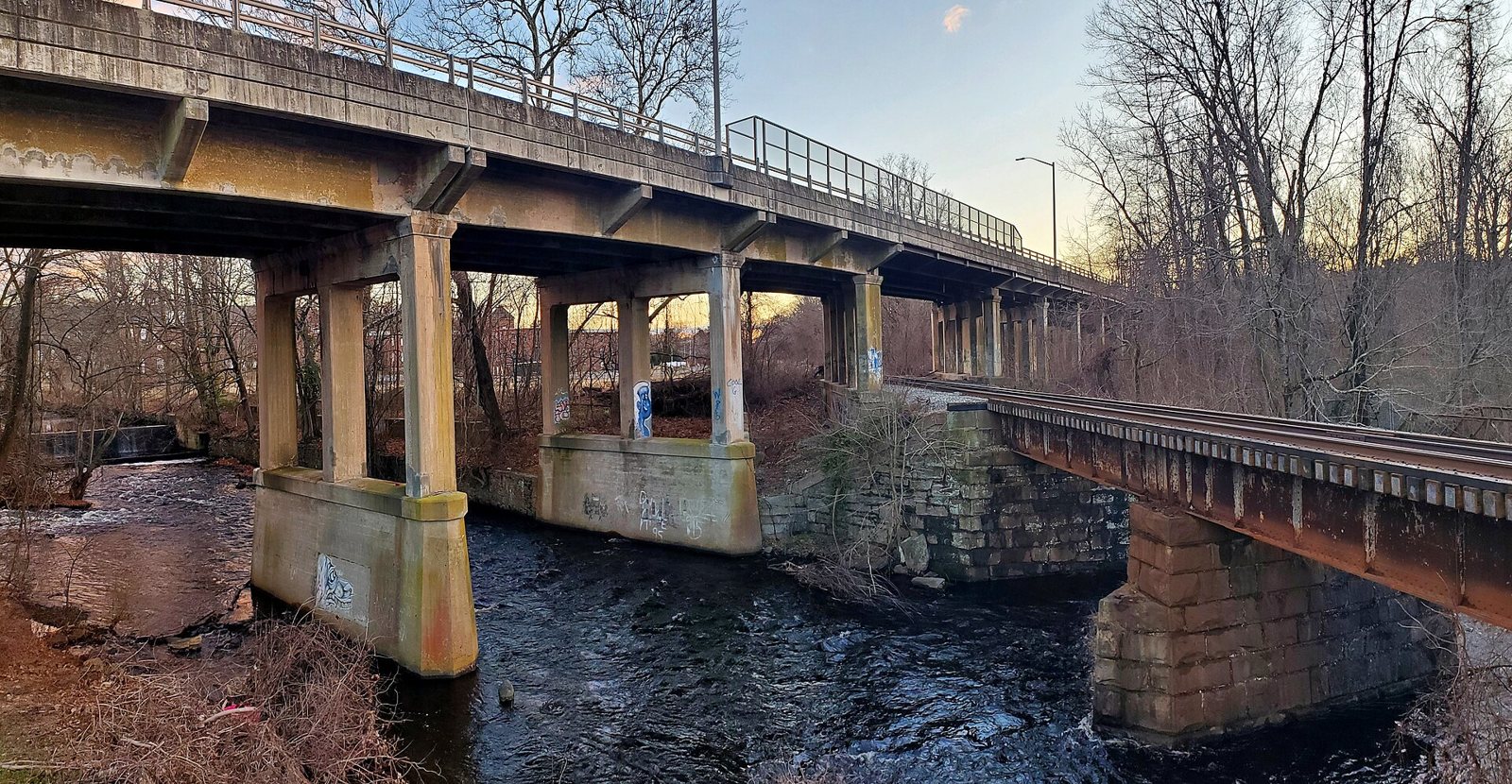
No. 019
The Jewett City Vampires: Connecticut's New England Vampire Panic
The "Jewett City vampires" were members of a Connecticut family, and what happened to them was an act of grief, not a horror story. In 1854, in Jewett City, a borough of Griswold, the Ray family had lost a father and two adult sons to consumption, the old name for tuberculosis. When another son fell ill, family and friends dug up the two brothers and burned their bodies in the burial ground, following a belief that the dead could feed on the living. A second Griswold case surfaced in 1990: a coffin marked "JB 55" whose skeleton had been rearranged into a skull and crossbones. In 2019, DNA and genealogy identified that man as probably John Barber, a farmer. Both belong to the wider New England vampire panic, which historians tie to tuberculosis.
Consumption in a New England family
To understand Jewett City, start with the disease. Tuberculosis, which nineteenth-century New Englanders called consumption, could move through a household over several years. One relative would weaken and die, then another, and then another would start to cough. Nobody at the time could explain why.
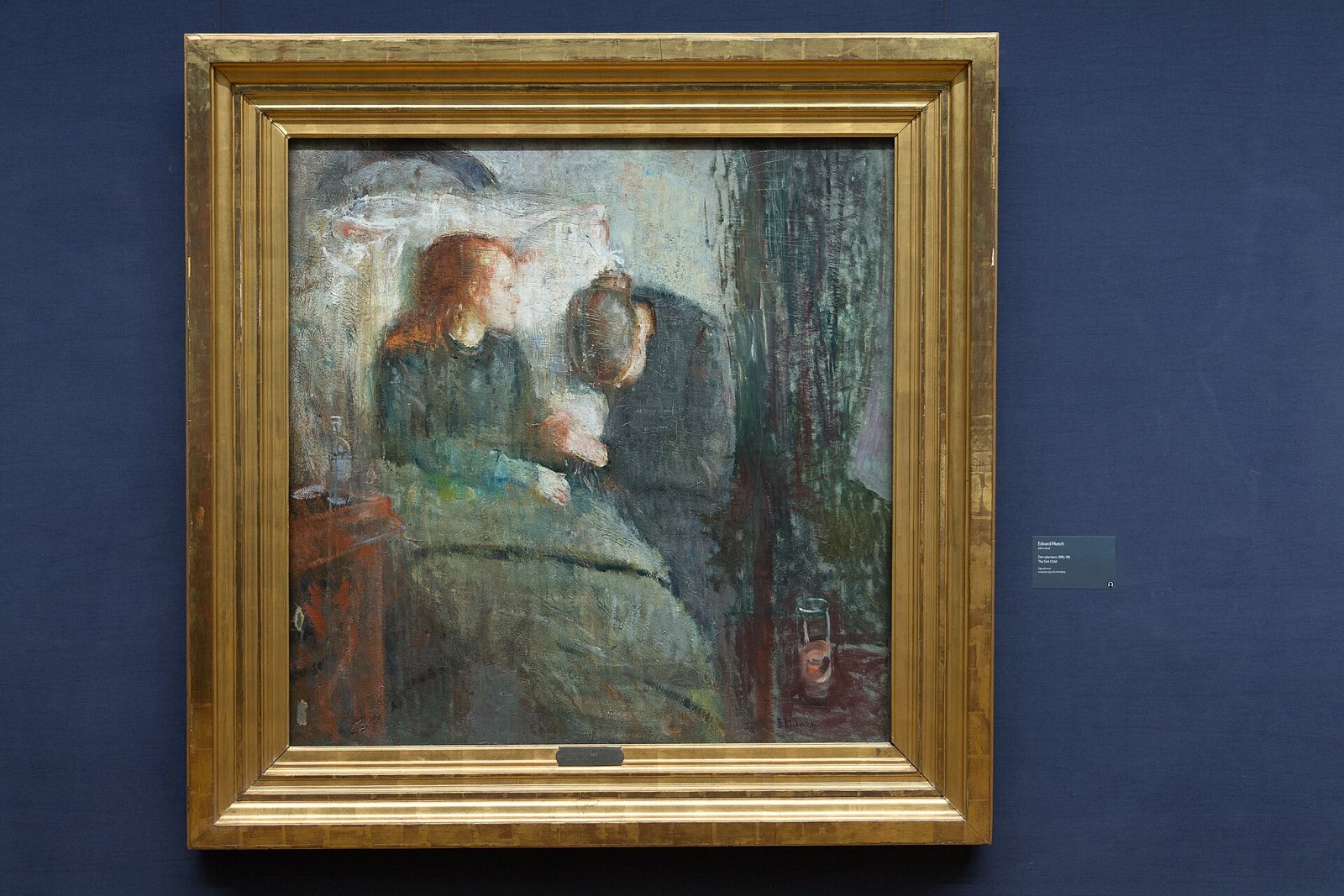
In parts of Rhode Island, eastern Connecticut, Vermont and neighboring areas, some families came to connect those successive deaths with an idea: a dead relative, not fully decomposed in the grave, was somehow continuing to drain the life of the living. If that was the cause, the remedy was at the grave. Historians who study these cases, among them Michael Bell, describe them as a response to contagious disease, grief, fear and the limits of medical knowledge. The people involved were trying to save the family members they still had.
The Ray family of Jewett City, 1854
The Jewett City case comes down to us through a contemporary newspaper account in the Norwich Courier, which the archaeologists Nicholas Bellantoni and Paul Sledzik quote in their study of New England vampire belief.
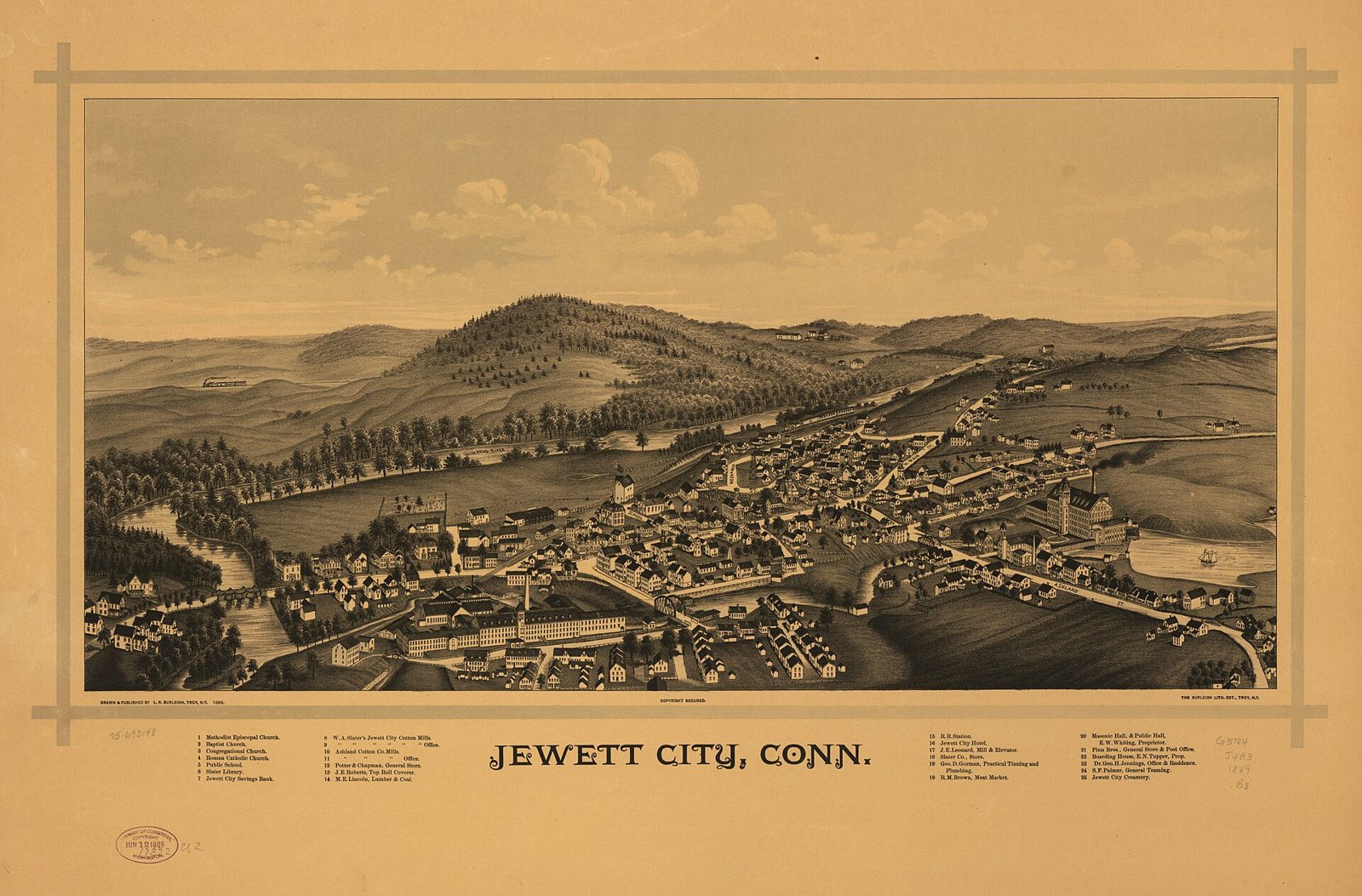
In that account, Horace Ray died first. Two of his adult sons died after him. In 1854, when another son became ill, family and friends went to the burial ground, exhumed the bodies of the two dead brothers and burned them there. The belief behind it was the one described above: a dead relative who had not fully decayed was feeding on the living, and destroying the body would stop it.
Later retellings disagree about the names of the sons and the exact order of the deaths, so the clearest way to describe it is as the 1854 exhumation and burning by the Ray family in Jewett City. The family's graves are in Jewett City Cemetery. Jewett City itself is a borough within the town of Griswold, as the Borough of Jewett City explains.
Skulls beside a gravel pit, 1990
The second Griswold story was found by accident. In 1990, children playing beside a gravel pit in Griswold dislodged human skulls. Archaeologists, including State Archaeologist Nicholas Bellantoni, traced them to an abandoned family cemetery associated with the Walton family and documented 29 graves, according to Smithsonian and The Day and the Associated Press.
One of those graves stood out.
Burial number four: the skull and crossbones of J.B. 55
Burial number four held a coffin with brass tacks spelling "JB 55," read as the man's probable initials and his age at death. When the archaeologists opened it, they found that the skeleton had been disturbed after burial.
The skull had been separated from the spine and set on the chest. The rib cage had been opened. The thigh bones had been crossed beneath the skull. Someone had arranged the bones into a skull and crossbones.
Bellantoni and Paul Sledzik interpreted the arrangement as evidence of a New England anti-vampire ritual. The bones supported that reading in a quiet, medical way: they showed lesions consistent with tuberculosis or a similar chronic lung infection, the same disease behind the Ray family's deaths. There was no heart left to burn. The researchers suggested the grave may have been opened after the soft tissues had already decayed, and the bones were rearranged instead, as another way of protecting the living.
The skull-and-crossbones layout is why this burial is so well known, but it carries a different meaning here from the pirate flag or the poison label. You can follow the wider history of the image in our story on the skull and crossbones.
A name for J.B. 55
For almost three decades the man in burial four was known only by his tacks. In 2019, researchers combined Y-chromosomal DNA profiling with genealogical data and old newspaper records and identified J.B. 55 as probably John Barber, a Griswold farmer, as reported by Smithsonian and Archaeology Magazine.
A second coffin helped. Nearby lay a burial marked "NB 13," associated with Nicholas Barber, a 12-year-old boy whose 1826 obituary named John Barber as his father. The matching style of the tacks on the two coffins and the genetic evidence pointed the same way. The arthritis in J.B. 55's skeleton fit a life of heavy manual labor, which suits a farmer.
The identification is a strong probability, not a certainty. It still matters: the skeleton people call "the vampire" was most likely a working man who died of a lung disease, and whose grave was later opened in a ritual meant to protect the living.
Griswold and the New England vampire panic
Tap or hover a step to follow the order.
1784
A Connecticut newspaper account documents a consumption-related exhumation, among the earliest records of the regional practice.
1826
The obituary of 12-year-old Nicholas Barber names John Barber as his father, a record that later helps identify J.B. 55.
1854
Ray family members in Jewett City exhume and burn the bodies of two relatives after another family member falls ill.
March 1892
In Exeter, Rhode Island, members of the Brown family are exhumed, and Mercy Brown's heart and liver are burned.
1990
Children playing beside a gravel pit in Griswold dislodge skulls, revealing the Walton family cemetery and its 29 graves.
1992
The Walton family remains are reburied at Hopeville Cemetery.
2019
DNA and genealogy identify J.B. 55 as probably John Barber, a Griswold farmer.
The wider New England vampire panic
Jewett City and Griswold were not isolated. Michael Bell's history of vampires and death in New England documents more than 80 related rituals or reports, stretching from New England to Minnesota, from at least 1784 through 1892.
What families did varied from place to place.
What families did in the New England vampire panic
Tap a card to bring it forward.
- Exhuming the body: Opening the grave of a relative who had died of consumption.
- Checking the heart: Examining it for liquid blood, taken as a sign the dead person was still drawing on the living.
- Burning the heart or other organs: Destroying the parts believed to be the source of the harm.
- Burning the whole body: As the Ray family did in Jewett City in 1854.
- Rearranging the bones: As with J.B. 55 in Griswold, where the skull and thigh bones were set out as a skull and crossbones.
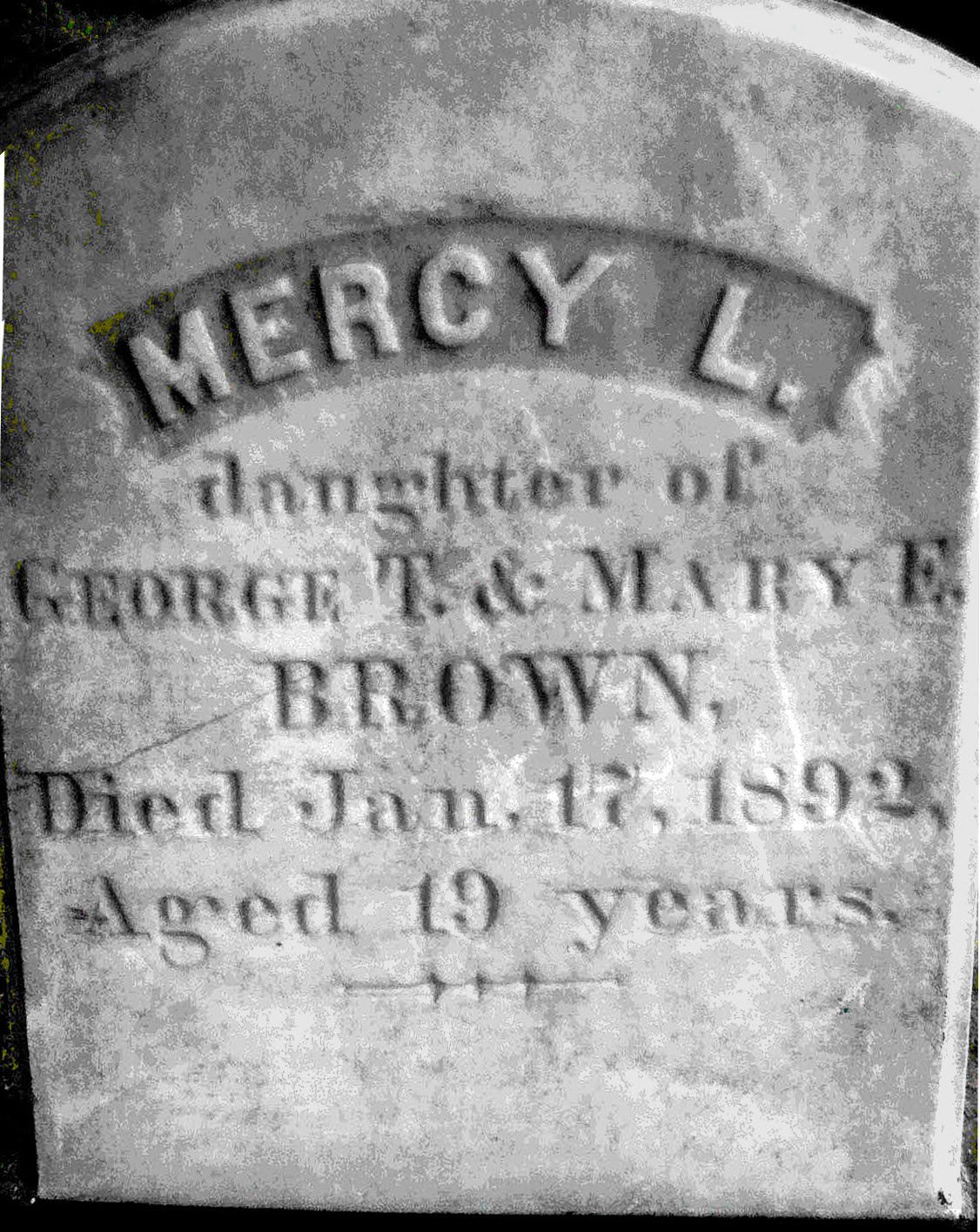
The best-known case happened in Exeter, Rhode Island. Several members of the Brown family had died of consumption, and Mercy Brown's brother Edwin was ill. In March 1892, neighbors and officials exhumed members of the family. Mercy, who had died at 19, was among them. Her heart and liver were removed and burned, and the remains were used in an attempted remedy for Edwin, according to History. Edwin died soon afterward.
These events had nothing to do with bats, capes or theatrical blood-drinking. As Smithsonian describes Bell's work, the New England cases were about family illness, community fear and burial ritual. Historians explain them through tuberculosis, grief and limited medical knowledge, and none of the evidence points to anything supernatural.
How Griswold remembers
The people from the Walton cemetery did not stay in a gravel pit. After consultation with relatives, town officials, archaeologists and church representatives, the Walton family remains were reburied at Hopeville Cemetery in Griswold in 1992. The National Park Service CRM Journal describes a ceremony attended by Walton descendants, the First Congregational Church, the Town of Griswold and state archaeologists, led by a local Congregational minister. The remains of J.B. 55 were kept for scientific study at the National Museum of Health and Medicine.
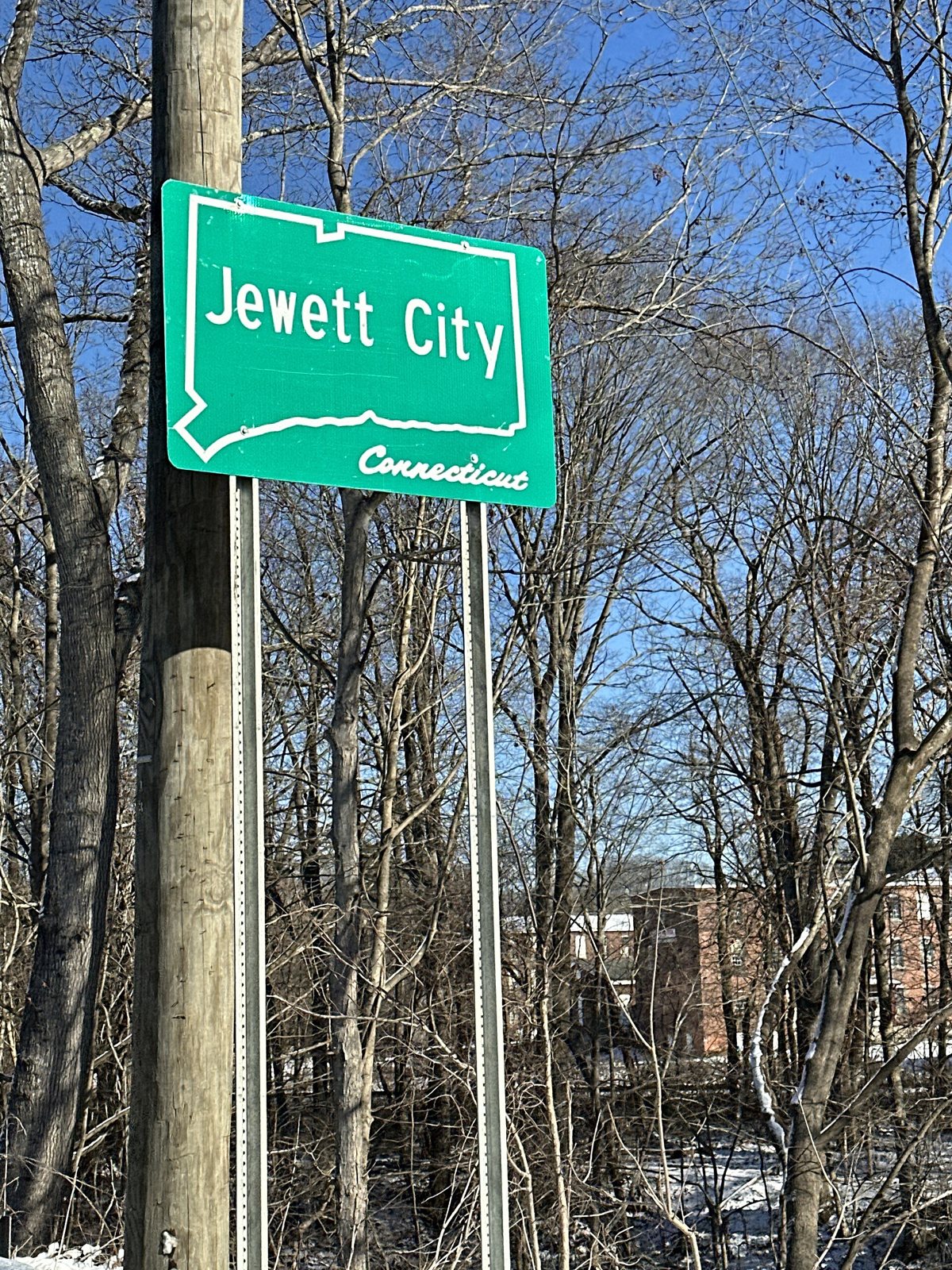
The Ray family is remembered through its graves in Jewett City Cemetery. Local historians and archaeologists tell the story through public history walks and talks, as part of Connecticut's tuberculosis-era history. Cal Hewitt, who runs We Dig Skulls, grew up in New Haven, Connecticut, and stories like this one are part of the state's past that deserve to be told with the families at the center.
If you visit either cemetery, treat it as what it is: a burial place for real families.
Jewett City vampires quiz
Answer every question to check.
Questions people ask about the Jewett City vampires
Has a vampire skeleton ever been found?
A skeleton treated as a suspected vampire has been found, but it is evidence of a ritual, not of a vampire. In Griswold, Connecticut, the coffin marked "JB 55" held bones rearranged into a skull and crossbones, and those bones showed signs of tuberculosis or a similar lung disease.
Who was J.B. 55?
J.B. 55 was probably John Barber, a Griswold farmer who died in the early nineteenth century. In 2019, researchers linked him through DNA and genealogy to a nearby coffin marked "NB 13," the grave of Nicholas Barber, whose 1826 obituary named John Barber as his father. The identification is probable rather than certain.
What was the New England vampire panic?
The New England vampire panic was a series of tuberculosis-related beliefs and burial practices from the late eighteenth through the nineteenth century. When several relatives died of consumption, some families believed a dead relative was draining the living, and they exhumed bodies, burned hearts or whole bodies, or rearranged bones.
Why were the bones arranged as a skull and crossbones?
The bones were most likely arranged that way as a protective ritual after the body had already decayed. Bellantoni and Sledzik suggested that with no heart left, the people who opened the grave separated the skull, opened the rib cage and crossed the thigh bones instead.
Where is the Jewett City vampire cemetery?
The Ray family graves are in Jewett City Cemetery, in the borough of Jewett City within Griswold, Connecticut. The Walton family cemetery, where J.B. 55 was found, was beside a gravel pit in Griswold, and the Walton remains were reburied at Hopeville Cemetery in 1992.
Where to go next
Griswold's story sits beside another Connecticut case where old burials came back into view: the colonial graves exposed by Hurricane Sandy in the skeleton in the tree on the New Haven Green. New Haven's historic burial ground is the subject of our story on Grove Street Cemetery, and the long history of the skull and crossbones image is in skull and crossbones.
Terms in this story
Tap a term to see what it means.
Consumption. The nineteenth-century name for tuberculosis, a disease that could move through a family over several years.