

No. 018
The Skeleton in the Tree on the New Haven Green: What Hurricane Sandy Uncovered
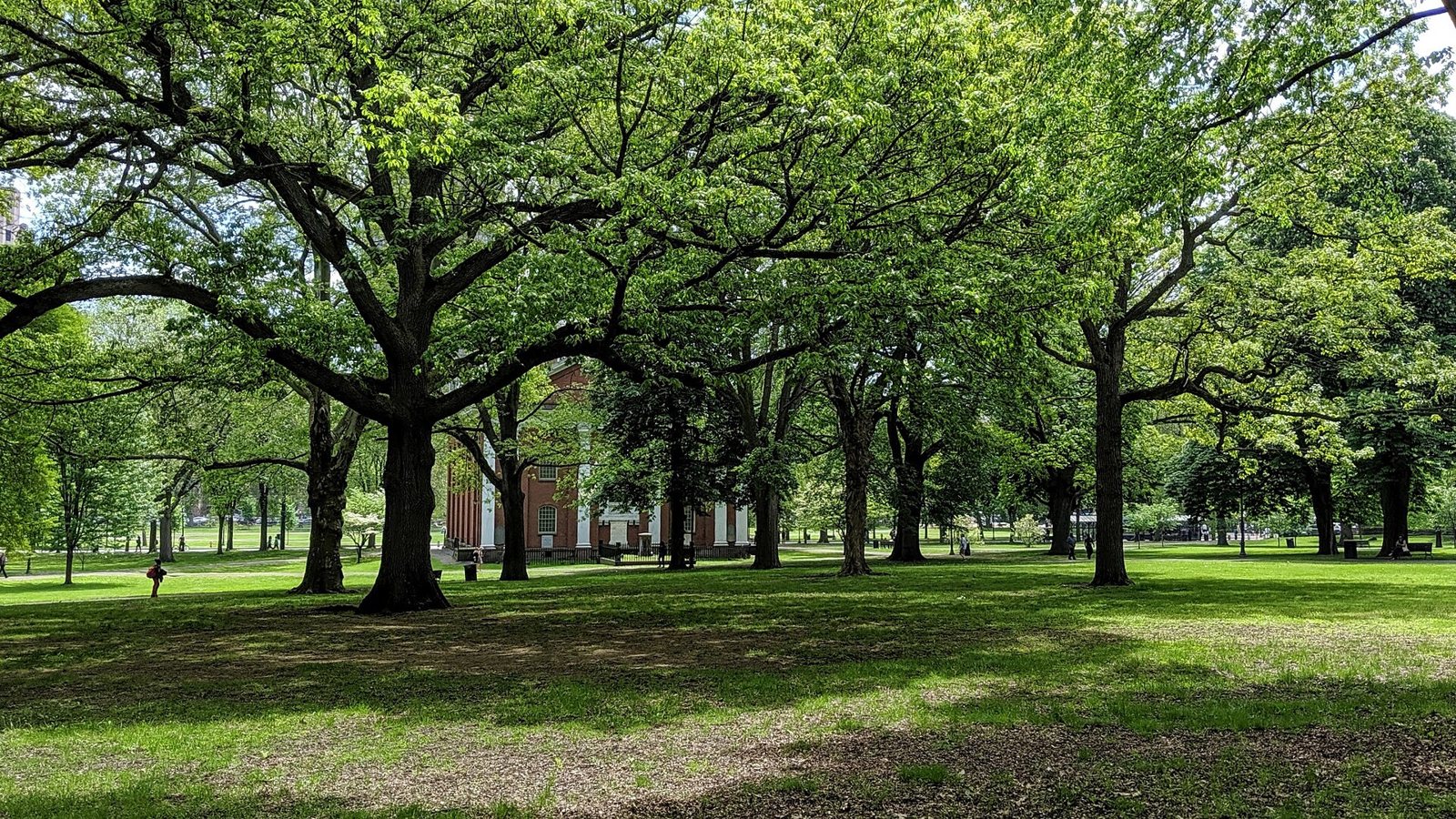
On October 29, 2012, Hurricane Sandy blew down the Lincoln Oak on the New Haven Green, a tree planted in April 1909 for Abraham Lincoln's 100th birthday. The next day, a passerby saw a skull, a spine and a rib cage tangled in its upturned roots. The bones were not a crime scene. They belonged to people buried in the Green's colonial burying ground, mostly in the late 1700s, and by October 2013 researchers had identified the remains of seven people, adults and children. The Green served as New Haven's main burying ground for roughly 150 years, and thousands of people still lie beneath its lawns.
The storm, the oak and what was in its roots
The Lincoln Oak had stood on the Green for 103 years when Sandy brought it down on October 29, 2012, and its root ball tipped up out of the ground. On October 30, a passerby noticed a skull, a spine and a rib cage in the exposed roots, according to Yale Alumni Magazine.
Police, the medical examiner and Nicholas F. Bellantoni, then Connecticut's state archaeologist, were called to the Green. Early reports in the New Haven Register described at least two people, possibly four. As the study went on, the count grew. A preliminary account in a 2013 UConn State Museum newsletter described six individuals, and by the end of October 2013 the New Haven Register reported seven. The different numbers reflect a first look followed by careful analysis, not a disagreement about what was in the ground.
Cal Hewitt, who runs We Dig Skulls, grew up in New Haven, Connecticut, so this is a story about a place we know: the Green is the city's front lawn, crossed every day by people who rarely think about what lies underneath it.
Why a city park holds a burying ground
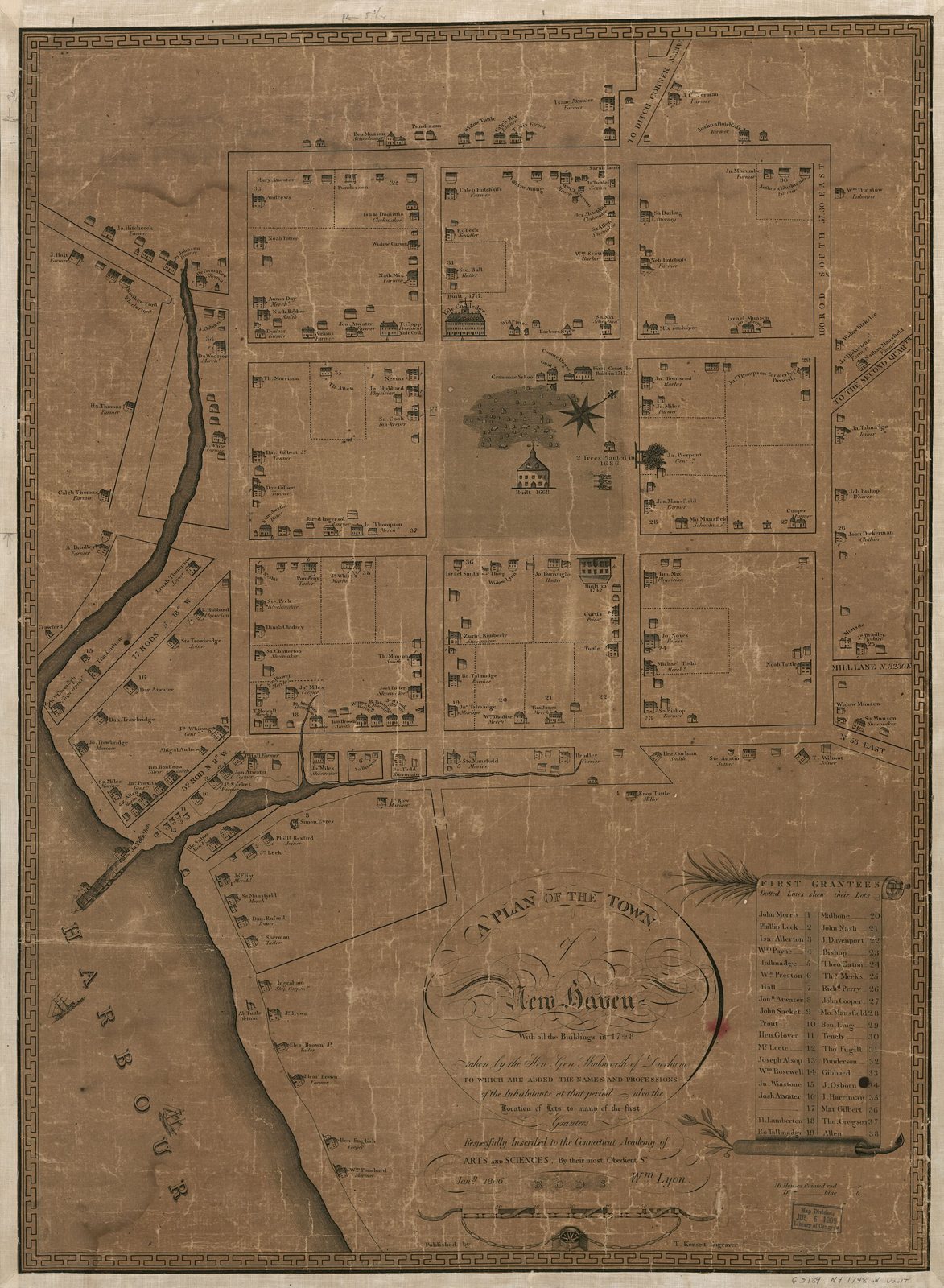
The answer goes back to the town's founding. From the 1630s or 1640s, the Green was New Haven's principal burying ground, and it stayed that way into the late eighteenth and early nineteenth centuries. Families buried their dead on the common land at the center of town.
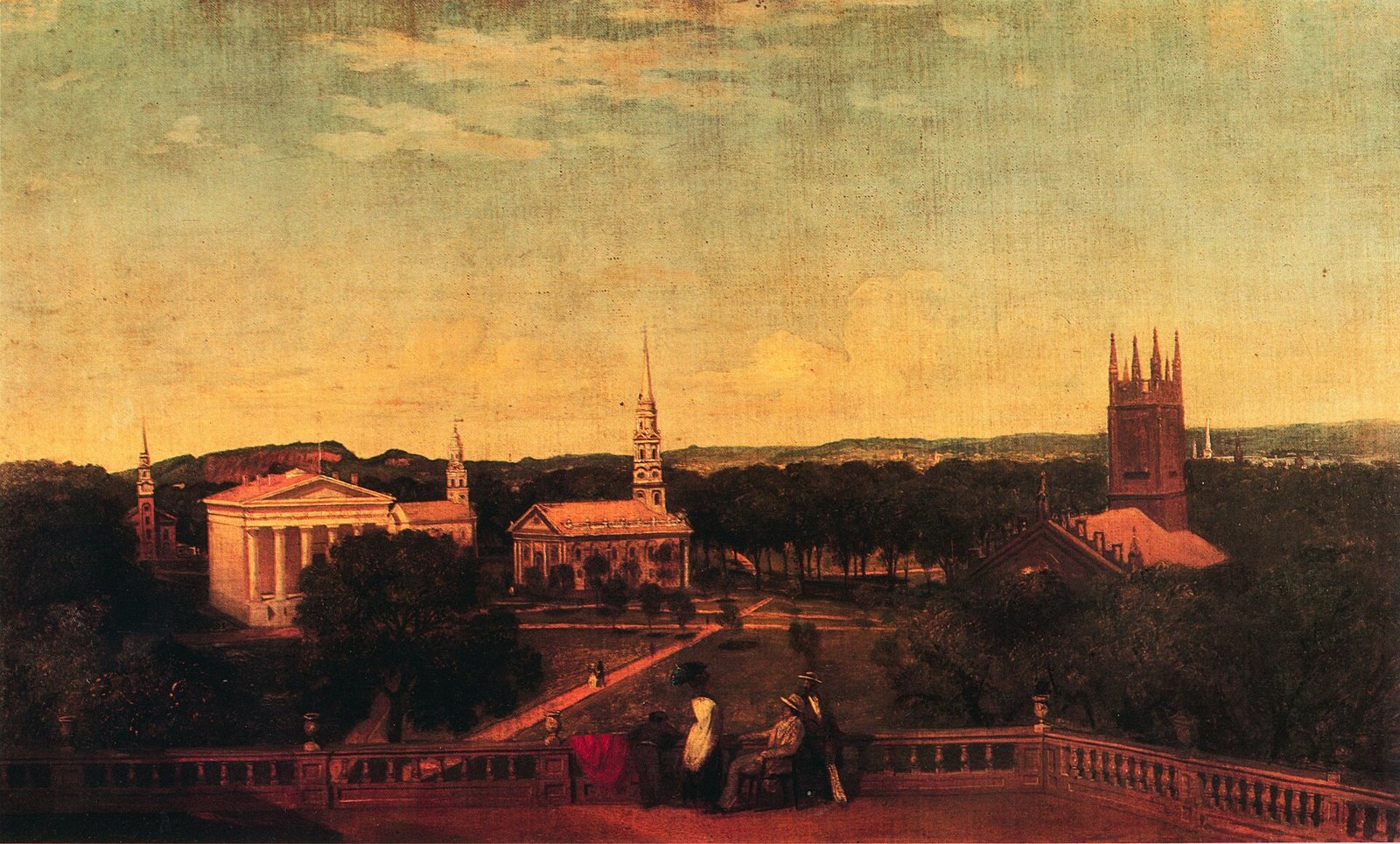
In the 1790s the town set up a new place for its dead. Grove Street Cemetery was established in the 1790s and incorporated in 1797 as the city's new burial ground. Over the following decades, headstones were moved from the Green to Grove Street, especially during the 1810s and in 1821. The bodies, for the most part, stayed where they were. New Haven moved the markers and left the people.
That is why the Green today is two things at once: an active public space kept open for community use, and a historic burial ground. You can read more about where the stones went in our story on Grove Street Cemetery.
How many people are buried under the Green
Nobody has an exact count; the plain answer is "thousands." Each estimate comes from a named body and covers a slightly different area and period.
Tap or hover a row to highlight it.
| Who gives the figure | Area | Estimate |
|---|---|---|
| Who gives the figureHistoric American Buildings Survey | AreaAround Center Church and the Green, from the colony's planting to 1797 | EstimateAbout 4,000 to 5,000 people |
| Who gives the figureCenter Church | AreaThe upper Green | EstimateMore than 5,000 unidentified remains |
| Who gives the figureYale News, citing historians | AreaThe Green over roughly 150 years as a burial ground | EstimateAs many as 10,000 burials |
| Who gives the figureCenter Church | AreaThe crypt under the church | EstimateAbout 137 people identified by grave marker, plus likely remains of more than 1,000 unidentified people |
The Historic American Buildings Survey described approximately 4,000 to 5,000 people buried around Center Church and the Green between the colony's planting and 1797. Center Church says the upper Green contains more than 5,000 unidentified remains. Yale News reported that historians estimate as many as 10,000 burials over the Green's roughly 150 years as a burying ground. None of these is a census. Together they say the same thing: the people under the Green number in the thousands.
What the bones told researchers
The remains from the Lincoln Oak were studied by a team that crossed several fields. Bellantoni worked with Yale biological anthropologist Gary P. Aronsen, Judith Schiff, imaging specialists from Quinnipiac University and other researchers, combining archaeology, osteology (the study of bones), historical records and medical imaging.
They dated the burials to the late eighteenth century, mainly the 1790s. The group included adults and children. Among them were an adult man and a child who had been buried with a toy marble. The researchers also reported that the 1909 work to install time capsules beneath the new oak may have disturbed that child's grave, more than a century after the burial.
The teeth carried a record of hard early years: signs of nutritional or metabolic stress during childhood. The bones gave clues to each person's health, age and sex. They did not reveal how anyone died, and the researchers did not claim to know.
The investigators also chose restraint. They excavated only the remains that the fallen tree had exposed or disturbed, and they left the rest of the burying ground as it was. On October 31, 2013, almost exactly a year after the storm, the New Haven Museum hosted a panel that brought together archaeologists, anthropologists, historians, radiologists and genetic researchers to share what they had learned. In April 2014, Yale opened an exhibit on the art and science of the bones from the Green.
The time capsules in the roots
The oak held one more surprise. When Lincoln's centennial tree was planted in 1909, the people of New Haven sealed two time capsules into its concrete base. Both came out of the ground after the storm.
Inside were commemorative Lincoln coins, newspapers, a Grand Army of the Republic star, a musket ball and grapeshot from the battlefield at Gettysburg, along with other papers and objects. The time capsules were later donated to the New Haven Museum.
What happened to the remains afterward
Reports at the time said the remains would be reburied once the study was finished, possibly in a service led by pastors from the three churches on the Green. In April 2013, the New Haven Register described the remains as being studied for later reburial.
If you want to know where and when the people from under the Lincoln Oak were laid to rest again, the Committee of the Proprietors of the Common and Undivided Lands of New Haven, which looks after the Green, and the Green churches are the ones to ask.
The New Haven Green as a burying ground
Tap or hover a step to follow the order.
1630s to 1640s
The Green begins serving as New Haven's colonial burying ground.
1790s
Grove Street Cemetery is established as the city's new burial ground, and it is incorporated in 1797.
1812 to 1814
Center Church is built over part of the old burying ground, creating its crypt.
1821
Remaining headstones are moved from the Green to Grove Street Cemetery, while most bodies stay in place.
April 1909
The Lincoln Oak is planted for Abraham Lincoln's centennial, with two time capsules in its base.
October 29 to 30, 2012
Hurricane Sandy topples the oak, and human remains are seen in its roots the next day.
October 31, 2013
Researchers present their findings on the remains at the New Haven Museum.
The crypt under Center Church
One part of the old burying ground still has its stones in place. When Center Church was built between 1812 and 1814, the congregation raised it over part of the burial ground instead of moving every grave. The result is a crypt beneath the church, where grave markers dating from 1687 onward still stand over the people they name.
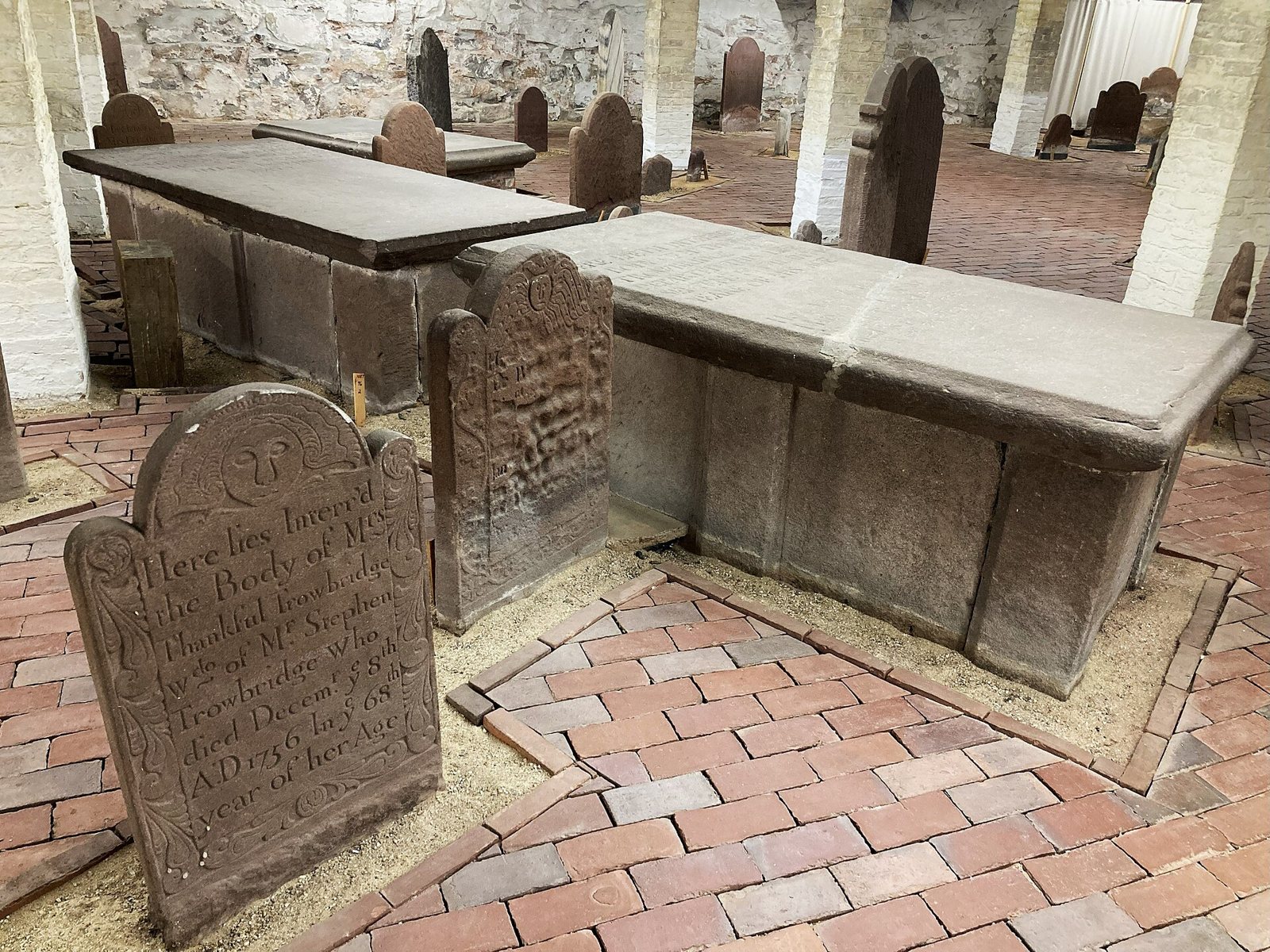
Center Church identifies about 137 people by their grave markers and says the crypt also likely holds the remains of more than 1,000 unidentified people. The named burials include some of the best-known figures of early New Haven:
- Theophilus Eaton, founder and governor of New Haven Colony, described as buried near the crypt's foundation.
- Reverend James Pierpont, one of the founders of Yale College.
- Margaret Arnold, the first wife of Benedict Arnold.
- Members of Rutherford B. Hayes's family.
- Sarah Rutherford Trowbridge, whose stone is dated 1687, the earliest date among the crypt's markers.
Colonial New England stones of this age are known for carved winged death's heads and, later, soul effigies, explained in our story on what a winged skull means.
Caring for the Green as a burial place today
The Green belongs to an unusual body. The Committee of the Proprietors of the Common and Undivided Lands of New Haven says its trustees preserve the Green's history, prevent its commercialization and keep it open for the community. The City of New Haven's Parks Department looks after city parks and public green spaces, including trees and emergency tree work. City event and vending policies require permits, and city documents state that the Proprietors prohibit vending on the Green.
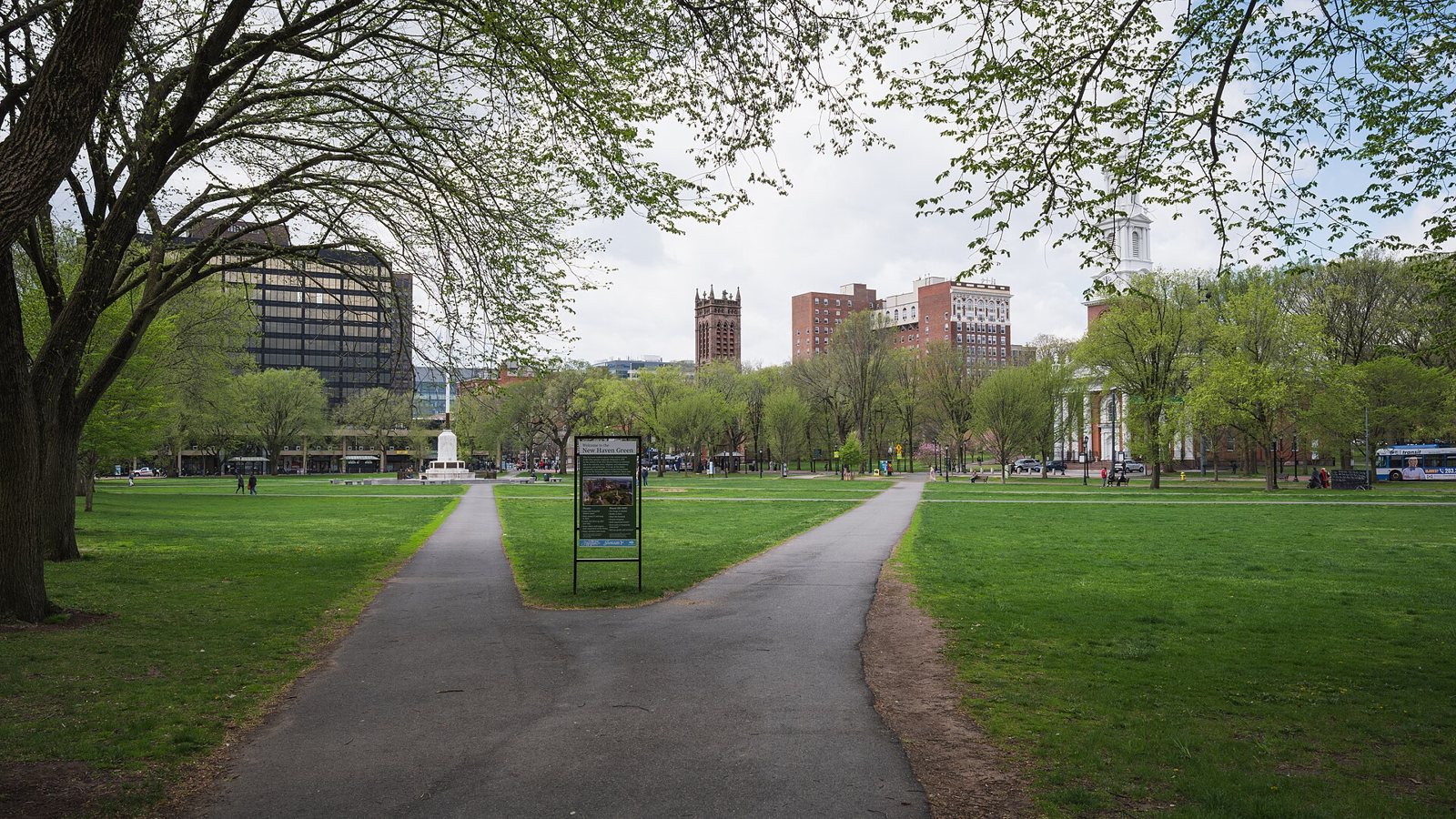
The Green also carries formal historic protection. The city lists the New Haven Green Historic District as a National Historic Landmark and a National Register property.
Under the church, Center Church and the New Haven Crypt Association care for the crypt and its markers. Water has damaged the stones over the years, and the church describes conservation work that included replacing a concrete floor that trapped moisture with an uncemented brick floor and stabilizing some of the stones.
If you visit the Green or the crypt, treat it as the burial place it is. Follow the church's instructions, leave the soil, stones and any remains undisturbed, and confirm current crypt access with Center Church before you go.
New Haven Green quiz
Answer every question to check.
Questions people ask about the New Haven Green
What happened to the skeleton found inside a tree?
The remains found in the roots of the Lincoln Oak after Hurricane Sandy were recovered by archaeologists led by Nicholas Bellantoni and Gary Aronsen, who removed only the bones the tree had disturbed. Study showed they belonged to several people from the colonial burying ground, mostly from the late 1700s. Reports at the time said they would be reburied; the Proprietors of the Green and the Green churches can confirm the final place and date.
Are there bodies buried under the New Haven Green?
Yes, thousands of people are buried under the New Haven Green. It was the town's principal burying ground from the colonial period until the late 1700s and early 1800s. Many gravestones went to Grove Street Cemetery, but most of the bodies were left in place.
How many people are buried under the New Haven Green?
No exact total exists; named estimates run from about 4,000 or 5,000 to as many as 10,000 people. The Historic American Buildings Survey gives the lower range, Center Church says more than 5,000 unidentified remains lie in the upper Green, and Yale News cited historians' estimates of up to 10,000.
Who is buried under the New Haven Green?
Thousands of colonial New Haveners are buried under the Green, most of them unidentified, along with some well-known figures. Center Church's crypt identifies about 137 people by marker, including Theophilus Eaton, Reverend James Pierpont and Margaret Arnold, and the 2012 remains included adults and children from the late 1700s.
What is the Center Church crypt?
The Center Church crypt is the part of the old burying ground that lies beneath Center Church, built over the graves between 1812 and 1814. It preserves grave markers dating from 1687 onward, and the church and the New Haven Crypt Association care for it today.
Where to go next
The Green's headstones went to Grove Street Cemetery, and that is the natural next stop: the cemetery that replaced the Green and still holds many of its markers. For the carved faces on stones of this period, read what a winged skull means. Connecticut has another story where archaeology and an old burial met, in the Jewett City vampires, and the wider history of places that keep their dead in plain view is in ossuaries around the world.
Terms in this story
Tap a term to see what it means.
Burying ground. The colonial New England term for a graveyard. The New Haven Green was the town's main one from the 1630s or 1640s into the early 1800s.